Soluciones de informática industrial CoreIPC

Sistema de Adquisición de Datos Industriales: Plataforma de adquisición de datos industriales para monitoreo de equipos conectados
Resumen ejecutivo
Un sistema de adquisición de datos industrial proporciona la base informática para recopilar, tratamiento, almacenar, y transmisión de datos de la máquina desde sensores, PLC, metros, controladores, equipo de producción, sistemas de servicios públicos, y dispositivos industriales.
Las fábricas e instalaciones industriales modernas generan grandes cantidades de datos operativos.. motores, zapatillas, compresores, transportadores, robots, maquinas cnc, máquinas de embalaje, medidores de energía, sensores ambientales, sistemas de inspección, y las líneas de producción producen señales que pueden ayudar a los operadores a comprender el estado de la máquina, rendimiento del proceso, condiciones de calidad, uso de energía, y salud del equipo.
La adquisición de datos industriales requiere hardware confiable cerca del equipo.
Una computadora industrial o una computadora integrada puede recopilar señales analógicas., señales digitales, datos en serie, datos ethernet, Valores del PLC, lecturas de sensores, alarmas de la máquina, registros de producción, y estado del dispositivo. Puede procesar esta información localmente., almacenar registros, datos en buffer durante interrupciones de la red, y enviar datos estructurados a SCADA, MES, plataformas industriales de IoT, paneles de control en la nube, bases de datos locales, o sistemas de mantenimiento.
En comparación con PC de oficina estándar o gateways de consumo, industrial computers are better suited for industrial data acquisition because they support rugged deployment, múltiples puertos LAN, comunicación en serie, GPIO, opciones de expansión, almacenamiento confiable, opciones de operación sin ventilador, entrada de energía estable, y disponibilidad de ciclo de vida prolongado.
This article explains how industrial data acquisition systems work, ¿Qué desafíos aparecen en entornos industriales reales?, cómo está estructurada la arquitectura de la solución, and which hardware features matter when selecting an industrial computer or embedded computer for data acquisition applications.

Industrial data acquisition systems collect sensor readings, Valores del PLC, meter data, alarmas, recuentos de producción, and drive information.
Descripción general de la industria
Industrial Data Is Becoming a Core Production Asset
Manufacturing and industrial operations increasingly depend on accurate data.
Production teams need to know what machines are doing. Maintenance teams need equipment health information. Quality teams need inspection and traceability records. Energy managers need power and utility data. Los equipos directivos necesitan indicadores de rendimiento de la producción..
La adquisición de datos industriales ayuda a recopilar esta información del campo..
Las fuentes de datos comunes incluyen:
- Sensores
- PLC
- Accionamientos motorizados
- Medidores de energía
- medidores de flujo
- Transmisores de presión
- Sensores de temperatura
- Sensores de vibración
- Lectores de códigos de barras
- Cámaras industriales
- maquinas de produccion
- Equipo de prueba
- Dispositivos de monitoreo ambiental
Una plataforma confiable de adquisición de datos convierte estas señales en información utilizable.
Edge Computing mejora la recopilación de datos
Enviar todos los datos sin procesar directamente a un servidor remoto o a una plataforma en la nube no siempre es práctico.
Algunas señales son de alta frecuencia.. Algunas máquinas generan datos continuamente.. Algunas redes de fábrica tienen ancho de banda limitado. Algunos sitios experimentan conectividad inestable.
La computación perimetral permite que la adquisición de datos industriales se realice cerca del equipo.
La computadora industrial puede filtrar datos, normalizar valores, calcular características locales, almacenar registros, y reenviar información seleccionada.
Esto reduce la carga de la red y mejora el tiempo de respuesta..
Las computadoras industriales proporcionan la base del hardware
Los sistemas de adquisición de datos industriales suelen instalarse dentro de armarios de control., recintos de máquinas, líneas de producción, cuartos de servicio, sistemas de almacén, instalaciones energéticas, o sitios de infraestructura remotos.
Estos entornos pueden incluir vibraciones., calor, polvo, ruido electrico, flujo de aire limitado, y funcionamiento continuo.
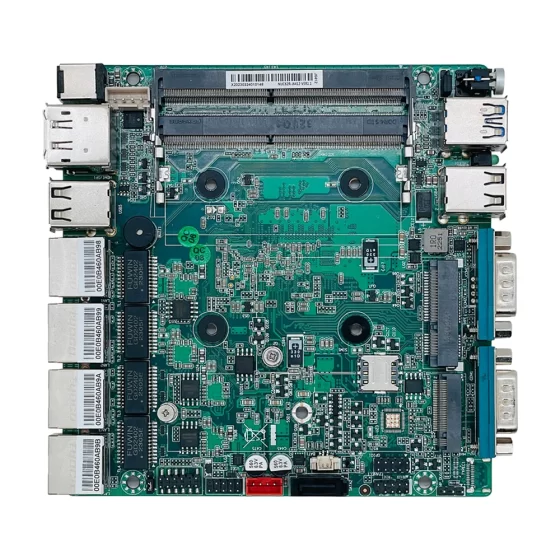
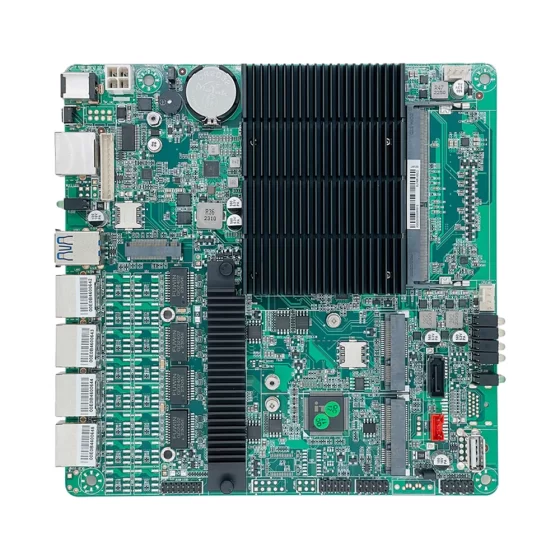
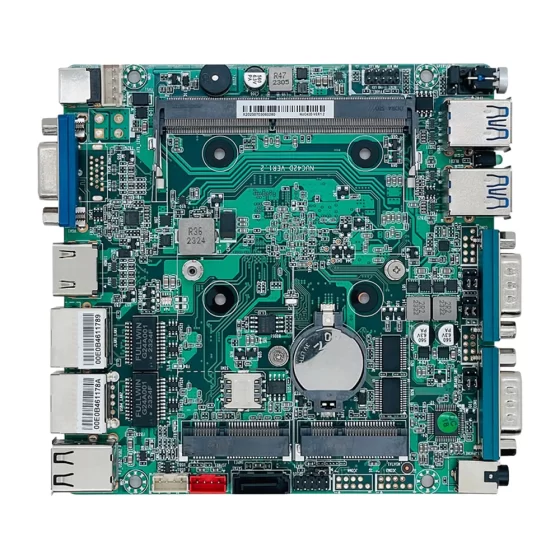
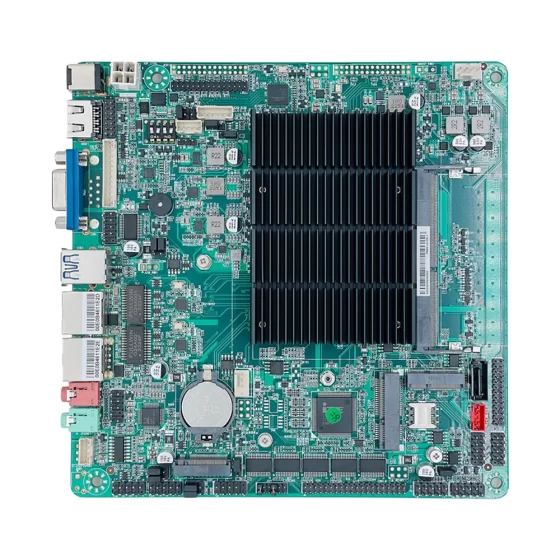
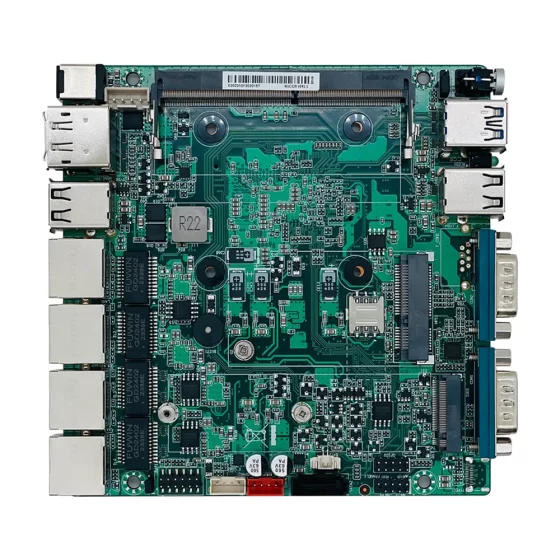
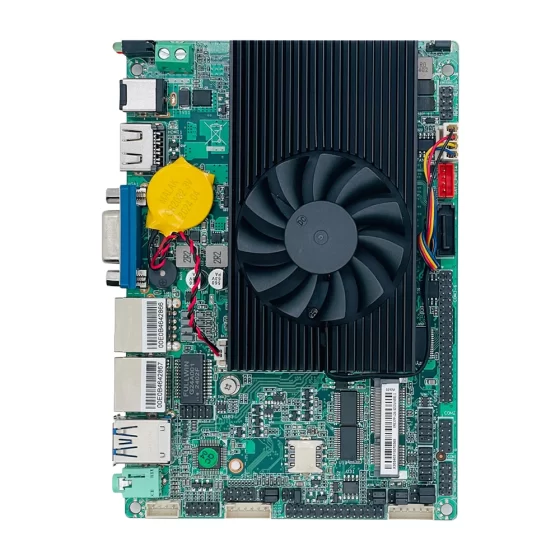
Las computadoras industriales y las computadoras integradas proporcionan la plataforma de hardware resistente necesaria para estas condiciones..
Admiten conectividad flexible, almacenamiento local, opciones de diseño sin ventilador, montaje seguro, y disponibilidad a largo plazo.

Sensores mixtos, dispositivos serie heredados, Armarios PLC, metros, cables de vibración, ruido electrico, y el hardware resistente afectan la implementación de DAQ.
Desafíos clave
Conexión de diferentes fuentes de datos
Los sitios industriales rara vez utilizan un tipo de dispositivo.
Es posible que sea necesario un único sistema de adquisición de datos para recopilar datos de dispositivos Ethernet modernos., equipo serie heredado, sensores, PLC, metros, conduce, y bases de datos locales.
Esto crea complejidad de integración..
Los tipos de señales y comunicaciones comunes pueden incluir:
- Ethernet
- RS232
- RS485
- Modbus
- Entrada digital
- Salida digital
- GPIO
- Entrada analógica a través de módulos DAQ
- dispositivos USB
- comunicación PLC
- Dispositivos Ethernet industriales
- Datos del medidor
- Pasarelas de sensores
La plataforma de hardware debe admitir la combinación de dispositivos real utilizada en el proyecto..
Mantener la precisión y continuidad de los datos
La adquisición de datos sólo es útil cuando los registros son confiables.
datos faltantes, comunicación inestable, marcas de tiempo incorrectas, o las lecturas inconsistentes del dispositivo pueden reducir la confianza en el sistema.
Una computadora de adquisición de datos debe soportar un funcionamiento estable, almacenamiento local, almacenamiento en búfer, sincronización de tiempo, y transmisión de datos controlada.
Los registros importantes pueden incluir:
- Lecturas de sensores
- Estado de la máquina
- Eventos de alarma
- La producción cuenta
- Uso de energía
- Datos de tiempo de ejecución
- Resultados de calidad
- Registros de lotes
- Datos de salud del equipo
- Eventos de mantenimiento
La continuidad confiable de los datos respalda mejores análisis y toma de decisiones.
Manejo de datos de alta frecuencia
Algunas aplicaciones industriales requieren una rápida recopilación de datos.
Monitoreo de vibraciones, prueba de máquina, medición de procesos, monitoreo de energía, y los datos relacionados con el movimiento pueden producir señales de alta frecuencia.
Es posible que la plataforma necesite suficiente rendimiento informático, memoria, velocidad de almacenamiento, y capacidad de expansión para manejar la carga de trabajo.
La selección de hardware debe considerar:
- Recuento de sensores
- Tasa de muestreo
- Formato de datos
- Necesidades de procesamiento local
- Velocidad de escritura de almacenamiento
- Ancho de banda de red
- Periodo de retención
- Frecuencia de carga
- Requisitos de tiempo de ejecución del software
El sistema debe validarse con cargas de datos reales antes de su implementación..
Integración de equipos heredados
Muchas fábricas todavía utilizan máquinas y controladores más antiguos..
Estos sistemas sólo pueden proporcionar comunicación en serie., señales de retransmisión, salidas digitales, o datos básicos del medidor.
Reemplazar el equipo puede no ser práctico.
Un sistema de adquisición de datos industriales puede ayudar a conectar máquinas heredadas a paneles de control modernos, Sistemas SCADA, plataformas MES, y aplicaciones industriales de IoT.
Puertos serie, GPIO, E/S digitales, y los módulos de expansión son importantes para estos proyectos.
Apoyar el procesamiento local
Los datos sin procesar a menudo necesitan procesamiento antes de que sean útiles.
Es posible que el ordenador industrial necesite realizar:
- Filtrado de datos
- Conversión de unidades
- Alineación de marca de tiempo
- Extracción de características de señal
- Monitoreo de umbral
- Clasificación de alarma
- Compresión de datos
- Análisis locales
- Puntuación del estado del equipo
- Conversión de protocolo
El procesamiento local mejora la eficiencia y reduce la cantidad de datos innecesarios enviados a los sistemas centrales..
Funcionamiento confiable en condiciones industriales
Las plataformas de adquisición de datos suelen funcionar de forma continua.
Se pueden colocar cerca de máquinas., motores, conduce, sistemas de energía, transportadores, zapatillas, y equipos utilitarios.
Estos entornos pueden incluir polvo., vibración, variación de temperatura, ruido electrico, y la inestabilidad del poder.
El hardware de calidad industrial ayuda a reducir el riesgo de tiempo de inactividad gracias a una construcción robusta, opciones de operación sin ventilador, almacenamiento confiable, entrada de energía estable, montaje seguro, y soporte de ciclo de vida prolongado.

Los ordenadores industriales de adquisición de datos conectan sensores, PLC, conduce, metros, SCADA, MES, bases de datos, sistemas en la nube, y diagnóstico remoto.
Arquitectura de solución de adquisición de datos industriales
Dispositivo de campo y capa de sensor
La capa de dispositivos de campo incluye las máquinas y sensores que generan datos..
Esta capa puede incluir:
- Sensores de temperatura
- Sensores de presión
- medidores de flujo
- Sensores de vibración
- Sensores de corriente
- Interruptores digitales
- Relés
- PLC
- Accionamientos motorizados
- Medidores de energía
- Lectores de códigos de barras
- Cámaras industriales
- maquinas de produccion
- Equipo utilitario
Estos dispositivos proporcionan la información bruta necesaria para el seguimiento y el análisis..
Capa de adquisición de datos perimetrales
La capa de adquisición de datos de borde es donde opera la computadora industrial o la computadora integrada..
en esta capa, la plataforma puede:
- Recoger valores de sensores
- Leer datos del PLC
- Comunicarse con medidores.
- Recibir alarmas de la máquina
- Capturar registros de producción
- Almacenar datos locales
- Registros de búfer durante problemas de red
- Normalizar formatos de datos
- Procesar eventos locales
- Información estructurada hacia adelante
Esta capa proporciona la base informática local para la adquisición de datos industriales..
Capa de procesamiento local
La capa de procesamiento local convierte datos sin procesar en información estructurada..
La plataforma podrá procesar:
- Tendencias de sensores
- Estados de alarma
- Estado de la máquina
- Registros de tiempo de ejecución
- Valores energéticos
- La producción cuenta
- Información del lote
- Registros de calidad
- Indicadores de salud del equipo
- Desviaciones del proceso
El procesamiento local reduce la transferencia de datos innecesaria y mejora el tiempo de respuesta.
Capa de integración del sistema
Los sistemas de adquisición de datos industriales suelen conectarse a plataformas de nivel superior.
Estos pueden incluir:
- SCADA
- MES
- ERP
- GMAO
- Plataformas industriales de IoT
- Paneles de control en la nube
- Bases de datos de historiadores locales
- Sistemas de calidad
- Plataformas de gestión energética
- Sistemas de mantenimiento
Esta integración permite que los datos de la máquina respalden la visibilidad de la producción., planificación de mantenimiento, trazabilidad de calidad, y reportes comerciales.
Capa de seguridad y gestión
La capa de seguridad y gestión admite el acceso controlado y la capacidad de servicio a largo plazo..
Puede incluir:
- Segmentación de red
- Acceso remoto seguro
- Permisos de usuario
- Registro local
- Copia de seguridad de configuración
- Monitoreo de almacenamiento
- Monitoreo del estado del sistema
- Diagnóstico remoto
- Gestión de actualizaciones de software.
- control de acceso a datos
Esto ayuda a proteger los datos industriales y mantener la estabilidad del sistema..
Características clave
Conectividad industrial flexible
Una computadora de adquisición de datos industriales debe admitir una conectividad de campo práctica.
Las interfaces útiles pueden incluir:
- LAN
- USB
- RS232
- RS485
- GPIO
- Entrada digital
- Salida digital
- hdmi
- DisplayPort
- M.2
- PCIe
- Almacenamiento SATA o NVMe
Estas interfaces permiten que la plataforma conecte sensores., metros, PLC, controladores, herramientas de servicio, muestra, y redes de fábricas.
La conectividad flexible reduce la necesidad de adaptadores externos y simplifica el diseño del gabinete..
Soporte de comunicación en serie
La comunicación en serie sigue siendo importante en entornos industriales.
muchos metros, controladores, sensores, y los dispositivos heredados todavía usan RS232 o RS485.
Una computadora integrada con puertos serie puede recopilar datos de estos dispositivos y enviarlos a sistemas modernos..
Esto es útil para proyectos de modernización y actualizaciones de IoT industrial..
Diseño de red multiLAN
Múltiples puertos LAN ayudan a separar el tráfico de adquisición de datos de otras redes.
Un sistema puede utilizar puertos separados para:
- comunicación PLC
- Red de sensores
- Red de máquinas
- Red informática de fábrica
- Conexión SCADA
- conexión MES
- Mantenimiento remoto
- Plataforma industrial de IoT
La separación de redes mejora la estabilidad de la comunicación y ayuda a reducir la exposición innecesaria entre sistemas..
Almacenamiento local y almacenamiento en búfer de datos
El almacenamiento local es fundamental para la adquisición de datos industriales.
La plataforma puede almacenar:
- Registros de sensores
- Registros de máquina
- Historial de alarmas
- Registros de producción
- Datos energéticos
- Datos de calidad
- Cargar buffers
- Archivos de configuración
- Registros de diagnóstico
- Archivos de bases de datos locales
Generalmente se prefiere el almacenamiento SSD o NVMe porque proporciona un acceso rápido y una mejor resistencia a los golpes que las unidades mecánicas..
La planificación del almacenamiento debe considerar el tiempo de retención, escribe resistencia, flujo de trabajo de respaldo, y proceso de recuperación.
Rendimiento del procesamiento perimetral
La computadora debe proporcionar suficiente rendimiento para la carga de trabajo de datos real..
El monitoreo simple puede requerir solo un procesamiento moderado.
Adquisición de datos de alta frecuencia, grandes redes de sensores, bases de datos locales, analítica, datos de imagen, o las aplicaciones de IA de vanguardia pueden requerir una CPU más potente, más memoria, almacenamiento más rápido, o opciones de aceleración.
La configuración final debe coincidir con la aplicación real..
Diseño robusto y sin ventilador
Los sistemas de adquisición de datos industriales suelen funcionar cerca de equipos..
Las computadoras industriales sin ventilador reducen la entrada de polvo y eliminan un punto común de falla mecánica.
Los gabinetes resistentes ayudan a proteger contra las vibraciones, tensión del cable, impacto de la instalación del gabinete, y funcionamiento continuo.
El diseño térmico debe revisarse cuidadosamente, especialmente cuando el sistema maneja la recopilación continua de datos, procesamiento local, almacenamiento escribe, y comunicación en red.
Sincronización horaria e integridad de datos
Las marcas de tiempo precisas son importantes para el análisis de datos industriales.
Cuando los datos provienen de varios dispositivos, La alineación del tiempo ayuda a los operadores a comprender las secuencias de eventos y las relaciones de los procesos..
El sistema debe admitir una configuración de hora estable., registro consistente, y manejo confiable de datos.
Esto mejora la trazabilidad y la resolución de problemas..
Diagnóstico y mantenimiento remotos
Los sistemas de adquisición de datos a menudo se implementan en múltiples máquinas o sitios..
El diagnóstico remoto puede ayudar a los equipos de ingeniería y mantenimiento a revisar los registros, comprobar la comunicación, actualizar configuraciones, y solucionar problemas.
El acceso remoto seguro debe incluir autenticación, permisos, control de sesión, segmentación de red, y registrando.
Esto mejora la eficiencia del servicio al tiempo que protege los sistemas industriales..
Disponibilidad de ciclo de vida prolongado
Los sistemas industriales de adquisición de datos pueden permanecer en servicio durante muchos años.
El hardware consistente ayuda a mantener las imágenes del software, controladores de comunicación, diseño de cableado de campo, piezas de repuesto, y procedimientos de validación.
La disponibilidad de un ciclo de vida prolongado es importante para los fabricantes, integradores de sistemas, y proveedores de soluciones de adquisición de datos OEM.
Escenarios de implementación
Recopilación de datos de la línea de producción
Una línea de producción puede incluir PLC., sensores, transportadores, lectores de códigos de barras, sistemas de inspección, y múltiples máquinas.
Una computadora de adquisición de datos industriales puede recopilar el estado de la máquina, recuentos de producción, alarmas, resultados de calidad, y registros de ciclo.
Esto respalda la visibilidad y la trazabilidad de la producción..
Monitoreo de equipos
Máquinas como motores., zapatillas, compresores, transportadores, maquinas cnc, y los robots generan datos operativos útiles.
Una computadora integrada puede recopilar lecturas de sensores, datos de tiempo de ejecución, alarmas, y estado del equipo.
Esto respalda la planificación del mantenimiento y el monitoreo del estado del equipo..
Adquisición de datos de energía y servicios públicos
Los sistemas de energía pueden incluir medidores de energía., inversores, sistemas de baterías, equipos de climatización, zapatillas, y dispositivos de utilidad.
Una computadora industrial puede recolectar corriente., Voltaje, fuerza, temperatura, fluir, y datos del estado de funcionamiento.
Esto apoya la gestión de energía y el monitoreo de instalaciones..
Adquisición de datos de proceso
Las industrias de procesos pueden requerir monitoreo de temperatura, presión, fluir, nivel, vibración, y otras variables.
Una plataforma de adquisición de datos puede recopilar estas lecturas y enviarlas a SCADA., historiadores locales, o paneles de control de IoT industriales.
Esto respalda la visibilidad del proceso y el control operativo..
Conectividad de máquinas heredadas
Es posible que las máquinas más antiguas no admitan las redes industriales modernas.
Una computadora integrada con comunicación serial., GPIO, o las E/S digitales pueden recopilar señales de máquina disponibles y convertirlas en datos estructurados.
Esto admite actualizaciones de fábrica inteligentes sin reemplazar todo el equipo..
Sistemas de prueba y medición
Los equipos de prueba industriales pueden generar datos de medición a partir de instrumentos., sensores, accesorios, y controladores.
Una computadora de adquisición de datos puede recopilar valores de prueba., almacenar registros, administrar archivos, y conectar resultados con sistemas de calidad.
Esto admite la inspección y validación automatizadas..
Monitoreo remoto del sitio
Los sitios de infraestructura remotos pueden incluir bombas., metros, generadores, sensores ambientales, equipo utilitario, o máquinas de campo.
Una computadora integrada puede recopilar datos localmente, registros de buffer, y transmitir información seleccionada a plataformas centrales.
Esto admite monitoreo distribuido..
Dispositivo de adquisición de datos OEM
Los integradores de sistemas y fabricantes de máquinas pueden crear dispositivos de adquisición de datos personalizados utilizando computadoras industriales o placas integradas..
La plataforma puede admitir la conectividad de sensores., conversión de protocolo, almacenamiento local, análisis de borde, acceso remoto, e interfaces específicas del cliente.
Beneficios comerciales
Visibilidad operativa mejorada
La adquisición de datos industriales brinda a los operadores un mejor acceso a la información de las máquinas y los procesos..
Datos de sensores, PLC, metros, y los equipos de producción pueden visualizarse en tableros de instrumentos o integrarse en los sistemas de fábrica.
Una mejor visibilidad respalda decisiones más rápidas y una operación más eficiente.
Mejor trazabilidad
Los sistemas de adquisición de datos pueden recopilar registros de producción., valores de proceso, estado del equipo, alarmas, eventos del operador, resultados de calidad, e información de lotes.
Estos registros ayudan a respaldar el análisis de calidad., informar, y flujos de trabajo de cumplimiento.
La trazabilidad es especialmente importante en la fabricación., embalaje, electrónica, energía, y procesar solicitudes.
Solución de problemas más rápida
Cuando los datos de la máquina se recopilan y almacenan correctamente, Los ingenieros pueden revisar secuencias de eventos., alarmas, tendencias de sensores, y registros de comunicación.
Esto ayuda a identificar problemas más rápido..
Los registros locales y los diagnósticos remotos también reducen el tiempo necesario para el servicio in situ..
Pérdida de datos reducida
El almacenamiento local y el almacenamiento en búfer ayudan a preservar los datos durante las interrupciones de la red..
El sistema puede continuar recopilando registros y cargarlos cuando se recupere la comunicación..
Esto mejora la continuidad de los datos y el análisis a largo plazo..
Integración más sencilla de fábrica inteligente
Un sistema de adquisición de datos industriales ayuda a conectar dispositivos de campo con MES, SCADA, plataformas industriales de IoT, sistemas de energía, y paneles de control en la nube.
Esto reduce los silos de datos y respalda la transformación digital..
Una computadora integrada confiable hace que la integración sea más práctica a nivel de máquina.
Implementación escalable
Se puede implementar una plataforma de adquisición de datos industriales estandarizada en muchas máquinas, pauta, fábricas, o sitios remotos.
El hardware consistente simplifica las imágenes de software, diseño de cableado, validación del conductor, planificación de repuestos, y gestión del ciclo de vida.
Esto admite programas de datos industriales escalables..
Por qué CoreIPC
CoreIPC proporciona plataformas informáticas industriales para la adquisición de datos industriales, IoT industrial, automatización industrial, visión artificial, IA de vanguardia, gestión de energía, e integración de sistemas integrados. Para aplicaciones de adquisición de datos industriales, CoreIPC se centra en hardware informático industrial confiable, soluciones informáticas integradas, E/S flexibles, configuraciones de LAN múltiple, soporte de comunicación en serie, diseño de sistema compacto, opciones de implementación sin ventilador, capacidad de almacenamiento local, y soporte de personalización OEM/ODM. CoreIPC ayuda a los integradores de sistemas, constructores de maquinaria, y los fabricantes seleccionan plataformas informáticas que coincidan con los requisitos de implementación reales, incluyendo interfaces de dispositivos, carga de trabajo de datos, diseño de almacenamiento, métodos de montaje, entrada de energía, condiciones termicas, y planificación del ciclo de vida.
Preguntas frecuentes
1. ¿Qué es un sistema de adquisición de datos industriales??
Un sistema de adquisición de datos industrial recopila datos de la máquina., sensor, metro, SOCIEDAD ANÓNIMA, y datos de equipos de entornos industriales.
Puede acumular temperatura, presión, fluir, vibración, actual, alarmas, recuentos de producción, registros de tiempo de ejecución, y estado del dispositivo. El sistema puede procesar, almacenar, y enviar estos datos a SCADA, MES, plataformas industriales de IoT, o bases de datos locales.
2. ¿Por qué utilizar una computadora industrial para la adquisición de datos??
Una computadora industrial proporciona hardware resistente y conectividad flexible para implementación en campo.
Puede admitir múltiples puertos LAN, comunicación en serie, USB, GPIO, almacenamiento confiable, operación sin ventilador, montaje industrial, entrada de energía estable, y disponibilidad de ciclo de vida prolongado.
Estas características lo hacen adecuado para la adquisición continua de datos cerca de máquinas..
3. ¿Cómo se utiliza una computadora integrada en la adquisición de datos??
Se puede instalar una computadora integrada dentro de un gabinete de control., recinto de la máquina, cuarto de servicio, o estación de monitoreo remoto.
Puede recopilar datos de sensores., leer valores del PLC, comunicarse con medidores, almacenar registros, datos del buffer, procesar eventos locales, y enviar información estructurada a los sistemas de fábrica.
4. ¿Qué dispositivos se pueden conectar a una plataforma de adquisición de datos industriales??
La plataforma podrá conectar sensores., PLC, unidades de motor, medidores de energía, medidores de flujo, transmisores de presión, sensores de temperatura, sensores de vibración, lectores de códigos de barras, cámaras industriales, máquinas de producción, equipo de prueba, y dispositivos de monitoreo ambiental.
El soporte exacto depende de las interfaces., protocolos, y software.
5. ¿Por qué son útiles RS232 y RS485 para la adquisición de datos??
RS232 y RS485 todavía se utilizan ampliamente en medidores industriales., sensores, controladores, y equipos heredados.
Una computadora integrada con puertos serie puede recopilar datos de estos dispositivos y conectarlos a sistemas de monitoreo modernos..
Esto es útil para proyectos de modernización y actualización de IoT industrial..
6. ¿Por qué es importante el almacenamiento local??
El almacenamiento local ayuda a preservar los datos durante las interrupciones de la red.
La computadora puede seguir recopilando registros., alarmas, lecturas de sensores, y datos de diagnóstico localmente. Cuando se recupera la comunicación, Los registros almacenados en buffer se pueden cargar en sistemas centrales..
El almacenamiento SSD o NVMe confiable mejora la continuidad de los datos.
7. ¿Pueden los sistemas de adquisición de datos industriales soportar el análisis de borde??
Sí. Una computadora de adquisición de datos industriales puede procesar datos localmente.
Puede realizar filtrado, conversión de unidades, monitoreo de umbral, análisis de tendencias, extracción de características, clasificación de alarma, y detección de anomalías.
Las aplicaciones avanzadas pueden requerir computación de mayor rendimiento o aceleración de IA.
8. ¿Por qué son útiles varios puertos LAN??
Múltiples puertos LAN ayudan a separar las redes PLC, redes de sensores, redes de máquinas, TI de fábrica, SCADA, MES, IoT industrial, y tráfico de mantenimiento remoto.
Esto mejora la estabilidad de la comunicación., organización del tráfico, y seguridad.
9. ¿Qué características de hardware son importantes para la adquisición de datos??
Las características importantes incluyen un rendimiento confiable de la CPU, memoria suficiente, múltiples puertos LAN, USB, RS232, RS485, GPIO, E/S digitales, Almacenamiento SSD o NVMe, recinto resistente, diseño sin ventilador, entrada de energía industrial, M.2, PCIe, y opciones de expansión.
La configuración final debe coincidir con el número de dispositivos., tasa de datos, y entorno de instalación.
10. Qué se debe probar antes de la implementación?
Antes del despliegue, La plataforma debe probarse con sensores reales., PLC, metros, módulos de adquisición de datos, topología de red, tarifas de datos, comportamiento de almacenamiento, recuperación de comunicación, y operación de larga duración.
Estabilidad térmica, condiciones de vibración, flujo de trabajo de acceso remoto, procedimientos de respaldo, e integración con SCADA, MES, o los sistemas en la nube también deben validarse.
Conclusión
Un sistema de adquisición de datos industriales es una base práctica para el monitoreo de equipos conectados, recopilación de datos de sensores, comunicación PLC, registro de datos de la máquina, procesamiento local, diagnóstico remoto, e integración de fábrica inteligente.
Colocando una computadora industrial o una computadora integrada cerca de máquinas y dispositivos de campo, Los fabricantes e integradores de sistemas pueden recopilar datos de los sensores., metros, PLC, conduce, equipo de producción, sistemas de servicios públicos, instrumentos de prueba, y máquinas heredadas a través de rutas de comunicación confiables.
La plataforma de adquisición de datos industriales adecuada debe seleccionarse de acuerdo con los requisitos de implementación reales., incluyendo el recuento de dispositivos, tasa de datos, comunicación en serie, Diseño de puerto LAN, Necesidades de GPIO o E/S digitales, almacenamiento local, carga de trabajo de procesamiento de bordes, método de montaje, entrada de energía, ambiente de vibración, condiciones termicas, soporte del sistema operativo, y planificación del ciclo de vida.
CoreIPC respalda proyectos de adquisición de datos industriales con plataformas informáticas industriales diseñadas para aplicaciones prácticas en el lado de la máquina., gabinete, utilidad, fábrica, sitio remoto, y despliegue OEM. Con la base de hardware adecuada, Los operadores industriales pueden construir confiables., escalable, y sistemas de monitoreo basados en datos.
Contáctenos
Busco ordenador industrial, computadora integrada, o plataforma IPC compacta para adquisición de datos industriales?
Póngase en contacto con CoreIPC para analizar los requisitos de su proyecto., incluyendo interfaces de sensores, comunicación PLC, puertos serie, Configuración del puerto LAN, carga de trabajo de datos, diseño de almacenamiento, método de montaje, entrada de energía, entorno operativo, necesidades del ciclo de vida, y opciones de personalización OEM/ODM.