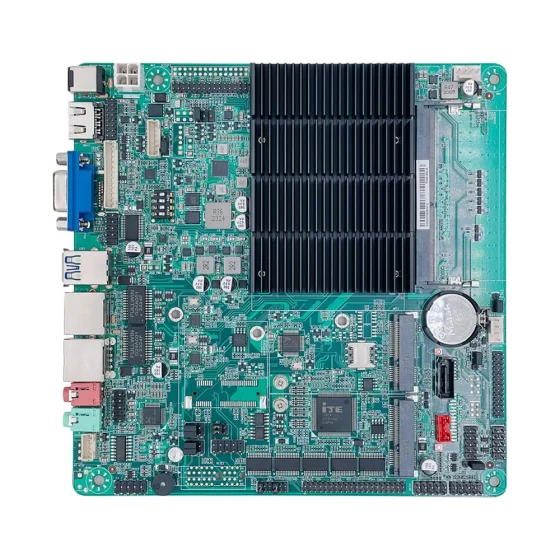
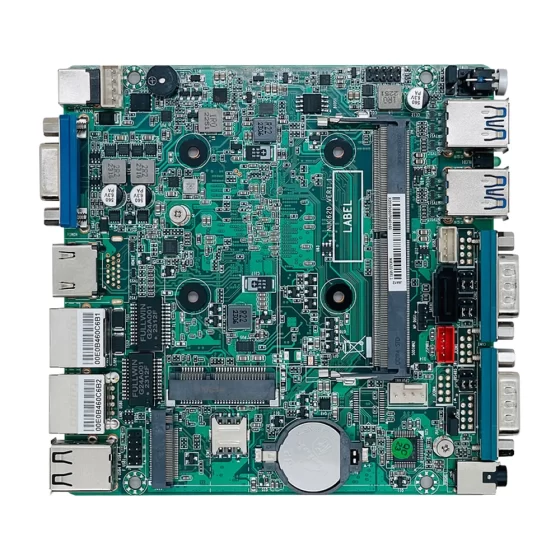
Soluciones de informática industrial CoreIPC

Solución informática industrial para máquinas de embalaje: Computadora de máquina de embalaje para automatización de embalaje inteligente
Resumen ejecutivo
La computadora de una máquina de embalaje proporciona la base informática industrial para el control de la línea de embalaje, recopilación de datos de la máquina, Operación HMI, verificación de código de barras, inspección por visión artificial, servo coordinación, gestión de recetas, y conectividad de fábrica inteligente.
Las modernas máquinas de envasado ya no son simples sistemas mecánicos. A menudo integran PLC, servoaccionamientos, sensores, transportadores, etiquetadoras, controladoras de peso, lectores de códigos de barras, cámaras industriales, HMI, dispositivos de seguridad, y plataformas de software de fábrica. Estos sistemas deben trabajar juntos de manera confiable para respaldar una velocidad de producción estable., embalaje preciso, inspección de calidad, y registros de fabricación rastreables.
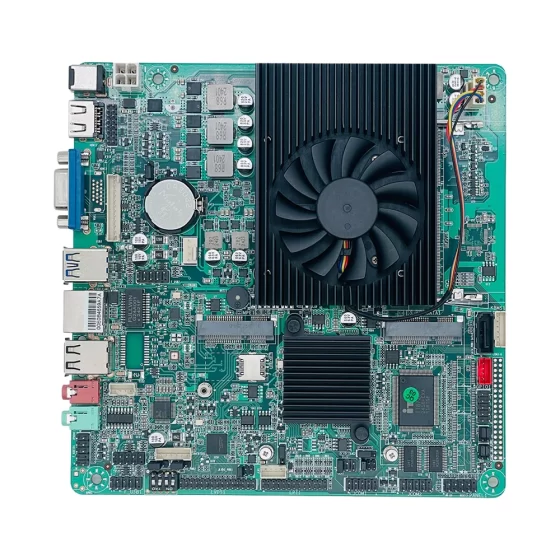
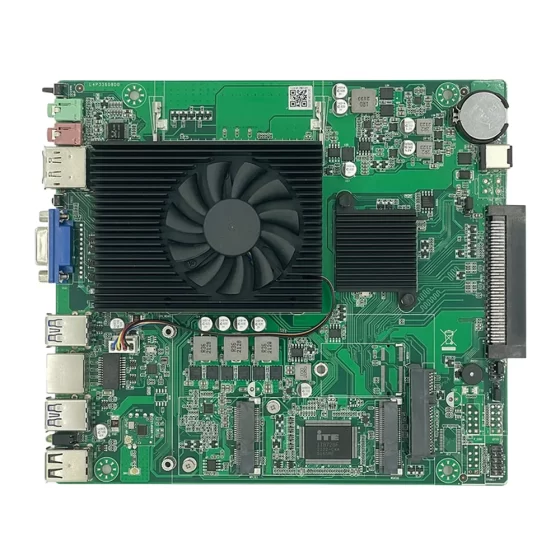
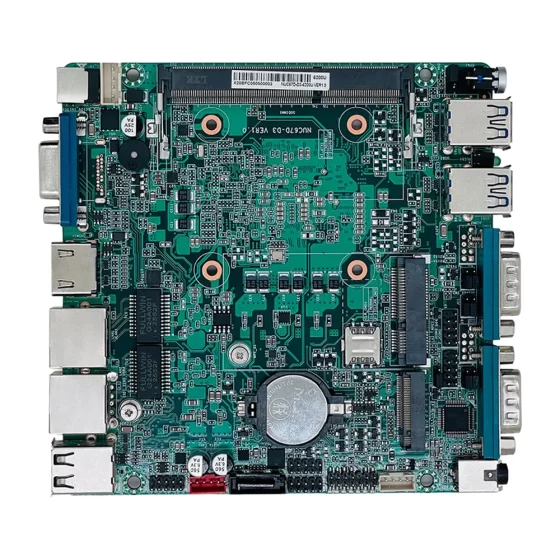
Se puede instalar una computadora industrial o una computadora integrada dentro del gabinete de una máquina empacadora o una estación de control del lado de la línea para respaldar el procesamiento de datos local., comunicación del dispositivo, visualización HMI, procesamiento de imágenes, registro de alarmas, diagnóstico remoto, e integración con MES, SCADA, ERP, o plataformas industriales de IoT.
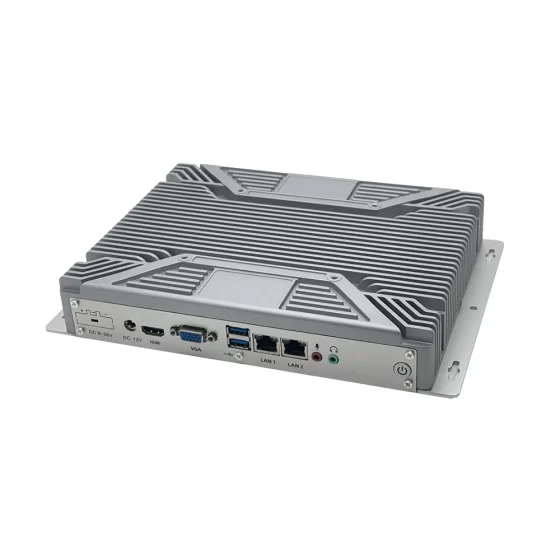
En comparación con las PC de oficina estándar, Las computadoras industriales son más adecuadas para la implementación de máquinas de embalaje porque admiten un diseño resistente., múltiples puertos LAN, comunicación en serie, GPIO, almacenamiento confiable, opciones de operación sin ventilador, montaje industrial, entrada de energía estable, y disponibilidad de ciclo de vida prolongado.
Este artículo explica cómo las plataformas informáticas de las máquinas de embalaje respaldan la automatización del embalaje inteligente., ¿Qué desafíos de implementación aparecen en entornos de empaquetado reales?, cómo funciona la arquitectura de la solución, y qué características de hardware son importantes al seleccionar una computadora industrial o una computadora integrada para aplicaciones de máquinas de embalaje.

Máquina de embalaje Recolección de datos por computadora
Descripción general de la industria
Las máquinas de envasado son cada vez más inteligentes
Las máquinas de envasado se utilizan en alimentos y bebidas., productos farmaceuticos, productos cosméticos, electrónica, logística, bienes de consumo, productos medicos, componentes industriales, y producción minorista.
Pueden encargarse del llenado., caza de focas, etiquetado, envase, codificación, peso, cálculo, clasificación, formación de cajas de cartón, embalaje de la caja, paletizar, e inspección final.
A medida que la producción se vuelve más rápida y flexible, Las máquinas de embalaje requieren más capacidades informáticas y de datos..
Es posible que los sistemas de embalaje modernos deban soportar:
- Coordinación de servomovimiento
- Verificación de etiquetas
- Lectura de códigos de barras y códigos QR
- conteo de productos
- Integración de controladora de peso
- Inspección de visión
- Operación HMI
- Gestión de recetas
- Registro de datos por lotes
- Historial de alarmas
- Mantenimiento remoto
- Conectividad MES y SCADA
Una computadora para máquina de embalaje ayuda a reunir estas funciones en una plataforma industrial confiable.
Las líneas de envasado requieren velocidad y precisión
Las aplicaciones de embalaje suelen funcionar a alta velocidad.
Un retraso en la lectura de la etiqueta., verificación de peso, inspección de cámara, sincronización del transportador, o el control de rechazo puede causar problemas de calidad o parada de línea.
La plataforma informática debe admitir un procesamiento local estable y una comunicación rápida con los dispositivos de la máquina..
Esto es especialmente importante para los sistemas de embalaje que combinan control de movimiento., inspección de la visión, seguimiento de código de barras, y recopilación de datos de producción.
La informática industrial apoya a los fabricantes de maquinaria
Los fabricantes de máquinas de envasado necesitan plataformas informáticas fiables y repetibles.
Una máquina puede venderse a muchos clientes en diferentes países e industrias.. La plataforma de hardware debe soportar la disponibilidad a largo plazo., Imágenes de software estable, interfaces consistentes, y mantenimiento práctico.
Las computadoras industriales y las computadoras integradas ayudan a los OEM a construir máquinas de embalaje que sean más fáciles de implementar., apoyo, y escala.
También admiten personalización cuando una máquina requiere E/S especiales., múltiples puertos LAN, puertos serie adicionales, almacenamiento local, expansión inalámbrica, o integración de recinto específico.

Desafíos de implementación informática de máquinas de embalaje
Desafíos clave
Conexión de múltiples dispositivos de embalaje
Una máquina envasadora puede incluir muchos dispositivos diferentes..
Estos pueden incluir:
- Controladores PLC
- Servoaccionamientos
- Unidades paso a paso
- Sensores
- Codificadores
- Lectores de códigos de barras
- Impresoras de etiquetas
- Controladoras de peso
- Cámaras industriales
- Controladores de iluminación
- Paneles HMI
- Dispositivos de seguridad
- Mecanismos de rechazo
- Controladores de transportador
- interruptores industriales
El ordenador de la máquina envasadora debe conectar estos dispositivos de forma fiable.
Diferentes máquinas pueden usar Ethernet, USB, RS232, RS485, GPIO, E/S digitales, o comunicación por bus de campo.
La E/S flexible es importante porque las máquinas de embalaje varían según el tipo de producto, velocidad de línea, método de inspección, y requisitos del cliente.
Soporte para HMI y gestión de recetas
Las máquinas de embalaje a menudo requieren la interacción del operador.
Es posible que los operadores necesiten seleccionar recetas de productos, ajustar los parámetros de la máquina, revisar alarmas, monitorear la velocidad de la línea, comprobar los resultados de la inspección, y confirmar la información del lote.
La computadora industrial puede ejecutar software HMI o conectarse a un panel de operador separado.
La gestión de recetas es especialmente importante para máquinas que procesan múltiples tamaños de productos., tipos de etiquetas, formatos de paquete, o configuraciones por lotes.
La computadora debe admitir una salida de pantalla estable, almacenamiento local confiable, y operación HMI responsiva.
Integración de visión artificial y verificación de códigos de barras
La calidad del embalaje a menudo depende de la verificación visual..
La visión artificial puede ayudar a inspeccionar las etiquetas, posición de embalaje, calidad de sellado, nivel de llenado, códigos impresos, orientación del paquete, y presencia del producto.
Los lectores de códigos de barras y códigos QR pueden admitir la trazabilidad y la confirmación de lotes.
Es posible que la computadora de la máquina de embalaje necesite conectar cámaras., lectores de códigos de barras, controladores de iluminación, desencadenantes, y sistemas de rechazo.
Para inspección basada en IA, Es posible que se requiera capacidad de IA de borde de mayor rendimiento.
Coordinación del movimiento y el flujo de embalaje
Muchas máquinas envasadoras dependen del movimiento sincronizado..
Servoaccionamientos, transportadores, comederos, herramientas de corte, herramientas de sellado, aplicadores de etiquetas, y los mecanismos de rechazo deben funcionar juntos con precisión.
La computadora puede admitir el procesamiento de datos de movimiento., comunicación del dispositivo, monitoreo local, e integración con PLC o sistemas de control de movimiento.
Para embalaje de alta velocidad, La estabilidad de la comunicación y el comportamiento de sincronización son críticos..
Mantener la continuidad de los datos de producción
Las máquinas de envasado generan valiosos registros de producción.
Estos pueden incluir:
- Información del lote
- El producto cuenta
- Registros de etiquetas
- Registros de códigos de barras
- Resultados de peso
- Resultados de la inspección
- Registros de alarma
- Acciones del operador
- Cambios de receta
- Tiempo de ejecución de la máquina
- Registros de rechazo
- Eventos de mantenimiento
Si la conexión de red a MES, SCADA, o los sistemas en la nube se interrumpen, La máquina envasadora no debe perder registros importantes..
El almacenamiento local y el almacenamiento en búfer ayudan a preservar los datos de producción.
Operando en entornos de embalaje industrial
Las máquinas envasadoras pueden funcionar en entornos polvorientos., húmedo, propenso a vibraciones, o ambientes con temperatura variable.
Se pueden instalar cerca de motores., calentadores, transportadores, compresores, y otros equipos.
La plataforma informática debe soportar el funcionamiento continuo..
El diseño de grado industrial ayuda a mejorar la confiabilidad a través de gabinetes resistentes, opciones de operación sin ventilador, Almacenamiento SSD o NVMe, montaje seguro, entrada de energía estable, y soporte de ciclo de vida prolongado.

Arquitectura de la solución informática de la máquina de embalaje
Arquitectura de la solución informática de la máquina de embalaje
Capa de dispositivo de máquina
La capa de dispositivo de máquina incluye el equipo de embalaje y los dispositivos conectados..
Esta capa puede incluir:
- Máquinas de llenado
- Sistemas de sellado
- Máquinas etiquetadoras
- Máquinas envolvedoras
- Máquinas de cartón
- Transportadores
- Servoaccionamientos
- PLC
- Sensores
- Codificadores
- Lectores de códigos de barras
- Cámaras
- Controladoras de peso
- Rechazadores
- Dispositivos de seguridad
Estos dispositivos generan señales de máquina., datos de calidad, eventos de movimiento, y registros de producción.
Capa de computación perimetral
La capa de computación de borde es donde opera la computadora industrial o la computadora integrada..
en esta capa, la plataforma puede:
- Ejecute el software de la máquina local
- Soporta operación HMI
- Recopilar registros de producción
- Almacenar datos por lotes
- Resultados de la inspección del proceso
- Comunicarse con los PLC
- Conectar lectores de códigos de barras
- Datos del búfer
- Admite diagnóstico remoto
- Reenviar datos a los sistemas de fábrica
Esta capa proporciona computación local cerca de la máquina envasadora..
Capa de control y comunicación
La capa de control y comunicación conecta la computadora con los dispositivos de automatización..
Puede incluir:
- Ethernet
- USB
- RS232
- RS485
- GPIO
- E/S digitales
- Ethernet industrial
- comunicación PLC
- Redes de cámaras
- interruptores industriales
El diseño exacto depende de la arquitectura de la máquina y de los requisitos del cliente..
Una computadora integrada compacta con interfaces flexibles puede simplificar la instalación y reducir los convertidores externos..
Capa de visión e inspección
La capa de visión e inspección respalda la verificación de la calidad..
Puede incluir:
- Cámaras industriales
- 3cámaras D
- Lectores de códigos de barras
- Lectores de códigos QR
- Controladores de iluminación
- Sensores de disparo
- Controladoras de peso
- Sistemas de verificación de etiquetas
- Sistemas de inspección de impresión
La computadora de la máquina de embalaje puede procesar datos de inspección localmente y enviar resultados de aprobación/rechazo a los PLC., rechazadores, MES, o bases de datos de calidad.
Capa de integración de fábrica
Las máquinas de envasado a menudo necesitan conectarse con los sistemas de la fábrica..
Estos pueden incluir:
- MES
- SCADA
- ERP
- Bases de datos de calidad
- Plataformas industriales de IoT
- Paneles locales
- Sistemas de mantenimiento
- Plataformas de monitoreo en la nube
- Sistemas de trazabilidad
Esta integración ayuda a que los datos de embalaje formen parte de un sistema de fabricación inteligente más amplio..
Capa de seguridad y gestión
Las computadoras de las máquinas de embalaje deben poder mantenerse y estar protegidas..
La capa de seguridad y gestión puede incluir:
- Permisos de usuario
- Segmentación de red
- Acceso remoto seguro
- Registro local
- Copia de seguridad de configuración
- Monitoreo de almacenamiento
- Monitoreo del estado del dispositivo
- Diagnóstico remoto
- Gestión de actualizaciones de software.
Esto ayuda a los fabricantes y operadores de máquinas a mantener sistemas de embalaje estables a lo largo del tiempo..
Características clave
Conectividad multidispositivo
La computadora de una máquina de embalaje debe admitir muchas interfaces industriales..
Las opciones útiles pueden incluir:
- LAN
- USB
- RS232
- RS485
- GPIO
- Entrada digital
- Salida digital
- hdmi
- DisplayPort
- M.2
- PCIe
- Almacenamiento SATA o NVMe
Estas interfaces pueden admitir PLC., lectores de códigos de barras, camaras, controladoras de peso, sensores, impresoras de etiquetas, HMI, y dispositivos de servicio.
El soporte de interfaz nativa reduce la complejidad del cableado y mejora la confiabilidad del sistema..
Soporte de HMI y pantalla
Los operadores de máquinas envasadoras necesitan información local clara.
La computadora puede admitir pantallas HMI, paneles de alarma, paginas de recetas, información del lote, contadores de producción, y estado de inspección.
Las salidas de pantalla como HDMI o DisplayPort pueden admitir pantallas de operadores locales.
El rendimiento estable de HMI ayuda a reducir los errores del operador y mejora la usabilidad de la máquina.
Almacenamiento local y almacenamiento en búfer de datos
El almacenamiento local es importante para las máquinas envasadoras.
La plataforma puede almacenar:
- Archivos de recetas
- Registros de lotes
- Registros de códigos de barras
- Resultados de la inspección
- Registros de peso
- Historial de alarmas
- Eventos del operador
- Configuraciones de la máquina
- Cargar buffers
- Archivos de diagnóstico
Generalmente se prefiere el almacenamiento SSD o NVMe porque proporciona un acceso rápido y una mejor resistencia a los golpes que las unidades mecánicas..
El diseño del almacenamiento debe considerar el tiempo de retención., escribe resistencia, flujo de trabajo de respaldo, y procedimientos de recuperación.
Capacidad de visión artificial
La inspección del embalaje puede requerir procesamiento por cámara.
La computadora puede conectar cámaras., controladores de iluminación, lectores de códigos de barras, y desencadenantes.
Puede admitir la captura de imágenes., software de inspección, lectura de código, imprimir verificación, control de etiquetas, y control de rechazo.
La selección de hardware debe considerar:
- Recuento de cámaras
- Resolución de imagen
- Velocidad de fotogramas
- Tiempo del ciclo de inspección
- Requisitos de almacenamiento
- Necesidades del modelo de IA
- Ancho de banda de red
- Requisitos de control de iluminación.
Para inspecciones complejas de IA, Es posible que se necesite rendimiento informático de IA de vanguardia.
Diseño de red multiLAN
Múltiples puertos LAN ayudan a separar diferentes rutas de comunicación.
La computadora de una máquina empacadora puede usar redes separadas para:
- comunicación PLC
- Red de cámaras
- Red de lectores de códigos de barras
- Red informática de fábrica
- Conexión MES o SCADA
- Mantenimiento remoto
- Gestión local
- Plataforma industrial de IoT
La separación de la red mejora la confiabilidad y ayuda a evitar que el tráfico de cámaras de alto ancho de banda afecte la comunicación de control..
Diseño robusto y sin ventilador
Los entornos de embalaje pueden incluir polvo., vibración, humedad, calor, y requisitos de limpieza frecuentes dependiendo de la industria.
Las computadoras industriales sin ventilador reducen la entrada de polvo y eliminan un punto común de falla mecánica.
Los gabinetes resistentes ayudan a proteger contra las vibraciones, tensión del gabinete, tensión del cable, y funcionamiento continuo.
La instalación final debe considerar la temperatura del gabinete de la máquina., flujo de aire, ubicación de montaje, y exposición ambiental.
Diagnóstico remoto y capacidad de servicio
Las máquinas de embalaje a menudo se venden e instalan en muchos sitios de clientes..
El diagnóstico remoto puede ayudar a los fabricantes de máquinas a reducir el costo del servicio.
La computadora puede soportar:
- Revisión remota de registros
- Acceso HMI
- Copia de seguridad de configuración
- Análisis de alarmas
- Actualizaciones de software
- Monitoreo del desempeño
- Solución de problemas de cámara o código de barras
- Diagnóstico de red
El control de acceso seguro y el registro son importantes para el mantenimiento remoto.
Disponibilidad de ciclo de vida prolongado
Los fabricantes de equipos originales de máquinas de embalaje necesitan un suministro de hardware estable.
Una plataforma informática industrial consistente ayuda a mantener las imágenes del software, Aplicaciones HMI, SDK de cámara, conductores, piezas de repuesto, y procedimientos de validación.
La disponibilidad del ciclo de vida prolongado ayuda a reducir el trabajo de rediseño y respalda la producción repetible de la máquina..

Operaciones de monitoreo de línea de embalaje inteligente
Escenarios de implementación
Máquinas de Llenado y Sellado
Las máquinas llenadoras y selladoras requieren un control estable, gestión de recetas, monitoreo de sensores, y registro de datos de producción.
La computadora de una máquina envasadora puede recopilar datos de lotes, Admite funciones HMI, conectar sensores, y enviar información a los sistemas de fábrica.
Esto respalda registros repetibles de producción y calidad..
Máquinas de etiquetado y codificación
Los sistemas de etiquetado y codificación necesitan una sincronización precisa, verificación de código de barras, inspección de impresión, y seguimiento de productos.
Una computadora integrada puede conectar impresoras de etiquetas, lectores de códigos de barras, camaras, controladores de iluminación, y PLC.
Puede almacenar registros de inspección y respaldar la trazabilidad..
Controladoras de peso y sistemas de inspección
Las líneas de envasado suelen utilizar controladoras de peso y dispositivos de inspección para verificar la calidad del paquete..
La computadora industrial puede recopilar datos de peso., resultados de la inspección del proceso, almacenar registros, y enviar información de pasa/falla al sistema de control.
Esto apoya el control de calidad automatizado..
Encartonado y embalaje de cajas
Las máquinas estuchadoras y empacadoras de cajas pueden incluir transportadores., servoejes, sensores, lectores de códigos de barras, y sistemas de rechazo.
Una plataforma informática puede recopilar datos de estos dispositivos, Soporta operación HMI, y comunicarse con sistemas MES o SCADA.
Esto mejora la visibilidad de la producción..
Envasado de alimentos y bebidas
El envasado de alimentos y bebidas requiere un funcionamiento estable, verificación de calidad, lectura de código de fecha, inspección de etiquetas, y trazabilidad de lotes.
Una computadora industrial puede respaldar la recopilación de datos local, software HMI, sistemas de inspección, e integración de fábrica.
El hardware final debe seleccionarse de acuerdo con los requisitos ambientales y del gabinete..
Embalaje farmacéutico
Los envases farmacéuticos pueden requerir verificación de código de barras, soporte de serialización, registros de inspección, trazabilidad de lotes, y estricto manejo de los datos de proceso.
La computadora de una máquina de embalaje puede recopilar y almacenar datos estructurados y conectar la máquina con sistemas de calidad y producción..
El fabricante de la máquina y el usuario final deben revisar los requisitos de cumplimiento y validación específicos de la aplicación..
Embalaje para comercio electrónico y logística
Los sistemas de embalaje logístico pueden incluir lectores de códigos de barras, pesadoras, sistemas de dimensionamiento, transportadores, etiquetadoras, y dispositivos de clasificación.
Una computadora integrada puede recopilar datos de paquetes, integración de línea de soporte, y comunicarse con almacenes o plataformas logísticas.
Esto admite operaciones de cumplimiento automatizadas..
Plataforma de máquina de embalaje OEM
Los fabricantes de máquinas pueden integrar computadoras industriales o placas integradas en máquinas de embalaje personalizadas.
La plataforma puede admitir software de control., HMI, visión artificial, integración de código de barras, registro de datos, diagnóstico remoto, y E/S específicas del cliente.
Esto ayuda a crear productos de máquinas de embalaje repetibles y escalables..
Beneficios comerciales
Mejor calidad de embalaje
La computadora de una máquina de embalaje ayuda a integrar la inspección, verificación de código de barras, control de peso, y recopilación de datos de la máquina.
Esto mejora la capacidad de detectar errores de etiquetado., productos faltantes, códigos incorrectos, problemas de peso, y defectos de embalaje.
Un mejor control de calidad reduce el retrabajo y las quejas de los clientes..
Trazabilidad de producción mejorada
Los registros de embalaje son importantes para el seguimiento de lotes y la gestión de calidad..
La computadora puede recopilar datos de códigos de barras., resultados de la inspección, cambios de receta, acciones del operador, registros de alarma, y recuentos de producción.
Esto respalda la trazabilidad y la generación de informes en todos los sistemas de producción..
Visibilidad de operación de la máquina más rápida
Los operadores y equipos de mantenimiento pueden revisar el estado de la máquina., alarmas, velocidad de producción, Rechazar recuentos, y resultados de inspección desde pantallas HMI locales o paneles remotos.
Una mejor visibilidad ayuda a los equipos a responder más rápido a los problemas de las máquinas.
Riesgo de tiempo de inactividad reducido
Las computadoras industriales proporcionan hardware resistente para el funcionamiento continuo de las máquinas de envasado.
Opciones de diseño sin ventilador, almacenamiento confiable, montaje seguro, entrada de energía estable, y la disponibilidad del ciclo de vida prolongado ayudan a reducir el riesgo de falla del sistema.
Esto respalda el tiempo de actividad de la producción..
Integración de máquinas OEM más sencilla
Los fabricantes de máquinas de embalaje pueden utilizar una plataforma informática industrial estandarizada en varios modelos de máquinas..
Esto simplifica la implementación del software., diseño de cableado, planificación de repuestos, validación del conductor, y soporte de servicio remoto.
Una plataforma consistente ayuda a reducir la carga de trabajo de ingeniería.
Implementación escalable de envases inteligentes
La computadora de una máquina de embalaje puede conectar los datos de la máquina con MES, SCADA, ERP, sistemas de calidad, y plataformas industriales de IoT.
Esto ayuda a que las líneas de envasado formen parte de una fábrica inteligente conectada.
El hardware estandarizado admite una implementación escalable en muchas máquinas y sitios.
Por qué CoreIPC
CoreIPC proporciona plataformas informáticas industriales para la automatización industrial, visión artificial, IoT industrial, IA de vanguardia, robótica, e integración de sistemas integrados. Para aplicaciones informáticas de máquinas de embalaje., CoreIPC se centra en hardware informático industrial confiable, soluciones informáticas integradas, E/S flexibles, configuraciones de LAN múltiple, diseño de sistema compacto, opciones de implementación sin ventilador, capacidad de almacenamiento local, y soporte de personalización OEM/ODM. CoreIPC ayuda a los fabricantes de máquinas de embalaje, integradores de sistemas, y los fabricantes seleccionan plataformas informáticas que coincidan con los requisitos de implementación reales, incluyendo interfaces de dispositivos, carga de trabajo de inspección, Recuento de puertos LAN, necesidades de almacenamiento, métodos de montaje, entrada de energía, condiciones termicas, y planificación del ciclo de vida.
Preguntas frecuentes
1. ¿Qué es una máquina de embalaje??
La computadora de una máquina de embalaje es una plataforma informática industrial que se utiliza dentro o cerca de equipos de embalaje..
Puede admitir la operación HMI, recopilación de datos de la máquina, lectura de código de barras, inspección de la visión, gestión de recetas, registro de alarmas, diagnóstico remoto, y comunicación con PLC, MES, SCADA, o plataformas industriales de IoT.
2. Por qué utilizar un ordenador industrial para máquinas envasadoras?
Una computadora industrial proporciona hardware resistente y conectividad flexible para entornos de máquinas.
Puede admitir múltiples puertos LAN, comunicación en serie, USB, GPIO, almacenamiento confiable, operación sin ventilador, montaje industrial, entrada de energía estable, y disponibilidad de ciclo de vida prolongado.
Estas características lo hacen adecuado para la implementación continua de máquinas de envasado..
3. ¿Cómo se utiliza una computadora integrada en la automatización de envases??
Se puede instalar una computadora integrada dentro del gabinete de una máquina., recinto del lado de la línea, o estación de control.
Puede recopilar datos de PLC., sensores, lectores de códigos de barras, camaras, controladoras de peso, y HMI. También puede almacenar registros y enviar datos estructurados a los sistemas de fábrica..
4. ¿Qué dispositivos de embalaje se pueden conectar??
La computadora de una máquina de embalaje puede conectar PLC, servoaccionamientos, sensores, lectores de códigos de barras, impresoras de etiquetas, controladoras de peso, cámaras industriales, controladores de iluminación, sistemas de rechazo, HMI, e interruptores industriales.
El soporte exacto depende de las interfaces., software, protocolos, y diseño de máquinas.
5. ¿Pueden las computadoras de las máquinas de embalaje admitir la visión artificial??
Sí. Las computadoras de las máquinas de embalaje pueden conectar cámaras, lectores de códigos de barras, controladores de iluminación, y sensores de activación.
Pueden procesar imágenes., verificar etiquetas, inspeccionar códigos impresos, comprobar la posición del paquete, detectar defectos, y enviar resultados a PLC, MES, o bases de datos de calidad.
6. ¿Por qué es importante el almacenamiento local para las máquinas envasadoras??
El almacenamiento local ayuda a preservar los datos de producción y calidad.
Puede almacenar archivos de recetas, registros de códigos de barras, registros de lotes, resultados de la inspección, historial de alarmas, registros de peso, y cargar buffers.
Esto es útil cuando la conexión de red a los sistemas de fábrica no está disponible temporalmente.
7. ¿Por qué son útiles varios puertos LAN??
Múltiples puertos LAN ayudan a separar la comunicación PLC, tráfico de cámara, redes de lectores de códigos de barras, TI de fábrica, Sistemas MES o SCADA, mantenimiento remoto, y gestión local.
Esto mejora la organización del tráfico y la confiabilidad del sistema..
8. ¿Qué características de hardware son importantes para las computadoras de las máquinas de embalaje??
Las características importantes incluyen múltiples puertos LAN, USB, RS232, RS485, GPIO, E/S digitales, memoria confiable, Almacenamiento SSD o NVMe, recinto resistente, diseño sin ventilador, entrada de energía industrial, salida de pantalla, M.2, PCIe, y opciones de expansión.
La configuración final debe coincidir con el número de dispositivos., carga de trabajo de inspección, y entorno de instalación.
9. ¿Pueden las computadoras industriales sin ventilador soportar máquinas de embalaje??
Sí. Las computadoras industriales sin ventilador pueden soportar muchas cargas de trabajo de máquinas de embalaje porque reducen la entrada de polvo y eliminan un punto de falla mecánica..
Sin embargo, El diseño térmico debe validarse cuando el sistema maneja el funcionamiento continuo de la HMI., registro de datos, procesamiento de la visión, o inspección de alta velocidad.
10. Qué se debe probar antes de la implementación?
Antes del despliegue, La plataforma debe probarse con PLC reales., sensores, camaras, lectores de códigos de barras, controladoras de peso, software HMI, topología de red, tiempo del ciclo de embalaje, comportamiento de almacenamiento, y operación de larga duración.
Estabilidad térmica, recuperación de comunicación, diagnóstico remoto, procedimientos de respaldo, y también se debe validar la integración con MES o SCADA.
Conclusión
Una computadora para una máquina de embalaje es una base práctica para la automatización del embalaje inteligente, recopilación de datos de la máquina, Operación HMI, verificación de código de barras, inspección por visión artificial, gestión de recetas, diagnóstico remoto, y conectividad del sistema de fábrica.
Colocando una computadora industrial o una computadora integrada dentro de la máquina empacadora o del gabinete del lado de la línea, Los constructores de máquinas y los fabricantes pueden conectar PLC, servoaccionamientos, sensores, transportadores, camaras, lectores de códigos de barras, etiquetadoras, controladoras de peso, HMI, plataformas MES, Sistemas SCADA, y paneles de IoT industriales a través de rutas de comunicación confiables y controladas.
La computadora de la máquina de embalaje adecuada debe seleccionarse de acuerdo con los requisitos de implementación reales., incluyendo el recuento de dispositivos, Diseño de puerto LAN, comunicación en serie, Requisitos de E/S, Carga de trabajo de la HMI, integración de cámara, velocidad de inspección, almacenamiento de datos, método de montaje, entrada de energía, condiciones termicas, soporte del sistema operativo, y planificación del ciclo de vida.
CoreIPC admite proyectos informáticos de máquinas de embalaje con plataformas informáticas industriales diseñadas para aplicaciones prácticas en el lado de la máquina., gabinete, fábrica, y despliegue OEM. Con la base de hardware adecuada, Los constructores y fabricantes de máquinas de embalaje pueden construir equipos confiables., escalable, y sistemas de embalaje inteligentes conectados.
Contáctenos
Busco ordenador industrial, computadora integrada, o plataforma IPC compacta para la implementación de máquinas de embalaje?
Póngase en contacto con CoreIPC para analizar los requisitos de su proyecto., incluyendo interfaces de dispositivos, Configuración del puerto LAN, comunicación PLC, Carga de trabajo de la HMI, integración de código de barras, conectividad de la cámara, almacenamiento de datos, método de montaje, entrada de energía, entorno operativo, necesidades del ciclo de vida, y opciones de personalización OEM/ODM.