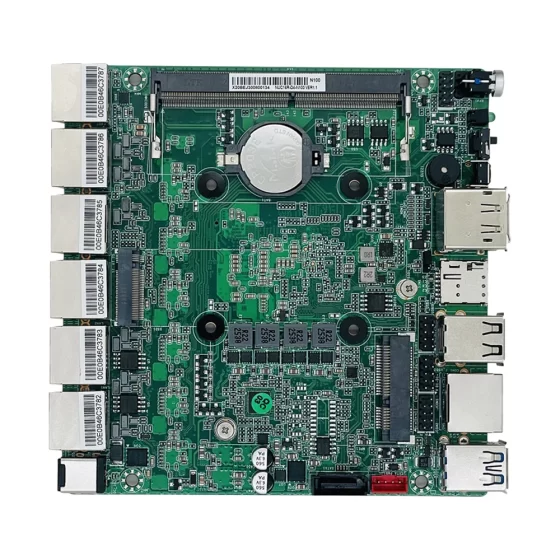
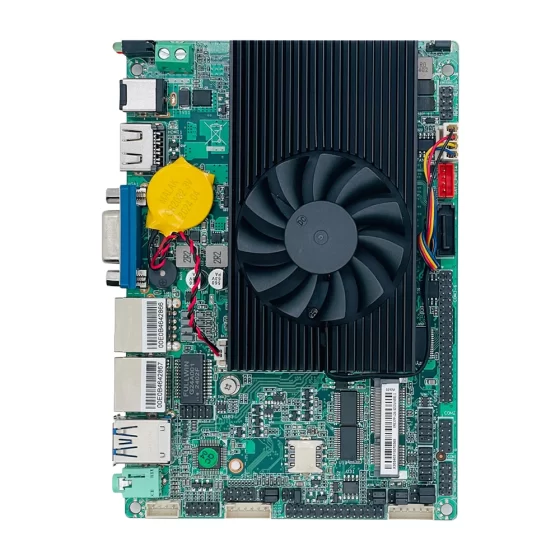
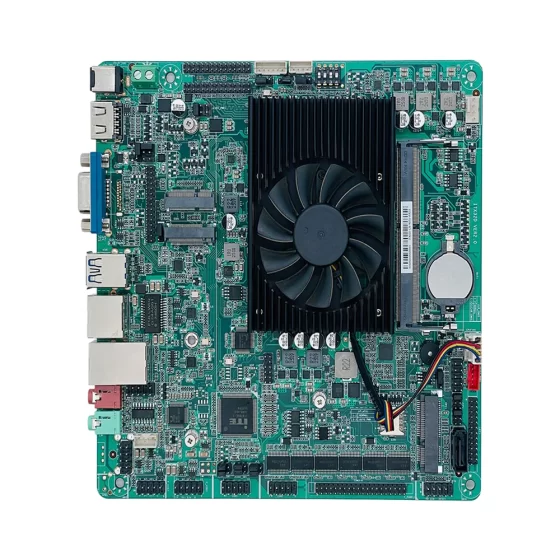
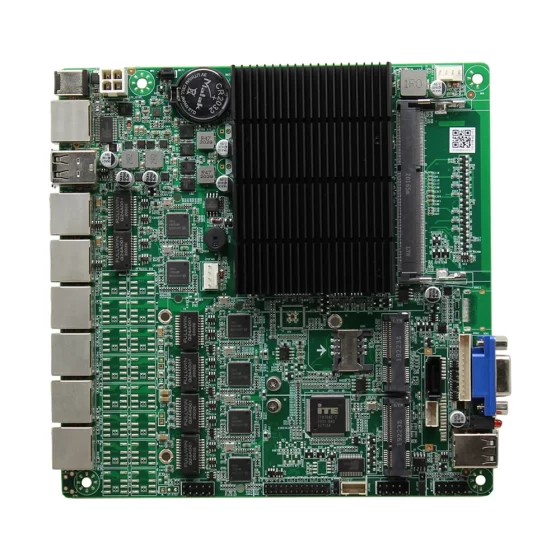
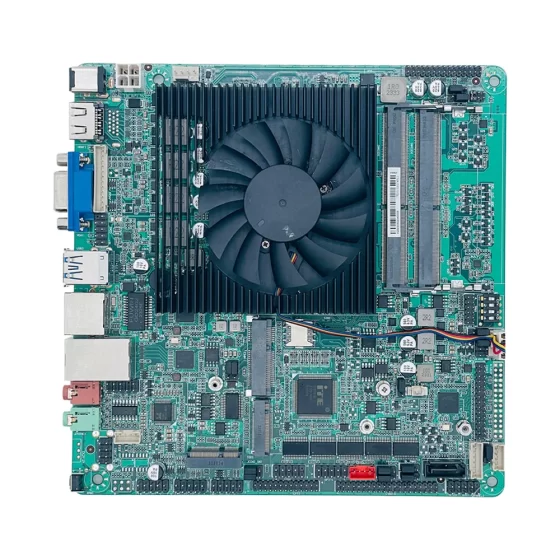
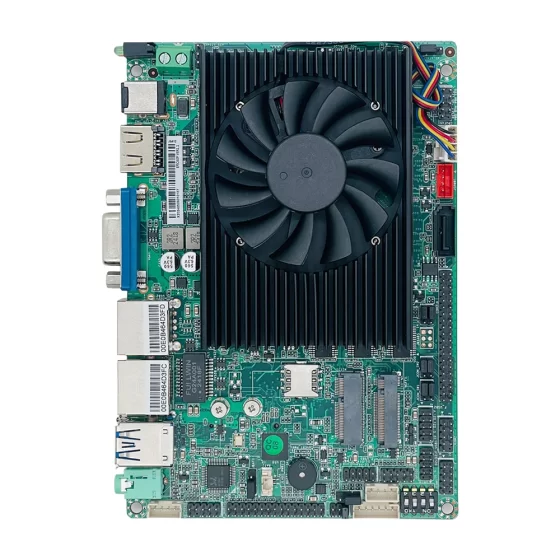
Soluciones de informática industrial CoreIPC

IPC integrado para interfaces hombre-máquina: Computadora HMI integrada para sistemas de operador industrial
Resumen ejecutivo
Una computadora hmi integrada proporciona la base informática industrial para interfaces hombre-máquina, visualización de la máquina, control del operador, gestión de alarmas, selección de recetas, seguimiento de la producción, acceso de mantenimiento, y conectividad del sistema de fábrica.
Las interfaces hombre-máquina son esenciales en la automatización industrial moderna. Los operadores necesitan un acceso confiable al estado de la máquina, valores de proceso, recuentos de producción, mensajes de alarma, pantallas de operación, herramientas de mantenimiento, y ajustes de configuración. Ya sea utilizado en máquinas de embalaje, Equipos CNC, líneas de producción, celdas de trabajo robotizadas, estaciones de servicios públicos, o armarios de control industriales, La computadora HMI debe permanecer estable durante el funcionamiento continuo..
Se puede instalar un IPC integrado dentro o cerca de la máquina para ejecutar el software HMI., conectar PLC y controladores, mostrar datos del equipo en tiempo real, almacenar registros locales, Admite diagnóstico remoto seguro, e intercambiar información con SCADA, MES, plataformas industriales de IoT, o paneles de control en la nube.
En comparación con las PC de oficina estándar o las placas integradas de consumo, Las computadoras industriales y las computadoras integradas son más adecuadas para aplicaciones HMI porque admiten una instalación compacta., diseño robusto, opciones de operación sin ventilador, múltiples interfaces de E/S, almacenamiento confiable, entrada de energía estable, y disponibilidad de ciclo de vida prolongado.
Este artículo explica cómo las plataformas IPC integradas admiten interfaces hombre-máquina, Qué desafíos de implementación aparecen en entornos de automatización reales., cómo funciona la arquitectura de la solución, y qué características de hardware son importantes al seleccionar una computadora HMI integrada para sistemas de operador industriales.

Las computadoras HMI integradas muestran el estado de la máquina, alarmas, recetas, registros de producción, y datos de mantenimiento para operadores.
Descripción general de la industria
Los sistemas HMI son la puerta de entrada del operador a las máquinas industriales
Las interfaces hombre-máquina conectan a las personas con las máquinas.
Permiten a los operadores ver las condiciones de la máquina., ajustar la configuración, reconocer alarmas, gestionar recetas, revisar los registros de producción, y soporte para la resolución de problemas.
Las aplicaciones HMI comunes incluyen:
- Paneles de operación de máquinas
- Paneles de control de la línea de producción
- Interfaces de máquinas de embalaje
- Pantallas de operador CNC
- Pantallas de células de trabajo robóticas
- Terminales de monitoreo de servicios públicos
- Estaciones de visualización SCADA
- Paneles de control de IoT industriales
- Interfaces de inspección de calidad
- Terminales de acceso de mantenimiento
- Pantallas de estado del equipo
- Paneles de seguimiento de procesos
Una computadora HMI integrada confiable ayuda a los operadores a comprender el comportamiento de la máquina y responder rápidamente a los problemas de producción..
Los IPC integrados reducen la complejidad del sistema
Muchos sistemas HMI deben caber en gabinetes de máquinas compactos o paneles de control..
Una PC de oficina voluminosa puede requerir espacio de montaje adicional, adaptadores externos, enfriamiento adicional, y más enrutamiento de cables.
Un IPC integrado proporciona una plataforma informática compacta que se puede integrar en los gabinetes de las máquinas., gabinetes de control, estaciones de operador, o sistemas HMI OEM.
Esto ayuda a reducir:
- Espacio en el gabinete
- Complejidad del cableado
- Componentes externos
- Puntos de servicio
- tiempo de integración
- Variación de instalación
Para fabricantes de máquinas e integradores de sistemas, una computadora integrada compacta puede hacer que la implementación de HMI sea más repetible.
Las HMI industriales se basan cada vez más en datos
Pantallas HMI tradicionales enfocadas principalmente al funcionamiento local de la máquina..
Los sistemas HMI modernos soportan cada vez más el registro de datos, visibilidad de la producción, historial de alarmas, pantalla de estado del equipo, trazabilidad de recetas, soporte remoto, e integración de fábrica.
Es posible que sea necesario conectar una computadora HMI integrada con:
- PLC
- Sensores
- Servoaccionamientos
- Controladores de robots
- Lectores de códigos de barras
- Cámaras industriales
- Sistemas SCADA
- plataformas MES
- Pasarelas industriales de IoT
- Bases de datos locales
- Paneles de control en la nube
- Sistemas de mantenimiento
Esto hace que la computadora HMI sea una parte importante de la arquitectura de fábrica conectada..

Armarios compactos, ambientes polvorientos, paneles táctiles, cableado del autómata, interfaces seriales, Zonas Ethernet, y el hardware sin ventilador afectan la implementación de HMI integrada.
Desafíos clave
Mantener el acceso estable del operador
La HMI suele ser la interfaz operativa principal de una máquina..
Si la HMI se congela, se reinicia, o pierde la comunicación, Los operadores pueden perder el acceso a las alarmas., estado de producción, recetas, y pantallas de resolución de problemas.
Esto puede retrasar la respuesta y afectar el funcionamiento de la máquina..
Una computadora HMI integrada debe admitir una operación estable y duradera, almacenamiento confiable, montaje seguro, y comunicación constante con los dispositivos de automatización.
Operando en entornos industriales
Los ordenadores HMI suelen instalarse cerca de las máquinas..
Pueden estar expuestos al polvo., vibración, calor, ruido electrico, tensión del cable, y flujo de aire limitado.
In these environments, standard commercial computers may not provide enough reliability.
Industrial-grade embedded computers help improve system stability through rugged enclosures, opciones de diseño sin ventilador, almacenamiento confiable, entrada de energía estable, and secure mounting.
Connecting Different Controllers and Devices
An HMI system may need to connect many industrial devices.
Estos pueden incluir:
- Controladores PLC
- Servoaccionamientos
- Sensores
- Controladores de robots
- Lectores de códigos de barras
- módulos de E/S
- Cámaras industriales
- Metros
- Equipo de prueba
- Bases de datos locales
- interruptores industriales
- Sistemas MES o SCADA
Diferentes máquinas pueden requerir Ethernet, USB, RS232, RS485, GPIO, E/S digitales, o interfaces de expansión.
Flexible connectivity makes the embedded IPC easier to adapt across different machine types.
Supporting Responsive HMI Software
Operator interfaces must be clear and responsive.
HMI software may include dashboards, páginas de alarma, gráficos de tendencias, pantallas de recetas, maintenance menus, registros de producción, and user management functions.
The embedded HMI computer must provide enough CPU performance, memoria, graphics support, velocidad de almacenamiento, y compatibilidad del sistema operativo para el software seleccionado.
La respuesta lenta puede reducir la confianza del operador y afectar la usabilidad de la máquina.
Preservar datos locales
Muchos sistemas HMI almacenan registros locales importantes.
Estos registros pueden incluir:
- Historial de alarmas
- Archivos de recetas
- La producción cuenta
- Acciones del operador
- Registros de calidad
- Registros de mantenimiento
- Copias de seguridad de configuración
- Archivos de diagnóstico
- Cargar buffers
El almacenamiento local ayuda a preservar la información durante las interrupciones de la red.
El almacenamiento SSD o NVMe confiable mejora la capacidad de respuesta del sistema y la protección de datos.
Soporte de mantenimiento remoto
Los fabricantes de máquinas y los equipos de mantenimiento a menudo necesitan acceso remoto a los sistemas HMI..
Es posible que necesiten revisar los registros., actualizar configuraciones, comprobar la comunicación PLC, solucionar problemas de alarmas, o inspeccionar el estado del sistema.
El acceso remoto debe ser controlado y seguro.
La computadora HMI integrada debe admitir una segmentación de red adecuada, permisos de acceso, explotación florestal, y flujos de trabajo de copia de seguridad de configuración.

Las computadoras HMI integradas conectan los PLC, sensores, controladores, pantallas táctiles, SCADA, MES, bases de datos, sistemas en la nube, y herramientas de mantenimiento remoto.
Arquitectura de solución informática HMI integrada
Capa de máquina y dispositivo
La capa de máquina y dispositivo incluye los equipos conectados a la plataforma HMI..
Esta capa puede incluir:
- PLC
- Sensores
- Servoaccionamientos
- Controladores de motores
- Controladores de robots
- módulos de E/S
- Lectores de códigos de barras
- Cámaras industriales
- Metros
- Dispositivos de seguridad
- maquinas de produccion
- Equipo utilitario
Estos dispositivos proporcionan los datos en tiempo real que los operadores necesitan para ver y controlar.
Capa IPC integrada
La capa IPC integrada es la plataforma informática local para el sistema HMI..
en esta capa, el ordenador industrial o el ordenador integrado pueden:
- Ejecute el software HMI
- Mostrar el estado de la máquina
- Mostrar mensajes de alarma
- Administrar recetas
- Almacenar registros locales
- Entrada del operador de soporte
- Conecte PLC y controladores
- Mostrar pantallas de mantenimiento
- Datos de producción de búfer
- Reenviar registros a los sistemas de fábrica
Esta capa proporciona visualización local., computación, y manejo de datos.
Controlar la capa de comunicación
La capa de comunicación conecta la computadora HMI integrada con dispositivos industriales..
Puede incluir:
- Ethernet
- USB
- RS232
- RS485
- GPIO
- E/S digitales
- comunicación PLC
- Ethernet industrial
- interruptores industriales
- Puertos de servicio local
El diseño de comunicación final depende de la arquitectura de la máquina., plataforma de software, y estructura de la red de fábrica.
Capa de integración del sistema de fábrica
La computadora HMI integrada puede conectarse con sistemas de nivel superior.
Estos pueden incluir:
- SCADA
- MES
- ERP
- Bases de datos de calidad
- Plataformas industriales de IoT
- Paneles locales
- Sistemas de mantenimiento
- Sistemas de monitoreo en la nube
- Plataformas de trazabilidad
Esta integración permite que los datos HMI a nivel de máquina formen parte de un sistema de información de fábrica inteligente más amplio..
Capa de seguridad y gestión
La capa de seguridad y gestión respalda el funcionamiento controlado y la capacidad de servicio a largo plazo..
Puede incluir:
- Permisos de usuario
- Segmentación de red
- Acceso remoto seguro
- Registro local
- Copia de seguridad de configuración
- Monitoreo de almacenamiento
- Monitoreo del estado del sistema
- Diagnóstico remoto
- Gestión de actualizaciones de software.
Esto ayuda a proteger los sistemas de producción y simplificar el mantenimiento..
Características clave
Diseño integrado compacto
Los sistemas HMI integrados a menudo necesitan caber en espacios limitados.
Se puede instalar una computadora integrada compacta dentro de los gabinetes de la máquina., detrás de los paneles del operador, dentro de las estaciones de control, o como parte de un producto HMI OEM.
El diseño compacto ayuda a reducir el espacio ocupado por la máquina y simplifica la integración mecánica..
Para fabricantes de maquinaria, El hardware compacto también facilita la estandarización entre diferentes modelos de máquinas..
Opciones de operación sin ventilador
El diseño sin ventilador es valioso para muchas aplicaciones HMI.
Reduce la entrada de polvo y elimina un punto común de falla mecánica..
Esto es útil en:
- Líneas de producción
- Máquinas de embalaje
- Talleres CNC
- Células de trabajo robóticas
- Sistemas de almacén
- Cuartos de servicio
- Armarios industriales
- Estaciones del operador en el lado de la máquina
El diseño térmico aún debe validarse en función de la carga de trabajo real, método de montaje, condiciones del recinto, y temperatura ambiente.
Soporte de pantalla confiable
Una computadora HMI integrada debe admitir una salida de pantalla estable.
Los requisitos de visualización comunes pueden incluir:
- Salida HDMI
- Salida DisplayPort
- Soporte de pantalla táctil
- Conexión de monitor local
- Soporte para múltiples pantallas
- Integración de paneles
- Pantalla del panel HMI
- Salida del terminal del operador
La interfaz de pantalla debe coincidir con el panel del operador seleccionado., software HMI, y entorno de instalación.
Conectividad multidispositivo
Una computadora HMI integrada debería proporcionar interfaces de máquina prácticas.
Las opciones útiles pueden incluir:
- LAN
- USB
- RS232
- RS485
- GPIO
- Entrada digital
- Salida digital
- hdmi
- DisplayPort
- M.2
- PCIe
- Almacenamiento SATA o NVMe
Estas interfaces ayudan a conectar los PLC, sensores, lectores de códigos de barras, controladores, muestra, herramientas de servicio, y redes de fábricas.
Diseño de red multiLAN
Múltiples puertos LAN ayudan a separar diferentes rutas de comunicación.
Una plataforma HMI puede utilizar redes separadas para:
- comunicación PLC
- Red de máquinas
- Red informática de fábrica
- Conexión SCADA
- conexión MES
- Mantenimiento remoto
- Gestión local
- Plataforma industrial de IoT
La separación de redes mejora la organización del tráfico y reduce la exposición innecesaria entre las redes de máquinas y fábricas..
Almacenamiento local y registro de datos
El almacenamiento local admite software HMI, recetas, registros de alarma, registros del operador, archivos de configuración, registros de producción, y datos de diagnóstico.
Generalmente se prefiere el almacenamiento SSD o NVMe porque proporciona un acceso rápido y una mejor resistencia a los golpes que las unidades mecánicas..
La planificación del almacenamiento debe considerar:
- Tamaño del archivo de receta
- Historial de alarmas
- Tamaño de la base de datos local
- Flujo de trabajo de respaldo
- Escribir resistencia
- Proceso de recuperación
- Comportamiento de interrupción de la red
El almacenamiento confiable mejora la trazabilidad y la capacidad de servicio.
Compatibilidad del software HMI
La plataforma de hardware debe coincidir con el entorno de software HMI seleccionado..
Las consideraciones importantes incluyen:
- Soporte del sistema operativo
- rendimiento de la CPU
- Capacidad de memoria
- Requisitos gráficos
- Soporte de controlador PLC
- Soporte de controlador de pantalla táctil
- Requisitos de la base de datos
- Herramientas de acceso remoto
- Soporte de imágenes de software a largo plazo
La configuración final debe validarse con la aplicación HMI real..
Montaje robusto y confiabilidad industrial
Se pueden instalar computadoras HMI integradas dentro de los gabinetes de control., detrás de los paneles, o cerca de equipos de producción.
Deben permitir un montaje seguro y un enrutamiento estable de los cables..
El diseño resistente ayuda a proteger contra las vibraciones, tensión del cable, impacto de la instalación del gabinete, y operación de producción continua.
Los fabricantes de máquinas también deberían considerar el acceso al servicio, disipación de calor, y espacio libre de instalación.
Disponibilidad de ciclo de vida prolongado
Los sistemas HMI suelen permanecer en servicio durante muchos años.
El hardware consistente ayuda a mantener las imágenes del software, conductores, compatibilidad con pantalla táctil, Configuración de comunicación del PLC, piezas de repuesto, y procedimientos de mantenimiento.
La disponibilidad de un ciclo de vida prolongado es importante para los fabricantes de máquinas OEM, integradores de sistemas, y fabricantes que implementan sistemas HMI similares en muchos proyectos.
Escenarios de implementación
Controlador HMI de la máquina
Una computadora HMI integrada puede servir como controlador de interfaz de operador principal para máquinas industriales..
Puede mostrar el estado de la máquina., alarmas, recetas, recuentos de producción, y paginas de mantenimiento.
Esto mejora el acceso del operador y simplifica el diseño del sistema de control de la máquina..
Panel de control de la línea de producción
Las líneas de producción a menudo requieren paneles de control locales para conocer el estado de la línea., recuentos de ciclos, eventos de tiempo de inactividad, resultados de calidad, e historial de alarmas.
Un IPC integrado puede ejecutar el software del tablero y conectarse con los PLC, sensores, y sistemas MES.
Esto apoya una mejor visibilidad de la producción..
Máquina de embalaje HMI
Las máquinas envasadoras necesitan selección de recetas, visualización de velocidad de línea, estado de verificación de la etiqueta, registros de códigos de barras, Rechazar recuentos, y revisión de alarmas.
Una computadora HMI integrada puede combinar visualización, almacenamiento de datos locales, y comunicación del dispositivo.
Esto apoya la automatización del embalaje inteligente.
Interfaz del operador de la máquina CNC
Las máquinas CNC requieren gestión de programas, visualización de coordenadas, estado del husillo, datos de la herramienta, alarmas, y acceso de mantenimiento.
Una computadora integrada puede ejecutar el software HMI y conectar el controlador CNC con los sistemas de fábrica..
Esto mejora la usabilidad y la visibilidad de la máquina..
Interfaz de celda de trabajo del robot
Las células robóticas necesitan pantallas locales para conocer el estado del robot, información de la herramienta, estado de la zona de seguridad, resultados de la inspección, y registros de producción.
Una computadora HMI integrada puede conectar controladores de robots, PLC, camaras, y software de fábrica.
Esto admite la automatización robótica conectada..
Terminal de monitoreo de servicios públicos
Los sistemas de servicios públicos e instalaciones pueden necesitar pantallas HMI locales para bombas, metros, equipo de potencia, sensores ambientales, o infraestructura remota.
Una computadora integrada puede mostrar datos de estado, almacenar registros, y conectarse a SCADA o sistemas de monitoreo en la nube.
Esto respalda la operación de campo y de las instalaciones..
Terminal de panel de IoT industrial
Las fábricas pueden implementar computadoras HMI integradas como terminales de tablero de IoT industriales locales.
La plataforma puede mostrar el estado del equipo., tendencias de producción, uso de energía, alarmas, y estado del sitio remoto.
Esto ayuda a los operadores a tomar decisiones cerca del equipo..
Plataforma HMI OEM
Los fabricantes de máquinas pueden integrar computadoras integradas en productos HMI personalizados.
La plataforma puede admitir software HMI, comunicación PLC, registro de datos, diagnóstico remoto, y E/S específicas del cliente.
Esto ayuda a crear sistemas de máquinas repetibles..
Beneficios comerciales
Mejor visibilidad del operador
Una computadora HMI integrada brinda a los operadores un acceso claro al estado de la máquina, alarmas, recetas, tendencias de producción, e información de mantenimiento.
Esto mejora la conciencia y ayuda a los operadores a responder más rápido a los problemas de producción..
Una mejor visibilidad respalda un funcionamiento más seguro y eficiente de la máquina.
Integración de máquina simplificada
Un IPC integrado compacto se puede integrar dentro de gabinetes de máquinas o sistemas de operador con menos componentes externos.
Esto reduce la complejidad del cableado., variación de instalación, y puntos de servicio.
Los fabricantes de máquinas pueden crear sistemas más limpios y repetibles.
Trazabilidad de producción mejorada
La plataforma HMI puede recopilar registros de producción., registros de alarma, acciones del operador, cambios de receta, y datos de calidad.
Estos registros se pueden enviar al MES., SCADA, o sistemas industriales de IoT.
Esto mejora la trazabilidad y la generación de informes..
Solución de problemas más rápida
Registros locales, historial de alarmas, pantallas de mantenimiento, y el diagnóstico remoto ayuda a los equipos de mantenimiento a identificar los problemas más rápidamente.
Una computadora HMI integrada confiable puede respaldar la resolución de problemas estructurada y reducir el tiempo de inactividad.
Menor riesgo de mantenimiento
Las computadoras industriales integradas están diseñadas para entornos del lado de la máquina.
Opciones de operación sin ventilador, construcción robusta, almacenamiento confiable, entrada de energía estable, y la disponibilidad de un ciclo de vida prolongado ayudan a reducir el riesgo de mantenimiento.
Esto respalda la confiabilidad HMI a largo plazo.
Implementación escalable de HMI
Se puede implementar una plataforma informática HMI integrada estandarizada en muchas máquinas, líneas de producción, y sitios de clientes.
El hardware consistente simplifica las imágenes de software, validación del conductor, planificación de repuestos, entrenamiento del operador, y gestión del ciclo de vida.
Esto admite la implementación de automatización escalable.
Por qué CoreIPC
CoreIPC proporciona plataformas informáticas industriales para aplicaciones HMI, automatización industrial, visión artificial, IoT industrial, robótica, gestión de energía, e integración de sistemas integrados. Para aplicaciones informáticas hmi integradas, CoreIPC se centra en hardware informático industrial confiable, soluciones informáticas integradas, diseño de sistema sin ventilador, E/S flexibles, configuraciones de LAN múltiple, capacidad de almacenamiento local, factores de forma compactos, y soporte de personalización OEM/ODM. CoreIPC ayuda a los fabricantes de máquinas, integradores de sistemas, y los fabricantes seleccionan plataformas informáticas que coincidan con los requisitos de implementación reales, incluyendo soporte de pantalla, comunicación PLC, interfaces de dispositivos, necesidades de almacenamiento, métodos de montaje, entrada de energía, condiciones termicas, y planificación del ciclo de vida.
Preguntas frecuentes
1. ¿Qué es una computadora HMI integrada??
Una computadora HMI integrada es una plataforma informática industrial compacta que se utiliza para ejecutar software de interfaz hombre-máquina..
Muestra el estado de la máquina., alarmas, datos de producción, recetas, pantallas de mantenimiento, y controles del operador. También puede conectar PLC, sensores, controladores, y sistemas de software de fábrica.
2. ¿Por qué utilizar un IPC integrado para aplicaciones HMI??
Un IPC integrado proporciona un tamaño compacto, diseño robusto, interfaces industriales, entrada de energía estable, almacenamiento confiable, y disponibilidad de ciclo de vida prolongado.
Estas características lo hacen adecuado para sistemas HMI del lado de la máquina., gabinetes de control, terminales de operador, y equipos de automatización OEM.
3. ¿Cómo se conecta una computadora HMI integrada a los PLC??
Puede conectarse a PLC a través de Ethernet., comunicación en serie, protocolos industriales, o controladores de software compatibles.
El método de conexión exacto depende de la marca del PLC., software HMI, protocolo de comunicacion, y arquitectura de la máquina.
4. ¿Qué dispositivos puede conectar una computadora HMI integrada??
Una computadora HMI integrada puede conectar PLC, sensores, servoaccionamientos, controladores de robots, lectores de códigos de barras, cámaras industriales, módulos de E/S, metros, Sistemas SCADA, plataformas MES, e interruptores industriales.
El soporte exacto depende de las interfaces., conductores, y requisitos del proyecto.
5. ¿Pueden las computadoras HMI integradas admitir pantallas táctiles??
Sí. Las computadoras HMI integradas pueden admitir sistemas de operador basados en pantalla táctil cuando la salida de pantalla correcta, Interfaz táctil USB, conductores, Sistema operativo, y el software HMI están seleccionados.
La compatibilidad de la pantalla táctil debe validarse con el panel real.
6. ¿Por qué es útil el diseño sin ventilador para los sistemas HMI??
El diseño sin ventilador reduce la entrada de polvo y elimina un punto de falla mecánica.
Esto es útil para las fábricas., gabinetes de máquinas, líneas de embalaje, Talleres CNC, almacenes, y paneles de control industriales donde el funcionamiento continuo y el bajo mantenimiento son importantes.
7. ¿Pueden las computadoras HMI integradas almacenar datos de producción??
Sí. Pueden almacenar registros de alarmas., archivos de recetas, registros de producción, acciones del operador, datos de calidad, copias de seguridad de configuración, y archivos de diagnóstico.
Generalmente se prefiere el almacenamiento SSD o NVMe para un acceso rápido y una mejor resistencia a los golpes..
8. ¿Se puede conectar una computadora HMI integrada a SCADA o MES??
Sí. Las computadoras HMI integradas pueden intercambiar datos con SCADA, MES, plataformas industriales de IoT, paneles locales, y sistemas de monitoreo en la nube.
Esto ayuda a conectar la información a nivel de máquina con los sistemas de gestión a nivel de fábrica..
9. Qué características de hardware son importantes para las computadoras HMI integradas?
Las características importantes incluyen tamaño compacto, opciones de diseño sin ventilador, rendimiento confiable de la CPU, memoria suficiente, múltiples puertos LAN, USB, RS232, RS485, GPIO, E/S digitales, hdmi, DisplayPort, Almacenamiento SSD o NVMe, recinto resistente, entrada de energía industrial, y opciones de montaje.
La configuración final debe coincidir con el software HMI y el entorno de instalación..
10. Qué se debe probar antes de la implementación?
Antes del despliegue, La plataforma debe probarse con el software HMI real., Controladores de comunicación PLC, pantalla táctil, resolución de pantalla, topología de red, comportamiento del almacenamiento local, flujo de trabajo de acceso remoto, y operación de larga duración.
Estabilidad térmica, recuperación de comunicación, procedimientos de respaldo, y también se debe validar la integración con SCADA o MES.
Conclusión
Una computadora hmi integrada es una base práctica para las interfaces hombre-máquina, visualización de la máquina, interacción del operador, gestión de alarmas, control de recetas, seguimiento de la producción, registro de datos, diagnóstico remoto, y conectividad de fábrica inteligente.
Colocando una computadora industrial o una computadora integrada dentro del gabinete de la máquina, detrás del panel del operador, o cerca de la línea de producción, Los constructores de máquinas y los fabricantes pueden conectar PLC, sensores, controladores, muestra, lectores de códigos de barras, camaras, Sistemas SCADA, plataformas MES, y paneles de IoT industriales a través de rutas de comunicación confiables.
Se debe seleccionar la computadora HMI integrada adecuada de acuerdo con los requisitos de implementación reales., incluyendo soporte de pantalla, compatibilidad con pantalla táctil, software HMI, comunicación PLC, interfaces de dispositivos, Diseño de puerto LAN, configuración de almacenamiento, método de montaje, entrada de energía, condiciones termicas, soporte del sistema operativo, y planificación del ciclo de vida.
CoreIPC admite proyectos IPC integrados para interfaces hombre-máquina con plataformas informáticas industriales diseñadas para aplicaciones prácticas del lado de la máquina., gabinete, panel, línea de montaje, y despliegue OEM. Con la base de hardware adecuada, Los constructores de máquinas y los fabricantes pueden construir confiables., escalable, y sistemas HMI fáciles de usar.
Contáctenos
Buscando una computadora HMI integrada, computadora industrial, o plataforma informática integrada para aplicaciones de interfaz hombre-máquina?
Póngase en contacto con CoreIPC para analizar los requisitos de su proyecto., incluyendo salida de pantalla, soporte de pantalla táctil, comunicación PLC, interfaces de dispositivos, Configuración del puerto LAN, diseño de almacenamiento, método de montaje, entrada de energía, entorno operativo, necesidades del ciclo de vida, y opciones de personalización OEM/ODM.