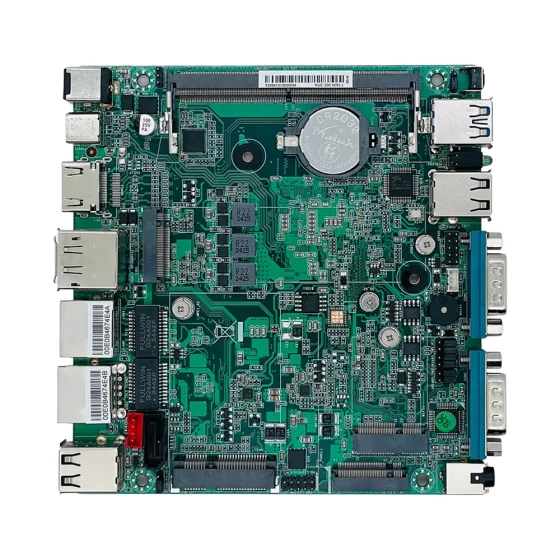
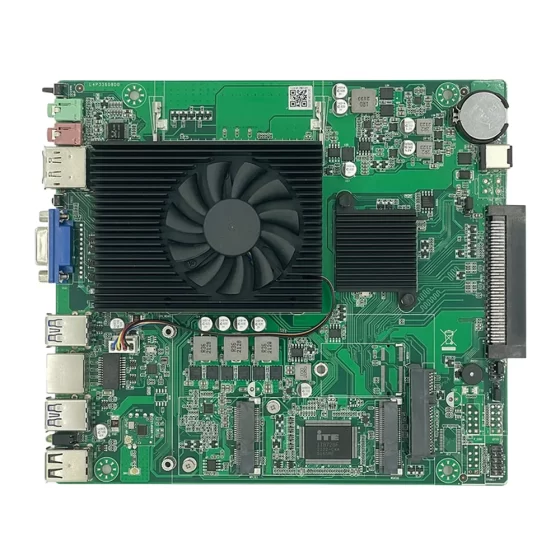
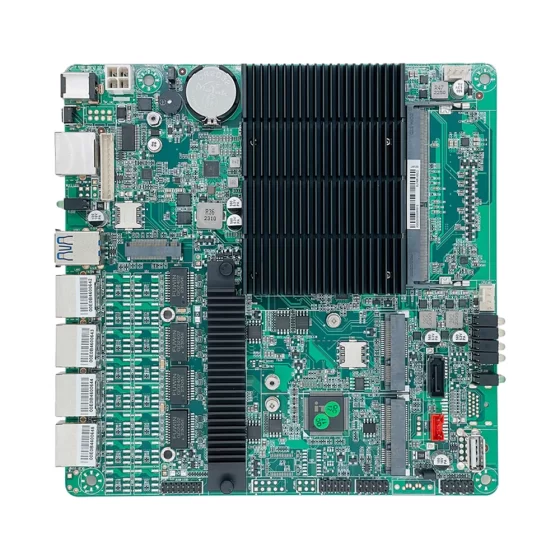
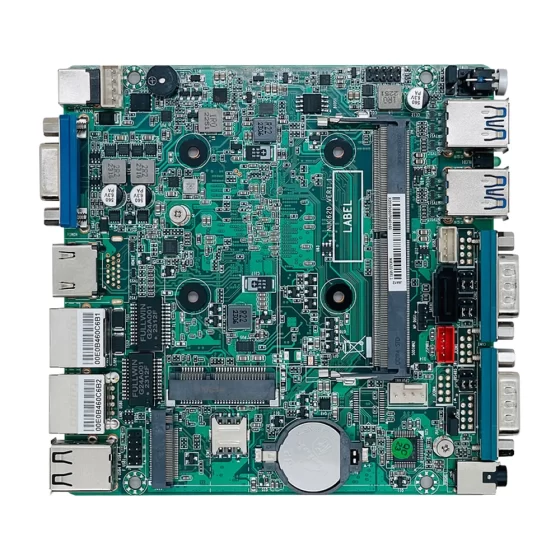
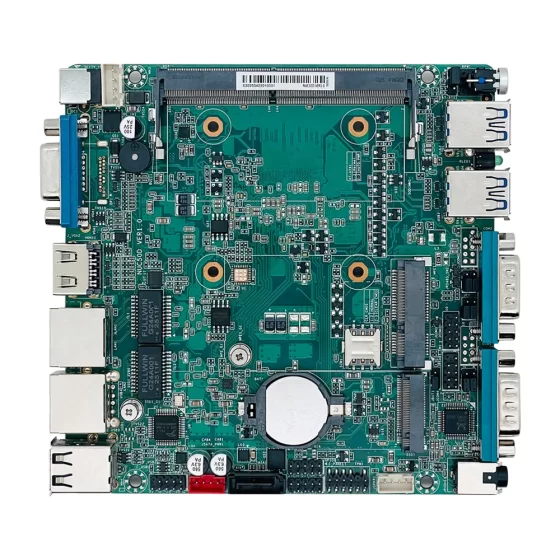
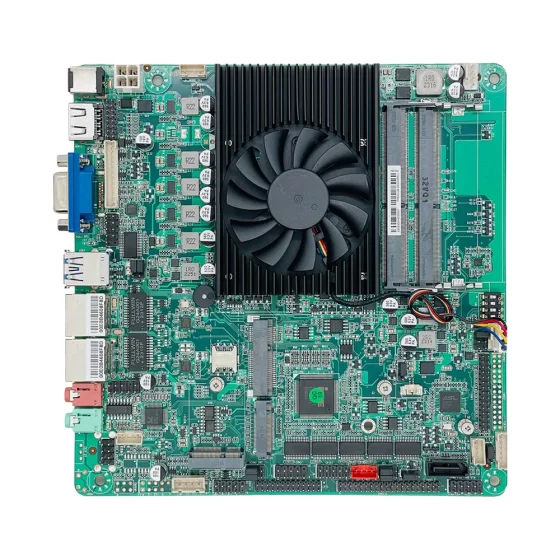
Soluciones de informática industrial CoreIPC

Plataforma Edge Computing para procesamiento de datos SCADA Basado en arquitectura SCADA Edge Computing
Resumen ejecutivo
La creciente demanda de monitoreo y control industrial en tiempo real ha acelerado la adopción de modelos de computación distribuida en los sistemas SCADA modernos.. Las arquitecturas centralizadas tradicionales a menudo tienen dificultades para cumplir con la latencia, escalabilidad, y requisitos de confiabilidad en entornos industriales complejos.
computación de borde scada permite un enfoque de procesamiento descentralizado donde los datos se analizan más cerca de la fuente utilizando un computadora industrial o computadora integrada desplegado en la capa de borde. Esto reduce significativamente la latencia de comunicación., mejora la capacidad de respuesta operativa, y mejora la resiliencia del sistema en aplicaciones industriales de misión crítica.
Integrando la informática de punta en las infraestructuras SCADA, Las organizaciones industriales pueden lograr una toma de decisiones más rápida., dependencia reducida de la red, y disponibilidad mejorada del sistema. Las plataformas de computación de borde CoreIPC están diseñadas para soportar estos requisitos a través de confiabilidad de nivel industrial., rendimiento determinista, y arquitectura escalable adecuada para sistemas de automatización modernos.

Plataforma informática de vanguardia industrial que permite el procesamiento de datos SCADA en tiempo real en un entorno de automatización de fábrica inteligente
Descripción general de la industria
Los sistemas SCADA se implementan ampliamente en la fabricación., energía, utilidades, transporte, e industrias de procesos. Estos sistemas tradicionalmente dependen de centros de control centralizados donde los datos de los PLC, sensores, y dispositivos de campo se transmite para su procesamiento y visualización..
Con el rápido crecimiento del IoT industrial (IIoT), El volumen y la velocidad de los datos industriales han aumentado significativamente.. Esto ha expuesto las limitaciones de las arquitecturas SCADA tradicionales., particularmente en términos de latencia, uso de ancho de banda, y escalabilidad.
computación de borde scada aborda estos desafíos acercando la computación a la fuente de datos. En lugar de transmitir todos los datos sin procesar a servidores centralizados, Los nodos de borde realizan procesamiento local., filtración, y análisis.
Los ordenadores industriales y los ordenadores integrados se han convertido en componentes esenciales para permitir esta transformación., actuando como nodos de borde confiables en entornos SCADA distribuidos.
Desafíos clave
Los entornos SCADA industriales enfrentan varios desafíos críticos que limitan la eficiencia y la escalabilidad..
Latencia en arquitecturas centralizadas
Los sistemas SCADA centralizados introducen retrasos entre la adquisición de datos y las acciones de control, impactando la capacidad de respuesta en tiempo real.
Limitaciones del ancho de banda de la red
Los datos industriales de alta frecuencia generados por sensores y dispositivos pueden sobrecargar las redes de comunicación.
Restricciones de escalabilidad
La expansión de los sistemas centralizados a menudo requiere importantes actualizaciones de infraestructura y una mayor complejidad operativa..
Riesgos de confiabilidad
Las arquitecturas centralizadas introducen puntos únicos de falla que pueden interrumpir operaciones industriales completas..
Exposición a la ciberseguridad
La transmisión continua de datos entre los sitios de campo y los centros de control aumenta las posibles superficies de ataque.
computación de borde scada mitiga estos problemas distribuyendo el procesamiento entre nodos de borde localizados.

Sistema de computación de punta industrial instalado dentro del gabinete de control para procesamiento de datos SCADA en tiempo real
Arquitectura de la solución
un tipico computación de borde scada La arquitectura consta de múltiples capas interconectadas.:
Capa de dispositivo de campo
Incluye PLC, sensores, actuadores, e instrumentos industriales responsables de la generación de datos en tiempo real.
Capa de computación de borde
Las computadoras industriales y las computadoras integradas operan en el borde para realizar procesamiento de datos local., conversión de protocolo, detección de anomalías, y toma de decisiones en tiempo real.
Capa de supervisión SCADA
Los sistemas SCADA centrales manejan la visualización, paneles de seguimiento, gestión de alarmas, y almacenamiento de datos históricos.
Capa de nube y empresa
Utilizado para análisis avanzados, Entrenamiento de modelos de IA, mantenimiento predictivo, e integración de sistemas empresariales.
La capa de computación de borde es el habilitador central de la inteligencia distribuida en los sistemas SCADA modernos..
Características clave
Procesamiento de datos en tiempo real
Los nodos de borde procesan datos SCADA localmente para minimizar la latencia y mejorar la capacidad de respuesta del sistema..
Soporte de protocolos industriales
Admite protocolos de comunicación industriales comunes, incluido Modbus, OPC-UA, PROFINET, y MQTT.
Rendimiento determinista
Garantiza una ejecución estable y predecible de cargas de trabajo industriales urgentes.
Diseño industrial robusto
Los sistemas integrados de grado industrial garantizan un funcionamiento confiable en entornos hostiles como la vibración., polvo, y variaciones de temperatura.
Inteligencia distribuida
Los nodos perimetrales pueden procesar datos de forma independiente y ejecutar decisiones locales sin depender de servidores centralizados..
Ciberseguridad mejorada
El procesamiento local reduce la exposición de la red externa y mejora la segmentación de los sistemas críticos.
Escenarios de implementación
Sistemas de fabricación inteligentes
Permite el monitoreo de la producción en tiempo real., optimización de equipos, y control automatizado de procesos.
Sistemas de energía y servicios públicos.
Aplicado en subestaciones, monitoreo de red, y sistemas de gestión de energías renovables.
Instalaciones de tratamiento de agua
Soporta monitoreo continuo del flujo., presión, y sistemas de procesamiento químico.
Infraestructura de transporte
Utilizado en sistemas ferroviarios., control de tráfico, y aplicaciones de monitoreo de infraestructura.
Operaciones de petróleo y gas
Permite el monitoreo remoto de tuberías., sistemas de perforación, y operaciones de refinería.
En todos los escenarios, computación de borde scada mejora la eficiencia operativa y la capacidad de respuesta del sistema.
Beneficios comerciales
La adopción de la informática de punta en entornos SCADA ofrece ventajas operativas mensurables.
La latencia se reduce significativamente mediante el procesamiento local en los nodos perimetrales.. La confiabilidad del sistema se mejora a través de una arquitectura distribuida que elimina puntos únicos de falla.. El consumo de ancho de banda de la red se reduce filtrando datos en el borde. La ciberseguridad se mejora al limitar las vías de comunicación externa. La escalabilidad se mejora mediante la implementación modular de nodos perimetrales.. Las capacidades de mantenimiento predictivo se fortalecen mediante análisis en tiempo real.
En general, computación de borde scada permite a las organizaciones industriales hacer la transición hacia sistemas de automatización más inteligentes y resistentes.
Por qué CoreIPC
CoreIPC proporciona plataformas informáticas industriales diseñadas específicamente para entornos SCADA de borde. Sus computadoras industriales y sus soluciones informáticas integradas están diseñadas para brindar estabilidad a largo plazo., operación continua, y duras condiciones industriales.
Las plataformas CoreIPC están optimizadas para computación de borde scada cargas de trabajo que requieren un rendimiento determinista, comunicación multiprotocolo, y despliegue escalable en infraestructuras industriales distribuidas.
Estos sistemas se utilizan ampliamente en entornos industriales donde la confiabilidad, procesamiento en tiempo real, y la integración del sistema son requisitos críticos.
Preguntas frecuentes
¿Qué es la computación de borde SCADA??
Scada Edge Computing es una arquitectura distribuida donde los datos SCADA se procesan en el borde en lugar de servidores centralizados., mejorar la capacidad de respuesta y reducir la latencia.
¿Cómo soporta una computadora industrial los sistemas SCADA??
Una computadora industrial actúa como un nodo de procesamiento de borde que maneja la adquisición de datos., conversión de protocolo, y análisis en tiempo real.
¿Cuál es el papel de las computadoras integradas en los sistemas de borde SCADA??
Las computadoras integradas proporcionan plataformas informáticas compactas y eficientes para la implementación perimetral en entornos industriales con limitaciones de espacio..
¿Por qué es importante la informática de punta para los sistemas SCADA??
Reduce la latencia, mejora la confiabilidad, y permite el procesamiento distribuido escalable en todos los sistemas industriales.
¿Qué industrias se benefician más de la informática de punta SCADA??
Industrias como la manufactura., energía, transporte, tratamiento de agua, y el petróleo y el gas se benefician significativamente.
¿Es la informática de punta SCADA adecuada para entornos hostiles??
Sí, El hardware de calidad industrial está diseñado para soportar vibraciones., polvo, y condiciones de amplia temperatura.
¿Qué protocolos se utilizan comúnmente en los sistemas SCADA??
Los protocolos comunes incluyen Modbus, OPC-UA, PROFINET, Ethernet/IP, y MQTT.
¿Puede la computación de borde SCADA escalar fácilmente??
Sí, Las arquitecturas de borde son modulares y se pueden ampliar agregando nodos adicionales..
¿Qué hardware se utiliza normalmente en implementaciones de borde SCADA??
Las computadoras industriales y las computadoras integradas se utilizan comúnmente debido a su confiabilidad y estabilidad..
Conclusión
La adopción de computación de borde scada representa un cambio fundamental en la arquitectura de la automatización industrial. Acercando la computación a la fuente de datos, Los sistemas industriales logran una menor latencia., mayor confiabilidad, y escalabilidad mejorada.
Cuando se combina con una computadora industrial de grado industrial y plataformas informáticas integradas, Los sistemas SCADA evolucionan hacia infraestructuras distribuidas e inteligentes capaces de soportar los requisitos industriales modernos..
Contáctenos
Para obtener más información sobre las soluciones de computación de borde CoreIPC para aplicaciones SCADA, Comuníquese con nuestro equipo de ingeniería para obtener soporte de integración e implementación..