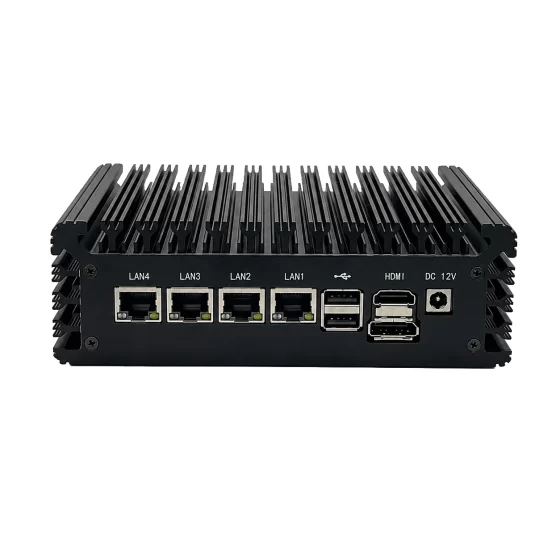
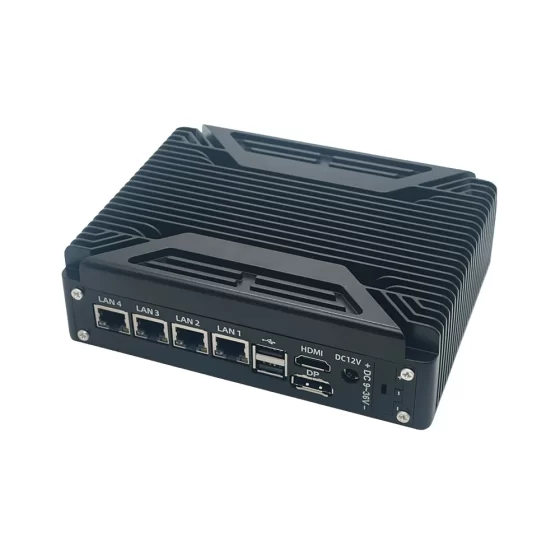
CoreIPC 산업용 컴퓨팅 솔루션

딥러닝을 위한 GPU IPC: 산업용 AI 및 머신 비전을 위한 딥 러닝 IPC
요약
A deep learning IPC provides the industrial computing foundation for AI inference, 머신 비전, 결함 감지, 비디오 분석, 로봇 안내, 현대 제조 환경의 데이터 기반 자동화.
공장이 더 심층적인 AI 모델과 더 많은 카메라 기반 검사 시스템을 채택함에 따라, 컴퓨팅 요구 사항이 증가하고 있습니다.. 기존 산업용 컴퓨터는 다양한 자동화 및 데이터 수집 작업을 지원할 수 있습니다., 하지만 딥 러닝 워크로드에는 더 강력한 병렬 처리가 필요한 경우가 많습니다., 더 높은 메모리 대역폭, 더 빠른 저장, 안정적인 GPU 가속.
GPU IPC는 산업용 컴퓨터 신뢰성과 그래픽 처리 기능을 결합합니다.. 고해상도 이미지를 처리할 수 있습니다., 다중 카메라 스트림, 딥러닝 모델, 생산 장비 근처의 실시간 AI 추론.
시스템에 컴팩트한 배포가 필요한 경우 임베디드 컴퓨터를 사용할 수도 있습니다., 기계측 설치, 또는 OEM 통합. 더욱 까다로운 AI 비전 애플리케이션용, an industrial computer with GPU expansion or edge AI acceleration can provide the performance required for real production workloads.
표준 상업용 PC와 비교, industrial GPU IPC platforms are designed for industrial environments. 견고한 설치를 지원합니다., 안정적인 열 설계, 유연한 I/O, 카메라 연결, 고속 저장, 산업 네트워킹, 긴 수명주기 배포.
This article explains how GPU IPC systems support deep learning applications, 제조업체가 배포 중에 직면하는 문제, 솔루션 아키텍처의 작동 방식, and which hardware features are important when selecting an industrial computer or embedded computer for deep learning workloads.
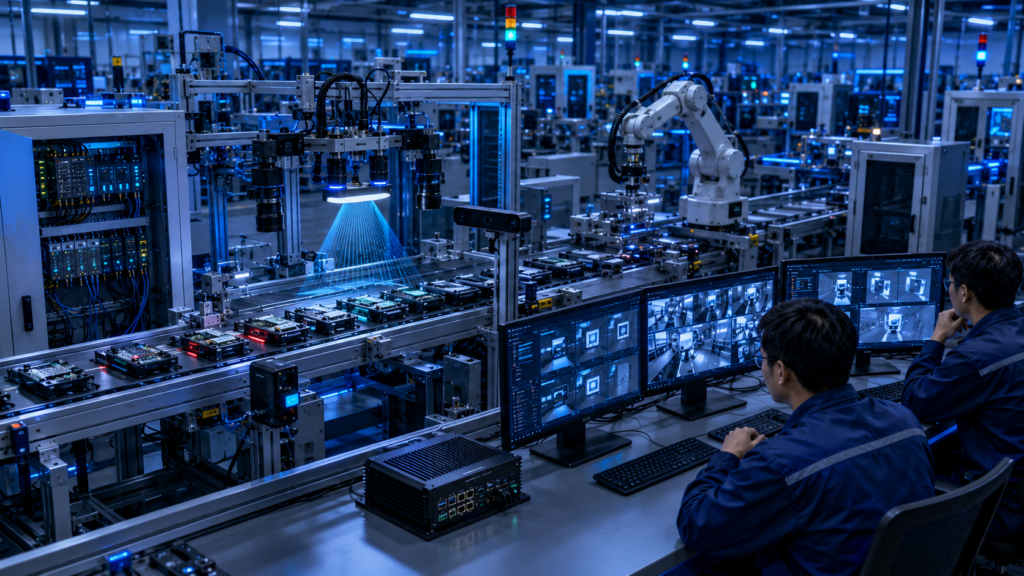
GPU IPC platforms process AI vision and deep learning inference workloads near production equipment.
산업 개요
Deep Learning Is Becoming Practical in Industrial Automation
Deep learning is increasingly used in factory automation and smart manufacturing.
It helps manufacturers analyze images, 결함을 발견하다, classify objects, recognize patterns, monitor equipment, and process complex industrial data.
Typical deep learning applications include:
- Visual defect detection
- 표면검사
- Semiconductor AOI
- Electronics inspection
- Battery inspection
- 포장검사
- Barcode and OCR recognition
- Object detection
- Robotic guidance
- Video analytics
- 예측 유지보수
- Anomaly detection
These applications require reliable local computing hardware.
A deep learning IPC helps bring AI processing from cloud or laboratory environments into real production systems.
Why GPU Acceleration Matters
Deep learning models often require many parallel calculations.
GPUs are well suited for this type of workload because they can process large amounts of image and matrix data efficiently.
In industrial applications, GPU acceleration can help with:
- Faster AI inference
- Multi-camera processing
- High-resolution image analysis
- Video stream analytics
- Complex defect segmentation
- Object detection
- Model validation
- Edge AI deployment
- Real-time visual inspection
Not every application needs a large GPU. Some lightweight models can run on CPU-based industrial computers or embedded AI modules.
하지만, when image resolution, 카메라 수, 모델 복잡성, or response-time requirements increase, a GPU IPC becomes more important.
Industrial Computing Is Different from Office AI Hardware
A deep learning IPC is not just a desktop PC with a GPU.
Factory environments require stable operation near machines, 컨베이어, 카메라, 로봇, PLC, and control cabinets.
이러한 환경에는 진동이 포함될 수 있습니다., 먼지, 열, 제한된 공기 흐름, 전기적 소음, 그리고 영업시간이 길다.
Industrial computers and embedded computers are designed for these conditions.
They provide stronger mechanical design, 산업용 I/O, reliable power input, controlled thermal performance, 긴 수명주기 지원, and flexible mounting for real factory deployment.

Multi-camera data, GPU thermal design, 스토리지 워크로드, PLC 통신, and cabinet installation affect deep learning IPC reliability.
주요 과제
High AI Processing Workload
Deep learning workloads can be demanding.
The required performance depends on camera resolution, 카메라 수, 프레임 속도, AI model size, inference speed, preprocessing, post-processing, and local storage needs.
A system may need to process:
- High-resolution images
- Multiple camera streams
- Video clips
- Defect segmentation models
- Object detection models
- OCR models
- Classification models
- Sensor fusion data
- 생산 기록
If the IPC is underpowered, the system may experience delayed inference, dropped frames, missed inspection timing, or unstable production performance.
GPU Thermal Management
GPU acceleration improves AI processing, but it also increases power and heat.
Industrial systems often operate inside cabinets or near production lines where airflow may be limited.
Thermal planning is critical.
중요한 요소는 다음과 같습니다:
- GPU power consumption
- CPU 작업량
- Enclosure design
- Cabinet airflow
- Ambient temperature
- Mounting position
- Dust conditions
- 장기 실행 워크로드
- Expansion card layout
A GPU IPC must be selected and installed according to real operating conditions, not only peak performance specifications.
Camera Bandwidth and Data Flow
Many deep learning applications are camera-based.
A system may use USB cameras, GigE cameras, 2.5GbE cameras, 10GbE cameras, line scan cameras, 3D 카메라, or specialized frame grabber interfaces.
Each camera creates data bandwidth requirements.
A multi-camera AI inspection platform must consider:
- Camera interface type
- 카메라 수
- 프레임 속도
- 이미지 해상도
- 망분리
- PCIe 확장
- 저장 속도
- 메모리 대역폭
- Processing pipeline
A powerful GPU cannot solve a camera bottleneck if the system cannot acquire images reliably.
Industrial Device Integration
A deep learning IPC must communicate with factory equipment.
It may need to connect with PLCs, 로봇, 모션 컨트롤러, 컨베이어, 센서, 조명 컨트롤러, 바코드 리더기, 경보, MES 시스템, and SCADA platforms.
Useful industrial interfaces may include:
- 랜
- USB
- RS232
- RS485
- GPIO
- 디지털 입력
- 디지털 출력
- HDMI
- 디스플레이포트
- M.2
- PCIe
Without the right I/O design, AI deployment becomes harder to integrate and maintain.
Long-Term Reliability and Lifecycle
Industrial AI systems often remain in production for many years.
A change in GPU model, 운전사, 운영 체제, camera SDK, or industrial computer platform can create validation problems.
Manufacturers and machine builders need hardware that can support consistent deployment, 예비 부품 계획, software image stability, and long-term maintenance.
This is why lifecycle planning is important for deep learning IPC projects.

GPU IPC systems connect AI vision cameras, acceleration hardware, 자동화 장비, 및 공장 소프트웨어 시스템.
Deep Learning IPC Solution Architecture
Data Acquisition Layer
The data acquisition layer captures images, 비디오 스트림, sensor values, and machine data.
이 레이어에는 다음이 포함될 수 있습니다.:
- 산업용 카메라
- 3D 카메라
- High-speed cameras
- 라인 스캔 카메라
- Frame grabbers
- 조명 컨트롤러
- 트리거 센서
- PLC
- 진동 센서
- 바코드 판독기
- 로봇 컨트롤러
- Production equipment
The quality of this input directly affects deep learning performance.
Stable camera acquisition, accurate triggering, and clean sensor data are required before AI models can produce reliable results.
GPU Industrial Computing Layer
The GPU industrial computing layer is the core of the system.
이 레이어에서는, the industrial computer or embedded computer processes data locally.
It may:
- Acquire images from cameras
- Run deep learning inference
- Perform image preprocessing
- Execute defect detection models
- Run segmentation algorithms
- Process video analytics
- Store inspection records
- Display local dashboards
- Send results to PLCs
- Upload selected data to factory systems
This local computing layer reduces latency and allows AI decisions to happen close to production equipment.
AI Software Layer
The AI software layer includes the models, runtimes, 드라이버, and application software.
Depending on the project, it may include:
- Deep learning inference runtime
- Machine vision software
- Camera SDKs
- GPU drivers
- AI model management tools
- Image preprocessing pipeline
- Defect classification logic
- Video analytics software
- Local database software
- Industrial communication software
Hardware selection should consider software compatibility from the beginning.
A GPU IPC must support the operating system, GPU drivers, 카메라 인터페이스, and AI frameworks required by the application.
자동화 제어 계층
The automation control layer connects AI results with physical production action.
PLC, 로봇 컨트롤러, 컨베이어 시스템, 모션 컨트롤러, or reject mechanism may receive output from the deep learning IPC.
예를 들어, after detecting a surface defect, the IPC can send a fail signal to a PLC. The PLC can then activate a reject mechanism.
In robot guidance applications, the IPC may process camera data and send object coordinates to a robot controller.
Factory Data Integration Layer
AI results become more valuable when connected with production records.
The deep learning IPC may send selected data to:
- MES
- SCADA
- 품질 데이터베이스
- WMS
- ERP
- Cloud platforms
- Local historian systems
- Production dashboards
Data may include product IDs, defect categories, 이미지, 타임스탬프, 스테이션 ID, confidence scores, model versions, and inspection results.
이는 추적성을 지원합니다., 품질 분석, 및 프로세스 개선.
주요 특징
GPU Acceleration for AI Inference
GPU acceleration is one of the most important features of a deep learning IPC.
The right GPU configuration depends on the actual model and production workload.
Selection should consider:
- AI model size
- Required inference speed
- 카메라 수
- 이미지 해상도
- Video stream count
- Batch processing needs
- GPU memory
- Power consumption
- Driver support
- 열 설계
For industrial applications, stable long-running inference is more important than short benchmark results.
High-Speed Camera Connectivity
Deep learning vision systems need reliable camera input.
유용한 하드웨어 옵션에는 다음이 포함될 수 있습니다.:
- USB 3.0 포트
- 다중 LAN 포트
- 2.5GbE 또는 10GbE 옵션
- PCIe 확장
- 프레임 그래버 지원
- M.2 확장
- High-speed SSD or NVMe storage
- Display outputs
For multi-camera inspection, network traffic and camera bandwidth should be planned carefully.
Camera networks may need to be separated from factory IT networks to improve stability.
유연한 산업용 I/O
A GPU IPC must connect with automation equipment.
Important I/O options may include:
- 랜
- USB
- RS232
- RS485
- GPIO
- 디지털 입력
- 디지털 출력
- HDMI
- 디스플레이포트
- M.2
- PCIe
- SATA 또는 NVMe
이 인터페이스는 카메라를 지원합니다, 센서, 조명 컨트롤러, PLC, 로봇, 컨베이어, 바코드 리더기, 경보, and local displays.
유연한 I/O는 외부 변환기 사용을 줄이고 배포 안정성을 향상시킵니다..
Reliable Storage for AI Data
Deep learning systems may generate large amounts of data.
The IPC may need to store:
- Defect images
- Accepted samples
- Video clips
- AI model files
- Training samples
- Inference logs
- Inspection records
- 로컬 데이터베이스
- Temporary buffers
SSD or NVMe storage is commonly preferred because it supports faster access and better shock resistance than mechanical drives.
For data-heavy AI systems, 저장 용량, 지속적인 쓰기 속도, 지구력을 쓰다, backup strategy, and retention policy should be reviewed during design.
Rugged Mechanical and Thermal Design
A deep learning IPC must support industrial installation.
Rugged design helps protect against vibration, 케이블 스트레스, mounting impact, 지속적인 작동.
Thermal design is especially important when using GPU acceleration.
System designers should review:
- CPU and GPU heat output
- Fanless or active cooling requirements
- Cabinet airflow
- Ambient temperature
- GPU card clearance
- Dust control
- Power supply capacity
- Cable routing
Reliable thermal planning helps maintain stable AI performance over long operating periods.
긴 수명주기 및 유지 관리성
Deep learning systems often require careful software validation.
Camera drivers, GPU drivers, AI frameworks, 운영 체제, and application software must work together.
Frequent hardware changes can increase maintenance cost.
Industrial computing platforms with lifecycle support help machine builders and manufacturers maintain consistent AI systems across multiple machines, 윤곽, and factory sites.
배포 시나리오
AI Visual Defect Detection
Visual defect detection is one of the most common deep learning IPC applications.
The system can inspect products for scratches, 찌그러짐, 균열, 얼룩, 오염, missing parts, and surface abnormalities.
The GPU IPC processes camera images locally and sends inspection results to PLCs or quality systems.
Semiconductor AOI
Semiconductor AOI often requires high-resolution imaging and advanced defect classification.
A deep learning IPC can process wafer images, die images, package images, and mark verification data.
It can also connect results with MES, SPC, 및 품질 데이터베이스.
Electronics and SMT Inspection
Electronics manufacturing can use GPU IPC systems for component verification, solder inspection, PCB defect detection, 바코드 인식, and connector inspection.
The system can process images from AOI equipment or production-line cameras and link results with PCB serial numbers.
Battery Manufacturing Inspection
Battery production can use deep learning IPC platforms for electrode surface inspection, tab welding inspection, cell appearance checking, module assembly verification, and pack inspection.
The GPU IPC helps process complex defect patterns and connect results with production traceability systems.
Packaging Inspection
Packaging inspection can involve labels, 물개, 바코드, 날짜 코드, 모자, 판지, pouches, 병, and final package verification.
A deep learning IPC can support AI defect detection and send reject decisions to PLC-controlled equipment.
Robotics and 3D Vision
Robotic applications may need deep learning for object detection, 부품 국산화, 쓰레기통 따기, 품질검사.
A GPU IPC can process 2D or 3D camera data and send coordinates or classification results to robot controllers.
Video Analytics
Industrial video analytics can support safety monitoring, process observation, 장비 모니터링, and logistics tracking.
A GPU IPC can process multiple video streams locally and upload only selected events or alerts.
이는 네트워크 부하를 줄이고 응답 시간을 향상시킵니다..
OEM AI Equipment Integration
Machine builders can integrate GPU IPC systems into AI inspection machines, 로봇 시스템, sorting equipment, smart gateways, or automation platforms.
The computing platform can provide AI inference, camera processing, 로컬 저장소, HMI 디스플레이, PLC 통신, and factory data output.
This helps OEMs deliver industrial AI equipment ready for production deployment.
비즈니스 이점
Faster AI Inference
A GPU IPC provides stronger local processing for deep learning workloads.
This helps reduce inference time and supports faster production decisions.
Fast local AI is useful for defect rejection, 로봇 안내, 정렬, monitoring, and high-speed inspection.
Improved Inspection Capability
Deep learning can help detect complex visual defects that are difficult to define with fixed rules.
A deep learning IPC provides the computing power needed to run these models near production equipment.
This helps manufacturers improve inspection consistency and reduce manual review workload.
Reduced Cloud Dependency
Local GPU processing reduces the need to send all images or video streams to cloud platforms.
The IPC can process data at the edge and upload only selected results, 이미지, alerts, or summaries.
This reduces bandwidth pressure and improves operational resilience.
Stronger Production Traceability
AI results can be linked with product IDs, work orders, defect categories, 이미지, 타임스탬프, 스테이션 ID, model versions, and operator actions.
This creates stronger quality records.
Reliable industrial storage and data integration help support audits, process review, 보증 조사, and root cause analysis.
Better Integration with Automation
A GPU IPC can connect deep learning results with PLCs, 로봇, 컨베이어, 공장 시스템.
This turns AI analysis into practical production action.
The system can trigger reject mechanisms, 가이드 로봇, send alarms, or update quality databases automatically.
Scalable Industrial AI Deployment
A standardized deep learning IPC platform makes it easier to deploy AI across multiple production lines and factories.
일관된 하드웨어로 소프트웨어 이미지가 단순화됩니다., GPU driver validation, camera SDK management, 예비 부품 계획, and maintenance training.
This helps manufacturers move from AI pilot projects to scalable production deployment.
왜 CoreIPC인가?
CoreIPC provides industrial computing platforms for edge AI, 머신 비전, 공장 자동화, 로봇공학, 및 임베디드 시스템 통합. For deep learning IPC applications, CoreIPC는 안정적인 산업용 컴퓨터 하드웨어에 중점을 둡니다., 임베디드 컴퓨터 솔루션, 유연한 I/O 구성, 컴팩트한 시스템 디자인, GPU-ready platform planning, 및 OEM/ODM 맞춤형 지원. CoreIPC는 시스템 통합자를 돕습니다., 기계 제작자, 및 제조 팀은 실제 배포 요구 사항에 맞는 컴퓨팅 플랫폼을 선택합니다., including GPU workload, 카메라 인터페이스, 자동화 통신, 저장 요구 사항, 장착 방법, 전원 입력, 열 설계, software compatibility, 및 수명주기 계획.
자주 묻는 질문
1. What is a deep learning IPC?
A deep learning IPC is an industrial computer designed to run deep learning workloads in industrial environments.
It may include GPU acceleration, 고속 카메라 연결, 산업용 I/O, 견고한 기계 설계, 안정적인 스토리지, and factory network support. It is commonly used for AI inspection, 비디오 분석, robotic vision, and industrial edge computing.
2. Why use a GPU IPC for deep learning?
Deep learning models often require parallel processing.
A GPU IPC can accelerate AI inference, 이미지 처리, 물체 감지, 분할, and video analytics. This helps the system process more data locally and respond faster in production environments.
3. How is an embedded computer used for deep learning?
An embedded computer can be used for compact AI deployment near machines, 카메라, 로봇, 또는 제어 캐비닛.
For lighter workloads, it may run CPU-based AI or embedded AI acceleration. For heavier workloads, a larger industrial computer with GPU support may be required. The selection depends on model complexity, 카메라 수, and response-time requirements.
4. What applications need a deep learning IPC?
Applications include visual defect detection, semiconductor AOI, 전자제품 검사, battery inspection, 포장 검사, 로봇 안내, 비디오 분석, 물류 분류, 예측 유지 관리, and smart factory monitoring.
Any application that uses deep learning models near production equipment may benefit from a properly selected industrial GPU IPC.
5. Does every AI vision system need a GPU?
아니요. Some AI vision systems can run on CPU-based industrial computers or compact embedded computers.
A GPU is usually more important when the system uses high-resolution images, 여러 대의 카메라, complex deep learning models, 비디오 분석, 3D vision, or short cycle-time requirements. Real model testing should guide hardware selection.
6. What interfaces are important for GPU IPC systems?
중요한 인터페이스에는 USB가 포함될 수 있습니다. 3.0, 다중 LAN 포트, 2.5나르다, 10나르다, PCIe, M.2, RS232, RS485, GPIO, digital input, digital output, HDMI, 디스플레이포트, SATA, and NVMe storage support.
Camera interfaces and PCIe expansion are especially important for many deep learning vision applications.
7. Can fanless industrial computers support deep learning?
Fanless industrial computers can support some deep learning workloads, especially lightweight inference and moderate AI applications.
하지만, GPU-based deep learning workloads may generate significant heat. CPU power, GPU power, 인클로저 디자인, cabinet airflow, 주변 온도, and mounting method should be reviewed before deployment.
8. How does a deep learning IPC connect with PLCs and robots?
A deep learning IPC can communicate with PLCs and robots through Ethernet, 직렬 통신, 디지털 I/O, or supported automation software interfaces.
It can receive triggers, process images, and send pass, 실패하다, alarm, 위치, or classification results back to the automation system.
9. Can deep learning IPC systems connect with MES or quality databases?
예. Industrial computers can upload AI inspection results to MES, 품질 데이터베이스, SCADA, WMS, ERP, 또는 클라우드 플랫폼.
Uploaded data may include product IDs, defect categories, 이미지 기록, 타임스탬프, model versions, 스테이션 ID, and inspection results. This supports traceability and quality analysis.
10. What should be tested before deploying a GPU IPC?
배포 전, 시스템은 실제 카메라로 테스트되어야 합니다., real AI models, actual production images, GPU drivers, 카메라 SDK, PLC 통신, 스토리지 워크로드, 네트워크 아키텍처, 그리고 장기 실행 작업.
열 안정성, inference speed, frame acquisition reliability, and data upload behavior should also be validated.
결론
A deep learning IPC is a practical foundation for industrial AI systems that require GPU acceleration, 머신 비전, 비디오 분석, 로봇 안내, 결함 감지, and local edge intelligence.
By placing a GPU-ready industrial computer or embedded computer close to cameras, 센서, PLC, 로봇, 컨베이어, 및 생산 시스템, manufacturers can process AI workloads locally, reduce latency, lower cloud dependency, and connect deep learning results with real automation actions.
The right platform should be selected according to real deployment requirements, including AI model complexity, GPU workload, 카메라 인터페이스, 이미지 해상도, I/O 구성, 네트워크 아키텍처, 저장 요구 사항, 확장 요구 사항, 장착 방법, 전원 입력, 열적 조건, 운영 체제 지원, 및 수명주기 계획.
CoreIPC supports deep learning IPC projects with industrial computing platforms designed for practical factory and equipment deployment. 올바른 하드웨어 기반을 갖춘 경우, manufacturers and machine builders can build reliable, 확장 가능, and production-ready industrial AI systems.
문의하기
산업용 컴퓨터를 찾고 계시다면, 임베디드 컴퓨터, or GPU IPC for deep learning?
프로젝트 요구 사항을 논의하려면 CoreIPC에 문의하세요., including AI workload, GPU requirements, 카메라 인터페이스, I/O 구성, 로봇 또는 PLC 통신, 스토리지 디자인, 장착 방법, 전원 입력, 운영 환경, 수명주기 요구 사항, 및 OEM/ODM 사용자 정의 옵션.