CoreIPC 산업용 컴퓨팅 솔루션

요약
산업용 사물 인터넷 (IIoT) 기술은 제조업체가 수집하는 방식을 변화시키고 있습니다., 프로세스, 운영 데이터 활용. 산업시설이 점점 더 연결되면서, 조직은 지연 시간과 관련된 점점 더 많은 문제에 직면하고 있습니다., 대역폭 소비, 사이버보안, 그리고 실시간 의사결정. 기존의 클라우드 중심 아키텍처는 밀리초가 생산성에 큰 영향을 미칠 수 있는 현대 산업 환경의 성능 요구 사항을 충족하는 데 어려움을 겪는 경우가 많습니다., 품질, 및 운영 효율성.
IIoT 엣지 컴퓨팅 플랫폼은 데이터 처리를 통해 이러한 과제를 해결합니다., 해석학, 산업 장비 및 데이터 소스에 더욱 근접한 지능적인 의사 결정. 모든 데이터를 원격 클라우드 서버로 전송하는 대신, 엣지 컴퓨팅 플랫폼은 로컬 처리를 수행합니다., 필터링, 및 분석, 네트워크 트래픽과 클라우드 종속성을 줄이면서 실시간 응답을 가능하게 합니다..
최신 IIoT 엣지 컴퓨팅 플랫폼은 산업용 컴퓨터를 결합합니다., 임베디드 컴퓨팅 시스템, 산업용 네트워킹 기술, 지능형 분석 기능을 통합 인프라로 통합. 이러한 플랫폼은 스마트 제조의 기반이 됩니다., 예측 유지 관리, 산업 자동화, 머신 비전, 에너지 관리, and Industrial IoT deployments.
This article explores the architecture, benefits, 배포 시나리오, and key considerations of IIoT edge computing platforms in Industry 4.0 environments.
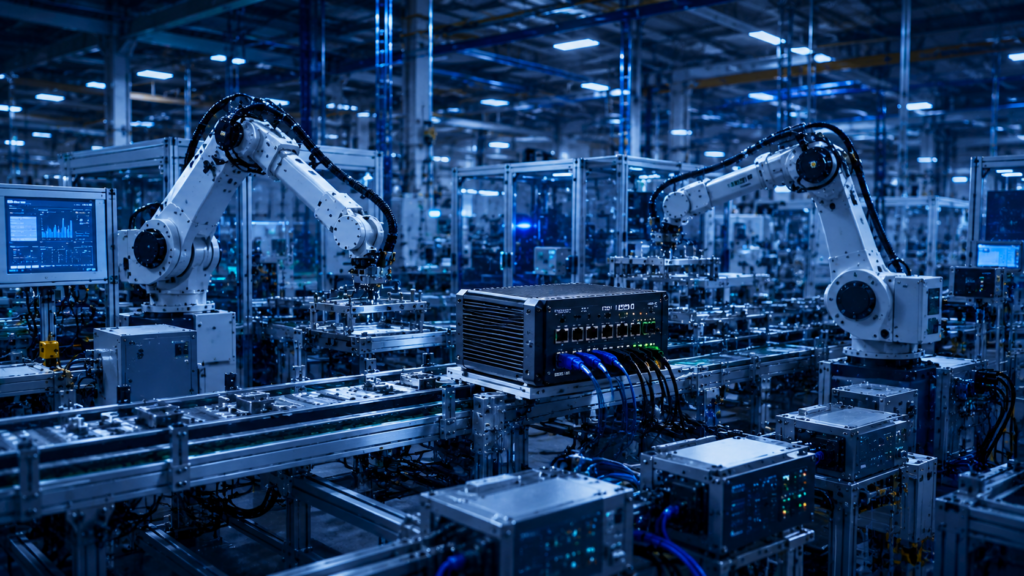
Industrial IIoT edge computing platform enabling real-time connectivity, 엣지 분석, 산업 자동화, and smart manufacturing operations.
산업 개요
The Evolution of Industrial IoT
Industrial operations have traditionally relied on isolated automation systems designed for local control and monitoring. While these systems provided reliability and stability, they often lacked connectivity and enterprise-level visibility.
Today’s industrial organizations seek to achieve:
- Real-time equipment visibility
- Intelligent automation
- Predictive maintenance
- Production optimization
- Energy efficiency
- Asset monitoring
- Digital transformation
These goals require continuous access to operational data and intelligent processing capabilities.
The Data Explosion Challenge
Modern industrial environments generate massive volumes of data from:
- PLC
- Industrial sensors
- Machine vision systems
- 로봇공학
- SCADA 시스템
- Energy meters
- Production equipment
A single manufacturing facility may generate millions of data points every day.
Without efficient processing architectures, organizations face:
- High bandwidth costs
- Data overload
- Delayed analytics
- Increased cloud expenses
This has accelerated the adoption of edge computing architectures.
Why Edge Computing Matters
Edge computing processes data closer to the source rather than relying entirely on centralized cloud platforms.
Key advantages include:
- Lower latency
- Faster response times
- Improved reliability
- Reduced network traffic
- Enhanced security
- Better scalability
These benefits make edge computing a critical component of modern IIoT infrastructures.
주요 과제
Real-Time Decision Requirements
Industrial processes often require immediate responses.
Examples include:
- Production line control
- 결함 감지
- Safety monitoring
- Equipment protection
- Robotics navigation
Cloud-based processing alone may introduce unacceptable delays.
Industrial Network Complexity
Modern facilities frequently contain:
- Legacy PLCs
- Multiple communication protocols
- Distributed equipment
- Diverse automation vendors
Connecting these systems requires flexible edge computing platforms.
Cybersecurity Concerns
As industrial systems become more connected, cybersecurity risks increase.
Organizations must protect:
- Operational data
- Equipment configurations
- Production systems
- Enterprise networks
Secure edge computing architectures help reduce exposure.
Bandwidth Limitations
Transmitting raw industrial data continuously to cloud platforms can be costly and inefficient.
Common data sources include:
- High-resolution cameras
- Vibration sensors
- Environmental sensors
- Production equipment
Local processing reduces unnecessary data transmission.
Reliability Requirements
Industrial environments demand:
- Continuous operation
- High system availability
- Stable performance
- Long-term support
Industrial-grade edge computing platforms are designed to meet these requirements.
Solution Architecture
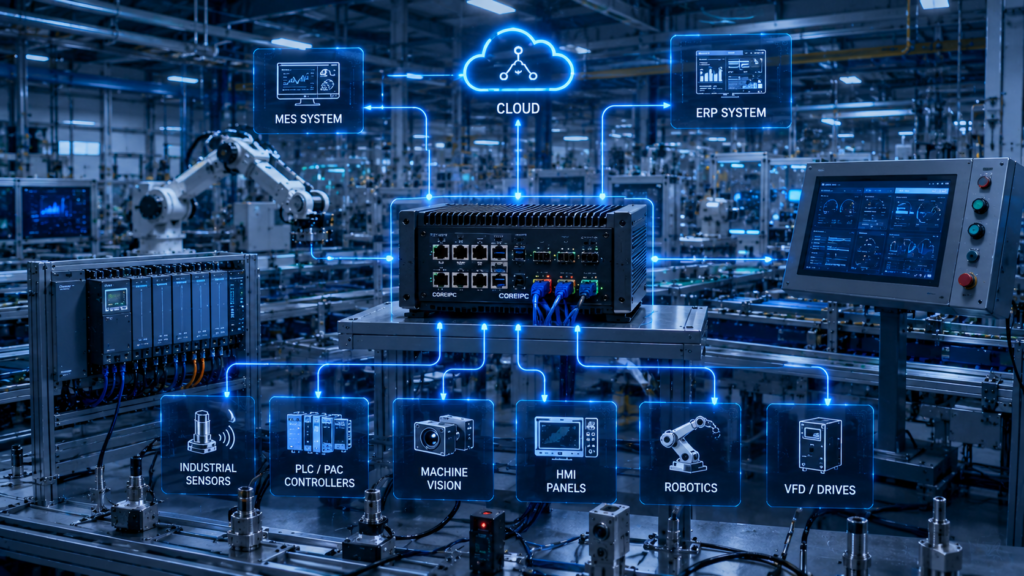
IIoT edge computing architecture enabling real-time data acquisition, industrial connectivity, 엣지 분석, and integration between factory equipment and enterprise systems.
Typical IIoT Edge Computing Architecture
An IIoT edge computing platform typically consists of several layers.
Device Layer
Connected devices include:
- Industrial sensors
- PLC controllers
- 산업용 카메라
- RFID systems
- Smart meters
- Robotics systems
These devices generate operational data.
Connectivity Layer
Industrial networks may include:
- Modbus TCP
- PROFINET
- EtherNet/IP
- OPC UA
- MQTT
- CAN Bus
The edge platform serves as the communication hub.
Edge Computing Layer
The edge computing platform performs:
- Data acquisition
- Data filtering
- 프로토콜 변환
- Event processing
- Local analytics
- AI 추론
This reduces cloud dependency while improving responsiveness.
Enterprise Layer
Processed data is integrated with:
- MES 시스템
- ERP platforms
- SCADA 시스템
- Digital twin platforms
- Analytics applications
This provides enterprise-wide visibility.
Cloud Layer
Cloud platforms support:
- Long-term storage
- Historical analytics
- Advanced reporting
- Fleet management
- Centralized monitoring
The edge platform determines which data should be transmitted.
주요 특징
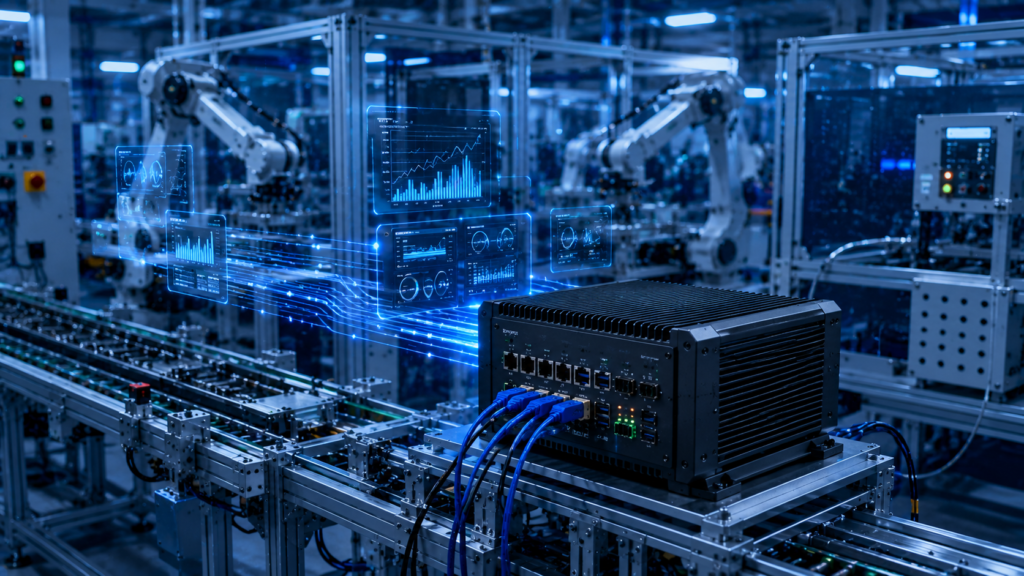
Industrial IIoT edge computing platform enabling real-time analytics, 현지 처리, 예측 유지 관리, and intelligent manufacturing operations.
1. Real-Time Data Processing
IIoT edge computing platforms analyze operational data locally to support immediate decision-making.
2. Protocol Integration
Industrial environments often contain devices using multiple communication standards.
Edge platforms simplify interoperability through protocol conversion and integration.
3. 산업용 연결
Support for:
- 이더넷
- Serial communication
- Wireless networking
- Industrial fieldbus systems
enables flexible deployment.
4. Edge Analytics
Local analytics capabilities provide:
- Equipment monitoring
- Production optimization
- Process visibility
- Operational intelligence
without cloud latency.
5. Predictive Maintenance Support
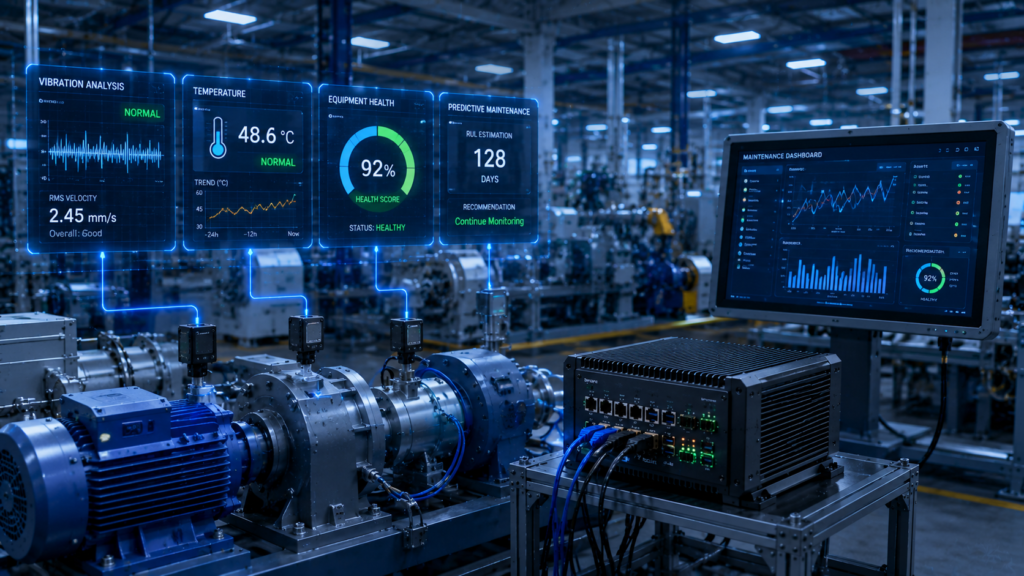
IIoT edge computing platform enabling predictive maintenance through real-time equipment monitoring, 엣지 분석, and intelligent health assessment.
Edge platforms collect and analyze equipment condition data to identify potential failures before they occur.
6. AI and Machine Vision Integration
Modern IIoT platforms support:
- AI 추론
- OCR inspection
- 결함 감지
- Machine vision applications
for intelligent automation.
7. Remote Monitoring
Operators can remotely monitor:
- Equipment status
- Production metrics
- Energy consumption
- System performance
from centralized locations.
8. Industrial Security
Advanced security features may include:
- Secure communication
- User authentication
- Data encryption
- 네트워크 세분화
to protect critical infrastructure.
9. Scalable Architecture
Organizations can expand deployments as business requirements evolve.
Recommended CoreIPC Products
임베디드 컴퓨터
Ideal for:
- IIoT 게이트웨이
- Edge processing
- Remote monitoring
Benefits:
- Compact design
- Low power consumption
- Flexible installation
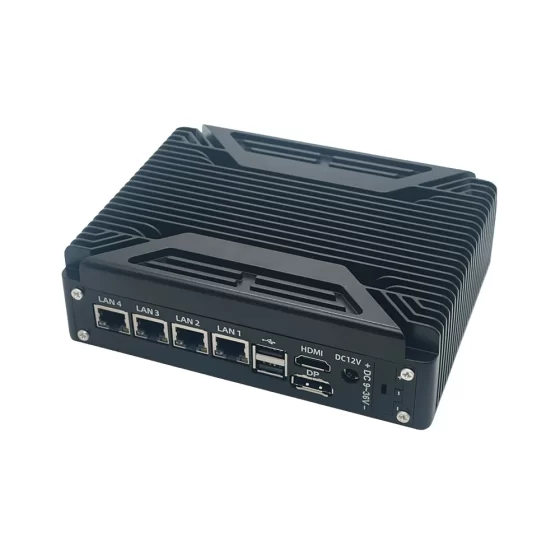
Fanless Industrial PCs
Ideal for:
- Harsh environments
- Continuous operation
- Maintenance-sensitive installations
Benefits:
- 팬리스 냉각
- Enhanced reliability
- Silent operation
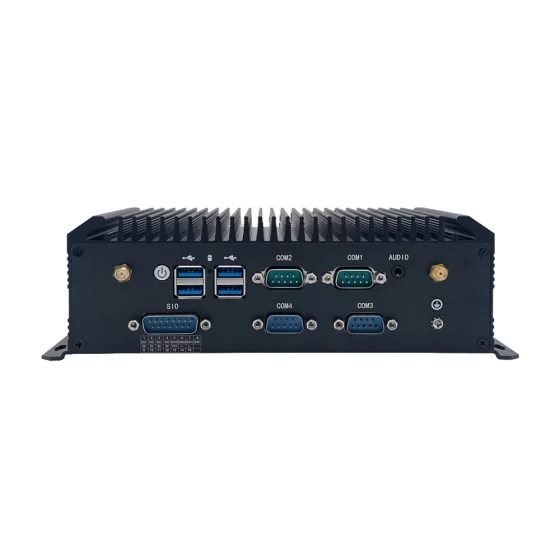
산업용 PC
Ideal for:
- Centralized edge processing
- Large-scale IIoT deployments
- Multi-device integration
Benefits:
- High performance
- Expansion capability
- Rich connectivity
엣지 AI 컴퓨터
Ideal for:
- Intelligent analytics
- Machine vision
- Predictive maintenance
Benefits:
- AI acceleration
- Real-time inference
- Local decision-making
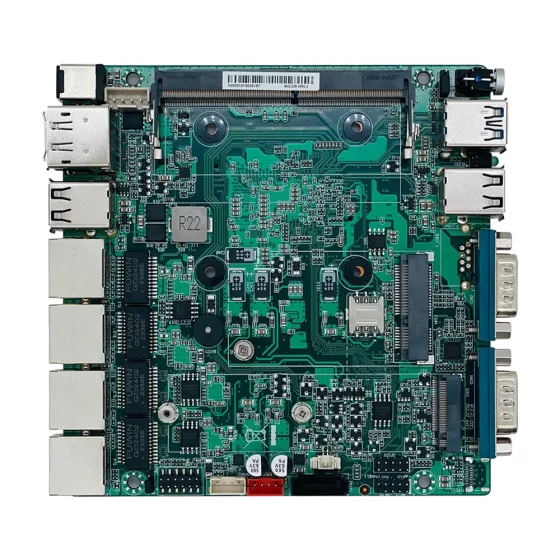
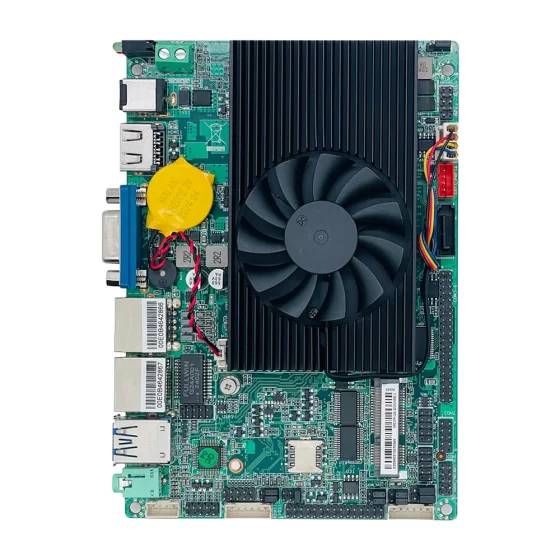
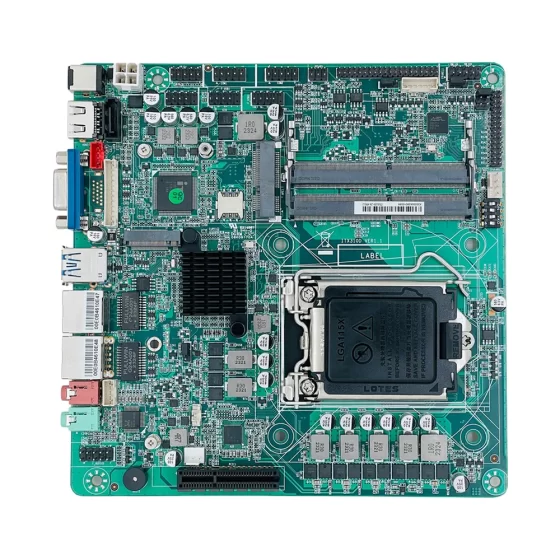
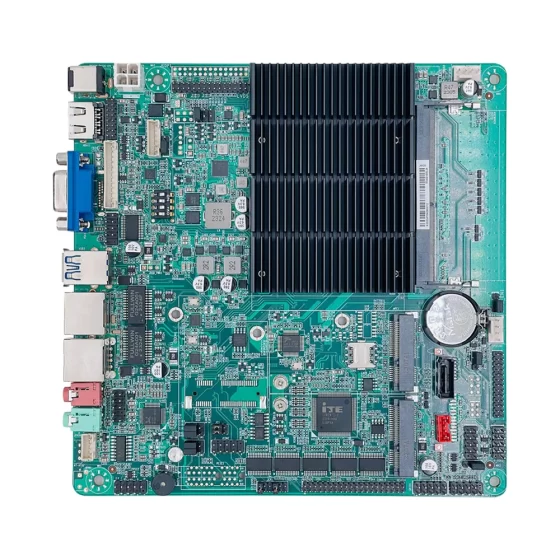
Mini-ITX 마더보드
Ideal for:
- Custom edge appliances
- OEM projects
- Embedded industrial systems
Benefits:
- Flexible integration
- Long lifecycle support
- Rich I/O interfaces
배포 시나리오
스마트 제조
IIoT edge computing platforms connect production equipment, 센서, and enterprise systems to improve operational visibility and efficiency.
Predictive Maintenance
Edge analytics continuously monitor equipment health indicators such as:
- Vibration
- Temperature
- Current consumption
- Pressure
to identify anomalies early.
Machine Vision Inspection
Industrial cameras and AI algorithms perform:
- 결함 감지
- OCR recognition
- Barcode verification
- Quality inspection
directly at the edge.
에너지 관리
Organizations monitor and optimize:
- Energy consumption
- Equipment efficiency
- Utility utilization
through real-time analytics.
산업 자동화
Edge platforms support communication between:
- PLC
- SCADA 시스템
- HMI devices
- Enterprise applications
for intelligent automation.
Remote Asset Monitoring
Distributed industrial assets can be monitored and managed from centralized locations.
스마트교통
Applications include:
- Fleet monitoring
- Traffic management
- Vehicle diagnostics
- Infrastructure monitoring
비즈니스 이점
Faster Response Times
Local processing enables immediate responses to operational events.
Reduced Bandwidth Costs
Only relevant information is transmitted to cloud platforms.
Improved Equipment Reliability
Continuous monitoring helps prevent unexpected failures.
Better Operational Visibility
Organizations gain access to real-time insights across operations.
Enhanced Security
Local processing reduces exposure of sensitive operational data.
Accelerated Digital Transformation
Edge computing enables organizations to implement Industry 4.0 initiatives more effectively.
왜 CoreIPC인가?
CoreIPC provides industrial computing platforms designed for IIoT, 엣지 컴퓨팅, 산업 자동화, and intelligent connectivity applications.
CoreIPC capabilities include:
- Industrial computer design
- Embedded computing expertise
- OEM manufacturing
- ODM development
- Product customization
- Long lifecycle support
- Industrial-grade quality
- Global deployment experience
Whether building an IIoT gateway, deploying edge analytics, integrating machine vision systems, or implementing Industry 4.0 infrastructure, CoreIPC delivers reliable computing platforms for demanding industrial environments.
자주 묻는 질문
1. What is IIoT edge computing?
IIoT edge computing processes industrial data locally near equipment and devices rather than relying entirely on cloud infrastructure.
2. Why is edge computing important in Industry 4.0?
It reduces latency, improves reliability, lowers bandwidth costs, and enables real-time decision-making.
3. What is an IIoT edge computing platform?
It is a computing system that combines data acquisition, 현지 처리, 산업 네트워킹, 해석학, and enterprise integration.
4. What industries use IIoT edge computing?
Manufacturing, 에너지, 운송, 건강 관리, 기호 논리학, and utilities commonly deploy edge computing solutions.
5. Can edge computing reduce cloud costs?
예. Local processing reduces the amount of data transmitted and stored in cloud environments.
6. What communication protocols are commonly supported?
Modbus, OPC UA, MQTT, PROFINET, EtherNet/IP, and CAN Bus are widely used.
7. Can IIoT edge platforms support AI applications?
예. Many platforms support AI inference, 머신 비전, OCR inspection, and predictive analytics.
8. How does edge computing improve security?
Sensitive operational data can be processed locally, reducing exposure to external networks.
9. What is the difference between an IIoT gateway and an edge computing platform?
An IIoT gateway primarily focuses on connectivity and protocol conversion, while an edge platform adds local analytics, 처리, 그리고 지능적인 의사결정.
10. Can edge platforms integrate with MES and ERP systems?
예. Enterprise integration is a key feature of modern IIoT architectures.
11. Are industrial computers suitable for edge computing?
예. Industrial computers provide the reliability, 연결성, and lifecycle support required for edge deployments.
12. How does edge computing support predictive maintenance?
By continuously analyzing equipment condition data locally and identifying potential failures before downtime occurs.
결론
IIoT edge computing platforms have become a cornerstone of Industry 4.0 digital transformation. By bringing intelligence closer to industrial equipment, these platforms enable real-time analytics, improved operational visibility, 예측 유지 관리, 지능형 자동화. From smart manufacturing and machine vision to energy management and remote monitoring, edge computing delivers the performance, 신뢰할 수 있음, and scalability required by modern industrial environments. Selecting the right industrial computing platform is essential for building secure, efficient, and future-ready IIoT infrastructures.
문의하기
Looking for an IIoT Edge Computing Platform?
CoreIPC provides industrial computing solutions for:
- IIoT Applications
- 엣지 컴퓨팅
- 스마트 제조
- 산업 자동화
- 머신비전
- Predictive Maintenance
- OEM Projects
- ODM Projects
- Custom Embedded Hardware Development
Contact CoreIPC today to discuss your edge computing requirements and identify the ideal platform for your Industrial IoT deployment.