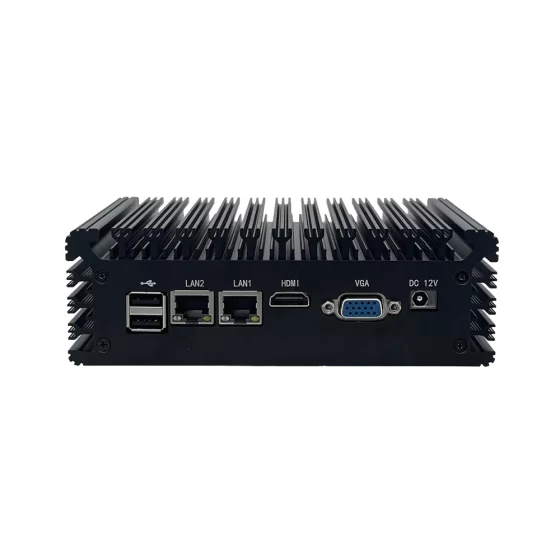
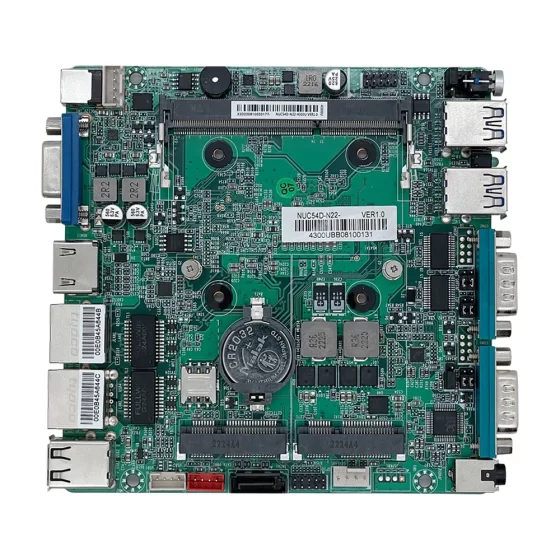
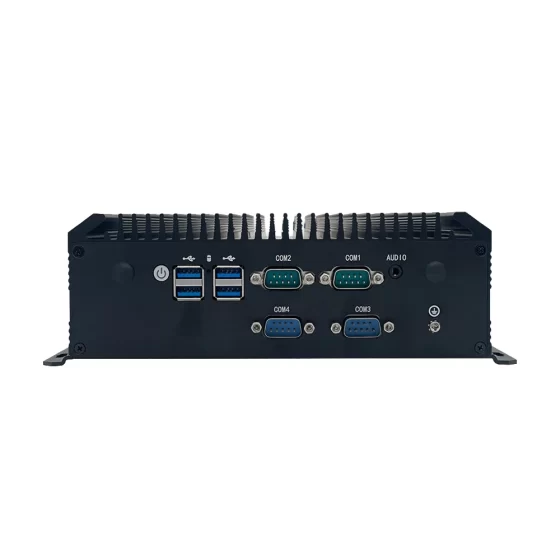
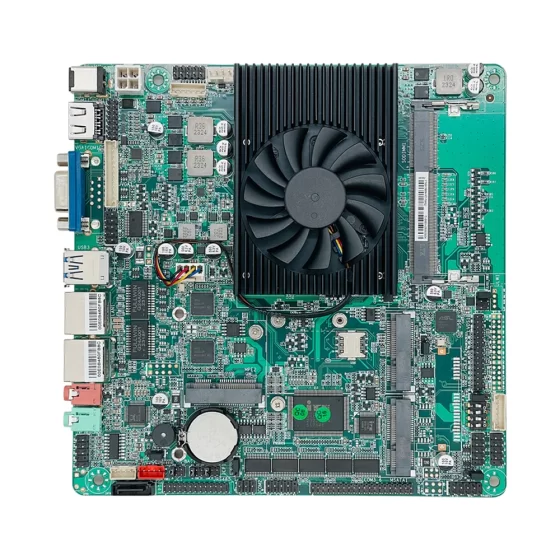
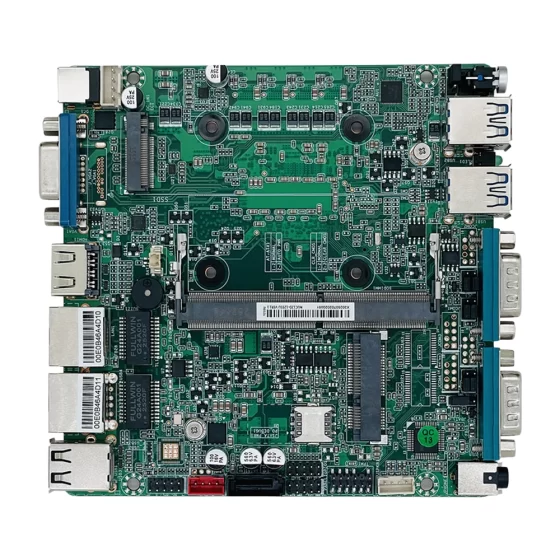
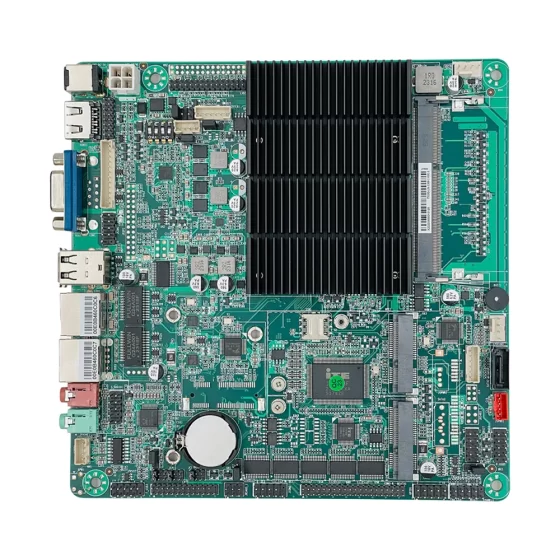
CoreIPC 산업용 컴퓨팅 솔루션

유틸리티 인프라 모니터링: 중요 인프라 운영을 위한 유틸리티 모니터링 플랫폼
요약
A utility monitoring platform provides the industrial computing foundation for monitoring power, 물, 가스, 폐수, 재생 가능 에너지, 펌핑 스테이션, 변전소, 분산된 현장 장비, 및 원격 인프라 자산.
유틸리티 인프라는 점점 더 연결되고 데이터 중심으로 변하고 있습니다.. 운영자는 장비 상태에 대한 실시간 가시성을 필요로 합니다., 에너지 흐름, 수압, 펌프 작동, 미터 판독 값, 환경 조건, 경보, 보안 이벤트, 및 원격 사이트 가용성.
하지만, 유틸리티 환경은 종종 여러 위치에 분산되어 있습니다.. 일부 사이트는 변전소에 위치해 있습니다., 펌핑 스테이션, 길가 캐비닛, 다용도실, 태양광 발전소, 수처리 시설, 또는 원격 현장 인클로저. 이러한 현장은 제한된 현장 직원과 까다로운 환경 조건으로 인해 지속적으로 운영될 수 있습니다..
산업용 컴퓨터나 임베디드 컴퓨터에 구축된 유틸리티 모니터링 플랫폼은 센서로부터 데이터를 수집할 수 있습니다., 미터, PLC, RTU, SCADA 시스템, 카메라, 게이트웨이, 및 통신 장치. 로컬에서 데이터를 처리할 수 있습니다., buffer records during network interruptions, 보안 원격 액세스 지원, SCADA에 구조화된 정보를 보냅니다., 클라우드 대시보드, 유지 관리 시스템, or utility operation centers.
Compared with office PCs or consumer gateways, industrial computers provide better reliability for utility deployment. 견고한 인클로저를 지원합니다., 다중 LAN 포트, 직렬 통신, GPIO, 로컬 저장소, 팬리스 디자인 옵션, 안정적인 전원 입력, 긴 수명주기 가용성.
This article explains how utility infrastructure monitoring works, what challenges appear in distributed utility environments, 솔루션 아키텍처의 구조, and which hardware features matter when selecting an industrial computer or embedded computer for utility monitoring platform deployment.
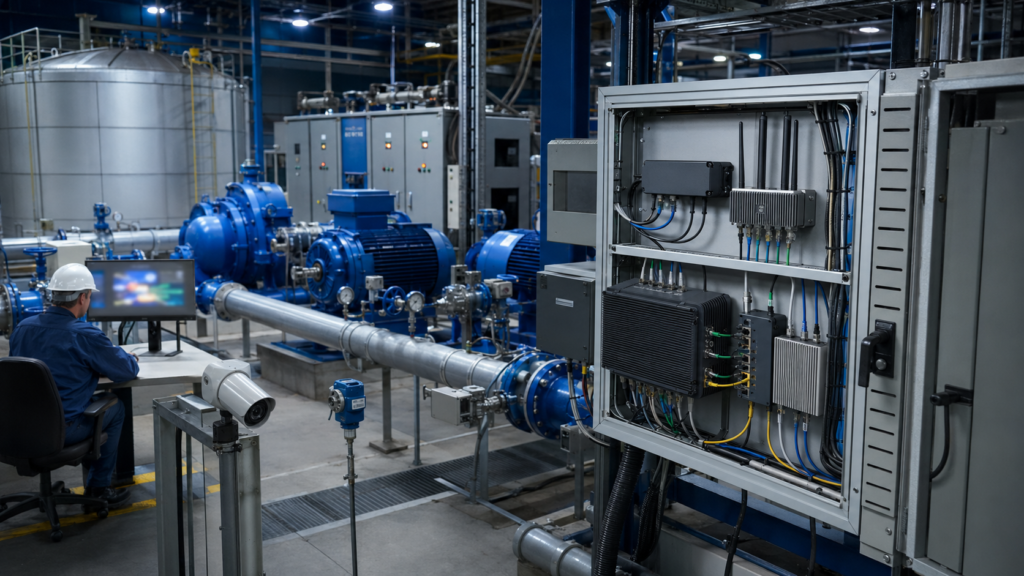
Utility Field Data Monitoring
산업 개요
Utility Systems Need Continuous Visibility
Utility infrastructure must operate reliably.
Power distribution, water supply, wastewater treatment, gas networks, renewable energy systems, and pumping stations all require continuous monitoring.
Operators need to know:
- Is the site online?
- Are meters reporting normally?
- Are pumps running correctly?
- Are power systems stable?
- Are alarms active?
- Are temperatures within limits?
- Are doors or cabinets secure?
- Are communication links healthy?
- Are remote assets performing as expected?
Without reliable monitoring, problems may remain hidden until service quality is affected.
A utility monitoring platform helps operators detect issues earlier and manage distributed infrastructure more efficiently.
Field Assets Are Becoming More Connected
Traditional utility infrastructure often used local control systems and periodic manual inspection.
오늘, more assets are connected to SCADA systems, 산업용 IoT 플랫폼, 클라우드 대시보드, and centralized operation centers.
Connected assets may include:
- Smart meters
- Pump controllers
- RTU
- PLC
- Power meters
- Water meters
- Flow sensors
- 압력 센서
- 온도 센서
- Environmental sensors
- Security cameras
- Battery systems
- Solar inverters
- Communication gateways
This connectivity improves visibility, but it also creates requirements for reliable edge computing and secure communication.
Industrial Computing Supports Remote Utility Deployment
Utility monitoring equipment is often installed outside clean office environments.
It may be deployed in control cabinets, 변전소, 펌핑 스테이션, equipment shelters, roadside enclosures, remote utility rooms, 재생 가능 에너지 사이트, and water treatment facilities.
These environments may include dust, 진동, 온도 변화, 습기, unstable power, electromagnetic interference, 제한된 공기 흐름, and limited maintenance access.
Industrial computers and embedded computers provide the hardware foundation for these conditions.
They support rugged deployment, 유연한 I/O, 로컬 저장소, multi-network communication, 팬리스 작동, and long-term platform availability.

Remote Utility Monitoring Challenges
주요 과제
Monitoring Distributed Remote Sites
Utility systems are often spread across wide geographic areas.
A single operator may manage many substations, pump stations, tanks, pipelines, solar sites, storage systems, or field cabinets.
Each site may have different equipment, network quality, power conditions, and maintenance schedules.
A utility monitoring platform must support distributed operation.
It should collect local data, report status to central systems, and continue operating even when network conditions are unstable.
Connecting Mixed Utility Devices
Utility sites often contain equipment from different vendors and generations.
A monitoring platform may need to connect:
- PLC
- RTU
- Smart meters
- Power meters
- 유량계
- Pump controllers
- Inverters
- Battery systems
- Environmental sensors
- Security devices
- 카메라
- Legacy serial equipment
These devices may use different interfaces and communication methods.
Flexible hardware is important for practical integration.
Supporting Serial and Ethernet Communication
Many utility systems still use serial communication.
RS232 and RS485 may be used for meters, RTU, 센서, 컨트롤러, and legacy field devices.
Modern systems may use Ethernet, 산업용 스위치, cellular routers, or fiber uplinks.
A utility monitoring platform should support both serial and Ethernet communication to reduce the need for external converters.
Native interface support improves reliability and simplifies field wiring.
Maintaining Operation During Network Interruptions
Remote utility sites may experience unstable communication links.
Cellular connections, long-distance Ethernet, wireless links, or field networks may fail temporarily.
The monitoring platform should continue collecting data locally during these interruptions.
Local buffering helps preserve:
- Meter readings
- 알람 기록
- Pump status
- Environmental data
- Security events
- Power quality records
- Flow and pressure trends
- Maintenance logs
When the connection recovers, buffered records can be forwarded to SCADA, 클라우드 대시보드, or central databases.
Securing Remote Access and Data Transfer
Utility monitoring platforms often connect critical infrastructure with remote systems.
This creates security requirements.
The platform may need to support:
- 네트워크 세분화
- Firewall policies
- 안전한 원격 액세스
- VPN or encrypted tunnels
- 사용자 권한
- 로컬 로깅
- 구성 백업
- Controlled cloud communication
Security must be designed carefully because utility systems are operationally important.
Remote access should help maintenance teams without exposing critical field assets unnecessarily.
Operating Reliably for Many Years
Utility infrastructure systems may remain in service for years.
Frequent hardware changes can create software validation problems, spare parts issues, driver compatibility problems, 유지 관리의 복잡성.
Industrial computing platforms with long lifecycle availability help operators and system integrators maintain consistent monitoring systems across many sites.

Utility Monitoring Architecture
Utility Monitoring Platform Solution Architecture
Field Device Layer
The field device layer includes the equipment being monitored.
이 레이어에는 다음이 포함될 수 있습니다.:
- Smart meters
- Power meters
- Water meters
- Flow sensors
- 압력 센서
- 온도 센서
- Pump controllers
- PLC
- RTU
- Solar inverters
- Battery systems
- Security cameras
- Environmental sensors
- Access control devices
These devices generate operational data that helps utility operators understand site conditions.
Edge Monitoring Layer
The edge monitoring layer is the local computing layer.
이 레이어에서는, 산업용 컴퓨터나 임베디드 컴퓨터는:
- Collect meter data
- Monitor pump status
- Receive sensor readings
- Connect PLCs and RTUs
- Store local records
- Buffer data during network issues
- Apply alarm logic
- 지역 이벤트 처리
- Control data forwarding
- 원격 진단 지원
This layer provides local intelligence at the utility site.
Communication Layer
The communication layer connects the remote site with central systems.
여기에는 다음이 포함될 수 있습니다.:
- Ethernet uplink
- Cellular router
- Fiber network
- 산업용 스위치
- VPN tunnel
- 안전한 원격 액세스
- SCADA communication
- Cloud platform connection
- Site-to-site network link
The utility monitoring platform should support stable communication and clear network separation.
Data Processing Layer
The data processing layer improves data usability before upload.
플랫폼은 다음을 처리할 수 있습니다.:
- Meter readings
- 알람 이벤트
- Pump runtime
- Flow trends
- Pressure values
- 에너지 소비
- Battery status
- Environmental conditions
- Equipment health
- Communication status
Local processing reduces unnecessary bandwidth and helps operators focus on meaningful events.
Platform Integration Layer
The monitoring platform connects field data with higher-level systems.
It may send structured information to:
- SCADA
- Utility operation centers
- 클라우드 대시보드
- 유지보수 플랫폼
- Energy management systems
- Water management systems
- Alarm management systems
- 지역 역사가 데이터베이스
- Remote monitoring platforms
- Asset management systems
This integration helps utility operators manage distributed infrastructure more efficiently.
보안 및 관리 계층
The security and management layer helps protect utility communication and simplify operation.
여기에는 다음이 포함될 수 있습니다.:
- 네트워크 세분화
- Firewall policies
- 안전한 원격 액세스
- User authentication
- 로컬 로깅
- 구성 백업
- 장치 상태 모니터링
- 스토리지 모니터링
- Remote update management
- Access record management
This layer helps maintain long-term system reliability and controlled access.
주요 특징
다중 장치 연결
A utility monitoring platform must connect with many types of field equipment.
유용한 인터페이스에는 다음이 포함될 수 있습니다.:
- 랜
- USB
- RS232
- RS485
- GPIO
- 디지털 입력
- 디지털 출력
- HDMI
- 디스플레이포트
- M.2
- PCIe
- SATA 또는 NVMe 스토리지
Native industrial interfaces reduce the need for external converters and improve field installation reliability.
직렬 통신 지원
Serial communication remains important in utility infrastructure.
많은 미터, RTU, 컨트롤러, and sensors use RS232 or RS485.
An embedded computer with native serial ports can connect directly to these devices.
This simplifies cabinet wiring and improves system maintainability.
다중 LAN 네트워크 설계
Multiple LAN ports are useful for separating different networks.
A utility monitoring platform may use separate connections for:
- Field device network
- SCADA network
- 카메라 네트워크
- 원격 유지보수 네트워크
- 로컬 관리 네트워크
- WAN or cloud uplink
- 산업용 IoT 네트워크
- Security network
Multi-LAN design improves network clarity and supports stronger security boundaries.
로컬 스토리지 및 데이터 버퍼링
Local storage is critical for utility monitoring.
플랫폼은 다음을 저장할 수 있습니다.:
- Meter readings
- Alarm logs
- Event records
- Pump status history
- 센서 동향
- 로컬 데이터베이스
- 버퍼 업로드
- 구성 파일
- Remote access logs
- 진단 기록
SSD 또는 NVMe 스토리지는 기계식 드라이브보다 빠른 액세스와 더 나은 충격 저항을 제공하기 때문에 일반적으로 선호됩니다..
Storage design should consider retention time, 지구력을 쓰다, 백업 작업 흐름, and network interruption behavior.
엣지 처리 성능
A utility monitoring platform may collect, 프로세스, 가게, and forward data continuously.
하드웨어 선택을 고려해야 합니다.:
- CPU 성능
- 메모리 용량
- Device count
- Sensor update rate
- Protocol workload
- Local database size
- 저장 속도
- 네트워크 대역폭
- Security workload
- 운영 체제 지원
For larger sites, the platform should be tested with real data rates and field devices.
견고하고 팬이 없는 디자인
Utility monitoring systems may be installed in harsh environments.
팬이 없는 산업용 컴퓨터는 먼지 유입을 줄이고 일반적인 기계 고장 지점 하나를 제거합니다..
견고한 인클로저로 진동으로부터 보호, cabinet installation stress, cable strain, 지속적인 작동.
Thermal design should still be reviewed carefully, especially in outdoor cabinets or poorly ventilated utility rooms.
Secure Remote Access
Remote access is important for utility maintenance.
Engineers may need to review logs, adjust configurations, diagnose communication issues, or inspect system status.
Remote access should be controlled through:
- User authentication
- VPN or secure tunnel support
- Access permissions
- Session logging
- Maintenance windows
- 네트워크 세분화
- 구성 백업
- Emergency access procedures
This supports efficient maintenance without broad network exposure.
긴 수명주기 가용성
Utility monitoring platforms often become part of long-term infrastructure.
일관된 하드웨어는 소프트웨어 이미지 유지에 도움이 됩니다., field wiring designs, 드라이버, 예비 부품, 구성 템플릿, 검증 절차.
Long lifecycle availability is especially important for utilities, 시스템 통합업체, and OEM monitoring appliance providers.

Utility Infrastructure Operations
배포 시나리오
Power Distribution Monitoring
Power distribution sites may include meters, transformers, switchgear, protection devices, 통신 장비.
A utility monitoring platform can collect electrical data, monitor site status, 버퍼 레코드, and forward events to operation centers or SCADA systems.
This supports better visibility across distributed electrical infrastructure.
Water Pump Station Monitoring
Pump stations need continuous monitoring of pump status, 압력, 흐름, tank level, power usage, and alarms.
An embedded computer can collect data from PLCs, 미터, 센서, 및 컨트롤러.
It can store local records and report structured information to central water management systems.
Wastewater Facility Monitoring
Wastewater facilities may require monitoring of pumps, 모터, 유량계, chemical systems, tanks, and environmental conditions.
A monitoring platform can collect and process data locally, generate alarms, and support remote maintenance.
This improves operational visibility and maintenance planning.
Renewable Energy Site Monitoring
Solar farms, wind sites, and battery storage systems require monitoring of inverters, 미터, 환경 센서, and power equipment.
An industrial computer can collect data locally, connect to cloud dashboards, and support remote diagnostics.
This helps operators manage distributed renewable energy assets.
Utility Meter Data Collection
Smart meters and industrial meters may report power, 물, 가스, or energy usage.
A utility monitoring platform can aggregate meter data, 타임스탬프 정렬, 버퍼 레코드, and forward information to energy or utility management systems.
This supports accurate reporting and analysis.
Remote Cabinet and Field Equipment Monitoring
Remote cabinets may contain communication equipment, 전원 공급 장치, 센서, 접근 통제 장치, and field controllers.
An embedded computer can monitor cabinet temperature, door status, power status, communication health, and security events.
This helps reduce blind spots in distributed infrastructure.
SCADA Edge Monitoring
SCADA systems often rely on remote data from utility assets.
A monitoring platform can collect local data, manage communication, 기록을 저장하다, and forward selected information to SCADA platforms.
This improves site visibility and supports more reliable remote operations.
OEM Utility Monitoring Appliance
System integrators and equipment builders can build custom utility monitoring appliances using industrial computers or embedded boards.
The platform can support field data collection, 로컬 저장소, secure communication, 원격 액세스, 견고한 배포.
비즈니스 이점
Better Infrastructure Visibility
A utility monitoring platform helps operators see what is happening across distributed sites.
It can collect data from meters, 센서, PLC, RTU, 슬리퍼, 인버터, and field devices.
This improves visibility into asset status and operating conditions.
Faster Fault Detection
Local monitoring helps detect abnormal conditions earlier.
Examples include pump faults, pressure changes, temperature alarms, power issues, communication failures, cabinet access events, and equipment status changes.
Early detection helps reduce downtime and service disruption.
Reduced Manual Inspection
Remote monitoring can reduce dependence on manual site visits.
Operators can review status, 로그, 경보, and trends from central systems.
This improves maintenance efficiency and lowers field service workload.
Improved Data Continuity
Local storage and buffering help prevent data loss during network interruptions.
The platform can continue collecting records and upload them when communication recovers.
This improves reporting accuracy and long-term traceability.
Stronger Remote Maintenance
Secure remote access helps engineers troubleshoot field systems more efficiently.
With proper access control and logging, remote maintenance can reduce travel and improve response time while protecting critical infrastructure networks.
Scalable Utility Monitoring Deployment
A standardized utility monitoring platform makes it easier to deploy across many sites.
일관된 하드웨어로 소프트웨어 이미지가 단순화됩니다., field wiring, 구성 템플릿, 예비 부품 계획, 유지 보수 훈련, 및 수명주기 관리.
This supports scalable infrastructure monitoring programs.
왜 CoreIPC인가?
CoreIPC provides industrial computing platforms for energy management, 산업용 IoT, 원격 모니터링, 네트워크 보안, 스마트 교통, 및 임베디드 시스템 통합. For utility monitoring platform applications, CoreIPC는 안정적인 산업용 컴퓨터 하드웨어에 중점을 둡니다., 임베디드 컴퓨터 솔루션, 다중 LAN 구성, 직렬 통신, 유연한 I/O, 컴팩트한 시스템 디자인, 팬리스 배포 옵션, 로컬 저장 기능, 및 OEM/ODM 맞춤형 지원. CoreIPC는 시스템 통합자를 돕습니다., utility operators, and equipment builders select computing platforms that match real deployment requirements, 장치 인터페이스 포함, 데이터 워크로드, LAN port count, 저장 요구 사항, 장착 방법, 전원 입력, 열적 조건, 및 수명주기 계획.
자주 묻는 질문
1. What is a utility monitoring platform?
A utility monitoring platform is an industrial computing system used to collect, 프로세스, 가게, and forward data from utility infrastructure.
It may monitor power, 물, 가스, 폐수, 재생 가능 에너지, 펌핑 스테이션, 변전소, field cabinets, 미터, 센서, PLC, RTU, and remote equipment.
2. Why use an industrial computer for utility monitoring?
산업용 컴퓨터는 현장 배포를 위한 견고한 하드웨어와 유연한 연결을 제공합니다..
여러 LAN 포트를 지원할 수 있습니다., 직렬 통신, USB, GPIO, 안정적인 스토리지, 팬리스 작동, 산업용 장착, 안정적인 전원 입력, 긴 수명주기 가용성. These features make it suitable for substations, pump stations, 다용도실, 캐비닛, and remote sites.
3. How is an embedded computer used in utility infrastructure monitoring?
An embedded computer can be installed inside a control cabinet or field enclosure.
It can collect data from meters, 센서, PLC, RTU, 카메라, 및 통신 장치. It can process records locally, 버퍼 데이터, support remote access, and forward information to SCADA, 클라우드 대시보드, or operation centers.
4. What utility systems can be monitored?
A utility monitoring platform can monitor power distribution systems, water pump stations, wastewater systems, gas infrastructure, 재생 가능 에너지 사이트, field cabinets, meter networks, 배터리 시스템, 환경 센서, 통신 장비.
정확한 지원은 인터페이스에 따라 다릅니다., 소프트웨어, 프로토콜, and integration requirements.
5. Why is local storage important for utility monitoring?
Local storage helps prevent data loss during network interruptions.
The platform can continue recording meter readings, 경보, pump status, environmental data, and event logs locally. 통신이 회복되면, buffered data can be uploaded to SCADA, 클라우드 플랫폼, or central databases.
6. Why are multiple LAN ports important for utility platforms?
Multiple LAN ports help separate field devices, SCADA 시스템, 카메라, remote maintenance, cloud uplinks, and management networks.
This improves network organization, 보안, and communication reliability.
7. Can utility monitoring platforms support legacy equipment?
예. Many utility sites use legacy meters, RTU, 컨트롤러, and sensors.
Industrial computers with RS232, RS485, USB, GPIO, and digital I/O can connect these systems and bring their data into modern monitoring platforms.
8. Can utility monitoring platforms support remote maintenance?
예. A utility monitoring platform can support remote maintenance through VPN or secure tunnels, 접근 제어, 벌채 반출, 및 네트워크 세분화.
This allows authorized engineers to review system status, 업데이트 구성, and troubleshoot field equipment remotely.
9. What hardware features matter for utility monitoring?
Important features include multiple LAN ports, RS232, RS485, USB, GPIO, 디지털 I/O, 안정적인 메모리, SSD 또는 NVMe 스토리지, 견고한 인클로저, 팬리스 디자인, 산업용 전원 입력, 디스플레이 출력, M.2, PCIe, 및 확장 옵션.
최종 구성은 장치 수와 일치해야 합니다., communication interfaces, 데이터 워크로드, and environmental conditions.
10. 배포 전에 테스트해야 할 사항?
배포 전, the system should be tested with real meters, 센서, PLC, RTU, 네트워크 토폴로지, 데이터 속도, 저장 동작, buffering logic, 원격 액세스 워크플로, 그리고 장기 실행 작업.
열 안정성, power conditions, 통신 회복, 벌채 반출, 구성 백업, and integration with SCADA or cloud platforms should also be validated.
결론
A utility monitoring platform is a practical foundation for critical infrastructure visibility, remote site monitoring, meter data collection, pump station monitoring, power distribution supervision, renewable energy monitoring, SCADA 통합, and secure field communication.
By placing an industrial computer or embedded computer near utility equipment, operators and system integrators can collect data from meters, 센서, PLC, RTU, 슬리퍼, 인버터, field cabinets, 카메라, and communication systems through reliable and controlled communication paths.
The right utility monitoring platform should be selected according to real deployment requirements, 장치 인터페이스 포함, 데이터 워크로드, LAN port count, 직렬 통신, 스토리지 디자인, buffering requirements, 장착 방법, 전원 입력, 열적 조건, 운영 체제 지원, security policy, 및 수명주기 계획.
CoreIPC supports utility monitoring platform projects with industrial computing platforms designed for practical field, 내각, 원격 사이트, 및 OEM 배포. 올바른 하드웨어 기반을 갖춘 경우, utility operators and equipment builders can build reliable, 확장 가능, and data-driven infrastructure monitoring systems.
문의하기
산업용 컴퓨터를 찾고 계시다면, 임베디드 컴퓨터, or multi-LAN platform for utility monitoring platform deployment?
프로젝트 요구 사항을 논의하려면 CoreIPC에 문의하세요., 장치 인터페이스 포함, LAN port count, 직렬 통신, meter integration, 데이터 워크로드, 스토리지 구성, 장착 방법, 전원 입력, 운영 환경, 수명주기 요구 사항, 및 OEM/ODM 사용자 정의 옵션.