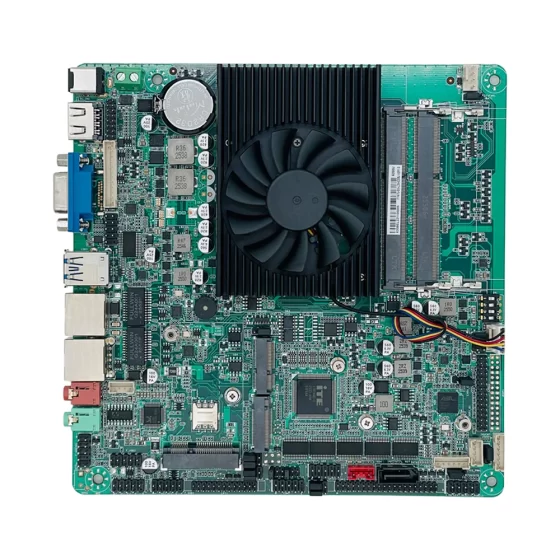
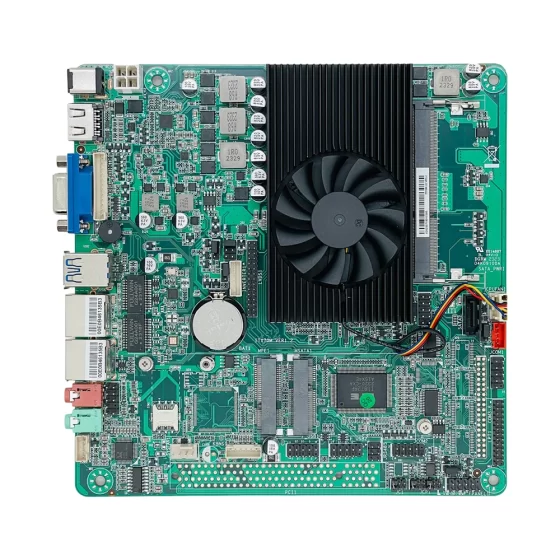
CoreIPC 산업용 컴퓨팅 솔루션

산업용 컴퓨터 및 임베디드 시스템 기반의 원격 장비 모니터링 솔루션
요약
에이 remote equipment monitoring solution is a critical component of modern industrial digitalization, 제조업체가 기계 상태를 모니터링할 수 있도록 지원, 운영 성과, 중앙 집중식 또는 클라우드 기반 플랫폼의 오류 조건.
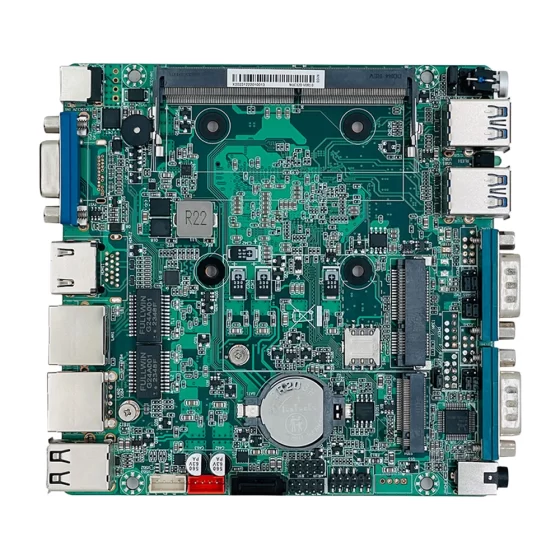
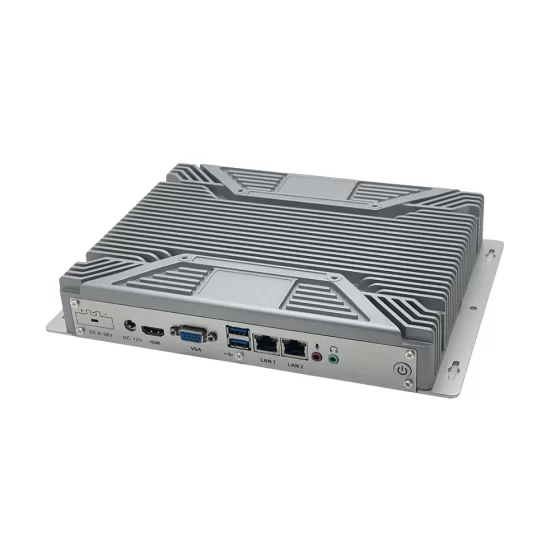
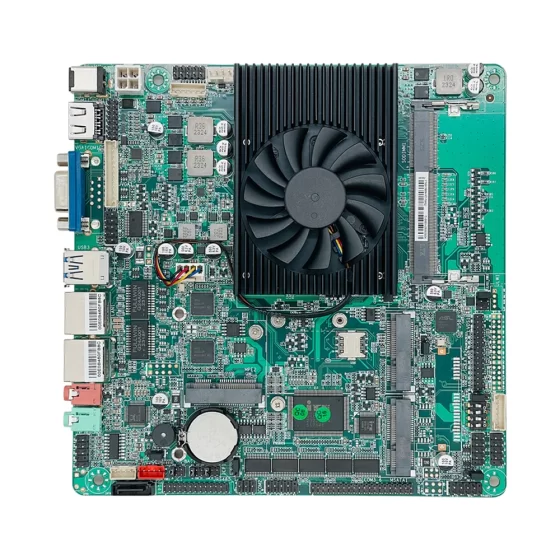
At the core of this system is an 산업용 컴퓨터 또는 임베디드 컴퓨터 deployed at the edge, 실시간 데이터 수집을 담당합니다., 프로토콜 변환, 현지 처리, 원격 모니터링 플랫폼과의 안전한 통신.
기존 현장검사 방식과 비교, 원격 모니터링 시스템은 운영 효율성을 크게 향상시킵니다., 가동 중지 시간 감소, 분산된 산업 자산 전반에 걸쳐 예측 유지 관리 전략을 지원합니다..
CoreIPC 산업용 컴퓨팅 플랫폼은 열악하고 미션 크리티컬한 환경에서 원격 장비 모니터링 애플리케이션을 위한 안정적인 엣지 컴퓨팅 기능을 제공합니다..
산업 개요
Industrial operations are increasingly distributed across multiple production sites, 에너지 시설, 교통망, 및 인프라 시스템. 이는 중앙 집중식 모니터링 및 제어 기능에 대한 강력한 수요를 창출합니다..
A modern remote equipment monitoring system typically integrates:
- Industrial sensors and PLC controllers
- Edge computing industrial computers
- SCADA and HMI systems
- Cloud-based analytics platforms
- Industrial communication networks (모드버스, OPC UA, MQTT)
In this architecture, the 산업용 컴퓨터 acts as the local intelligence node, bridging physical equipment with digital monitoring systems.
Industries adopting remote monitoring include:
- Energy and utilities
- Manufacturing and factory automation
- Oil and gas operations
- Transportation systems
- Smart infrastructure management
The shift toward predictive maintenance and data-driven operations is accelerating global adoption of embedded monitoring systems.
주요 과제
1. Distributed Asset Complexity
Industrial assets are often geographically distributed, making real-time centralized monitoring technically challenging.
2. Communication Reliability
Remote environments may suffer from unstable network conditions, requiring robust data buffering and retry mechanisms.
3. Multi-Protocol Integration
Equipment from different vendors uses different protocols such as Modbus, CAN, OPC UA, and proprietary interfaces.
4. Real-Time Data Accuracy
Monitoring systems must ensure accurate and synchronized data acquisition across multiple devices.
5. Harsh Environmental Conditions
Edge devices must operate in environments with:
- Temperature extremes
- Vibration
- Electrical interference
- Dust and humidity
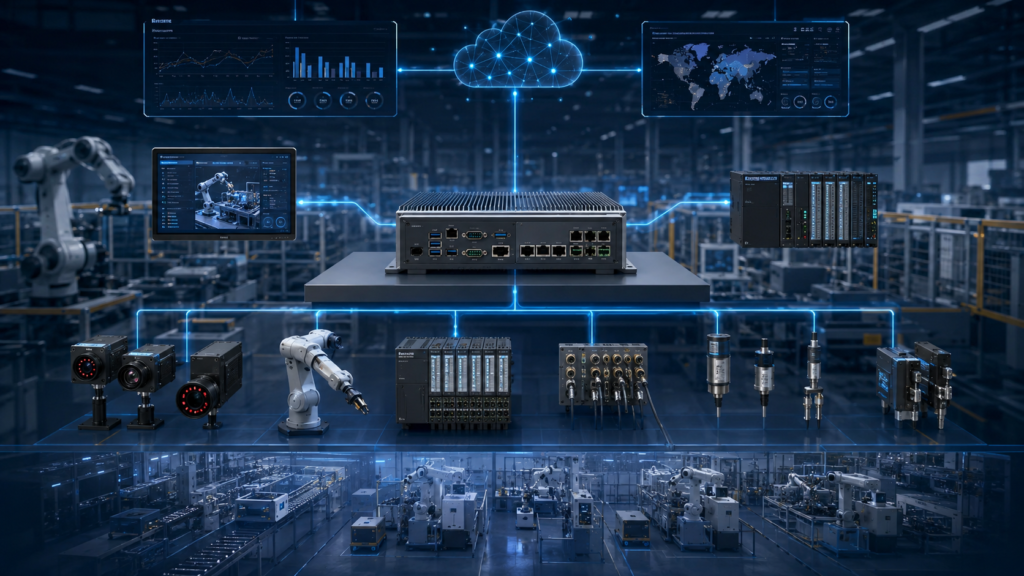
Industrial system architecture visualization centered on edge computing IPC integrating PLC, robotics and cloud analytics
Solution Architecture
A remote equipment monitoring solution based on industrial computing typically follows a layered architecture:
1. Equipment Layer
Physical machines and industrial equipment equipped with sensors and PLC controllers generate operational data.
2. Edge Computing Layer (산업용 컴퓨터 / Embedded Computer)
그만큼 산업용 컴퓨터 performs:
- Data acquisition from sensors and PLCs
- Protocol conversion and normalization
- Local preprocessing and filtering
- Event detection and anomaly identification
3. Communication Layer
Data is transmitted through secure industrial networks using:
- 이더넷 / 산업용 이더넷
- 4G/5G wireless connectivity
- MQTT / OPC UA / HTTPS protocols
4. Cloud Monitoring Layer
Remote platforms provide:
- Equipment dashboards
- Historical data analysis
- Predictive maintenance analytics
- Alarm management systems
5. Application Layer
End users access monitoring systems via web dashboards or mobile interfaces.

Industrial embedded computer operating in harsh factory conditions with robotic automation and CNC machinery
주요 특징
Real-Time Remote Monitoring
Enables continuous visibility into equipment status and performance from any location.
Edge Data Processing
Industrial computers process data locally to reduce latency and bandwidth usage.
Multi-Protocol Support
Supports industrial communication standards including Modbus, OPC UA, and MQTT.
High Reliability Operation
Designed for 24/7 continuous operation in industrial environments.
Secure Data Transmission
Ensures encrypted communication between edge devices and cloud systems.
Scalable Architecture
Supports deployment from single-machine monitoring to large-scale industrial networks.
배포 시나리오
Manufacturing Equipment Monitoring
Monitoring CNC machines, 생산 라인, and robotic systems in real time.
Energy Infrastructure Monitoring
Used in wind turbines, 태양광 발전소, and power distribution systems.
Oil and Gas Equipment Monitoring
Remote tracking of pumps, pipelines, and drilling equipment.
Transportation Systems
Monitoring railway systems, traffic infrastructure, and fleet operations.
Smart Building Infrastructure
Managing HVAC systems, elevators, and energy consumption systems.
비즈니스 이점
Reduced Downtime
Early fault detection helps prevent unexpected equipment failures.
Lower Maintenance Costs
Predictive maintenance reduces unnecessary service operations.
Improved Operational Efficiency
Centralized monitoring improves decision-making and resource allocation.
Enhanced Asset Visibility
Real-time access to distributed equipment data improves control.
Scalable Digital Transformation
Supports gradual expansion from single-site to global asset monitoring systems.
왜 CoreIPC인가?
CoreIPC provides industrial-grade computing platforms designed specifically for remote equipment monitoring applications.
Key advantages include:
- Stable edge computing performance for continuous monitoring workloads
- Rugged embedded design for harsh industrial environments
- Long lifecycle availability for industrial deployment stability
- Flexible I/O and communication interfaces for system integration
- OEM/ODM customization for specialized monitoring solutions
- Proven reliability in distributed industrial applications
CoreIPC enables seamless integration between industrial equipment and remote monitoring platforms, supporting scalable industrial IoT deployments.
자주 묻는 질문
1. What is a remote equipment monitoring solution?
It is a system that allows real-time monitoring of industrial equipment from remote locations using edge computing and communication networks.
2. Why is an industrial computer required?
Industrial computers provide reliable data acquisition, 프로토콜 변환, and continuous operation in harsh environments.
3. What is the role of embedded computers in monitoring systems?
Embedded computers act as edge devices for local processing and communication with cloud platforms.
4. What protocols are commonly used?
모드버스, OPC UA, MQTT, CAN bus, and Ethernet-based protocols are commonly used.
5. Can remote monitoring work without cloud connectivity?
예, edge systems can operate locally and sync data when connectivity is available.
6. What industries use remote equipment monitoring?
Manufacturing, 에너지, 운송, oil and gas, and infrastructure industries widely use such systems.
7. How does predictive maintenance work?
It uses real-time and historical data to detect anomalies and predict equipment failures.
8. Is the system scalable?
예, it can scale from single machines to large distributed industrial networks.
결론
Remote equipment monitoring is a foundational technology in modern industrial IoT and smart manufacturing systems. By leveraging industrial computers and embedded computing platforms, enterprises can achieve real-time visibility, 예측 유지 관리, and efficient asset management across distributed environments.
CoreIPC industrial computing solutions provide a reliable and scalable foundation for building next-generation remote monitoring systems.
문의하기
CoreIPC provides industrial computing platforms for remote equipment monitoring, 산업용 IoT, 및 엣지 컴퓨팅 애플리케이션. Contact our engineering team for customized solutions and integration support.