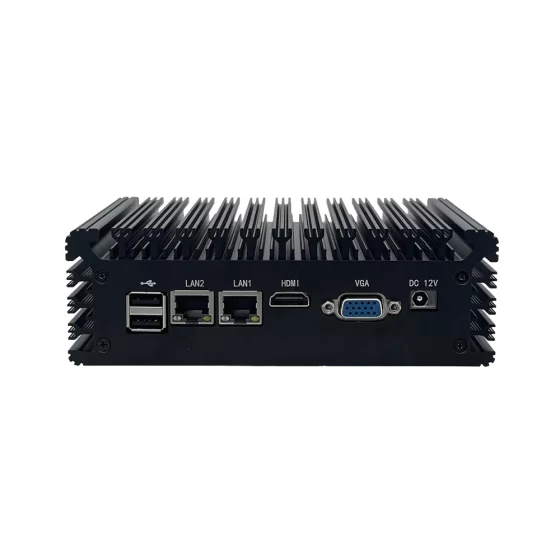
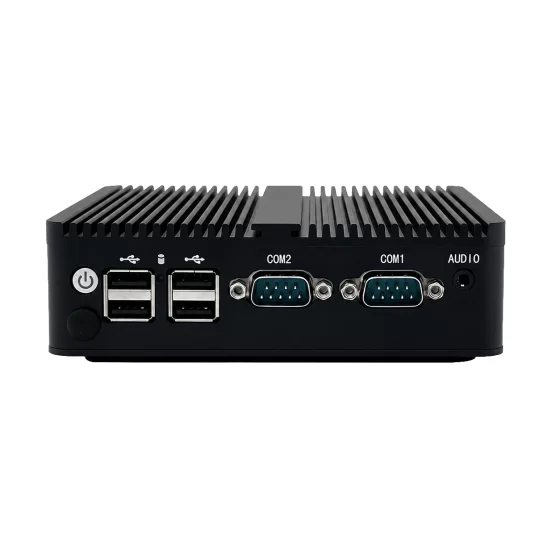
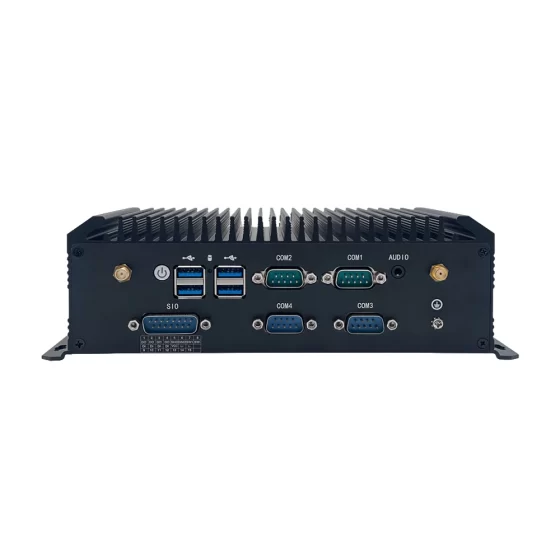
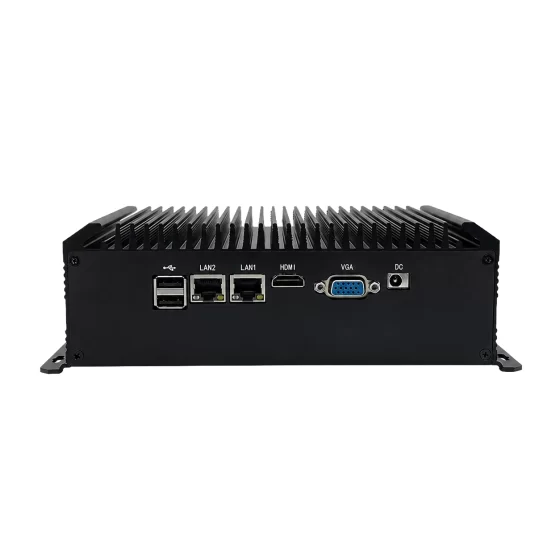
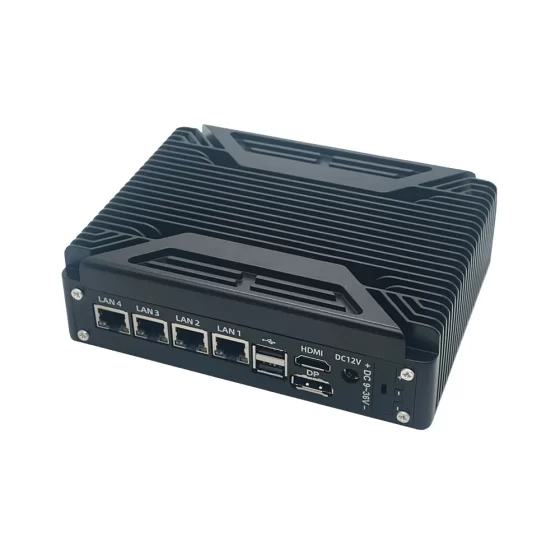
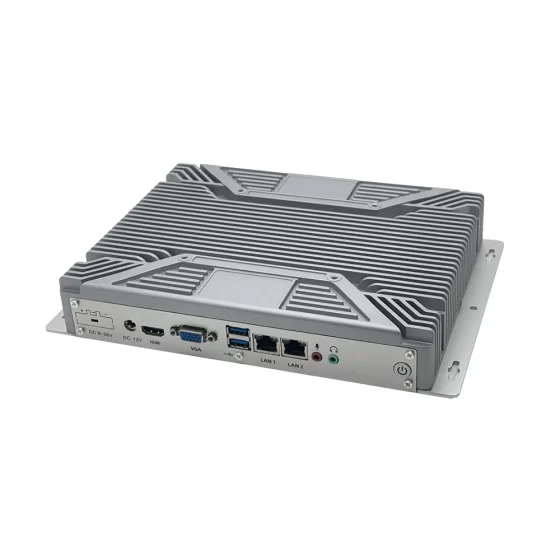
Решения CoreIPC для промышленных вычислений

3D Вычислительная система машинного зрения: 3Компьютер машинного зрения D для промышленного контроля и автоматизации
Управляющее резюме
Компьютер машинного 3D-видения обеспечивает основу промышленных вычислений для измерения глубины., 3D инспекция, роботизированное наведение, измерение размеров, и интеллектуальная автоматизация в современных производственных средах.
В отличие от традиционных систем 2D-видения, которые анализируют плоские изображения, 3Системы машинного зрения D фиксируют глубину, форма, высота, объем, профиль поверхности, и пространственное положение. Это позволяет производителям проверять сложные детали., направляющие роботы, измерить размеры, обнаруживать дефекты, и проверяйте точность сборки с помощью дополнительной пространственной информации..
Полная система машинного 3D-видения обычно включает в себя 3D-камеры., лазерные профилировщики, структурированные датчики света, времяпролетные камеры, линзы, освещение, системы движения, программное обеспечение для обработки изображений, и промышленное вычислительное оборудование. Промышленный компьютер или встроенный компьютер действует как локальная платформа обработки..
Он получает 3D-данные, обрабатывает облака точек или изображения глубины, запускает алгоритмы проверки, взаимодействует с ПЛК и роботами, сохраняет результаты, и загружает данные в МЧС, системы качества, или производственные базы данных.
По сравнению со стандартными коммерческими ПК, промышленные компьютеры обеспечивают большую надежность, гибкий ввод-вывод, прочная механическая конструкция, стабильная сеть, безвентиляторные варианты, и поддержка длительного жизненного цикла. Эти функции важны, когда системы 3D-видения развертываются рядом с машинами., конвейеры, роботизированные клетки, инспекционные станции, или производственные линии.
В этой статье объясняется, как работают вычислительные системы 3D-машинного зрения., с какими проблемами внедрения сталкиваются производители, как структурирована архитектура решения, и какие аппаратные функции важны при выборе промышленного компьютера для приложений 3D-машинного зрения.
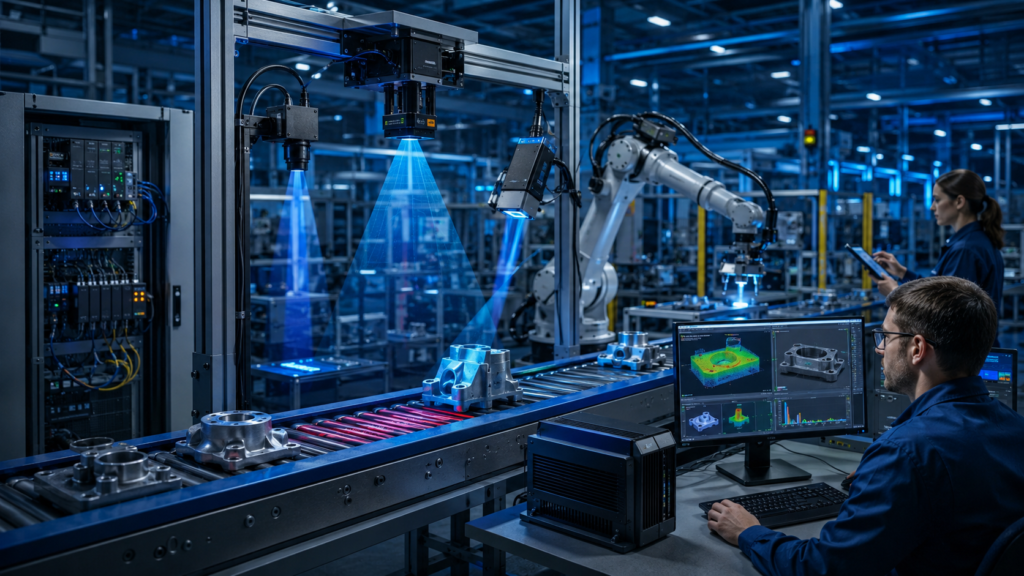
3Компьютеры Dvision обрабатывают данные о глубине для промышленного контроля, измерение, и автоматизация.
Обзор отрасли
3D Vision расширяет свою деятельность в области промышленной автоматизации
Машинное зрение стало основной технологией в автоматизированном производстве.
Традиционные системы 2D-видения широко используются для считывания штрих-кодов., проверка этикетки, осмотр поверхности, и простое обнаружение присутствия. Однако, многие промышленные приложения требуют большего, чем анализ плоских изображений.
Фабрикам все чаще приходится понимать форму, высота, позиция, объем, и ориентация объектов. Именно здесь 3D-машинное зрение становится ценным..
3Системы цифрового зрения могут поддерживать:
- Проверка размеров
- Измерение профиля поверхности
- Наведение робота
- Сбор мусора
- Проверка сборки
- Измерение объема
- Проверка зазоров и промывки
- Проверка упаковки
- Проверка сварного шва
- Обнаружение дефектов на сложных поверхностях
Компьютер машинного 3D-видения обеспечивает вычислительную мощность и возможности промышленного подключения, необходимые для превращения данных 3D-датчиков в полезные производственные решения..
Почему машинное зрение 3D требует мощных вычислений
3Данные D Vision более сложны, чем стандартные данные 2D-изображения..
2D-камера захватывает пиксели. Система 3D-видения может генерировать карты глубины., облака точек, профили высоты, модели поверхности, или пространственные координаты. Эти типы данных могут быть большими и требовать больших вычислительных ресурсов..
Вычислительной платформе может потребоваться обработать:
- Данные облака точек
- Изображения глубины
- Данные профиля лазера
- Многокамерные изображения
- Преобразования координат робота
- Алгоритмы измерения
- Модели обнаружения дефектов
- Принятие решений о прохождении или неудаче в режиме реального времени
Это делает промышленный компьютер важной частью производительности системы..
Если компьютер не может обрабатывать данные достаточно быстро, скорость проверки, ответ робота, и объем производства может пострадать.
Промышленные вычисления для реального развертывания на заводе
3Системы машинного зрения D часто устанавливаются непосредственно в производственных помещениях..
Они могут работать рядом с конвейерами., роботизированное оружие, станки, упаковочные линии, сборочные ячейки, или смотровые стенды. Эти среды могут включать в себя вибрацию., пыль, электрический шум, нагревать, движение кабеля, и продолжительное время работы.
Встроенный компьютер или промышленный компьютер лучше подходит для этих условий, чем стандартный офисный ПК..
Он может обеспечить стабильную производительность, промышленный ввод-вывод, несколько интерфейсов LAN или USB, прочный монтаж, локальное хранилище, и долгосрочная доступность системы.

Отражение поверхности, сложная геометрия, синхронизация датчиков, и обработка облака точек влияют на надежность 3D-контроля.
Ключевые проблемы
Большие рабочие нагрузки по обработке 3D-данных
3Системы цифрового зрения могут генерировать большие объемы данных.
Облака точек, карты глубины, а данные профиля с высоким разрешением требуют большей обработки, чем простой захват изображения.. В производственных средах реального времени, компьютер должен обрабатывать эти данные достаточно быстро, чтобы соответствовать скорости линии.
К важным факторам рабочей нагрузки относятся:
- Разрешение сенсора
- Скорость сканирования
- Количество камер или профайлеров
- Размер облака точек
- Сложность алгоритма
- Требования к наведению робота
- Потребности в локальном хранилище
- Нагрузка на сетевую связь
Компьютер машинного 3D-видения должен выбираться в соответствии с фактической скоростью контроля и требованиями к обработке..
Интеграция датчика и камеры
3В проектах цифрового видения часто используются специализированные датчики..
К ним могут относиться камеры со структурированным светом., лазерные триангуляционные датчики, стереокамеры, времяпролетные камеры, или датчики профиля линии. Каждое устройство может иметь разный интерфейс, пропускная способность, водитель, и требования к синхронизации.
Промышленный компьютер должен поддерживать необходимые сенсорные интерфейсы и обеспечивать стабильную передачу данных..
Общие требования к интерфейсу могут включать:
- Гигабитный Ethernet
- USB 3.0
- Несколько портов LAN
- Триггерный вход
- GPIO
- Последовательная связь
- Расширение M.2 или PCIe
- Выход дисплея
Плохое планирование интерфейса может ограничить производительность системы, даже если процессор мощный..
Освещение, Поверхность, и сложность материала
3Производительность D Vision зависит от объекта и окружающей среды.
Светоотражающий металл, прозрачный пластик, черная резина, глянцевая упаковка, неровные поверхности, и сложная геометрия может создать сложные условия визуализации.
Некоторые материалы поглощают свет. Другие создают блики или шум.. Некоторые объекты требуют точного позиционирования, в то время как другие быстро перемещаются по зоне досмотра.
Надежная система требует тщательной координации между датчиками., освещение, монтаж, калибровка, программное обеспечение, и вычислительное оборудование.
Автоматизация связи в реальном времени
3Системы машинного зрения D часто связаны с оборудованием автоматизации..
Роботу могут потребоваться координаты от компьютера машинного зрения.. ПЛК может потребоваться пройти, неудача, измерение, или результаты позиций. Конвейеру может потребоваться синхронизированное время срабатывания триггера..
Это создает требования к связи в реальном времени между промышленным компьютером и заводским оборудованием..
Системе может потребоваться связь с:
- ПЛК
- Контроллеры роботов
- Контроллеры движения
- Конвейерные системы
- Механизмы отклонения
- Датчики
- MES или системы качества
- Заводские базы данных
Стабильный ввод-вывод и сетевая связь необходимы для практического развертывания..
Долгосрочная стабильность производства
3Системы цифрового зрения могут работать непрерывно в несколько смен..
Если компьютерное оборудование выходит из строя, проверка или роботизированная работа могут прекратиться. Это может повлиять на объем производства, контроль качества, и наличие оборудования.
Дизайн промышленного уровня важен, поскольку компьютеры 3D-видения часто устанавливаются внутри шкафов., машинные корпуса, роботизированные клетки, или производственные рабочие места.
Аппаратное обеспечение должно поддерживать стабильные тепловые характеристики., надежное хранение, надежная механическая установка, и доступность в течение длительного жизненного цикла.

Промышленные компьютеры подключают 3D-датчики, роботы, оборудование автоматизации, МЧС, качественные базы данных, и системы мониторинга.
3D Архитектура компьютерного решения машинного зрения
3D Сенсорный слой
Сенсорный слой захватывает пространственную информацию о продуктах., части, пакеты, или производственные среды.
В зависимости от приложения, этот слой может включать в себя:
- Камеры со структурированным светом
- Камеры стереовидения
- Времяпролетные камеры
- Лазерные датчики профиля
- Профилировщики линейного сканирования
- Камеры промышленных зон
- Триггерные датчики
- Модули освещения
- Калибровочные цели
Сенсорный слой генерирует информацию о глубине., профили высоты, 3координаты D, или модели поверхности.
Согласованные данные датчиков необходимы для того, чтобы любое решение по проверке или управлению роботом стало надежным..
Уровень промышленных вычислений
Уровень промышленных вычислений является ядром системы 3D-машинного зрения..
На этом слое, промышленный компьютер или встроенный компьютер получает данные от датчиков и запускает программное обеспечение для обработки.
Компьютер может выполнять такие задачи, как:
- Получение изображения
- Обработка карты глубины
- Обработка облака точек
- 3измерение D
- Обнаружение дефектов поверхности
- Локализация объекта
- Расчет координат робота
- Вынести или не принять решение
- Хранение результатов
- Загрузка данных в заводские системы
Этот уровень должен обеспечивать стабильную производительность, поскольку он напрямую влияет на скорость проверки и реакцию автоматизации..
Уровень управления автоматизацией
Уровень управления автоматизацией соединяет систему технического зрения с производственным оборудованием..
ПЛК, контроллер робота, контроллер движения, или конвейерная система может отправлять триггерные сигналы на промышленный компьютер.. После обработки, компьютер отправляет результаты обратно на оборудование.
Например, в приложении для управления роботом, компьютер 3D-видения может рассчитать положение и ориентацию детали. Затем контроллер робота использует эти данные для выбора, место, или осмотрите деталь.
В приложении проверки, компьютер может отправить пропуск, неудача, измерение, или отклонить результаты в ПЛК.
Уровень управления данными
3Результаты проверки часто необходимо фиксировать и связывать с производственными данными..
Промышленный компьютер может отправлять данные в МЧС, системы менеджмента качества, базы данных, информационные панели, или облачные платформы.
Данные могут включать в себя:
- Идентификатор продукта
- Результат измерения
- Тип дефекта
- 3D-файл изображения
- Запись облака точек
- Результат проверки
- Временная метка
- Идентификатор станции
- Порядок работы
- Данные о положении робота
Это поддерживает отслеживаемость, улучшение процесса, и долгосрочный анализ качества.
Пользовательский интерфейс и инженерный уровень
Операторам и инженерам нужен практичный интерфейс для мониторинга и настройки системы..
Компьютер машинного 3D-видения может подключаться к монитору., сенсорный экран, клавиатура, или панель ЧМИ. Интерфейс может отображать живые изображения глубины., виды облаков точек, значения измерений, статус проверки, сигналы тревоги, и показатели производства.
Понятный интерфейс помогает инженерам калибровать датчики, просмотреть дефекты, настроить параметры, и устранять производственные проблемы.
Ключевые особенности
Стабильная производительность 3D-обработки
3Приложения цифрового видения требуют стабильной и устойчивой производительности.
Компьютеру может потребоваться непрерывная обработка больших наборов данных, а также обмен данными с оборудованием автоматизации и заводскими системами..
При выборе оборудования следует учитывать:
- Производительность процессора
- Объем памяти
- Полоса пропускания датчика
- Графика или ускорение искусственного интеллекта
- Скорость хранения
- Количество камер
- Частота сканирования
- Рабочая нагрузка программного обеспечения
- Требуемое время ответа
Для простых измерительных систем, компактного встроенного компьютера может быть достаточно. Для высокоскоростной обработки облаков точек или мультисенсорных систем, может потребоваться более мощный промышленный компьютер.
Поддержка высокоскоростного интерфейса датчика
3Датчики D требуют стабильной передачи данных.
Промышленный компьютер должен поддерживать интерфейс камеры или датчика, необходимый для приложения.. Многие промышленные 3D-камеры используют Gigabit Ethernet или USB. 3.0, хотя для некоторых систем могут потребоваться карты расширения или выделенные интерфейсы.
Полезные опции интерфейса могут включать в себя:
- Несколько портов LAN
- USB 3.0
- Расширение PCIe
- Расширение M.2
- GPIO
- RS232
- RS485
- HDMI
- ДисплейПорт
Для многокамерных систем или систем высокого разрешения, планирование пропускной способности очень важно.
Промышленный ввод-вывод для интеграции автоматизации
Система 3D-видения должна быть связана с реальным заводским оборудованием..
Промышленный ввод-вывод позволяет компьютеру получать триггеры, отправить результаты, управлять освещением, общаться с ПЛК, и поддерживать рабочие процессы автоматизации.
Общие требования к вводу/выводу включают в себя:
- Цифровой вход
- Цифровой выход
- GPIO
- локальная сеть
- USB
- RS232
- RS485
Правильная конструкция ввода-вывода уменьшает количество внешних преобразователей и повышает надежность системы..
Прочная и безвентиляторная конструкция системы
Безвентиляторные промышленные компьютеры часто используются в средах машинного зрения..
Они уменьшают попадание пыли и устраняют одну распространенную точку механического отказа.. Это важно на производственных участках, где системы работают непрерывно, а доступ для обслуживания ограничен..
Прочная механическая конструкция также защищает компьютер от вибрации., напряжение кабеля, и условия установки шкафа.
Для высокопроизводительных рабочих задач 3D-видения, тепловая схема должна быть тщательно проверена, чтобы обеспечить стабильную работу.
Надежное хранилище 3D-данных
3Системы цифрового зрения могут создавать большие файлы.
Компьютер может хранить облака точек, изображения глубины, записи измерений, изображения дефектов, журналы, файлы модели, и отчеты о проверках.
SSD-накопитель обычно предпочтительнее, поскольку он обеспечивает более быстрый доступ и лучшую ударопрочность, чем механические накопители..
Для приложений, хранящих много 3D-записей, емкость хранения, писать выносливость, и политика хранения данных должна быть пересмотрена во время проектирования системы..
Длительный жизненный цикл и ремонтопригодность
Системы машинного зрения могут оставаться в производстве в течение многих лет.
Частые изменения в моделях компьютеров, водители, порты, или интерфейсы расширения могут увеличить рабочую нагрузку по проверке и затраты на обслуживание..
Промышленные вычислительные платформы с планированием жизненного цикла помогают производителям и производителям OEM-оборудования поддерживать согласованность систем на нескольких линиях., машины, и проекты клиентов.
Сценарии развертывания
3D Размерный контроль
3Машинное зрение D широко используется для контроля размеров..
Система может измерять высоту, ширина, зазор, объем, профиль поверхности, и геометрические особенности. Это полезно для деталей, где 2D-контроль не может предоставить достаточно информации..
Промышленный компьютер обрабатывает 3D-данные и отправляет результаты измерений в системы качества или ПЛК..
Управление роботом и сбор мусора
Роботам часто требуется трехмерное зрение, чтобы находить детали в пространстве..
Компьютер машинного 3D-видения может обрабатывать данные о глубине, определить положение объекта, рассчитать ориентацию, и отправить координаты на контроллер робота.
Это поддерживает выбор корзины, обработка деталей, автоматизация сборки, и гибкое роботизированное производство.
Проверка профиля поверхности
Некоторые дефекты трудно обнаружить с помощью 2D-изображений..
3D Vision может проверять царапины, вмятины, деформация, перепады высот, недостающий материал, и неровные поверхности.
Промышленный компьютер обрабатывает профили поверхности и сравнивает результаты с правилами качества..
Проверка упаковки и объема
Упаковочные системы могут использовать трехмерное зрение для проверки формы коробки., высота упаковки, уровень заполнения, объем, положение метки, или наличие продукта.
Это помогает улучшить качество упаковки и сократить количество ошибок при доставке..
Компьютер машинного 3D-видения может связать результаты проверки с MES, WMS, или логистические системы.
Проверка автомобильных и механических деталей
Автомобильные и механические детали часто требуют точной проверки формы и положения..
3Системы D Vision могут проверять отливки, обработанные детали, зоны сварки, разъемы, скобки, корпуса, и собранные компоненты.
Промышленные компьютеры обеспечивают обработку и подключение, необходимые для этих инспекционных станций..
Проверка электроники и полупроводников
3D Vision может поддерживать проверку электроники и полупроводников, где высота, компланарность, выравнивание, или структура поверхности имеет значение.
Приложения могут включать проверку высоты паяных соединений., выравнивание разъема, проверка упаковки, проверка подложки, и проверка точности сборки.
Встроенный компьютер можно интегрировать в компактные инспекционные машины или оборудование производственной линии..
Интеграция OEM-оборудования машинного зрения
Производители машин могут интегрировать компьютеры 3D-видения в инспекционные машины, роботизированные системы, или автоматизированное производственное оборудование.
Встроенный компьютер или промышленный ПК может обеспечить обработку данных датчиков., автоматизация связи, Дисплей ЧМИ, и вывод данных.
Это помогает OEM-производителям поставлять машины, готовые к интеллектуальному производству и отслеживанию качества..
Преимущества для бизнеса
Более точный осмотр
3D Vision предоставляет пространственную информацию, которую 2D-системы не могут уловить..
Измерив глубину, высота, профиль, и форма, производители могут более точно проверять сложные детали.
Это улучшает контроль качества в приложениях, где проверки плоского изображения недостаточно..
Улучшенная гибкость робота
3D Vision помогает роботам работать с деталями, расположенными случайным образом, сложенный, или позиционируется с вариацией.
Компьютер машинного 3D-видения может рассчитывать положение и ориентацию объекта., позволяя роботам выбирать, место, сортировать, или проверяйте детали более разумно.
Это поддерживает гибкую автоматизацию и снижает потребность в точных механических приспособлениях..
Сокращение ручных измерений
Ручное измерение может быть медленным и непоследовательным..
Система машинного 3D-видения автоматизирует многие задачи измерения и контроля.. Он может собирать результаты быстрее и более последовательно, чем ручные методы..
Это помогает снизить нагрузку на проверку и улучшить повторяемость процесса..
Более надежная отслеживаемость качества
3Данные проверки D могут быть связаны с идентификаторами продуктов., значения измерений, записи о дефектах, временные метки, и информация о станции.
Это обеспечивает более надежную прослеживаемость для анализа качества., аудит клиентов, и улучшение процессов.
Промышленные компьютеры помогают связать эти данные с MES, базы данных, и системы качества.
Более быстрое обнаружение дефектов
Локальная обработка позволяет обнаруживать дефекты и ошибки измерений вблизи производственного процесса..
Промышленный компьютер может быстро отправлять результаты в ПЛК или роботам., позволяющий немедленно отклонить, переделка, или коррекция процесса.
Это помогает снизить риск качества на последующих этапах.
Масштабируемое развертывание автоматизации
Стандартизированная промышленная вычислительная платформа упрощает внедрение 3D-видения на нескольких машинах., линии, и заводы.
Согласованное оборудование упрощает образы программного обеспечения, управление водителем, планирование запасных частей, обучение техническому обслуживанию, и техническая поддержка.
Это поддерживает долгосрочное развитие интеллектуального производства..
Почему CoreIPC
CoreIPC предоставляет промышленные вычислительные платформы для машинного зрения, робототехника, автоматизация производства, и встроенная системная интеграция. Для компьютерных приложений машинного 3D-видения, CoreIPC фокусируется на надежном оборудовании для промышленных ПК., встроенные компьютерные решения, гибкие конфигурации ввода-вывода, компактная конструкция системы, и поддержка настройки OEM/ODM. CoreIPC помогает системным интеграторам, машиностроители, и производственные группы выбирают вычислительные платформы, соответствующие реальным требованиям развертывания, включая интерфейсы 3D-датчиков, рабочая нагрузка по обработке, автоматизация связи, способы крепления, потребляемая мощность, тепловой расчет, потребности в хранении, и планирование жизненного цикла.
Часто задаваемые вопросы
1. Что такое компьютер машинного 3D-видения?
Компьютер машинного 3D-видения — это промышленный компьютер, используемый для обработки данных с 3D-камер., лазерные профилировщики, структурированные датчики света, или камеры глубины.
Он может обрабатывать облака точек., карты глубины, профили поверхности, и данные измерений. Компьютер также может взаимодействовать с ПЛК., роботы, MES-системы, и качественные базы данных. Он предназначен для заводских условий, где важны надежность и обработка в режиме реального времени..
2. Зачем машинному 3D-зрению нужен промышленный компьютер?
3Данные D Vision более сложны, чем стандартные данные 2D-изображения..
Промышленный компьютер обеспечивает вычислительную мощность, сенсорные интерфейсы, хранилище, и возможность подключения к средствам автоматизации, необходимая для проверки в реальном времени или управления роботом. Он также предназначен для производственных сред, где вибрация, пыль, нагревать, продолжительное время работы, и промышленный ввод-вывод являются общими.
3. Как встроенный компьютер используется в системах 3D-видения?
Встроенный компьютер может быть установлен внутри инспекционных машин., роботизированные клетки, шкафы управления, или компактное производственное оборудование.
Он может получать данные от 3D-датчиков., обработка изображений глубины или облаков точек, рассчитать результаты измерений, и общаться с ПЛК или роботами. Компактный дизайн делает его полезным для OEM-систем и установок с ограниченным пространством..
4. Какие интерфейсы важны для компьютеров машинного зрения 3D?
Важные интерфейсы могут включать Gigabit Ethernet., USB 3.0, несколько портов локальной сети, PCIe, М.2, GPIO, RS232, RS485, HDMI, и DisplayPort.
Интерфейсы камеры или датчика особенно важны, поскольку для 3D-данных требуется стабильная полоса пропускания.. GPIO и последовательные порты могут поддерживать триггеры., управление освещением, Связь с ПЛК, или сигналы автоматизации.
5. Могут ли системы 3D-видения поддерживать управление роботом??
Да. 3D Vision широко используется для управления роботами..
Система может определить положение объекта, ориентация, высота, и форма. Компьютер машинного 3D-видения обрабатывает эти данные и отправляет координаты контроллеру робота.. Это поддерживает выбор корзины, обработка деталей, сборка, сортировка, и гибкая автоматизация.
6. Подходит ли безвентиляторный промышленный компьютер для машинного 3D-видения??
Безвентиляторный промышленный ПК может подойти для некоторых приложений машинного 3D-видения., особенно там, где важны снижение пыли и низкие эксплуатационные расходы.
Однако, 3D-обработка может выделять больше тепла, чем простой сбор данных.. Систему следует выбирать в соответствии с загруженностью процессора., количество датчиков, конструкция корпуса, температура окружающей среды, и условия воздушного потока.
7. Как 3D-зрение повышает точность контроля?
3D Vision добавляет к проверке информацию о глубине и форме.
Он может измерять высоту, объем, профиль поверхности, зазор, выравнивание, и геометрия. Это позволяет производителям проверять характеристики, которые сложно или невозможно оценить только с помощью 2D-изображений.. Это полезно для сложных поверхностей., механические части, упаковка, и роботизированные приложения.
8. Какое хранилище необходимо для 3D-визуального контроля?
Потребности в хранилище зависят от того, сохраняет ли система только результаты или также сохраняет облака точек., изображения глубины, и записи дефектов.
SSD-накопитель обычно предпочтительнее, поскольку он обеспечивает быстрый доступ и лучшую ударопрочность.. Для приложений, хранящих большие файлы 3D-данных, емкость хранения, писать выносливость, и политику хранения данных следует тщательно пересмотреть..
9. Могут ли компьютеры машинного 3D-видения подключаться к MES или системам качества??
Да. Промышленные компьютеры могут отправлять результаты измерений, данные о дефекте, идентификаторы продуктов, временные метки, изображения, и протоколы проверок в МЧС, качественные базы данных, или заводские панели приборов.
Это помогает производителям связать результаты 3D-контроля с историей производства и записями отслеживания.. Он также поддерживает анализ качества и улучшение процессов..
10. Что следует протестировать перед развертыванием вычислительной системы 3D-видения?
Перед развертыванием, система должна быть протестирована на реальных деталях, реальные материалы поверхности, фактическая скорость линии, разрешение сенсора, условия освещения, рабочая нагрузка программного обеспечения, Связь с ПЛК, интеграция роботов, потребности в хранении, и температурные условия.
Долгая стабильность также должна быть проверена.. Это помогает подтвердить, что система может надежно работать в производстве..
Заключение
Компьютер машинного 3D-видения является важной аппаратной основой для расширенного контроля., измерение, роботизированное наведение, и интеллектуальная автоматизация производства.
Обрабатывая данные о глубине, облака точек, профили поверхности, и пространственные координаты вблизи производственной линии, промышленные компьютеры помогают производителям проверять сложные детали, направляющие роботы, обнаруживать дефекты, и свяжите результаты с заводскими системами качества.
Правильный промышленный компьютер или встроенный компьютер следует выбирать в соответствии с реальными требованиями приложения., включая интерфейс 3D-сенсора, рабочая нагрузка по обработке, Конфигурация ввода/вывода, сетевая архитектура, емкость хранения, метод монтажа, потребляемая мощность, тепловой расчет, поддержка операционной системы, и планирование жизненного цикла.
CoreIPC поддерживает компьютерные проекты 3D-машинного зрения с промышленными вычислительными платформами, предназначенными для практической интеграции предприятий и оборудования.. С правильной аппаратной основой, производители и производители машин могут повысить точность контроля, гибкость автоматизации, прослеживаемость, и долгосрочная интеллектуальная масштабируемость производства.
Связаться с нами
Ищу промышленный компьютер, встроенный компьютер, или промышленная материнская плата для вычислительной системы 3D машинного зрения?
Свяжитесь с CoreIPC, чтобы обсудить требования вашего проекта, включая интерфейс 3D-сенсора, рабочая нагрузка по обработке, Конфигурация ввода/вывода, связь с роботом или ПЛК, метод монтажа, потребляемая мощность, операционная среда, потребности жизненного цикла, и варианты настройки OEM/ODM.