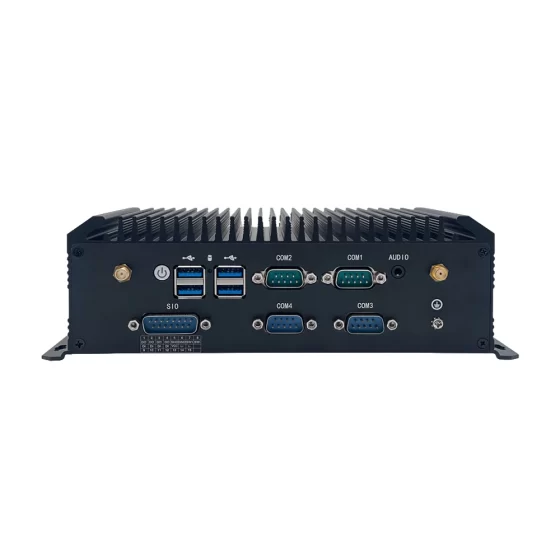
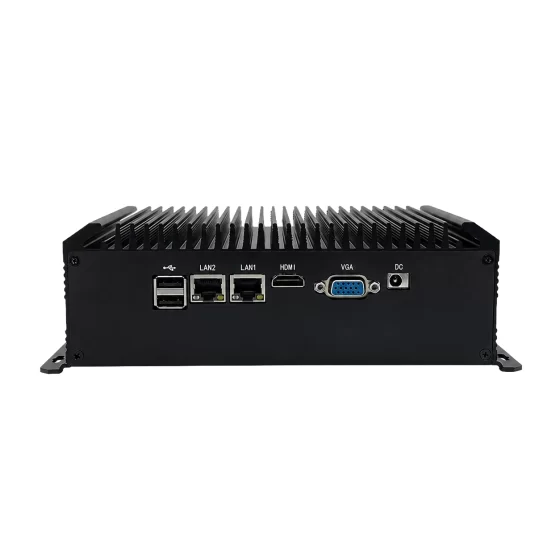
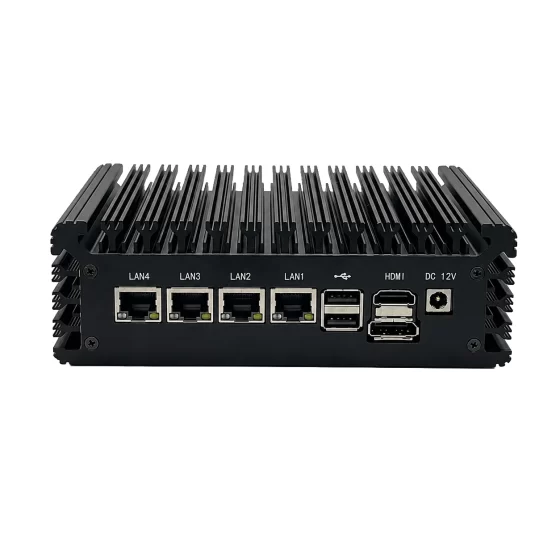
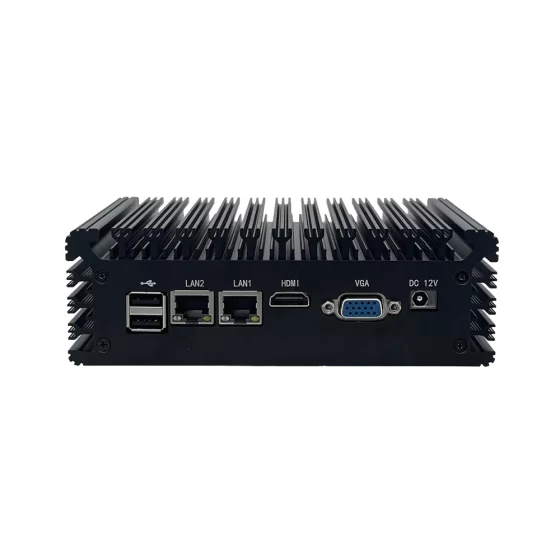
Решения CoreIPC для промышленных вычислений

AI-платформа для контроля качества: Компьютер контроля качества AI для промышленного контроля
Управляющее резюме
Компьютер контроля качества с искусственным интеллектом обеспечивает основу промышленных вычислений для автоматического обнаружения дефектов., визуальный осмотр, мониторинг процесса, и анализ данных о качестве в современных производственных условиях.
Как заводы переходят к более разумному производству, контроль качества становится все более основанным на данных и требует более интенсивного контроля.. Традиционный ручной осмотр часто ограничивается усталостью оператора., непоследовательное суждение, ограничения скорости, и трудности с обработкой больших объемов производственных данных.
Системы контроля качества на базе искусственного интеллекта используют камеры, датчики, программное обеспечение машинного зрения, модели глубокого обучения, и промышленные вычислительные платформы для обнаружения дефектов, классифицировать отклонения, проверить точность сборки, и связать результаты контроля с производственными записями.
Промышленный компьютер или встроенный компьютер выступает в качестве локальной платформы обработки ИИ.. Он получает данные изображения или датчика, запускает рабочие нагрузки вывода, взаимодействует с ПЛК и системами автоматизации, протоколы проверок магазинов, и загружает результаты в МЧС, системы менеджмента качества, или заводские базы данных.
По сравнению со стандартными коммерческими ПК, промышленные компьютеры обеспечивают большую надежность, гибкий ввод-вывод, прочная механическая конструкция, безвентиляторные варианты, поддержка длительного жизненного цикла, и практическое внедрение в реальных заводских условиях.
В этой статье объясняется, как работают платформы контроля качества искусственного интеллекта., с какими проблемами сталкиваются производители при развертывании, как структурирована архитектура решения, и какие аппаратные функции важны при выборе промышленного компьютера для приложений проверки ИИ.
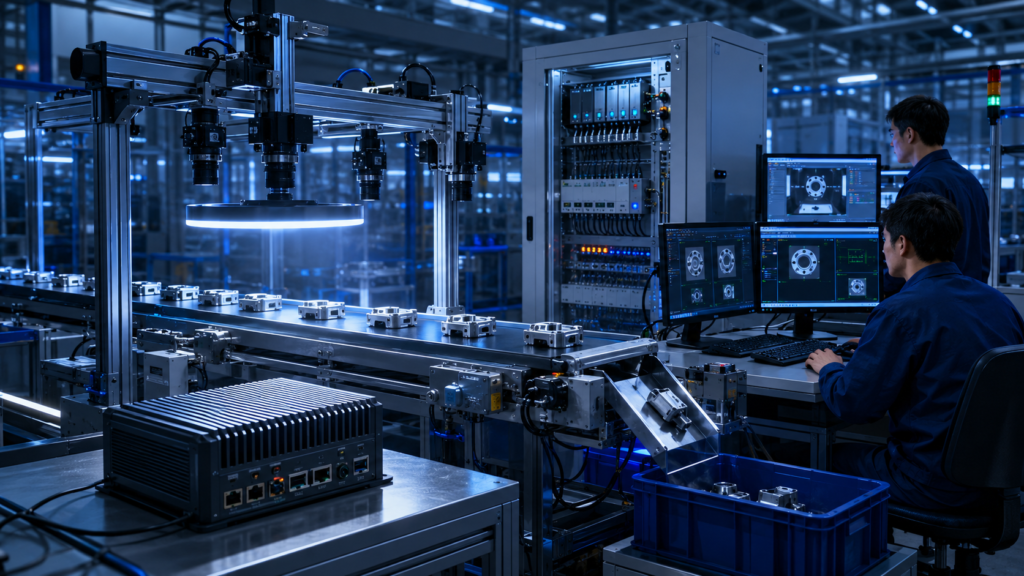
Промышленные компьютеры обрабатывают изображения с камер для обнаружения дефектов на основе искусственного интеллекта и автоматического контроля качества..
Обзор отрасли
Контроль качества становится более автоматизированным
Производители вынуждены улучшать качество продукции, уменьшить ошибки проверки, и выявлять дефекты на более ранних этапах производственного процесса.
Во многих отраслях, контроль качества больше не ограничивается финальной проверкой. Проверка может проходить в несколько этапов, включая входящие материалы, сборка, механическая обработка, пайка, упаковка, маркировка, и окончательная проверка продукта.
Системы контроля качества искусственного интеллекта все чаще используются для поддержки:
- Обнаружение дефектов поверхности
- Проверка внешнего вида продукта
- Проверка наличия компонентов
- Обнаружение ошибок сборки
- Проверка штрих-кода и этикетки
- Поддержка контроля размеров
- Проверка упаковки
- Обнаружение аномалий процесса
- Классификация дефектов
- Сбор данных для отслеживания
Эти системы требуют надежного вычислительного оборудования, расположенного рядом с производственным оборудованием..
Почему ИИ используется при контроле качества
Традиционные системы видения, основанные на правилах, работают хорошо, когда дефекты очевидны., повторяемый, и легко определить.
Однако, многие реальные дефекты более сложны. Царапины, пятна, трещины, дефекты пайки, вмятины, недостающие части, загрязнение, изменение цвета, и проблемы с текстурой поверхности могут различаться по форме., размер, реакция освещения, и позиция.
Модели проверки ИИ могут помочь выявить закономерности, которые сложно описать с помощью фиксированных правил.. Они могут классифицировать дефекты, сравнить изображения, обнаруживать аномалии, и поддерживать более гибкую логику проверки.
Это не отменяет необходимости в хорошей оптике, освещение, и проектирование системы. Вместо, это делает вычислительную платформу более важной, поскольку рабочие нагрузки ИИ требуют стабильной локальной обработки..
Промышленные вычисления — это основа Edge AI Foundation
Контроль качества с помощью искусственного интеллекта часто требует локальной обработки рядом с производственной линией..
Отправка каждого изображения на удаленный сервер может увеличить задержку., нагрузка на сеть, и системная зависимость. Локальные промышленные компьютеры позволяют принимать решения по проверке рядом с машиной..
Компьютер контроля качества с искусственным интеллектом может подключать камеры, контроллеры освещения, датчики, ПЛК, конвейеры, роботизированные системы, и заводские сети. Он может запускать программное обеспечение для вывода AI, обрабатывать изображения локально, и отправлять результаты в производственные системы.
Встроенные компьютеры полезны, когда проверка искусственного интеллекта должна быть интегрирована в машины., шкафы, компактные инспекционные станции, или OEM-оборудование.

Вариативность дефектов, освещение, отражение поверхности, качество изображения, и форма продукта влияют на надежность проверки AI.
Ключевые проблемы
Вариативность дефектов
Дефекты качества не всегда постоянны.
Один и тот же тип дефекта может проявляться в разных формах., размеры, цвета, позиции, и условия освещения. Некоторые дефекты очевидны, в то время как другие тонкие и их трудно идентифицировать.
Общие проблемы проверки включают в себя:
- Царапины на поверхности
- Трещины или вмятины
- Отсутствующие компоненты
- Неправильная сборка
- Плохая пайка
- Загрязнение
- Ошибки этикеток
- Несоответствие цвета
- Повреждение упаковки
- Посторонние предметы
Платформа искусственного интеллекта должна надежно обрабатывать изображения и обеспечивать стабильные результаты контроля в реальных производственных условиях..
Высокая нагрузка на обработку изображений
При проверке качества ИИ часто используются камеры высокого разрешения и модели глубокого обучения..
Вычислительная нагрузка зависит от разрешения камеры., частота кадров, количество камер, сложность модели, скорость проверки, и требования к хранению данных.
Если промышленный компьютер недостаточно мощный, система может столкнуться с задержкой проверки, нестабильная обработка кадров, или снижение скорости производства.
При выборе оборудования следует учитывать устойчивую производительность., не только пиковые характеристики.
Освещение и качество изображения
Проверка AI по-прежнему зависит от качества изображения.
Плохое освещение может создавать тени, блики, низкий контраст, размытие изображения, или непоследовательный внешний вид поверхности. Эти проблемы могут снизить точность модели и увеличить вероятность ложного обнаружения..
Платформа контроля качества искусственного интеллекта должна поддерживать стабильную съемку с камеры и управление освещением, где это необходимо..
Хорошие результаты проверки обычно зависят от полной конструкции системы., включая камеру, линза, освещение, монтаж, программное обеспечение, и вычислительное оборудование.
Интеграция с производственным оборудованием
Результаты проверки ИИ должны быть связаны с производственным оборудованием.
Системе может потребоваться связь с ПЛК., конвейеры, механизмы отклонения, контроллеры роботов, сигналы тревоги, MES-системы, или качественные базы данных.
Это требует надежного промышленного ввода-вывода и сетевого подключения..
Может потребоваться практичный компьютер контроля качества с искусственным интеллектом.:
- локальная сеть
- USB
- RS232
- RS485
- GPIO
- Цифровой вход
- Цифровой выход
- Выход дисплея
- Интерфейсы расширения
Без подходящего ввода-вывода, системная интеграция становится более сложной и менее надежной.
Непрерывная эксплуатация и техническое обслуживание
Системы контроля искусственного интеллекта часто развертываются непосредственно на производственных линиях..
Они могут работать непрерывно в несколько смен.. Компьютер можно устанавливать рядом с машинами., внутри шкафов, смотровые стенды, или внутри корпусов оборудования.
Эти среды могут включать в себя вибрацию., пыль, нагревать, электрический шум, движение кабеля, и ограниченный поток воздуха.
Конструкция промышленного уровня важна, поскольку неожиданный сбой оборудования может прервать проверку., записи качества, и производственный поток.

Промышленные компьютеры подключают инспекционные камеры с искусственным интеллектом, оборудование автоматизации, и заводские системы качества.
Архитектура компьютерного решения для контроля качества искусственного интеллекта
Уровень получения изображений и датчиков
Уровень сбора данных включает камеры, линзы, освещение, триггерные датчики, измерительные устройства, и производственные датчики.
Этот уровень собирает необработанные данные, необходимые для проверки ИИ..
В зависимости от приложения, он может собрать:
- Изображения продуктов
- Изображения поверхности
- Изображения сборки
- Изображения компонентов
- Изображения штрих-кода или этикетки
- Значения измерений
- Показания датчика
- Данные о местоположении
- Сигналы процесса
Качество этого слоя напрямую влияет на производительность ИИ.. Прозрачный, последовательный, и повторяемость входных данных необходима для надежного контроля.
Уровень промышленных вычислений искусственного интеллекта
Уровень промышленных вычислений ИИ — это место, где компьютер контроля качества ИИ выполняет локальную обработку..
На этом слое, промышленный компьютер может:
- Получать изображения с камер
- Запуск моделей вывода ИИ
- Обнаружение дефектов или отклонений
- Классифицировать результаты проверки
- Сравните изображения с правилами качества
- Обработка данных штрих-кода или этикетки
- Храните изображения и журналы
- Отправляйте сигналы «пройдено» или «не пройдено»
- Загрузка результатов в MES или системы качества
- Отображение статуса проверки локально
Этот уровень периферийных вычислений сокращает задержку и позволяет принимать решения по качеству непосредственно в производственном процессе..
Уровень управления автоматизацией
Уровень управления автоматизацией соединяет систему контроля искусственного интеллекта с машинами и производственным оборудованием..
ПЛК, контроллер движения, конвейерная система, или контроллер робота может вызвать проверку. После обработки ИИ, промышленный компьютер может отправить результат обратно в систему управления.
Например, система может позволить продукту продолжить, вызвать тревогу, остановить линию, активировать механизм отклонения, или отправьте товар на ремонтную станцию.
Эта замкнутая связь помогает превратить проверку ИИ в практическое действие по контролю качества..
Уровень управления данными
Результаты проверки ИИ часто связаны с производственными записями.
Промышленный компьютер может отправлять данные в МЧС, системы менеджмента качества, заводские базы данных, или аналитические платформы.
Данные могут включать в себя:
- Идентификатор продукта
- Результат проверки
- Категория дефекта
- Изображение доказательства
- Оценка уверенности
- Идентификатор станции
- Временная метка
- Порядок работы
- Действия оператора
- Статус ремонта
Эта информация поддерживает отслеживаемость, улучшение процесса, и качественный анализ.
Пользовательский интерфейс и инженерный уровень
Операторам и инженерам нужен практичный интерфейс для мониторинга и обслуживания..
Компьютер контроля качества AI может подключаться к монитору., сенсорный экран, клавиатура, или панель ЧМИ.
Интерфейс может отображать живые изображения, результаты проверки, места дефектов, статус модели, тревожные сообщения, объемы производства, и системные журналы.
Понятный интерфейс помогает инженерам корректировать параметры контроля и быстро реагировать при изменении условий качества..
Ключевые особенности
Производительность вывода ИИ
Вычислительная платформа должна обеспечивать стабильную производительность вывода ИИ для рабочей нагрузки проверки..
Разные приложения могут требовать разного уровня вычислительной мощности.. Простая система обнаружения дефектов с одной камерой может использовать компактный встроенный компьютер.. Мультикамера, высокое разрешение, Инспекционная платформа на основе искусственного интеллекта может потребовать более мощного промышленного ПК или периферийного компьютера с искусственным интеллектом..
При выборе следует учитывать:
- Размер модели ИИ
- Разрешение камеры
- Количество камер
- Требуемая частота кадров
- Время цикла проверки
- Локальное хранилище изображений
- Программная среда
- Процессор, графический процессор, или требования к акселератору
Стабильная и устойчивая производительность важнее коротких пиков производительности.
Поддержка интерфейса камеры и видеоизображения
Системы контроля качества искусственного интеллекта зависят от возможности подключения камеры.
Промышленный компьютер должен поддерживать интерфейс камеры, необходимый для приложения.. Камеры USB и Gigabit Ethernet широко распространены во многих системах промышленного зрения..
Полезные аппаратные функции могут включать в себя:
- USB 3.0 порты
- Несколько портов LAN
- Расширение PCIe
- Расширение M.2
- Высокоскоростное хранилище
- Выход дисплея
- Стабильная мощность
Для многокамерных систем, планирование пропускной способности особенно важно.
Промышленный ввод-вывод для заводской интеграции
Системы контроля искусственного интеллекта должны быть связаны с реальным производственным оборудованием.
Важные параметры ввода-вывода могут включать в себя:
- локальная сеть
- USB
- RS232
- RS485
- GPIO
- Цифровой вход
- Цифровой выход
- HDMI
- ДисплейПорт
Эти интерфейсы могут поддерживать камеры, датчики, ПЛК, контроллеры освещения, сканеры, сигналы тревоги, контроллеры роботов, и отвергать механизмы.
Гибкий ввод-вывод сокращает количество внешних адаптеров и повышает надежность системы..
Безвентиляторный и прочный дизайн
Безвентиляторные промышленные компьютеры часто используются в приложениях контроля качества..
Они уменьшают попадание пыли и устраняют одну распространенную точку механического отказа.. Это важно на заводах, где системы работают непрерывно, а доступ для обслуживания ограничен..
Прочный корпус также помогает защитить систему от вибрации., напряжение кабеля, и влияние установки.
Тепловой расчет по-прежнему требует тщательного анализа., особенно при использовании оборудования для ускорения искусственного интеллекта или высокопроизводительных процессоров..
Хранение изображений и записей проверок
Системы контроля качества искусственного интеллекта могут генерировать большие объемы данных.
Компьютер может хранить изображения дефектов, производственные изображения, журналы проверок, файлы модели, отчеты, и локальные базы данных.
SSD-накопитель обычно предпочтительнее, поскольку он обеспечивает более быстрый отклик и лучшую ударопрочность, чем механические накопители..
Для приложений с большим количеством изображений, емкость хранения, писать выносливость, и политика хранения данных должна быть пересмотрена во время проектирования системы..
Длительный жизненный цикл и ремонтопригодность системы
Системы контроля качества искусственного интеллекта могут оставаться в производстве в течение многих лет.
Частые изменения в моделях компьютеров, интерфейсы, водители, или варианты расширения могут увеличить рабочую нагрузку по проверке и стоимость обслуживания..
Промышленные вычислительные платформы с планированием жизненного цикла помогают производителям и производителям OEM-оборудования поддерживать стабильные системы контроля на нескольких производственных линиях и в проектах клиентов..
Сценарии развертывания
Обнаружение дефектов поверхности
Контроль качества с помощью искусственного интеллекта широко используется для обнаружения дефектов поверхности..
Промышленные камеры фиксируют поверхность продукта, а компьютер контроля качества AI локально обрабатывает изображения для выявления царапин, пятна, трещины, вмятины, загрязнение, или аномалии текстуры.
Это полезно в электронике, обработка металла, пластиковые детали, автомобильные компоненты, упаковка, и точное производство.
Проверка сборки
Инспекция с помощью искусственного интеллекта может проверить, правильно ли собраны детали..
Система может проверять наличие компонентов, ориентация, позиция, выравнивание разъема, размещение винта, прокладка кабеля, положение метки, или недостающие детали.
Промышленный компьютер обрабатывает изображения и отправляет результаты в производственную систему или ПЛК..
Это помогает уменьшить количество ошибок при сборке до того, как продукция перейдет к следующему процессу..
Проверка электроники и печатных плат
Платформы искусственного интеллекта могут поддерживать задачи проверки электроники, такие как проверка компонентов., обзор паяного соединения, распознавание штрих-кода, проверка разъема, и классификация дефектов.
Встроенный компьютер можно установить рядом с линиями SMT., АОИ оборудование, испытательные станции, или ремонтировать скамейки.
Результаты проверки могут быть связаны с серийными номерами печатных плат., заказы на работу, и записи качества.
Проверка упаковки и этикеток
Системы контроля качества искусственного интеллекта могут проверять упаковку, этикетки, качество печати, наличие штрих-кода, и внешний вид продукта.
Система может определить недостающие этикетки, неправильные ярлыки, поврежденная упаковка, неправильное положение печати, или нечитаемые коды.
Это помогает уменьшить количество ошибок при доставке и обеспечивает отслеживаемость логистики..
Роботизированные инспекционные камеры
Инспекция с использованием искусственного интеллекта может быть интегрирована с роботизированными системами.
Робот может размещать продукт под камерой или перемещать камеру вокруг продукта.. Промышленный компьютер обрабатывает изображение и отправляет результаты проверки на контроллер робота или в заводскую систему..
Это поддерживает гибкий контроль сложных деталей и изделий различной конструкции..
Мониторинг производственной линии
Компьютеры контроля качества с искусственным интеллектом также могут поддерживать мониторинг производства..
Анализируя изображения, данные датчика, или обрабатывать сигналы, система может обнаружить ненормальный поток продукта, недостающие предметы, неправильное позиционирование, или отклонения процесса.
Это помогает производственным группам выявлять проблемы раньше..
OEM-инспекционное оборудование
Производители машин могут интегрировать компьютеры контроля качества с искусственным интеллектом в инспекционные машины..
Встроенный компьютер или промышленная материнская плата могут обеспечить обработку изображений., Вывод ИИ, Дисплей ЧМИ, автоматизация связи, и вывод производственных данных.
Для OEM-производителей, встроенная возможность проверки с помощью искусственного интеллекта может повысить ценность машины и удовлетворить требования интеллектуального завода..
Преимущества для бизнеса
Улучшенное обнаружение дефектов
Системы контроля качества на базе искусственного интеллекта могут помочь выявить дефекты, которые сложно обнаружить с помощью ручной проверки или простой логики, основанной на правилах..
В сочетании с соответствующими камерами, освещение, и промышленное вычислительное оборудование, Инспекция с помощью искусственного интеллекта может улучшить согласованность и уменьшить количество пропущенных дефектов..
Это способствует более высокому качеству продукции и более надежным процессам контроля..
Сокращение рабочей нагрузки при ручной проверке
Ручная проверка может быть повторяющейся, медленный, и непоследовательный.
Платформы контроля качества с искусственным интеллектом автоматизируют многие задачи проверки и позволяют операторам сосредоточиться на исключениях., обслуживание, и улучшение процессов.
Это помогает заводам снизить нагрузку на инспекции и одновременно улучшить согласованность между сменами..
Более быстрые качественные решения
Локальная обработка ИИ позволяет быстро получить результаты проверки.
Промышленный компьютер может обрабатывать изображения рядом с производственной линией и отправлять, неудача, или результаты категории дефекта для ПЛК или производственной системы.
Это позволяет ускорить процесс отклонения., ремонт маршрутизации, или коррекция процесса.
Более надежная отслеживаемость
Данные проверки AI могут быть связаны с идентификаторами продуктов., заказы на работу, категории дефектов, изображения, временные метки, информация о станции, и действия оператора.
Это создает более надежные записи прослеживаемости для контроля качества., аудит клиентов, гарантийный анализ, и расследование первопричин.
Лучшее улучшение процесса
Платформы контроля качества искусственного интеллекта генерируют полезные данные для анализа процессов.
Производители могут отслеживать тенденции дефектов, производительность станции, повторяющиеся аномальные закономерности, и история проверок.
Надежное промышленное вычислительное оборудование помогает гарантировать, что эти данные собираются последовательно и подключаются к заводским системам..
Масштабируемое интеллектуальное производство
Стандартизированная промышленная вычислительная платформа упрощает развертывание контроля качества с помощью искусственного интеллекта на нескольких линиях и заводах..
Согласованное оборудование упрощает образы программного обеспечения, управление водителем, планирование запасных частей, обучение техническому обслуживанию, и долгосрочная техническая поддержка.
Это помогает производителям расширить возможности проверки ИИ от пилотных проектов до полного развертывания производства..
Почему CoreIPC
CoreIPC предоставляет промышленные вычислительные платформы для машинного зрения, крайний ИИ, автоматизация производства, и встроенная системная интеграция. Для компьютерных приложений контроля качества AI, CoreIPC фокусируется на надежном оборудовании для промышленных ПК., встроенные компьютерные решения, гибкие конфигурации ввода-вывода, компактная конструкция системы, и поддержка настройки OEM/ODM. CoreIPC помогает системным интеграторам, производители инспекционного оборудования, и производственные группы выбирают вычислительные платформы, соответствующие реальным требованиям развертывания, включая интерфейсы камеры, Рабочие нагрузки ИИ, автоматизация связи, способы крепления, потребляемая мощность, тепловой расчет, потребности в хранении, и планирование жизненного цикла.
Часто задаваемые вопросы
1. Что такое компьютер контроля качества с искусственным интеллектом?
Компьютер контроля качества с искусственным интеллектом — это промышленный компьютер, используемый для запуска программного обеспечения для проверки искусственного интеллекта рядом с производственным оборудованием..
Он может получать изображения с камер, запускать модели вывода ИИ, обнаруживать дефекты, классифицировать результаты проверки, общаться с ПЛК, и загружать данные о качестве в MES или заводские базы данных. Он предназначен для промышленных сред, где надежность, Гибкость ввода-вывода, и непрерывная работа важны.
2. Зачем использовать промышленный компьютер для контроля качества ИИ?
Системы контроля качества AI часто работают непосредственно на производственных линиях..
Промышленный компьютер лучше подходит, чем стандартный офисный компьютер, поскольку он поддерживает надежную установку., стабильная тепловая конструкция, промышленный ввод-вывод, непрерывная работа, и длительный жизненный цикл развертывания. Эти функции помогают системам контроля искусственного интеллекта оставаться надежными во время реального производственного использования..
3. Как встроенный компьютер используется при проверке ИИ?
Встроенный компьютер может быть установлен внутри инспекционных машин., шкафы управления, компактные станции технического зрения, или OEM-оборудование.
Он может обрабатывать изображения с камеры, запускать модели ИИ, общаться с ПЛК, отчеты о проверках магазинов, и отображать локальные результаты. Его компактный дизайн делает его полезным для проверки искусственного интеллекта на стороне машины и на заводах с ограниченным пространством..
4. Какие аппаратные функции важны для контроля качества ИИ?
Важные функции включают стабильную производительность обработки., поддержка интерфейса камеры, несколько портов LAN или USB, промышленный ввод-вывод, SSD-накопитель, вывод дисплея, безвентиляторный дизайн, прочная механическая конструкция, и доступность в течение длительного жизненного цикла.
Для расширенных рабочих нагрузок искусственного интеллекта, Также может потребоваться поддержка графического процессора или ускорителя искусственного интеллекта в зависимости от сложности модели и скорости проверки..
5. Могут ли системы контроля качества AI заменить ручную проверку??
Контроль качества с помощью искусственного интеллекта может автоматизировать многие повторяющиеся задачи проверки., но это следует вводить осторожно.
Некоторые приложения могут по-прежнему требовать проверки человеком для принятия сложных решений., необычные дефекты, или процесс проверки. На многих заводах, Инспекция с использованием искусственного интеллекта лучше всего работает как стабильный автоматизированный уровень проверки, который снижает ручную рабочую нагрузку и повышает согласованность..
6. Как качество изображения влияет на точность проверки ИИ?
Качество изображения сильно влияет на производительность проверки ИИ.
Плохое освещение, блики, тени, размытие, низкий контраст, или нестабильное позиционирование может снизить точность модели.. Надежная система контроля качества AI требует правильного выбора камеры., дизайн линз, освещение, монтаж, триггерный контроль, и стабильное промышленное вычислительное оборудование.
7. Нужны ли компьютерам контроля качества искусственного интеллекта несколько портов локальной сети??
Несколько портов LAN полезны во многих системах проверки AI..
Один порт LAN может подключаться к камерам или устройствам на стороне машины., пока другой подключается к MES, заводские сети, или системы мониторинга. Такое разделение улучшает организацию сети и может уменьшить помехи трафика в приложениях машинного зрения..
8. Подходит ли безвентиляторный промышленный ПК для проверки ИИ?
Безвентиляторный промышленный ПК может подойти для многих задач проверки искусственного интеллекта., особенно когда важны низкие эксплуатационные расходы и снижение уровня пыли.
Однако, Рабочие нагрузки ИИ могут генерировать больше тепла, чем простые задачи по сбору данных. Производительность процессора, Использование ускорителя искусственного интеллекта, конструкция корпуса, температура окружающей среды, и воздушный поток должен быть проверен перед окончательным выбором.
9. Как контроль качества ИИ поддерживает отслеживаемость?
Контроль качества с помощью искусственного интеллекта поддерживает отслеживаемость, связывая результаты проверки с идентификаторами продуктов., категории дефектов, изображения, временные метки, информация о станции, и заказы на работу.
Эти данные могут быть загружены в MES или системы качества.. Полные записи проверок помогают производителям анализировать дефекты., поддержка аудитов, и совершенствовать производственные процессы.
10. Что следует протестировать перед развертыванием платформы контроля качества ИИ?
Перед развертыванием, система должна быть протестирована на реальных продуктах, реальные дефекты, производственное освещение, фактическое разрешение камеры, скорость линии, модели искусственного интеллекта, Связь с ПЛК, рабочая нагрузка хранилища, и условия сети.
Также следует проверить долговременную стабильность и тепловые характеристики.. Это снижает риск интеграции и помогает подтвердить, что платформа может надежно работать в рабочей среде..
Заключение
Компьютер для контроля качества с искусственным интеллектом является практической основой для автоматизированного контроля., обнаружение дефектов, прослеживаемость, и разумное улучшение качества производства.
Размещая промышленное компьютерное оборудование рядом с камерами, датчики, контроллеры освещения, ПЛК, и производственное оборудование, производители могут обрабатывать данные проверок локально и быстрее реагировать на проблемы с качеством.
Правильный промышленный или встроенный компьютер следует выбирать в соответствии с реальными требованиями к развертыванию., включая рабочую нагрузку ИИ, интерфейс камеры, разрешение изображения, Конфигурация ввода/вывода, сетевая архитектура, потребности в хранении, метод монтажа, потребляемая мощность, термические условия, поддержка операционной системы, и планирование жизненного цикла.
CoreIPC поддерживает компьютерные проекты по контролю качества искусственного интеллекта с помощью промышленных вычислительных платформ, предназначенных для практического развертывания на заводе.. С правильной аппаратной основой, производители и производители оборудования могут создавать более надежные, масштабируемый, и системы контроля качества на основе данных.
Связаться с нами
Ищу промышленный компьютер, встроенный компьютер, или промышленная материнская плата для платформы контроля качества AI?
Свяжитесь с CoreIPC, чтобы обсудить требования вашего проекта, включая интерфейс камеры, Рабочая нагрузка ИИ, Конфигурация ввода/вывода, автоматизация связи, метод монтажа, потребляемая мощность, операционная среда, потребности жизненного цикла, и варианты настройки OEM/ODM.