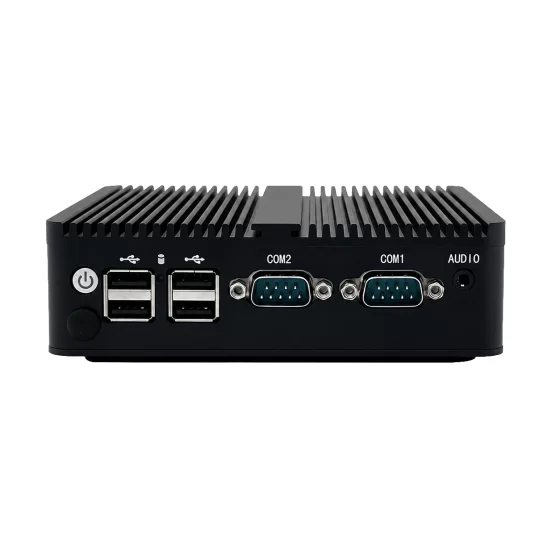
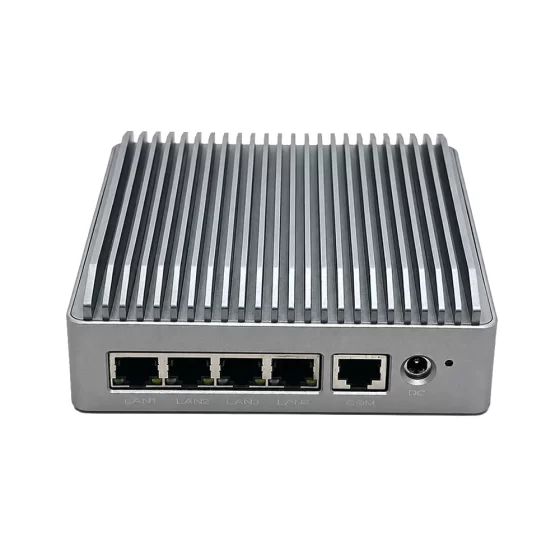
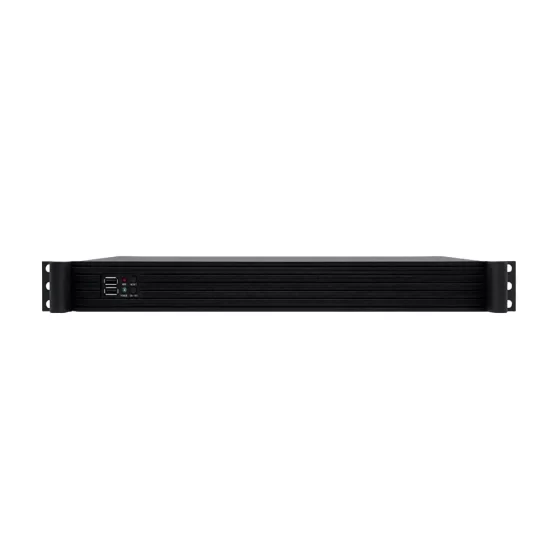
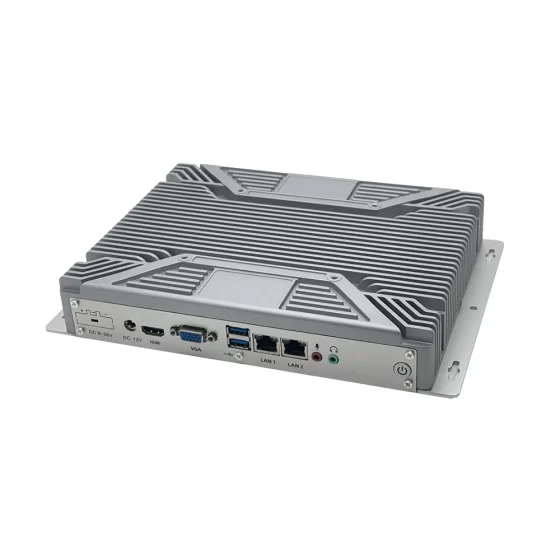
Решения CoreIPC для промышленных вычислений

Промышленный компьютер для проверки печатных плат
Управляющее резюме
A reliable Промышленный компьютер для проверки печатных плат is a critical component in modern electronics manufacturing environments where precision, скорость, and quality control directly impact production efficiency and product reliability. As printed circuit boards (печатные платы) become increasingly complex, manufacturers require advanced inspection systems capable of detecting microscopic defects, assembly errors, soldering issues, and component placement inaccuracies with exceptional accuracy.
Traditional manual inspection methods are no longer sufficient to meet the demands of high-volume electronics production. Modern PCB inspection systems rely on machine vision, Автоматизированный оптический контроль (АОИ), Automated X-ray Inspection (AXI), искусственный интеллект, and real-time image processing technologies to ensure consistent quality throughout the manufacturing process.
At the heart of these inspection systems is an industrial computer or embedded computer that provides the computing power required for image acquisition, defect analysis, мониторинг производства, управление базой данных, и заводская интеграция. Unlike commercial PCs, industrial computers are specifically designed to operate reliably in demanding manufacturing environments while supporting continuous operation, high-speed data processing, and long product lifecycle requirements.
This article explores the role of industrial computers in PCB inspection applications, ключевые проблемы развертывания, system architecture considerations, основные функции, and the business benefits of implementing industrial-grade computing platforms in electronics manufacturing facilities.

Modern PCB manufacturing facilities rely on AOI inspection systems, промышленные компьютеры, and automated production lines to ensure high-quality electronics assembly and defect detection
Обзор отрасли
Printed circuit boards form the foundation of virtually every electronic product manufactured today. Industries such as consumer electronics, промышленная автоматизация, автомобильная электроника, медицинское оборудование, телекоммуникации, аэрокосмический, and defense all depend on high-quality PCB manufacturing processes.
As electronic products continue to become smaller, faster, and more complex, PCB production requires increasingly sophisticated inspection technologies capable of identifying defects that may not be visible to the human eye.
Common PCB manufacturing defects include:
- Отсутствующие компоненты
- Incorrect component placement
- Solder bridges
- Insufficient solder
- Open circuits
- Short circuits
- Surface contamination
- Bent leads
- Component polarity errors
- Trace defects
To maintain quality standards, manufacturers deploy inspection technologies throughout the production process.
Typical inspection stages include:
- Проверка паяльной пасты (СПИ)
- Pre-reflow inspection
- Post-reflow AOI
- X-ray inspection
- Functional testing
- Final quality verification
These inspection systems generate significant volumes of image and production data that require high-performance computing resources for real-time processing and analysis.
Industrial computers serve as the core computing platform that enables:
- High-speed image acquisition
- Vision processing
- Обнаружение дефектов
- Хранение данных
- Отслеживаемость производства
- Manufacturing analytics
- Factory integration
Как результат, industrial computing platforms have become an essential component of modern PCB manufacturing facilities.

Modern PCB inspection systems must process high-resolution images and detect microscopic defects on increasingly complex circuit boards in real time.
Ключевые проблемы
High-Speed Image Processing Requirements
PCB inspection systems capture large quantities of high-resolution images during production.
Modern inspection equipment may process:
- Multiple cameras
- High frame rates
- Ultra-high-resolution images
- Multi-angle inspections
Processing this data in real time requires significant computing power.
Увеличение сложности печатной платы
Today’s circuit boards often feature:
- Компоненты с мелким шагом
- Ball grid arrays (BGAs)
- Microvias
- Dense layouts
- Multi-layer designs
Detecting defects within these complex assemblies demands advanced inspection algorithms and powerful image processing capabilities.
Continuous Production Operation
Electronics manufacturing lines frequently operate:
- 24/7 production schedules
- High-throughput assembly processes
- Minimal downtime environments
Inspection systems must maintain continuous performance without affecting production efficiency.
Large Data Volumes
PCB inspection systems generate substantial amounts of data including:
- Изображения
- Результаты проверки
- Производственные записи
- Отчеты о качестве
- Traceability information
Reliable storage and data management infrastructure are essential.
Factory Integration Requirements
Inspection systems must communicate with:
- Производственные линии SMT
- MES-платформы
- ERP-системы
- Программное обеспечение для управления качеством
- Manufacturing databases
Achieving seamless integration requires flexible industrial communication capabilities.

Industrial computers connect AOI systems, камеры машинного зрения, manufacturing databases, and MES platforms to enable intelligent PCB inspection and production traceability.
Архитектура решения
A modern PCB inspection solution consists of several interconnected layers.
Слой 1: PCB Production Equipment
Производственный уровень включает в себя:
- Solder paste printers
- Pick-and-place machines
- Печи оплавления
- Конвейеры
- PCB handling systems
These systems perform the physical manufacturing processes.
Слой 2: Уровень получения изображения
The inspection layer includes:
- Промышленные камеры
- Оптические линзы
- Lighting systems
- X-ray sensors
- Laser measurement devices
These devices capture images and inspection data.
Слой 3: Промышленный компьютерный уровень
The industrial computer functions as the processing platform.
В обязанности входит:
- Получение изображения
- Обработка изображений
- Обнаружение дефектов
- Вывод ИИ
- Управление базой данных
- Quality analysis
- Мониторинг производства
- Reporting
This layer provides the computing resources required for inspection operations.
Слой 4: Manufacturing Software Layer
Software systems include:
- AOI software
- AXI software
- SPC systems
- Платформы отслеживания
- Quality management applications
The industrial computer hosts and supports these applications.
Слой 5: Уровень корпоративной интеграции
Корпоративная связь обеспечивает интеграцию с:
- MES-платформы
- ERP-системы
- Manufacturing databases
- Платформы облачной аналитики
- Заводские панели приборов
This layer transforms inspection data into actionable business intelligence.
Ключевые особенности
Высокопроизводительная обработка
PCB inspection applications require powerful computing resources.
Industrial computers typically support:
- Многоядерные процессоры
- Высокоскоростная память
- NVMe-хранилище
- ускорение графического процессора
- AI processing capabilities
These resources enable real-time inspection performance.
Надежность промышленного уровня
Electronics manufacturing facilities require dependable operation.
Промышленные компьютеры обеспечивают:
- Безвентиляторные конструкции
- Прочная конструкция
- Твердотельное хранилище
- Компоненты промышленного класса
- Долгосрочная стабильность
These characteristics improve system availability.
Оптимизация машинного зрения
Industrial computers designed for vision applications support:
- Multiple camera interfaces
- High-bandwidth image transfer
- GPU processing
- Аналитика в реальном времени
This enables rapid defect detection and inspection accuracy.
Flexible Connectivity
PCB inspection systems require extensive connectivity.
Типичные интерфейсы включают в себя:
- Гигабитный Ethernet
- USB 3.0
- USB 3.2
- Последовательные порты
- Цифровой ввод/вывод
- Интерфейсы камеры
- Выходы дисплея
These interfaces support integration with production equipment and inspection devices.
AI Inspection Capability
Artificial intelligence is increasingly used in PCB inspection.
Industrial computers can support:
- Deep learning models
- Классификация дефектов
- Распознавание образов
- Automated quality analysis
AI improves inspection accuracy and reduces false positives.
Data Management Support
Поддержка промышленных компьютеров:
- Локальные базы данных
- Хранение исторических данных
- Производственные записи
- Системы отслеживания
Reliable data management improves quality control and compliance.
Доступность в течение длительного жизненного цикла
Industrial computing platforms offer:
- Долгосрочная доступность
- Стабильные аппаратные конфигурации
- Extended support periods
This reduces redesign costs and simplifies maintenance planning.
Сценарии развертывания
Автоматизированный оптический контроль (АОИ)
AOI systems use industrial computers to:
- Capture images
- Analyze solder joints
- Verify component placement
- Detect manufacturing defects
Real-time processing is essential for maintaining production throughput.
Automated X-Ray Inspection (AXI)
Industrial computers process X-ray images to inspect:
- Hidden solder joints
- BGA connections
- Internal defects
These systems support advanced quality control requirements.
SMT Production Monitoring
Manufacturers deploy industrial computers to monitor:
- Production status
- Использование оборудования
- Производительность
- Process quality
Это поддерживает инициативы по постоянному улучшению..
Обнаружение дефектов на основе искусственного интеллекта
Machine learning algorithms help identify complex defects that traditional rule-based systems may miss.
Industrial computers provide the processing power required for AI inference and model execution.
Quality Traceability Systems
Inspection results are linked to production records for:
- Отслеживаемость продукта
- Соответствие нормативным требованиям
- Failure analysis
- Warranty management
Industrial computers manage and store this information.
Интеграция умного завода
Industrial computers connect inspection systems with broader factory infrastructure including MES, ERP-система, и промышленные IoT-платформы.
Преимущества для бизнеса
Улучшенное качество продукции
Advanced inspection systems help identify defects before products reach customers.
This improves quality and reduces field failures.
Higher Production Efficiency
Automated inspection eliminates many manual inspection tasks and supports higher manufacturing throughput.
Reduced Rework Costs
Early defect detection prevents defective products from progressing through the production process.
This reduces material waste and labor costs.
Enhanced Traceability
Inspection data provides detailed production records that support quality management and compliance requirements.
Лучшая операционная видимость
Manufacturers gain real-time insight into:
- Yield rates
- Тенденции дефектов
- Process performance
- Статус оборудования
This supports data-driven decision-making.
Support for Smart Manufacturing
Industrial computers provide the computing infrastructure required for Industry 4.0 инициативы, AI inspection systems, and intelligent factory operations.
Почему CoreIPC
CoreIPC предоставляет промышленные вычислительные платформы, предназначенные для машинного зрения, автоматизированная проверка, и приложения для производства электроники. Наши промышленные компьютеры, встроенные компьютеры, and embedded boards deliver the performance, надежность, and connectivity required for PCB inspection systems, AOI platforms, AI-based quality control, и интеллектуальная интеграция с заводом. With industrial-grade durability, длительный жизненный цикл продукта, гибкие конфигурации ввода-вывода, и возможности настройки OEM/ODM, CoreIPC helps manufacturers deploy scalable and reliable inspection solutions for modern electronics production environments.
Часто задаваемые вопросы
What is a PCB inspection computer?
A PCB inspection computer is an industrial computing platform used to support automated optical inspection, X-ray inspection, обработка машинного зрения, and quality control operations in electronics manufacturing environments.
Why use an industrial computer for PCB inspection?
Промышленные компьютеры обеспечивают более высокую надежность, более длительный жизненный цикл, лучшая экологическая устойчивость, and superior connectivity compared to commercial PCs, making them ideal for manufacturing applications.
Can industrial computers support AOI systems?
Да. Industrial computers are commonly used as the processing platform for Automated Optical Inspection systems, обработка получения изображений, анализ, и обнаружение дефектов.
Are GPUs important for PCB inspection?
Many advanced inspection systems use GPU acceleration to improve image processing performance, AI inference speed, and machine vision capabilities.
Can industrial computers support AI-based inspection?
Да. Modern industrial computers can run deep learning models for defect classification, pattern recognition, and automated quality analysis.
What interfaces are commonly required?
Typical interfaces include Ethernet, USB 3.0, последовательные порты, цифровой ввод/вывод, интерфейсы камеры, and multiple display outputs.
How do industrial computers improve production quality?
They enable faster and more accurate defect detection, helping manufacturers identify issues before products leave the production line.
Can industrial computers integrate with MES systems?
Да. Industrial computers often connect inspection systems to MES, ERP-система, управление качеством, and manufacturing database platforms.
What industries use PCB inspection computers?
Consumer electronics, автомобильная электроника, промышленная автоматизация, телекоммуникации, аэрокосмический, медицинское оборудование, and defense industries commonly deploy PCB inspection systems.
What should be considered when selecting a PCB inspection computer?
Important factors include processor performance, Поддержка графического процессора, возможность подключения камеры, емкость хранения, надежность, доступность жизненного цикла, и совместимость программного обеспечения.
Заключение
Ан Промышленный компьютер для проверки печатных плат обеспечивает вычислительную основу, необходимую для современных систем контроля качества производства электроники. Поддерживая высокоскоростную обработку изображений, machine vision applications, Обнаружение дефектов на основе искусственного интеллекта, и общезаводская интеграция, industrial computers enable manufacturers to improve product quality, increase production efficiency, и поддерживать инициативы в области умного производства.
As PCB designs continue to grow more complex and quality requirements become increasingly stringent, industrial computing platforms will remain a critical component of advanced inspection systems and intelligent electronics manufacturing operations.
Связаться с нами
Looking for an industrial computer solution for PCB inspection applications?
CoreIPC поставляет промышленные компьютеры, встроенные компьютеры, промышленные материнские платы, and customized computing platforms designed for machine vision, автоматизированная проверка, ИИ-аналитика, и среда производства электроники.
Contact our engineering team to discuss your PCB inspection requirements and discover the right industrial computing solution for your project.