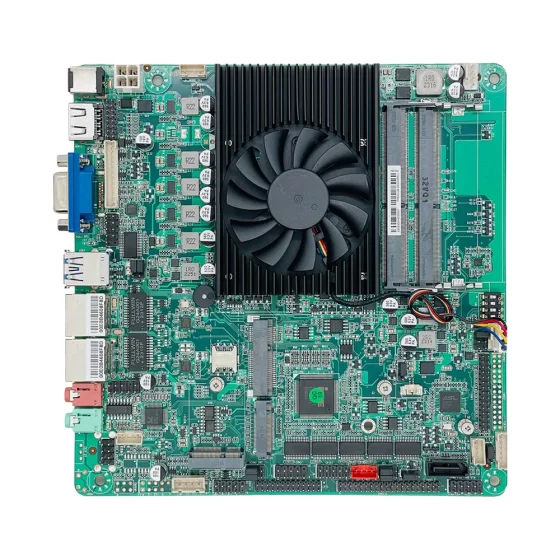
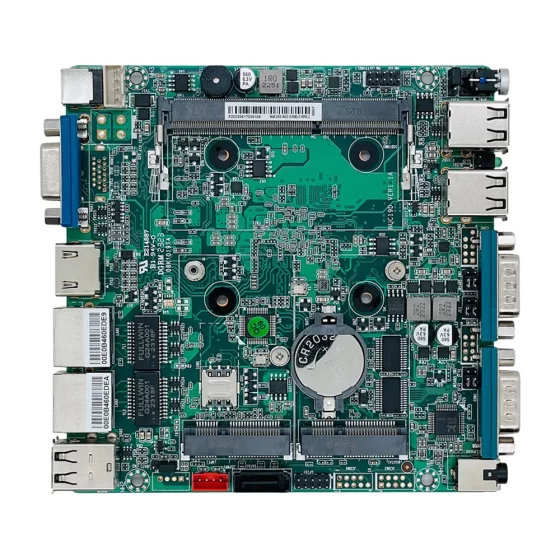
CoreIPC Industrial Computing Solutions

Sensor Data Collection Computer
Executive Summary
Industrial digital transformation initiatives are driving unprecedented growth in sensor deployments across manufacturing, energy, transportation, utilities, healthcare, agriculture, and smart city environments. Modern organizations rely on vast networks of sensors to monitor equipment performance, environmental conditions, production processes, energy consumption, infrastructure health, and operational efficiency.
These sensors continuously generate valuable data that must be collected, processed, transmitted, and analyzed to support intelligent decision-making. However, the increasing volume, variety, and velocity of sensor data create significant challenges for traditional data acquisition architectures. Organizations require reliable computing platforms capable of gathering information from diverse sensor types while supporting real-time processing and seamless integration with enterprise systems.
A Sensor Data Collection Computer serves as the central data acquisition and edge computing platform within industrial environments. It connects sensors, controllers, communication networks, and management systems to enable reliable collection, aggregation, processing, and transmission of operational data. By providing local intelligence and edge processing capabilities, sensor data collection computers help organizations improve visibility, optimize operations, reduce downtime, and accelerate digital transformation initiatives.
Industrial computers and embedded computers are particularly well-suited for sensor data collection applications because they provide industrial-grade reliability, rich connectivity, flexible protocol support, fanless operation, and long-term lifecycle availability. These capabilities allow them to operate continuously in demanding industrial environments while supporting a wide range of sensor technologies and communication protocols.
As Industrial IoT (IIoT), Edge Computing, Industry 4.0, and Smart Infrastructure initiatives continue to expand, sensor data collection computers are becoming essential technologies that enable data-driven operations and intelligent automation.
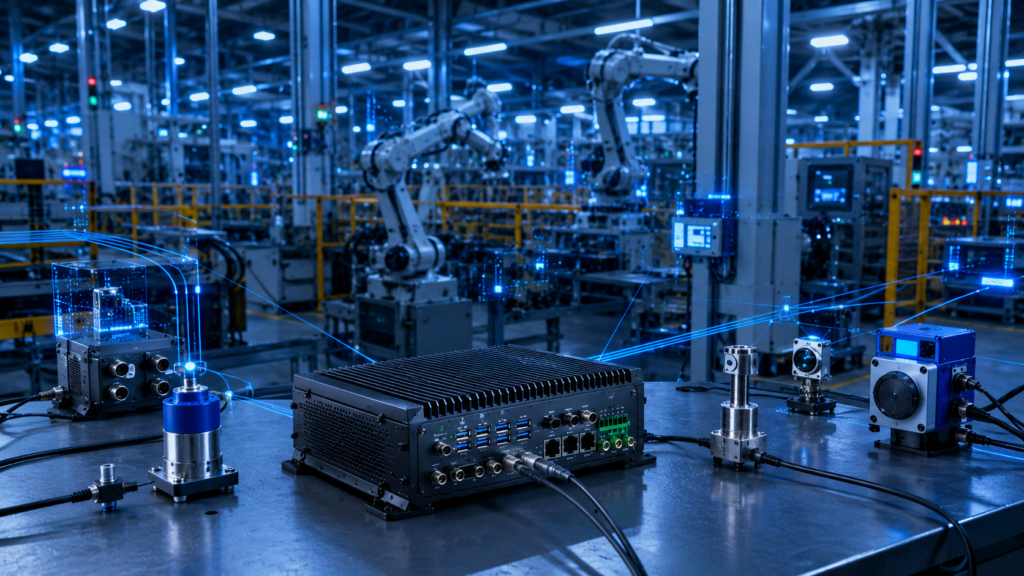
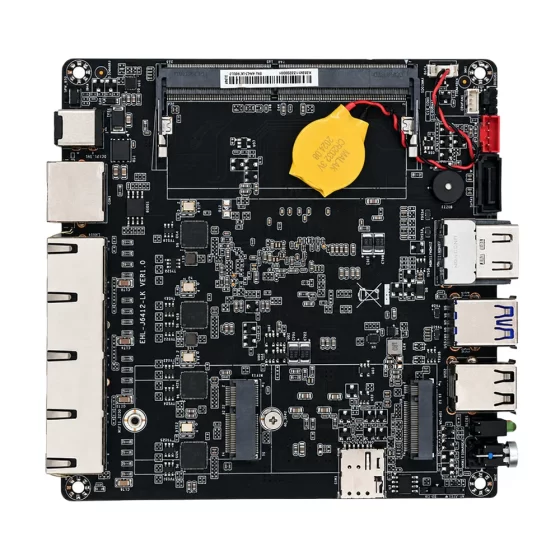
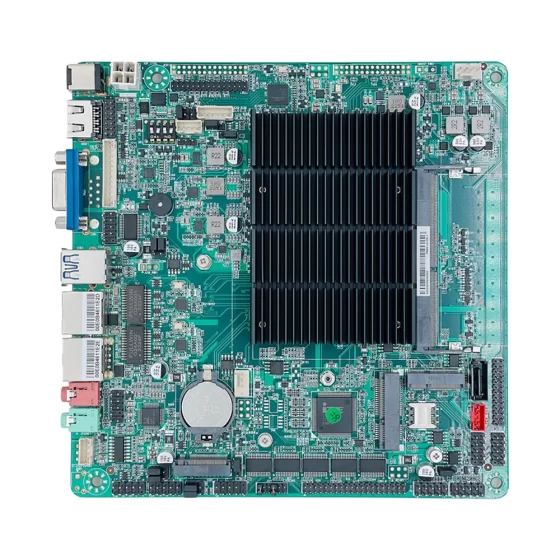
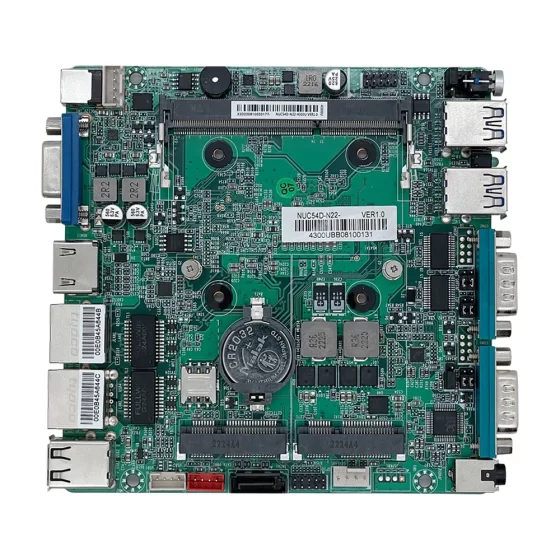
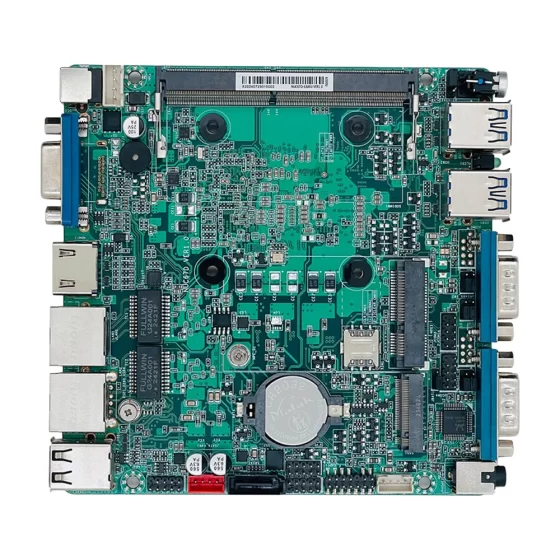
Industrial computers collect and process data from multiple sensors to support Industrial IoT and intelligent monitoring applications.
Industry Overview
Organizations across virtually every industry are deploying sensors to improve operational visibility and decision-making.
Common sensor deployment areas include:
- Manufacturing equipment
- Production lines
- Industrial automation systems
- Power generation facilities
- Utility infrastructure
- Transportation systems
- Smart buildings
- Environmental monitoring stations
- Agricultural operations
- Healthcare equipment
Modern industrial environments utilize numerous sensor technologies, including:
- Temperature sensors
- Pressure sensors
- Humidity sensors
- Flow sensors
- Vibration sensors
- Proximity sensors
- Position sensors
- Gas detection sensors
- Current sensors
- Voltage sensors
These sensors continuously generate operational data that supports:
- Predictive maintenance
- Process optimization
- Asset monitoring
- Quality control
- Energy management
- Safety monitoring
- Environmental compliance
As sensor networks expand, organizations require reliable computing platforms capable of collecting and managing increasing volumes of data.
Traditional centralized architectures often face challenges related to:
- Network latency
- Bandwidth consumption
- Scalability limitations
- Communication reliability
- Real-time processing requirements
Sensor Data Collection Computers address these challenges by enabling local data acquisition, edge analytics, protocol conversion, and intelligent decision-making closer to the source of data generation.
The continued growth of Industrial IoT and smart infrastructure initiatives is expected to further increase demand for industrial computing platforms designed specifically for sensor data collection applications.
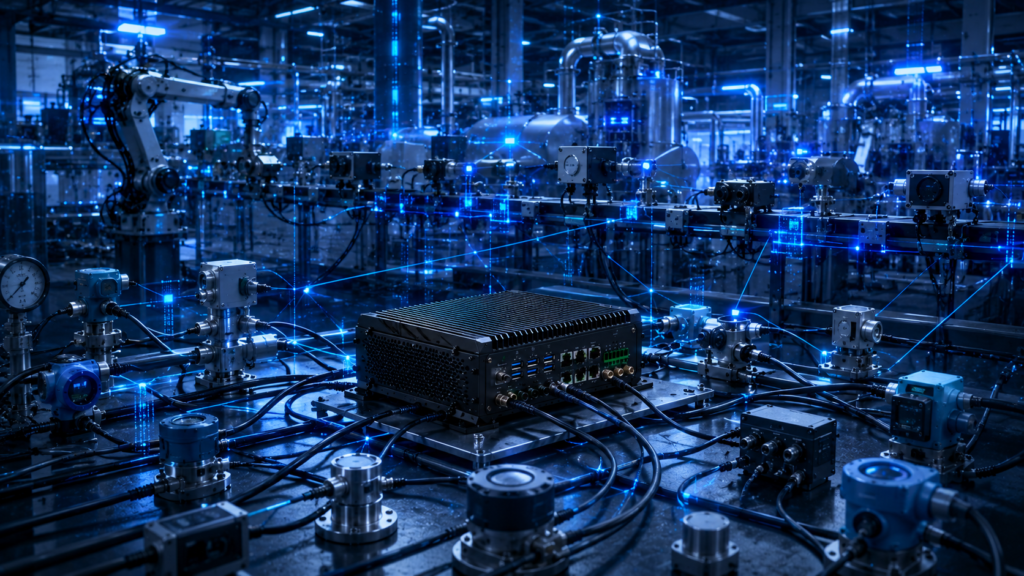
Large-scale sensor networks require reliable data collection, communication, and real-time monitoring capabilities.
Key Challenges
Managing Large Numbers of Sensors
Modern industrial environments may contain hundreds or thousands of sensors.
Challenges include:
- Device integration
- Data collection
- Data synchronization
- Sensor management
- Network scalability
Organizations require efficient platforms capable of managing diverse sensor deployments.
Supporting Multiple Communication Protocols
Industrial environments commonly utilize a variety of communication standards.
Examples include:
- Modbus
- CAN Bus
- RS232
- RS485
- Ethernet/IP
- PROFINET
- MQTT
- OPC UA
Supporting multiple protocols is essential for successful integration.
Real-Time Data Acquisition
Many industrial applications require immediate access to sensor information.
Examples include:
- Equipment monitoring
- Process control
- Safety systems
- Alarm management
- Energy optimization
Delays in data collection can negatively impact operations.
Harsh Industrial Environments
Sensor data collection platforms often operate in environments exposed to:
- Dust
- Vibration
- Moisture
- Electrical noise
- Extreme temperatures
Computing systems must maintain reliable operation under these conditions.
Data Security and Reliability
Operational data is often critical to business operations.
Organizations must ensure:
- Data integrity
- Secure communications
- Reliable transmission
- System availability
- Cybersecurity protection
These requirements are increasingly important in connected industrial environments.
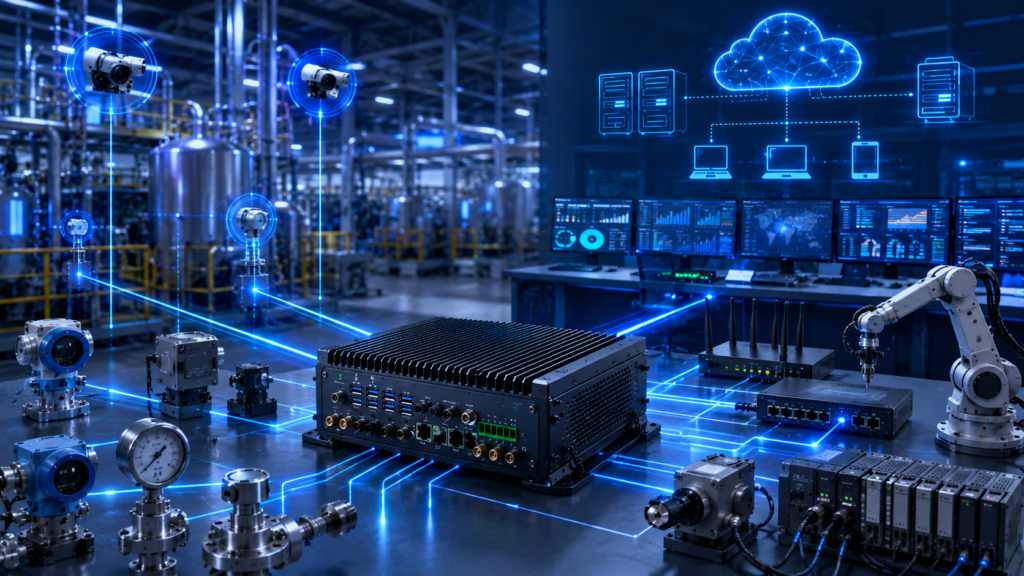
Industrial computers connect sensors, controllers, and enterprise systems to enable real-time data collection and Industrial IoT integration.
Solution Architecture
A typical Sensor Data Collection Computer deployment consists of multiple interconnected layers.
Layer 1: Sensor Layer
The field layer includes:
- Temperature sensors
- Pressure sensors
- Flow meters
- Vibration sensors
- Environmental sensors
- Energy meters
- Position sensors
These devices generate operational data.
Layer 2: Communication Layer
Communication infrastructure may include:
- RS232
- RS485
- CAN Bus
- Ethernet
- Wireless networks
- Cellular communications
This layer enables reliable connectivity between sensors and computing systems.
Layer 3: Sensor Data Collection Computer Layer
The industrial computer serves as the central data acquisition platform.
Functions include:
- Data collection
- Protocol conversion
- Edge processing
- Data aggregation
- Local storage
- Event management
- Device management
This layer provides operational intelligence at the edge.
Layer 4: Application Layer
Applications may include:
- SCADA systems
- HMI platforms
- Energy management software
- Predictive maintenance systems
- Asset monitoring platforms
- Industrial analytics applications
These applications transform raw sensor data into actionable insights.
Layer 5: Enterprise Integration Layer
Enterprise integration supports connectivity with:
- MES systems
- ERP platforms
- Cloud services
- Business intelligence tools
- Reporting platforms
This layer enables organization-wide visibility and analytics.
Key Features
Industrial-Grade Reliability
Sensor data collection systems frequently operate continuously.
Industrial computers provide:
- Rugged construction
- Industrial-grade components
- Continuous operation support
- Long-term reliability
- Extended lifecycle availability
These characteristics improve deployment stability.
Rich I/O Connectivity
Sensor integration requires extensive connectivity options.
Common interfaces include:
- RS232
- RS485
- CAN Bus
- Ethernet
- USB
- Digital I/O
- Analog I/O
These interfaces support a wide variety of sensor technologies.
Edge Processing Capabilities
Sensor data collection computers can process information locally.
Functions include:
- Data filtering
- Event detection
- Data aggregation
- Edge analytics
- Alarm generation
Local processing improves responsiveness and reduces bandwidth requirements.
Protocol Conversion
Industrial environments often contain equipment from multiple vendors.
Protocol conversion capabilities simplify integration between diverse systems and devices.
Fanless Design
Many deployments utilize fanless systems.
Benefits include:
- Reduced maintenance
- Improved reliability
- Better dust resistance
- Silent operation
Fanless designs are ideal for industrial environments.
Wide Temperature Operation
Industrial deployments often experience challenging environmental conditions.
Wide-temperature support helps ensure reliable operation in harsh environments.
Long Product Lifecycle
Industrial systems frequently remain operational for many years.
Industrial platforms provide:
- Long-term availability
- Stable hardware configurations
- Extended support programs
These features simplify lifecycle management.
Deployment Scenarios
Industrial Automation
Sensor data collection computers support:
- Equipment monitoring
- Process control
- Production analytics
- Asset management
These capabilities improve manufacturing performance.
Energy Management
Organizations utilize sensor data collection platforms for:
- Power monitoring
- Energy analytics
- Load management
- Utility optimization
These applications improve energy efficiency.
Environmental Monitoring
Sensor networks support:
- Air quality monitoring
- Water quality analysis
- Weather monitoring
- Environmental compliance
These systems improve visibility into environmental conditions.
Smart Buildings
Building management systems utilize sensor data collection platforms for:
- HVAC monitoring
- Occupancy tracking
- Energy management
- Facility optimization
These capabilities improve building efficiency.
Transportation Infrastructure
Sensor monitoring supports:
- Traffic management
- Infrastructure monitoring
- Asset tracking
- Condition monitoring
These applications improve transportation operations.
Utility and Infrastructure Monitoring
Utilities deploy sensor collection systems for:
- Grid monitoring
- Asset management
- Equipment diagnostics
- Remote monitoring
These capabilities improve operational reliability.
Business Benefits
Improved Operational Visibility
Organizations gain real-time access to critical operational information.
Better Decision-Making
Reliable sensor data supports data-driven operational decisions.
Reduced Downtime
Continuous monitoring helps identify issues before failures occur.
Increased Efficiency
Sensor-driven analytics enable process optimization and resource utilization improvements.
Lower Operational Costs
Automation and predictive monitoring reduce maintenance and operating expenses.
Enhanced Safety
Real-time monitoring improves workplace safety and operational awareness.
Support for Digital Transformation
Sensor data collection computers provide a foundation for Industrial IoT and Industry 4.0 initiatives.
Why CoreIPC
CoreIPC provides industrial computing platforms designed for sensor data collection, Industrial IoT, automation, energy management, environmental monitoring, and smart infrastructure applications. Our industrial computers and embedded computers deliver industrial-grade reliability, flexible I/O connectivity, protocol support, fanless operation, and long lifecycle availability. With extensive OEM/ODM customization capabilities and deep experience in embedded computing, CoreIPC helps organizations deploy scalable sensor data collection solutions that improve operational visibility, efficiency, and intelligent decision-making.
Frequently Asked Questions
1. What is a Sensor Data Collection Computer?
A Sensor Data Collection Computer is an industrial computing platform that gathers, processes, stores, and transmits information from sensors deployed within industrial and commercial environments.
2. Why are industrial computers used for sensor data collection?
Industrial computers provide reliability, environmental durability, communication flexibility, and long lifecycle support required for continuous industrial operation.
3. What types of sensors can be connected?
Common sensors include temperature, pressure, humidity, flow, vibration, position, environmental, current, voltage, and gas detection sensors.
4. What communication protocols are commonly supported?
Industrial systems commonly support Modbus, CAN Bus, RS232, RS485, Ethernet/IP, OPC UA, MQTT, and other industrial communication standards.
5. Why is edge processing important?
Edge processing enables local analytics, reduces network traffic, improves responsiveness, and supports real-time decision-making.
6. What industries use sensor data collection computers?
Industries include manufacturing, energy, transportation, utilities, agriculture, healthcare, environmental monitoring, and smart infrastructure.
7. Can sensor data collection computers integrate with cloud platforms?
Yes. Many systems support integration with cloud services, enterprise applications, and Industrial IoT platforms.
8. Are fanless industrial computers suitable for data acquisition?
Yes. Fanless systems improve reliability and reduce maintenance requirements in harsh industrial environments.
9. How do sensor data collection systems support predictive maintenance?
They continuously collect equipment condition data and provide information used to identify potential failures before they occur.
10. What should be considered when selecting a sensor data collection computer?
Important considerations include connectivity options, protocol support, processing performance, environmental specifications, lifecycle availability, and software compatibility.
Conclusion
A Sensor Data Collection Computer provides the reliable computing foundation required for Industrial IoT, automation, energy management, environmental monitoring, and smart infrastructure applications. By enabling real-time data acquisition, protocol conversion, edge analytics, and enterprise integration, these platforms help organizations improve operational visibility, efficiency, reliability, and decision-making. As connected sensor deployments continue to expand, industrial computers and embedded computers will remain essential technologies supporting the future of intelligent industrial operations.
Contact Us
Looking for a reliable Sensor Data Collection Computer for Industrial IoT, automation, energy monitoring, or smart infrastructure applications?
CoreIPC provides industrial computers, embedded computers, industrial motherboards, and customized computing solutions designed for sensor data acquisition, edge computing, Industrial IoT, and intelligent monitoring deployments.
Contact our engineering team today to discuss your project requirements and discover the ideal computing platform for your sensor data collection application.