CoreIPC工业计算解决方案

执行摘要
A diagnostic equipment computing platform serves as the intelligence core behind modern medical diagnostic systems, 启用数据采集, 图像处理, device control, 连接性, and real-time analysis. From ultrasound systems and digital pathology devices to laboratory analyzers and point-of-care diagnostic instruments, reliable computing infrastructure is essential for ensuring accuracy, 稳定, 并连续运行.
As healthcare providers increasingly adopt digital diagnostics, AI-assisted imaging, 和互联的医疗生态系统, traditional commercial-grade computers often struggle to meet the long-term reliability and integration requirements of medical environments. Industrial computers and embedded computers provide a more robust foundation, offering extended lifecycle support, 高性能处理, multiple connectivity options, 和 24/7 operational reliability.
A well-designed diagnostic equipment computer platform integrates sensors, imaging devices, 控制模块, medical networks, 边缘计算能力, and cloud connectivity into a unified architecture. This enables healthcare organizations and medical device manufacturers to improve diagnostic accuracy, reduce maintenance costs, accelerate product development, and support future digital healthcare initiatives.
行业概况

Future Healthcare Operations Center
The Digital Transformation of Diagnostic Equipment
Healthcare is undergoing a major digital transformation driven by advanced imaging technologies, 人工智能, electronic medical records, 和互联的医疗基础设施.
Modern diagnostic equipment increasingly relies on sophisticated computing platforms to process large volumes of medical data in real time. Whether analyzing medical images, controlling laboratory instruments, or managing patient diagnostic workflows, computing performance directly impacts operational efficiency and diagnostic quality.
Several industry trends are driving demand for advanced diagnostic equipment computers:
Medical Imaging Expansion
Medical imaging technologies continue evolving toward higher resolutions and faster processing speeds. Systems such as:
- Ultrasound machines
- CT扫描仪
- 核磁共振系统
- X-ray imaging platforms
- Digital pathology scanners
require powerful computing resources for image acquisition, reconstruction, enhancement, and storage.
AI-Assisted Diagnostics
Artificial intelligence is becoming an important component of healthcare diagnostics. AI algorithms can assist physicians by identifying patterns, highlighting abnormalities, and improving clinical decision-making.
Edge computing platforms embedded within diagnostic devices allow AI inference to occur locally, reducing latency and enhancing data privacy.
Connected Healthcare Systems
Hospitals increasingly deploy interconnected diagnostic environments where devices communicate with:
- 医院信息系统 (他的)
- 电子病历 (电子病历)
- Laboratory Information Systems (LIS)
- 图片存档和通信系统 (PACS)
Reliable industrial computing platforms provide the connectivity foundation necessary for seamless integration.
Long Product Lifecycles
Medical devices typically remain in operation for many years. Manufacturers require computing platforms that offer long-term availability and stable hardware roadmaps to minimize redesign efforts and certification costs.

A Futuristic Intelligent Medical Laboratory
Key Challenges in Diagnostic Equipment Computing
Medical device manufacturers face several challenges when developing diagnostic platforms.
可靠性要求
Diagnostic systems often operate continuously in hospitals, 实验室, and clinics.
挑战包括:
- 连续的 24/7 手术
- Hardware stability
- Component longevity
- Reduced system downtime
Unexpected failures can disrupt clinical workflows and impact patient care.
High-Performance Data Processing
Diagnostic devices frequently generate large datasets.
例子包括:
- High-resolution medical images
- Multi-channel sensor data
- Laboratory analysis results
- AI diagnostic models
Computing platforms must process data efficiently while maintaining low latency.
Integration with Legacy Systems
Many healthcare facilities operate a combination of new and legacy equipment.
挑战包括:
- 多种通讯协议
- Older interfaces
- Proprietary medical systems
- Compatibility requirements
网络安全和数据保护
Healthcare organizations must protect sensitive patient information.
主要问题包括:
- 未经授权的访问
- 数据泄露
- 网络漏洞
- Regulatory compliance requirements
空间限制
Diagnostic equipment often requires compact computing systems that fit within limited enclosure space.
Manufacturers need embedded computers that deliver performance while maintaining a small footprint.
生命周期管理
Medical equipment development cycles are lengthy.
Manufacturers seek platforms that provide:
- Long-term component availability
- 稳定的硬件配置
- 减少重新设计要求
- 简化维护

Medical Data Processing Architecture Diagram
解决方案架构
Diagnostic Equipment Computing Platform Architecture
A modern diagnostic equipment computing platform integrates multiple hardware and software components into a cohesive system.
数据采集层
This layer collects information from:
- Medical sensors
- Imaging detectors
- 实验室仪器
- 病人监护设备
- Diagnostic probes
The computing platform receives and preprocesses incoming data before analysis.
控制层
The embedded computer manages:
- Device operation
- 运动控制
- System coordination
- User interface functions
- 设备诊断
Real-time responsiveness is critical for accurate device performance.
Processing Layer
Industrial computers perform:
- Image reconstruction
- Signal processing
- 数据分析
- 人工智能推理
- Pattern recognition
High-performance processors enable rapid execution of diagnostic workloads.
连接层
Diagnostic systems communicate through:
- 千兆位以太网
- USB接口
- 串行通讯
- 无线连接
- Medical networking protocols
This enables integration with hospital infrastructure.
边缘计算层
Edge computing capabilities allow local processing of medical data.
好处包括:
- 减少延迟
- 改善隐私
- Lower bandwidth usage
- Faster clinical response
Cloud Integration Layer
Cloud connectivity supports:
- 远程诊断
- 车队管理
- 软件更新
- Centralized data storage
- 预测性维护
The result is a scalable and future-ready healthcare infrastructure.

Future Medical Technology and Data Processing
Key Features of Diagnostic Equipment Computing Platforms
1. 高性能处理
Modern diagnostic applications require substantial computing power.
Industrial-grade platforms support:
- 多核处理器
- Advanced graphics acceleration
- 人工智能工作负载
- Large memory capacities
This enables rapid medical data processing.
2. 可靠的 24/7 手术
Healthcare environments demand continuous availability.
Industrial computing platforms are designed for:
- 长期稳定
- 连续运转
- 减少维护
- 系统可用性高
3. 紧凑型嵌入式设计
Many diagnostic devices have strict space limitations.
嵌入式计算机提供:
- Small form factors
- 灵活集成
- Efficient thermal management
- Simplified installation
4. Advanced Connectivity
Diagnostic equipment must connect with diverse peripherals.
Supported interfaces commonly include:
- 以太网
- USB
- 串口
- Digital display outputs
- 扩展模块
This enables seamless integration across healthcare environments.
5. 边缘AI能力
AI-assisted diagnostics are increasingly common.
Edge computing platforms support:
- 医学图像分析
- Pattern recognition
- 异常检测
- 预测诊断
Local AI processing improves responsiveness and privacy.
6. 长生命周期支持
Medical device manufacturers often require stable platforms for many years.
Industrial computing solutions provide:
- 长期供货
- Consistent hardware platforms
- Reduced redesign costs
- Improved supply chain stability
7. Enhanced Cybersecurity
Security is essential for protecting patient information.
产业平台支持:
- 安全启动
- 访问控制
- 加密通讯
- 网络分段
These features help strengthen healthcare cybersecurity strategies.
8. Remote Monitoring and Management
Remote management capabilities allow manufacturers and healthcare organizations to:
- Monitor device health
- Perform diagnostics
- Deploy updates
- Reduce service costs
This improves operational efficiency across distributed installations.
9. Scalability for Future Expansion
Healthcare technology continues evolving.
Scalable computing platforms enable:
- Future upgrades
- 人工智能部署
- Additional connectivity
- New software capabilities
without requiring complete system redesign.

Showcase of Future Medical Imaging Technologies
推荐的CoreIPC产品
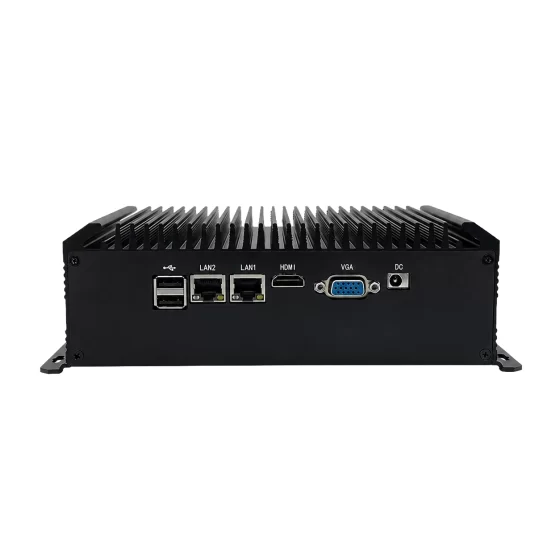
工业电脑
适合于:
- Medical imaging systems
- Laboratory automation
- Diagnostic workstations
优点:
- High processing capability
- 丰富的I/O支持
- 扩展灵活性
无风扇工业电脑
适合于:
- Quiet healthcare environments
- Clinical diagnostic systems
- Continuous operation applications
优点:
- 减少维护
- 提高可靠性
- 静音运行
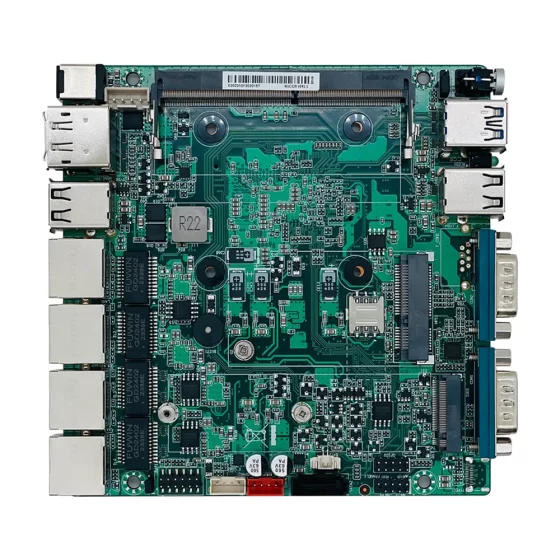
嵌入式计算机
适合于:
- Portable diagnostic devices
- Point-of-care systems
- Medical analyzers
优点:
- 紧凑型设计
- 低功耗
- 轻松集成
嵌入式工控机
适合于:
- Diagnostic controllers
- Medical gateways
- Edge processing nodes
优点:
- 坚固的结构
- 灵活部署
- 工业可靠性
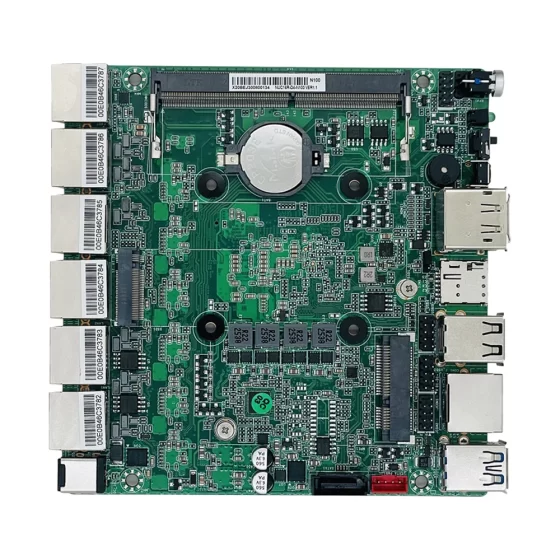
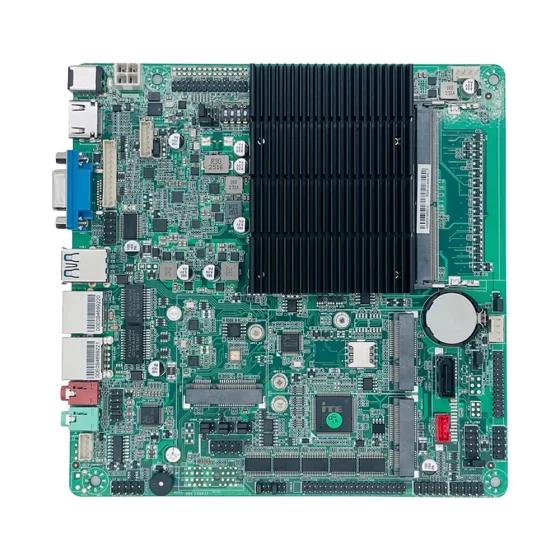
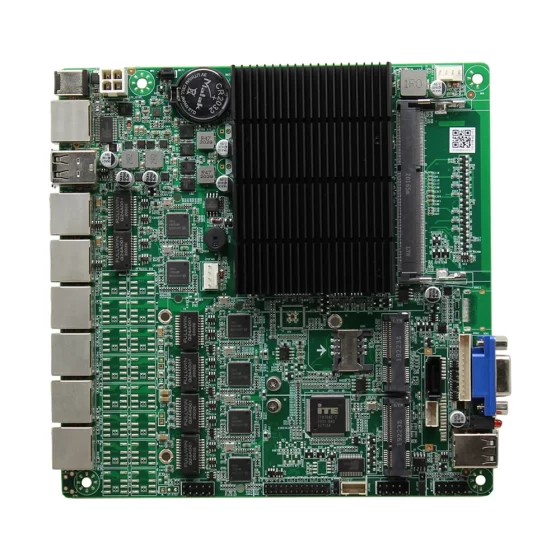
Mini-ITX 主板
适合于:
- Medical OEM equipment
- Diagnostic workstations
- Custom healthcare systems
优点:
- 灵活定制
- Rich expansion capabilities
- 长生命周期支持
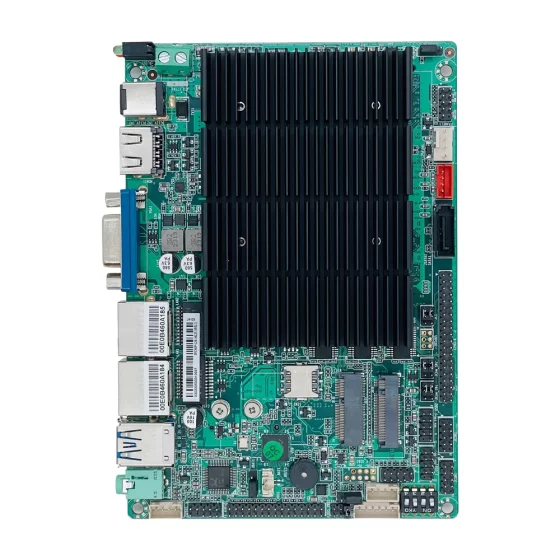
3.5-英寸 SBC
适合于:
- Compact diagnostic instruments
- Portable healthcare devices
- Embedded medical systems
优点:
- Space-efficient design
- Embedded integration
- 运行可靠
EPIC SBC
适合于:
- Advanced imaging systems
- Multi-interface diagnostic platforms
- High-performance medical devices
优点:
- Expanded I/O resources
- 工业可靠性
- Strong computing performance
定制嵌入式板
适合于:
- Specialized diagnostic equipment
- Medical OEM projects
- Proprietary healthcare devices
优点:
- Application-specific design
- Optimized functionality
- Competitive product differentiation
部署场景
Smart Diagnostic Imaging Systems
Industrial computers perform image acquisition, enhancement, and analysis for medical imaging applications.
Digital Pathology Platforms
Embedded computers process high-resolution pathology images and support AI-assisted diagnostic workflows.
Clinical Laboratory Automation
Diagnostic analyzers utilize industrial computers for equipment control, sample processing, 和数据管理.
Point-of-Care Diagnostic Devices
Compact embedded platforms enable portable diagnostic systems used in clinics, emergency departments, and remote healthcare facilities.
Telemedicine Infrastructure
Edge computing platforms support remote diagnostics and secure healthcare data transmission.
Medical Research Equipment
Advanced diagnostic instruments leverage industrial computing platforms for data collection, 加工, and analytics.
商业效益
Organizations deploying industrial computing platforms for diagnostic equipment can achieve measurable improvements.
减少停机时间
Industrial-grade reliability minimizes unexpected failures and improves equipment availability.
提高生产力
Faster processing accelerates diagnostic workflows and improves clinical throughput.
降低维护成本
Fanless designs and industrial components reduce maintenance requirements.
Improved Diagnostic Accuracy
High-performance computing enables advanced analytics and AI-assisted decision support.
增强运营可视性
Connected systems provide real-time monitoring and centralized management.
更好的可扩展性
Flexible architectures support future software upgrades and technology adoption.
为什么选择CoreIPC
CoreIPC specializes in industrial computing and embedded hardware solutions for demanding applications.
CoreIPC提供:
工业计算专业知识
Extensive experience in industrial computing platforms for embedded and mission-critical environments.
Flexible OEM and ODM Services
Support for customized hardware development tailored to application-specific requirements.
嵌入式硬件开发
Custom motherboard and embedded system design capabilities.
长生命周期支持
Stable hardware platforms suitable for long-term deployment strategies.
Industrial-Grade Quality
Designed for reliability, 稳定, 并连续运行.
Global Project Support
Support for medical, 工业自动化, 人工智能, 运输, and embedded computing projects worldwide.
常见问题解答
1. What is a diagnostic equipment computer?
A diagnostic equipment computer is a computing platform integrated into medical diagnostic systems to perform device control, 数据处理, image analysis, 连接性, and user interface functions.
2. Why use an industrial computer in medical diagnostics?
工业计算机提供更高的可靠性, 更长的生命周期支持, greater connectivity, and improved stability compared with consumer-grade systems.
3. Can embedded computers support medical imaging applications?
是的. Embedded computers can process medical images, manage imaging devices, and support AI-assisted diagnostic workflows depending on system requirements.
4. What interfaces are commonly required in diagnostic equipment?
常见接口包括以太网, USB, 串口, display outputs, and expansion interfaces for specialized peripherals.
5. Are fanless systems suitable for healthcare environments?
是的. Fanless designs reduce noise, 提高可靠性, and minimize maintenance requirements.
6. How does edge computing benefit diagnostic systems?
边缘计算减少延迟, 改善隐私, and enables local data processing for faster diagnostic responses.
7. Can industrial computers integrate with hospital information systems?
是的. Industrial computing platforms can support integration with HIS, 电子病历, LIS, PACS, and other healthcare systems.
8. How important is lifecycle support in medical devices?
Medical equipment often remains deployed for many years, making long-term hardware availability extremely important.
9. Can AI run on embedded diagnostic platforms?
是的. Modern embedded computing platforms can support AI inference for imaging analysis and diagnostic assistance.
10. What are the advantages of custom embedded boards?
Custom embedded boards allow manufacturers to optimize size, functionality, 连接性, and performance for specific diagnostic equipment.
11. Are industrial computers suitable for laboratory automation?
是的. Industrial computers are widely used in laboratory analyzers, sample processing systems, 及自动化设备.
12. How can remote management improve diagnostic equipment maintenance?
Remote monitoring allows proactive diagnostics, 软件更新, and maintenance planning, reducing service costs and downtime.
结论
Modern healthcare diagnostics increasingly depend on reliable computing infrastructure capable of supporting advanced imaging, 实时数据处理, AI辅助分析, 和互联的医疗生态系统. Industrial computers and embedded computers provide the stability, 表现, 连接性, and lifecycle support required for next-generation diagnostic equipment. By adopting a scalable diagnostic equipment computing platform, medical device manufacturers and healthcare organizations can improve reliability, accelerate innovation, and build future-ready diagnostic solutions that meet evolving healthcare demands.
联系我们
Looking for the right computing platform for your diagnostic equipment project?
CoreIPC提供工业计算机, 嵌入式计算机, OEM hardware development, ODM services, and custom embedded board solutions tailored to healthcare and diagnostic applications.
Contact our engineering team today for:
- Product Selection Assistance
- Solution Architecture Consultation
- OEM Medical Device Projects
- ODM Hardware Development
- Custom Embedded Computing Platforms