销售查询
|
获取报价


Industrial Computer for Medical Devices | Healthcare Embedded Computing Platform | 核心IPC

Industrial Computer for Medical Devices

Industrial Computer for Medical Devices

执行摘要

Medical devices have become increasingly sophisticated as healthcare providers adopt digital technologies to improve diagnostic accuracy, treatment outcomes, 运作效率, and patient care. From diagnostic imaging systems and patient monitoring equipment to laboratory analyzers and surgical platforms, modern healthcare environments depend on reliable computing infrastructure capable of processing large volumes of medical data while maintaining continuous operation.

一个 Industrial Computer for Medical Devices serves as the embedded computing platform that powers critical healthcare equipment. These systems support medical imaging, patient monitoring, clinical diagnostics, laboratory automation, healthcare networking, AI-assisted analysis, and real-time data processing applications. Unlike standard commercial computers, industrial computers provide the reliability, longevity, 连接性, and environmental resilience required for medical deployments where system stability is essential.

Healthcare organizations increasingly require computing platforms capable of integrating with electronic medical records (EMR), Picture Archiving and Communication Systems (PACS), Hospital Information Systems (HIS), laboratory information systems, and cloud-based healthcare applications. Industrial computers enable seamless integration between medical devices and healthcare infrastructure while supporting strict operational requirements.

Industrial computers and embedded computers are widely used in medical devices because they provide fanless operation, 产品生命周期长, flexible expansion capabilities, 工业级可靠性, and support for continuous operation. These characteristics make them suitable for mission-critical healthcare environments where system downtime can impact clinical workflows and patient care.

As healthcare continues its digital transformation journey, industrial computing platforms are becoming increasingly important technologies supporting advanced medical devices, intelligent diagnostics, healthcare automation, and connected medical ecosystems.


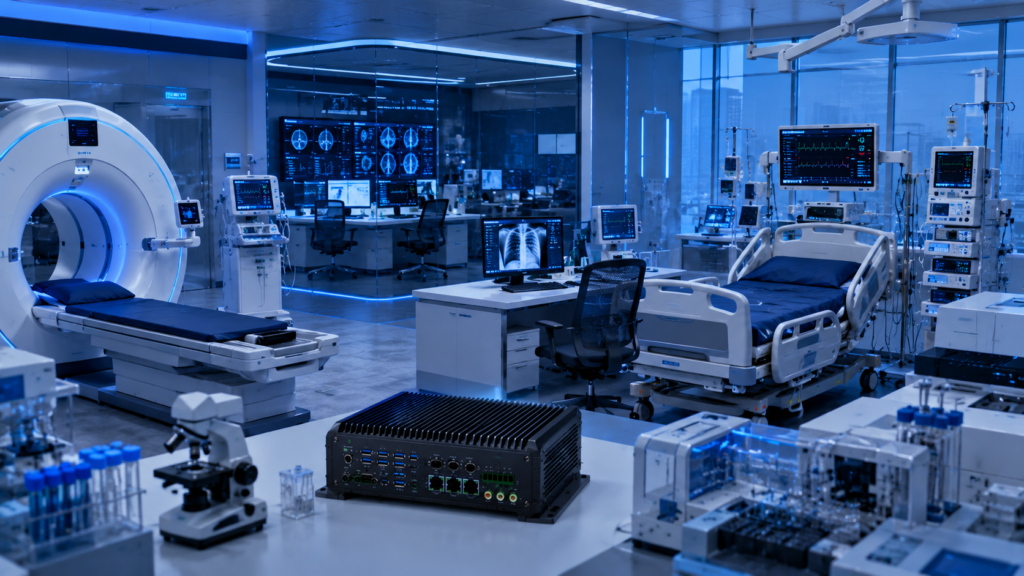
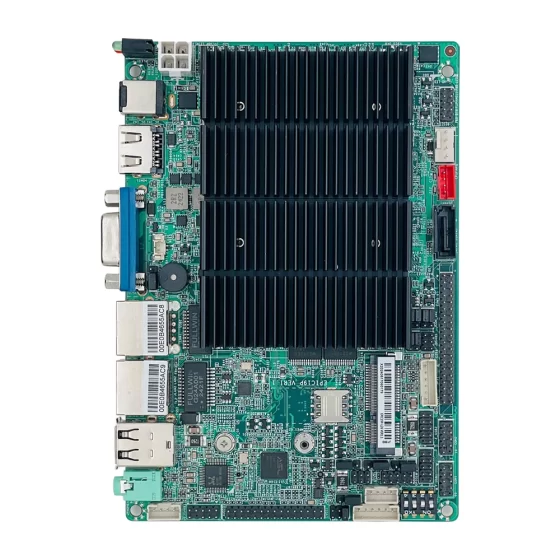
Industrial computer supporting diagnostic imaging systems, patient monitoring devices, and medical laboratory equipment

Industrial computers provide reliable computing platforms for medical imaging, patient monitoring, 和医疗保健自动化.

行业概况

The healthcare industry is experiencing rapid growth in medical device innovation driven by advances in:

  • 医学影像
  • 人工智能
  • Digital healthcare
  • Telemedicine
  • Healthcare automation
  • 边缘计算
  • Medical IoT
  • Clinical analytics
  • Connected healthcare systems
  • Precision medicine

Modern medical environments utilize a wide variety of devices and systems, 包括:

  • Diagnostic imaging equipment
  • Ultrasound systems
  • X-ray systems
  • CT scanners
  • MRI systems
  • Patient monitoring devices
  • Laboratory analyzers
  • Surgical systems
  • Telemedicine platforms
  • Healthcare workstations

These systems generate significant amounts of medical data that require processing, 贮存, analysis, and secure transmission.

Healthcare organizations increasingly rely on intelligent medical devices to support:

  • Faster diagnoses
  • Improved treatment planning
  • Clinical decision support
  • 病人监护
  • Workflow optimization
  • Data-driven healthcare management

As medical technologies become more advanced, computing requirements continue to increase.

Medical devices often require:

  • 实时处理
  • High-performance computing
  • Medical imaging support
  • AI-assisted analytics
  • Secure communications
  • Long-term platform availability

Industrial computers provide a reliable foundation for these applications while meeting the operational demands of modern healthcare environments.


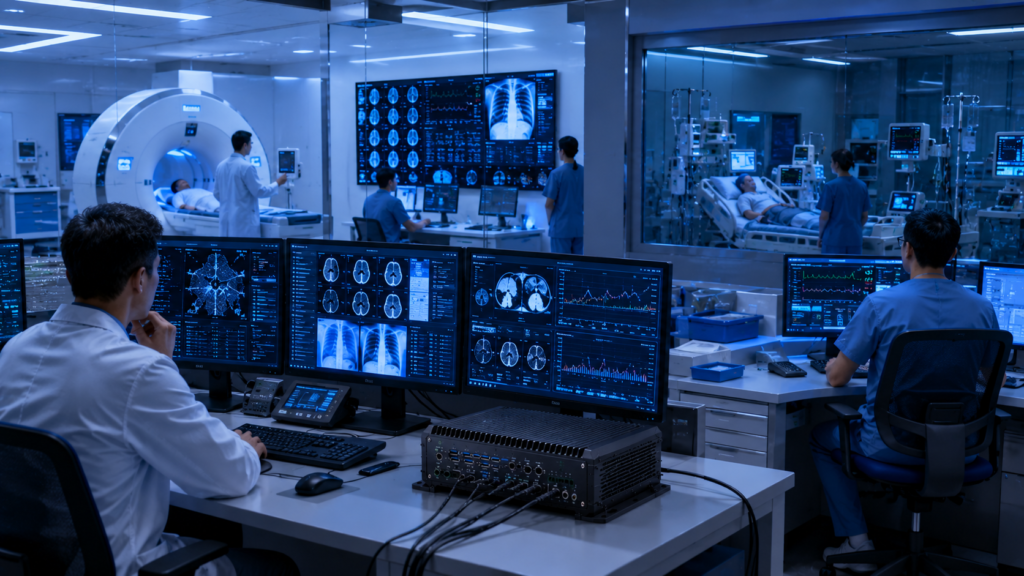
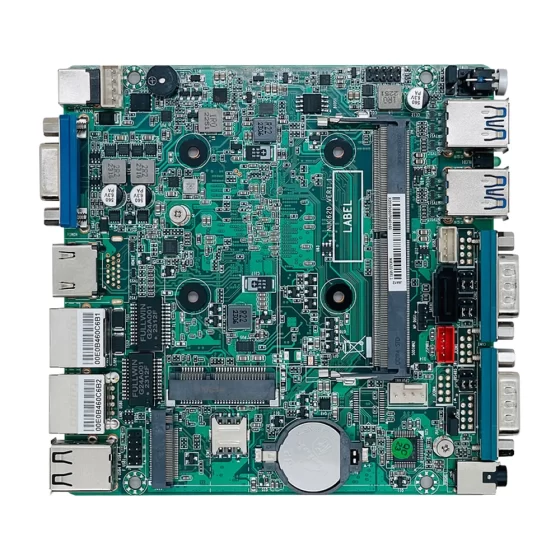
Industrial computer processing medical imaging data, patient monitoring information, and healthcare analytics workloads

Medical devices require reliable computing platforms for data processing, system integration, and continuous healthcare operations.

主要挑战

可靠性要求

Medical devices frequently support mission-critical healthcare operations.

挑战包括:

  • 连续运转
  • System stability
  • 硬件可靠性
  • Long service life
  • Minimal downtime

Computing platforms must deliver dependable performance over extended periods.


Medical Data Processing

Healthcare applications generate large volumes of data.

例子包括:

  • Medical images
  • Diagnostic results
  • Patient records
  • Real-time monitoring data
  • Laboratory information

Efficient processing is essential for clinical workflows.


Regulatory and Compliance Requirements

Healthcare environments operate under strict regulations.

Organizations must ensure:

  • Data security
  • System reliability
  • Patient privacy
  • Operational integrity
  • Compliance readiness

Computing systems must support these requirements.


Healthcare System Integration

Medical devices often interact with multiple healthcare platforms.

例子包括:

  • HIS systems
  • PACS platforms
  • EMR systems
  • Laboratory information systems
  • Clinical databases

Reliable interoperability is essential.


Long Product Lifecycle Requirements

Medical equipment often remains operational for many years.

厂家要求:

  • Long-term hardware availability
  • Stable platform configurations
  • 扩展支持计划

Lifecycle stability is critical for medical device development.
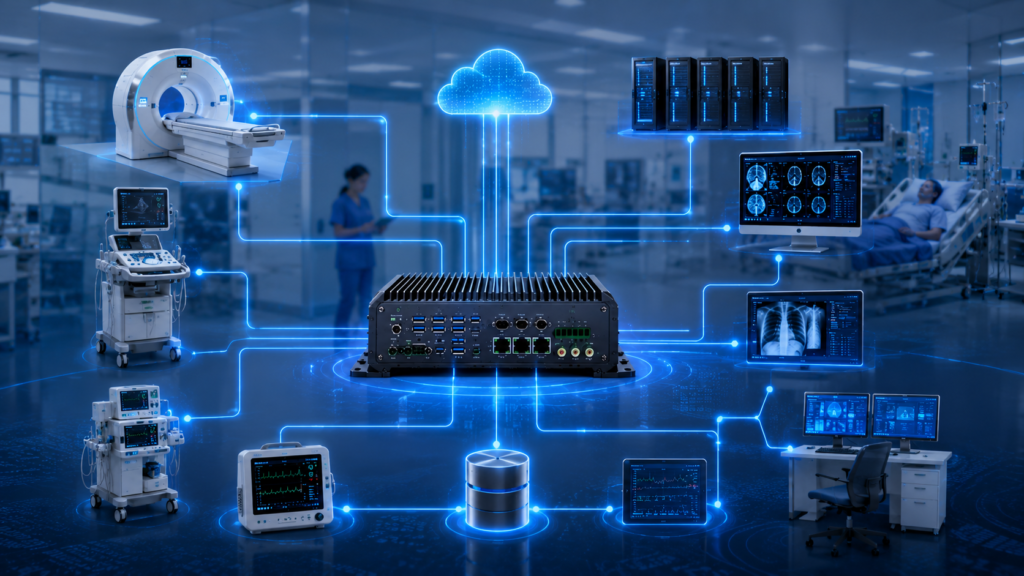

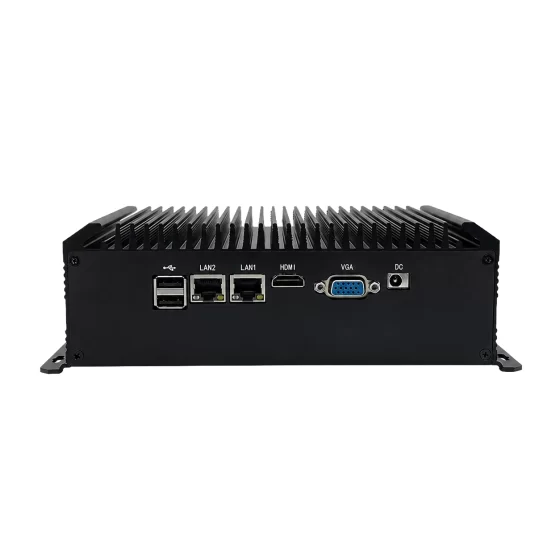
Industrial computer connected to medical devices, imaging systems, patient monitoring platforms, and healthcare networks

Industrial computers connect medical devices, hospital systems, and healthcare platforms for integrated clinical operations.

解决方案架构

A typical medical device computing deployment consists of multiple layers.

层 1: Medical Device Layer

该层包括:

  • Imaging systems
  • Diagnostic equipment
  • Monitoring devices
  • Laboratory instruments
  • Clinical sensors
  • Medical workstations

These devices generate healthcare data.


层 2: 连接层

通信基础设施可能包括:

  • 千兆位以太网
  • Medical networks
  • 无线连接
  • Hospital communication systems
  • Secure healthcare protocols

This layer enables reliable data exchange.


层 3: 工业计算层

The industrial computer serves as the medical computing platform.

功能包括:

  • 数据采集
  • Medical image processing
  • Device control
  • 人工智能推理
  • 数据存储
  • 本地分析
  • System management

This layer provides real-time processing capabilities.


层 4: Clinical Application Layer

应用程序可能包括:

  • Medical imaging software
  • Diagnostic platforms
  • Clinical analytics
  • Monitoring systems
  • Laboratory management applications
  • AI-assisted diagnostic tools

These applications transform data into clinical insights.


层 5: Healthcare Integration Layer

Enterprise integration supports connectivity with:

  • Hospital Information Systems
  • Electronic Medical Records
  • PACS systems
  • Cloud healthcare platforms
  • Clinical reporting systems

This layer enables connected healthcare operations.


主要特点

工业级可靠性

Healthcare systems require dependable operation.

工业计算机提供:

  • 坚固的结构
  • 工业级组件
  • 持续运营支持
  • 长期稳定
  • 延长生命周期的可用性

These characteristics improve system reliability.


无风扇设计

Many medical devices utilize fanless architectures.

好处包括:

  • 减少维护
  • 静音运行
  • 提高可靠性
  • Reduced dust accumulation

Fanless designs are ideal for healthcare environments.


High-Performance Computing

Medical applications often require significant processing resources.

工业计算机支持:

  • Multi-core processors
  • High-speed memory
  • Advanced graphics processing
  • 人工智能加速
  • Fast storage systems

These capabilities support demanding healthcare workloads.


Medical Imaging Support

Imaging applications require reliable computing performance.

工业计算机支持:

  • High-resolution image processing
  • Diagnostic visualization
  • Real-time rendering
  • Image analysis workflows

These capabilities improve diagnostic efficiency.


Rich Connectivity

Medical devices require extensive integration capabilities.

常见的接口包括:

  • 以太网
  • USB
  • Serial communications
  • 数字输入/输出
  • 无线连接

These interfaces support medical equipment integration.


Edge AI Capabilities

Healthcare increasingly utilizes artificial intelligence.

应用包括:

  • Medical image analysis
  • Clinical decision support
  • Predictive diagnostics
  • Automated detection systems

Industrial computers provide local AI processing capabilities.


产品生命周期长

Medical device manufacturers require long-term platform stability.

工业计算机提供:

  • Extended availability
  • 稳定的硬件配置
  • Long-term support programs

These features simplify product lifecycle management.


部署场景

Diagnostic Imaging Systems

工业计算机支持:

  • X-ray systems
  • Ultrasound platforms
  • CT imaging
  • MRI systems

These applications require high-performance image processing.


Patient Monitoring Equipment

Medical computing platforms enable:

  • Vital sign monitoring
  • Remote patient monitoring
  • Clinical alerts
  • 数据采集

These capabilities improve patient care.


Laboratory Automation

工业计算机支持:

  • Sample analysis
  • Laboratory instrumentation
  • Diagnostic workflows
  • Automated testing systems

These applications improve laboratory efficiency.


Medical AI Applications

Healthcare organizations utilize industrial computers for:

  • AI-assisted diagnosis
  • Image recognition
  • Clinical analytics
  • Predictive healthcare

These capabilities enhance clinical decision-making.


Telemedicine Platforms

工业计算机支持:

  • Remote consultations
  • Healthcare communications
  • Medical data sharing
  • Virtual healthcare services

These applications improve healthcare accessibility.


Surgical and Clinical Systems

Medical computing platforms support:

  • Surgical visualization
  • Clinical workflows
  • Device control
  • 实时监控

These systems improve procedural efficiency.


商业效益

Improved Clinical Efficiency

Reliable computing systems streamline healthcare workflows and reduce operational bottlenecks.


Enhanced Diagnostic Accuracy

High-performance computing supports advanced imaging and AI-assisted analysis.


Better Patient Care

Connected medical devices improve patient monitoring and clinical responsiveness.


Reduced System Downtime

Industrial-grade reliability improves equipment availability and operational continuity.


Support for Healthcare Digitalization

Industrial computers provide a foundation for connected healthcare initiatives.


Scalable Technology Platform

Healthcare organizations can expand and modernize systems more efficiently.


Long-Term Investment Protection

Extended product availability simplifies lifecycle management and reduces replacement costs.


为什么选择CoreIPC

CoreIPC provides industrial computing platforms designed for medical devices, healthcare automation, diagnostic systems, medical imaging, patient monitoring, and clinical analytics applications. Our industrial computers and embedded computers combine industrial-grade reliability, 无风扇运行, flexible connectivity, high-performance processing, 和长生命周期可用性. With extensive OEM/ODM customization capabilities and deep embedded computing expertise, CoreIPC helps medical device manufacturers and healthcare organizations deploy reliable computing solutions that support modern healthcare innovation.


常见问题解答

1. What is an Industrial Computer for Medical Devices?

An Industrial Computer for Medical Devices is a reliable embedded computing platform used in healthcare equipment, diagnostic systems, medical imaging devices, and patient monitoring applications.

2. Why are industrial computers used in healthcare equipment?

Industrial computers provide reliability, long lifecycle support, flexible connectivity, and continuous operation capabilities required by medical environments.

3. What medical devices commonly use industrial computers?

Common applications include imaging systems, 诊断设备, patient monitoring devices, laboratory analyzers, surgical systems, and telemedicine platforms.

4. Can industrial computers support medical imaging applications?

是的. Industrial computers support image acquisition, 加工, 可视化, and AI-assisted analysis for various imaging modalities.

5. Why is fanless operation important in healthcare?

无风扇系统减少维护需求, 提高可靠性, minimize noise, and reduce dust accumulation.

6. How do industrial computers support healthcare digitalization?

They enable integration between medical devices, hospital systems, cloud platforms, and healthcare applications.

7. Can industrial computers support AI-powered medical applications?

是的. Many platforms support AI acceleration for image analysis, 诊断, predictive healthcare, and clinical decision support.

8. What connectivity options are commonly available?

Industrial computers typically support Ethernet, USB, serial communications, 数字输入/输出, and wireless networking.

9. Why is lifecycle availability important for medical devices?

Medical equipment often remains in service for many years and requires stable hardware platforms for regulatory consistency and support.

10. What should be considered when selecting a medical device computing platform?

Key considerations include reliability, performance, 连接性, lifecycle availability, 环境规格, integration requirements, and application compatibility.


结论

一个 Industrial Computer for Medical Devices provides the reliable computing foundation required for modern healthcare technologies. By enabling medical imaging, 诊断, patient monitoring, healthcare automation, AI-assisted analysis, and clinical data processing, industrial computers help healthcare organizations improve efficiency, 可靠性, and patient care. As connected healthcare ecosystems continue to evolve, industrial computers and embedded computers will remain essential technologies supporting the future of medical innovation.


联系我们

Looking for a reliable Industrial Computer for Medical Devices applications?

CoreIPC提供工业计算机, 嵌入式计算机, 工业主板, and customized computing solutions designed for medical imaging, 诊断, patient monitoring, laboratory automation, healthcare analytics, and connected medical devices.

Contact our engineering team today to discuss your project requirements and discover the ideal computing platform for your healthcare application.

留言


    安全检查: