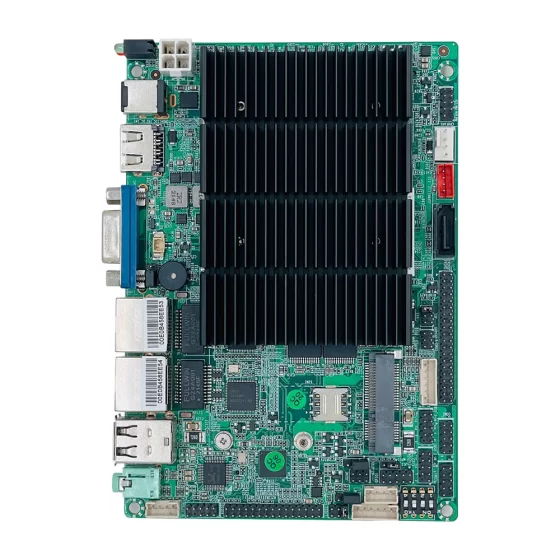
医疗成像工业计算机: 用于医疗设备集成的医学成像计算机
执行摘要
A medical imaging computer provides the industrial computing foundation for diagnostic imaging equipment, 图像采集, medical device control, local data processing, workstation visualization, storage management, and healthcare system integration.
Medical imaging systems require reliable computing hardware. Ultrasound systems, endoscopy platforms, digital radiography equipment, dental imaging devices, pathology imaging systems, ophthalmic imaging equipment, laboratory imaging instruments, and medical inspection machines all depend on stable data capture, accurate image display, responsive operation, and secure data handling.
An industrial computer or embedded computer can be used inside or near medical imaging equipment to support image acquisition modules, 相机接口, 传感器, control boards, display systems, 本地存储, medical workstations, hospital networks, and healthcare data platforms.
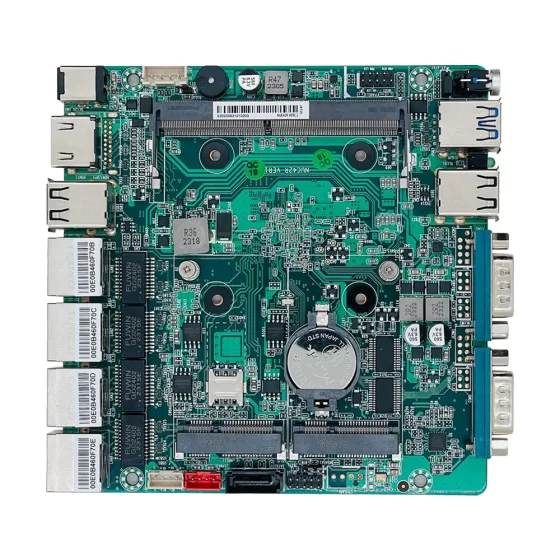
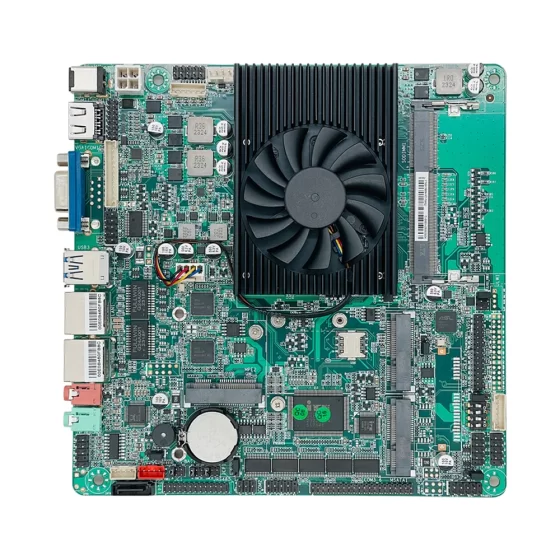
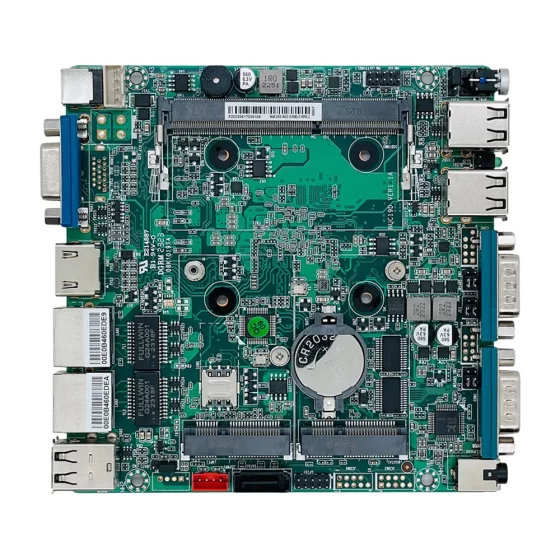
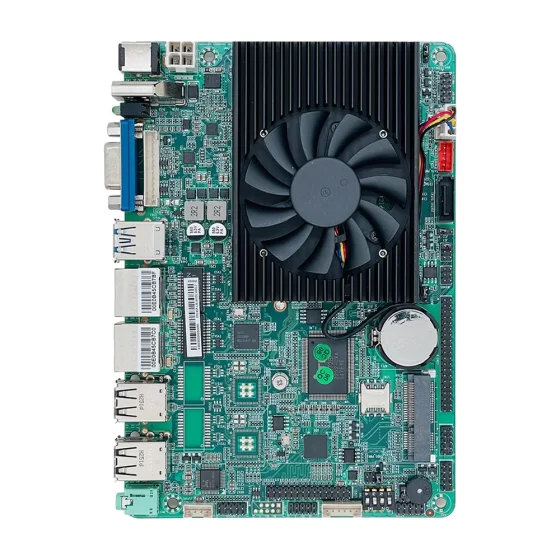
与标准办公电脑相比, industrial computers are better suited for medical imaging equipment integration because they support rugged design, 紧凑的安装, 无风扇运行选项, 稳定的电源输入, 可靠的存储, 长生命周期可用性, 多个I/O接口, and OEM/ODM customization.
This article explains how medical imaging computer platforms support healthcare equipment, what deployment challenges appear in medical imaging environments, 解决方案架构如何运作, and which hardware features matter when selecting an industrial computer or embedded computer for medical imaging applications.

Medical Imaging Data Acquisition
行业概况
Medical Imaging Requires Stable Computing
Medical imaging plays an important role in healthcare diagnosis, 检查, treatment support, and laboratory workflows.
Imaging systems may capture, 过程, 展示, store, and transmit visual information from patients, samples, 仪器, or medical devices.
Common medical imaging applications include:
- Ultrasound imaging
- Endoscopy imaging
- Digital radiography
- Dental imaging
- Ophthalmic imaging
- Pathology slide imaging
- Laboratory imaging
- Medical inspection systems
- Surgical imaging support
- Dermatology imaging
- Rehabilitation imaging systems
- Medical device visualization platforms
Each application requires reliable image acquisition and stable computing performance.
A medical imaging computer provides the local hardware layer that supports these functions.
Imaging Equipment Is Becoming More Connected
Modern medical imaging equipment is no longer isolated hardware.
It may need to connect with hospital networks, medical workstations, image storage systems, patient information systems, 远程服务平台, and cloud-based healthcare applications.
A medical imaging system may need to support:
- 图像采集
- Real-time image display
- Local image processing
- AI-assisted analysis
- Device control
- Patient record association
- 数据存储
- Network communication
- 远程诊断
- 系统健康监控
- Hospital workflow integration
This requires a reliable embedded computing platform.
Industrial Computing Supports Healthcare Equipment Builders
Medical imaging equipment manufacturers need computing platforms that can be integrated into compact enclosures, validated with software, and supplied consistently over long product lifecycles.
Hardware changes can affect drivers, imaging software, regulatory documentation, 热设计, mechanical structure, 和服务流程.
Industrial computers and embedded computers support more stable platform planning than consumer PCs.
They also provide flexible hardware configurations for different imaging equipment designs.

Medical Imaging Integration Challenges
主要挑战
Supporting Image Acquisition and Processing
Medical imaging systems often require stable image capture and processing.
The computer may need to connect cameras, 传感器, acquisition boards, imaging modules, display panels, storage devices, and control systems.
Image data may require real-time handling.
Important considerations include:
- 图像分辨率
- 帧率
- 相机接口
- Sensor interface
- Processing workload
- Storage write speed
- 显示输出
- Network transfer
- Software compatibility
- 散热设计
The platform should be selected according to the actual imaging workload.
Maintaining Reliable Display Performance
Medical imaging systems depend on accurate and stable display output.
Doctors, technicians, laboratory staff, or operators may need to view images clearly and interact with the system quickly.
The computer may need to support high-resolution displays, multiple screens, 触摸屏操作, local workstations, or embedded display panels.
Stable graphics performance and reliable display interfaces are important for operator usability.
Integrating Medical Devices and Instruments
A medical imaging computer may need to connect many device types.
这些可能包括:
- Image sensors
- 工业相机
- Medical cameras
- Acquisition modules
- 照明控制器
- Motion stages
- Touch panels
- Foot pedals
- Control boards
- 条码阅读器
- Printers
- Storage devices
- Network equipment
Different equipment designs may require LAN, USB, RS232, RS485, 通用输入输出接口, 数字输入/输出, PCIe, M.2, HDMI, or DisplayPort.
Flexible I/O helps equipment builders reduce external adapters and simplify integration.
Managing Local Storage and Data Security
Medical imaging data can be large.
图片, 视频, scan records, patient-linked files, device logs, and diagnostic reports may require reliable local storage.
The system should support fast storage access and controlled data handling.
存储规划应考虑:
- Image file size
- Video data volume
- Temporary image cache
- 本地数据库大小
- 系统日志
- 备份工作流程
- Data retention policy
- Recovery procedure
- 访问控制
- Storage health monitoring
Reliable SSD or NVMe storage can improve performance and shock resistance.
Supporting Continuous and Quiet Operation
Many healthcare environments require low-noise and low-maintenance systems.
Fanless industrial computers can reduce noise and remove one mechanical failure point.
This is useful for medical carts, clinical rooms, imaging workstations, portable diagnostic equipment, and enclosed medical devices.
然而, fanless thermal design must be validated carefully when the system handles continuous imaging, high-resolution display, 本地处理, and storage writes.
Supporting Long Product Lifecycles
Medical imaging equipment often has long development and deployment cycles.
Hardware changes may require software revalidation, mechanical redesign, documentation updates, and service training.
Long lifecycle availability is important for equipment manufacturers.
A stable embedded computer platform helps maintain consistent system images, 司机, 接口, and spare parts across multiple product generations.

Medical Imaging Computer Architecture
Medical Imaging Computer Solution Architecture
Imaging Device Layer
The imaging device layer includes the medical imaging equipment and connected components.
该层可能包括:
- Medical cameras
- Image sensors
- Ultrasound modules
- Endoscopy modules
- X-ray imaging modules
- Dental imaging devices
- Optical imaging systems
- Pathology scanners
- Laboratory cameras
- Motion stages
- 照明控制器
- Control boards
These devices generate image data, device signals, and operating status information.
Medical Imaging Computer Layer
The medical imaging computer layer is the local computing platform.
在这一层, 工业计算机或嵌入式计算机可以:
- Acquire image data
- Run imaging software
- Display medical images
- Process local image data
- Control connected devices
- Store image records
- Manage system logs
- Support user interface software
- Connect hospital networks
- 支持远程诊断
This layer provides the computing foundation for imaging equipment.
Device Communication Layer
The communication layer connects the computer with imaging modules and system devices.
它可能包括:
- 局域网
- USB
- RS232
- RS485
- 通用输入输出接口
- 数字输入/输出
- PCIe
- M.2
- HDMI
- 显示端口
- Storage interfaces
- Industrial camera interfaces
The exact communication design depends on the imaging equipment architecture.
Visualization and User Interface Layer
The visualization layer supports image display and operator interaction.
它可能包括:
- Medical displays
- Touchscreen panels
- Local monitors
- Workstation screens
- Operator control interfaces
- Imaging software dashboards
- Patient workflow screens
- Maintenance screens
The computer must support stable visualization and responsive interaction.
Healthcare System Integration Layer
Medical imaging systems may connect with higher-level healthcare platforms.
这些可能包括:
- Hospital information systems
- Image storage systems
- Medical workstations
- 本地数据库
- Remote service platforms
- Healthcare cloud platforms
- Laboratory information systems
- Device management systems
This integration allows image data and device information to support clinical and operational workflows.
安全和管理层
The security and management layer supports controlled access and serviceability.
它可能包括:
- 用户权限
- 网络分段
- 安全的远程访问
- 本地日志记录
- 配置备份
- 存储监控
- 系统健康监控
- 软件更新管理
- Device diagnostics
- 访问控制
Healthcare equipment manufacturers and system integrators should align security and validation requirements with their application and regulatory responsibilities.
主要特点
Reliable Image Acquisition Support
A medical imaging computer should support stable image acquisition from connected imaging devices.
硬件选型应考虑:
- 相机接口
- Sensor interface
- USB bandwidth
- LAN bandwidth
- PCIe扩展
- 图像分辨率
- 帧率
- Buffering needs
- 存储速度
- Software runtime environment
The platform should be tested with real imaging modules and real image workloads.
High-Resolution Display Support
Medical imaging applications often require clear and stable visualization.
Useful display features may include:
- HDMI output
- DisplayPort output
- 多显示器支持
- Touchscreen support
- High-resolution image display
- Stable graphics performance
- Embedded panel support
- Workstation monitor support
The final display configuration should match the medical imaging software and operator workflow.
紧凑型嵌入式设计
Many medical imaging systems have limited internal space.
A compact embedded computer can be integrated into device enclosures, portable equipment, medical carts, imaging stations, and OEM systems.
Compact hardware helps reduce system footprint and simplifies mechanical design.
For equipment manufacturers, compact embedded IPC platforms can support more flexible product designs.
Fanless and Low-Maintenance Operation
Fanless design is valuable for many healthcare applications.
It reduces noise and removes one common mechanical failure point.
这对于:
- Clinical imaging rooms
- Diagnostic carts
- Medical workstations
- Laboratory imaging systems
- Patient-side devices
- Portable imaging equipment
- Enclosed equipment designs
Thermal performance should be validated under real imaging workloads and ambient conditions.
灵活的工业I/O
Medical imaging systems may require many interfaces.
有用的选项可能包括:
- 局域网
- USB
- RS232
- RS485
- 通用输入输出接口
- 数字输入
- 数字输出
- HDMI
- 显示端口
- M.2
- PCIe
- SATA 或 NVMe 存储
这些接口支持摄像头, 传感器, control boards, 显示, 条形码阅读器, 打印机, service devices, and network connections.
本地存储和数据缓冲
Imaging systems may need reliable local storage for images, 视频, 日志, temporary files, software data, and diagnostic records.
SSD 或 NVMe 存储通常是首选,因为它比机械驱动器提供快速访问和更好的抗震性.
Storage design should consider:
- Image volume
- Video file size
- Temporary cache
- Write speed
- Retention needs
- 备份工作流程
- 恢复过程
- Data security requirements
Reliable storage improves system stability and serviceability.
Edge AI and Image Processing Capability
Some medical imaging systems use advanced image processing or AI-assisted functions.
The computer may support local processing for image enhancement, feature detection, workflow automation, or decision-support preprocessing.
硬件选型应考虑:
- CPU性能
- 内存容量
- Optional GPU or AI accelerator
- Model size
- 图像分辨率
- Inference frequency
- 软件框架
- 散热设计
Application-specific validation is required before deployment.
Network and Remote Service Support
Medical imaging systems may need remote maintenance and software support.
The computer may support secure remote diagnostics, 日志审核, system health monitoring, 配置备份, and controlled software updates.
Network design should consider hospital IT requirements, 访问控制, data handling, and system segmentation.
长生命周期可用性
Medical imaging equipment often requires stable hardware over many years.
Long lifecycle availability helps maintain:
- Software images
- 司机
- Imaging SDKs
- Mechanical design
- Regulatory documentation
- Spare parts
- Service procedures
- Validation workflow
This is important for OEM equipment builders and healthcare system integrators.

Medical Imaging Equipment Operations
部署场景
Ultrasound Imaging Equipment
Ultrasound systems require stable signal processing, image display, 贮存, and user interface operation.
A medical imaging computer can support local imaging software, 显示输出, storage management, and network connectivity.
This helps equipment builders create reliable diagnostic platforms.
Endoscopy Imaging Systems
Endoscopy systems require image capture, video display, 照明控制, 贮存, and operator interaction.
An embedded computer can support real-time video handling, 显示输出, device communication, and system logging.
This supports compact and reliable endoscopy equipment design.
Digital Radiography Workstations
Digital radiography systems require image acquisition, 本地处理, 展示, 贮存, and hospital network connection.
An industrial computer can support imaging software, storage access, network transfer, and workstation operation.
This improves workflow integration.
Dental Imaging Systems
Dental imaging equipment may require compact hardware, stable display, image storage, and clinic workflow integration.
An embedded computer can support imaging devices, local software, display panels, and network connectivity.
This supports chairside or workstation-based imaging systems.
Pathology and Laboratory Imaging
Pathology and laboratory imaging systems may use cameras, microscopes, slide scanners, 照明模块, 和本地数据库.
A medical imaging computer can collect images, 过程数据, 存储记录, and connect with laboratory platforms.
This supports digital laboratory workflows.
Ophthalmic Imaging Equipment
Ophthalmic imaging systems may require camera integration, precise device control, image display, and patient record management.
An embedded computer can support local imaging software, 设备接口, 和网络通讯.
This supports compact diagnostic equipment.
Medical Imaging Cart or Mobile Workstation
Mobile medical workstations require compact computing, low-noise operation, 可靠的存储, display support, and network connectivity.
A fanless embedded computer can support mobile imaging workflows and local data handling.
This helps reduce maintenance and noise in clinical spaces.
OEM Medical Imaging Platform
Medical device manufacturers can integrate industrial computers or embedded boards into custom imaging systems.
The platform can support image acquisition, 本地处理, 展示, 贮存, 远程诊断, 和客户特定的 I/O.
This helps create repeatable medical imaging equipment platforms.
商业效益
Improved Imaging System Reliability
A medical imaging computer provides stable computing for image acquisition, 展示, 贮存, 和设备通信.
Industrial-grade hardware helps reduce system instability and supports continuous operation in healthcare equipment.
This improves equipment reliability.
Better Integration for OEM Equipment
Industrial computers and embedded computers provide flexible interfaces for cameras, 传感器, control boards, 显示, 贮存, and network systems.
This helps medical equipment builders integrate hardware more efficiently.
A consistent platform can simplify product development.
Reduced Maintenance Risk
Fanless operation options, 可靠的存储, rugged construction, 安全安装, and stable power input help reduce maintenance risk.
This is valuable for clinical equipment, diagnostic workstations, and medical devices deployed across multiple sites.
Faster Image Workflow
Local processing and storage allow imaging systems to handle image data close to the device.
This supports responsive display, local review, temporary buffering, and structured transfer to healthcare systems.
Better workflow helps operators work more efficiently.
Easier Remote Service
Remote diagnostics can help equipment manufacturers and service teams review logs, system status, storage health, 配置, and software versions.
This can reduce on-site service time and improve support efficiency.
Access control and secure service workflows should be carefully designed.
Scalable Medical Device Development
A standardized medical imaging computer platform can support multiple equipment models or product generations.
一致的硬件简化了软件映像, 驱动程序验证, mechanical design, 备件计划, 和生命周期管理.
This supports scalable OEM medical imaging development.
为什么选择CoreIPC
CoreIPC provides industrial computing platforms for medical imaging, healthcare equipment, 机器视觉, 边缘人工智能, 工业自动化, 和嵌入式系统集成. For medical imaging computer applications, CoreIPC专注于可靠的工业计算机硬件, 嵌入式计算机解决方案, 紧凑的系统设计, 无风扇部署选项, 灵活的输入/输出, 多 LAN 配置, 本地存储能力, 和OEM/ODM定制支持. CoreIPC helps medical equipment manufacturers, 系统集成商, and healthcare solution providers select computing platforms that match real deployment requirements, including imaging workload, 设备接口, display support, 存储设计, 安装方法, 电源输入, 热条件, 和生命周期规划.
常见问题解答
1. What is a medical imaging computer?
A medical imaging computer is an industrial or embedded computing platform used inside or near medical imaging equipment.
It may support image acquisition, image display, 本地处理, device communication, 贮存, system logging, user interface software, and healthcare network integration.
2. Why use an industrial computer for medical imaging equipment?
An industrial computer provides reliable hardware for long-term equipment deployment.
It can support compact installation, rugged design, 无风扇运行选项, 稳定的电源输入, 可靠的存储, 灵活的输入/输出, 和长生命周期可用性.
These features are useful for OEM medical imaging systems and healthcare workstations.
3. How is an embedded computer used in medical imaging?
An embedded computer can be installed inside imaging equipment, diagnostic carts, control modules, or workstation systems.
It can connect cameras, 传感器, acquisition boards, 显示, storage devices, and network systems while running imaging software and device control applications.
4. What medical imaging applications can use embedded computers?
Applications include ultrasound imaging, endoscopy systems, digital radiography workstations, dental imaging, ophthalmic imaging, pathology imaging, laboratory imaging, medical inspection systems, and mobile imaging carts.
The final platform depends on imaging workload and system design.
5. What hardware features matter for medical imaging computers?
Important features include reliable CPU performance, 足够的内存, USB, 局域网, PCIe, M.2, HDMI, 显示端口, SSD 或 NVMe 存储, 无风扇设计选项, compact form factor, 坚固的外壳, 工业电源输入, 和长生命周期可用性.
The final configuration should match the imaging equipment requirements.
6. Can medical imaging computers support AI-assisted image processing?
是的. Some medical imaging computers can support edge AI or advanced image processing when the correct CPU, 图形处理器, 记忆, accelerator, 贮存, and software environment are selected.
Application-specific validation is required before deployment.
7. Why is fanless design useful in healthcare equipment?
Fanless design reduces noise and removes one mechanical failure point.
This is useful for clinical rooms, diagnostic carts, medical workstations, laboratory imaging systems, and enclosed equipment where low maintenance and quiet operation are important.
8. Why is local storage important for medical imaging?
Local storage supports image files, video records, temporary cache, system logs, software data, diagnostic files, and buffering during network interruptions.
SSD or NVMe storage provides fast access and better shock resistance than mechanical drives.
Storage design should consider application workload and data handling requirements.
9. Can medical imaging computers connect with hospital systems?
是的. Medical imaging computers may connect with hospital networks, medical workstations, image storage systems, 本地数据库, healthcare platforms, and remote service systems.
Integration requirements depend on the equipment manufacturer, hospital workflow, and software environment.
10. 部署前应该测试什么?
部署前, the platform should be tested with actual imaging software, 相机, 传感器, acquisition modules, display systems, 存储工作负载, 网络拓扑, remote service workflow, 和长时间运行的操作.
热稳定性, 通讯恢复, 存储行为, display performance, and application-specific validation should also be completed.
结论
A medical imaging computer is a practical foundation for healthcare equipment integration, 图像采集, 本地处理, 显示输出, device communication, storage management, 远程诊断, and healthcare system connectivity.
By placing an industrial computer or embedded computer inside or near medical imaging equipment, manufacturers and system integrators can connect cameras, 传感器, acquisition modules, control boards, 显示, storage devices, medical workstations, hospital networks, and healthcare software platforms through reliable communication paths.
The right medical imaging computer should be selected according to real deployment requirements, including image resolution, frame rate, 设备接口, display support, 处理工作量, 存储设计, network communication, 安装方法, 电源输入, 热条件, 操作系统支持, 和生命周期规划.
CoreIPC supports industrial computer and embedded computer projects for medical imaging with platforms designed for practical healthcare equipment, workstation, diagnostic device, laboratory, 和 OEM 部署. 拥有正确的硬件基础, medical equipment manufacturers can build reliable, 可扩展, and serviceable imaging systems.
联系我们
寻找工业计算机, 嵌入式计算机, or compact IPC platform for medical imaging equipment?
联系 CoreIPC 讨论您的项目需求, including imaging workload, 相机接口, display support, 存储设计, device communication, LAN口配置, 安装方法, 电源输入, 运行环境, 生命周期需求, 和 OEM/ODM 定制选项.
CoreIPC工业计算解决方案