CoreIPC工业计算解决方案

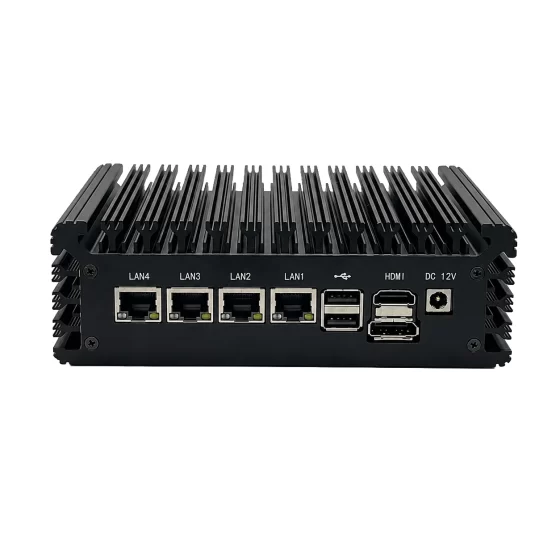
PLC控制柜用无风扇工控机
执行摘要
一个 fanless industrial computer for PLC control cabinets has become a critical component in modern industrial automation systems. 随着制造设施继续采用工业 4.0 技术, 工业物联网 (工业物联网) 平台, 边缘计算, 以及智能生产监控, 基于 PLC 的传统控制系统越来越需要超出确定性机器控制的额外计算资源.
虽然 PLC 仍然是工业自动化的基础, 现代工厂需要先进的功能,例如实时数据可视化, 工业网络, 协议转换, 机器视觉集成, 预测性维护, 制造执行系统连接, 和云通讯. 安装在 PLC 控制柜内的无风扇工业计算机提供支持这些功能所需的计算能力,同时保持工业级可靠性.
与商用计算机不同, 无风扇工业计算机专为承受恶劣的工业环境而设计, 包括高温, 振动, 灰尘, 湿度, 和连续的 24/7 手术. 其紧凑的外形, 灵活的I/O接口, and maintenance-free design make them ideal for installation inside control cabinets where space, 可靠性, and thermal performance are critical considerations.
This article explores the role of fanless industrial computers in PLC control cabinet applications, discusses key deployment challenges, examines system architecture, and highlights the business benefits of implementing industrial-grade embedded computing platforms in modern automation systems.
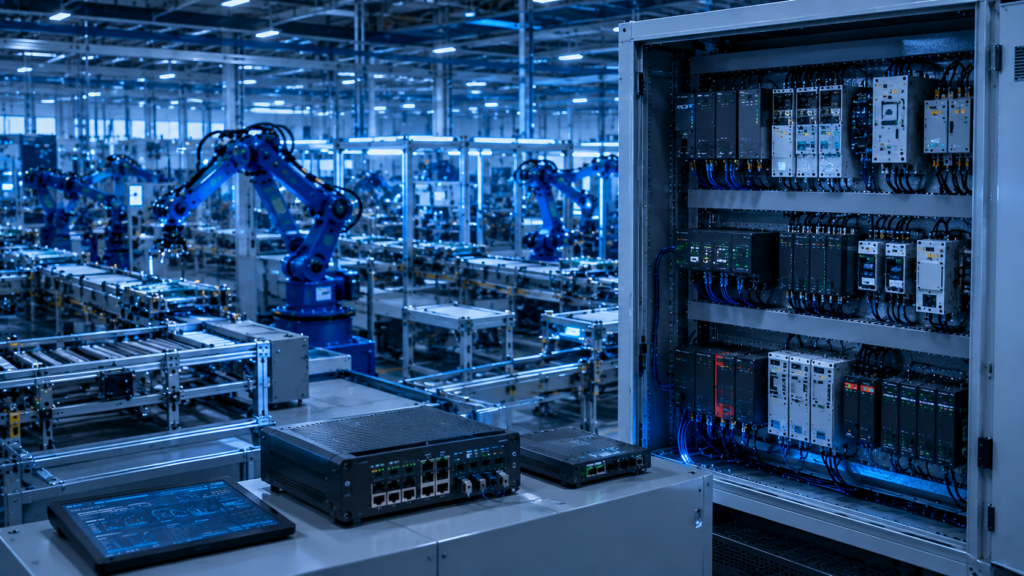
Modern smart factories combine PLC control cabinets, 工业计算机, 机器人技术, and automated production systems to achieve efficient and intelligent manufacturing.
行业概况
Industrial automation has evolved significantly over the past decade. Traditional PLC control systems were originally designed primarily for machine control, process automation, safety management, and I/O handling. 今天, manufacturers face increasing pressure to improve productivity, 减少停机时间, optimize energy consumption, and gain deeper insights into production operations.
The rise of Industry 4.0 has accelerated demand for:
- 工业物联网连接
- 边缘计算
- 预测性维护
- 机器视觉检测
- 制造执行系统 (制造执行系统)
- 云端整合
- Real-time production analytics
- 远程监控
- 工业网络安全
Modern factories generate vast amounts of operational data from:
- PLC
- 传感器
- 驱动器
- 机器人
- 视觉系统
- 人机界面
- SCADA平台
To leverage this data effectively, manufacturers require computing platforms capable of collecting, 加工, 分析, and transmitting information across multiple systems.
A fanless industrial computer installed inside a PLC control cabinet serves as an intelligent edge computing node that bridges operational technology (奥特) 和信息技术 (它). 这些系统支持数据采集, 工业通讯, 可视化, 分析, and enterprise integration while maintaining reliable operation in challenging industrial environments.
因此, fanless industrial computers have become an essential component of modern control cabinet architectures across industries such as manufacturing, 后勤, 包装, 食品加工, 能源管理, 水处理, 运输, 和智能基础设施.
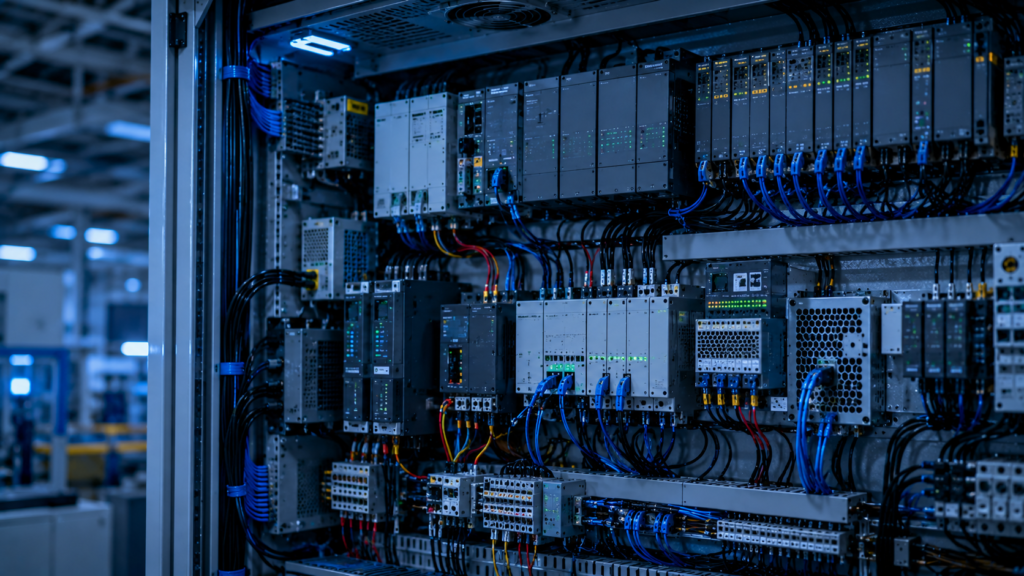
Modern PLC control cabinets must accommodate controllers, networking devices, 电力系统, and extensive wiring within limited installation space.
主要挑战
Limited Space Inside Control Cabinets
PLC control cabinets often have limited installation space.
Typical cabinet components include:
- PLC控制器
- Power supplies
- Circuit breakers
- 继电器
- 工业交换机
- 驱动器
- Safety controllers
- Terminal blocks
Any computing platform deployed inside the cabinet must provide high performance while maintaining a compact footprint.
Thermal Management Constraints
Control cabinets frequently operate in environments with elevated temperatures.
Additional challenges include:
- 气流有限
- High equipment density
- Heat generated by drives and power supplies
- Enclosed cabinet structures
Traditional computers with active cooling fans may suffer reduced reliability under these conditions.
Dust and Contamination
Industrial environments expose equipment to:
- 灰尘
- Metal particles
- 油雾
- 水分
- Chemical contaminants
Fan-based systems can draw contaminants into the enclosure, increasing maintenance requirements and reducing operational reliability.
Increasing Data Processing Requirements
Modern automation systems generate large volumes of operational data.
Manufacturers require computing platforms capable of supporting:
- SCADA applications
- 数据库管理
- 协议转换
- 生产分析
- 边缘计算
- 工业物联网网关
PLCs alone may not provide sufficient processing resources for these workloads.
Long-Term Reliability Expectations
Industrial control systems often operate continuously for years.
Manufacturers expect:
- 24/7 手术
- Minimal maintenance
- 系统可用性高
- Long product lifecycle support
Commercial computing hardware is generally not designed for these requirements.
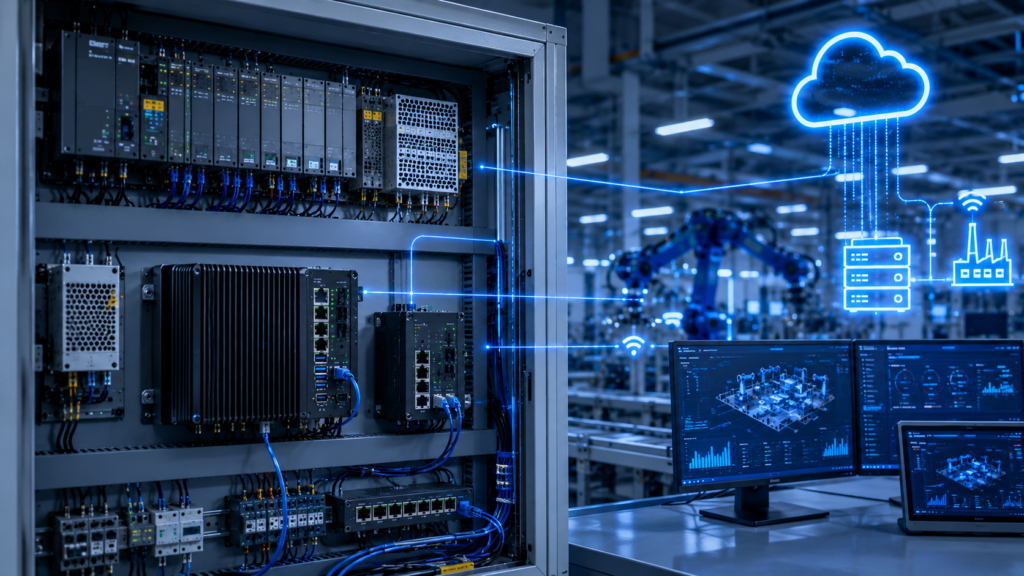
A fanless industrial computer extends PLC control cabinet capabilities by enabling SCADA integration, 边缘计算, 工业网络, 和云连接.
解决方案架构
A modern PLC control cabinet architecture combines deterministic control with advanced industrial computing capabilities.
层 1: 现场设备
场层包括:
- 传感器
- 编码器
- 执行器
- 变频驱动器
- 安全装置
- 伺服系统
- Vision sensors
These devices generate operational data and execute control actions.
层 2: PLC控制层
The PLC layer performs:
- 机器控制
- 运动控制
- 过程自动化
- Alarm handling
- Safety functions
- Equipment sequencing
The PLC remains the primary deterministic control platform.
层 3: Fanless Industrial Computer Layer
The fanless industrial computer functions as an intelligent edge computing platform.
Typical responsibilities include:
- 数据收集
- 协议转换
- 工业网络
- HMI hosting
- SCADA集成
- 数据库管理
- Analytics processing
- 边缘计算
- Machine vision support
通信协议可包括:
- Modbus TCP
- 以太网/IP
- 工业以太网
- OPC统一协议
- MQTT
- BAC网
- REST API
层 4: 制造运营层
该层包括:
- 监控与数据采集系统
- 制造执行系统平台
- 质量管理软件
- 维护系统
- Production reporting tools
The industrial computer aggregates and processes data from the PLC layer.
层 5: 企业和云层
企业集成使:
- ERP 连接
- 云分析
- 预测性维护
- 多站点监控
- Centralized reporting
The industrial computer acts as a secure gateway connecting plant-floor systems to enterprise applications.
主要特点
无风扇散热设计
The most important feature of a fanless industrial computer is its passive cooling architecture.
好处包括:
- No moving parts
- 减少维护
- 提高可靠性
- 静音运行
- Better resistance to dust contamination
This makes fanless systems ideal for control cabinet installations.
紧凑的外形
Control cabinet space is often limited.
Fanless industrial computers are available in compact designs that support:
- DIN-rail mounting
- 壁挂式安装
- VESA mounting
- Cabinet integration
Compact systems maximize available cabinet space while maintaining functionality.
宽温操作
Industrial environments may experience significant temperature variations.
Industrial-grade fanless computers typically support:
- 宽工作温度
- 热稳定性
- Continuous operation under demanding conditions
This ensures reliable performance in challenging deployment environments.
丰富的工业连接
Industrial applications require extensive connectivity options.
典型的接口包括:
- Multiple Ethernet ports
- USB端口
- RS232
- RS422
- RS485
- 数字输入/输出
- CAN总线
- Wi-Fi and cellular options
These interfaces simplify integration with PLCs and industrial equipment.
边缘计算能力
Edge computing allows data processing close to the production source.
好处包括:
- 减少延迟
- 更快的响应时间
- Lower network traffic
- 增强的可靠性
This supports real-time industrial decision-making.
Industrial IoT Support
Modern fanless industrial computers support Industrial IoT deployments through:
- MQTT communication
- 云连接
- 数据聚合
- 远程管理
These capabilities help organizations implement digital transformation initiatives.
长生命周期可用性
工业自动化项目通常可以运行多年.
Industrial computers typically offer:
- 长期供货
- 稳定的硬件平台
- 一致的软件支持
- Extended product lifecycles
This minimizes redesign and maintenance costs.
部署场景
Machine Automation
Fanless industrial computers are commonly deployed inside machine control cabinets.
应用包括:
- 数据记录
- 菜谱管理
- Operator interfaces
- 生产监控
智能制造
Manufacturers use industrial computers to collect and analyze production data from PLC systems.
应用包括:
- 整体设备效率监控
- 生产分析
- Quality tracking
- Equipment utilization analysis
SCADA Systems
Fanless industrial computers can host SCADA applications directly within control cabinets.
好处包括:
- 本地可视化
- 实时监控
- 报警管理
- 历史数据存储
工业物联网网关
Control cabinet computers often serve as Industrial IoT gateways.
功能包括:
- 数据采集
- 云连接
- 协议转换
- 远程监控
机器视觉检测
Industrial computers support machine vision workloads such as:
- 缺陷检测
- Barcode reading
- OCR检查
- Quality verification
Inspection results can be communicated directly to PLC systems.
能源管理系统
Industrial computers help organizations monitor and optimize energy consumption through:
- Utility monitoring
- Power quality analysis
- 能源报告
- 可持续发展举措
商业效益
提高系统可靠性
Fanless designs eliminate cooling fans, which are among the most common failure points in conventional computers.
This improves overall system reliability and uptime.
Reduced Maintenance Costs
Without fans or air filters, maintenance requirements are significantly reduced.
Organizations benefit from lower operational costs and fewer service interruptions.
提高运营可见性
Industrial computers provide real-time access to production and equipment data.
This supports informed decision-making and process optimization.
增强的可扩展性
Additional software applications and communication protocols can be deployed without major hardware changes.
This enables future expansion and modernization.
降低总拥有成本
Industrial-grade hardware, 长生命周期支持, and reduced maintenance requirements contribute to lower overall ownership costs.
对行业的支持 4.0 举措
Fanless industrial computers provide the foundation for:
- 工业物联网
- 边缘计算
- 预测性维护
- 人工智能分析
- 数字化转型
These technologies help manufacturers remain competitive in evolving industrial markets.
为什么选择CoreIPC
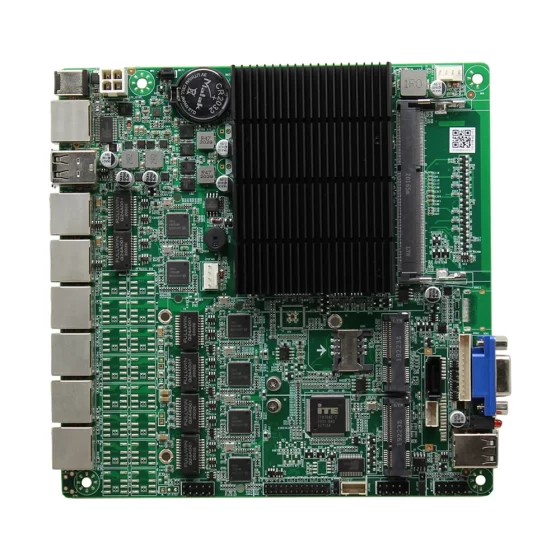
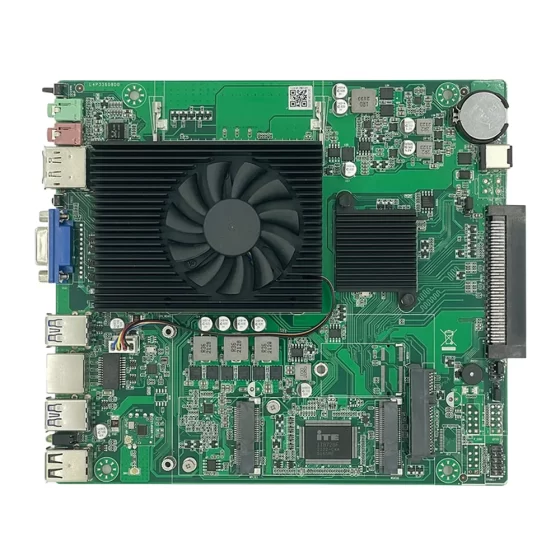
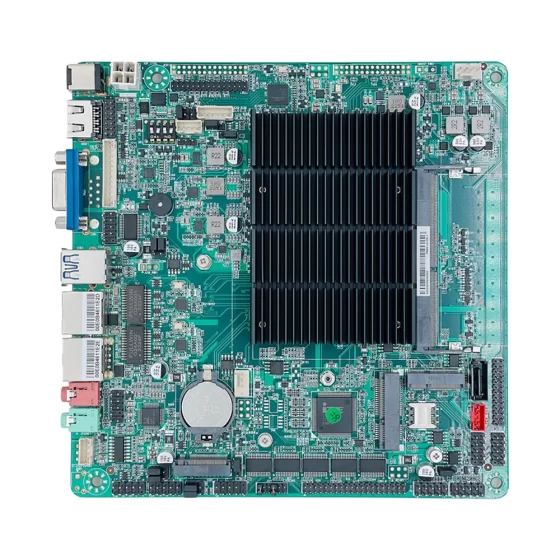
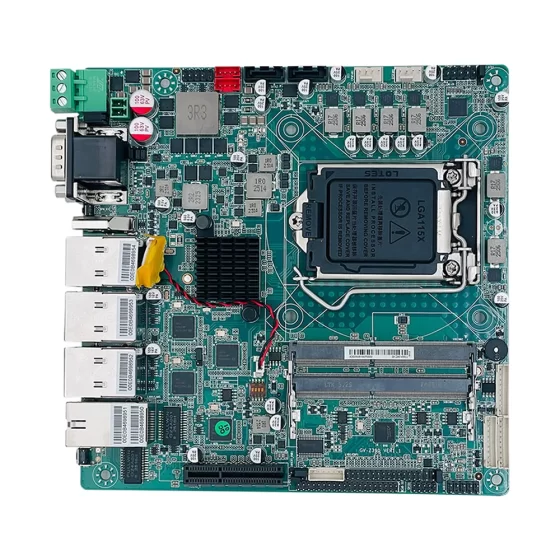
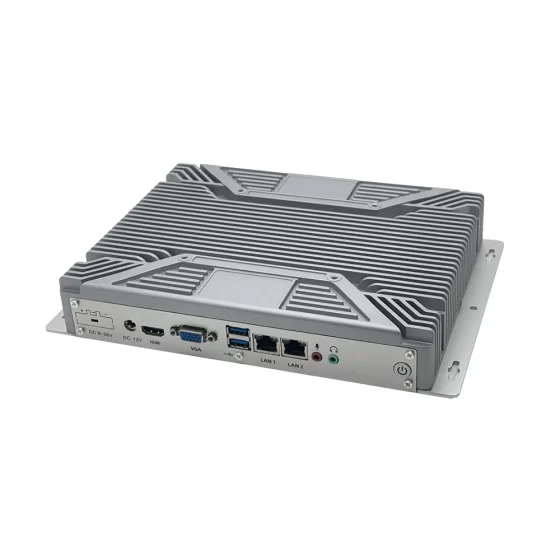
CoreIPC provides industrial computing platforms specifically designed for PLC control cabinet deployments. Our fanless industrial computers, 嵌入式计算机, 和工业主板提供可靠的性能, 灵活的 I/O 配置, 产品生命周期长, 和工业级的耐用性. Whether supporting machine automation, 工业物联网, 监控与数据采集系统, 边缘计算, or intelligent manufacturing applications, CoreIPC solutions help system integrators and equipment manufacturers build reliable, 可扩展, and future-ready automation systems.
常见问题解答
What is a fanless PLC computer?
A fanless PLC computer is an industrial computer designed to operate inside PLC control cabinets without using cooling fans. It relies on passive heat dissipation and is optimized for industrial environments requiring high reliability and minimal maintenance.
Why are fanless computers preferred in control cabinets?
Fanless systems eliminate moving parts and prevent dust from entering the enclosure. This improves reliability, reduces maintenance, and supports continuous operation in harsh industrial environments.
Can a fanless industrial computer replace a PLC?
一般来说, no. PLC 仍然是确定性机器控制的首选平台. Fanless industrial computers are typically used alongside PLCs to provide data processing, 可视化, 联网, 和边缘计算能力.
What operating temperatures can fanless industrial computers support?
Industrial-grade fanless computers commonly support wide operating temperature ranges and are designed for reliable operation in demanding industrial environments.
Which communication protocols are supported?
Most industrial computers support protocols such as Modbus TCP, 以太网/IP, 工业以太网, OPC统一协议, MQTT, 和其他工业通信标准.
Can fanless industrial computers run SCADA software?
是的. Many fanless industrial computers are deployed as SCADA servers, 人机界面平台, or local visualization systems within industrial control cabinets.
Are fanless industrial computers suitable for Industrial IoT applications?
是的. They are widely used as Industrial IoT gateways, supporting cloud connectivity, data aggregation, 协议转换, and remote monitoring applications.
Can these systems support machine vision?
是的. High-performance fanless industrial computers can support image acquisition, 人工智能推理, 条码读取, OCR检查, and defect detection applications.
How long do industrial computers typically remain available?
Industrial computing platforms often provide significantly longer product lifecycles than consumer PCs, helping reduce redesign costs and simplify long-term maintenance.
What should be considered when selecting a control cabinet computer?
Key factors include processing performance, 工作温度, 安装选项, 通讯接口, 环境规格, 生命周期可用性, 及申请要求.
结论
一个 fanless industrial computer for PLC control cabinets provides the computing foundation necessary for modern industrial automation systems. While PLCs continue to perform deterministic control functions, industrial computers enable advanced capabilities such as edge computing, 工业物联网连接, SCADA集成, 机器视觉处理, and real-time analytics.
By combining reliable PLC control with industrial-grade embedded computing platforms, 制造商可以提高运营可视性, reduce maintenance requirements, support Industry 4.0 倡议, and build scalable automation systems that are ready for future technological advancements.
联系我们
Looking for a fanless industrial computer for your PLC control cabinet project?
CoreIPC提供工业计算机, 嵌入式计算机, 工业主板, and customized embedded computing solutions designed for industrial automation, 工业物联网, 机器视觉, 监控与数据采集系统, and intelligent manufacturing environments.
Contact our engineering team to discuss your application requirements and identify the ideal industrial computing platform for your deployment.