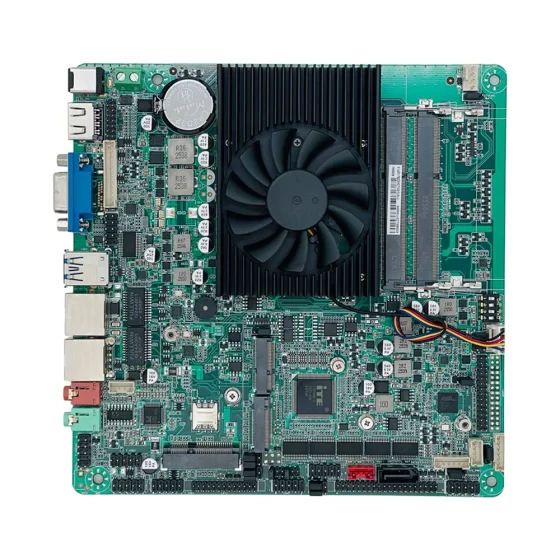
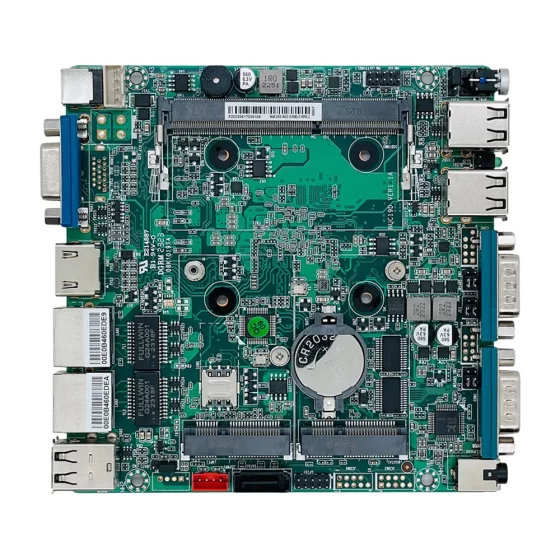
适用于 HMI 应用的无风扇工业 PC: 用于操作员界面的 HMI 工业 PC
执行摘要
An hmi industrial pc provides the industrial computing foundation for operator interface systems, 机器可视化, 生产监控, 报警管理, 配方控制, data display, maintenance access, 与工厂系统通讯.
Human-machine interface applications are essential in modern automation. Operators need clear, 可靠的, and responsive access to machine status, 过程值, 警报, 生产记录, equipment conditions, and system controls. Whether deployed on a production line, 包装机, CNC machine, robot workcell, utility station, or industrial control cabinet, the HMI platform must remain stable during continuous operation.
A fanless industrial PC or embedded computer can run HMI software, connect PLCs and controllers, display real-time machine data, 存储本地记录, support remote diagnostics, and communicate with SCADA, 制造执行系统, 工业物联网平台, or cloud monitoring systems.
与标准办公电脑相比, fanless industrial computers are better suited for HMI applications because they reduce dust intake, remove one common mechanical failure point, support rugged installation, provide multiple industrial interfaces, and offer long lifecycle availability.
This article explains how fanless HMI industrial PC platforms support industrial operator interfaces, what deployment challenges appear in real automation environments, 解决方案架构如何运作, and which hardware features matter when selecting an industrial computer or embedded computer for HMI applications.

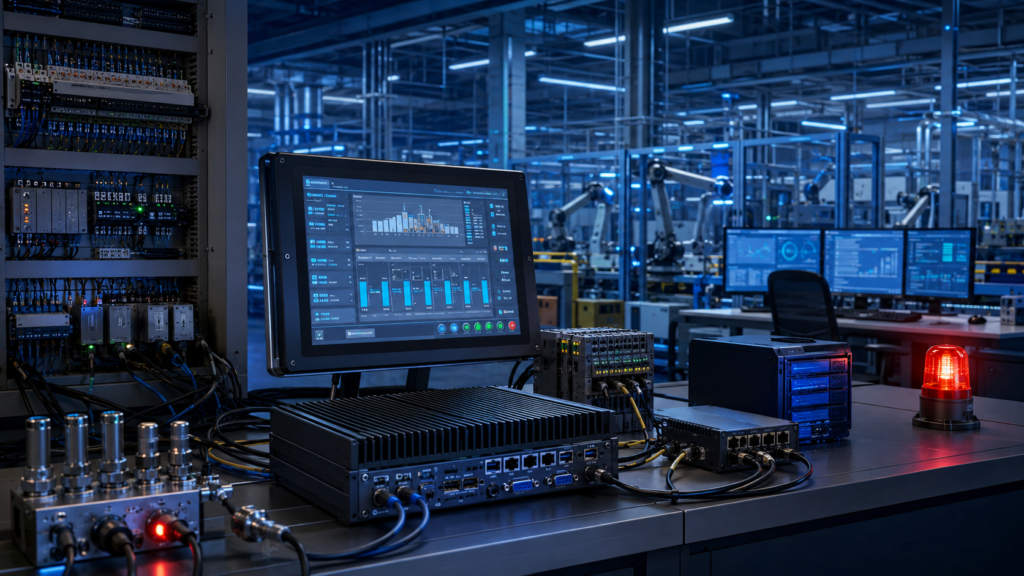
HMI industrial PCs display machine status, 警报, 食谱, 生产记录, 以及操作员的维护数据.
行业概况
HMI Systems Are Central to Industrial Operation
HMI systems help operators understand and interact with machines.
They display process information, 机器状态, alarm messages, 生产数量, 食谱, maintenance screens, and operating instructions. 在很多工厂, the HMI is the main daily interface between people and equipment.
Common HMI applications include:
- Machine operation panels
- 生产线仪表板
- 包装机接口
- CNC operator screens
- Robot workcell monitors
- Utility control stations
- SCADA terminals
- Process monitoring panels
- Maintenance access terminals
- 工业物联网仪表板
- Quality inspection displays
- Equipment status screens
A reliable HMI industrial PC helps operators make decisions faster and reduces machine operation risk.
Fanless Design Fits Industrial Environments
Many HMI systems are installed near machines, 柜子里面, on control panels, or in dusty production areas.
Fan-based computers can draw dust into the enclosure. Fans also introduce moving parts that may fail over time.
A fanless industrial PC reduces this risk.
Fanless design is especially useful for:
- Dusty factory floors
- Packaging areas
- 数控车间
- Automation cabinets
- 仓储系统
- 杂物间
- Kiosk-style industrial terminals
- Remote monitoring stations
- Low-maintenance equipment
When combined with rugged enclosure design and reliable storage, fanless IPCs provide a stable platform for long-running HMI applications.
HMI Is Becoming More Data-Driven
Traditional HMI screens focused mainly on machine operation.
Modern HMI systems increasingly support data functions, including production analytics, 报警历史记录, 质量记录, 维护日志, 远程访问, and industrial IoT integration.
An HMI industrial PC may need to connect with:
- PLC
- 传感器
- 驱动器
- Controllers
- 条码阅读器
- 工业相机
- 制造执行系统平台
- 监控与数据采集系统
- 本地数据库
- 云仪表板
- 维护系统
This makes the HMI computer an important part of the connected factory architecture.

多尘环境, touch panels, PLC接线, 串行接口, 以太网区域, and fanless hardware affect HMI deployment.
主要挑战
Maintaining Continuous Operator Access
HMI systems must remain available during machine operation.
If the HMI freezes, restarts, or loses communication, operators may lose access to alarms, status data, 食谱, and control screens.
This can slow troubleshooting and affect production.
A reliable HMI industrial PC should support continuous operation, 稳定的热设计, 可靠的存储, and robust communication with machine controllers.
Operating in Dusty and Vibration-Prone Environments
HMI computers are often installed near production equipment.
They may be exposed to dust, 振动, 热, 电噪声, 和电缆应力.
Fanless industrial computers help reduce dust intake. Rugged enclosures and secure mounting help protect the platform from vibration and mechanical stress.
This is important for long-term factory reliability.
Connecting Different Industrial Devices
An HMI platform may need to connect many devices.
这些可能包括:
- PLC控制器
- 伺服驱动器
- 传感器
- 条码阅读器
- 工业相机
- 输入/输出模块
- 机器人控制器
- 测试设备
- 本地数据库
- 工业交换机
- MES or SCADA systems
Different systems may require Ethernet, USB, RS232, RS485, 通用输入输出接口, 或数字输入/输出.
Flexible connectivity reduces integration difficulty and makes the HMI platform easier to deploy across different machines.
Supporting Responsive Visualization
Operators need fast and clear screen response.
An HMI industrial PC may run dashboards, alarm pages, 趋势图, 食谱屏幕, maintenance pages, 和生产记录.
The platform must provide enough CPU, 记忆, graphics capability, 存储速度, and display support for the selected HMI software.
Slow HMI response can affect operator confidence and machine usability.
Preserving Local Data
Many HMI systems store important records locally.
这些可能包括:
- 报警历史记录
- 生产数量
- 配方文件
- 操作员动作
- 维护日志
- 质量记录
- Machine status logs
- 配置备份
- 上传缓冲区
- 诊断文件
本地存储有助于在网络中断期间保存记录.
Reliable SSD or NVMe storage improves system responsiveness and data protection.
Supporting Remote Maintenance
Machine builders and maintenance teams often need remote access to HMI systems.
They may need to review logs, check alarms, update configuration, troubleshoot PLC communication, or inspect system status.
Remote access should be secure and controlled.
The HMI industrial PC should support network segmentation, access permissions, 记录, and backup workflows to protect production systems.

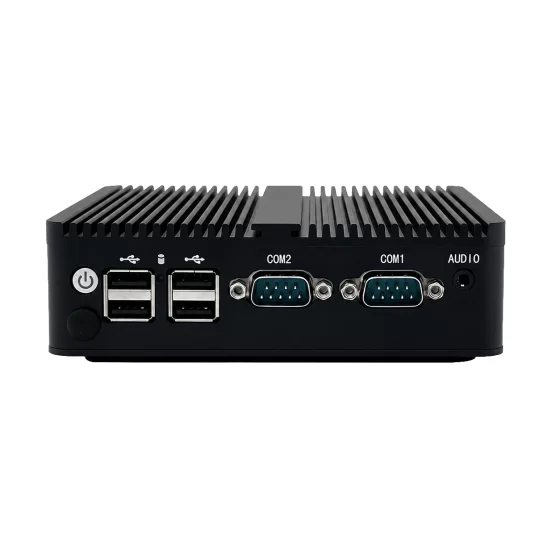
HMI industrial PCs connect PLCs, 传感器, 控制器, touchscreens, 监控与数据采集系统, 制造执行系统, 数据库, 云系统, 和远程维护工具.
HMI Industrial PC Solution Architecture
机器和设备层
The machine and device layer includes the equipment connected to the HMI system.
该层可能包括:
- PLC
- 传感器
- 伺服驱动器
- 电机控制器
- 机器人控制器
- 输入/输出模块
- 条码阅读器
- 工业相机
- 测试设备
- 安全装置
- 米
- 生产机器
These devices generate the data that operators need to view and manage.
HMI Industrial PC Layer
The HMI industrial PC layer is the local visualization and computing platform.
在这一层, the fanless industrial computer or embedded computer may:
- 运行HMI软件
- 显示机器状态
- Show alarm information
- 管理食谱
- 存储本地记录
- Connect PLCs and controllers
- 支持操作员输入
- Provide maintenance screens
- 缓冲生产数据
- Forward information to factory systems
This layer provides the operator-facing interface for industrial equipment.
控制通讯层
The communication layer connects the HMI computer with automation devices.
它可能包括:
- 以太网
- USB
- RS232
- RS485
- 数字输入/输出
- 通用输入输出接口
- 工业以太网
- PLC通讯
- 工业交换机
- 本地服务端口
The communication design depends on machine architecture, 软件要求, and factory network structure.
工厂集成层
The HMI industrial PC may connect with higher-level systems.
这些可能包括:
- 监控与数据采集系统
- 制造执行系统
- 企业资源计划
- 质量数据库
- 工业物联网平台
- 本地仪表板
- 维护系统
- 云监控系统
- 追溯平台
This helps HMI data become part of the wider smart factory data environment.
安全和管理层
The security and management layer supports long-term operation.
它可能包括:
- 用户权限
- 网络分段
- 安全的远程访问
- 本地日志记录
- 配置备份
- 存储监控
- 系统健康监控
- 远程诊断
- 软件更新管理
This helps protect machine operation and simplify maintenance.
主要特点
无风扇工业设计
Fanless design is a major advantage for HMI applications.
它减少灰尘摄入并消除一个常见的机械故障点.
This is useful for continuous operation in factories, machine rooms, 包装线, 数控车间, 仓库系统, and control cabinets.
Fanless operation should still be validated according to real workload, 环境温度, 外壳设计, and mounting method.
Reliable Display Support
HMI systems depend on stable display output.
The industrial PC may need to support local monitors, touchscreens, panel displays, or external operator screens.
Useful display options may include:
- HDMI
- 显示端口
- VGA in legacy systems
- Touchscreen interface support
- Multi-display capability
- Local dashboard output
Display stability is important because the HMI is often the main operator interface.
多设备连接
An HMI industrial PC should provide practical I/O for machine integration.
有用的接口可能包括:
- 局域网
- USB
- RS232
- RS485
- 通用输入输出接口
- 数字输入
- 数字输出
- HDMI
- 显示端口
- M.2
- PCIe
- SATA 或 NVMe 存储
这些接口支持 PLC, 条形码阅读器, 传感器, 服务工具, 显示, 控制器, and factory network connections.
多LAN网络设计
多个 LAN 端口有助于分隔通信路径.
An HMI system may use separate networks for:
- PLC通讯
- 机器网络
- 工厂IT网络
- 数据采集与采集系统连接
- 制造执行系统连接
- 远程维护
- 本地化管理
- 工业物联网平台
Network separation improves traffic organization and can reduce the risk that non-critical traffic affects machine communication.
本地存储和数据记录
本地存储支持HMI软件, 食谱, 日志, 警报, 操作员记录, 配置备份, 和诊断文件.
SSD 或 NVMe 存储通常是首选,因为它比机械驱动器提供快速访问和更好的抗震性.
存储规划应考虑:
- Recipe file size
- 报警历史记录
- 本地数据库大小
- 备份工作流程
- 写入耐力
- 恢复过程
- 网络中断行为
Reliable storage improves traceability and system serviceability.
Rugged Enclosure and Mounting
HMI industrial PCs may be installed in cabinets, behind panels, 在机器框架上, or inside compact enclosures.
The computer should support secure mounting and stable cable connection.
Rugged enclosure design helps protect the system from vibration, 电缆应力, and continuous production operation.
Machine builders should also consider cabinet airflow, heat conduction, installation clearance, and service access.
HMI Software Compatibility
The hardware platform should match the selected HMI software environment.
Important considerations include:
- 操作系统支持
- CPU性能
- 内存容量
- Graphics requirements
- 触摸屏驱动程序支持
- PLC通讯驱动程序
- Database requirements
- Remote access tools
- Long-term software image support
The final configuration should be validated with the actual HMI application.
长生命周期可用性
HMI systems often remain in service for many years.
一致的硬件有助于维护软件映像, 司机, 触摸屏兼容性, PLC通讯设置, 备件, 和服务流程.
Long lifecycle availability is important for machine builders, 系统集成商, and manufacturers deploying similar HMI systems across many machines.
部署场景
Machine Operation Panel
A fanless HMI industrial PC can be installed as the operator interface for a production machine.
可显示机器状态, alarm messages, 食谱, cycle data, 和维护信息.
This supports easier machine operation and troubleshooting.
Production Line HMI Station
Production lines often require line-level dashboards.
An industrial computer can display machine status, 生产数量, 质量数据, 停机事件, and alarm records.
It can connect multiple devices and send data to MES or SCADA systems.
Packaging Machine HMI
Packaging equipment requires recipe control, line speed display, label verification status, 条码记录, and alarm review.
A fanless embedded computer can run the HMI and collect production data from PLCs, 相机, 条形码阅读器, and checkweighers.
这支持智能包装自动化.
CNC Machine Operator Interface
数控机床需要程序管理, 坐标显示, 工具数据, 主轴状态, 警报, and maintenance screens.
An HMI industrial PC can provide stable visualization and connect the machine with factory systems.
这提高了可用性和机器可见性.
Robot Workcell Interface
Robot cells may need local dashboards for robot status, tool information, 检查结果, 安全区状态, 和生产记录.
An embedded computer can support the HMI and connect robot controllers, PLC, 相机, 和工厂软件.
这支持连接的机器人自动化.
Utility and Energy Monitoring Panel
Utility systems may need local HMI screens for pumps, 米, power systems, 环境传感器, 或远程基础设施.
A fanless industrial PC can display status data, 存储记录, 并连接到SCADA或云监控系统.
这支持现场和设施运营.
工业物联网仪表终端
Factories may deploy local terminals to display industrial IoT dashboards.
The HMI industrial PC can show equipment health, 生产趋势, 能源数据, 警报, 和远程站点状态.
This helps operators make data-driven decisions near the equipment.
OEM HMI Controller Platform
Machine builders can integrate fanless industrial computers or embedded boards into custom HMI controller systems.
The platform can support HMI software, device communication, 数据记录, 远程诊断, 和客户特定的 I/O.
这有助于创建可重复的机器产品.
商业效益
Improved Operator Visibility
An HMI industrial PC gives operators clear access to machine status, 警报, trends, 食谱, and production data.
This improves awareness and helps operators respond faster to issues.
更好的可视性支持更安全、更高效的机器操作.
Reduced Maintenance Risk
Fanless design reduces dust intake and removes a moving part from the system.
结合坚固的结构和可靠的存储, 它有助于降低工业环境中的维护风险.
这支持长期 HMI 可靠性.
Better Production Traceability
The HMI platform can collect and store production records, 报警日志, 操作员动作, 食谱改变, 和质量数据.
These records can be forwarded to MES, 监控与数据采集系统, 或工业物联网系统.
这提高了可追溯性和报告.
更快地排除故障
本地日志, 报警历史记录, 远程诊断, 和机器状态屏幕可帮助维护团队更快地发现问题.
A reliable HMI industrial PC can support structured troubleshooting and reduce downtime.
Easier Machine Integration
A fanless industrial PC can connect PLCs, 传感器, 控制器, 人机界面, 条形码阅读器, 相机, 和工厂软件.
This helps machine builders create integrated automation systems with fewer external devices.
Flexible I/O supports different project requirements.
可扩展的HMI部署
A standardized HMI industrial PC platform can be deployed across many machines, 线, 和客户站点.
一致的硬件简化了软件映像, 驱动程序验证, 备件计划, 操作员培训, 和生命周期管理.
这支持可扩展的自动化部署.
为什么选择CoreIPC
CoreIPC为HMI应用提供工业计算平台, 工业自动化, 机器视觉, 工业物联网, 机器人技术, 和嵌入式系统集成. For hmi industrial pc applications, CoreIPC专注于可靠的工业计算机硬件, 嵌入式计算机解决方案, 无风扇系统设计, 灵活的输入/输出, 多 LAN 配置, 紧凑的外形, 本地存储能力, 和OEM/ODM定制支持. CoreIPC 帮助机器制造商, 系统集成商, 制造商选择符合实际部署需求的计算平台, including display support, PLC通讯, 设备接口, 存储需求, 安装方法, 电源输入, 热条件, 和生命周期规划.
常见问题解答
1. What is an HMI industrial PC?
An HMI industrial PC is an industrial computing platform used to run human-machine interface software.
It displays machine status, 警报, 生产数据, 食谱, maintenance screens, and operator controls. It may also collect data from PLCs, 传感器, 控制器, 和工厂系统.
2. Why use a fanless industrial PC for HMI applications?
A fanless industrial PC reduces dust intake and removes one common mechanical failure point.
This makes it suitable for factories, 机柜, 包装线, 数控车间, 仓库, 和工业控制面板,其中连续运行和低维护非常重要.
3. How is an embedded computer used for HMI systems?
An embedded computer can be installed inside a cabinet, behind a panel, or near a machine.
It can run HMI software, connect PLCs and controllers, display machine data, 存储日志, 管理食谱, and send information to SCADA, 制造执行系统, 或工业物联网平台.
4. What devices can an HMI industrial PC connect?
An HMI industrial PC may connect PLCs, 传感器, 伺服驱动器, 条形码阅读器, 工业相机, 机器人控制器, 输入/输出模块, 米, 人机界面, local displays, 监控与数据采集系统, and MES platforms.
确切的支持取决于接口, 软件驱动程序, 和项目要求.
5. Why are multiple LAN ports useful for HMI systems?
Multiple LAN ports help separate PLC communication, machine networks, 工厂IT, 监控与数据采集系统, 制造执行系统, 远程维护, and industrial IoT traffic.
This improves traffic organization and helps reduce unnecessary exposure between networks.
6. Can HMI industrial PCs store production data?
是的. An HMI industrial PC can store alarm logs, 食谱文件, 生产记录, 操作员动作, 质量数据, 配置备份, 和诊断文件.
SSD 或 NVMe 存储通常是首选,因为它具有快速访问和更好的抗震性.
7. Can an HMI industrial PC connect to SCADA or MES?
是的. HMI industrial PCs can exchange data with SCADA, 制造执行系统, 工业物联网平台, 本地仪表板, 及云端监控系统.
这有助于将机器级信息与工厂级管理系统连接起来.
8. What hardware features matter for HMI industrial PCs?
Important features include fanless design, 可靠的CPU性能, 足够的内存, 多个 LAN 端口, USB, RS232, RS485, 通用输入输出接口, 数字输入/输出, HDMI, 显示端口, SSD 或 NVMe 存储, 坚固的外壳, 工业电源输入, 和安装选项.
最终配置应与HMI软件和安装环境相匹配.
9. Can fanless industrial PCs support touchscreens?
是的. Fanless industrial PCs can support touchscreen-based HMI systems when the correct display output, USB touch interface, 司机, and operating system are selected.
Touchscreen compatibility should be validated with the actual panel and HMI software.
10. 部署前应该测试什么?
部署前, 该平台应使用实际的 HMI 软件进行测试, PLC通讯驱动程序, 触摸屏, 显示分辨率, 网络拓扑, 本地存储行为, 远程访问工作流程, 和长时间运行的操作.
热稳定性, 通讯恢复, 备份程序, 还应验证与 SCADA 或 MES 的集成.
结论
An hmi industrial pc is a practical foundation for machine visualization, operator interaction, 报警管理, 配方控制, 生产监控, 数据记录, 远程诊断, 和智能工厂连接.
By placing a fanless industrial computer or embedded computer inside the machine cabinet, behind the operator panel, or near the production line, machine builders and manufacturers can connect PLCs, 传感器, 控制器, 显示, 条形码阅读器, 相机, 监控与数据采集系统, 制造执行系统平台, 通过可靠且受控的通信路径实现工业物联网仪表板.
The right HMI industrial PC should be selected according to real deployment requirements, including display support, 触摸屏兼容性, PLC通讯, 设备接口, LAN口设计, 存储配置, 安装方法, 电源输入, 热条件, 操作系统支持, HMI software requirements, 和生命周期规划.
CoreIPC supports fanless industrial PC projects for HMI applications with industrial computing platforms designed for practical machine-side, 内阁, 控制板, 生产线, 和 OEM 部署. 拥有正确的硬件基础, 机器制造商和制造商可以构建可靠的, 可扩展, and operator-friendly HMI systems.
联系我们
Looking for a fanless industrial computer, 嵌入式计算机, or compact IPC platform for HMI applications?
联系 CoreIPC 讨论您的项目需求, including display output, touchscreen support, PLC通讯, 设备接口, LAN口配置, 存储设计, 安装方法, 电源输入, 运行环境, 生命周期需求, 和 OEM/ODM 定制选项.
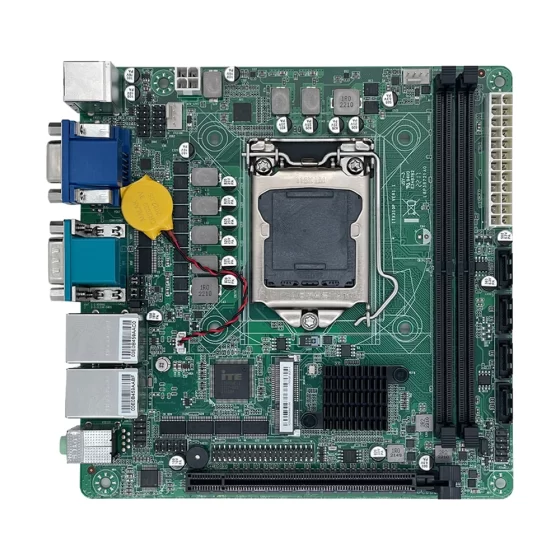
CoreIPC工业计算解决方案