销售查询
|
获取报价


IDS Appliance Platform for Industrial Security | 核心IPC

IDS计算平台: 用于工业网络入侵检测的 IDS 设备

IDS计算平台: 用于工业网络入侵检测的 IDS 设备

执行摘要

An IDS appliance provides the industrial computing foundation for network intrusion detection, 交通监控, security visibility, 异常检测, and industrial network protection.

Modern industrial environments are becoming increasingly connected. 工厂, 能源设施, 交通系统, 仓库, and remote infrastructure sites now rely on PLCs, 监控与数据采集系统, 工业电脑, 嵌入式计算机, 工业物联网网关, 相机, 传感器, 人机界面, and remote maintenance platforms.

This connectivity improves productivity and visibility, but it also creates more network security exposure.

An IDS computing platform helps monitor network traffic and detect suspicious activity without directly interrupting production communication. Unlike inline security devices that actively block traffic, an intrusion detection system usually observes traffic, analyzes events, and generates alerts for review.

An industrial computer or embedded computer can act as the IDS hardware platform. It can connect to mirrored network traffic, monitor multiple network zones, store security logs, run detection software, and send alerts to security dashboards or monitoring platforms.

与标准办公电脑相比, industrial computers are better suited for IDS appliance deployment because they support rugged installation, 多 LAN 配置, 可靠的存储, 无风扇设计选项, 稳定的电源输入, 和长生命周期可用性.

This article explains how IDS appliances support industrial cybersecurity, 实际部署中会遇到哪些挑战, 解决方案架构如何运作, and which hardware features are important when selecting an industrial computer or embedded computer for IDS computing platforms.

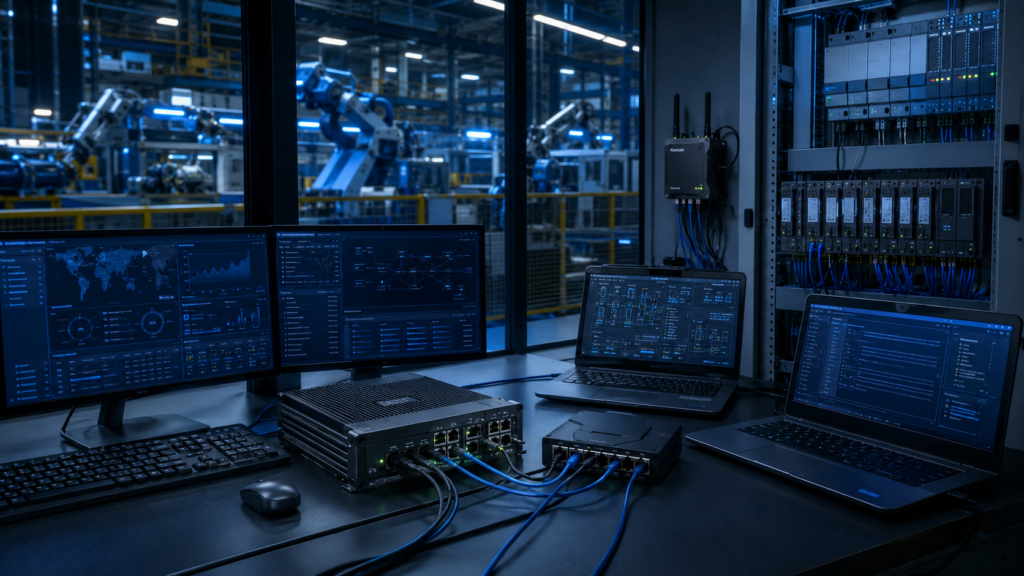
Embedded IDS computing platform passively monitoring IT OT PLC SCADA machine networks and security dashboards

IDS computing platforms help monitor factory IT, 奥特, 可编程逻辑控制器, 监控与数据采集系统, 和机器网络.

行业概况

Industrial Networks Need Better Security Visibility

Industrial networks are no longer isolated.

Production systems often exchange data with MES, 监控与数据采集系统, 企业资源计划, 云平台, remote maintenance tools, 工业物联网网关, and multi-site networks.

This makes security visibility more important.

Industrial operators need to know what is happening across:

  • PLC网络
  • SCADA networks
  • Machine networks
  • 工业物联网系统
  • Camera networks
  • Remote service connections
  • Engineering workstations
  • Energy monitoring systems
  • Warehouse automation systems
  • Transportation infrastructure
  • Remote utility facilities

A practical IDS appliance helps monitor network behavior and identify suspicious communication patterns.

IDS Appliances Support Detection Without Immediate Blocking

An intrusion detection system is usually deployed to observe traffic and generate alerts.

This is especially useful in industrial environments because production communication must remain stable. Blocking the wrong traffic can stop machines, disrupt SCADA polling, or interfere with remote monitoring.

An IDS appliance can detect:

  • Unusual network scans
  • Unauthorized connection attempts
  • Abnormal protocol behavior
  • Suspicious remote access activity
  • Unexpected device communication
  • Malware-like traffic patterns
  • Policy violations
  • Unknown devices on the network
  • Excessive traffic from specific endpoints
  • Changes in baseline communication

The goal is to improve awareness before making network changes that could affect production.

Industrial Hardware Is Important for IDS Deployment

IDS systems are often deployed near network boundaries, 控制柜, production cells, 远程设施, or infrastructure sites.

These locations may include vibration, 灰尘, 气流受限, 温度变化, 电噪声, and continuous operating schedules.

Industrial computers and embedded computers provide a suitable foundation for this type of deployment.

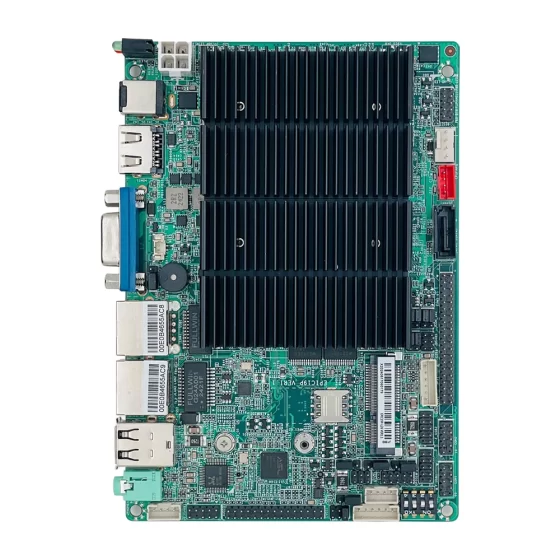
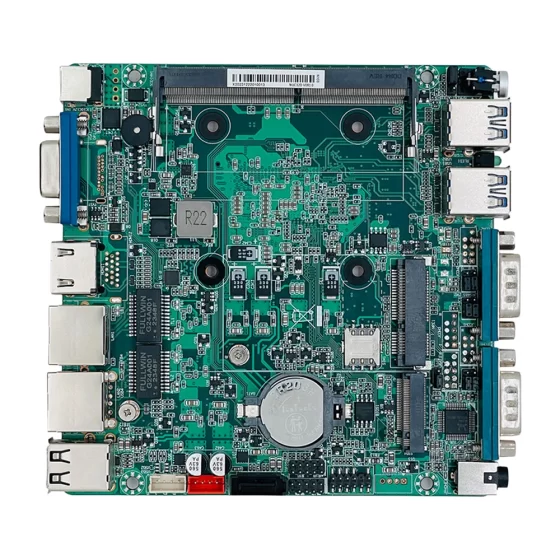
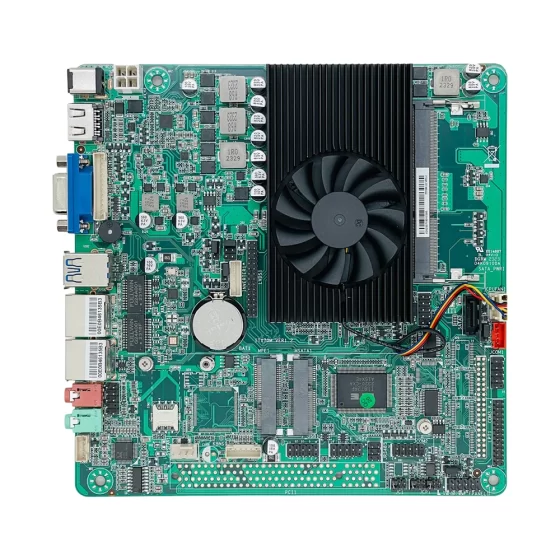
They support multi-LAN networking, 本地存储, 坚固的机械设计, 工业安装, 无风扇运行选项, and stable long-term availability.

Industrial IDS deployment challenges with SPAN traffic network TAP PLC networks high traffic and multi-LAN computer

Mirrored traffic, network TAPs, high traffic volume, PLC网络, and IIoT gateways affect IDS deployment planning.

主要挑战

Monitoring Without Interrupting Production

Industrial networks often carry critical traffic.

PLC通讯, SCADA polling, HMI access, robot controller traffic, 机器数据, and alarm communication may be sensitive to disruption.

An IDS appliance is often deployed passively through network mirroring, SPAN ports, or network TAPs.

This helps monitor traffic without becoming an inline point of failure.

然而, passive deployment still requires careful planning.

System designers must understand:

  • Which network segments should be monitored
  • How mirrored traffic will be delivered
  • Whether packet loss may affect visibility
  • How much traffic the IDS must inspect
  • Where alerts should be sent
  • How logs should be retained
  • How monitoring will scale across sites

High Network Traffic Volume

Industrial sites may generate large amounts of network traffic.

Camera systems, 工业物联网网关, SCADA polling, historian uploads, remote service connections, and multi-site data transfer can all increase traffic volume.

An IDS appliance must process this traffic reliably.

重要的工作量因素包括:

  • Number of monitored network segments
  • Port speed
  • Mirrored traffic volume
  • Packet inspection workload
  • Detection rule complexity
  • Log volume
  • Alert frequency
  • Local storage workload
  • Dashboard integration
  • 长时间运行

If the hardware is underpowered, detection performance may become unstable.

Understanding Industrial Protocols

Industrial networks may use protocols and traffic patterns that differ from office networks.

The IDS platform may need to observe communication related to PLCs, 监控与数据采集系统, industrial gateways, 人机界面, 传感器, 米, 机器人, and automation devices.

A useful IDS deployment should distinguish normal industrial communication from suspicious behavior.

This requires correct configuration, baseline monitoring, rule tuning, and cooperation between IT security teams and OT engineers.

Managing Alerts and False Positives

An IDS appliance can generate many alerts if it is not tuned properly.

Too many false positives can cause operators to ignore warnings. Too few alerts may miss important events.

A practical deployment should define:

  • Critical alert types
  • Baseline traffic behavior
  • Allowed communication patterns
  • Trusted devices
  • 维护窗口
  • Remote service policies
  • Logging priority
  • Review workflow
  • Escalation process

The hardware platform should support stable logging, 本地仪表板, and integration with monitoring systems.

Long-Term Reliability in Industrial Sites

IDS appliances may run continuously for years.

They may be installed inside security cabinets, control rooms, production areas, 能源站点, 运输柜, or remote facilities.

If the IDS platform fails, security visibility may be lost.

Industrial hardware helps reduce this risk through rugged design, 可靠的存储, 无风扇选项, industrial power support, and long lifecycle planning.

IDS appliance connected to mirrored switch ports network TAP PLC network SCADA IIoT gateway SIEM and database

IDS appliances connect mirrored network traffic, industrial systems, event databases, and security monitoring platforms.

IDS Appliance Solution Architecture

工业网络层

The industrial network layer includes the systems being monitored.

该层可能包括:

  • PLC
  • 人机界面
  • SCADA服务器
  • 工业电脑
  • 嵌入式控制器
  • 机器控制器
  • 机器人
  • 相机
  • 传感器
  • 电能表
  • 工业物联网网关
  • Engineering workstations

These systems may be divided into multiple network zones.

The IDS appliance observes traffic across selected zones to detect suspicious behavior.

Traffic Collection Layer

The traffic collection layer provides the IDS appliance with network visibility.

Common methods include:

  • Switch SPAN ports
  • Network TAPs
  • Mirrored traffic
  • Dedicated monitoring ports
  • Segmented network monitoring
  • Aggregated traffic feeds

This layer should be designed carefully.

Poor traffic collection can create blind spots, packet loss, or incomplete detection.

IDS Computing Layer

The IDS computing layer is where the industrial computer or embedded computer processes monitored traffic.

在这一层, 系统可能会:

  • Receive mirrored network traffic
  • Inspect packets
  • Analyze protocol behavior
  • Detect suspicious patterns
  • Compare traffic against rules
  • 存储日志
  • 生成警报
  • 显示本地仪表板
  • Send events to security platforms
  • Monitor system health

This layer provides the computing foundation for intrusion detection.

Detection and Analytics Layer

The detection and analytics layer contains the software logic used to identify potential threats.

Depending on the deployment, 它可能包括:

  • Signature-based detection
  • Anomaly detection
  • Protocol analysis
  • Baseline comparison
  • Device behavior monitoring
  • Rule-based alerting
  • Traffic pattern analysis
  • Security event correlation
  • Industrial protocol visibility

工业计算机必须支持所需的操作系统, IDS software, 贮存, network drivers, and monitoring tools.

Security Monitoring Layer

The monitoring layer connects IDS results with operators and security teams.

The IDS appliance may send alerts to:

  • Local security dashboards
  • SIEM platforms
  • SOC systems
  • Industrial network monitoring tools
  • SCADA security dashboards
  • Cloud monitoring platforms
  • Maintenance workstations
  • Central management systems

This helps convert network detection data into actionable security visibility.

主要特点

Multi-LAN Monitoring Capability

Multiple LAN ports are important for IDS appliances.

They allow the platform to monitor different network zones or receive mirrored traffic from multiple switches.

有用的配置可能包括:

  • Monitoring port for PLC network
  • Monitoring port for machine network
  • Monitoring port for camera network
  • Monitoring port for industrial IoT network
  • Management port
  • Alert uplink port
  • 工厂IT连接
  • Local service port

Multi-LAN design improves visibility and deployment flexibility.

Packet Processing Performance

IDS workloads can be demanding.

The hardware must inspect network traffic without dropping important data.

选型时应考虑:

  • CPU性能
  • 内存容量
  • LAN端口数
  • Port speed
  • 交通量
  • Detection rule complexity
  • Log generation rate
  • 存储速度
  • 操作系统支持
  • 长期运行稳定性

For larger sites, the IDS platform should be validated using realistic traffic volume and detection rules.

可靠的本地存储

IDS appliances may generate large amounts of logs and security records.

Local storage may be used for:

  • Packet captures
  • Alert logs
  • Event records
  • 系统日志
  • Baseline data
  • 配置备份
  • Detection rules
  • Diagnostic data
  • Security investigation files

SSD 或 NVMe 存储通常是首选,因为它比机械驱动器提供快速访问和更好的抗震性.

存储设计应考虑保留期限, 写耐力, 备份工作流程, and log export requirements.

Passive Monitoring Support

Many industrial IDS appliances are deployed passively.

This reduces the risk of interrupting production communication.

Hardware design should support dedicated monitoring ports and management separation.

A practical IDS deployment may use one set of ports for traffic monitoring and another port for management, alert upload, or dashboard access.

This helps maintain clear separation between observed traffic and administrative communication.

坚固耐用的无风扇设计

Fanless industrial computers are useful for IDS deployment in dusty cabinets, production areas, 和远程设施.

它们减少灰尘摄入并消除一个常见的机械故障点.

坚固的外壳有助于防止振动, 电缆应力, 越来越大的影响, and long-term industrial operation.

Thermal design should still be reviewed carefully because continuous traffic inspection can create sustained processing load.

灵活的工业I/O

Although IDS appliances mainly focus on networking, 工业 I/O 仍然有价值.

有用的选项可能包括:

  • 局域网
  • USB
  • RS232
  • RS485
  • 通用输入输出接口
  • 数字输入
  • 数字输出
  • HDMI
  • 显示端口
  • M.2
  • PCIe
  • SATA 或 NVMe

GPIO可支持报警输出. USB and display ports can support local maintenance. PCIe or M.2 expansion can support additional network cards or storage.

长生命周期和可维护性

Industrial security systems may remain in service for many years.

Frequent hardware changes can create software compatibility issues, driver validation problems, 备件挑战, 和维护复杂性.

Industrial computing platforms with lifecycle planning help system integrators and operators maintain consistent IDS deployments across multiple sites and equipment generations.

部署场景

Factory Network Intrusion Detection

A factory can deploy an IDS appliance to monitor traffic between IT and OT networks.

The appliance can observe communication between enterprise systems, 生产网络, SCADA服务器, and industrial gateways.

This helps detect suspicious access attempts or unexpected traffic patterns.

PLC Network Monitoring

PLC networks are critical to production.

An IDS appliance can monitor PLC communication passively and alert security teams when abnormal device behavior, unauthorized access, or unexpected communication appears.

This supports better visibility without directly interfering with PLC operation.

SCADA Security Monitoring

SCADA systems often connect control rooms, 远程设备, 运营商, and field equipment.

An IDS computing platform can monitor SCADA network traffic and send alerts to security dashboards.

This is useful for energy, 水, 运输, and facility infrastructure systems.

Industrial IoT Security Monitoring

工业物联网系统连接机器, 传感器, 网关, 和云平台.

An IDS appliance can monitor communication between IIoT gateways and external systems.

This helps detect unusual data flow, unauthorized connections, or abnormal gateway behavior.

Remote Maintenance Visibility

Remote maintenance connections are useful but need oversight.

An IDS appliance can monitor traffic related to remote access, VPN connections, engineering workstations, and machine service sessions.

This improves visibility into who is connecting and how the network is being used.

Warehouse and Logistics Monitoring

Warehouses may use barcode systems, 输送机, industrial computers, 相机, 仓库管理系统平台, and sorting systems.

An IDS platform can monitor network traffic across automation systems and detect unusual communication patterns.

This supports more secure logistics infrastructure.

Transportation Infrastructure Security

Transportation environments may include roadside equipment, station systems, parking platforms, 交通管制员, 和监控中心.

An industrial IDS appliance can monitor distributed infrastructure networks and provide security visibility for remote sites.

OEM IDS Appliance Development

System integrators and cybersecurity solution providers can build IDS appliances using industrial computers or embedded boards.

The hardware platform can support multi-LAN monitoring, 本地存储, 交通检查, 仪表板, alert forwarding, and rugged appliance-style deployment.

商业效益

Improved Network Security Visibility

An IDS appliance helps industrial operators understand what is happening on the network.

It can detect suspicious traffic, abnormal device behavior, unexpected connections, and policy violations.

This visibility is important for factories, 远程设施, 公用事业, 仓库, and transportation systems.

Lower Risk of Production Disruption

Because IDS appliances can be deployed passively, they can monitor traffic without directly blocking production communication.

This is useful for industrial environments where availability is critical.

Operators can review alerts and investigate issues before deciding whether to change firewall or access policies.

Stronger OT Monitoring

Industrial networks often contain devices that are difficult to monitor with standard IT tools.

An IDS computing platform can observe OT traffic, machine communication, PLC activity, SCADA connections, and industrial gateway behavior.

This helps security teams understand industrial network conditions more clearly.

Better Incident Investigation

IDS logs and alerts support security investigation.

Records can help teams understand when suspicious activity occurred, which devices were involved, and what communication patterns appeared.

Reliable local storage improves traceability and supports post-event review.

可扩展的安全部署

A standardized IDS appliance platform makes it easier to deploy network monitoring across multiple machines, 生产线, 工厂, remote sites, and infrastructure facilities.

一致的硬件简化了软件映像, 配置模板, 备件计划, 维护培训, 和生命周期支持.

Support for Cybersecurity Maturity

Many industrial operators begin cybersecurity improvement with visibility.

An IDS appliance provides a practical first step because it can monitor traffic and generate alerts without major changes to production control systems.

This helps teams build a stronger security baseline over time.

为什么选择CoreIPC

CoreIPC为网络安全提供工业计算平台, 工业物联网, 工厂自动化, 远程监控, 和嵌入式系统集成. For IDS appliance applications, CoreIPC专注于可靠的工业计算机硬件, 嵌入式计算机解决方案, 多 LAN 配置, 灵活的输入/输出, 紧凑的系统设计, 无风扇部署选项, 和OEM/ODM定制支持. CoreIPC帮助系统集成商, 安全解决方案提供商, 机器制造商, 和行业运营商选择符合实际部署需求的计算平台, 包括 LAN 端口数, traffic monitoring workload, 存储需求, 安装方法, 电源输入, 热条件, 和生命周期规划.

常见问题解答

1. What is an IDS appliance?

An IDS appliance is a hardware platform used to run intrusion detection software.

It monitors network traffic, analyzes communication patterns, detects suspicious behavior, and generates alerts. 在工业环境中, IDS appliances are commonly used to monitor PLC networks, 监控与数据采集系统, machine networks, 工业物联网网关, and remote access traffic.

2. Why use an industrial computer for an IDS appliance?

An industrial computer provides rugged hardware and flexible connectivity for factory and field deployment.

可支持多个LAN口, 无风扇运行, 可靠的本地存储, 工业安装, 稳定的电源输入, 和长生命周期可用性. These features make it suitable for IDS deployment in control cabinets, production areas, 远程设施, 和基础设施站点.

3. How is an embedded computer used as an IDS platform?

An embedded computer can act as a compact IDS appliance inside a control cabinet, 机器外壳, remote facility, or OEM security gateway.

It can receive mirrored traffic, inspect packets, 存储日志, 生成警报, and forward events to monitoring systems.

4. What is the difference between IDS and IPS?

An IDS detects suspicious activity and generates alerts.

An IPS can actively block or prevent traffic according to security policies. 在工业环境中, IDS is often used first because passive monitoring reduces the risk of interrupting production communication. IPS deployment usually requires more careful testing.

5. Why are multiple LAN ports important for IDS appliances?

Multiple LAN ports allow the appliance to monitor different network segments.

One port may monitor a PLC network, another may monitor a machine network, another may connect to a management network, and another may send alerts to a monitoring platform. This improves visibility and network organization.

6. Can fanless industrial computers support IDS workloads?

是的. Fanless industrial computers can support many IDS deployments because they reduce dust intake and remove one mechanical failure point.

然而, IDS traffic inspection can create sustained CPU and storage load. 交通量, 外壳设计, 环境温度, 部署前应检查机柜气流.

7. What hardware features matter for industrial IDS platforms?

重要功能包括多个 LAN 端口, 足够的CPU性能, 可靠的记忆, SSD 或 NVMe 存储, 坚固的外壳, 无风扇设计, 工业电源输入, USB, 显示输出, 和扩展选项.

The final configuration should match traffic volume, detection rules, log retention, 存储工作负载, 及安装环境.

8. Can IDS appliances monitor industrial IoT systems?

是的. IDS appliances can monitor communication between IIoT gateways, 机器, 云平台, 和工厂网络.

They can help detect unusual data flow, unauthorized connections, abnormal gateway behavior, or unexpected communication between devices.

9. Does an IDS appliance block attacks automatically?

Usually, IDS appliances are designed to detect and alert rather than block traffic.

This is useful in industrial environments where accidental blocking can affect production. Some deployments may integrate IDS alerts with firewalls or other security systems, but blocking policies should be tested carefully.

10. What should be tested before deploying an IDS appliance?

部署前, the system should be tested with real network topology, mirrored traffic, 交通量, detection software, logging workload, 存储行为, alert forwarding, 和长时间运行的操作.

热稳定性, packet loss, network visibility, management access, and maintenance workflow should also be validated.

结论

An IDS appliance is a practical foundation for industrial network intrusion detection, security visibility, passive traffic monitoring, 异常检测, and cybersecurity investigation.

By placing an industrial computer or embedded computer at key network monitoring points, 制造商, 机器制造商, 系统集成商, and infrastructure operators can observe PLC networks, 监控与数据采集系统, machine networks, industrial IoT traffic, and remote maintenance connections more effectively.

The right IDS computing platform should be selected according to real deployment requirements, 包括 LAN 端口数, 交通量, detection workload, monitoring method, 存储需求, 安装方法, 电源输入, 热条件, 操作系统支持, 安全政策, 和生命周期规划.

CoreIPC supports IDS appliance projects with industrial computing platforms designed for practical factory, 机器端, 和现场部署. 拥有正确的硬件基础, 行业运营商和安全解决方案提供商可以构建可靠的, 可扩展, and production-friendly intrusion detection systems.

联系我们

寻找工业计算机, 嵌入式计算机, or multi-LAN platform for IDS appliance deployment?

联系 CoreIPC 讨论您的项目需求, 包括 LAN 端口数, monitored network zones, 交通量, 存储设计, 安装方法, 电源输入, 运行环境, 生命周期需求, 和 OEM/ODM 定制选项.
留言


    安全检查: