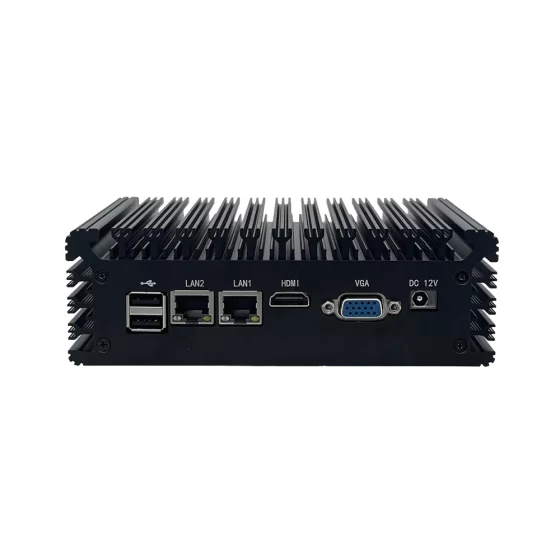
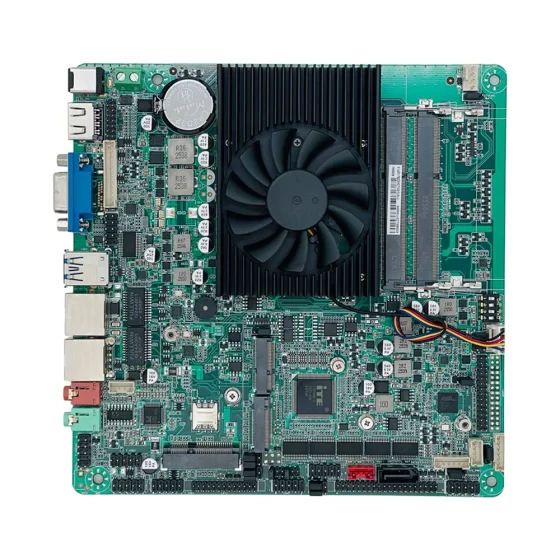
CoreIPC工业计算解决方案

零信任安全设备: 用于工业网络保护的零信任设备
执行摘要
A zero trust appliance provides the industrial computing foundation for identity-based access control, 安全的远程维护, 最小权限网络, 政策执行, 产业细分, 并保护现代互联工厂之间的通信.
工业网络正变得更加分布式和更加互联. 工厂, 机器制造商, 仓库, 能源站点, 交通系统, 和远程基础设施环境现在依赖于 PLC, 监控与数据采集系统, 工业电脑, 嵌入式计算机, 工业物联网网关, 相机, 传感器, 机器人, 云平台, 和远程服务工具.
传统网络安全通常假设受信任网络内的用户和设备是安全的. 在现代工业环境中, 这种假设的风险越来越大.
零信任安全遵循不同的原则: 永远不会自动信任用户, 设备, 应用, 或网络连接. 每个访问请求都应该经过验证, 有限的, 被监控, 并根据政策进行控制.
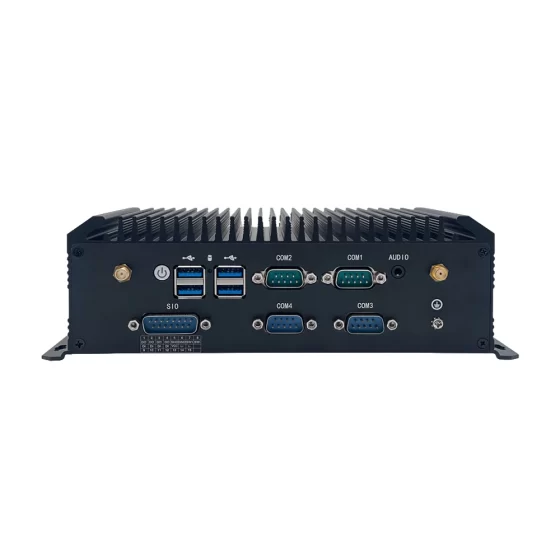
A zero trust security appliance built on an industrial computer or embedded computer can provide the local hardware platform for secure access control, 网络分段, remote engineering access, 交通检查, 记录, and policy-based connectivity.
Compared with standard office IT devices, industrial zero trust appliances must operate reliably in real factory and field conditions. 它们可以安装在控制柜内, 机器外壳, 远程站点, 运输柜, utility facilities, or warehouse network rooms.
This article explains how zero trust appliances support industrial cybersecurity, 实际应用中会出现哪些部署挑战, 解决方案架构如何运作, and which hardware features matter when selecting an industrial computer or embedded computer for zero trust appliance deployment.
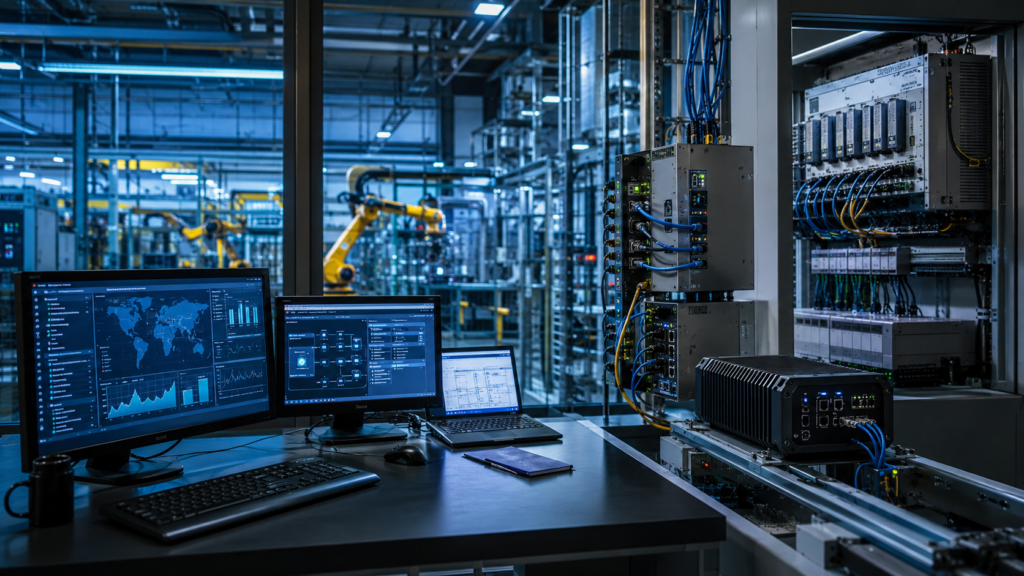
Zero trust appliances help control remote access to factory IT, 奥特, 可编程逻辑控制器, 监控与数据采集系统, 和机器网络.
行业概况
Industrial Networks Need Stronger Access Control
工业网络再次孤立.
今天, 许多生产环境连接到企业系统, 远程服务平台, 云仪表板, 工业物联网网关, and multi-site infrastructure.
This connectivity creates new operational value, but it also increases risk.
工业经营者可能需要保护:
- PLC网络
- 监控与数据采集系统
- 机器网络
- Remote maintenance connections
- 工业物联网网关
- 工程工作站
- 相机网络
- 能源监控系统
- 仓库自动化系统
- 交通基础设施
- Utility facilities
A zero trust appliance helps control access to these systems more carefully.
Why Zero Trust Matters in OT Environments
Operational technology networks are different from office IT networks.
Production systems often require stable communication, predictable timing, and long lifecycle equipment. Some industrial devices may not support modern authentication or security controls directly.
Zero trust architecture helps by placing a controlled security layer between users, 设备, 应用, and critical systems.
Instead of allowing broad network access after a VPN login, a zero trust appliance can support more specific access rules.
例如:
- Only authorized users can access selected machines.
- Remote service access can be limited by role and time window.
- Factory IT traffic can be separated from PLC networks.
- Industrial IoT data can be routed through controlled paths.
- Unverified devices can be blocked or isolated.
- Access events can be logged for review.
This improves security without requiring every legacy device to support advanced security features by itself.
实际部署需要工业硬件
Zero trust appliances are often placed at important network boundaries.
在工业环境中, these locations may include machine-side cabinets, 生产细胞, 远程杂物间, 交通节点, 能源站点, or distributed facilities.
这些环境可能包括灰尘, 振动, 热, 气流受限, 电源不稳定, 电缆应力, 并连续运行.
Industrial computers and embedded computers provide a practical hardware foundation for this type of deployment.
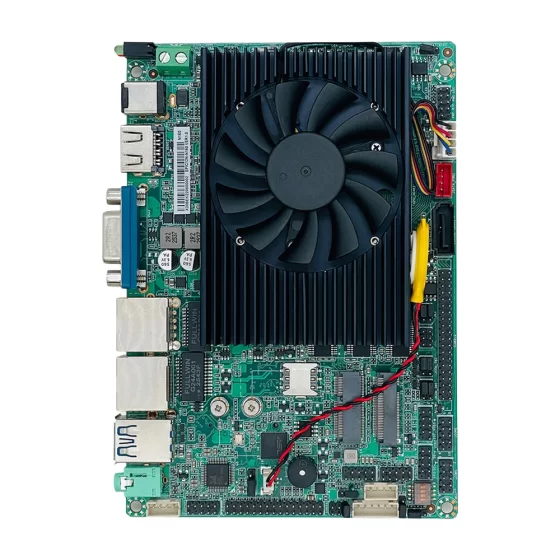
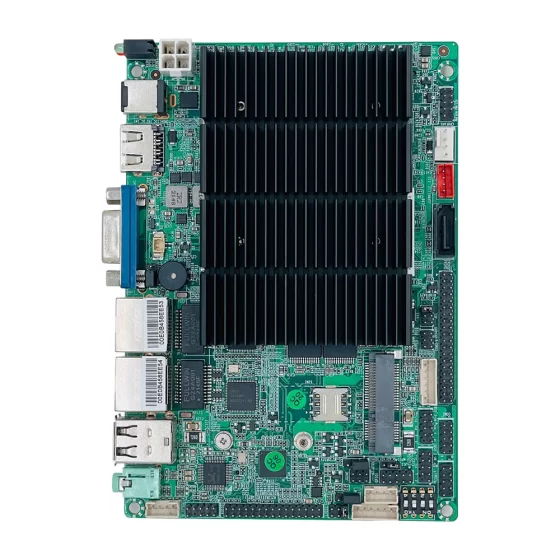
它们支持多 LAN 配置, 坚固的外壳, 无风扇运行选项, 可靠的存储, 灵活的输入/输出, 工业安装, 和长生命周期可用性.

Legacy devices, 网络区域, 访问策略, remote service sessions, and IIoT gateways affect zero trust deployment planning.
主要挑战
Replacing Broad Trust with Policy-Based Access
A major challenge is moving from broad network trust to controlled access.
Traditional remote access may allow a user to connect to a large network segment after authentication. This can expose more systems than necessary.
A zero trust appliance should help limit access based on:
- User identity
- Device status
- Role
- 站点位置
- 应用
- Machine group
- 网络专区
- 保养目的
- 时间窗口
- 安全政策
这需要仔细规划.
The goal is to give users access only to the systems required for their task, not to the entire industrial network.
保护传统工业设备
Many industrial devices were designed for reliability and long service life, not modern cybersecurity.
一些PLC, 人机界面, 驱动器, 控制器, and meters may not support advanced authentication, 加密, or access control.
A zero trust appliance can help protect these assets by enforcing policies at the network boundary.
It can control who reaches the device, which traffic is allowed, and how access is logged.
This approach is useful when replacing legacy equipment is not practical.
保持生产连续性
Industrial security controls must not interrupt production communication.
A zero trust appliance may sit between network zones, 远程用户, 云平台, and machine systems. If policies are too strict or poorly tested, required production traffic may be blocked.
Designers must understand normal communication patterns, 包括:
- PLC polling
- 监控与数据采集通讯
- 人机界面访问
- 工程工作站访问
- Remote maintenance sessions
- 工业物联网数据上传
- 报警通讯
- Camera and monitoring traffic
- Machine-to-machine communication
Policies should be validated before full enforcement.
Identity and Device Verification
Zero trust depends on verification.
In office IT environments, identity providers and endpoint management tools may already exist. 在工业环境中, 用户, service laptops, remote engineers, 机器制造商, and site devices may be more diverse.
A practical zero trust system should consider:
- 用户认证
- Device identification
- 基于角色的访问
- 远程服务审批
- 会话记录
- 维护窗口
- Access review
- Integration with existing security tools
The appliance hardware must support the software environment required for these functions.
可靠的现场部署
A zero trust appliance may become critical security infrastructure.
If it fails, 远程维护, 现场沟通, 工业物联网数据传输, or protected access may be interrupted.
工业部署需要可靠的硬件设计, including rugged construction, 稳定的电源输入, 热规划, 本地存储, 和长生命周期支持.

Zero trust appliances connect industrial networks, identity systems, access logs, 和安全监控平台.
Zero Trust Appliance Solution Architecture
Industrial Asset Layer
The industrial asset layer includes the systems that need protection.
该层可能包括:
- PLC
- 人机界面
- SCADA服务器
- 工业电脑
- 嵌入式控制器
- 机器控制器
- 机器人
- 相机
- 传感器
- 电能表
- 工业物联网网关
- 工程工作站
These assets may be grouped into different zones based on function, risk, and access requirements.
Zero Trust Appliance Layer
The zero trust appliance layer is the core enforcement point.
在这一层, 工业计算机或嵌入式计算机可以:
- Enforce access policies
- 分段网络区域
- Verify users and devices
- Control remote maintenance sessions
- Route approved traffic
- 应用防火墙规则
- Support VPN or secure tunnel functions
- 记录访问事件
- 监控系统健康状况
- 将事件发送到安全平台
This layer helps replace broad network access with controlled, policy-based connectivity.
Identity and Policy Layer
The identity and policy layer defines who can access which systems and under what conditions.
政策可能基于:
- 用户角色
- 设备身份
- 网络专区
- 应用类型
- Machine group
- 站点位置
- Maintenance task
- 时间窗口
- Approval status
- 安全风险等级
适用于工业环境, policies should be designed with both IT security and OT engineering input.
This helps protect systems while maintaining required operational workflows.
Network Segmentation Layer
Network segmentation is a key part of zero trust deployment.
The appliance may separate:
- 工厂IT网络
- PLC网络
- 机器网络
- 监控与数据采集网络
- 摄像头网络
- 工业物联网网络
- 远程服务网络
- 管理网络
Multiple LAN ports and clear routing policies help create controlled boundaries between these zones.
Segmentation reduces unnecessary exposure and improves network organization.
监控和记录层
Zero trust requires visibility.
The appliance may collect logs and send security events to local dashboards, SIEM平台, SOC系统, 监控工具, or cloud management systems.
Useful records may include:
- User login events
- Device access attempts
- Approved sessions
- Blocked traffic
- 违反政策
- VPN 隧道状态
- Remote maintenance activity
- Network traffic events
- System health data
- 配置变更
This visibility supports audit review, 事件调查, and long-term security improvement.
主要特点
多LAN网络设计
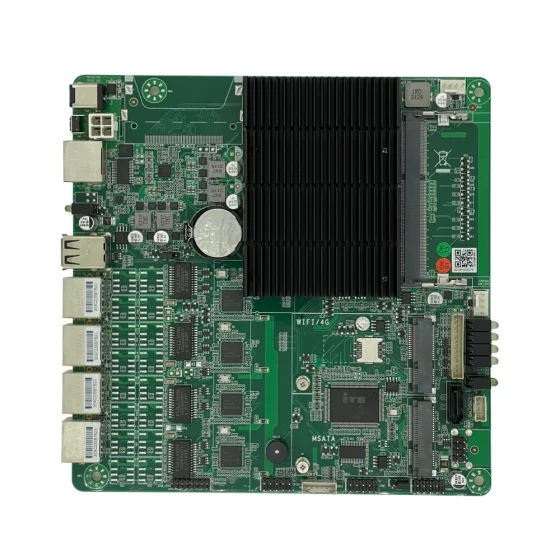
Multiple LAN ports are important for zero trust appliances.
They allow the platform to separate traffic between different network zones.
有用的配置可能包括:
- 广域网上行链路
- 工厂IT网络
- PLC网络
- 机器网络
- 监控与数据采集网络
- 摄像头网络
- IIoT gateway network
- 远程维护网络
Multi-LAN design supports least-privilege networking and clearer policy enforcement.
安全处理性能
A zero trust appliance may process authentication workflows, 安全隧道, 防火墙策略, 路由规则, 流量过滤, 记录, and monitoring data.
硬件选型应考虑:
- CPU性能
- 内存容量
- LAN端口数
- 端口速度
- 隧道数
- 加密吞吐量
- 防火墙工作负载
- 记录量
- 存储速度
- 操作系统支持
The appliance should be tested with realistic traffic and access patterns before deployment.
可靠的本地存储
本地存储支持日志, 配置备份, 证书, access records, policy data, 诊断文件, 和系统恢复.
SSD 或 NVMe 存储通常是首选,因为它比机械驱动器提供更快的访问速度和更好的抗震性.
存储设计应考虑:
- 日志保留
- Access event records
- 证书存储
- 配置备份
- 系统恢复
- 诊断记录
- 写入耐力
- 备份工作流程
可靠的存储提高了可审核性和维护效率.
坚固耐用的无风扇设计
Fanless industrial computers are useful for security appliances deployed in cabinets, 远程设施, and dusty environments.
它们减少灰尘摄入并消除一个常见的机械故障点.
坚固的外壳有助于防止振动, 压力增加, 电缆应变, and continuous industrial operation.
Thermal design should still be reviewed carefully because encrypted traffic, 路由, security inspection, and logging can create sustained processing load.
灵活的工业I/O
Although zero trust appliances mainly focus on networking, 工业 I/O 仍然有用.
重要的 I/O 选项可能包括:
- 局域网
- USB
- RS232
- RS485
- 通用输入输出接口
- 数字输入
- 数字输出
- HDMI
- 显示端口
- M.2
- PCIe
- SATA 或 NVMe
GPIO可支持报警输出. Serial ports may support maintenance access. USB和显示端口可支持本地服务. Expansion slots can support additional LAN modules, 无线模块, 或存储.
Remote Management Support
Many zero trust appliances are deployed across distributed industrial sites.
Remote management is important.
The platform may need to support secure configuration updates, status monitoring, log export, health reporting, and controlled access review.
Remote management should be designed carefully so that it does not become an uncontrolled access path.
长生命周期和可维护性
Industrial security appliances may stay in service for many years.
一致的硬件有助于维护软件映像, 安全软件兼容性, 驱动程序验证, 备件计划, 和配置模板.
This is important for system integrators, 机器制造商, and industrial operators deploying zero trust appliances across multiple machines, 工厂, 和远程站点.
部署场景
远程机器维护
Machine builders can use zero trust appliances to provide controlled remote service access.
Instead of giving broad VPN access to a full machine network, the appliance can limit access to selected devices and specific maintenance tasks.
This helps OEMs support customers while reducing unnecessary exposure.
IT and OT Boundary Control
A zero trust appliance can be deployed between factory IT and OT networks.
It can control which users, 应用, and systems are allowed to communicate across the boundary.
This helps protect production systems while still allowing required data exchange.
SCADA Access Protection
SCADA networks often connect operators, 工程工作站, 远程设备, 和监控平台.
A zero trust appliance can enforce access rules before users or systems reach SCADA assets.
这对能源很有用, 水, 运输, 和设施基础设施.
工业物联网网关安全
Industrial IoT gateways collect data from machines and send selected information to platforms or cloud systems.
A zero trust appliance can help control gateway communication, segment machine networks, and log data access events.
这支持更安全的 IIoT 部署.
仓储及物流网络
仓库可能包括传送带, 条码站, 仓库管理系统平台, 相机, 工业计算机, and remote support tools.
A zero trust appliance can help control access between automation systems, business systems, and service networks.
这支持安全的物流运营.
交通基础设施
运输系统可能包括路边设备, 交通管制员, 停车系统, 车站网络, 和监控平台.
Zero trust appliances can help protect remote access and segment infrastructure networks across distributed sites.
Energy and Utility Facilities
Energy and utility sites may require remote monitoring, SCADA访问, maintenance communication, 和安全的数据传输.
An industrial zero trust appliance can provide controlled connectivity for substations, 泵站, 仪表网络, 实用柜, 和远程设施.
OEM 安全设备开发
Security solution providers and system integrators can build zero trust security appliances using industrial computers or embedded boards.
平台可支持多LAN组网, secure access control, 政策执行, 记录, 远程管理, 和坚固的设备式部署.
商业效益
Least-Privilege Access
Zero trust appliances help enforce least-privilege access.
Users and devices are granted only the access required for a specific task.
This reduces unnecessary exposure and helps protect critical industrial assets from broad network access.
More Secure Remote Maintenance
Remote maintenance is valuable, 但必须加以控制.
A zero trust appliance can limit access by user, 设备, role, system, time window, and policy.
This helps machine builders and industrial operators support remote service more securely.
更强的网络分段
Multi-LAN zero trust appliances help divide industrial networks into controlled zones.
这支持 IT 之间的分离, 奥特, 可编程逻辑控制器, 机器, 相机, 工业物联网, 远程服务, 和管理网络.
更好的分段可提高安全性和网络清晰度.
Better Visibility and Auditability
Zero trust appliances can record access attempts, approved sessions, 交通堵塞, user activity, and policy events.
These records support audit review, 事件调查, 故障排除, and long-term security improvement.
Reliable local storage helps preserve important logs.
Reduced Risk for Legacy Devices
Many legacy industrial devices cannot enforce modern security policies by themselves.
A zero trust appliance can protect them by controlling access at the network boundary.
This allows operators to improve security without immediately replacing all existing equipment.
Scalable Industrial Security Deployment
A standardized zero trust appliance platform makes it easier to deploy secure access control across multiple factories, 机器, 远程站点, 和 OEM 系统.
一致的硬件简化了软件映像, 政策模板, 备件计划, 验证, 和生命周期管理.
This supports scalable industrial cybersecurity improvement.
为什么选择CoreIPC
CoreIPC为网络安全提供工业计算平台, 工业物联网, 工厂自动化, 远程监控, 和嵌入式系统集成. For zero trust appliance applications, CoreIPC专注于可靠的工业计算机硬件, 嵌入式计算机解决方案, 多 LAN 配置, 灵活的输入/输出, 紧凑的系统设计, 无风扇部署选项, 和OEM/ODM定制支持. CoreIPC帮助系统集成商, 安全解决方案提供商, 机器制造商, 和行业运营商选择符合实际部署需求的计算平台, 包括 LAN 端口数, access control workload, 网络分段, 存储需求, 安装方法, 电源输入, 热条件, 和生命周期规划.
常见问题解答
1. What is a zero trust appliance?
A zero trust appliance is a hardware platform used to enforce identity-based and policy-based access control.
在工业环境中, it may control access to machine networks, PLC, 监控与数据采集系统, 工业物联网网关, 远程维护系统, and factory network zones. It helps reduce broad trust and limits access to approved users, 设备, and tasks.
2. Why use an industrial computer for a zero trust appliance?
工业计算机为工厂和现场部署提供坚固的硬件和灵活的连接.
可支持多个LAN口, 无风扇运行, 本地存储, 工业安装, 稳定的电源输入, 和长生命周期可用性. These features make it suitable for zero trust deployment in cabinets, 机器, 远程站点, 和基础设施系统.
3. How is an embedded computer used as a zero trust appliance?
An embedded computer can act as a compact zero trust gateway inside a control cabinet, 机器外壳, 远程设施, or OEM security appliance.
It can enforce access policies, 分段网络, log sessions, manage secure tunnels, and control communication between users and industrial systems.
4. What is the difference between VPN and zero trust access?
A VPN often gives a user network access after connection.
Zero trust access is more specific. It verifies identity and applies policies to determine which systems, 应用, or devices the user can access. 在许多部署中, VPN and zero trust functions may work together, but zero trust focuses more strongly on least-privilege access.
5. Why are multiple LAN ports important for zero trust appliances?
Multiple LAN ports allow the appliance to separate different network zones.
1个端口可连接WAN, 另一个到工厂IT, 另一个到 PLC 网络, 另一个机器网络, 另一个用于远程维护或管理网络. This supports segmentation and precise policy enforcement.
6. Can fanless industrial computers support zero trust appliances?
是的. Fanless industrial computers can support many zero trust appliance deployments because they reduce dust intake and remove one mechanical failure point.
然而, 安全隧道, 防火墙规则, 记录, and traffic processing can create sustained CPU and thermal load. 外壳设计, 环境温度, 部署前应检查机柜气流.
7. What hardware features matter for zero trust appliances?
重要功能包括多个 LAN 端口, 足够的CPU性能, 可靠的记忆, SSD 或 NVMe 存储, 坚固的外壳, 无风扇设计, 工业电源输入, USB, 显示输出, 通用输入输出接口, 串口, 和扩展选项.
The final configuration should match access control workload, 网络分段, 记录需求, 及安装环境.
8. Can zero trust appliances protect industrial IoT systems?
是的. Zero trust appliances can help protect industrial IoT systems by controlling access between IIoT gateways, 机器, 云平台, 和工厂网络.
他们可以执行政策, restrict unnecessary communication, and log access events at key network boundaries.
9. Does zero trust replace firewalls?
不. Zero trust does not replace firewalls.
It adds stronger identity-based and policy-based access control. 防火墙, VPNs, 分割, 记录, and zero trust policies often work together in a complete industrial security architecture.
10. 部署前应该测试什么?
部署前, 系统应使用真实的网络拓扑进行测试, 用户角色, device groups, 访问策略, remote maintenance workflows, 交通量, 记录行为, 和长时间运行的操作.
热稳定性, 恢复程序, 配置备份, access review, 生产沟通也应该得到验证.
结论
A zero trust appliance is a practical foundation for industrial access control, 安全的远程维护, 最小权限网络, 网络分段, and protected communication across connected industrial environments.
通过在关键网络边界放置工业计算机或嵌入式计算机, 制造商, 机器制造商, 系统集成商, and infrastructure operators can control who accesses PLC networks, 监控与数据采集系统, 机器网络, 工业物联网平台, 和远程维护连接.
The right zero trust security appliance should be selected according to real deployment requirements, 包括 LAN 端口数, access control workload, 隧道数, 网络分段, 存储需求, 安装方法, 电源输入, 热条件, 操作系统支持, 安全政策, 和生命周期规划.
CoreIPC supports zero trust appliance projects with industrial computing platforms designed for practical factory, 机器端, 和现场部署. 拥有正确的硬件基础, 行业运营商和安全解决方案提供商可以构建可靠的, 可扩展, and production-ready zero trust security systems.
联系我们
寻找工业计算机, 嵌入式计算机, or multi-LAN platform for zero trust appliance deployment?
联系 CoreIPC 讨论您的项目需求, 包括 LAN 端口数, 网络区域, access control workload, 存储设计, 安装方法, 电源输入, 运行环境, 生命周期需求, 和 OEM/ODM 定制选项.