工业计算机MES系统: 用于制造执行的可靠车间计算
执行摘要
An industrial computer MES deployment provides the hardware foundation for connecting production equipment, 运营商, quality stations, and manufacturing software across the factory floor.
In a modern manufacturing execution system, data must move reliably from machines and workstations to MES servers, 数据库, 仪表板, 和企业系统. This requires more than a standard office PC. It requires industrial-grade computing hardware designed for continuous operation, stable connectivity, and practical integration with real production environments.
Industrial computers are commonly used as MES terminals, machine data collection nodes, quality inspection workstations, barcode scanning stations, traceability gateways, and production line monitoring computers. They connect to PLCs, 传感器, 扫描仪, RFID阅读器, 打印机, 视觉系统, 测试仪器, 和工厂网络.
For manufacturers, 系统集成商, and OEM equipment builders, selecting the right industrial computer or embedded computer affects system uptime, 数据准确性, 可追溯性, maintenance cost, and long-term scalability.
This article explains how industrial computers support MES systems, what challenges appear during deployment, how a practical solution architecture is structured, and which hardware features matter most for reliable manufacturing execution.

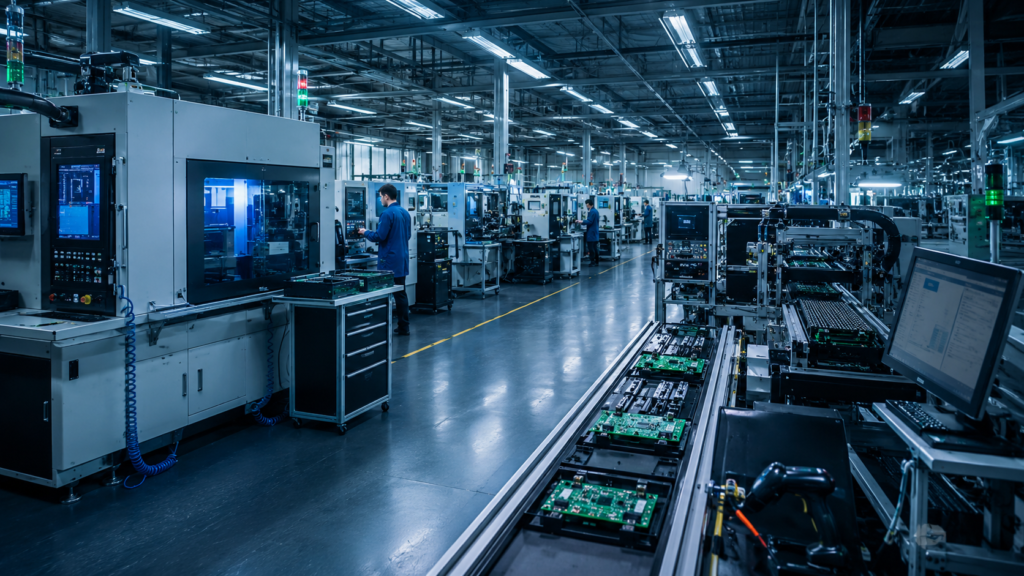
Industrial computers help collect shop-floor data for manufacturing execution systems.
行业概况
MES Is Moving Closer to the Factory Floor
Manufacturing execution systems were traditionally viewed as software platforms for production reporting, work order tracking, 和质量记录.
今天, MES systems are becoming more closely connected to machines, 生产线, 运营商, and real-time factory data. This shift increases the importance of reliable shop-floor computing hardware.
MES platforms often need to collect data from:
- Assembly stations
- 数控机床
- SMT production lines
- Testing equipment
- Barcode and RFID systems
- Quality inspection workstations
- Packaging and labeling stations
- Warehouse and material handling areas
Each data point must be captured accurately and transferred to the MES system without unnecessary delay.
Why Industrial Computers Matter
A standard commercial computer may be enough for office use, but shop-floor environments are different.
Industrial computers are designed for factory conditions where systems may face vibration, 灰尘, 电源不稳定, 电噪声, limited space, 以及营业时间长.
In MES projects, industrial PCs and embedded computers provide the local computing layer between physical production equipment and higher-level software systems.
They help manufacturers build a more reliable digital manufacturing environment by supporting real-time data collection, operator interaction, equipment communication, 和生产可追溯性.
From Manual Reporting to Digital Manufacturing
Many factories still rely on paper forms, 手动输入, or delayed reporting for production status.
MES systems reduce this gap by collecting production data directly at the point of operation. Industrial computers make this possible by placing computing power close to the machines and operators.
This enables faster response to production issues, better quality control, and more complete manufacturing records.

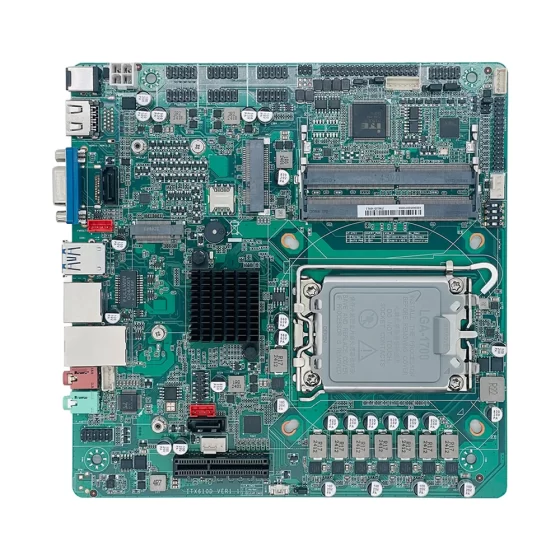
Mixed factory equipment requires reliable industrial computers for MES integration.
主要挑战
Equipment Connectivity
One of the biggest MES deployment challenges is connecting different types of production equipment.
Factories often use machines from different generations, vendors, and control platforms. Some machines support modern Ethernet communication, while others still rely on serial ports or external data collection devices.
A practical MES computer may need to support:
- LAN communication
- RS232 and RS485 interfaces
- USB peripherals
- 条码扫描仪
- RFID阅读器
- Label printers
- 视觉相机
- Digital I/O or gateway modules
Without the right hardware interfaces, the MES system may not be able to collect complete production data.
Harsh Shop-Floor Conditions
MES terminals are often installed near machines, 输送机, 橱柜, test benches, or operator workstations.
These environments may include heat, 灰尘, 振动, electrical interference, and limited airflow. A computer failure at a production station can interrupt scanning, 报告, quality checks, or process confirmation.
Industrial computers are better suited for these conditions because they can offer rugged enclosures, fanless thermal designs, stable mounting options, and industrial power input.
数据准确性和可追溯性
MES systems depend on accurate and complete data.
如果条形码扫描丢失, machine data is delayed, or quality results are not uploaded correctly, production traceability becomes incomplete. This can affect quality control, customer audits, 保修分析, and production improvement.
Reliable industrial computers help reduce data loss by supporting stable communication, 本地缓冲, and continuous operation at key production points.
Network Design and Security
MES computers often connect machine networks with factory IT networks.
This creates design requirements for network segmentation, secure communication, user access control, and reliable data transfer.
In some deployments, multiple LAN ports are useful because they allow separation between machine-side communication and MES server communication. This can improve network organization and reduce the risk of unnecessary interference between systems.
Long-Term Maintenance
MES projects usually expand over time.
A factory may start with one pilot line, then extend the system to multiple workshops, production buildings, or global manufacturing sites.
If the hardware platform changes frequently, 维护变得困难. Software images, 备件, mounting accessories, 司机, and validation records all become harder to manage.
Long-lifecycle industrial computing platforms can reduce these risks and support more consistent MES deployment.

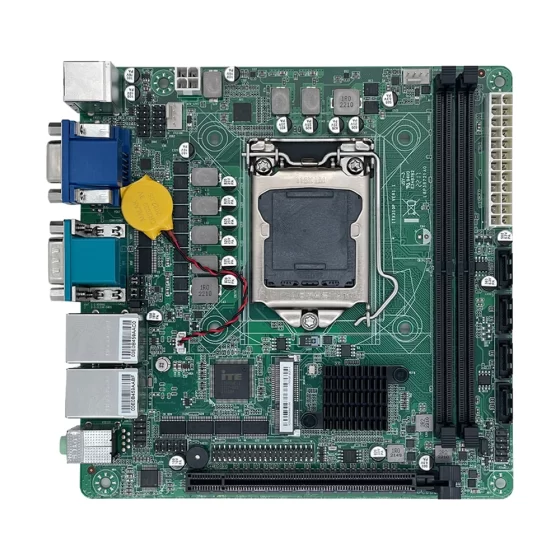
Industrial computers bridge machines, 外围设备, and MES software platforms.
Industrial Computer MES Solution Architecture
Machine Layer
The machine layer includes the physical equipment that generates production data.
这可能包括 PLC, CNC controllers, 传感器, actuators, 称重设备, 测试仪器, 条码扫描仪, RFID阅读器, machine vision systems, and industrial meters.
These devices provide information such as:
- 机器状态
- 周期
- Production count
- Alarm messages
- Material usage
- 工艺参数
- 测试结果
- Product identification data
The challenge is that this data may come from many different interfaces and formats.
边缘计算层
The edge computing layer is where industrial computers play the most important role.
An industrial PC or embedded computer can be installed beside a machine, inside a control cabinet, at an operator station, or within a production workstation.
在这一层, 计算机可以执行多项任务:
- Collect data from local devices
- Run MES client software
- 显示作业指导书
- Record operator input
- Process barcode or RFID data
- Communicate with PLCs and machines
- Buffer data during temporary network issues
- Upload production records to MES servers
This local computing layer improves reliability because not every task needs to depend entirely on a remote server.
MES Server Layer
The MES server layer manages the main production software functions.
It may include work order management, process routing, production tracking, 质量记录, traceability databases, reporting dashboards, and integration with ERP or warehouse systems.
工业计算机通过工厂网络与这一层进行通信. The MES server receives data from multiple production stations and provides instructions, status updates, and reporting functions.
企业集成层
MES systems are often connected with ERP, 产品生命周期管理, 仓库管理系统, 监控与数据采集系统, or business intelligence platforms.
This integration helps align production activity with planning, inventory, purchasing, 质量控制, and delivery schedules.
Industrial computers do not replace these enterprise systems. Instead, they provide the reliable shop-floor data foundation that allows higher-level systems to make better decisions.

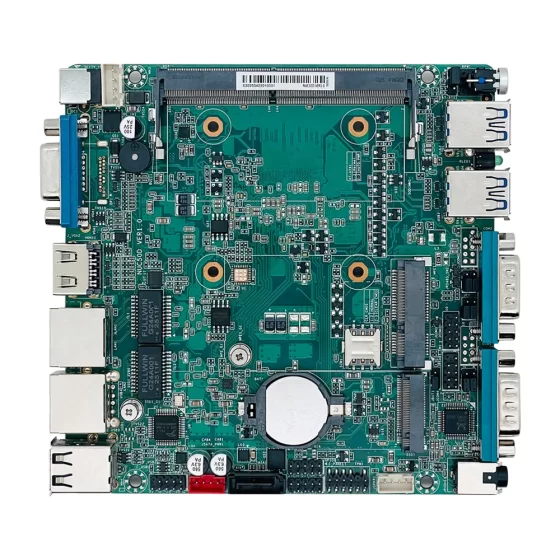
Fanless industrial PCs support reliable MES operation in production cabinets.
主要特点
工业级可靠性
Reliability is the first requirement for MES hardware.
Production systems may run multiple shifts per day, and MES terminals are expected to stay available during active manufacturing operations.
Important reliability factors include:
- Stable motherboard design
- 无风扇系统选项
- Industrial power input
- SSD存储支持
- Rugged enclosure design
- Reliable thermal performance
- Long operating lifecycle
The goal is not only high performance, but stable operation in real factory conditions.
灵活的I/O配置
MES applications often require more I/O flexibility than office computers.
A typical MES station may need to connect a touchscreen, barcode scanner, 打印机, 射频识别阅读器, network cable, USB device, and sometimes serial equipment at the same time.
有用的 I/O 选项可能包括:
- 多个 LAN 端口
- USB 2.0 和USB 3.0
- RS232 or RS485
- HDMI 或 DisplayPort
- GPIO 或数字 I/O
- M.2扩展
- Mini PCIe 扩展
- Wireless module support when required
The right I/O configuration reduces the need for external adapters and improves system stability.
无风扇散热设计
Fanless industrial computers are widely used in MES environments because they reduce mechanical failure points and limit dust intake.
A fanless design is especially useful in production areas where dust, 颗粒, or maintenance limitations may affect standard computers.
然而, fanless selection should still consider processor power, 环境温度, enclosure space, 安装方法, and workload.
Compact Mechanical Design
MES computers are often installed in space-limited locations.
They may be mounted behind displays, 柜子里面, under workbenches, 在机器框架上, or near production lines.
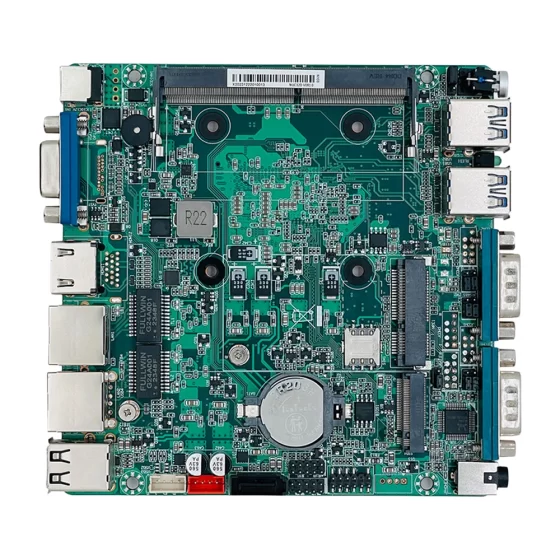
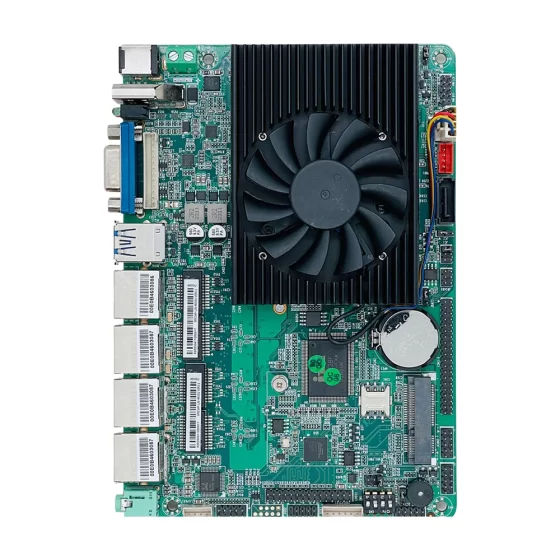
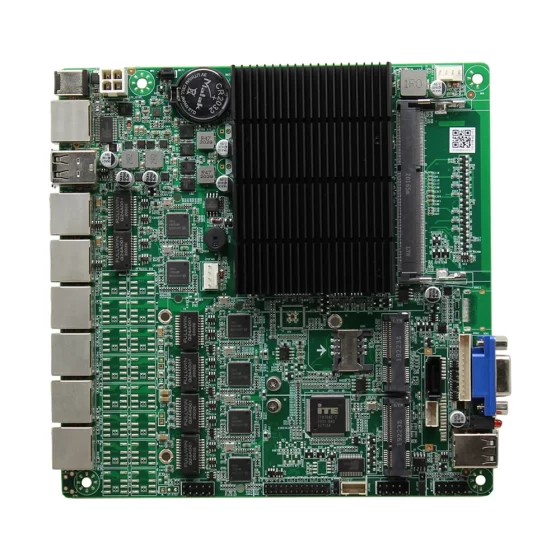
紧凑型嵌入式计算机和工业工控机提供灵活的安装选项. For OEM projects, embedded boards may be integrated directly into custom equipment enclosures.
存储和数据保护
MES terminals may store operating system files, application data, 日志, temporary production records, 检查图像, 或本地数据库.
SSD storage is commonly preferred because it offers better shock resistance and faster response than mechanical drives.
For systems that write frequent logs or store large inspection files, storage capacity and endurance should be reviewed during hardware selection.
Operating System and Software Compatibility
MES software may run on Windows, Linux, or browser-based platforms.
大规模部署之前, the hardware should be validated with the target operating system, 司机, 外围设备, security tools, remote management software, and MES client applications.
This validation helps avoid unexpected compatibility problems after deployment.
部署场景
Operator MES Terminals
Operator terminals are one of the most common MES deployment scenarios.
An industrial computer may be connected to a monitor, 触摸屏, barcode scanner, 键盘, 射频识别阅读器, 和标签打印机.
The terminal can display work instructions, 确认流程步骤, collect operator input, and upload station-level production data to the MES system.
This helps reduce paper-based reporting and improves process control.
Machine Data Collection Stations
Industrial computers can collect data directly from production machines.
They may connect to PLCs, CNC controllers, 米, 传感器, or machine communication ports. The collected data can include machine status, 周期, 输出计数, 报警历史记录, and process values.
This type of deployment is useful when machines do not communicate directly with MES software.
Quality Inspection Workstations
MES systems often need to connect quality inspection results with product serial numbers or work orders.
An industrial computer at the inspection station may connect to cameras, 测量工具, testing equipment, 扫描仪, 和打印机.
可记录检测数据, store local results, and upload quality records to the MES database.
SMT and Electronics Manufacturing
In electronics manufacturing, MES systems are often used to track PCBs, components, process routes, 测试结果, 维修记录, and final packaging information.
Industrial computers can be deployed near SMT lines, 自动光学检测机, testing stations, rework areas, and packaging lines.
Stable data capture is important because electronics manufacturing requires accurate traceability across many process steps.
CNC and Mechanical Processing
CNC workshops may use MES systems to collect machine status, production quantities, tool information, and operator records.
Because many CNC factories use mixed equipment generations, industrial computers with serial and Ethernet communication options can help connect older and newer machines into the MES workflow.
Warehouse and Material Traceability
MES systems are often connected with warehouse and material handling processes.
Industrial computers can be used at receiving areas, material preparation stations, line-side warehouses, and finished goods areas.
通过连接条码扫描仪, RFID阅读器, 称重设备, 和标签打印机, these systems help improve material traceability and reduce manual errors.
OEM设备集成
OEM equipment builders may integrate embedded computers or industrial motherboards directly into machines.
This allows equipment to support MES connectivity, data reporting, 远程诊断, and operator interface functions from the beginning.
对于机器制造商, this can improve product value and simplify customer integration.
商业效益
更好的生产可见性
Industrial computers help MES systems collect real-time data from production lines.
Managers can view work order progress, 机器状态, downtime causes, 输出数量, and quality results more quickly.
This improves decision-making and reduces the delay between shop-floor events and management response.
更强的可追溯性
Traceability depends on accurate data collection at each process step.
By using industrial computers at scanning, 测试, 集会, 检查, and packaging stations, manufacturers can record product IDs, 物料批次, 操作员动作, process parameters, and quality results.
This supports quality management, audit preparation, and root cause analysis.
减少手动报告
Manual reporting can create delays and errors.
MES terminals based on industrial computers allow operators and machines to submit data during production. This reduces paperwork, improves reporting accuracy, and shortens the time required to understand production status.
Improved Equipment Integration
Factories often use equipment from different vendors and different time periods.
Industrial PCs and embedded computers provide the interface flexibility needed to connect machines, 扫描仪, 传感器, 测试仪器, and network systems into one MES workflow.
This helps manufacturers digitalize existing production assets without replacing all equipment.
Scalable Deployment
A standardized industrial computer platform can be deployed across multiple lines and factories.
This simplifies installation, software image management, 备件计划, 维护培训, and long-term support.
Scalable hardware planning is especially important when MES projects grow from pilot deployment to full factory implementation.
Foundation for Smart Manufacturing
MES is often the first major step toward smart manufacturing.
Once reliable production data is available, manufacturers can develop advanced analytics, quality improvement systems, equipment monitoring, 工业物联网应用, and factory-level optimization.
Industrial computers provide the practical edge computing foundation for this development.
为什么选择CoreIPC
CoreIPC为制造业提供工业计算平台, 自动化, 嵌入式系统, and shop-floor data applications. For MES systems, CoreIPC focuses on reliable hardware design, practical I/O configurations, compact industrial computers, 嵌入式计算机, 和OEM/ODM定制支持. CoreIPC帮助系统集成商, 设备制造商, 和制造团队选择与实际生产环境相匹配的计算平台, including interface requirements, 安装方法, 电源输入, 热设计, 和长期部署需求.
常见问题解答
1. What is an industrial computer MES system?
An industrial computer MES system uses industrial-grade computing hardware to connect production equipment, 运营商, and manufacturing execution software.
The industrial computer may work as an operator terminal, 机器数据采集节点, 质检工作站, or traceability gateway. It collects production data, supports local interaction, and communicates with MES servers. Compared with office PCs, industrial computers are better suited for shop-floor environments where reliability, 输入/输出灵活性, and continuous operation are important.
2. Why are industrial computers used for MES instead of office PCs?
Office PCs are designed mainly for clean and stable office environments. MES terminals are often installed near machines, 输送机, 橱柜, or production workstations.
Industrial computers provide stronger mechanical design, 无风扇选项, better mounting flexibility, wider I/O support, and more stable operation in industrial conditions. These features help reduce downtime and maintenance problems during continuous production use.
3. What interfaces are important for MES computers?
Important MES computer interfaces usually include LAN, USB, RS232, RS485, HDMI, 显示端口, and sometimes digital I/O or expansion slots.
USB ports are used for scanners, RFID阅读器, 打印机, 键盘, 和相机. Serial ports may connect legacy equipment, 米, 称重设备, or PLCs. Multiple LAN ports can separate machine communication from factory network communication.
4. Can an embedded computer be used for MES data collection?
是的. An embedded computer is often a good choice for MES data collection because it is compact, 可靠的, and suitable for machine-side installation.
It can connect to PLCs, 传感器, 扫描仪, 测试设备, 和工厂网络. It may run communication software, protocol conversion tools, local buffering services, or MES client applications. This makes it useful for both new equipment and legacy machine integration.
5. Is a fanless industrial PC suitable for MES terminals?
A fanless industrial PC is often suitable for MES terminals, especially in dusty or maintenance-sensitive production areas.
Because it does not use a mechanical fan, it reduces dust intake and removes one common failure point. 然而, the final selection should consider CPU workload, 环境温度, installation space, and thermal conditions around the device.
6. Do MES systems require multiple LAN ports?
Multiple LAN ports are not always required, but they are useful in many MES deployments.
One LAN port can connect to machine-side equipment or PLCs, while another connects to the MES server or factory network. This separation can improve network organization, reduce communication conflicts, and support better security design in production environments.
7. How does industrial computer hardware affect traceability?
Traceability depends on reliable data capture at each process point.
If barcode scans, 机器数据, 测试结果, or operator confirmations are missed, the MES record becomes incomplete. Industrial computer hardware affects traceability by providing stable operation, reliable peripheral connections, and continuous data communication between shop-floor devices and MES software.
8. What should be considered when selecting storage for MES computers?
Storage selection should consider operating system size, MES application requirements, log frequency, temporary data buffering, inspection image storage, and local database usage.
SSD storage is usually preferred because it offers better shock resistance and faster system response. For heavy logging or image-based inspection stations, capacity and write endurance should be reviewed carefully.
9. Can industrial computers connect legacy machines to MES?
是的. Many factories use industrial computers to connect legacy machines that do not directly support modern MES communication.
With RS232, RS485, 以太网, USB, 或网关模块, an industrial computer can collect data from older equipment and transfer it to MES software. This helps manufacturers digitalize existing equipment without replacing all machines.
10. When should OEMs use embedded boards for MES integration?
OEMs should consider embedded boards when computing hardware needs to be integrated directly into a machine, HMI panel, 内阁, or custom enclosure.
Embedded boards provide flexibility for mechanical design, connector layout, thermal planning, and product customization. They are suitable for equipment builders who want MES connectivity, data reporting, or operator interface functions built into their own products.
结论
An industrial computer MES deployment is an essential foundation for reliable digital manufacturing.
By placing industrial-grade computing hardware close to machines, 运营商, 扫描仪, 检查系统, 和生产网络, manufacturers can improve data accuracy, 可追溯性, visibility, and system uptime.
The right industrial computer or embedded computer should be selected based on real shop-floor requirements, 包括 I/O 配置, 网络设计, 安装方法, 热条件, 电源输入, 存储需求, 操作系统兼容性, 和生命周期规划.
CoreIPC supports MES system integrators, OEM equipment builders, and manufacturing teams with industrial computing platforms designed for practical factory deployment. 拥有正确的硬件基础, MES systems can become more stable, 可扩展, and valuable for long-term smart manufacturing development.
联系我们
寻找工业计算机, 嵌入式计算机, or industrial motherboard for MES system integration?
联系 CoreIPC 讨论您的项目需求, including processor platform, 输入/输出配置, 安装方法, 电源输入, 运行环境, lifecycle expectations, and OEM/ODM customization needs.
CoreIPC工业计算解决方案