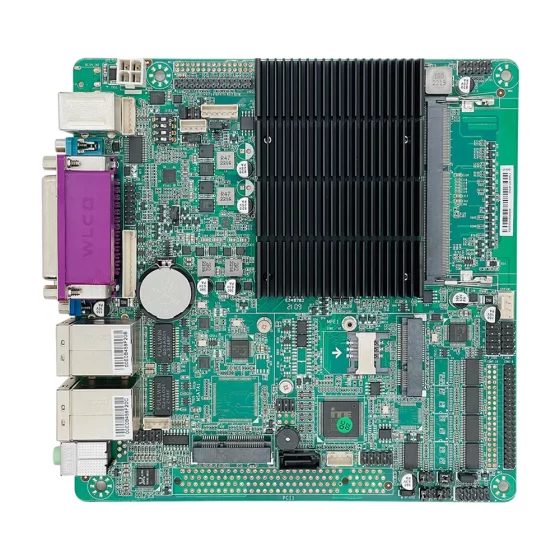
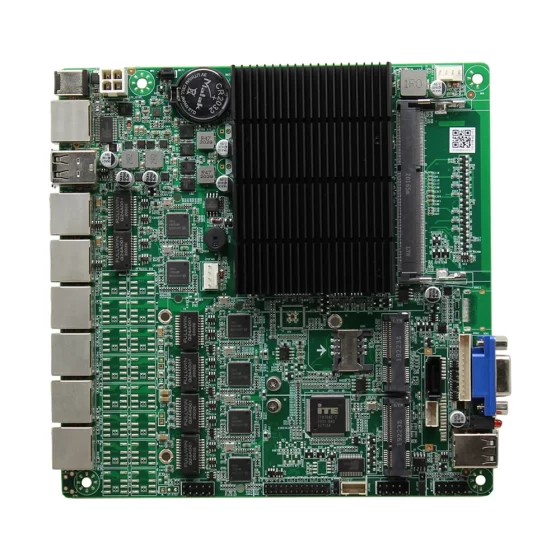
CoreIPC工业计算解决方案

用于智能制造环境中生产监控的工业计算机
执行摘要
Modern manufacturing environments require continuous visibility into production processes, 机器性能, 和运营效率. 一个 production monitoring computer plays a critical role in enabling real-time data acquisition, 过程可视化, 以及跨工业自动化网络的系统集成.
一个 工业计算机 designed for production monitoring must operate reliably in harsh environments, 处理多种工业通信协议, 并支持边缘级数据处理. 与传统IT系统不同, an 嵌入式计算机 deployed in production monitoring scenarios ensures deterministic performance, 长生命周期稳定性, 并与 PLC 无缝集成, 传感器, 和 SCADA 系统.
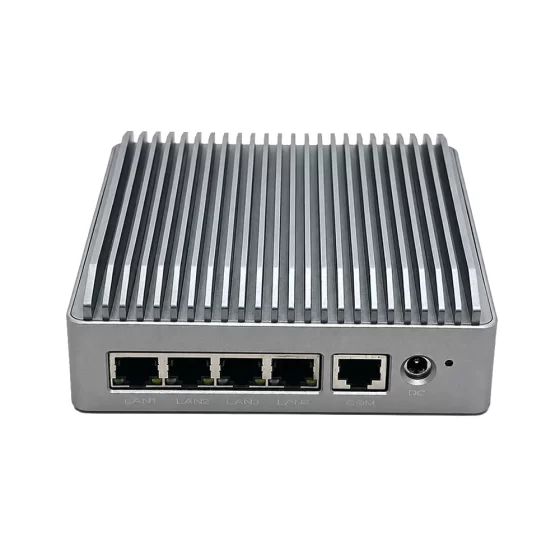
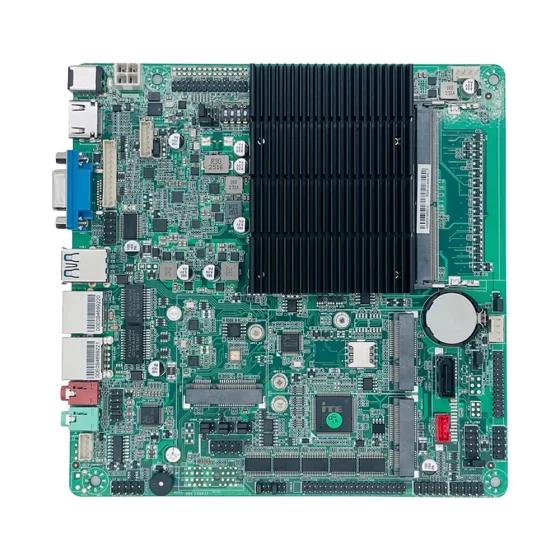
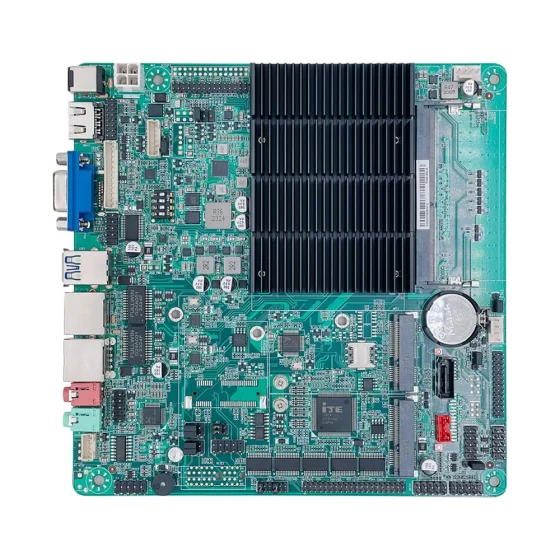
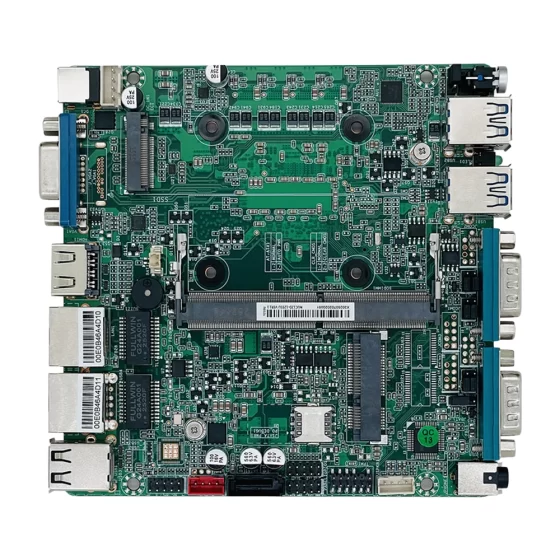
CoreIPC 工业计算平台结合坚固耐用的硬件设计,为生产监控应用提供了坚实的基础, 灵活的 I/O 配置, 现代智能工厂的可扩展计算性能.

使用边缘工业计算机进行实时监控和自动化控制的工业生产线
行业概况
The global manufacturing sector is rapidly transitioning toward digitalized and data-driven production systems under Industry 4.0 倡议. Production monitoring has evolved from manual inspection and isolated machine control into fully integrated digital ecosystems.
Factories now rely on interconnected systems including:
- PLC-based automation systems
- Machine vision inspection systems
- Industrial IoT sensors
- 制造执行系统 (制造执行系统)
- SCADA and HMI platforms
In this environment, 这 工业计算机 acts as the central edge computing node that collects, 流程, and transmits real-time production data.
The demand for production monitoring computers is growing across automotive, 电子产品, 半导体, 食品加工, and logistics industries due to the need for:
- 更高的生产效率
- 减少停机时间
- 预测性维护
- Quality assurance automation
- Real-time operational visibility
主要挑战
Despite rapid digital transformation, manufacturers face several challenges when implementing production monitoring systems:
1. Heterogeneous Machine Connectivity
Production lines often include legacy machines and modern automated equipment. Integrating these systems requires support for multiple interfaces such as RS232, RS485, 以太网, CAN总线, and industrial fieldbuses.
2. 实时数据处理要求
Production monitoring systems must process large volumes of sensor data with low latency to ensure timely decision-making and fault detection.
3. 恶劣的工业环境
Industrial computers must withstand:
- High temperature fluctuations
- 灰尘和振动
- Electrical noise and interference
- 24/7 连续运行
4. System Stability and Downtime Sensitivity
Any interruption in production monitoring can lead to significant financial losses, making system reliability a critical requirement.
5. Scalability Across Production Lines
Manufacturers need scalable computing platforms that can expand from single-line monitoring to full-factory digitalization.

Industrial computer enabling real-time data flow between PLC systems, 传感器, and factory Ethernet networks
解决方案架构
A modern production monitoring system based on industrial computing typically follows a layered architecture:
Edge Layer (工业电脑 / 嵌入式计算机)
At the core is a production monitoring computer deployed on the factory floor. It interfaces directly with machines, 传感器, 和控制系统.
Key responsibilities:
- Data acquisition from PLCs and sensors
- 协议转换 (MODBUS, OPC统一协议, 以太网/IP)
- Local data preprocessing
- Machine-level visualization
控制层 (监控与数据采集系统 / HMI Systems)
Industrial computers transmit processed data to SCADA systems for centralized monitoring and operator control.
功能包括:
- Production status visualization
- 报警管理
- Machine performance tracking
Execution Layer (MES Systems)
MES systems use production data to optimize workflows, manage orders, and improve resource allocation.
云 / Analytics Layer
Advanced systems push production data to cloud platforms for:
- 预测性维护
- 基于人工智能的质量检测
- Long-term production analytics
This layered architecture ensures seamless integration between edge computing and enterprise-level manufacturing systems.
主要特点
A CoreIPC-based industrial computer for production monitoring offers the following features:
坚固耐用的工业设计
Fanless architecture with wide-temperature support ensures stable operation in harsh factory environments.
Multi-Interface Connectivity
Supports industrial I/O such as:
- 多个千兆以太网端口
- RS232 / RS485串行通讯
- USB expansion
- 可选 GPIO 和现场总线模块
边缘计算能力
Enables real-time data filtering, 预处理, and local analytics without relying on cloud connectivity.
高可靠性 24/7 手术
Designed for continuous operation with industrial-grade components and long lifecycle support.
Flexible Expansion Options
Supports modular expansion for additional storage, wireless communication, and specialized industrial interfaces.
Low Power Embedded Architecture
Optimized for energy-efficient operation while maintaining stable performance for monitoring workloads.

Industrial control center displaying real-time SCADA dashboards for production monitoring and equipment status
部署场景
Automotive Manufacturing Lines
Monitoring robotic welding systems, assembly stations, and conveyor operations.
Electronics Production Facilities
Tracking SMT lines, 检查系统, and component placement accuracy.
Food and Beverage Processing
Ensuring temperature control, filling accuracy, and packaging line efficiency.
Semiconductor Fabrication
Supporting precision monitoring in cleanroom environments with strict process control.
Logistics and Warehousing
Monitoring automated sorting systems, AGV movement, and inventory tracking systems.
商业效益
Implementing a production monitoring system based on industrial computers provides significant advantages:
提高运营效率
Real-time monitoring reduces downtime and optimizes production throughput.
Predictive Maintenance Capability
Early detection of anomalies helps prevent machine failures and production interruptions.
提高产品质量
Continuous monitoring ensures process stability and reduces defect rates.
降低总拥有成本
Industrial computers reduce maintenance requirements and extend system lifecycle.
可扩展的数字化转型
Supports gradual expansion from single machines to full smart factory ecosystems.
为什么选择CoreIPC
CoreIPC industrial computing platforms are designed specifically for demanding industrial environments where reliability and long-term stability are critical.
主要优势包括:
- Industrial-grade hardware design optimized for 24/7 手术
- Flexible embedded and industrial PC architectures
- Strong compatibility with industrial automation systems
- Long product lifecycle support for stable deployment
- Customization capabilities for OEM/ODM projects
- Proven suitability for edge computing and production monitoring applications
CoreIPC solutions enable manufacturers to build scalable, 可靠的, and future-ready production monitoring infrastructures without compromising system stability or performance.
常见问题解答
1. What is a production monitoring computer?
A production monitoring computer is an industrial computing system used to collect, 过程, and visualize real-time manufacturing data from machines, 传感器, 和控制系统.
2. Why use an industrial computer instead of a regular PC?
Industrial computers are designed for harsh environments, 24/7 手术, and industrial communication protocols, making them more reliable than consumer PCs in production environments.
3. Can embedded computers handle production monitoring?
是的, embedded computers are widely used in production monitoring due to their low power consumption, compact size, and stable performance.
4. What protocols are supported in industrial production monitoring?
常见协议包括Modbus, OPC统一协议, 以太网/IP, Profinet, RS232, 和RS485.
5. Is edge computing necessary for production monitoring?
Edge computing improves response time and reduces cloud dependency by processing data locally at the industrial computer level.
6. Can production monitoring systems integrate with MES?
是的, industrial computers act as data bridges between shop-floor equipment and MES systems.
7. What industries need production monitoring systems?
汽车, 电子产品, 半导体, 食品加工, 后勤, and pharmaceuticals widely use production monitoring systems.
8. How does CoreIPC ensure system reliability?
CoreIPC采用工业级组件, 无风扇设计, and validated thermal architectures for long-term stability.
结论
Production monitoring is a foundational element of modern smart manufacturing. By deploying a robust 工业计算机 或者 嵌入式计算机 as the edge computing node, manufacturers can achieve real-time visibility, improved efficiency, and predictive operational control.
CoreIPC provides industrial-grade computing platforms specifically engineered for production monitoring environments, enabling scalable digital transformation across diverse manufacturing industries.
联系我们
CoreIPC provides customized industrial computing solutions for production monitoring, 边缘计算, 和工业自动化应用. Contact our engineering team to discuss your project requirements and system integration needs.