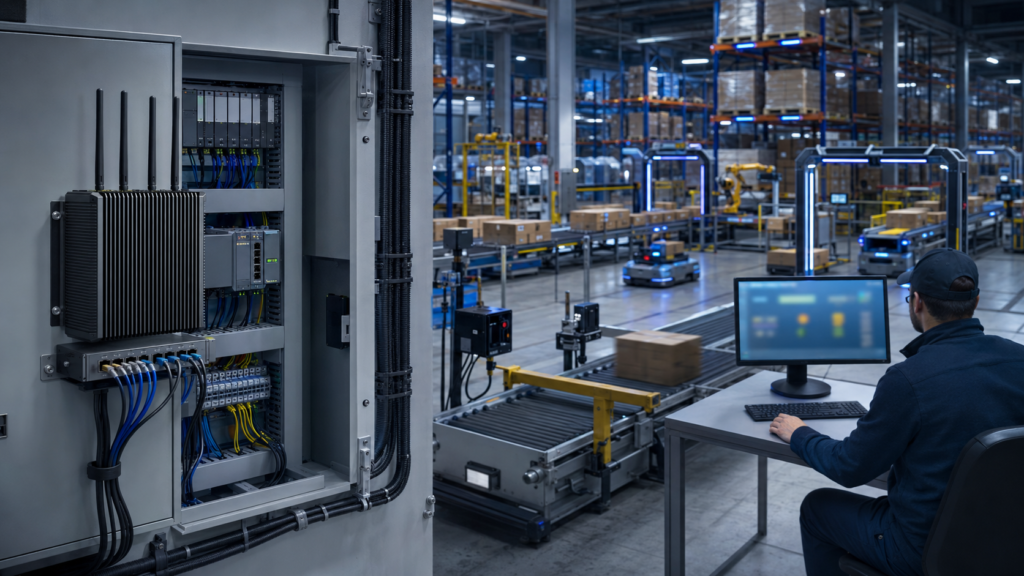
智能仓库的工业物联网: 用于互联物流运营的工业物联网仓库平台
执行摘要
Industrial iot warehouse systems provide the computing foundation for connected storage, automated material handling, inventory visibility, equipment monitoring, 条码扫描, RFID tracking, 环境传感, AGV and AMR coordination, and real-time warehouse operation management.
Modern warehouses are no longer simple storage spaces. They often include conveyor systems, sorting lines, 条形码阅读器, 射频识别设备, vision inspection points, weighing stations, AGV, 抗菌药物耐药性, forklifts, 传感器, access control devices, 工业交换机, 仓库管理系统平台, WCS software, 云仪表板, and local monitoring systems.
To make these systems work together, warehouses need reliable edge computing and data connectivity.
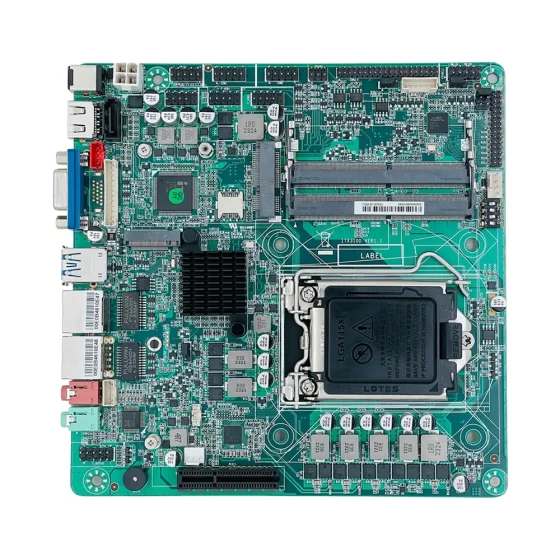
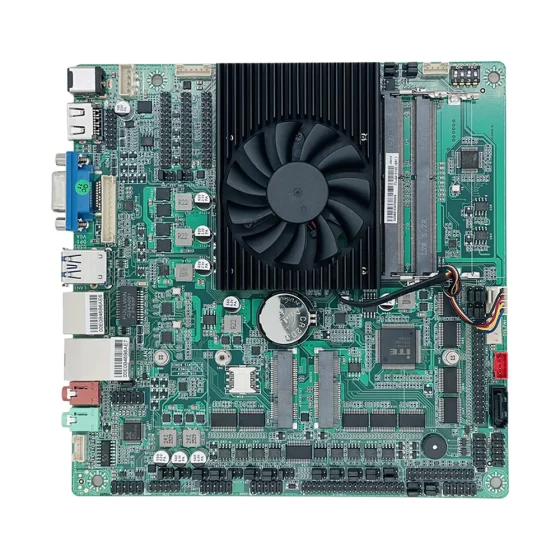
An industrial computer or embedded computer can act as the local industrial IoT gateway or warehouse edge platform. It can collect data from warehouse equipment, connect different devices, 本地处理记录, buffer data during network interruptions, support secure remote access, and send structured information to WMS, WCS, 企业资源计划, 云平台, 或本地仪表板.
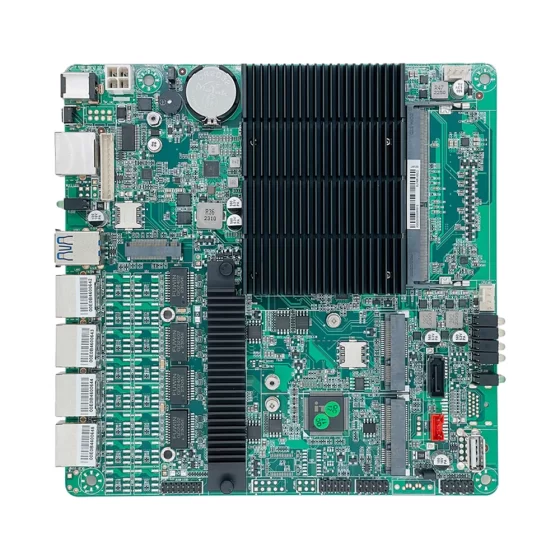
Compared with office PCs or consumer gateways, industrial computers are better suited for warehouse environments because they support rugged installation, 多个 LAN 端口, 串行通讯, 通用输入输出接口, 本地存储, 无风扇设计选项, 稳定的电源输入, 和长生命周期可用性.
This article explains how industrial IoT supports smart warehouse operations, what deployment challenges appear in real logistics environments, 解决方案架构如何运作, and which hardware features matter when selecting an industrial computer or embedded computer for smart warehouse IoT applications.

Smart Warehouse Data Collection
行业概况
Warehouses Are Becoming More Automated
Warehouses are under pressure to move goods faster, reduce picking errors, improve inventory accuracy, and support real-time order fulfillment.
To achieve this, many facilities are adopting connected automation systems.
Common smart warehouse technologies include:
- Barcode scanning
- RFID tracking
- Conveyor control
- Sorting systems
- AGV and AMR robots
- Automated storage systems
- Vision inspection
- Weighing and dimensioning
- Environmental monitoring
- Warehouse management systems
- Warehouse control systems
- Cloud operation dashboards
These systems generate large amounts of operational data.
Without a reliable industrial IoT layer, this data may remain fragmented across devices, 机器, and software platforms.
Industrial IoT Connects Warehouse Equipment
Industrial IoT helps connect physical warehouse equipment with software systems.
It allows warehouse operators to collect and use data from conveyors, 扫描仪, 机器人, 传感器, 米, 相机, gates, 称重系统, and local controllers.
The goal is to improve visibility into:
- Inventory movement
- 设备状态
- Sorting performance
- Picking accuracy
- Robot operation
- Conveyor conditions
- Energy usage
- Environmental conditions
- 报警事件
- Maintenance needs
- Order processing flow
An industrial iot warehouse platform turns disconnected equipment into a more coordinated logistics operation.
Industrial Computing Is the Edge Foundation
Smart warehouse systems need reliable computing near the equipment.
Industrial computers and embedded computers can be installed in control cabinets, 分拣系统, conveyor zones, warehouse racks, charging areas, loading docks, cold chain facilities, and remote logistics nodes.
这些环境可能包括灰尘, 振动, 温度变化, 电缆应力, 电源不稳定, 以及营业时间长.
Industrial computing platforms provide the hardware foundation for stable warehouse IoT deployment.
They support flexible I/O, 网络分段, 本地存储, edge processing, and long-term operation.

Smart Warehouse IoT Deployment Challenges
主要挑战
Connecting Many Warehouse Devices
A smart warehouse may include many different devices from different vendors.
A single facility may use barcode readers, RFID阅读器, 传感器, 输送机, 机器人控制器, weighing stations, 相机, access control devices, 和工业交换机.
These systems may use different interfaces and protocols.
A warehouse IoT platform must support practical connectivity, 包括:
- 以太网
- USB
- RS232
- RS485
- 通用输入输出接口
- 数字输入
- 数字输出
- 无线模块
- 相机接口
- Local display output
- 存储扩展
Flexible device connectivity helps reduce integration complexity.
Integrating WMS and WCS Systems
Warehouse management systems and warehouse control systems often need real-time equipment data.
A WMS may need inventory status, picking results, receiving records, and shipment data. A WCS may need conveyor status, sorter activity, robot tasks, scanner events, and equipment alarms.
The industrial IoT platform must collect data from physical devices and forward structured information to software systems.
This may require:
- Data normalization
- Timestamp alignment
- Event filtering
- Equipment status mapping
- Barcode and RFID record handling
- 本地缓冲
- API or database integration
- Platform communication management
A reliable embedded computer can serve as the local bridge between warehouse equipment and software platforms.
Handling High Data Volume
Smart warehouses can generate high data volume.
Barcode scanners may process thousands of items per hour. Cameras may capture images continuously. Sensors may report equipment status in real time. AMRs may send position and task data. Conveyors may generate frequent status events.
The computing platform must be sized according to:
- 设备数量
- Data point count
- Scan frequency
- Camera workload
- Robot data rate
- 本地数据库大小
- Network bandwidth
- Upload frequency
- Edge processing workload
- Storage retention requirements
Underpowered systems can create delays, data loss, or unstable integration.
Maintaining Operation During Network Interruptions
Warehouse operations cannot stop because a cloud connection or enterprise link becomes unstable.
A smart warehouse IoT platform should support local buffering and store-and-forward behavior.
This helps preserve:
- Scan records
- Sorting events
- Inventory movement logs
- Robot task records
- Equipment alarms
- 环境数据
- Access records
- 维护日志
When the network connection recovers, buffered data can be uploaded to WMS, WCS, 企业资源计划, 云平台, 或本地数据库.
Supporting Real-Time Response
Some warehouse operations need fast local response.
Examples include scanner validation, conveyor stop signals, sorter status alerts, robot zone monitoring, cold chain temperature warnings, and equipment fault detection.
If all data must go to the cloud before action, 回复可能会延迟.
Edge computing allows important logic to run locally.
An industrial computer can process warehouse events near the equipment and send only selected results to higher-level systems.
Protecting Warehouse Networks
Smart warehouse systems often connect operational devices with enterprise software and cloud platforms.
This creates security requirements.
The IoT platform may need to separate:
- Warehouse equipment network
- Office IT network
- 摄像头网络
- Robot network
- Scanner network
- WMS or WCS network
- 远程维护网络
- Cloud uplink
- 管理网络
Multiple LAN ports and controlled communication policies help reduce unnecessary exposure.

Industrial IoT Warehouse Architecture
Industrial IoT Warehouse Solution Architecture
Warehouse Device Layer
The warehouse device layer includes the physical equipment that generates data or requires control.
该层可能包括:
- 条码阅读器
- RFID阅读器
- 输送机
- Sorters
- Weighing systems
- Dimensioning systems
- AGV
- 抗菌药物耐药性
- Forklift terminals
- 工业相机
- 环境传感器
- 门禁设备
- PLC控制器
- Local HMIs
These devices provide real-time operational data for warehouse visibility and automation.
Industrial IoT Edge Layer
The industrial IoT edge layer is the local computing layer.
在这一层, 工业计算机或嵌入式计算机可以:
- Collect scanner records
- Receive sensor data
- Connect robot systems
- Monitor conveyor status
- Process local events
- Buffer data
- 转换协议
- 存储日志
- Apply security rules
- Forward selected information to software systems
This layer connects physical warehouse operations with digital platforms.
Data Processing Layer
The data processing layer improves raw data before it reaches higher-level systems.
The platform may process:
- Barcode events
- RFID reads
- Inventory movement records
- Conveyor alarms
- Sortation events
- Robot task status
- Environmental records
- Energy usage
- Equipment health data
- Loading dock events
通过本地处理数据, the platform reduces bandwidth usage and improves response time.
Warehouse Software Integration Layer
The industrial IoT platform connects warehouse equipment with software systems.
It may send structured data to:
- 仓库管理系统
- WCS
- 企业资源计划
- 制造执行系统
- 云仪表板
- 本地数据库
- 维修平台
- Fleet management systems
- 能源管理平台
- Security monitoring systems
This integration helps warehouse managers see what is happening in real time and coordinate operations more effectively.
安全和管理层
The security and management layer helps keep warehouse connectivity reliable and controlled.
它可能包括:
- 网络分段
- 防火墙策略
- 安全的远程访问
- 用户权限
- 本地日志记录
- 配置备份
- 设备健康监测
- Storage status monitoring
- 远程诊断
- 更新管理
This layer helps reduce risk and simplify long-term maintenance.
主要特点
多设备连接
Industrial IoT warehouse platforms must connect many types of equipment.
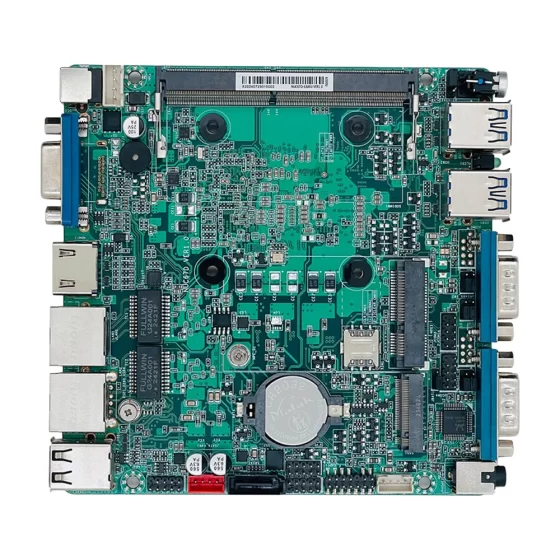
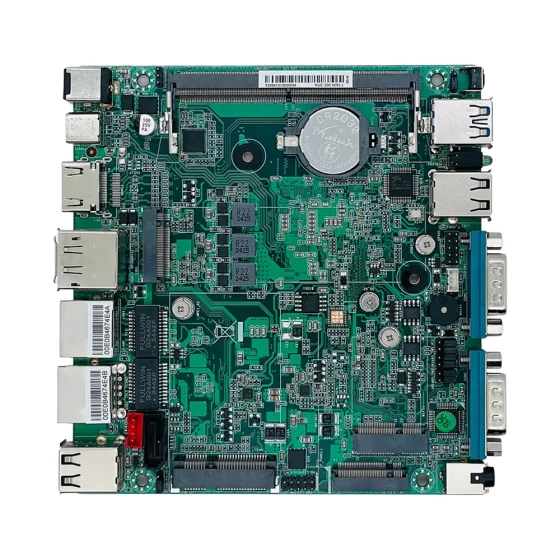
重要的 I/O 选项可能包括:
- 局域网
- USB
- RS232
- RS485
- 通用输入输出接口
- 数字输入
- 数字输出
- HDMI
- 显示端口
- M.2
- PCIe
- SATA 或 NVMe 存储
Native industrial interfaces reduce the need for external converters.
This improves reliability and makes installation cleaner in warehouse control cabinets.
多LAN网络设计
Multiple LAN ports are valuable for warehouse IoT deployment.
They allow different networks to remain separated.
有用的配置可能包括:
- Equipment network
- Scanner network
- 摄像头网络
- Robot network
- WMS or WCS network
- Factory or warehouse IT network
- 远程维护网络
- 管理网络
多 LAN 设计改善流量组织并支持更强的安全边界.
本地存储和数据缓冲
Local storage is important for smart warehouse data continuity.
The platform may store:
- Scan records
- RFID events
- Sorting logs
- Robot task data
- Conveyor alarms
- Environmental records
- 本地数据库
- 上传缓冲区
- 远程访问日志
- 诊断文件
SSD 或 NVMe 存储通常是首选,因为它比机械驱动器提供快速访问和更好的抗震性.
存储设计应考虑保留期限, 写耐力, 备份工作流程, 和网络中断行为.
Edge Processing Performance
The platform may collect, 过程, store, and forward data at the same time.
硬件选型应考虑:
- CPU性能
- 内存容量
- 设备数量
- Data point count
- Scanner event rate
- Camera workload
- Robot data volume
- Local database workload
- 存储速度
- 操作系统支持
For larger warehouses, the system should be tested with real device connections and traffic volume.
坚固耐用的无风扇设计
Warehouse environments can be dusty and vibration-prone.
Fanless industrial computers reduce dust intake and remove one common mechanical failure point.
坚固的外壳有助于保护系统免受振动影响, 电缆应力, installation impact, 并连续运行.
热设计仍应仔细审查, especially when the system handles continuous data collection, 本地处理, and storage writes.
安全远程访问
Smart warehouse systems often need remote support.
System integrators, equipment suppliers, and warehouse IT teams may need access to gateways, 扫描仪, 输送机, 机器人, 或本地仪表板.
Remote access should be controlled through:
- 用户认证
- VPN 或安全隧道支持
- 访问权限
- 会话记录
- 维护窗口
- 网络分段
- 配置备份
- 紧急访问规则
This supports maintenance efficiency without exposing the full warehouse network.
Wireless and Expansion Options
Some warehouse systems require wireless connectivity or expansion.
M.2 and PCIe interfaces can support wireless modules, additional network cards, storage expansion, or custom modules.
This is useful for distributed warehouse areas, mobile equipment integration, and OEM gateway products.
Expansion capability helps the same platform serve different warehouse applications.
长生命周期和可维护性
Warehouse IoT systems may remain in service for years.
一致的硬件有助于维护软件映像, 司机, 备件, 配置模板, 和验证程序.
Industrial computing platforms with lifecycle planning help system integrators and warehouse operators deploy stable solutions across many facilities.

Smart Warehouse IoT Operations
部署场景
Barcode and RFID Data Collection
A smart warehouse may use barcode and RFID devices across receiving, 贮存, picking, packing, and shipping areas.
An industrial IoT platform can collect these records, timestamp events, buffer data locally, and forward structured information to WMS or ERP systems.
This improves inventory accuracy and traceability.
Conveyor and Sorting System Monitoring
Conveyors and sorting systems generate continuous status and alarm data.
An embedded computer can collect signals from controllers, 传感器, 扫描仪, and local devices.
It can provide local monitoring and send selected events to WCS or maintenance platforms.
This helps improve equipment visibility.
AGV and AMR Operation Support
AGVs and AMRs need reliable communication with task systems, fleet platforms, charging stations, and warehouse infrastructure.
An industrial computer can support local IoT connectivity, 网络分段, and data exchange between robot systems and warehouse platforms.
This supports safer and more reliable robot-assisted logistics.
Cold Chain Warehouse Monitoring
Cold chain warehouses need continuous temperature and humidity monitoring.
An embedded computer can collect environmental sensor data, 存储本地记录, 生成本地警报, and send data to cloud or facility management systems.
Local buffering helps preserve records during network interruptions.
Smart Loading Dock Monitoring
Loading dock operations may include cameras, 传感器, 访问控制, 条码扫描仪, and truck scheduling systems.
A warehouse IoT gateway can collect data from dock equipment and forward selected events to operation dashboards.
This improves visibility into inbound and outbound logistics.
Warehouse Energy Monitoring
Warehouses use lighting, HVAC, 输送机, chargers, 压缩机, and automation systems.
An industrial IoT platform can collect energy data from meters and equipment.
This supports energy analysis, abnormal consumption detection, and operational improvement.
Vision-Based Sorting and Inspection
Some warehouses use cameras for package inspection, 标签读取, dimensioning, or sorting verification.
An industrial computer can support local camera data handling, event processing, and integration with WMS or WCS systems.
For AI-based workloads, higher-performance edge platforms may be required.
Multi-Site Warehouse Monitoring
Large logistics operators may manage many warehouse sites.
A standardized industrial IoT warehouse platform can collect local data at each site and send selected information to centralized dashboards.
This supports multi-site visibility and consistent operations management.
商业效益
Improved Inventory Visibility
Industrial IoT helps warehouses track goods movement more accurately.
Barcode, 射频识别, 扫描器, and equipment data can be collected automatically and shared with WMS or ERP systems.
This reduces blind spots and improves inventory control.
Better Equipment Monitoring
Connected conveyors, sorters, 机器人, 传感器, and scanners provide useful maintenance data.
Industrial IoT platforms can collect equipment status and alarm records in real time.
This helps maintenance teams respond faster and reduce unexpected downtime.
Reduced Manual Data Entry
Automated data collection reduces dependence on manual records.
This improves accuracy for receiving, picking, 排序, packing, shipping, and inventory updates.
It also reduces human error in fast-moving warehouse operations.
Faster Local Response
Edge computing allows warehouse systems to respond locally.
Alerts, equipment status changes, environmental warnings, and scanner events can be processed near the source.
This reduces delay and improves operational responsiveness.
Stronger Network Organization
Multi-LAN industrial IoT platforms help separate robot networks, scanner networks, 相机网络, office IT, warehouse equipment, 和远程维护访问.
This improves security and reduces unnecessary traffic exposure.
A better network structure supports scalable warehouse automation.
Scalable Smart Warehouse Deployment
A standardized industrial iot warehouse platform makes it easier to deploy across multiple zones, 仓库, and logistics sites.
一致的硬件简化了软件映像, 配置模板, 维护培训, 备件计划, 和生命周期管理.
This supports long-term smart warehouse expansion.
为什么选择CoreIPC
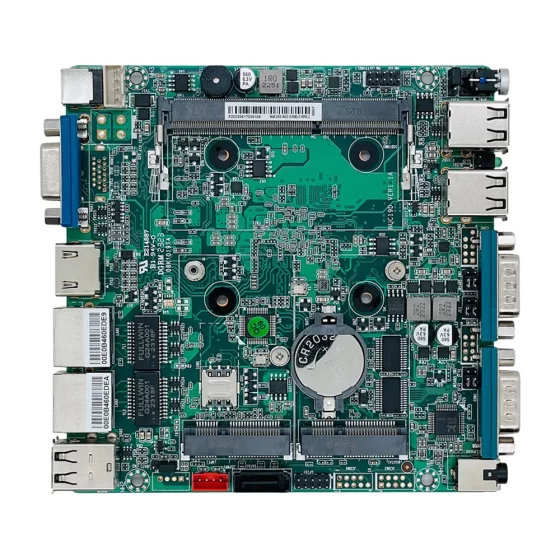
CoreIPC为工业物联网提供工业计算平台, 工厂自动化, 机器人技术, 机器视觉, 网络安全, 和嵌入式系统集成. For smart warehouse applications, CoreIPC专注于可靠的工业计算机硬件, 嵌入式计算机解决方案, 多 LAN 配置, 串行通讯, 灵活的输入/输出, 紧凑的系统设计, 无风扇部署选项, 本地存储能力, 和OEM/ODM定制支持. CoreIPC帮助系统集成商, warehouse automation providers, and logistics operators select computing platforms that match real deployment requirements, 包括设备接口, data workload, LAN端口数, 存储需求, 安装方法, 电源输入, 热条件, 和生命周期规划.
常见问题解答
1. What is industrial IoT for smart warehouses?
Industrial IoT for smart warehouses connects warehouse equipment, 传感器, 扫描仪, 机器人, 相机, and software systems through edge computing and data networks.
It helps collect operational data, monitor equipment, track inventory movement, support automation, and send structured information to WMS, WCS, 企业资源计划, 云平台, 或本地仪表板.
2. Why use an industrial computer in a smart warehouse?
An industrial computer provides rugged hardware and flexible connectivity for warehouse environments.
可支持多个LAN口, 串行通讯, USB, 通用输入输出接口, 本地存储, 无风扇运行, 工业安装, 稳定的电源输入, 和长生命周期可用性. These features make it suitable for control cabinets, sorting lines, loading docks, and warehouse edge systems.
3. How is an embedded computer used in warehouse IoT?
An embedded computer can act as a compact warehouse IoT gateway.
It can collect scanner events, sensor data, conveyor status, robot information, environmental records, and equipment alarms. It can process data locally and forward selected records to WMS, WCS, 企业资源计划, 或云系统.
4. What warehouse devices can be connected?
A warehouse IoT platform can connect barcode readers, RFID阅读器, 传感器, 米, 输送机, sorters, AGV, 抗菌药物耐药性, 工业相机, 称重系统, dimensioning systems, PLC, 人机界面, and access control devices.
The exact device support depends on interfaces, 软件驱动程序, 通讯协议, and integration requirements.
5. Why is local storage important in warehouse IoT?
Local storage helps prevent data loss during network interruptions.
The platform can continue storing scan records, sorting events, robot task logs, environmental records, and equipment alarms locally. When the connection recovers, buffered data can be uploaded to warehouse software systems.
6. Why are multiple LAN ports important for smart warehouse systems?
Multiple LAN ports help separate different networks.
One port may connect to scanners, 另一个到相机, another to robots, another to WMS or WCS, 另一个用于远程维护或管理网络. This improves network organization and security.
7. Can industrial IoT support AGV and AMR warehouse systems?
是的. Industrial IoT platforms can help exchange data between AGVs, 抗菌药物耐药性, fleet management systems, charging stations, warehouse software, and local sensors.
They can also support network segmentation, local data handling, and equipment monitoring for robot-assisted warehouse operations.
8. Can warehouse IoT platforms support cold chain monitoring?
是的. Embedded computers can collect temperature, 湿度, and environmental sensor data from cold chain warehouse areas.
They can store local records, 生成警报, and upload data to facility management, 云仪表板, or compliance systems.
9. What hardware features matter for industrial IoT warehouse platforms?
重要功能包括多个 LAN 端口, RS232, RS485, USB, 通用输入输出接口, 数字输入/输出, 可靠的记忆, SSD 或 NVMe 存储, 坚固的外壳, 无风扇设计, 工业电源输入, 显示输出, M.2, PCIe, 和扩展选项.
最终配置应与设备数量匹配, data workload, 网络设计, 及安装环境.
10. 部署前应该测试什么?
部署前, the platform should be tested with real scanners, 传感器, 机器人, 输送机, 相机, 网络拓扑, warehouse software, data rates, 存储行为, 和长时间运行的操作.
热稳定性, 数据缓冲, 上传行为, 远程访问工作流程, 恢复程序也应得到验证.
结论
Industrial iot warehouse systems provide a practical foundation for connected logistics operations, inventory visibility, equipment monitoring, AGV and AMR coordination, barcode and RFID data collection, 环境传感, and smart warehouse automation.
By placing an industrial computer or embedded computer near warehouse equipment, system integrators and logistics operators can connect scanners, 传感器, 输送机, 机器人, 相机, PLC, 仓库管理系统平台, WCS systems, 云仪表板, and maintenance tools through reliable and controlled communication paths.
The right industrial IoT warehouse platform should be selected according to real deployment requirements, 包括设备接口, data volume, LAN端口数, 串行通讯, 存储设计, buffering requirements, 安装方法, 电源输入, 热条件, 操作系统支持, 和生命周期规划.
CoreIPC supports smart warehouse IoT projects with industrial computing platforms designed for practical warehouse, 后勤, edge, 和 OEM 部署. 拥有正确的硬件基础, warehouse operators and automation providers can build reliable, 可扩展, and data-driven logistics systems.
联系我们
寻找工业计算机, 嵌入式计算机, or multi-LAN platform for industrial IoT warehouse deployment?
联系 CoreIPC 讨论您的项目需求, 包括设备接口, LAN端口数, scanner and sensor integration, robot connectivity, data workload, 存储配置, 安装方法, 电源输入, 运行环境, 生命周期需求, 和 OEM/ODM 定制选项.
CoreIPC工业计算解决方案