销售查询
|
获取报价


传感器数据采集计算机 | Industrial Computer for Industrial IoT and Data Acquisition | 核心IPC

传感器数据采集计算机

传感器数据采集计算机

执行摘要

Industrial digital transformation initiatives are driving unprecedented growth in sensor deployments across manufacturing, 活力, 运输, utilities, 卫生保健, agriculture, and smart city environments. Modern organizations rely on vast networks of sensors to monitor equipment performance, environmental conditions, production processes, energy consumption, infrastructure health, 和运营效率.

These sensors continuously generate valuable data that must be collected, processed, transmitted, and analyzed to support intelligent decision-making. 然而, the increasing volume, variety, and velocity of sensor data create significant challenges for traditional data acquisition architectures. Organizations require reliable computing platforms capable of gathering information from diverse sensor types while supporting real-time processing and seamless integration with enterprise systems.

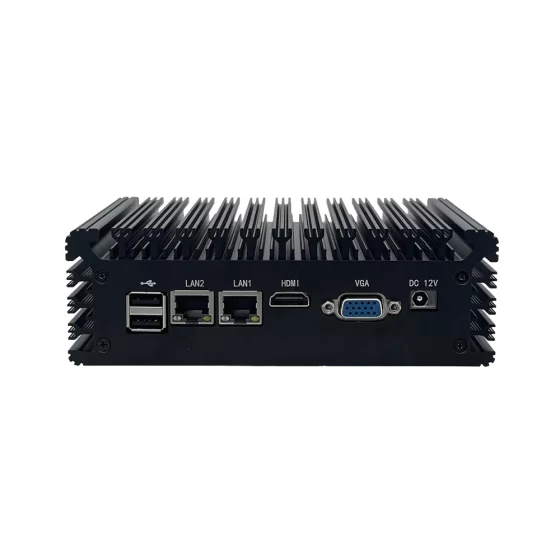
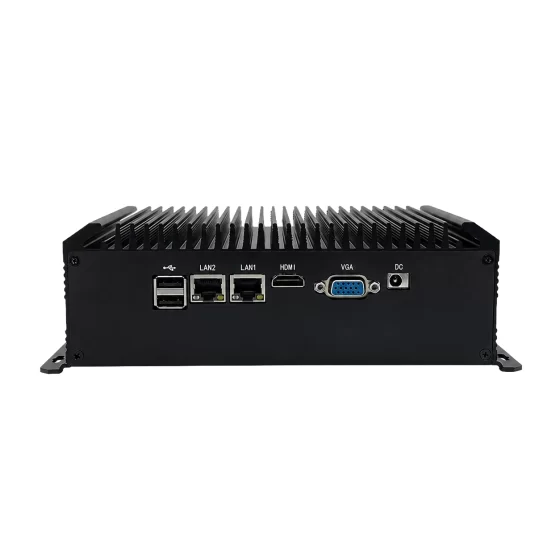
一个 传感器数据采集计算机 serves as the central data acquisition and edge computing platform within industrial environments. It connects sensors, 控制器, communication networks, and management systems to enable reliable collection, aggregation, 加工, and transmission of operational data. By providing local intelligence and edge processing capabilities, sensor data collection computers help organizations improve visibility, optimize operations, reduce downtime, and accelerate digital transformation initiatives.

Industrial computers and embedded computers are particularly well-suited for sensor data collection applications because they provide industrial-grade reliability, 丰富的连接性, flexible protocol support, 无风扇运行, and long-term lifecycle availability. These capabilities allow them to operate continuously in demanding industrial environments while supporting a wide range of sensor technologies and communication protocols.

As Industrial IoT (工业物联网), 边缘计算, 行业 4.0, and Smart Infrastructure initiatives continue to expand, sensor data collection computers are becoming essential technologies that enable data-driven operations and intelligent automation.


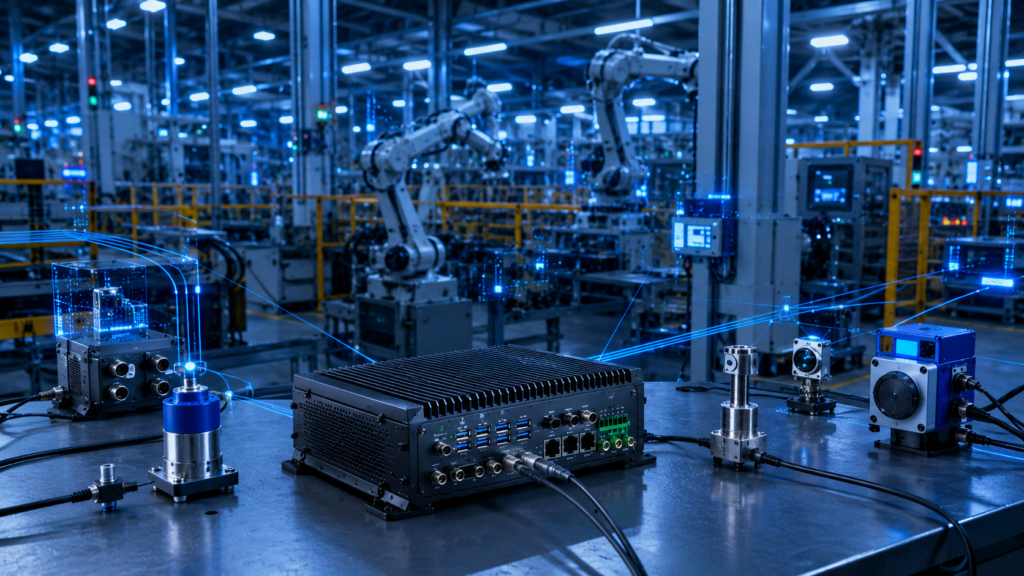
Industrial computer connected to multiple sensors and Industrial IoT devices for real-time data collection

Industrial computers collect and process data from multiple sensors to support Industrial IoT and intelligent monitoring applications.

行业概况

Organizations across virtually every industry are deploying sensors to improve operational visibility and decision-making.

Common sensor deployment areas include:

  • Manufacturing equipment
  • Production lines
  • Industrial automation systems
  • Power generation facilities
  • Utility infrastructure
  • Transportation systems
  • Smart buildings
  • Environmental monitoring stations
  • Agricultural operations
  • Healthcare equipment

Modern industrial environments utilize numerous sensor technologies, 包括:

  • 温度传感器
  • Pressure sensors
  • Humidity sensors
  • Flow sensors
  • 振动传感器
  • 接近传感器
  • Position sensors
  • Gas detection sensors
  • Current sensors
  • Voltage sensors

These sensors continuously generate operational data that supports:

  • 预测性维护
  • 流程优化
  • 资产监控
  • 质量控制
  • Energy management
  • 安全监控
  • Environmental compliance

As sensor networks expand, organizations require reliable computing platforms capable of collecting and managing increasing volumes of data.

Traditional centralized architectures often face challenges related to:

  • 网络延迟
  • Bandwidth consumption
  • Scalability limitations
  • Communication reliability
  • Real-time processing requirements

Sensor Data Collection Computers address these challenges by enabling local data acquisition, 边缘分析, protocol conversion, and intelligent decision-making closer to the source of data generation.

The continued growth of Industrial IoT and smart infrastructure initiatives is expected to further increase demand for industrial computing platforms designed specifically for sensor data collection applications.


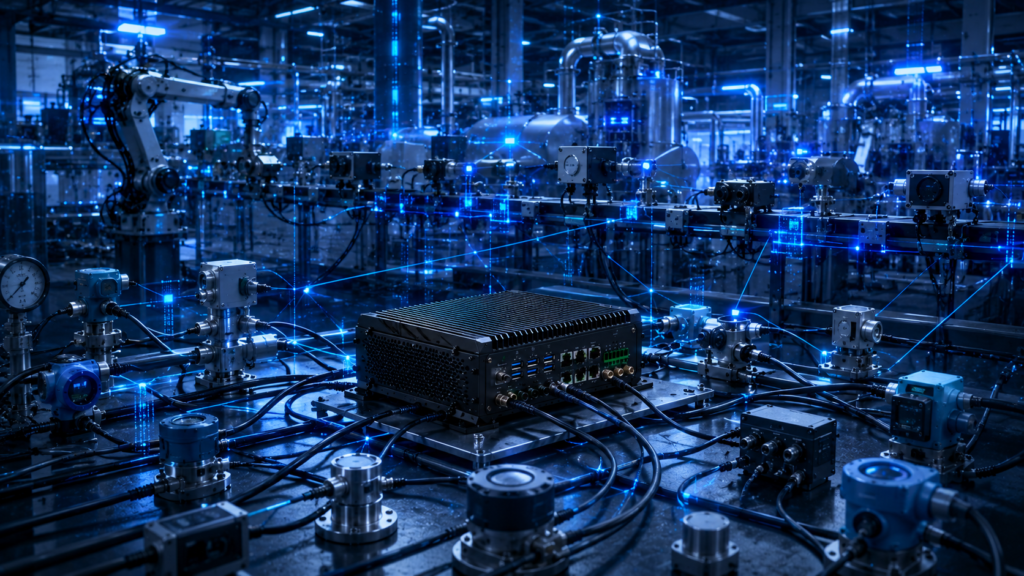
Industrial computer connected to multiple sensors and industrial communication networks for large-scale data collection

Large-scale sensor networks require reliable data collection, 沟通, and real-time monitoring capabilities.

主要挑战

Managing Large Numbers of Sensors

Modern industrial environments may contain hundreds or thousands of sensors.

挑战包括:

  • Device integration
  • Data collection
  • Data synchronization
  • Sensor management
  • Network scalability

Organizations require efficient platforms capable of managing diverse sensor deployments.


Supporting Multiple Communication Protocols

Industrial environments commonly utilize a variety of communication standards.

例子包括:

  • MODBUS
  • CAN总线
  • RS232
  • RS485
  • 以太网/IP
  • 工业以太网
  • MQTT
  • OPC统一协议

Supporting multiple protocols is essential for successful integration.


Real-Time Data Acquisition

Many industrial applications require immediate access to sensor information.

例子包括:

  • 设备监控
  • Process control
  • Safety systems
  • Alarm management
  • Energy optimization

Delays in data collection can negatively impact operations.


恶劣的工业环境

Sensor data collection platforms often operate in environments exposed to:

  • 灰尘
  • 振动
  • Moisture
  • 电噪声
  • 极端温度

Computing systems must maintain reliable operation under these conditions.


Data Security and Reliability

Operational data is often critical to business operations.

Organizations must ensure:

  • Data integrity
  • Secure communications
  • Reliable transmission
  • System availability
  • Cybersecurity protection

These requirements are increasingly important in connected industrial environments.


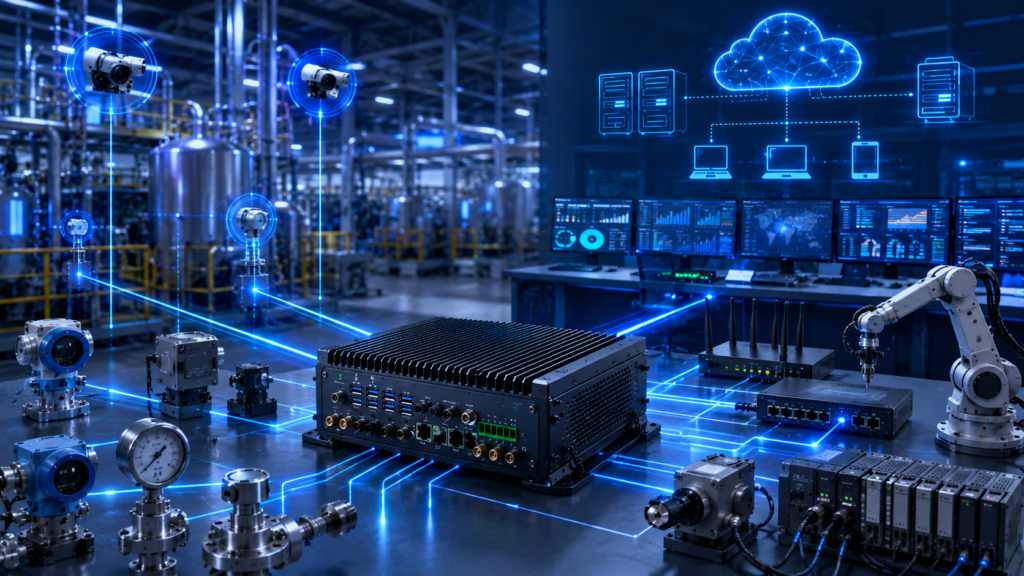
Industrial computer connected to sensors, 控制器, and Industrial IoT networks for real-time data acquisition

Industrial computers connect sensors, 控制器, and enterprise systems to enable real-time data collection and Industrial IoT integration.

解决方案架构

A typical Sensor Data Collection Computer deployment consists of multiple interconnected layers.

层 1: Sensor Layer

场层包括:

  • 温度传感器
  • Pressure sensors
  • Flow meters
  • 振动传感器
  • 环境传感器
  • 电能表
  • Position sensors

这些设备生成操作数据.


层 2: 通讯层

通信基础设施可能包括:

  • RS232
  • RS485
  • CAN总线
  • 以太网
  • Wireless networks
  • Cellular communications

This layer enables reliable connectivity between sensors and computing systems.


层 3: Sensor Data Collection Computer Layer

The industrial computer serves as the central data acquisition platform.

功能包括:

  • Data collection
  • 协议转换
  • 边缘处理
  • 数据聚合
  • 本地存储
  • Event management
  • 设备管理

This layer provides operational intelligence at the edge.


层 4: 应用层

应用程序可能包括:

  • 监控与数据采集系统
  • HMI platforms
  • Energy management software
  • 预测性维护系统
  • Asset monitoring platforms
  • Industrial analytics applications

These applications transform raw sensor data into actionable insights.


层 5: 企业集成层

Enterprise integration supports connectivity with:

  • 制造执行系统
  • ERP平台
  • 云服务
  • Business intelligence tools
  • Reporting platforms

This layer enables organization-wide visibility and analytics.


主要特点

工业级可靠性

Sensor data collection systems frequently operate continuously.

工业计算机提供:

  • 坚固的结构
  • 工业级组件
  • 持续运营支持
  • 长期可靠性
  • 延长生命周期的可用性

These characteristics improve deployment stability.


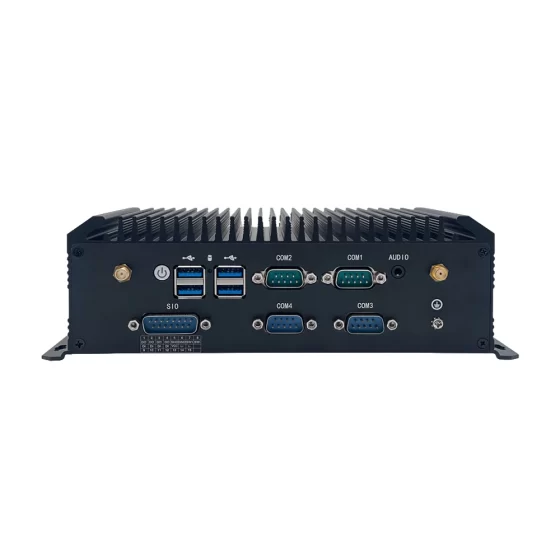
丰富的 I/O 连接

Sensor integration requires extensive connectivity options.

常见的接口包括:

  • RS232
  • RS485
  • CAN总线
  • 以太网
  • USB
  • 数字输入/输出
  • 模拟输入/输出

These interfaces support a wide variety of sensor technologies.


Edge Processing Capabilities

Sensor data collection computers can process information locally.

功能包括:

  • 数据过滤
  • 事件检测
  • 数据聚合
  • Edge analytics
  • Alarm generation

Local processing improves responsiveness and reduces bandwidth requirements.


Protocol Conversion

Industrial environments often contain equipment from multiple vendors.

Protocol conversion capabilities simplify integration between diverse systems and devices.


无风扇设计

Many deployments utilize fanless systems.

好处包括:

  • 减少维护
  • 提高可靠性
  • 更好的防尘性能
  • 静音运行

Fanless designs are ideal for industrial environments.


宽温操作

Industrial deployments often experience challenging environmental conditions.

Wide-temperature support helps ensure reliable operation in harsh environments.


产品生命周期长

Industrial systems frequently remain operational for many years.

产业平台提供:

  • 长期供货
  • 稳定的硬件配置
  • 扩展支持计划

These features simplify lifecycle management.


部署场景

工业自动化

Sensor data collection computers support:

  • 设备监控
  • Process control
  • Production analytics
  • Asset management

These capabilities improve manufacturing performance.


能源管理

Organizations utilize sensor data collection platforms for:

  • Power monitoring
  • Energy analytics
  • Load management
  • Utility optimization

These applications improve energy efficiency.


Environmental Monitoring

Sensor networks support:

  • Air quality monitoring
  • Water quality analysis
  • Weather monitoring
  • Environmental compliance

These systems improve visibility into environmental conditions.


Smart Buildings

Building management systems utilize sensor data collection platforms for:

  • HVAC monitoring
  • Occupancy tracking
  • Energy management
  • Facility optimization

These capabilities improve building efficiency.


Transportation Infrastructure

Sensor monitoring supports:

  • 交通管理
  • 基础设施监控
  • Asset tracking
  • Condition monitoring

These applications improve transportation operations.


Utility and Infrastructure Monitoring

Utilities deploy sensor collection systems for:

  • Grid monitoring
  • Asset management
  • Equipment diagnostics
  • 远程监控

These capabilities improve operational reliability.


商业效益

提高运营可见性

Organizations gain real-time access to critical operational information.


Better Decision-Making

Reliable sensor data supports data-driven operational decisions.


减少停机时间

Continuous monitoring helps identify issues before failures occur.


Increased Efficiency

Sensor-driven analytics enable process optimization and resource utilization improvements.


Lower Operational Costs

Automation and predictive monitoring reduce maintenance and operating expenses.


增强安全性

Real-time monitoring improves workplace safety and operational awareness.


支持数字化转型

Sensor data collection computers provide a foundation for Industrial IoT and Industry 4.0 initiatives.


为什么选择CoreIPC

CoreIPC provides industrial computing platforms designed for sensor data collection, 工业物联网, 自动化, 能源管理, environmental monitoring, and smart infrastructure applications. Our industrial computers and embedded computers deliver industrial-grade reliability, 灵活的 I/O 连接, protocol support, 无风扇运行, 和长生命周期可用性. With extensive OEM/ODM customization capabilities and deep experience in embedded computing, CoreIPC helps organizations deploy scalable sensor data collection solutions that improve operational visibility, 效率, 和智能决策.


常见问题解答

1. What is a Sensor Data Collection Computer?

A Sensor Data Collection Computer is an industrial computing platform that gathers, processes, stores, and transmits information from sensors deployed within industrial and commercial environments.

2. Why are industrial computers used for sensor data collection?

Industrial computers provide reliability, environmental durability, communication flexibility, and long lifecycle support required for continuous industrial operation.

3. What types of sensors can be connected?

Common sensors include temperature, pressure, 湿度, flow, 振动, 位置, environmental, current, voltage, and gas detection sensors.

4. 一般支持哪些通信协议?

Industrial systems commonly support Modbus, CAN总线, RS232, RS485, 以太网/IP, OPC统一协议, MQTT, and other industrial communication standards.

5. Why is edge processing important?

Edge processing enables local analytics, reduces network traffic, improves responsiveness, and supports real-time decision-making.

6. What industries use sensor data collection computers?

Industries include manufacturing, 活力, 运输, utilities, agriculture, 卫生保健, environmental monitoring, and smart infrastructure.

7. Can sensor data collection computers integrate with cloud platforms?

是的. Many systems support integration with cloud services, 企业应用, and Industrial IoT platforms.

8. Are fanless industrial computers suitable for data acquisition?

是的. Fanless systems improve reliability and reduce maintenance requirements in harsh industrial environments.

9. How do sensor data collection systems support predictive maintenance?

They continuously collect equipment condition data and provide information used to identify potential failures before they occur.

10. What should be considered when selecting a sensor data collection computer?

Important considerations include connectivity options, protocol support, processing performance, 环境规格, lifecycle availability, and software compatibility.


结论

一个 传感器数据采集计算机 provides the reliable computing foundation required for Industrial IoT, 自动化, 能源管理, environmental monitoring, and smart infrastructure applications. By enabling real-time data acquisition, protocol conversion, 边缘分析, 和企业整合, these platforms help organizations improve operational visibility, 效率, 可靠性, and decision-making. As connected sensor deployments continue to expand, industrial computers and embedded computers will remain essential technologies supporting the future of intelligent industrial operations.


联系我们

Looking for a reliable Sensor Data Collection Computer for Industrial IoT, 自动化, energy monitoring, or smart infrastructure applications?

CoreIPC提供工业计算机, 嵌入式计算机, 工业主板, and customized computing solutions designed for sensor data acquisition, 边缘计算, 工业物联网, and intelligent monitoring deployments.

Contact our engineering team today to discuss your project requirements and discover the ideal computing platform for your sensor data collection application.

留言


    安全检查: