用于远程SCADA部署的工业计算机: 如何选择可靠的远程 SCADA 计算机
执行摘要
A remote SCADA computer is the field-level computing platform that connects distributed industrial assets to a central monitoring system. It collects data from PLCs, RTUs, 米, 传感器, power devices, and communication equipment, then forwards this data to SCADA servers, control rooms, 云平台, or maintenance teams.
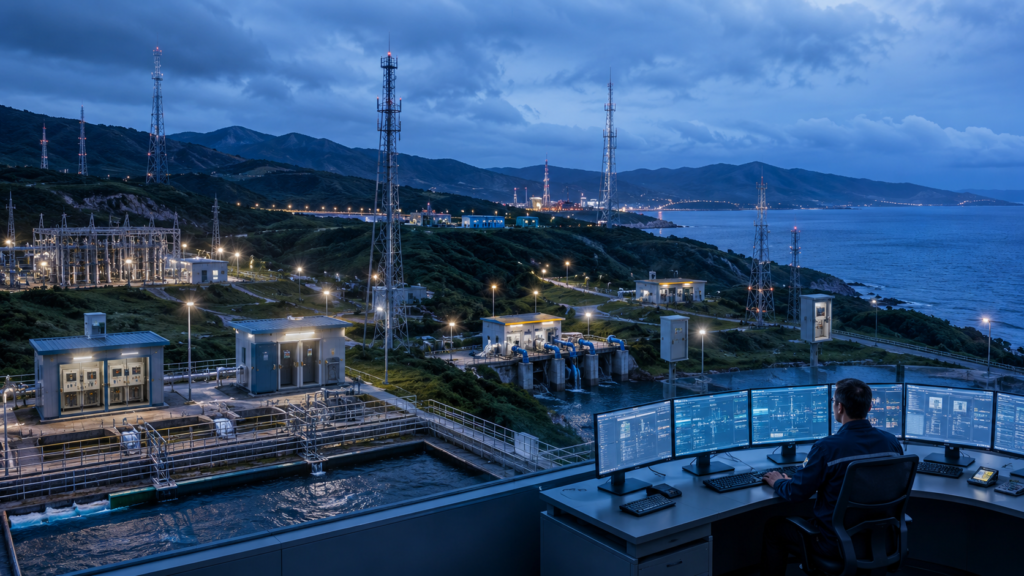
In remote SCADA deployment, the computer is often installed in unmanned stations, outdoor cabinets, pump rooms, 变电站, renewable energy sites, transportation infrastructure, or industrial shelters. These locations usually have limited maintenance access, unstable network conditions, and demanding environmental requirements.
A suitable industrial computer for remote SCADA deployment should support:
- Stable 24/7 operation in field environments
- 以太网, RS-232, RS-485, USB, and expandable I/O
- Local data logging and buffering during network interruptions
- Wide-voltage power input and reliable storage
- Fanless design for reduced maintenance
- Long-term platform availability for multi-site deployment
For system integrators and OEMs, selecting the right embedded computer is not only a hardware decision. It affects cabinet design, software deployment, maintenance cost, cybersecurity planning, spare parts management, and long-term project scalability.
行业概况
Remote SCADA systems are widely used in industries where equipment is distributed across large areas. These systems help operators monitor field assets without keeping engineers permanently on site.
Common remote SCADA environments include:
- Water and wastewater pump stations
- Power substations and renewable energy plants
- Oil and gas pipeline stations
- Traffic control cabinets and tunnel systems
- Environmental monitoring stations
- Mining and remote utility facilities
- Distributed industrial equipment rooms
In a traditional SCADA system, most computing resources were located in a central control room. 今天, many projects require computing power closer to the field equipment. This is because remote sites generate more data, require faster local response, and often depend on unstable long-distance communication links.
A remote SCADA computer acts as the local edge node. It is not intended to replace PLCs or RTUs. Instead, it supports higher-level functions such as data acquisition, 协议转换, alarm logging, local visualization, 远程访问, and communication with supervisory platforms.
This makes the industrial computer a key part of the SCADA architecture. If the field computer fails, the central system may lose visibility into the remote site. If the hardware lacks the right interfaces, integration becomes more complex. If the platform changes frequently, long-term maintenance becomes difficult.
For this reason, remote SCADA projects require embedded computer platforms that are stable, 袖珍的, rugged, and flexible enough to support different field conditions.
主要挑战
Remote SCADA deployment creates challenges that are different from office, control-room, or standard IT environments. The hardware must be selected according to the real conditions of the field site.
| Challenge | What Happens in Remote Sites | Hardware Requirement |
|---|---|---|
| Harsh environment | 热, 灰尘, 湿度, 振动, and limited airflow can affect long-term operation. | Fanless industrial computer with rugged enclosure and stable thermal design. |
| 混合接口 | Field devices may use Ethernet, RS-232, RS-485, USB, 数字输入/输出, or protocol gateways. | Flexible I/O configuration with native industrial interfaces. |
| Unstable network | Cellular, wireless, satellite, or long-distance links may disconnect. | Local data logging, buffering, and automatic reconnection support. |
| Power fluctuation | Field cabinets may use DC power, battery backup, or unstable industrial power. | Wide-voltage input and reliable power design. |
| Cybersecurity risk | Remote access may expose OT networks if not controlled properly. | 网络分段, secure OS configuration, VPN support, and access control. |
| Long lifecycle | SCADA systems often run for many years across multiple sites. | Stable hardware platform, consistent I/O layout, and long-term supply support. |
Environmental Reliability
Remote SCADA computers are often installed in control cabinets, roadside enclosures, 变电站, or industrial shelters. These locations may not have clean air conditioning or regular maintenance.
Fan-based commercial PCs can become unreliable because dust blocks airflow and fans wear out over time. A fanless embedded computer reduces moving parts and is better suited for continuous operation in difficult field environments.
Interface Complexity
Remote sites usually contain both new and legacy devices. A single cabinet may include Ethernet PLCs, RS-485 meters, RS-232 analyzers, 输入/输出模块, 工业交换机, and wireless routers.
Using too many external adapters increases wiring complexity and creates more failure points. Native LAN and serial interfaces help simplify cabinet design and improve system reliability.
Network Availability
Remote SCADA systems often rely on communication links that are not always stable. When the connection to the central system is interrupted, the local computer should continue collecting and storing important data.
This is why local storage, 数据缓冲, watchdog functions, and recovery logic are important for remote SCADA deployment.
Solution Architecture for a Remote SCADA Computer
A remote SCADA computer usually sits between field control devices and central supervisory systems. Its role is to collect field data, 本地处理, and transmit it securely to higher-level platforms.
1. Field Device Layer
This layer includes the equipment that generates operational data.
Typical devices include:
- PLCs and RTUs
- Flow meters and pressure sensors
- Power meters and protection relays
- Motor drives and pump controllers
- Inverters and energy equipment
- 温度, 湿度, 和环境传感器
- Digital I/O and remote I/O modules
These devices may communicate through Ethernet, RS-232, RS-485, Modbus RTU, Modbus TCP, CAN, USB, or other industrial interfaces.
2. 边缘计算层
This is where the industrial computer is installed.
The computer may run:
- SCADA runtime software
- Data acquisition applications
- Local HMI software
- OPC UA gateway software
- Protocol conversion services
- Alarm logging tools
- SQL or lightweight local databases
- Remote maintenance utilities
The embedded computer provides local computing capability even when the remote site is temporarily disconnected from the central system.
3. 通讯层
The communication layer connects the remote site to the outside network.
它可能包括:
- 工业以太网交换机
- Cellular routers
- VPN gateways
- Fiber converters
- Wireless bridges
- Firewalls
- Private network equipment
A remote SCADA computer with dual LAN or multi-LAN ports can separate the local control network from the external communication network. This helps improve organization, troubleshooting, and cybersecurity design.
4. Supervisory Layer
The supervisory layer includes the central SCADA server, historian, engineering workstation, alarm platform, or cloud monitoring system.
Operators use this layer to:
- View real-time equipment status
- Receive alarms
- Analyze historical data
- Generate reports
- Coordinate maintenance
- Monitor multiple remote stations
The field computer keeps the central system connected to the physical equipment.
5. Remote Maintenance Layer
Remote SCADA systems must also support engineering access.
The computer may allow authorized users to check logs, update software, diagnose communication problems, or review system status. This should be done through controlled access policies, secure network configuration, and proper user permissions.
主要特点
A reliable industrial computer for remote SCADA deployment should be selected based on the operating environment, communication requirements, software platform, and long-term maintenance plan.
无风扇设计
Fanless design reduces mechanical failure points. It is especially useful in dusty cabinets, 泵站, 变电站, outdoor shelters, and unmanned sites.
For remote SCADA projects, fanless systems help reduce maintenance frequency and improve long-term reliability.
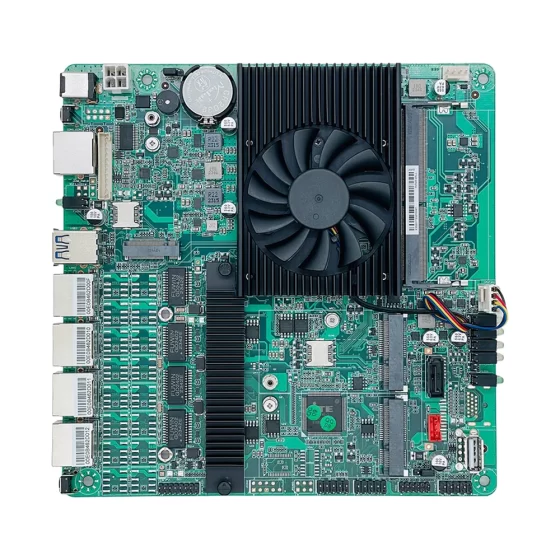
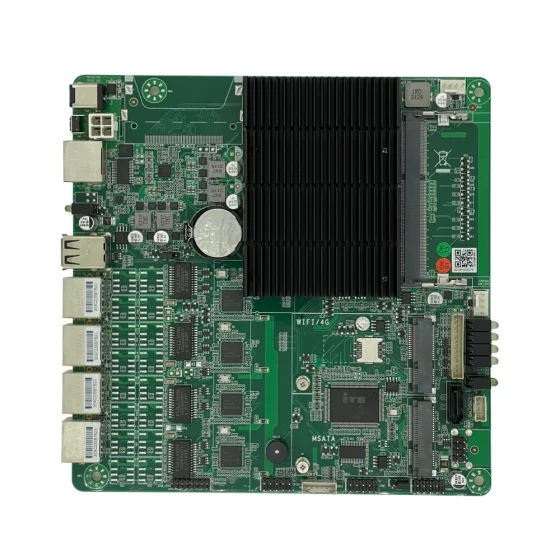
Multiple LAN Ports
Dual LAN or multi-LAN design is useful for network separation.
One LAN port can connect to local PLCs, 米, and industrial devices. Another LAN port can connect to a router, firewall, or central SCADA network. Additional LAN ports may be used for redundancy, maintenance access, or isolated device networks.
RS-232 and RS-485 Support
Serial communication is still common in SCADA systems. Many meters, analyzers, 控制器, and field instruments use RS-232 or RS-485.
A remote SCADA computer with native serial ports reduces the need for USB-to-serial adapters and improves field wiring reliability.
Wide-Voltage Power Input
Remote sites may use 12V, 24V, or other DC power systems. Some may rely on battery backup or industrial power supplies.
Wide-voltage input helps the embedded computer adapt to different cabinet power designs and reduces the need for additional conversion hardware.
Reliable Storage
Remote SCADA applications often need to store:
- 报警记录
- Event logs
- Trend data
- Communication history
- 配置文件
- Temporary buffered data
Industrial-grade SSDs, M.2 storage, or SATA storage should be selected according to data volume, write frequency, temperature conditions, and operating system requirements.
Watchdog and Auto-Recovery
A watchdog timer can restart the system if the operating system or application becomes unresponsive. This is important for unmanned sites where manual reset is difficult.
Auto power-on and BIOS recovery settings can also help the system return to operation after a power interruption.
Flexible Expansion
Some projects require wireless modules, additional serial ports, CAN communication, extra storage, or customized I/O.
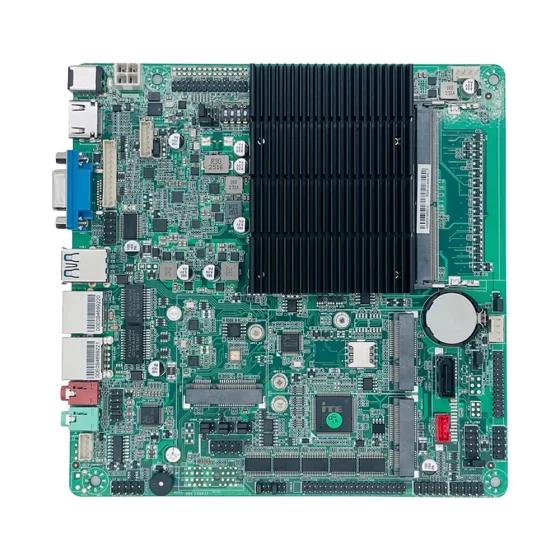
Expansion through M.2, 迷你 PCIe, PCIe, internal headers, or customized board design helps system integrators use one platform across different SCADA projects.
OS and Software Compatibility
SCADA software may require Windows, Linux, or specific driver support. 部署前, integrators should confirm operating system compatibility, BIOS settings, driver availability, and long-term image management.
The best industrial computer is not always the highest-performance model. It is the platform that matches the real software, interface, and environmental requirements of the project.
部署场景
Remote SCADA computer platforms are used wherever industrial assets need to be monitored from a distance.
Water and Wastewater
Water systems often include pump stations, reservoirs, lift stations, treatment plants, and pipeline monitoring points.
An industrial computer can collect data from PLCs, flow meters, pressure sensors, pump controllers, valves, and water quality instruments. It can also support local data logging and alarm forwarding to the central operations center.
Power and Energy
Power infrastructure requires reliable monitoring across substations, solar farms, wind farms, distributed generation sites, and battery energy storage systems.
The embedded computer may communicate with power meters, protection relays, inverters, 环境传感器, battery management systems, and energy management platforms.
Oil and Gas
Oil and gas sites may be located far from maintenance teams. Pipeline stations, valve stations, well sites, and terminal facilities require stable monitoring.
A remote SCADA computer can collect pressure, flow, 温度, valve status, safety signals, and equipment condition data. Local storage is important when network links are unstable or expensive.
Transportation Infrastructure
Transportation systems often include tunnels, railway stations, traffic control cabinets, roadside equipment rooms, and bridge monitoring systems.
Compact industrial computers can support local monitoring, device communication, system integration, 和远程维护访问.
Environmental and Utility Monitoring
Environmental monitoring sites may collect weather, water level, air quality, 振动, or equipment status data.
A rugged embedded computer can collect field data, 存储本地记录, and transmit information to central monitoring platforms.
商业效益
A suitable remote SCADA computer creates value not only for engineers, but also for project managers, 系统集成商, and infrastructure operators.
Fewer Site Visits
Remote sites are expensive to access. When the embedded computer supports remote diagnostics, local logs, watchdog recovery, and stable communication, engineers can solve more problems without traveling to the site.
Lower Maintenance Cost
无风扇设计, 工业电源输入, and rugged construction help reduce common hardware failures. This lowers maintenance effort over the life of the SCADA system.
Easier System Integration
Native LAN, 串口, USB, 贮存, and expansion options simplify connection to PLCs, RTUs, 米, 传感器, and communication equipment.
This reduces adapter usage, wiring complexity, and cabinet design risk.
Better Data Continuity
Local logging and buffering protect operational records during network outages.
When the communication link recovers, stored data can be synchronized with the central SCADA system or monitoring platform.
Scalable Multi-Site Deployment
When a SCADA project expands from several sites to dozens or hundreds of stations, hardware consistency becomes very important.
A stable industrial computer platform helps simplify image deployment, 备件计划, technician training, and long-term documentation.
Long-Term Project Stability
SCADA systems often run for many years. A consistent embedded computer platform helps reduce redesign work and avoids unnecessary changes in software images, 司机, 安装, wiring, 和维护程序.
为什么选择CoreIPC
CoreIPC提供工业计算机, 嵌入式计算机, embedded boards, and customized computing platforms for industrial automation and remote monitoring applications. For remote SCADA deployment, CoreIPC focuses on stable operation, 无风扇系统设计, flexible I/O configuration, compact mechanical structure, and practical integration support. CoreIPC works with system integrators, OEMs, and solution providers that need reliable computing hardware for distributed industrial sites. With ODM and OEM capability, CoreIPC can support project-specific interfaces, enclosure customization, branding requirements, and long-term supply planning for global B2B applications.
常见问题解答
1. What is a remote SCADA computer?
A remote SCADA computer is an industrial computing device installed at a field site to collect, 过程, store, and transmit operational data. It usually connects to PLCs, RTUs, 米, 传感器, 驱动器, and communication devices. It may run SCADA software, data acquisition tools, protocol conversion services, or local monitoring applications. Its main purpose is to connect remote industrial equipment with the central SCADA platform.
2. Why should remote SCADA systems use an industrial computer?
Remote SCADA sites often have heat, 灰尘, 振动, 电源不稳定, 和有限的维护访问. A commercial PC is not designed for these conditions. An industrial computer can provide fanless cooling, wide-voltage input, 坚固的外壳设计, 工业输入/输出, and better lifecycle stability. These features help improve reliability in control cabinets, 变电站, pump rooms, outdoor shelters, and unmanned stations.
3. What interfaces are important for remote SCADA deployment?
Common interfaces include Ethernet LAN, RS-232, RS-485, USB, 数字输入/输出, and storage expansion. Ethernet is used for PLCs, routers, switches, and SCADA networks. RS-232 and RS-485 are used for meters, analyzers, legacy controllers, and field instruments. Some projects may also require CAN, 通用输入输出接口, wireless expansion, or multiple LAN ports for network separation and redundancy.
4. Can an embedded computer run SCADA software?
是的. Many embedded computers can run SCADA software if they meet the required operating system, 中央处理器, 记忆, 贮存, graphics, and driver requirements. Some SCADA platforms require Windows, while others support Linux. For remote deployment, the embedded computer should also support stable storage, watchdog recovery, remote maintenance tools, and reliable communication interfaces.
5. Why is fanless design important in remote SCADA applications?
Fanless design reduces mechanical failure points and lowers maintenance requirements. In remote sites, dust and poor ventilation can affect fan-based systems. A fanless industrial computer uses passive thermal design, which is more suitable for control cabinets, 泵站, 变电站, roadside enclosures, and unmanned facilities. This improves reliability where regular cleaning or hardware service is difficult.
6. How does a remote SCADA computer handle network interruptions?
A remote SCADA computer can continue collecting data locally when the connection to the central system is unavailable. It may store alarm records, event logs, trend data, and communication status information. When the network returns, the system can forward stored data to the SCADA server or monitoring platform. This helps reduce data loss in unstable cellular, wireless, or long-distance networks.
7. Does a remote SCADA computer replace a PLC or RTU?
不. A remote SCADA computer usually works with PLCs and RTUs rather than replacing them. PLCs and RTUs handle real-time control and automation logic. The industrial computer provides higher-level functions such as data logging, local visualization, 协议转换, 远程访问, and communication with central SCADA systems. This structure keeps control reliable while adding computing flexibility.
8. What should system integrators consider when selecting a remote SCADA computer?
System integrators should evaluate the field environment, temperature range, 电源输入, required interfaces, 操作系统, SCADA software, 存储需求, 安装方法, cybersecurity policy, 和生命周期要求. The right platform should balance reliability, compatibility, serviceability, and long-term availability. A stable and well-matched computer is usually more valuable than simply choosing the highest-performance hardware.
结论
A remote SCADA computer is an essential part of modern distributed monitoring and control systems. It connects field equipment with central supervisory platforms, supports local data processing, improves communication reliability, and enables remote maintenance across unmanned or geographically dispersed sites.
For water systems, power infrastructure, oil and gas, 运输, 环境监测, and industrial facilities, the hardware platform must be stable, rugged, flexible, and suitable for long-term operation.
By using an industrial computer or embedded computer designed for remote SCADA deployment, system integrators can reduce downtime, simplify field integration, support both legacy and modern devices, and build scalable monitoring architectures. CoreIPC provides reliable industrial computing platforms and customization support for companies that need practical hardware solutions for remote SCADA and industrial edge monitoring projects.
联系我们
If you are developing a remote SCADA system or need an industrial computer platform for distributed field monitoring, CoreIPC can help evaluate your hardware requirements. Contact the CoreIPC team to discuss interface configuration, 计算性能, 外壳设计, 操作系统支持, ODM/OEM customization, and long-term supply planning for your next SCADA deployment.
CoreIPC工业计算解决方案