CoreIPC工业计算解决方案

执行摘要
A Siemens PLC industrial computer serves as a critical component in modern industrial automation systems, enabling data processing, 可视化, 沟通, and edge computing functions that complement Siemens PLC controllers. While Siemens PLCs are responsible for deterministic machine control and real-time automation tasks, industrial computers provide advanced capabilities such as HMI visualization, SCADA集成, 数据记录, 预测性维护, 工业网络, and edge AI analytics.
作为工业 4.0 initiatives continue to accelerate, manufacturers increasingly require industrial computing platforms that can seamlessly integrate with Siemens S7-1200, S7-1500, ET 200, and other Siemens automation systems. Industrial computers and embedded computers play a vital role in bridging operational technology (奥特) 和信息技术 (它), enabling real-time data collection, 工业通讯, 云连接, 和智能决策.
This article explores the role of industrial computers in Siemens PLC applications, 关键部署挑战, solution architectures, essential features, 部署场景, and recommended CoreIPC product categories for industrial automation projects.

Industrial computers provide data processing, 可视化, and edge computing capabilities for Siemens PLC-based automation systems.
行业概况
The Growing Role of Siemens PLC Systems in Industrial Automation
Siemens PLCs are widely deployed across industries including:
- 制造业
- Automotive production
- Food and beverage processing
- Pharmaceutical manufacturing
- Logistics and warehousing
- 能源管理
- Water treatment facilities
- Building automation
The Siemens SIMATIC platform has become one of the most widely adopted industrial automation ecosystems globally due to its reliability, 可扩展性, and extensive communication capabilities.
然而, modern automation systems require more than traditional PLC control.
Industrial enterprises increasingly demand:
- 实时生产监控
- Data-driven decision making
- 预测性维护
- 远程诊断
- Industrial IoT integration
- Edge computing capabilities
- 人工智能驱动的分析
These requirements create the need for a powerful Siemens PLC industrial computer solution.
行业 4.0 and Edge Computing Trends
Modern factories are transitioning toward smart manufacturing environments where machines, 传感器, PLC, 工业计算机, and cloud platforms work together.
Key trends include:
- Industrial IoT deployment
- Smart factory initiatives
- 数字孪生
- 边缘人工智能计算
- 机器视觉集成
- Real-time production analytics
- Cybersecurity enhancement
- Cloud-connected manufacturing systems
In these architectures, industrial computers serve as the computing backbone that processes and distributes operational data generated by Siemens PLC systems.
主要挑战
Deploying industrial computers alongside Siemens PLC systems presents several practical challenges.
恶劣的工业环境
Industrial facilities often expose equipment to:
- 灰尘
- 油污染
- Shock and vibration
- High humidity
- 电磁干扰
- Wide temperature fluctuations
Traditional office PCs cannot reliably operate under these conditions.
实时数据处理要求
Modern production lines generate data from:
- PLC
- 传感器
- 相机
- 条码扫描仪
- 视觉系统
- 制造执行系统平台
Industrial computers must process this information with minimal latency.
Multiple Industrial Protocols
A Siemens PLC industrial computer may need to communicate using:
- 工业以太网
- PROFIBUS
- OPC统一协议
- Modbus TCP
- 以太网/IP
- MQTT
- TCP/IP
Managing protocol interoperability can be complex.
Legacy System Integration
Many factories operate mixed environments containing:
- Legacy Siemens PLCs
- New S7-1500 systems
- Third-party automation equipment
- Existing SCADA systems
Industrial computers often act as integration gateways.
网络安全风险
As production systems become connected, risks increase from:
- 未经授权的访问
- 恶意软件攻击
- 数据泄露
- Ransomware incidents
Industrial computing platforms must support secure deployment practices.
可扩展性要求
Manufacturers need solutions capable of growing from:
- Single machine deployments
- 生产细胞
- Factory-wide automation systems
- Multi-site operations
Scalable industrial computer architectures are essential.

Industrial computer architecture for Siemens PLC applications, connecting field devices, 工业网络, 监控与数据采集系统, 和企业平台.
解决方案架构
Siemens PLC Industrial Computer Architecture
A typical Siemens PLC industrial computer solution includes multiple automation layers.
场层
Devices include:
- 传感器
- 编码器
- RFID阅读器
- Temperature transmitters
- 压力传感器
- 流量计
- 工业相机
These devices collect operational data from machines and production processes.
控制层
The control layer consists of Siemens automation equipment such as:
- SIMATIC S7-1200 PLC
- SIMATIC S7-1500 PLC
- ET 200 Distributed I/O
- Variable Frequency Drives
- Servo Controllers
PLCs execute deterministic control logic and manage field devices.
工业网络层
Communication networks may include:
- 工业以太网
- 工业以太网
- PROFIBUS
- Fiber Ethernet
- Wireless Industrial Networks
These networks transfer data between controllers and computing platforms.
工控机层
Industrial computers perform:
- 数据采集
- 人机界面可视化
- SCADA操作
- 生产报告
- 数据库管理
- 边缘分析
- 本地AI处理
The industrial computer collects operational data from Siemens PLCs and transforms it into actionable information.
企业层
Industrial computers exchange information with:
- 制造执行系统
- 企业资源计划系统
- 云平台
- 数据湖
- 预测性维护平台
这使得企业范围内的可见性.
Key Features of an Industrial Computer for Siemens PLC Applications
1. 高性能处理
Industrial automation applications often require:
- Multi-threaded workloads
- Database processing
- Visualization rendering
- 分析引擎
Modern industrial computers provide sufficient computing resources for demanding applications.
2. 无风扇工业设计
无风扇系统提供:
- Lower maintenance requirements
- Reduced failure points
- 提高可靠性
- 静音运行
This makes them suitable for factory deployment.
3. 宽温操作
Industrial environments often exceed normal office operating conditions.
Industrial computers support stable operation in:
- 制造工厂
- Outdoor cabinets
- 交通系统
- Energy facilities
4. 工业连接
Connectivity options commonly include:
- Multiple Gigabit LAN ports
- 串口
- USB接口
- 数字输入/输出
- CAN总线
- 无线模块
These interfaces simplify PLC integration.
5. 边缘计算能力
Industrial computers can process data locally before cloud transmission.
好处包括:
- Lower bandwidth consumption
- 减少延迟
- 更快的响应时间
- 增强的可靠性
6. 机器视觉集成
工业计算机支持:
- 视觉检查
- 条码识别
- 缺陷检测
- Quality assurance systems
Machine vision frequently operates alongside Siemens PLC systems.
7. 网络安全支持
Industrial deployments increasingly require:
- 安全启动
- Trusted platform modules
- 网络分段
- 访问控制
- 数据加密
Security must be integrated into system design.
8. 远程管理
Remote management functions improve:
- 诊断
- 维护
- Firmware updates
- 系统监控
This reduces operational costs.
9. 长生命周期可用性
工业自动化项目通常可以运行多年.
Industrial-grade platforms provide:
- 稳定的硬件平台
- 长期供货
- Controlled product lifecycle
- 简化的维护计划

Industrial computers enable real-time edge computing, 本地分析, and data processing for Siemens PLC-based automation systems.
推荐的CoreIPC产品
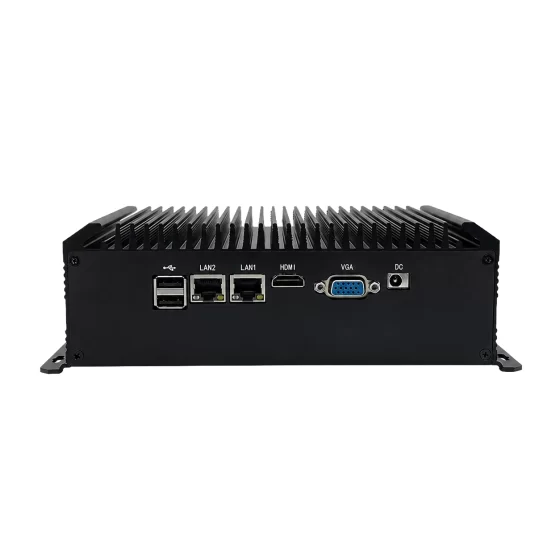
工业电脑
适合于:
- 工厂自动化
- 生产监控
- SCADA workstations
优点:
- Flexible expansion
- Strong processing performance
- Broad connectivity options
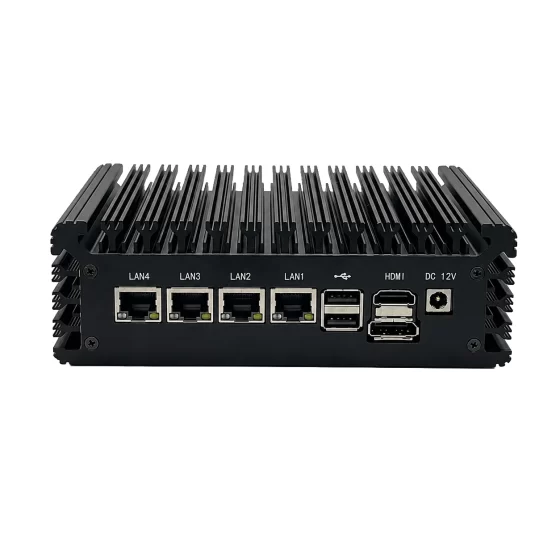
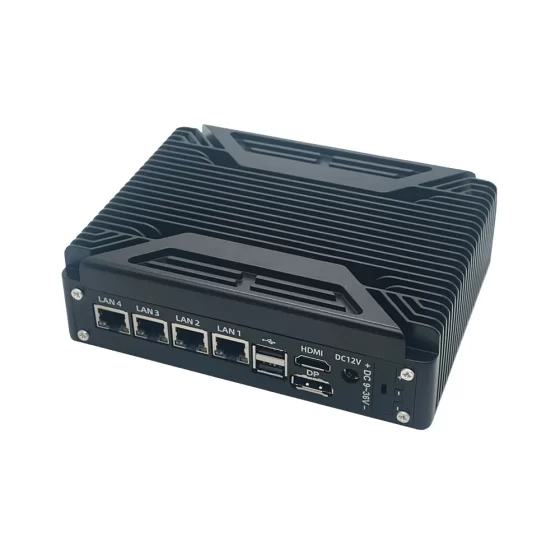
无风扇工业电脑
适合于:
- 多尘环境
- 嵌入式控制系统
- 设备集成
优点:
- 免维护运行
- 提高可靠性
- Compact deployment
嵌入式计算机
适合于:
- 机器控制器
- Edge computing nodes
- 数据采集系统
优点:
- 尺寸紧凑
- 低功耗
- High integration capability
嵌入式工控机
适合于:
- 自动化柜
- AGV systems
- Smart equipment
优点:
- 坚固的结构
- 灵活的安装选项
- 工业可靠性
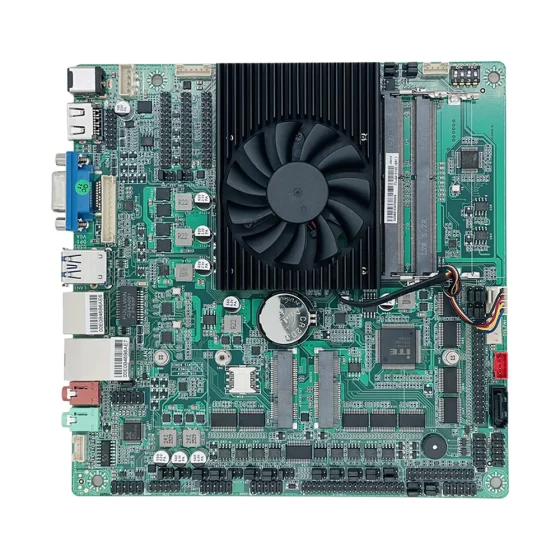
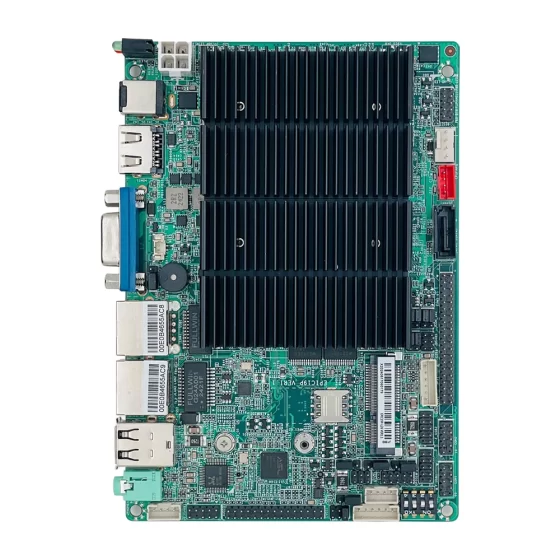
Mini-ITX 主板
适合于:
- Custom automation equipment
- Siemens PLC companion systems
- OEM项目
优点:
- Standardized form factor
- Rich I/O resources
- 灵活的系统设计
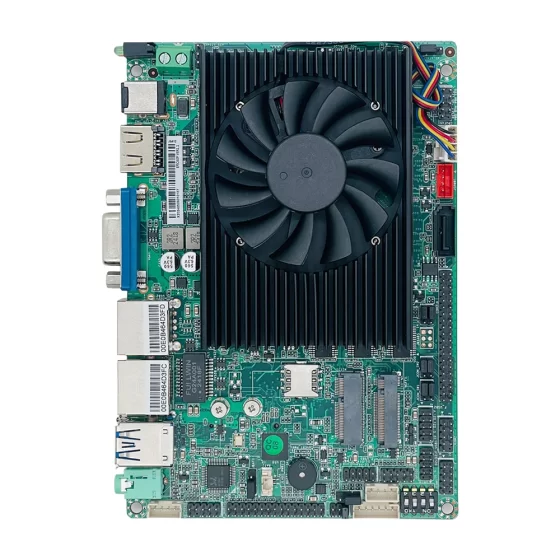
3.5-英寸 SBC
适合于:
- Space-constrained systems
- Embedded automation devices
- Compact industrial equipment
优点:
- 占地面积小
- 工业耐用性
- Cost-effective deployment
边缘人工智能计算机
适合于:
- Intelligent manufacturing
- 机器视觉
- 预测性维护
优点:
- 人工智能加速
- 实时分析
- Edge inference capability
部署场景
Smart Factory Monitoring
Industrial computers collect production data from Siemens PLC systems and provide real-time dashboards for operators and management.
机器视觉检测
Industrial computers process images from industrial cameras while Siemens PLCs coordinate machine control actions.
AGV and Mobile Robotics
Embedded computers support navigation, 车队管理, and communication while integrating with factory automation systems.
仓库自动化
Industrial computers manage:
- 输送系统
- 分选设备
- Barcode scanning
- 库存追踪
while communicating with Siemens PLC controllers.
能源管理系统
Industrial computers collect and analyze energy consumption data from PLC-controlled equipment.
Water Treatment Facilities
工业计算机提供:
- SCADA visualization
- 数据记录
- 报警管理
- 远程监控
for Siemens-based control systems.
Smart Transportation Systems
Industrial computers integrate with traffic control infrastructure and Siemens automation devices for intelligent transportation applications.
商业效益
Organizations deploying industrial computers alongside Siemens PLC systems can achieve measurable benefits.
减少停机时间
Real-time monitoring enables faster fault detection and troubleshooting.
提高生产力
Improved data visibility supports process optimization and production efficiency.
降低维护成本
Predictive maintenance reduces unexpected equipment failures.
增强运营可视性
Managers gain access to comprehensive production data and analytics.
更快的决策
Real-time information enables quicker operational responses.
改进的可扩展性
Industrial computing platforms support future expansion without major infrastructure redesign.
为什么选择CoreIPC
CoreIPC specializes in industrial computing and embedded hardware solutions for automation applications.
CoreIPC supports customers through:
- 工业计算专业知识
- 嵌入式硬件开发
- OEM制造服务
- ODM项目支持
- Product customization capabilities
- Long lifecycle product strategies
- Global deployment support
- Flexible industrial platform solutions
Whether integrating with Siemens PLC systems, machine vision platforms, industrial IoT deployments, or edge computing infrastructures, CoreIPC provides scalable computing platforms designed for industrial environments.
常见问题解答
1. What is a Siemens PLC industrial computer?
A Siemens PLC industrial computer is an industrial-grade computing platform that works alongside Siemens PLC controllers to provide visualization, 数据处理, 沟通, SCADA functionality, 和边缘计算能力.
2. Can an industrial computer replace a Siemens PLC?
一般来说, no. PLCs are designed for deterministic real-time control, while industrial computers focus on data processing, 可视化, and advanced computing tasks. Both systems typically complement each other.
3. Which Siemens PLC series are commonly used with industrial computers?
Common integrations include Siemens S7-1200, S7-1500, ET 200, and legacy S7 platforms used in manufacturing and process automation environments.
4. How does an industrial computer communicate with Siemens PLCs?
Communication typically occurs through PROFINET, OPC统一协议, Modbus TCP, 工业以太网, or other industrial communication protocols.
5. Why use a fanless industrial computer?
无风扇系统减少维护, 提高可靠性, and eliminate dust-related cooling failures in industrial environments.
6. What applications benefit most from industrial computers?
Applications include SCADA, 人机界面, 机器视觉, 预测性维护, 工业物联网, 边缘分析, 和生产监控.
7. Can industrial computers support machine vision systems?
是的. Industrial computers often process images from industrial cameras for inspection, 质量控制, and AI-based vision applications.
8. What role does edge computing play in Siemens PLC applications?
Edge computing allows data to be processed locally, 减少延迟, improving response times, and minimizing cloud bandwidth requirements.
9. Are industrial computers suitable for 24/7 手术?
Industrial-grade platforms are designed for continuous operation and are optimized for long-term reliability.
10. How do industrial computers improve factory productivity?
They provide real-time visibility, 分析, 预测性维护, and better integration between automation and enterprise systems.
11. What should be considered when selecting an industrial computer?
重要因素包括CPU性能, 运行环境, 连接要求, 扩展能力, 生命周期支持, 和软件兼容性.
12. Can industrial computers integrate with cloud platforms?
是的. Many industrial computers support cloud connectivity through MQTT, OPC统一协议, REST API, and industrial IoT frameworks.
结论
A Siemens PLC industrial computer is an essential component of modern industrial automation architecture. While Siemens PLCs provide reliable machine control, industrial computers deliver the computing power necessary for visualization, 数据分析, 工业网络, 边缘计算, and digital transformation initiatives. By combining Siemens automation systems with industrial-grade computing platforms, manufacturers can improve productivity, enhance operational visibility, support predictive maintenance, and build scalable Industry 4.0 infrastructures. Selecting the right industrial computer or embedded computer platform ensures long-term reliability and successful deployment across a wide range of industrial applications.
联系我们
Looking for the right industrial computer solution for Siemens PLC applications?
CoreIPC提供工业计算平台:
- 工业自动化
- 智能制造
- 机器视觉
- 工业物联网
- 边缘计算
- 代工项目
- ODM项目
- 定制嵌入式硬件开发
Contact CoreIPC today to discuss your project requirements and identify the most suitable industrial computing platform for your Siemens automation environment.