حلول الحوسبة الصناعية CoreIPC

IPC الصناعية للتصنيع الرقمي: IPC للتصنيع الرقمي الموثوق به لعمليات المصنع المتصلة
ملخص تنفيذي
يوفر IPC للتصنيع الرقمي أساس الحوسبة الصناعية اللازمة لتوصيل الأجهزة, مشغلي, بيانات الإنتاج, أنظمة الجودة, وشبكات المصنع في سير عمل رقمي واحد موثوق به.
مع انتقال الشركات المصنعة من إدارة الإنتاج اليدوي إلى عمليات المصنع المتصلة, تصبح أجهزة الحوسبة الصناعية جزءًا مهمًا من بنية التصنيع الرقمي. منصات البرمجيات مثل MES, سكادا, لوحات معلومات إنترنت الأشياء الصناعية, أنظمة الجودة, وأدوات التحليلات كلها تعتمد على بيانات مستقرة من المصنع.
تم تصميم IPC الصناعي للعمل بالقرب من الآلات, خطوط الإنتاج, خزائن التحكم, محطات التفتيش, ومحطات عمل المشغل. يمكنه جمع بيانات الآلة, تشغيل التطبيقات المحلية, ربط الأجهزة الطرفية الصناعية, دعم معالجة الحافة, ونقل معلومات الإنتاج إلى الأنظمة ذات المستوى الأعلى.
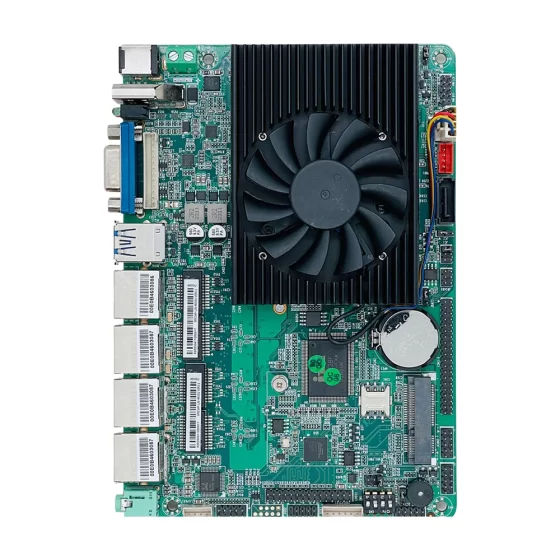
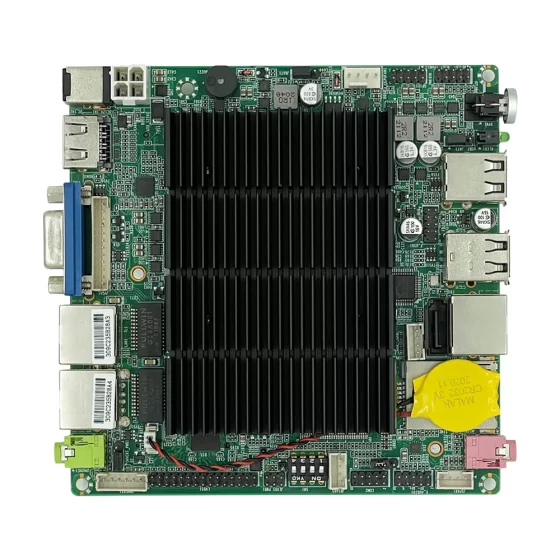
بالمقارنة مع أجهزة الكمبيوتر التجارية القياسية, توفر أجهزة الكمبيوتر الصناعية وأجهزة الكمبيوتر المدمجة موثوقية أقوى, إدخال/إخراج أكثر مرونة, خيارات تركيب أفضل, تصاميم بدون مروحة, دعم دورة حياة طويلة, والتكامل العملي مع بيئات المصنع الحقيقية.
تشرح هذه المقالة كيف تدعم منصات IPC الصناعية التصنيع الرقمي, ما هي التحديات التي يواجهها المصنعون أثناء النشر, كيف يتم تنظيم بنية الحل العملي, وما هي ميزات الأجهزة المهمة لبناء أنظمة مصنع متصلة وقابلة للتطوير.

تقوم أجهزة الكمبيوتر الصناعية بجمع بيانات الماكينة والمشغل لعمليات المصنع المتصلة.
نظرة عامة على الصناعة
يعتمد التصنيع الرقمي على بيانات المصنع الحقيقية
التصنيع الرقمي لا يقتصر فقط على البرمجيات. ذلك يعتمد على دقيقة, مستقر, والبيانات في الوقت المناسب من بيئات الإنتاج الحقيقية.
تحتاج المصانع إلى فهم ما يحدث عبر الآلات, خطوط, محطات العمل, مناطق التفتيش, المستودعات, وأنظمة التحكم. بدون بيانات موثوقة عن أرضية المتجر, لوحات المعلومات الرقمية, منصات MES, أنظمة الجودة, ولا يمكن لأدوات التحليل تقديم نتائج ذات معنى.
عادةً ما يتطلب نظام التصنيع الرقمي العملي بيانات من:
- PLCs وأجهزة التحكم في الماكينة
- ماكينات CNC ومعدات الإنتاج
- أنظمة الباركود وRFID
- أجهزة الاستشعار والعدادات
- أنظمة فحص الرؤية
- محطات المشغل
- أدوات الاختبار
- قواعد بيانات الإنتاج
- شبكات المصانع
توفر أجهزة IPC الصناعية طبقة الحوسبة التي تربط هذه الأنظمة المادية ببرامج التصنيع الرقمية.
من الآلات المعزولة إلى العمليات المتصلة
لا تزال العديد من المصانع تعمل بمعدات معزولة وسير عمل غير متصل.
قد يعمل الجهاز بشكل طبيعي, لكن حالتها قد لا تكون مرئية لمدير الإنتاج. قد يتم حفظ نتيجة فحص الجودة محليًا, ولكن غير مرتبط بسجل المنتج. قد يقوم المشغل بالإبلاغ عن وقت التوقف عن العمل يدويًا بعد مرور الحدث بالفعل.
ويهدف التصنيع الرقمي إلى تقليص هذه الفجوات.
تساعد أجهزة الكمبيوتر الصناعية الموضوعة في نقاط الإنتاج الرئيسية على جمع البيانات, عملية, ونقل البيانات في الوقت الحقيقي. وهذا يجعل حالة الإنتاج, سجلات الجودة, أداء العملية, وظروف المعدات أكثر وضوحا في جميع أنحاء المنظمة.
لماذا تعتبر أجهزة IPC الصناعية مهمة
قد تعمل أجهزة الكمبيوتر التجارية في البيئات المكتبية, لكن التصنيع الرقمي يتطلب أجهزة يمكنها العمل في الظروف الصناعية.
قد يحتاج IPC الصناعي إلى التشغيل بشكل مستمر بالقرب من الأجهزة, داخل الخزانات, أو على خطوط الإنتاج. قد يتم توصيله بالماسحات الضوئية, أجهزة الاستشعار, الشركات المحدودة العامة, الكاميرات, يعرض, الأجهزة التسلسلية, ومفاتيح الشبكة.
وهذا يتطلب أكثر من مجرد أداء وحدة المعالجة المركزية. يتطلب التصميم الصناعي.
تساعد منصات IPC للتصنيع الرقمي الموثوقة الشركات المصنعة على بناء عقد حوسبة حافة مستقرة, بوابات بيانات الآلة, محطات المشغل, وأنظمة التحكم المدمجة التي يمكنها دعم رقمنة المصنع على المدى الطويل.

تساعد منصات IPC الصناعية على ربط معدات المصانع المختلطة بأنظمة التصنيع الرقمية.
التحديات الرئيسية
توصيل معدات المصانع المختلطة
غالبًا ما تحتوي المصانع على معدات من بائعين مختلفين, أجيال مختلفة, ومعايير الاتصال المختلفة.
تستخدم بعض الأجهزة شبكة إيثرنت. ويستخدم البعض الآخر RS232, RS485, USB, إشارات الاتصال الجافة, أو وحدات البوابة الخارجية. قد لا تدعم المعدات القديمة تكامل البرامج الحديثة بشكل مباشر.
وهذا يخلق تحديًا كبيرًا للتصنيع الرقمي.
يجب أن يدعم الكمبيوتر الصناعي مرونة كافية في الواجهة لتوصيل كل من المعدات القديمة والحديثة دون فرض استبدال كامل للجهاز.
الحفاظ على الموثوقية في البيئات القاسية
غالبًا ما يتم تركيب أنظمة IPC الصناعية في المناطق التي لا تكون فيها أجهزة الكمبيوتر القياسية مثالية.
تشمل الشروط الشائعة:
- الغبار والجزيئات
- الحرارة من الأجهزة القريبة
- الاهتزاز من معدات الإنتاج
- الضوضاء الكهربائية
- قوة غير مستقرة
- مساحة التثبيت محدودة
- ساعات التشغيل الطويلة
في حالة فشل أجهزة الكمبيوتر, قد يتوقف جمع البيانات. قد يفقد المشغلون إمكانية الوصول إلى التعليمات. قد تصبح سجلات الجودة غير مكتملة. قد تنقطع رؤية الإنتاج.
لهذا السبب, يجب اختيار أجهزة التصنيع الرقمية لضمان الموثوقية, ليس فقط من حيث السعر أو سرعة المعالج.
ضمان دقة البيانات
يعتمد التصنيع الرقمي على دقة البيانات.
إذا تم تفويت عمليات مسح الباركود, تأخرت حالة الجهاز, أو لم يتم تحميل نتائج الفحص بشكل صحيح, قد يُظهر النظام صورة غير كاملة أو مضللة للإنتاج.
هذا يمكن أن يؤثر:
- تتبع أمر العمل
- إمكانية تتبع المنتج
- تحليل الجودة
- الإبلاغ عن وقت التوقف عن العمل
- استخدام المعدات
- تحسين العملية
- إعداد تدقيق العملاء
تساعد أجهزة الكمبيوتر الصناعية في تقليل هذه المخاطر من خلال توفير جمع بيانات محلي مستقر وتشغيل مستمر بالقرب من عملية الإنتاج.
إدارة تجزئة الشبكة
قد يقوم نظام التصنيع الرقمي بتوصيل شبكات الآلة, شبكات الإنتاج, شبكات تكنولوجيا المعلومات, خوادم محلية, والمنصات السحابية.
وهذا يتطلب تصميمًا دقيقًا للشبكة.
في كثير من الحالات, يحتاج IPC الصناعي إلى منافذ LAN متعددة. يمكن توصيل منفذ واحد بـ PLCs أو الأجهزة, بينما يتصل آخر بخوادم MES, قواعد البيانات, أو أنظمة تكنولوجيا المعلومات في المصنع.
يساعد هذا الفصل على تحسين تنظيم الشبكة, تقليل التدخل المروري غير الضروري, ودعم مراقبة أمنية أفضل.
التوسع إلى ما هو أبعد من المشاريع التجريبية
تبدأ العديد من مشاريع التصنيع الرقمي بخط واحد أو ورشة عمل واحدة.
بعد نجاح الطيار, يجب أن يتوسع النظام ليشمل المزيد من الأجهزة, خطوط الإنتاج, المباني, أو المصانع. في هذه المرحلة, تصبح الأجهزة غير المتناسقة مشكلة.
نماذج مختلفة للكمبيوتر, برامج تشغيل مختلفة, محولات الطاقة المختلفة, ويمكن لتصميمات التركيب المختلفة أن تزيد من عبء أعمال الصيانة.
تساعد منصات IPC الصناعية القياسية على تبسيط عملية التوسع, تخطيط قطع الغيار, إدارة الصور البرمجية, والدعم الفني على المدى الطويل.

تعمل IPCs الصناعية كعقد حوسبة طرفية بين الأجهزة وبرامج المصنع.
هندسة حلول IPC للتصنيع الرقمي
طبقة الآلات والمعدات
تتضمن طبقة الآلة معدات الإنتاج المادية التي تولد البيانات التشغيلية.
قد يشمل ذلك الشركات المحدودة العامة, آلات التصنيع باستخدام الحاسب الآلي, الناقلات, الروبوتات, أجهزة الاستشعار, عدادات صناعية, ماسحات الباركود, قارئات RFID, معدات الاختبار, وأنظمة رؤية الآلة.
تولد هذه الأجهزة أنواعًا مختلفة من معلومات الإنتاج:
- حالة تشغيل الآلة
- عدد الإنتاج
- وقت الدورة
- أحداث التنبيه
- معلمات العملية
- معرف المنتج
- رقم دفعة المادة
- نتائج التفتيش
- تأكيد المشغل
- بيانات استخدام المعدات
ويتمثل التحدي في جمع هذه المعلومات من مصادر متعددة وجعلها قابلة للاستخدام لمنصات التصنيع الرقمية.
طبقة حوسبة الحافة الصناعية
طبقة حوسبة الحافة الصناعية هي المكان الذي تلعب فيه IPC الصناعية الدور المركزي.
يتم نشر أجهزة الكمبيوتر الصناعية وأجهزة الكمبيوتر المدمجة بالقرب من الآلات, خزائن, محطات المشغل, أو أنظمة التفتيش. يقومون بجمع البيانات من الأجهزة المحلية, معلومات العملية, والتواصل مع منصات برامج المصنع.
عند هذه الطبقة, قد يقوم IPC بعدة مهام:
- الحصول على بيانات الآلة
- تحويل البروتوكول
- التخزين المؤقت للبيانات المحلية
- تشغيل العميل MES
- عرض اتش ام اي
- دعم فحص الجودة
- معالجة الباركود وRFID
- تحليلات الحافة
- مزامنة قاعدة البيانات
- دعم المراقبة عن بعد
تعمل هذه الطبقة على تحسين مرونة النظام لأنه يمكن التعامل مع بيانات الإنتاج بالقرب من مكان إنشائها.
طبقة برامج المصنع
تتضمن طبقة برامج المصنع MES, سكادا, نظم إدارة الجودة, لوحات الإنتاج, منصات مراقبة المعدات, وقواعد البيانات الصناعية.
يرسل IPC الصناعي البيانات إلى هذه الأنظمة وقد يتلقى أيضًا تعليمات منها.
على سبيل المثال, قد يرسل نظام MES أمر عمل إلى محطة الإنتاج. يعرض IPC الصناعي تعليمات العمل, نتائج مسح السجلات, يجمع حالة الجهاز, وتحميل بيانات الانتهاء.
يؤدي هذا إلى إنشاء سير عمل رقمي مغلق الحلقة بين تنفيذ الإنتاج وإدارة البيانات.
طبقة المؤسسة والسحابة
غالبًا ما ترتبط أنظمة التصنيع الرقمية بنظام تخطيط موارد المؤسسات (ERP)., الحركة الشعبية لتحرير السودان, WMS, أدوات ذكاء الأعمال, أو منصات التحليلات السحابية.
تستخدم هذه الأنظمة بيانات المصنع للتخطيط, جرد, تحسين الجودة, صيانة, إعداد التقارير, واتخاذ القرارات التجارية.
لا تحل أجهزة IPC الصناعية محل برامج المؤسسة. بدلاً من, فهو يوفر أساس بيانات موثوقًا يسمح لهذه الأنظمة بالعمل بمعلومات إنتاج دقيقة.
المرونة المحلية
لا يمكن للمصانع أن تعتمد دائمًا على ظروف الشبكة المثالية.
يجب أن تدعم بنية IPC للتصنيع الرقمي القوية المرونة المحلية. يمكن للكمبيوتر الصناعي الاستمرار في جمع البيانات, تخزين السجلات مؤقتا, والمزامنة مع الخادم بعد استعادة الشبكة.
يساعد هذا في تقليل فقدان البيانات ويدعم الإنتاج المستمر حتى عندما يكون الاتصال غير مستقر مؤقتًا.
الميزات الرئيسية
موثوقية من الدرجة الصناعية
الموثوقية هي الميزة الأكثر أهمية لـ IPC الصناعي المستخدم في التصنيع الرقمي.
قد يحتاج النظام إلى العمل بشكل مستمر عبر نوبات عمل متعددة. ويمكن تركيبه بالقرب من معدات الإنتاج حيث يؤثر التوقف بشكل مباشر على إعداد التقارير, إمكانية التتبع, ورؤية العملية.
وتشمل عوامل الموثوقية الهامة:
- تصميم اللوحة الأم الصناعية
- خيارات النظام بدون مروحة
- هيكل العلبة وعرة
- دعم تخزين SSD
- تصميم حراري مستقر
- خيارات إدخال الجهد العريض
- طرق التركيب الآمنة
- تخطيط دورة حياة طويلة
الهدف هو التشغيل المستقر في بيئات المصنع الحقيقية.
تكوين الإدخال/الإخراج المرن
غالبًا ما تتطلب مشاريع التصنيع الرقمي العديد من اتصالات الأجهزة.
قد يحتاج IPC صناعي واحد إلى توصيل ماسحات الباركود الضوئية, قارئات RFID, الكاميرات, الطابعات, يعرض, الشركات المحدودة العامة, أجهزة الاستشعار, وأجهزة الشبكة.
قد تشمل واجهات مفيدة:
- منافذ LAN متعددة
- USB 2.0 و يو اس بي 3.0
- RS232
- RS485
- اتش دي ام اي
- منفذ العرض
- جيبيو
- توسعة M.2
- توسيع PCIe صغير
- دعم الوحدة اللاسلكية
يعمل تصميم الإدخال/الإخراج المناسب على تقليل المحولات الخارجية وتحسين استقرار النظام.
تصميم بدون مروحة ومنخفض الصيانة
تُستخدم أجهزة الكمبيوتر الصناعية بدون مروحة على نطاق واسع في بيئات التصنيع الرقمية.
عن طريق إزالة المراوح الميكانيكية, يقلل النظام من دخول الغبار ويزيل نقطة فشل شائعة واحدة. يعد هذا مفيدًا في المصانع حيث يكون الوصول إلى الصيانة محدودًا أو حيث قد تؤثر الجزيئات المحمولة جواً على أجهزة الكمبيوتر القياسية.
يجب أن يظل التصميم بدون مروحة مطابقًا للمعالج الصحيح, الضميمة, درجة الحرارة المحيطة, وطريقة التثبيت.
التكامل الميكانيكي المدمج
غالبًا ما يتم تثبيت أنظمة IPC الصناعية في مواقع محدودة المساحة.
ويمكن تركيبها داخل خزائن التحكم, خلف شاشات العرض, تحت محطات العمل, على إطارات الآلة, أو داخل معدات تصنيع المعدات الأصلية.
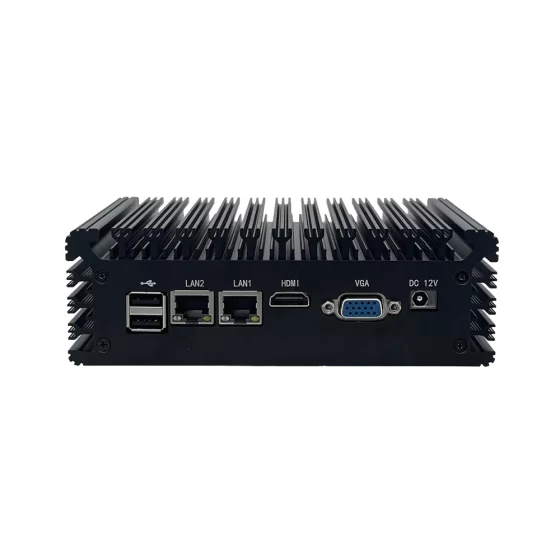
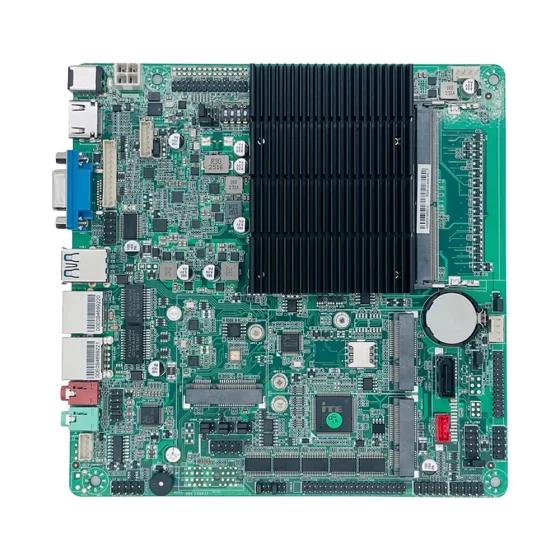
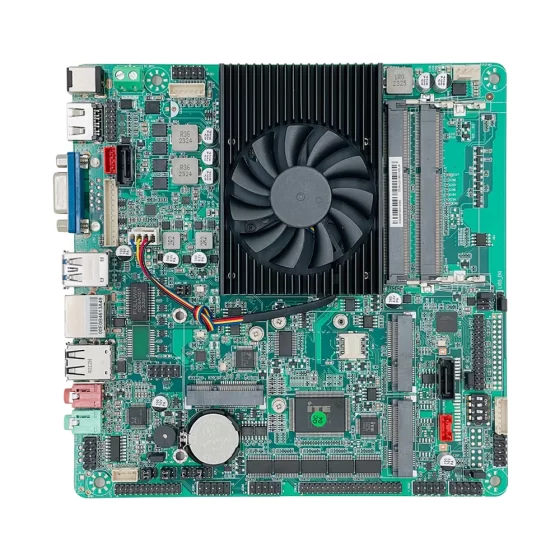
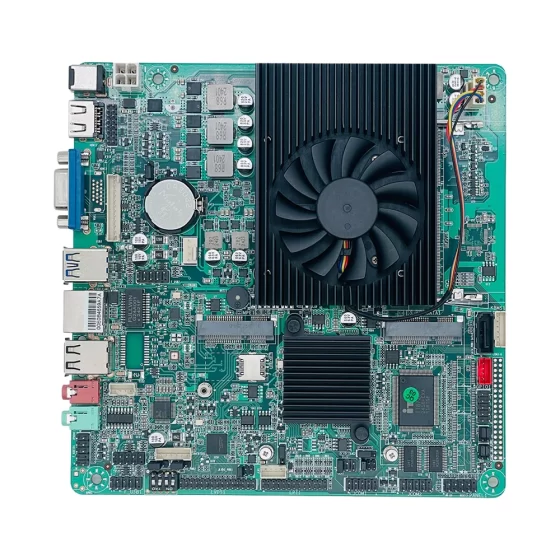
توفر أجهزة الكمبيوتر المدمجة المدمجة وأجهزة الكمبيوتر الصندوقية الصناعية خيارات تثبيت مرنة. لبناة الآلات, يمكن دمج اللوحات المدمجة مباشرة في تصميمات المعدات المخصصة.
التخزين وحماية البيانات
قد تقوم أجهزة الكمبيوتر الخاصة بالتصنيع الرقمي بتخزين ملفات نظام التشغيل, التطبيقات المحلية, سجلات الإنتاج, السجلات المؤقتة, صور التفتيش, وملفات قاعدة البيانات.
يُفضل عادةً تخزين SSD لأنه يوفر مقاومة أفضل للصدمات واستجابة أسرع للنظام مقارنة بالتخزين الميكانيكي.
للتطبيقات التي تخزن صور الفحص أو السجلات المتكررة, يجب مراجعة سعة التخزين وتحمل الكتابة أثناء تخطيط النظام.
توافق نظام التشغيل والبرامج
قد تقوم منصات IPC الصناعية بتشغيل Windows, لينكس, التطبيقات المستندة إلى المتصفح, أو البرامج الصناعية المخصصة.
قبل النشر الجماعي, يجب اختبار الأجهزة مع نظام التشغيل المستهدف, برامج تشغيل الأجهزة, الماسحات الضوئية, الطابعات, الكاميرات, أدوات الاتصال PLC, برامج الوصول عن بعد, وإعدادات الأمن السيبراني.
يؤدي هذا التحقق من الصحة إلى تقليل مخاطر حدوث أعطال غير متوقعة أثناء بدء التشغيل في المصنع.
سيناريوهات النشر
جمع بيانات الآلة
يعد جمع بيانات الآلة أحد أكثر تطبيقات التصنيع الرقمي شيوعًا.
يمكن لـ IPC الصناعي الاتصال بـ PLCs, آلات التصنيع باستخدام الحاسب الآلي, أجهزة الاستشعار, متر, أو وحدات التحكم. فهو يجمع حالة الجهاز, عدد المخرجات, معلومات التنبيه, وقت الدورة, ومعالجة البيانات.
يتيح ذلك للمصنعين فهم أداء المعدات بشكل أكثر دقة وتقليل التقارير اليدوية.
محطات عمل المشغل
يمكن استخدام أجهزة الكمبيوتر الصناعية كمحطات تشغيل على خطوط الإنتاج.
قد يتصلون بشاشات اللمس, ماسحات الباركود, قارئات RFID, لوحات المفاتيح, طابعات الملصقات, وبرمجيات MES.
يمكن للمشغلين عرض تعليمات العمل, منتجات المسح, تأكيد المواد, سجل العيوب, وتقديم نتائج الإنتاج.
يؤدي ذلك إلى تحسين التحكم في العمليات وتقليل سير العمل الورقي.
محطات فحص الجودة
يعتمد التصنيع الرقمي بشكل كبير على البيانات عالية الجودة.
يمكن لـ IPC الصناعي الاتصال بكاميرات الفحص, أدوات القياس, أدوات الاختبار, ماسحات الباركود, والطابعات. يمكنه ربط نتائج الفحص بمعرفات المنتج وتحميل السجلات إلى أنظمة الجودة أو منصات MES.
يؤدي ذلك إلى تحسين إمكانية التتبع ودعم تحليل السبب الجذري.
مراقبة خط الإنتاج
يمكن لأجهزة الكمبيوتر الصناعية أن تدعم أنظمة مراقبة الإنتاج التي تعرض حالة الماكينة, إخراج الخط, أسباب التوقف, ومعالجة الإنذارات.
يمكن تركيب هذه الأنظمة في غرف التحكم, مكاتب الورشة, أو مباشرة على أرضية المصنع.
من خلال جمع البيانات من أجهزة متعددة, تساعد منصات IPC الصناعية فرق الإنتاج على الاستجابة بشكل أسرع للظروف غير الطبيعية.
بوابات إنترنت الأشياء الصناعية
في تطبيقات إنترنت الأشياء الصناعية, يمكن لجهاز الكمبيوتر المدمج أن يعمل كبوابة بين الأجهزة ومنصات التحليلات السحابية أو المحلية.
قد يجمع البيانات من الأجهزة الميدانية, معلومات ما قبل المعالجة, تصفية البيانات غير الضرورية, وإرسال السجلات المحددة إلى الأنظمة ذات المستوى الأعلى.
وهذا يقلل من حمل الشبكة ويدعم إدارة البيانات بشكل أكثر كفاءة.
تكامل آلة تصنيع المعدات الأصلية
يمكن لمصنعي الآلات دمج أجهزة الكمبيوتر المدمجة أو اللوحات الأم الصناعية مباشرة في منتجاتهم.
يتيح ذلك للآلات دعم وظائف التصنيع الرقمي مثل إعداد تقارير البيانات, التشخيص عن بعد, واجهة المشغل, تتبع الإنتاج, واتصال العملاء MES.
لمصنعي المعدات الأصلية, يمكن للحوسبة الصناعية المضمنة زيادة قيمة الماكينة وتبسيط عملية التكامل للمستخدمين النهائيين.
المستودعات وتدفق المواد
يشمل التصنيع الرقمي أيضًا حركة المواد وعمليات المستودعات.
يمكن استخدام أجهزة الكمبيوتر الصناعية في محطات الاستقبال, مناطق إعداد المواد, تخزين على جانب الخط, ومناطق السلع تامة الصنع.
عن طريق ربط ماسحات الباركود, قارئات RFID, معدات الوزن, وطابعات الملصقات, تساعد هذه الأنظمة على تحسين إمكانية تتبع المواد وتقليل أخطاء الإدخال اليدوي.

تدعم أجهزة الكمبيوتر الصناعية رؤية الإنتاج, إمكانية التتبع, ومراقبة الجودة.
فوائد الأعمال
رؤية أفضل للإنتاج
تساعد أنظمة IPC الصناعية الشركات المصنعة على معرفة ما يحدث على أرض المصنع.
من خلال جمع البيانات في الوقت الحقيقي من الأجهزة, مشغلي, ومحطات التفتيش, يمكن لمنصات التصنيع الرقمية إظهار تقدم أمر العمل, حالة المعدات, كمية الإخراج, أسباب التوقف, ونتائج الجودة.
وهذا يحسن عملية صنع القرار ويقلل من تأخير الاستجابة.
تحسين إمكانية التتبع
تعتمد إمكانية التتبع على السجلات الكاملة والدقيقة.
تساعد أجهزة الكمبيوتر الصناعية في التقاط معرفات المنتجات, دفعات مادية, معلمات الآلة, إجراءات المشغل, نتائج التفتيش, وتاريخ العملية.
وهذا يدعم مراقبة الجودة, عمليات تدقيق العملاء, التحقيق في الضمان, والتحسين المستمر.
انخفاض العمل اليدوي
إدخال البيانات يدويًا بطيء وعرضة للأخطاء.
يمكن لأنظمة التصنيع الرقمية القائمة على منصات IPC الصناعية جمع البيانات مباشرة من الأجهزة, الماسحات الضوئية, أجهزة الاستشعار, والمشغلين.
وهذا يقلل من الأعمال الورقية, يحسن الاتساق, ويسمح لفرق الإنتاج بالتركيز على تحسين العملية بدلاً من التقارير المتكررة.
الاستخدام الأفضل للمعدات الموجودة
لا تحتاج المصانع دائمًا إلى استبدال الآلات الموجودة لتصبح أكثر رقمية.
يمكن لأجهزة الكمبيوتر الصناعية توصيل المعدات القديمة من خلال المنافذ التسلسلية, إيثرنت, USB, أجهزة الاستشعار, أو وحدات البوابة.
يتيح ذلك للمصنعين رقمنة أصول الإنتاج الحالية خطوة بخطوة مع حماية استثمارات المعدات السابقة.
رقمنة المصنع قابلة للتطوير
تدعم منصة IPC الصناعية القياسية النشر القابل للتطوير.
عندما يتم استخدام نفس عائلة الأجهزة عبر خطوط أو مصانع متعددة, صور البرمجيات, قطع غيار, مُكَمِّلات, السائقين, وتصبح إجراءات الصيانة أسهل في الإدارة.
وهذا مهم بشكل خاص عندما يتوسع التصنيع الرقمي من المشاريع التجريبية إلى التنفيذ الكامل للمصنع.
مؤسسة أنظمة التصنيع المتقدمة
تعمل أجهزة الحوسبة الصناعية الموثوقة على إنشاء الأساس للأنظمة المتقدمة مثل إنترنت الأشياء الصناعي, رؤية الآلة, حافة الذكاء الاصطناعي, الصيانة التنبؤية, وتحليلات الإنتاج الذكية.
بمجرد توفر بيانات المصنع الدقيقة, يمكن للمصنعين إنشاء تطبيقات أكثر تقدمًا بالإضافة إلى البنية التحتية للتصنيع الرقمي.
لماذا كورIPC
توفر CoreIPC منصات الحوسبة الصناعية لأتمتة التصنيع, الأنظمة المدمجة, اتصال الآلة, ورقمنة المصنع. لتطبيقات التصنيع الرقمي, يركز CoreIPC على أجهزة IPC الصناعية الموثوقة, حلول الكمبيوتر المدمجة, تكوينات الإدخال/الإخراج المرنة, تصميم ميكانيكي مدمج, ودعم التخصيص OEM/ODM. CoreIPC يساعد تكامل النظام, بناة المعدات, وتقوم فرق التصنيع باختيار منصات الحوسبة التي تتوافق مع بيئات الإنتاج الحقيقية, بما في ذلك واجهات الآلة, طرق التركيب, مدخلات الطاقة, الظروف الحرارية, تخطيط دورة الحياة, واحتياجات النشر القابلة للتطوير.
الأسئلة المتداولة
1. ما هو IPC للتصنيع الرقمي?
IPC للتصنيع الرقمي هو جهاز كمبيوتر صناعي يستخدم لتوصيل الآلات, مشغلي, أنظمة الإنتاج, ومنصات برمجيات المصنع.
يمكنه جمع البيانات من PLCs, أجهزة الاستشعار, الماسحات الضوئية, الكاميرات, ومعدات الإنتاج. ويمكنه أيضًا تشغيل برنامج عميل MES, تطبيقات HMI, أدوات المراقبة, أو خدمات بيانات الحافة. بالمقارنة مع أجهزة الكمبيوتر المكتبية, وهي مصممة للبيئات الصناعية والتشغيل المستمر.
2. لماذا تعتبر IPC الصناعية مهمة للتصنيع الرقمي?
يوفر IPC الصناعي طبقة الحوسبة المحلية التي تربط معدات الإنتاج المادية بالأنظمة الرقمية.
بدون أجهزة موثوقة بالقرب من الآلات, قد لا تتلقى برامج التصنيع الرقمية بيانات دقيقة أو في الوقت المناسب. تساعد أجهزة الكمبيوتر الصناعية في جمع معلومات الإنتاج, معالجتها محليا, وإرسالها إلى MES, سكادا, إنترنت الأشياء, أو منصات التحليلات.
3. كيف يتم استخدام الكمبيوتر المدمج في التصنيع الرقمي?
يمكن تثبيت جهاز كمبيوتر مضمن بالقرب من الأجهزة, داخل الخزانات, خلف شاشات العرض, أو مباشرة داخل معدات OEM.
قد يجمع بيانات الجهاز, توصيل الماسحات الضوئية, التواصل مع PLCs, تشغيل التطبيقات المحلية, أو تخزين البيانات أثناء انقطاع الشبكة. إن تصميمها المدمج يجعلها مفيدة لبيئات المصانع ذات المساحة المحدودة والتكامل من جانب الماكينة.
4. ما هي الواجهات المطلوبة عادة لأنظمة IPC للتصنيع الرقمي?
تشمل الواجهات الشائعة LAN, USB, RS232, RS485, اتش دي ام اي, منفذ العرض, جيبيو, م.2, وميني PCIe.
تدعم منافذ LAN شبكة المصنع واتصالات الجهاز. USB يربط الماسحات الضوئية, الكاميرات, الطابعات, والأجهزة الطرفية. تعتبر المنافذ التسلسلية مفيدة للأجهزة القديمة, متر, أو وحدات التحكم. تسمح واجهات التوسعة لمتكاملي الأنظمة بتكييف IPC مع احتياجات المشروع المحددة.
5. هل تستطيع أجهزة الكمبيوتر الصناعية ربط الآلات القديمة بأنظمة التصنيع الرقمية؟?
نعم. غالبًا ما تُستخدم أجهزة الكمبيوتر الصناعية لتوصيل الأجهزة القديمة التي لا تدعم الاتصالات الرقمية الحديثة بشكل مباشر.
مع المنافذ التسلسلية, إيثرنت, USB, أجهزة الاستشعار, أو وحدات البوابة, يمكن لـ IPC الصناعي جمع حالة الماكينة, عدد الإنتاج, بيانات التنبيه, ومعلومات العملية. وهذا يسمح للمصانع برقمنة المعدات الموجودة دون استبدال كل آلة.
6. لماذا يتم استخدام أجهزة الكمبيوتر الصناعية بدون مروحة في المصانع?
تعمل أجهزة الكمبيوتر الصناعية بدون مروحة على تقليل دخول الغبار وإزالة نقطة الفشل الميكانيكية الشائعة.
وهذا مفيد في بيئات الإنتاج حيث الغبار, جزيئات, اهتزاز, أو قد تؤثر ساعات التشغيل الطويلة على أجهزة الكمبيوتر القياسية. يمكن أن يؤدي التصميم بدون مروحة إلى تقليل متطلبات الصيانة, لكن النظام لا يزال بحاجة إلى التخطيط الحراري الصحيح بناءً على عبء العمل وظروف التثبيت.
7. هل تحتاج أنظمة IPC للتصنيع الرقمي إلى منافذ LAN متعددة؟?
تعد منافذ LAN المتعددة مفيدة في العديد من أنظمة التصنيع الرقمية.
يمكن توصيل منفذ LAN واحد بالأجهزة, الشركات المحدودة العامة, أو الأجهزة الميدانية, بينما يتصل آخر بخوادم MES, أنظمة سكادا, أو شبكات تكنولوجيا المعلومات في المصنع. يمكن أن يؤدي هذا الفصل إلى تحسين تنظيم الشبكة, دعم التصميم الأمني, والحد من تضارب الاتصالات.
8. كيف تعمل أجهزة IPC الصناعية على تحسين إمكانية التتبع?
تعمل أجهزة IPC الصناعية على تحسين إمكانية التتبع من خلال جمع بيانات دقيقة في كل نقطة إنتاج.
يمكنه التقاط الأرقام التسلسلية للمنتج, معلومات دفعة المواد, معلمات الآلة, نتائج التفتيش, إجراءات المشغل, وسجلات العملية. عندما يتم إرسال هذه المعلومات إلى MES أو أنظمة الجودة, يمكن للمصنعين بناء سجل إنتاج كامل لكل منتج.
9. ما الذي يجب مراعاته قبل اختيار IPC للتصنيع الرقمي?
يجب على الشركات المصنعة مراجعة واجهات الجهاز, الأجهزة الطرفية, أداء وحدة المعالجة المركزية, ذاكرة, تخزين, دعم نظام التشغيل, مدخلات الطاقة, طريقة التركيب, درجة الحرارة المحيطة, تصميم الشبكة, ومتطلبات دورة الحياة.
من المهم أيضًا اختبار IPC باستخدام برنامج حقيقي, الماسحات الضوئية, الطابعات, الاتصالات PLC, وأدوات الصيانة عن بعد قبل النشر على نطاق واسع.
10. هل يمكن لمصنعي معدات OEM استخدام منصات IPC الصناعية?
نعم. يمكن لمصنعي معدات OEM استخدام IPCs الصناعية, أجهزة الكمبيوتر المدمجة, أو اللوحات الأم الصناعية لإضافة وظائف التصنيع الرقمي إلى أجهزتهم.
يمكن أن يشمل ذلك الإبلاغ عن البيانات, واجهة المشغل, التشخيص عن بعد, تتبع الإنتاج, واتصال MES. تساعد أجهزة الحوسبة المدمجة في جعل المعدات أكثر ملاءمة لبيئات المصانع الذكية.
خاتمة
يعد IPC للتصنيع الرقمي أساسًا عمليًا لعمليات المصنع المتصلة.
إنه يجعل قوة الحوسبة من الدرجة الصناعية قريبة من الآلات, مشغلي, أجهزة الاستشعار, الماسحات الضوئية, أنظمة التفتيش, وشبكات الإنتاج. وهذا يساعد الشركات المصنعة على جمع بيانات دقيقة, تحسين الرؤية, تعزيز التتبع, ودعم رقمنة المصنع القابلة للتطوير.
يجب اختيار الكمبيوتر الصناعي المناسب أو الكمبيوتر المدمج بناءً على متطلبات النشر الحقيقية, بما في ذلك تكوين الإدخال/الإخراج, بنية الشبكة, طريقة التركيب, مدخلات الطاقة, التصميم الحراري, احتياجات التخزين, توافق نظام التشغيل, والتخطيط لدورة الحياة على المدى الطويل.
يدعم CoreIPC مشاريع التصنيع الرقمية باستخدام منصات IPC الصناعية المصممة لبيئات المصانع العملية. عن طريق اختيار أجهزة الحوسبة الصناعية الموثوقة, يمكن للمصنعين بناء أساس أقوى لـ MES, إنترنت الأشياء الصناعية, رؤية الآلة, تحليلات الحافة, وتطوير التصنيع الذكي على المدى الطويل.
اتصل بنا
أبحث عن IPC الصناعية, الكمبيوتر الصناعي, أو الكمبيوتر المدمج للتصنيع الرقمي?
تواصل مع CoreIPC لمناقشة متطلبات مشروعك, بما في ذلك واجهات الآلة, تكوين الإدخال/الإخراج, منصة المعالج, طريقة التركيب, مدخلات الطاقة, بيئة التشغيل, احتياجات دورة الحياة, وخيارات التخصيص OEM/ODM.