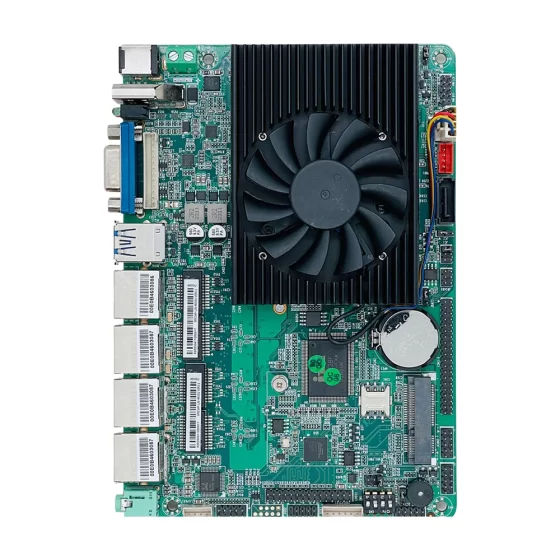
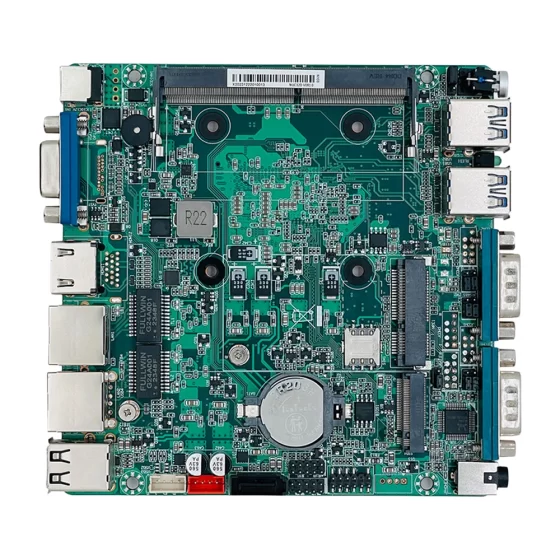
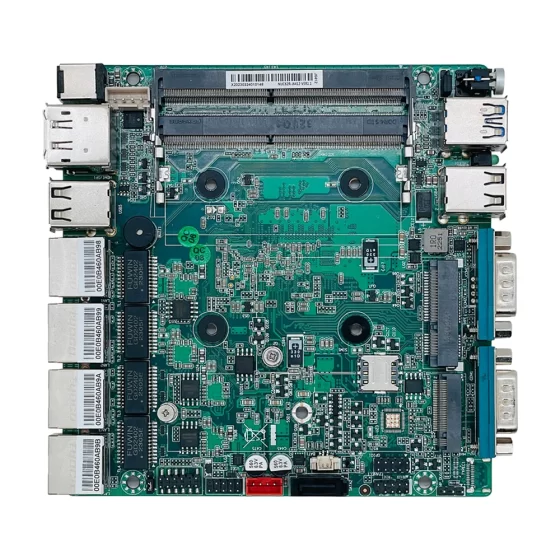
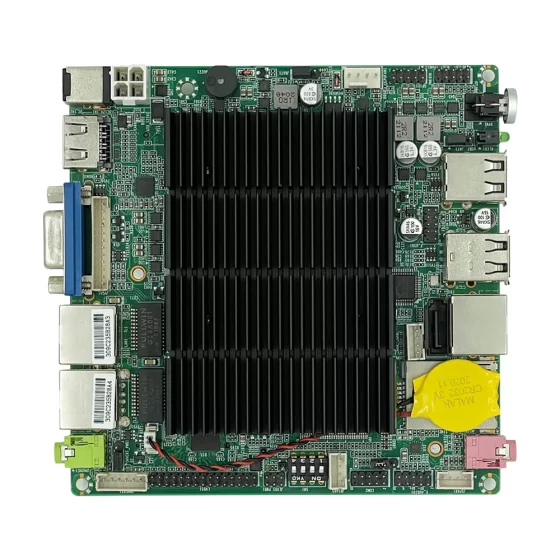
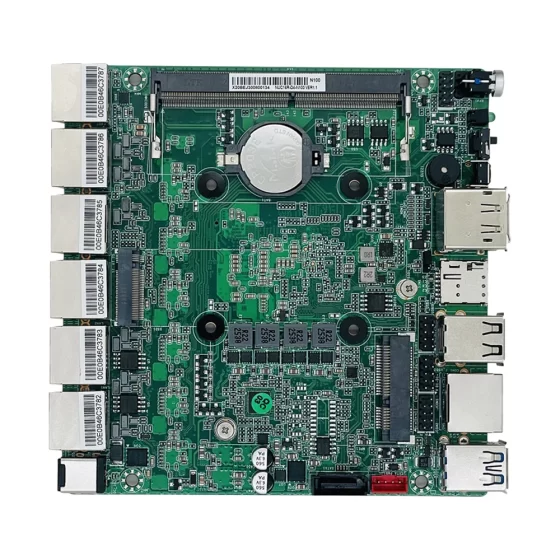
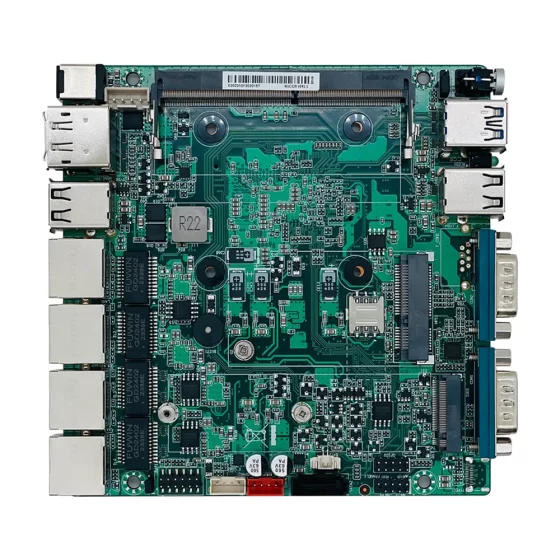
حلول الحوسبة الصناعية CoreIPC

كمبيوتر صناعي بدون مروحة لتطبيقات HMI: الكمبيوتر الصناعي HMI لواجهات المشغل
ملخص تنفيذي
An hmi industrial pc provides the industrial computing foundation for operator interface systems, تصور الآلة, مراقبة الإنتاج, إدارة الإنذار, مراقبة الوصفة, عرض البيانات, الوصول إلى الصيانة, واتصالات نظام المصنع.
تعتبر تطبيقات الواجهة بين الإنسان والآلة ضرورية في الأتمتة الحديثة. مشغلي بحاجة واضحة, موثوق, والوصول سريع الاستجابة إلى حالة الجهاز, قيم العملية, إنذار, سجلات الإنتاج, ظروف المعدات, وضوابط النظام. سواء تم نشرها على خط الإنتاج, آلة التعبئة والتغليف, ماكينة سي ان سي, خلية عمل الروبوت, محطة المرافق, أو خزانة التحكم الصناعية, يجب أن تظل منصة HMI مستقرة أثناء التشغيل المستمر.
يمكن للكمبيوتر الصناعي بدون مروحة أو الكمبيوتر المدمج تشغيل برنامج HMI, ربط PLCs ووحدات التحكم, عرض بيانات الجهاز في الوقت الحقيقي, تخزين السجلات المحلية, دعم التشخيص عن بعد, والتواصل مع SCADA, زارة التربية والعلم, منصات إنترنت الأشياء الصناعية, أو أنظمة المراقبة السحابية.
بالمقارنة مع أجهزة الكمبيوتر المكتبية القياسية, fanless industrial computers are better suited for HMI applications because they reduce dust intake, remove one common mechanical failure point, support rugged installation, provide multiple industrial interfaces, and offer long lifecycle availability.
This article explains how fanless HMI industrial PC platforms support industrial operator interfaces, ما هي تحديات النشر التي تظهر في بيئات الأتمتة الحقيقية, كيف تعمل بنية الحل, and which hardware features matter when selecting an industrial computer or embedded computer for HMI applications.
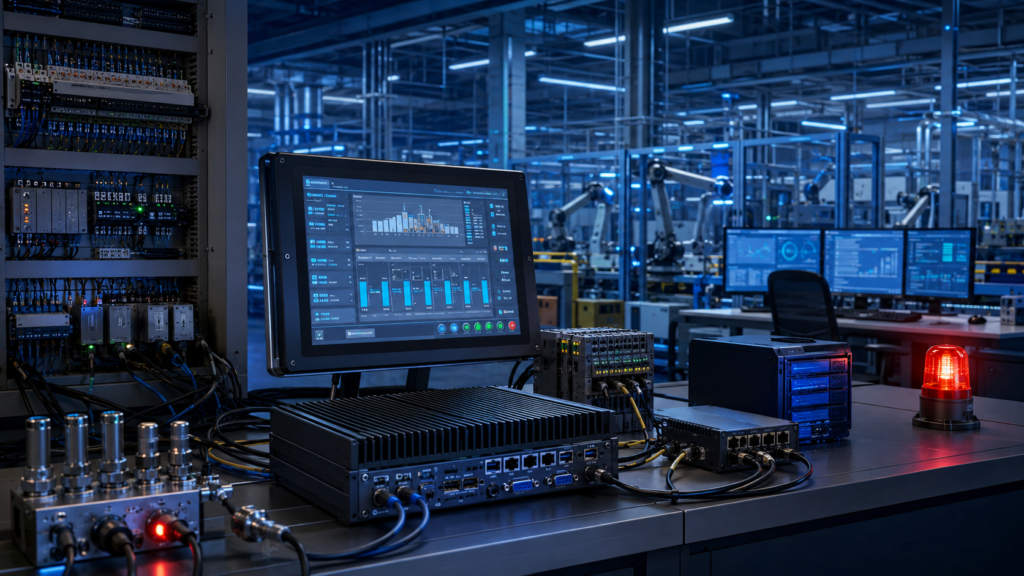
HMI industrial PCs display machine status, إنذار, وصفات, سجلات الإنتاج, وبيانات الصيانة للمشغلين.
نظرة عامة على الصناعة
HMI Systems Are Central to Industrial Operation
HMI systems help operators understand and interact with machines.
They display process information, حالة الآلة, رسائل التنبيه, التهم الإنتاج, وصفات, شاشات صيانة, and operating instructions. في كثير من المصانع, the HMI is the main daily interface between people and equipment.
تتضمن تطبيقات HMI الشائعة:
- لوحات تشغيل الآلة
- لوحات خط الإنتاج
- واجهات ماكينات التعبئة والتغليف
- شاشات مشغل CNC
- Robot workcell monitors
- Utility control stations
- SCADA terminals
- لوحات مراقبة العمليات
- محطات الوصول للصيانة
- لوحات معلومات إنترنت الأشياء الصناعية
- Quality inspection displays
- Equipment status screens
A reliable HMI industrial PC helps operators make decisions faster and reduces machine operation risk.
Fanless Design Fits Industrial Environments
Many HMI systems are installed near machines, داخل الخزانات, on control panels, or in dusty production areas.
Fan-based computers can draw dust into the enclosure. Fans also introduce moving parts that may fail over time.
A fanless industrial PC reduces this risk.
Fanless design is especially useful for:
- Dusty factory floors
- Packaging areas
- ورش عمل CNC
- خزائن الأتمتة
- أنظمة المستودعات
- غرف المرافق
- Kiosk-style industrial terminals
- Remote monitoring stations
- Low-maintenance equipment
When combined with rugged enclosure design and reliable storage, fanless IPCs provide a stable platform for long-running HMI applications.
HMI Is Becoming More Data-Driven
Traditional HMI screens focused mainly on machine operation.
Modern HMI systems increasingly support data functions, including production analytics, تاريخ التنبيه, سجلات الجودة, سجلات الصيانة, الوصول عن بعد, and industrial IoT integration.
An HMI industrial PC may need to connect with:
- الشركات المحدودة العامة
- أجهزة الاستشعار
- محركات الأقراص
- Controllers
- قارئات الباركود
- الكاميرات الصناعية
- منصات MES
- أنظمة سكادا
- قواعد البيانات المحلية
- لوحات المعلومات السحابية
- أنظمة الصيانة
وهذا يجعل كمبيوتر HMI جزءًا مهمًا من بنية المصنع المتصلة.

البيئات المتربة, لوحات اللمس, الأسلاك PLC, واجهات تسلسلية, مناطق إيثرنت, and fanless hardware affect HMI deployment.
التحديات الرئيسية
Maintaining Continuous Operator Access
HMI systems must remain available during machine operation.
إذا تجمد HMI, إعادة تشغيل, أو يفقد الاتصال, قد يفقد المشغلون إمكانية الوصول إلى الإنذارات, status data, وصفات, and control screens.
This can slow troubleshooting and affect production.
A reliable HMI industrial PC should support continuous operation, تصميم حراري مستقر, تخزين موثوق, and robust communication with machine controllers.
Operating in Dusty and Vibration-Prone Environments
HMI computers are often installed near production equipment.
قد يتعرضون للغبار, اهتزاز, حرارة, الضوضاء الكهربائية, وإجهاد الكابل.
Fanless industrial computers help reduce dust intake. Rugged enclosures and secure mounting help protect the platform from vibration and mechanical stress.
This is important for long-term factory reliability.
ربط الأجهزة الصناعية المختلفة
An HMI platform may need to connect many devices.
قد تشمل هذه:
- وحدات تحكم PLC
- محركات سيرفو
- أجهزة الاستشعار
- قارئات الباركود
- الكاميرات الصناعية
- وحدات الإدخال/الإخراج
- وحدات تحكم الروبوت
- معدات الاختبار
- قواعد البيانات المحلية
- مفاتيح صناعية
- أنظمة MES أو SCADA
Different systems may require Ethernet, USB, RS232, RS485, جيبيو, or digital I/O.
Flexible connectivity reduces integration difficulty and makes the HMI platform easier to deploy across different machines.
Supporting Responsive Visualization
Operators need fast and clear screen response.
An HMI industrial PC may run dashboards, صفحات التنبيه, مخططات الاتجاه, شاشات الوصفات, maintenance pages, وسجلات الإنتاج.
يجب أن توفر المنصة ما يكفي من وحدة المعالجة المركزية, ذاكرة, graphics capability, سرعة التخزين, and display support for the selected HMI software.
Slow HMI response can affect operator confidence and machine usability.
الحفاظ على البيانات المحلية
Many HMI systems store important records locally.
قد تشمل هذه:
- تاريخ التنبيه
- تهم الإنتاج
- ملفات وصفة
- إجراءات المشغل
- سجلات الصيانة
- سجلات الجودة
- Machine status logs
- النسخ الاحتياطية للتكوين
- تحميل المخازن المؤقتة
- ملفات التشخيص
Local storage helps preserve records during network interruptions.
يعمل تخزين SSD أو NVMe الموثوق به على تحسين استجابة النظام وحماية البيانات.
دعم الصيانة عن بعد
غالبًا ما يحتاج صانعو الآلات وفرق الصيانة إلى الوصول عن بعد إلى أنظمة HMI.
قد يحتاجون إلى مراجعة السجلات, check alarms, update configuration, troubleshoot PLC communication, أو فحص حالة النظام.
Remote access should be secure and controlled.
The HMI industrial PC should support network segmentation, أذونات الوصول, تسجيل, and backup workflows to protect production systems.

HMI industrial PCs connect PLCs, أجهزة الاستشعار, وحدات تحكم, شاشات اللمس, سكادا, زارة التربية والعلم, قواعد البيانات, الأنظمة السحابية, وأدوات الصيانة عن بعد.
HMI Industrial PC Solution Architecture
طبقة الآلة والجهاز
The machine and device layer includes the equipment connected to the HMI system.
قد تشمل هذه الطبقة:
- الشركات المحدودة العامة
- أجهزة الاستشعار
- محركات سيرفو
- وحدات التحكم في المحركات
- وحدات تحكم الروبوت
- وحدات الإدخال/الإخراج
- قارئات الباركود
- الكاميرات الصناعية
- معدات الاختبار
- أجهزة السلامة
- متر
- آلات الإنتاج
These devices generate the data that operators need to view and manage.
HMI Industrial PC Layer
The HMI industrial PC layer is the local visualization and computing platform.
عند هذه الطبقة, the fanless industrial computer or embedded computer may:
- قم بتشغيل برنامج HMI
- عرض حالة الجهاز
- Show alarm information
- إدارة الوصفات
- تخزين السجلات المحلية
- ربط PLCs ووحدات التحكم
- دعم إدخال المشغل
- Provide maintenance screens
- بيانات إنتاج المخزن المؤقت
- Forward information to factory systems
This layer provides the operator-facing interface for industrial equipment.
التحكم في طبقة الاتصالات
The communication layer connects the HMI computer with automation devices.
قد تشمل:
- إيثرنت
- USB
- RS232
- RS485
- الإدخال/الإخراج الرقمي
- جيبيو
- إيثرنت الصناعية
- الاتصالات PLC
- مفاتيح صناعية
- منافذ الخدمة المحلية
The communication design depends on machine architecture, متطلبات البرمجيات, وهيكل شبكة المصنع.
طبقة تكامل المصنع
The HMI industrial PC may connect with higher-level systems.
قد تشمل هذه:
- سكادا
- زارة التربية والعلم
- تخطيط موارد المؤسسات
- قواعد بيانات الجودة
- منصات إنترنت الأشياء الصناعية
- لوحات المعلومات المحلية
- أنظمة الصيانة
- أنظمة مراقبة السحابة
- منصات التتبع
This helps HMI data become part of the wider smart factory data environment.
طبقة الأمن والإدارة
The security and management layer supports long-term operation.
قد تشمل:
- أذونات المستخدم
- تجزئة الشبكة
- تأمين الوصول عن بعد
- التسجيل المحلي
- النسخ الاحتياطي التكوين
- مراقبة التخزين
- مراقبة صحة النظام
- التشخيص عن بعد
- إدارة تحديث البرامج
This helps protect machine operation and simplify maintenance.
الميزات الرئيسية
التصميم الصناعي بدون مروحة
Fanless design is a major advantage for HMI applications.
فهو يقلل من دخول الغبار ويزيل نقطة عطل ميكانيكية شائعة.
This is useful for continuous operation in factories, غرف الآلة, خطوط التعبئة والتغليف, ورش عمل CNC, أنظمة المستودعات, وخزائن التحكم.
Fanless operation should still be validated according to real workload, درجة الحرارة المحيطة, تصميم العلبة, وطريقة التركيب.
دعم عرض موثوق
HMI systems depend on stable display output.
The industrial PC may need to support local monitors, شاشات اللمس, panel displays, or external operator screens.
Useful display options may include:
- اتش دي ام اي
- منفذ العرض
- VGA in legacy systems
- Touchscreen interface support
- Multi-display capability
- Local dashboard output
Display stability is important because the HMI is often the main operator interface.
اتصال متعدد الأجهزة
An HMI industrial PC should provide practical I/O for machine integration.
قد تشمل واجهات مفيدة:
- لان
- USB
- RS232
- RS485
- جيبيو
- الإدخال الرقمي
- الإخراج الرقمي
- اتش دي ام اي
- منفذ العرض
- م.2
- بكيي
- تخزين SATA أو NVMe
These interfaces support PLCs, قارئات الباركود, أجهزة الاستشعار, أدوات الخدمة, يعرض, وحدات تحكم, واتصالات شبكة المصنع.
تصميم شبكات LAN متعددة
تساعد منافذ LAN المتعددة على فصل مسارات الاتصال.
An HMI system may use separate networks for:
- الاتصالات PLC
- شبكة الآلة
- شبكة تكنولوجيا المعلومات في المصنع
- اتصال SCADA
- اتصال MES
- الصيانة عن بعد
- الإدارة المحلية
- منصة إنترنت الأشياء الصناعية
Network separation improves traffic organization and can reduce the risk that non-critical traffic affects machine communication.
التخزين المحلي وتسجيل البيانات
يدعم التخزين المحلي برنامج HMI, وصفات, سجلات, إنذار, سجلات المشغل, النسخ الاحتياطية للتكوين, وملفات التشخيص.
يُفضل عادةً تخزين SSD أو NVMe لأنه يوفر وصولاً سريعًا ومقاومة أفضل للصدمات مقارنة بمحركات الأقراص الميكانيكية.
وينبغي النظر في تخطيط التخزين:
- حجم ملف الوصفة
- تاريخ التنبيه
- حجم قاعدة البيانات المحلية
- سير عمل النسخ الاحتياطي
- اكتب التحمل
- عملية الاسترداد
- سلوك انقطاع الشبكة
Reliable storage improves traceability and system serviceability.
Rugged Enclosure and Mounting
HMI industrial PCs may be installed in cabinets, خلف الألواح, على إطارات الآلة, or inside compact enclosures.
The computer should support secure mounting and stable cable connection.
Rugged enclosure design helps protect the system from vibration, إجهاد الكابل, وعملية الإنتاج المستمر.
Machine builders should also consider cabinet airflow, heat conduction, installation clearance, and service access.
توافق برامج HMI
يجب أن يتطابق النظام الأساسي للأجهزة مع بيئة برامج HMI المحددة.
وتشمل الاعتبارات الهامة:
- دعم نظام التشغيل
- أداء وحدة المعالجة المركزية
- سعة الذاكرة
- متطلبات الرسومات
- دعم برامج تشغيل شاشة اللمس
- برامج تشغيل الاتصالات PLC
- متطلبات قاعدة البيانات
- أدوات الوصول عن بعد
- دعم صورة البرنامج على المدى الطويل
يجب التحقق من صحة التكوين النهائي باستخدام تطبيق HMI الفعلي.
توافر دورة حياة طويلة
غالبًا ما تظل أنظمة HMI في الخدمة لسنوات عديدة.
تساعد الأجهزة المتسقة في الحفاظ على صور البرامج, السائقين, التوافق مع شاشة اللمس, إعدادات الاتصال PLC, قطع غيار, وإجراءات الخدمة.
Long lifecycle availability is important for machine builders, تكامل النظام, and manufacturers deploying similar HMI systems across many machines.
سيناريوهات النشر
Machine Operation Panel
A fanless HMI industrial PC can be installed as the operator interface for a production machine.
يمكنه عرض حالة الجهاز, رسائل التنبيه, وصفات, بيانات الدورة, ومعلومات الصيانة.
This supports easier machine operation and troubleshooting.
Production Line HMI Station
Production lines often require line-level dashboards.
An industrial computer can display machine status, التهم الإنتاج, بيانات الجودة, أحداث التوقف, and alarm records.
It can connect multiple devices and send data to MES or SCADA systems.
آلة التعبئة والتغليف HMI
Packaging equipment requires recipe control, عرض سرعة الخط, حالة التحقق من التسمية, سجلات الباركود, ومراجعة التنبيه.
A fanless embedded computer can run the HMI and collect production data from PLCs, الكاميرات, قارئات الباركود, and checkweighers.
وهذا يدعم أتمتة التغليف الذكي.
واجهة مشغل آلة CNC
تتطلب آلات CNC إدارة البرنامج, عرض الإحداثيات, بيانات الأداة, حالة المغزل, إنذار, وشاشات الصيانة.
An HMI industrial PC can provide stable visualization and connect the machine with factory systems.
وهذا يحسن سهولة الاستخدام ورؤية الجهاز.
واجهة روبوت Workcell
Robot cells may need local dashboards for robot status, معلومات الأداة, نتائج التفتيش, حالة المنطقة الآمنة, وسجلات الإنتاج.
An embedded computer can support the HMI and connect robot controllers, الشركات المحدودة العامة, الكاميرات, وبرامج المصنع.
وهذا يدعم الأتمتة الروبوتية المتصلة.
Utility and Energy Monitoring Panel
Utility systems may need local HMI screens for pumps, متر, أنظمة الطاقة, أجهزة الاستشعار البيئية, أو البنية التحتية البعيدة.
A fanless industrial PC can display status data, تخزين السجلات, والاتصال بأنظمة SCADA أو أنظمة المراقبة السحابية.
This supports field and facility operations.
محطة لوحة تحكم إنترنت الأشياء الصناعية
Factories may deploy local terminals to display industrial IoT dashboards.
The HMI industrial PC can show equipment health, اتجاهات الإنتاج, بيانات الطاقة, إنذار, وحالة الموقع البعيد.
This helps operators make data-driven decisions near the equipment.
OEM HMI Controller Platform
Machine builders can integrate fanless industrial computers or embedded boards into custom HMI controller systems.
يمكن للمنصة أن تدعم برنامج HMI, اتصالات الجهاز, تسجيل البيانات, التشخيص عن بعد, والإدخال/الإخراج الخاص بالعميل.
This helps create repeatable machine products.
فوائد الأعمال
Improved Operator Visibility
An HMI industrial PC gives operators clear access to machine status, إنذار, الاتجاهات, وصفات, and production data.
This improves awareness and helps operators respond faster to issues.
تدعم الرؤية الأفضل تشغيل الماكينة بشكل أكثر أمانًا وكفاءة.
تقليل مخاطر الصيانة
Fanless design reduces dust intake and removes a moving part from the system.
Combined with rugged construction and reliable storage, it helps reduce maintenance risk in industrial environments.
وهذا يدعم موثوقية HMI على المدى الطويل.
إمكانية تتبع الإنتاج بشكل أفضل
The HMI platform can collect and store production records, سجلات التنبيه, إجراءات المشغل, تغييرات الوصفة, وبيانات الجودة.
These records can be forwarded to MES, سكادا, أو أنظمة إنترنت الأشياء الصناعية.
وهذا يحسن إمكانية التتبع وإعداد التقارير.
استكشاف الأخطاء وإصلاحها بشكل أسرع
السجلات المحلية, تاريخ التنبيه, التشخيص عن بعد, and machine status screens help maintenance teams identify problems faster.
A reliable HMI industrial PC can support structured troubleshooting and reduce downtime.
Easier Machine Integration
A fanless industrial PC can connect PLCs, أجهزة الاستشعار, وحدات تحكم, واجهات التفاعل البشري, قارئات الباركود, الكاميرات, وبرامج المصنع.
This helps machine builders create integrated automation systems with fewer external devices.
Flexible I/O supports different project requirements.
نشر HMI قابل للتطوير
A standardized HMI industrial PC platform can be deployed across many machines, خطوط, ومواقع العملاء.
تعمل الأجهزة المتسقة على تبسيط صور البرامج, التحقق من صحة السائق, تخطيط قطع الغيار, تدريب المشغلين, وإدارة دورة الحياة.
وهذا يدعم نشر الأتمتة القابلة للتطوير.
لماذا كورIPC
توفر CoreIPC منصات الحوسبة الصناعية لتطبيقات HMI, الأتمتة الصناعية, رؤية الآلة, إنترنت الأشياء الصناعية, الروبوتات, وتكامل النظام المدمج. For hmi industrial pc applications, يركز CoreIPC على أجهزة الكمبيوتر الصناعية الموثوقة, حلول الكمبيوتر المدمجة, تصميم نظام بدون مروحة, الإدخال/الإخراج المرن, تكوينات متعددة LAN, عوامل الشكل المضغوط, القدرة على التخزين المحلي, ودعم التخصيص OEM/ODM. يساعد CoreIPC منشئي الآلات, تكامل النظام, ويختار المصنعون منصات الحوسبة التي تتوافق مع متطلبات النشر الحقيقية, بما في ذلك دعم العرض, الاتصالات PLC, واجهات الجهاز, احتياجات التخزين, طرق التركيب, مدخلات الطاقة, الظروف الحرارية, وتخطيط دورة الحياة.
الأسئلة المتداولة
1. What is an HMI industrial PC?
An HMI industrial PC is an industrial computing platform used to run human-machine interface software.
يعرض حالة الجهاز, إنذار, بيانات الإنتاج, وصفات, شاشات صيانة, وضوابط المشغل. It may also collect data from PLCs, أجهزة الاستشعار, وحدات تحكم, وأنظمة المصانع.
2. Why use a fanless industrial PC for HMI applications?
A fanless industrial PC reduces dust intake and removes one common mechanical failure point.
This makes it suitable for factories, خزائن الآلة, خطوط التعبئة والتغليف, ورش عمل CNC, المستودعات, ولوحات التحكم الصناعية حيث يكون التشغيل المستمر والصيانة المنخفضة أمرًا مهمًا.
3. How is an embedded computer used for HMI systems?
An embedded computer can be installed inside a cabinet, behind a panel, or near a machine.
It can run HMI software, ربط PLCs ووحدات التحكم, display machine data, سجلات المتجر, إدارة الوصفات, and send information to SCADA, زارة التربية والعلم, أو منصات إنترنت الأشياء الصناعية.
4. What devices can an HMI industrial PC connect?
An HMI industrial PC may connect PLCs, أجهزة الاستشعار, محركات المؤازرة, قارئات الباركود, الكاميرات الصناعية, وحدات تحكم الروبوت, وحدات الإدخال/الإخراج, متر, واجهات التفاعل البشري, يعرض المحلية, أنظمة سكادا, and MES platforms.
يعتمد الدعم الدقيق على الواجهات, برامج تشغيل البرامج, ومتطلبات المشروع.
5. Why are multiple LAN ports useful for HMI systems?
Multiple LAN ports help separate PLC communication, شبكات الآلة, تكنولوجيا المعلومات في المصنع, سكادا, زارة التربية والعلم, الصيانة عن بعد, and industrial IoT traffic.
This improves traffic organization and helps reduce unnecessary exposure between networks.
6. Can HMI industrial PCs store production data?
نعم. An HMI industrial PC can store alarm logs, ملفات الوصفات, سجلات الإنتاج, إجراءات المشغل, بيانات الجودة, النسخ الاحتياطية للتكوين, وملفات التشخيص.
يُفضل عادةً تخزين SSD أو NVMe للوصول السريع ومقاومة أفضل للصدمات.
7. Can an HMI industrial PC connect to SCADA or MES?
نعم. HMI industrial PCs can exchange data with SCADA, زارة التربية والعلم, منصات إنترنت الأشياء الصناعية, لوحات المعلومات المحلية, وأنظمة المراقبة السحابية.
ويساعد ذلك في ربط المعلومات على مستوى الجهاز بأنظمة الإدارة على مستوى المصنع.
8. What hardware features matter for HMI industrial PCs?
Important features include fanless design, أداء موثوق لوحدة المعالجة المركزية, ذاكرة كافية, منافذ LAN متعددة, USB, RS232, RS485, جيبيو, الإدخال/الإخراج الرقمي, اتش دي ام اي, منفذ العرض, تخزين SSD أو NVMe, الضميمة وعرة, مدخلات الطاقة الصناعية, وخيارات التركيب.
يجب أن يتطابق التكوين النهائي مع برنامج HMI وبيئة التثبيت.
9. Can fanless industrial PCs support touchscreens?
نعم. Fanless industrial PCs can support touchscreen-based HMI systems when the correct display output, واجهة USB تعمل باللمس, السائقين, and operating system are selected.
Touchscreen compatibility should be validated with the actual panel and HMI software.
10. ما الذي يجب اختباره قبل النشر?
قبل النشر, يجب اختبار النظام الأساسي باستخدام برنامج HMI الفعلي, برامج تشغيل الاتصالات PLC, شاشة تعمل باللمس, دقة العرض, طوبولوجيا الشبكة, سلوك التخزين المحلي, سير عمل الوصول عن بعد, وتشغيل طويل الأمد.
الاستقرار الحراري, استعادة الاتصالات, إجراءات النسخ الاحتياطي, ويجب أيضًا التحقق من صحة التكامل مع SCADA أو MES.
خاتمة
An hmi industrial pc is a practical foundation for machine visualization, تفاعل المشغل, إدارة الإنذار, مراقبة الوصفة, مراقبة الإنتاج, تسجيل البيانات, التشخيص عن بعد, والاتصال الذكي بالمصنع.
By placing a fanless industrial computer or embedded computer inside the machine cabinet, خلف لوحة التشغيل, أو بالقرب من خط الإنتاج, يمكن لمصنعي الآلات والمصنعين توصيل PLCs, أجهزة الاستشعار, وحدات تحكم, يعرض, قارئات الباركود, الكاميرات, أنظمة سكادا, منصات MES, ولوحات معلومات إنترنت الأشياء الصناعية من خلال مسارات اتصال موثوقة يمكن التحكم فيها.
The right HMI industrial PC should be selected according to real deployment requirements, بما في ذلك دعم العرض, التوافق مع شاشة اللمس, الاتصالات PLC, واجهات الجهاز, تصميم منفذ LAN, تكوين التخزين, طريقة التركيب, مدخلات الطاقة, الظروف الحرارية, دعم نظام التشغيل, HMI software requirements, وتخطيط دورة الحياة.
CoreIPC supports fanless industrial PC projects for HMI applications with industrial computing platforms designed for practical machine-side, مجلس الوزراء, لوحة, خط الانتاج, ونشر OEM. مع أساس الأجهزة الصحيح, يمكن لبناة الآلات والمصنعين بناء موثوقة, قابلة للتطوير, وأنظمة HMI سهلة التشغيل.
اتصل بنا
Looking for a fanless industrial computer, الكمبيوتر المدمج, or compact IPC platform for HMI applications?
تواصل مع CoreIPC لمناقشة متطلبات مشروعك, بما في ذلك إخراج العرض, دعم شاشة اللمس, الاتصالات PLC, واجهات الجهاز, تكوين منفذ LAN, تصميم التخزين, طريقة التركيب, مدخلات الطاقة, بيئة التشغيل, احتياجات دورة الحياة, وخيارات التخصيص OEM/ODM.