حلول الحوسبة الصناعية CoreIPC

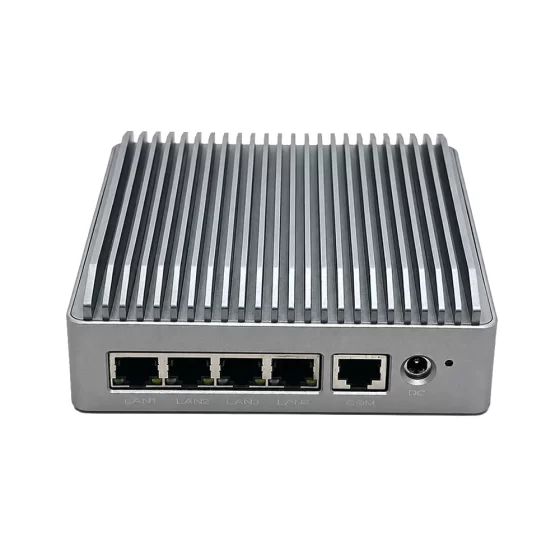
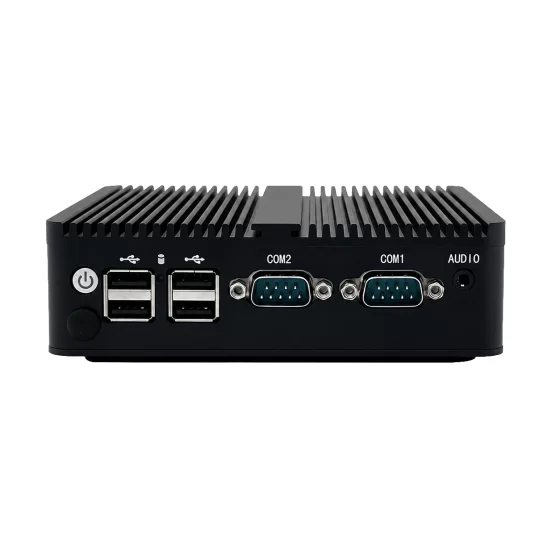
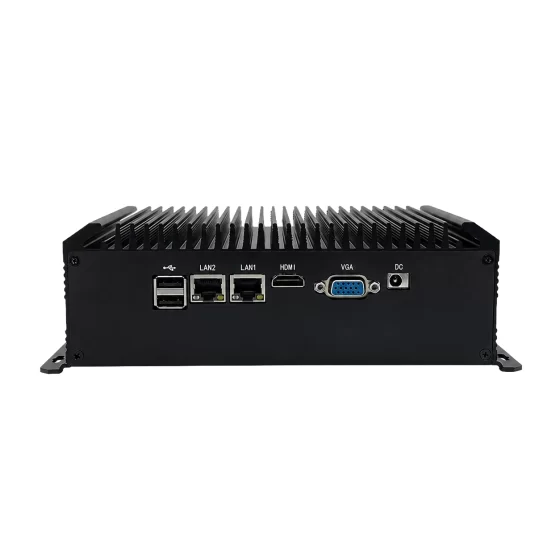
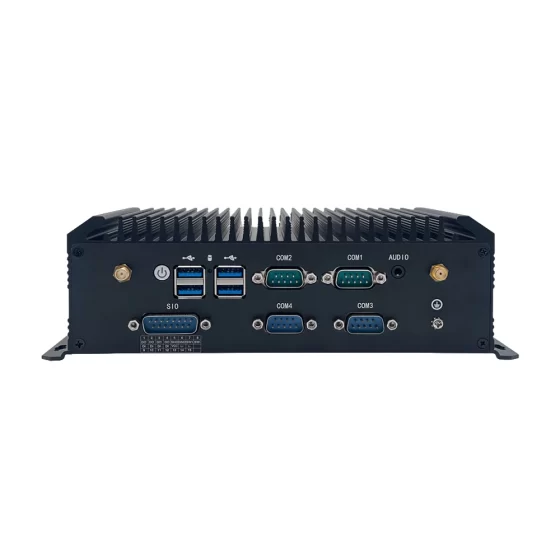
الروبوت المحمول للكمبيوتر الصناعي: Mobile Robot IPC لحوسبة AGV وAMR Edge
ملخص تنفيذي
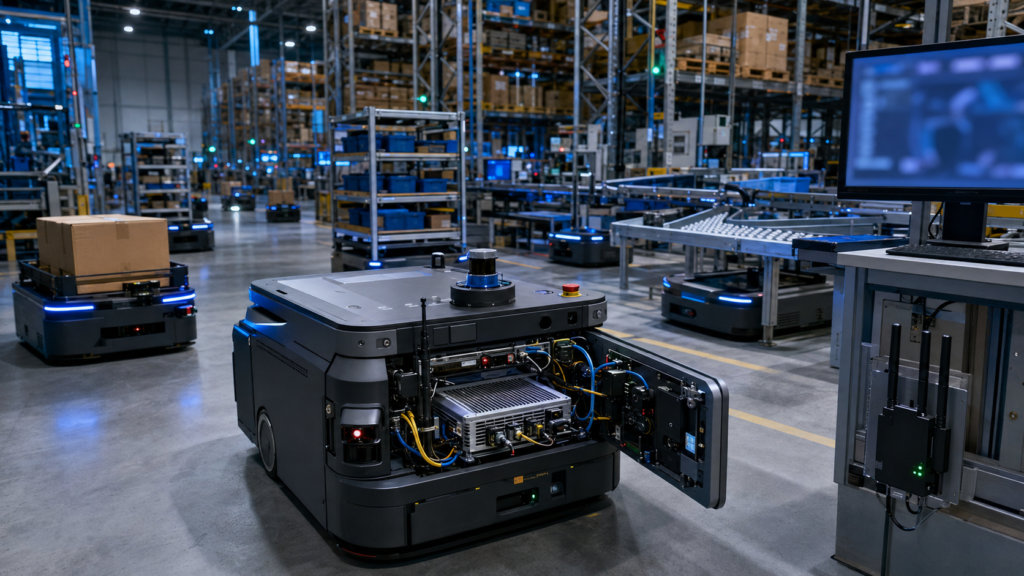
يوفر الروبوت المتنقل IPC أساس الحوسبة الصناعية للملاحة AGV وAMR, الانصهار الاستشعار, دعم التحكم في الروبوت, إدراك حافة الذكاء الاصطناعي, اتصالات الأسطول, مراقبة السلامة, تسجيل البيانات, واتخاذ القرارات في الوقت الحقيقي في أنظمة التشغيل الآلي المتنقلة.
تستخدم الروبوتات المتنقلة الحديثة على نطاق واسع في المستودعات, المصانع, المراكز اللوجستية, المستشفيات, المختبرات, مرافق البيع بالتجزئة الذكية, وبيئات الخدمات الصناعية. تساعد AGVs وAMRs في نقل المواد, تسليم البضائع, دعم خطوط الإنتاج, أتمتة الخدمات اللوجستية الداخلية, وتقليل أعمال النقل اليدوية.
تتطلب هذه الروبوتات حوسبة موثوقة على متن الطائرة.
يمكن لجهاز كمبيوتر صناعي روبوتي متنقل مبني على كمبيوتر صناعي أو كمبيوتر مضمن معالجة البيانات من LiDAR, الكاميرات, التشفير, وحدات IMU, أجهزة استشعار العمق, أجهزة الاستشعار بالموجات فوق الصوتية, وحدات التحكم في المحركات, أنظمة البطارية, ووحدات الاتصالات اللاسلكية. يمكن أن تدعم برامج الملاحة, خوارزميات سلام, استنتاج حافة الذكاء الاصطناعي, تنفيذ مهمة الروبوت, التشخيص عن بعد, والاتصالات إدارة الأسطول.
بالمقارنة مع أجهزة الكمبيوتر الاستهلاكية القياسية أو أجهزة الكمبيوتر المكتبية, تعد أجهزة الكمبيوتر الصناعية أكثر ملاءمة لنشر الروبوتات المتنقلة لأنها تدعم التصميم القوي, تركيب مدمج, عملية منخفضة الطاقة, مقاومة الاهتزاز, خيارات بدون مروحة, مدخلات الطاقة واسعة, الإدخال/الإخراج المرن, تخزين موثوق, وتوافر دورة حياة طويلة.
تشرح هذه المقالة كيف تدعم منصات IPC للروبوتات المتنقلة تطبيقات AGV وAMR, ما هي تحديات النشر التي تظهر في أنظمة الروبوت الحقيقية, كيف تعمل بنية الحل, وما هي ميزات الأجهزة المهمة عند اختيار كمبيوتر صناعي أو كمبيوتر مضمن لتطبيقات الروبوت المحمول.
الروبوت المحمول على متن الطائرة الحوسبة الحافة
نظرة عامة على الصناعة
الروبوتات المتنقلة تتوسع في مختلف الصناعات
أصبحت الروبوتات المتنقلة جزءًا رئيسيًا من الأتمتة.
في المستودعات, AMRs تدعم الانتقاء, التجديد, ينقل, فرز, وعمليات المخزون. في المصانع, تقوم مركبات AGVs وAMRs بنقل المواد بين خطوط الإنتاج, المستودعات, خلايا التجميع, ومحطات التفتيش. في المستشفيات والمختبرات, يمكن للروبوتات المتنقلة نقل الإمدادات, عينات, الدواء, والمعدات.
تشمل تطبيقات الروبوت المحمول الشائعة:
- نقل المواد AGV
- AMR لوجستيات المستودعات
- أنظمة العربات المستقلة
- روبوتات التفتيش المتنقلة
- روبوتات التوصيل للمستشفيات
- روبوتات نقل المختبرات
- تغذية خط المصنع
- الروبوتات الذكية لخدمات البيع بالتجزئة
- الروبوتات الأمنية المتنقلة
- روبوتات التنظيف المستقلة
- إدارة أسطول الروبوتات
- أنظمة دعم النقل الذكية
تتطلب هذه التطبيقات حوسبة مستقرة على متن الطائرة واتصالًا موثوقًا به مع أجهزة استشعار الروبوت, وحدات تحكم, ومنصات الأسطول.
تحتاج الروبوتات المتنقلة إلى حوسبة الحافة المحلية
لا يمكن للروبوتات المتنقلة أن تعتمد بشكل كامل على الخوادم البعيدة.
إنهم بحاجة إلى اتخاذ قرارات محلية أثناء التنقل عبر البيئات الديناميكية. قد يحتاج الروبوت إلى تجنب العوائق, تحديث مسارها, كشف الناس, تحديد الأشياء, قفص الاتهام في محطة الشحن, أو التوقف بأمان عند ظهور خطر.
يمكن للروبوت المتنقل IPC معالجة هذه المهام على متن الطائرة.
قد يدعم:
- الملاحة سلام
- اندماج الاستشعار
- تخطيط المسار
- كشف العوائق
- معالجة الكاميرا
- معالجة بيانات LiDAR
- اتصالات التحكم في المحركات
- مراقبة حالة البطارية
- الاتصال اللاسلكي
- اتصالات إدارة الأسطول
- تسجيل الأحداث المحلية
- التشخيص عن بعد
تعمل قدرة الحوسبة المحلية هذه على تحسين استقلالية الروبوت والموثوقية التشغيلية.
توفر أجهزة الكمبيوتر الصناعية مؤسسة أجهزة الروبوت
تعمل الروبوتات المتنقلة في بيئات حقيقية.
قد يتحركون عبر طوابق المستودعات, ممرات المصنع, مناطق التحميل, ممرات المستشفى, مناطق غرف الأبحاث, المراكز اللوجستية, أو المساحات الخارجية المجاورة.
قد تشمل هذه البيئات الاهتزاز, صدمة, تراب, اختلاف درجة الحرارة, قوة غير مستقرة, مساحة محدودة, الضوضاء الكهرومغناطيسية, والحركة المستمرة.
توفر أجهزة الكمبيوتر الصناعية وأجهزة الكمبيوتر المدمجة الأساس القوي للأجهزة اللازمة لنشر الروبوتات المتنقلة.
أنها تدعم عوامل الشكل المضغوط, تخزين موثوق, خيارات التصميم بدون مروحة, الإدخال/الإخراج المرن, اتصالات متعددة الشبكات, وتوافرها على المدى الطويل.

تحديات نشر IPC للروبوت المتنقل
التحديات الرئيسية
معالجة أجهزة الاستشعار المتعددة على متن الطائرة
تعتمد الروبوتات المتنقلة على العديد من أجهزة الاستشعار.
قد يشتمل الروبوت النموذجي على تقنية LiDAR, الكاميرات, أجهزة استشعار العمق, وحدات IMU, تشفير العجلات, أجهزة الاستشعار بالموجات فوق الصوتية, أجهزة استشعار المصد, الماسحات الضوئية للسلامة, وحدات تحكم البطارية, وسائقي السيارات.
يجب أن يقوم الروبوت المتنقل IPC بجمع هذه الإشارات ومعالجتها بشكل موثوق.
قد يشمل عبء عمل المستشعر:
- بيانات سحابة نقطة LiDAR
- تيارات صورة الكاميرا
- معلومات العمق
- ردود الفعل الموقف
- حالة المحرك
- حالة البطارية
- إشارات السلامة
- بيانات الاتصال اللاسلكي
- سجلات أجهزة الاستشعار البيئية
- معلومات صحية عن الروبوت
يجب أن توفر المنصة ما يكفي من الأداء ومرونة الإدخال/الإخراج لنظام الاستشعار الكامل.
دعم الملاحة و SLAM
غالبًا ما تعتمد الروبوتات المتنقلة المستقلة على SLAM وخوارزميات الترجمة.
تساعد هذه الوظائف الروبوت على فهم موقعه, بناء أو تحديث الخرائط, تجنب العقبات, واتبع الطرق.
قد تتطلب أحمال عمل التنقل:
- اندماج أجهزة الاستشعار في الوقت الحقيقي
- معالجة الخريطة
- كشف العوائق
- تخطيط الطريق
- تحديثات التوطين
- دعم الإرساء
- تعديل المسار الديناميكي
- اتصالات مهمة الأسطول
يجب اختيار الأجهزة وفقًا لبرنامج الملاحة الفعلي, سرعة الروبوت, حجم الخريطة, عدد أجهزة الاستشعار, ومتطلبات الاستجابة.
إدارة الطاقة والقيود الحرارية
تتمتع الروبوتات المتنقلة بقدرة محدودة على متن الطائرة.
يجب أن توفر IPC أداءً حاسوبيًا كافيًا مع الحفاظ على استهلاك الطاقة تحت السيطرة.
تحتاج الأنظمة التي تعمل بالبطارية إلى توازن دقيق بين الأداء, حرارة, وقت التشغيل, والموثوقية.
تتضمن أسئلة التصميم المهمة:
- ما مقدار الطاقة التي يمكن أن يستهلكها IPC؟?
- هل يمتلك الروبوت سعة بطارية كافية؟?
- هل العلبة جيدة التهوية?
- هل يلزم التشغيل بدون مروحة؟?
- هل سيعمل الروبوت بشكل مستمر؟?
- هل هناك حاجة إلى تسريع GPU أو AI?
- ما هو نطاق درجة الحرارة المحيطة?
- كيف سيتم إزالة الحرارة من العلبة?
يعد التخطيط للطاقة والحرارة أمرًا بالغ الأهمية لنشر IPC للروبوت المتنقل.
التعامل مع الاهتزاز والحركة
الروبوتات المتنقلة تتحرك باستمرار.
قد يسافرون على أرضيات غير مستوية, سلالم, المفاصل, العتبات, وأسطح المستودعات. يجب أن يتحمل الكمبيوتر الموجود على اللوحة الاهتزازات, صدمة, وحركة الكابل.
وينبغي النظر في تصميم الأجهزة الموثوقة:
- العلبة وعرة
- تركيب آمن
- موصلات قابلة للقفل
- تخفيف إجهاد الكابل
- تخزين SSD أو NVMe
- تصميم بدون مروحة
- مدخلات الطاقة مستقرة
- الحماية من الضوضاء الكهربائية
عادة لا يكون جهاز الكمبيوتر القياسي مناسبًا لهذه البيئة.
دمج أنظمة التحكم بالروبوتات والأسطول
الروبوت المتنقل لا يعمل بمفرده.
يجب أن يتواصل مع وحدات تحكم الروبوت, سائقي السيارات, أنظمة البطارية, أجهزة الاستشعار, الشبكات اللاسلكية, منصات إدارة الأسطول, برامج المستودعات, أنظمة المصنع, وأدوات الصيانة عن بعد.
قد يتم تبادل IPC الموجود على متن الطائرة:
- أوامر المهمة
- تحديثات الطريق
- موقع الروبوت
- بيانات البطارية
- رموز الخطأ
- حالة الاستشعار
- أحداث السلامة
- حالة الشحن
- سجلات الصيانة
- رسائل تنسيق الأسطول
يعد الاتصال المستقر أمرًا ضروريًا لتشغيل الروبوت بشكل موثوق.
دعم نشر منتجات الروبوت على المدى الطويل
يمكن تصنيع منتجات الروبوتات المتنقلة ونشرها على مدار سنوات عديدة.
يمكن أن تؤدي التغييرات المتكررة في أجهزة الكمبيوتر إلى حدوث مشكلات في أنظمة التشغيل, السائقين, برنامج الروبوت, أجهزة الاستشعار SDK, أوقات تشغيل الذكاء الاصطناعي, وحدات لاسلكية, وسير عمل الشهادات.
تساعد منصات الحوسبة الصناعية مع تخطيط دورة الحياة مصنعي الروبوتات في الحفاظ على تصميمات الروبوت المتسقة عبر أجيال المنتجات ومواقع العملاء.

بنية IPC للروبوت المحمول
بنية حل IPC للروبوت المحمول
طبقة استشعار الروبوت
تشتمل طبقة مستشعر الروبوت على جميع الأجهزة التي تساعد الروبوت على إدراك وقياس بيئته.
قد تشمل هذه الطبقة:
- أجهزة استشعار ليدار
- الكاميرات الصناعية
- كاميرات العمق
- وحدات IMU
- تشفير العجلات
- أجهزة الاستشعار بالموجات فوق الصوتية
- الماسحات الضوئية للسلامة
- أجهزة استشعار المصد
- أجهزة استشعار درجة الحرارة
- أجهزة مراقبة البطارية
- أنظمة التغذية المرتدة الحركية
توفر هذه المستشعرات بيانات أولية للملاحة, أمان, تصور, ومراقبة صحة الروبوت.
طبقة حافة IPC للروبوت المحمول
طبقة حافة IPC للروبوت المتنقل هي طبقة الحوسبة الموجودة على متن الطائرة.
عند هذه الطبقة, قد يكون الكمبيوتر الصناعي أو الكمبيوتر المدمج:
- جمع بيانات الاستشعار
- تشغيل برنامج الملاحة
- معالجة تيارات الكاميرا
- التعامل مع بيانات LiDAR
- تنفيذ اندماج أجهزة الاستشعار
- تنفيذ نماذج الذكاء الاصطناعي المتطورة
- سجلات المتجر
- التواصل مع وحدات التحكم في المحركات
- إرسال الحالة إلى أنظمة الأسطول
- دعم التشخيص عن بعد
تزود هذه الطبقة الروبوت بالذكاء المحلي وأداء الحوسبة المستقر.
طبقة تكامل التحكم في الروبوت
تعمل طبقة تكامل التحكم في الروبوت على توصيل IPC بأنظمة الحركة والتحكم.
وقد يتواصل مع:
- وحدات التحكم في المحركات
- أنظمة القيادة
- أنظمة إدارة البطارية
- وحدات تحكم الروبوت
- أجهزة السلامة
- واجهات محطات الشحن
- الشركات المحدودة العامة
- أنظمة النقل أو الرصيف
- لوحات HMI المحلية
قد يرسل IPC الأوامر, تلقي بيانات الحالة, مراقبة الأخطاء, وتنسيق سلوك الروبوت مع المعدات الخارجية.
طبقة الاتصالات والأسطول
عادةً ما تتصل الروبوتات المتنقلة بأسطول أكبر أو بمنصة تشغيل.
قد تشمل طبقة الاتصال:
- وحدات واي فاي
- 4وحدات G أو 5G
- منافذ خدمة إيثرنت
- أنظمة إدارة الأسطول
- أنظمة إدارة المستودعات
- أنظمة مراقبة المستودعات
- لوحات المصنع
- منصات المراقبة السحابية
- أدوات الصيانة عن بعد
تسمح هذه الطبقة للمشغلين بتعيين المهام, مراقبة موقع الروبوت, مراجعة الإنذارات, وإدارة الروبوتات المتعددة.
طبقة البيانات والأمن
تحتاج أنظمة الروبوتات المتنقلة إلى سجلات محلية وإمكانية وصول خاضعة للرقابة.
قد يتم تخزين IPC:
- سجلات الروبوت
- سجلات الاستشعار
- أحداث الملاحة
- رسائل الخطأ
- تاريخ البطارية
- سجلات الشحن
- سجلات المهام
- سجلات الوصول عن بعد
- ملفات تكوين البرمجيات
- البيانات التشخيصية
قد تتضمن ميزات الأمان تجزئة الشبكة, التحكم في الوصول, خدمة آمنة عن بعد, الاتصالات المشفرة, والنسخ الاحتياطي التكوين.
الميزات الرئيسية
تصميم مدمج وقوي
يجب أن تتناسب أنظمة IPC للروبوتات المتنقلة داخل حاويات الروبوت المحدودة.
يمكن تركيب جهاز كمبيوتر مدمج داخل جسم الروبوت, مقصورة التحكم, منطقة البطارية, أو وحدة الخدمة.
يجب أن يدعم العلبة التركيب الموثوق والحماية من الاهتزاز.
تساعد الأجهزة المدمجة الشركات المصنعة للروبوتات على تقليل التعقيد الميكانيكي مع الحفاظ على أداء حاسوبي كافٍ للملاحة والاتصالات.
حوسبة الحافة منخفضة الطاقة
كفاءة الطاقة مهمة للروبوتات المتنقلة.
يجب أن يدعم IPC الحوسبة الموجودة على متن الطائرة دون تقليل وقت تشغيل الروبوت كثيرًا.
ينبغي النظر في اختيار الأجهزة:
- استهلاك طاقة المعالج
- متطلبات مسرع الذكاء الاصطناعي
- عبء عمل الاستشعار
- سعة البطارية
- التبديد الحراري
- درجة حرارة التشغيل
- وقت التشغيل المستمر
- سلوك الاستعداد
يساعد الكمبيوتر المضمن الذي تم اختياره جيدًا على تحقيق التوازن بين الاستقلالية وأداء الحوسبة.
اتصال الاستشعار والجهاز
تتطلب الروبوتات المحمولة العديد من واجهات الأجهزة.
قد تتضمن خيارات الإدخال/الإخراج المفيدة:
- لان
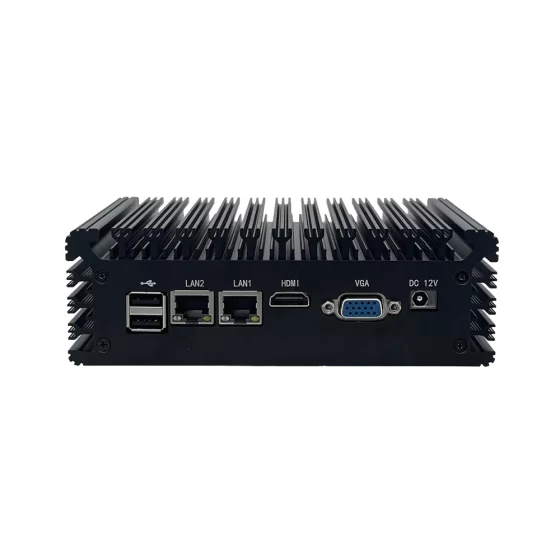
- USB
- RS232
- RS485
- يمكن أو واجهة التوسع
- جيبيو
- الإدخال الرقمي
- الإخراج الرقمي
- اتش دي ام اي
- منفذ العرض
- م.2
- بكيي
- تخزين SATA أو NVMe
يجب أن يتطابق التكوين النهائي مع مجموعة مستشعرات الروبوت, نظام المحرك, نظام البطارية, ووحدات الاتصال.
دعم الكاميرا والرؤية
تستخدم العديد من الروبوتات المتنقلة الكاميرات للإدراك, ملاحة, لرسو السفن, كشف الكائن, قراءة الباركود, أو المراقبة عن بعد.
قد يقوم IPC بتوصيل الكاميرات عبر USB, جيجا لان, أو واجهات التوسعة.
وينبغي النظر في تخطيط الكاميرا:
- عدد الكاميرا
- دقة
- معدل الإطار
- مجال الرؤية
- ظروف الإضاءة
- احتياجات التخزين
- متطلبات نموذج الذكاء الاصطناعي
- عرض النطاق الترددي للبيانات
- معالجة الكمون
للإدراك القائم على الذكاء الاصطناعي, قد تحتاج المنصة إلى دعم GPU أو AI Accelerator.
دعم LiDAR وSensor Fusion
يُستخدم LiDAR بشكل شائع في الملاحة AMR والحركة التي تراعي السلامة.
قد تقوم IPC بمعالجة بيانات LiDAR مع الكاميرا, IMU, التشفير, ومعلومات استشعار السلامة.
يساعد دمج المستشعر على تحسين التوطين واكتشاف العوائق.
يجب التحقق من صحة منصة الحوسبة من خلال مجموعة التنقل الفعلية للروبوت وتكوين المستشعر.
تخزين محلي موثوق
يدعم التخزين المحلي برنامج الروبوت, خرائط, سجلات, التشخيص, نماذج الذكاء الاصطناعي, بيانات الطريق, وسجلات الأحداث.
يُفضل عادةً تخزين SSD أو NVMe لأنه يوفر وصولاً سريعًا ومقاومة أفضل للصدمات مقارنة بمحركات الأقراص الميكانيكية.
وينبغي النظر في تخطيط التخزين:
- حجم ملف الخريطة
- الاحتفاظ بالسجل
- السجلات التشخيصية
- تخزين نماذج الذكاء الاصطناعي
- تاريخ المهمة
- اكتب التحمل
- سير عمل الاسترداد
- عملية تحديث البرمجيات
يعمل التخزين الموثوق به على تحسين إمكانية الصيانة والدعم الميداني.
خيارات الاتصال اللاسلكي والتوسيع
غالبًا ما تتطلب الروبوتات المتنقلة اتصالاً لاسلكيًا.
يمكن أن يدعم توسيع M.2 وPCIe شبكة Wi-Fi, بلوتوث, 4ز, 5ز, شبكة محلية إضافية, تسريع الذكاء الاصطناعي, أو وحدات مخصصة.
يساعد دعم التوسع الشركات المصنعة للروبوتات على تكييف نفس منصة الحوسبة مع نماذج الروبوتات وبيئات العملاء المختلفة.
تعتبر هذه المرونة ذات قيمة كبيرة لتطوير الروبوتات OEM وODM.
تشغيل بدون مروحة واستقرار حراري
تُفضل أجهزة الكمبيوتر بدون مروحة في العديد من أنظمة الروبوتات لأنها تقلل من دخول الغبار وتزيل نقطة عطل ميكانيكية واحدة.
لكن, يتطلب التشغيل بدون مروحة تخطيطًا حراريًا جيدًا.
يجب أن يأخذ التصميم بعين الاعتبار:
- خرج حرارة المعالج
- عبء عمل الذكاء الاصطناعي
- مادة غلاف الروبوت
- مسار التوصيل الحراري
- درجة الحرارة المحيطة
- عملية مستمرة
- درجة حرارة منطقة البطارية
- سطح التركيب
يجب إجراء التحقق الحراري في ظل أعباء عمل الروبوت الحقيقية.
توافر دورة حياة طويلة
تحتاج منتجات الروبوتات المتنقلة إلى إمدادات مستقرة.
تساعد أجهزة الكمبيوتر الصناعية ذات دورة الحياة الطويلة مصنعي الروبوتات في الحفاظ على تصميمات الأجهزة المتسقة, صور البرمجيات, السائقين, دعم أجهزة الاستشعار, وقطع الغيار.
وهذا يقلل من أعمال إعادة التصميم ويدعم نشر منتج الروبوت لعدة سنوات.

عمليات أسطول AGV وAMR
سيناريوهات النشر
كمبيوتر الملاحة AMR
يمكن لجهاز الكمبيوتر المدمج أن يعمل كجهاز كمبيوتر ملاحي للروبوتات المتنقلة المستقلة.
يمكنه معالجة LiDAR, آلة تصوير, IMU, التشفير, وبيانات الخريطة.
يمكن أن تدعم الترجمة, كشف العوائق, تخطيط المسار, اتصالات الأسطول, والتشخيص عن بعد.
منصة دعم التحكم AGV
قد تتبع AGVs مسارات ثابتة, شرائط مغناطيسية, رموز الاستجابة السريعة, علامات, أو الطرق الموجهة.
يمكن للروبوت المتنقل IPC أن يدعم الاتصالات على متن الطائرة, تسجيل المهام, تكامل أجهزة الاستشعار, مراقبة البطارية, والاتصال مع أنظمة التحكم.
يؤدي ذلك إلى تحسين رؤية AGV وقابلية صيانتها.
معالجة رؤية الروبوت المحمول
تستخدم بعض الروبوتات الرؤية لاكتشاف الأشياء, لرسو السفن, قراءة الباركود, التعرف على الرف, أو المساعدة في الملاحة.
يمكن للكمبيوتر الصناعي معالجة بيانات الكاميرا محليًا وإرسال النتائج إلى نظام التحكم الآلي.
لرؤية الذكاء الاصطناعي, قد يكون أداء حوسبة Edge AI مطلوبًا.
نظام أسطول المستودعات AMR
قد تنشر المستودعات العديد من AMRs للاختيار, ينقل, التجديد, وفرز الدعم.
يتواصل IPC الموجود على متن الطائرة مع أنظمة إدارة الأسطول وبرامج المستودعات.
يمكنه الإبلاغ عن حالة الروبوت, إكمال المهمة, حالة البطارية, أحداث الطريق, والمعلومات التشخيصية.
روبوت مناولة المواد في المصنع
تستخدم المصانع الروبوتات المتنقلة لنقل الأجزاء, أدوات, عربات, والمواد بين خطوط الإنتاج.
يمكن للكمبيوتر المدمج توصيل الروبوت بوحدات التحكم المنطقية القابلة للبرمجة (PLCs)., الناقلات, محطات الإرساء, وأنظمة مراقبة المصانع.
وهذا يدعم لوجستيات الإنتاج الأكثر تكاملاً.
روبوت المستشفى والخدمة
قد تعمل روبوتات الخدمة في المستشفيات, مكاتب, المختبرات, أو المرافق العامة.
يمكن أن يدعم IPC التنقل, كشف العوائق, التواصل المهمة, معالجة الكاميرا, والمراقبة عن بعد.
يجب اختيار النظام النهائي وفقًا لمتطلبات السلامة والامتثال الخاصة بالتطبيق.
روبوت التفتيش المجاور في الهواء الطلق
تقوم بعض الروبوتات المتنقلة بتفتيش المرافق, غرف المعدات, مناطق المرافق, أو البيئات شبه الخارجية.
تدعم أجهزة الكمبيوتر الصناعية التشغيل القوي, معالجة البيانات المحلية, تكامل أجهزة الاستشعار, والتواصل عن بعد.
يجب مراجعة التصميم البيئي وتصميم الطاقة بعناية لعمليات النشر هذه.
منصة الحوسبة الروبوتية المتنقلة OEM
يمكن لمصنعي الروبوتات دمج أجهزة الكمبيوتر الصناعية أو اللوحات المدمجة المخصصة في منتجات الروبوتات المحمولة.
يمكن للمنصة دعم الملاحة, تصور, تواصل, تخزين البيانات, التشخيص عن بعد, وحدات لاسلكية, والإدخال/الإخراج الخاص بالعميل.
وهذا يساعد في إنشاء خطوط إنتاج روبوتات متنقلة قابلة للتطوير.
فوائد الأعمال
تحسين استقلالية الروبوت
يوفر الروبوت المتنقل IPC للروبوتات قوة حوسبة محلية للملاحة, تصور, الانصهار الاستشعار, وصنع القرار.
وهذا يقلل من الاعتماد على الأنظمة البعيدة ويحسن استجابة الروبوت.
تدعم الحوسبة الأفضل على متن الطائرة أنظمة AGV وAMR الأكثر قدرة.
رؤية تشغيلية أفضل
يمكن لـ IPC جمع وتخزين حالة الروبوت, سجلات الموقع, بيانات المهمة, معلومات البطارية, سجلات الأخطاء, وأحداث الاستشعار.
يمكن إرسال هذه المعلومات إلى منصات الأسطول, أنظمة المستودعات, لوحات المصنع, أو أدوات الصيانة.
تساعد الرؤية الأفضل المشغلين على إدارة أساطيل الروبوتات بشكل أكثر فعالية.
عملية ميدانية أكثر موثوقية
توفر أجهزة الكمبيوتر الصناعية أجهزة قوية للأنظمة المتحركة.
خيارات التصميم بدون مروحة, تخزين موثوق, تركيب آمن, مدخلات الطاقة مستقرة, ويساعد التصميم المقاوم للاهتزاز على تقليل مخاطر التوقف عن العمل.
وهذا أمر مهم بالنسبة للروبوتات المتنقلة التي تعمل لساعات طويلة.
أسهل تكامل نظام الروبوت
يمكن للروبوت المتنقل IPC توصيل أجهزة الاستشعار, الأنظمة الحركية, وحدات البطارية, الكاميرات, وحدات لاسلكية, وبرامج الأسطول.
يساعد ذلك مصنعي الروبوتات وأخصائيي تكامل الأنظمة على بناء أنظمة روبوت متنقلة كاملة مع فجوات تكامل أقل.
يدعم الإدخال/الإخراج المرن تصميمات الروبوت المختلفة.
تطوير منتجات روبوت قابلة للتطوير
تعمل منصة الحوسبة الصناعية الموحدة على تسهيل تطوير نماذج روبوتية متعددة.
تعمل الأجهزة المتسقة على تبسيط صور البرامج, السائقين, التحقق من صحة مكدس التنقل, تخطيط قطع الغيار, وإدارة دورة الحياة.
وهذا يدعم تطوير منتجات الروبوت المحمول OEM.
صيانة وتشخيص أقوى
السجلات المحلية, الوصول عن بعد, مراقبة الصحة, وتساعد السجلات التشخيصية المهندسين على استكشاف المشكلات وإصلاحها بشكل أسرع.
وهذا يقلل من تكلفة الخدمة ويحسن دعم العملاء.
يعد التخزين الموثوق والتشخيص عن بعد ذا قيمة خاصة لأساطيل الروبوتات المنتشرة.
لماذا كورIPC
توفر CoreIPC منصات الحوسبة الصناعية للروبوتات, حافة الذكاء الاصطناعي, رؤية الآلة, إنترنت الأشياء الصناعية, النقل الذكي, وتكامل النظام المدمج. لتطبيقات IPC الروبوتية المتنقلة, يركز CoreIPC على أجهزة الكمبيوتر الصناعية الموثوقة, حلول الكمبيوتر المدمجة, تصميم مدمج مدمج, الإدخال/الإخراج المرن, تكوينات متعددة LAN, اتصال الكاميرا وأجهزة الاستشعار, خيارات النشر بدون مروحة, القدرة على التخزين المحلي, ودعم التخصيص OEM/ODM. يساعد CoreIPC مصنعي الروبوتات, تكامل النظام, ويختار موفرو الأتمتة منصات الحوسبة التي تتوافق مع متطلبات النشر الحقيقية, بما في ذلك عدد أجهزة الاستشعار, عبء عمل الملاحة, احتياجات استنتاج الذكاء الاصطناعي, مدخلات الطاقة, طريقة التركيب, الظروف الحرارية, التوسع اللاسلكي, وتخطيط دورة الحياة.
الأسئلة المتداولة
1. ما هو الروبوت المحمول IPC?
الروبوت المتنقل IPC عبارة عن منصة حوسبة صناعية مثبتة على متن AGV, عمرو, أو روبوت الخدمة.
يمكنه معالجة بيانات الاستشعار, دعم الملاحة, التواصل مع وحدات التحكم في المحركات, ربط الكاميرات وLiDAR, سجلات المتجر, إدارة الاتصالات اللاسلكية, وتبادل البيانات مع أنظمة برامج إدارة الأسطول أو المستودعات.
2. لماذا نستخدم الكمبيوتر الصناعي للروبوتات المتنقلة?
يوفر الكمبيوتر الصناعي أجهزة قوية لتحريك منصات الروبوت.
يمكن أن يدعم التثبيت المدمج, تخزين مقاوم للاهتزاز, عملية بدون مروحة, الإدخال/الإخراج المرن, منافذ LAN وUSB متعددة, مدخلات الطاقة مستقرة, وتوافر دورة حياة طويلة. هذه الميزات تجعلها مناسبة للروبوتات المتنقلة العاملة في المستودعات, المصانع, المستشفيات, وبيئات الخدمة.
3. كيف يتم استخدام الكمبيوتر المدمج في أنظمة AGV وAMR?
يمكن للكمبيوتر المدمج أن يعمل كعقدة حوسبة مدمجة.
قد يقوم بتشغيل برنامج الملاحة, معالجة LiDAR وبيانات الكاميرا, التواصل مع وحدات التحكم في المحركات, مراقبة حالة البطارية, توصيل الوحدات اللاسلكية, خرائط المتجر, والإبلاغ عن حالة الروبوت لمنصات إدارة الأسطول.
4. ما هي أجهزة الاستشعار التي يمكن للروبوت المحمول IPC الاتصال بها?
قد يقوم الروبوت المحمول IPC بتوصيل LiDAR, الكاميرات, أجهزة استشعار العمق, وحدات IMU, التشفير, أجهزة الاستشعار بالموجات فوق الصوتية, الماسحات الضوئية للسلامة, أجهزة استشعار المصد, أنظمة البطارية, وحدات التحكم في المحركات, وحدات لاسلكية, واجهات الخدمة المحلية.
يعتمد الدعم الدقيق على واجهات الأجهزة, برامج تشغيل البرامج, وتصميم نظام الروبوت.
5. هل تحتاج أجهزة IPC الروبوتية المتنقلة إلى تسريع الذكاء الاصطناعي؟?
ليس دائما.
قد لا يحتاج التحكم الأساسي في AGV وتسجيل البيانات البسيط إلى تسريع الذكاء الاصطناعي. إدراك AMR المتقدم, كشف الكائن, الملاحة القائمة على الرؤية, لرسو السفن, وقد يستفيد تصنيف العوائق من دعم GPU أو AI Accelerator.
يجب أن يعتمد الاختيار النهائي على عبء العمل الفعلي للذكاء الاصطناعي.
6. لماذا يعتبر انخفاض استهلاك الطاقة أمرًا مهمًا لأنظمة IPC الروبوتية المتنقلة?
تعمل الروبوتات المتنقلة على البطاريات.
قد يقلل الكمبيوتر عالي الطاقة من وقت التشغيل, زيادة الحرارة, وتتطلب بطاريات أكبر أو تصميمًا حراريًا أكثر تعقيدًا.
يجب أن توفر IPC أداءً حاسوبيًا كافيًا مع البقاء ضمن ميزانية طاقة الروبوت.
7. لماذا تعد أجهزة الكمبيوتر بدون مروحة مفيدة للروبوتات المحمولة؟?
تعمل أجهزة الكمبيوتر بدون مروحة على تقليل دخول الغبار وإزالة نقطة عطل ميكانيكي واحدة.
فهي مفيدة في المستودعات, المصانع, وبيئات الخدمة حيث قد تعمل الروبوتات لساعات طويلة. لكن, يجب التحقق من صحة التصميم الحراري بدون مروحة في ظل الملاحة الحقيقية, الاستشعار, وأعباء عمل الذكاء الاصطناعي.
8. ما هي ميزات الأجهزة المهمة لمنصات IPC للروبوتات المحمولة?
وتشمل الميزات الهامة الحجم الصغير, انخفاض استهلاك الطاقة, أداء كافٍ لوحدة المعالجة المركزية, تسريع الذكاء الاصطناعي الاختياري, منافذ LAN متعددة, USB, RS232, RS485, جيبيو, واجهات التوسعة, تخزين SSD أو NVMe, الضميمة وعرة, تصميم بدون مروحة, مدخلات الطاقة مستقرة, ودعم الوحدة اللاسلكية.
يجب أن يتطابق التكوين النهائي مع عبء عمل الروبوت والتصميم الميكانيكي.
9. هل يمكن لمنصات IPC للروبوتات المتنقلة أن تدعم إدارة الأسطول?
نعم. يمكن للروبوت المتنقل IPC تبادل حالة الروبوت, معلومات المهمة, بيانات الموقع, مستوى البطارية, إنذار, والسجلات التشخيصية مع أنظمة إدارة الأسطول.
ويمكنه أيضًا دعم المراقبة عن بعد وتحديثات البرامج اعتمادًا على تصميم النظام.
10. ما الذي يجب اختباره قبل النشر?
قبل النشر, يجب اختبار المنصة باستخدام أجهزة استشعار روبوتية حقيقية, وحدات التحكم في المحركات, أنظمة البطارية, برامج الملاحة, الشبكات اللاسلكية, أعباء عمل الروبوت, سلوك التخزين, وتشغيل طويل الأمد.
الاستقرار الحراري, أداء الاهتزاز, سلوك القوة, الكمون الاتصالات, التشخيص عن بعد, ويجب أيضًا التحقق من صحة إجراءات الاسترداد.
خاتمة
يعد الروبوت المتنقل IPC أساسًا عمليًا للملاحة AGV وAMR, الحوسبة الحافة على متن الطائرة, الانصهار الاستشعار, تصور الروبوت, الاتصالات اللاسلكية, تكامل الأسطول, تخزين البيانات المحلية, والتشخيص عن بعد.
من خلال وضع جهاز كمبيوتر صناعي أو جهاز كمبيوتر مدمج داخل منصة الروبوت, يمكن لمصنعي الروبوتات ومتكاملي الأنظمة توصيل LiDAR, الكاميرات, وحدات IMU, التشفير, وحدات التحكم في المحركات, أنظمة البطارية, أجهزة استشعار السلامة, وحدات لاسلكية, منصات الأسطول, أنظمة المستودعات, ومراقبة لوحات المعلومات من خلال الحوسبة الموثوقة على متن الطائرة.
يجب اختيار جهاز الكمبيوتر الصناعي الآلي المتنقل المناسب وفقًا لمتطلبات النشر الحقيقية, بما في ذلك عدد أجهزة الاستشعار, عبء عمل الملاحة, احتياجات استنتاج الذكاء الاصطناعي, ميزانية الطاقة, وقت تشغيل البطارية, متطلبات الإدخال/الإخراج, التوسع اللاسلكي, تكوين التخزين, طريقة التركيب, ظروف الاهتزاز, التصميم الحراري, دعم نظام التشغيل, وتخطيط دورة الحياة.
يدعم CoreIPC مشاريع IPC الروبوتية المتنقلة مع منصات الحوسبة الصناعية المصممة لـ AGV العملية, عمرو, روبوت الخدمة, روبوت المستودع, ونشر OEM. مع أساس الأجهزة الصحيح, يمكن لمصنعي الروبوتات ومقدمي الأتمتة بناء روبوتات موثوقة, قابلة للتطوير, وأنظمة الروبوتات المتنقلة الذكية.
اتصل بنا
أبحث عن جهاز كمبيوتر صناعي, الكمبيوتر المدمج, أو منصة IPC مدمجة لنشر الروبوتات المتنقلة?
تواصل مع CoreIPC لمناقشة متطلبات مشروعك, بما في ذلك واجهات الاستشعار, عبء عمل الملاحة, أداء الذكاء الاصطناعي, مدخلات الطاقة, التوسع اللاسلكي, احتياجات الإدخال/الإخراج, تصميم التخزين, طريقة التركيب, بيئة الاهتزاز, الظروف الحرارية, احتياجات دورة الحياة, وخيارات التخصيص OEM/ODM.