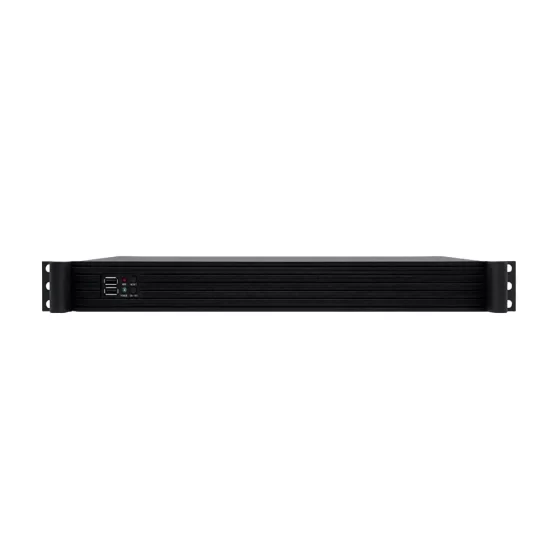
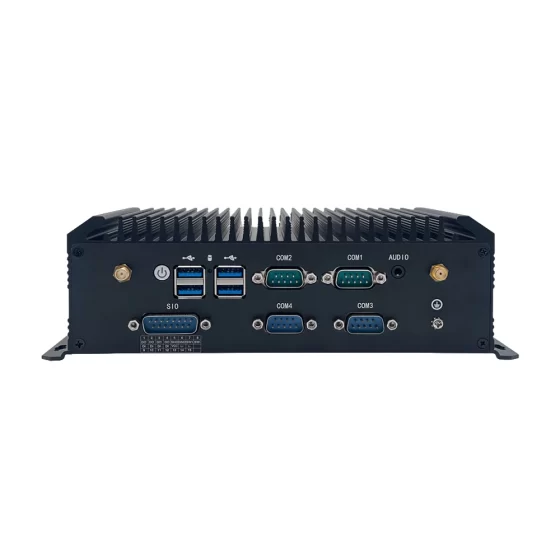
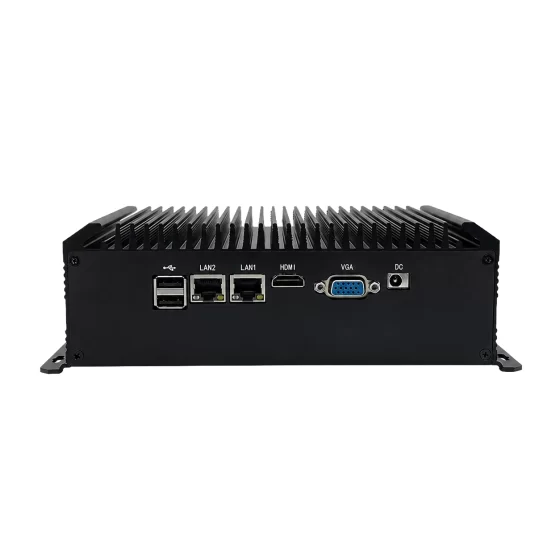
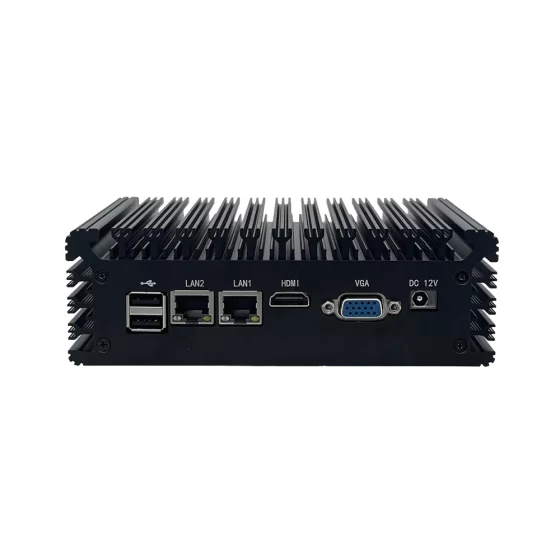
حلول الحوسبة الصناعية CoreIPC

منصة روبوتات المستودعات: كمبيوتر Warehouse Robotics للعمليات اللوجستية الآلية
ملخص تنفيذي
A warehouse robotics computer provides the industrial computing foundation for AGV and AMR coordination, اتصالات أسطول الروبوت, دعم الملاحة المحلية, معالجة بيانات الاستشعار, تكامل أتمتة المستودعات, والرؤية اللوجستية في الوقت الحقيقي.
تعتمد المستودعات الحديثة بشكل متزايد على الأنظمة الآلية لتحسين عملية الانتقاء, فرز, ينقل, التجديد, التعامل مع المخزون, حركة البليت, وتحقيق الطلب. AGVs, مضادات مضادات الميكروبات, الأسلحة الروبوتية, الناقلات, أنظمة الباركود, قارئات RFID, الكاميرات الصناعية, أجهزة الاستشعار, منصات WMS, أنظمة WCS, وتحتاج لوحات المعلومات السحابية جميعها إلى حوسبة واتصالات موثوقة.
يمكن لكمبيوتر روبوتات المستودعات المبني على كمبيوتر صناعي أو كمبيوتر مدمج أن يربط الروبوتات بالبنية التحتية للمستودعات, معالجة البيانات المحلية, دعم تنسيق الأسطول, جمع حالة الجهاز, شبكات القطاع, سجلات المخزن المؤقت, والتواصل مع برامج المستودعات ذات المستوى الأعلى.
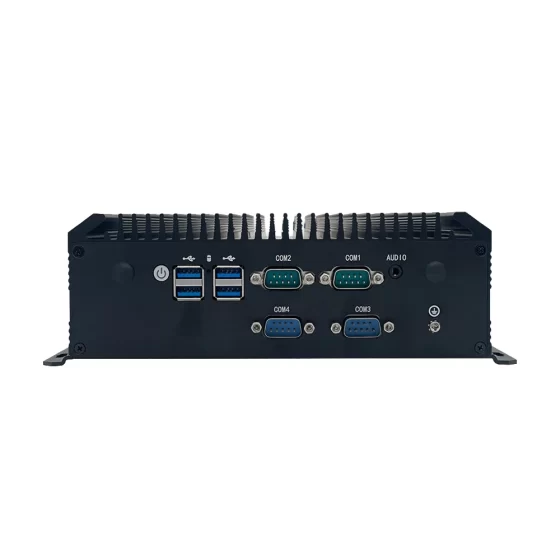
بالمقارنة مع أجهزة الكمبيوتر المكتبية القياسية أو بوابات المستهلك, تعد أجهزة الكمبيوتر الصناعية أكثر ملاءمة لبيئات الروبوتات في المستودعات. أنها تدعم التثبيت الوعرة, منافذ LAN متعددة, الاتصال التسلسلي, USB, جيبيو, التخزين المحلي, خيارات التصميم بدون مروحة, مدخلات الطاقة مستقرة, وتوافر دورة حياة طويلة.
This article explains how warehouse robotics platforms work, what deployment challenges appear in automated logistics environments, كيف يتم تنظيم بنية الحل, and which hardware features matter when selecting an industrial computer or embedded computer for warehouse robotics applications.
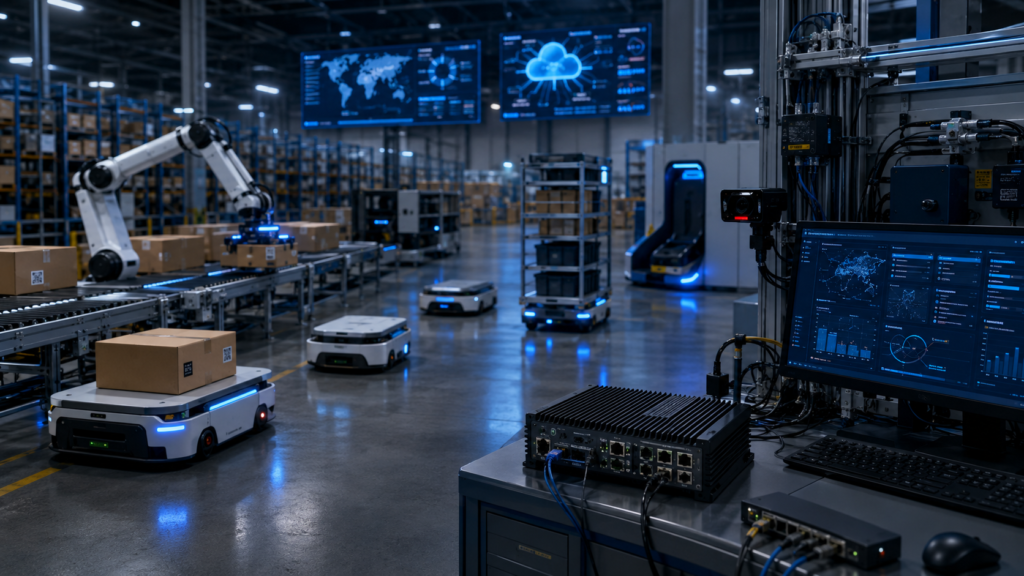
Warehouse robotics computers collect robot, الناقل, scanner, تتفاعل, and equipment data for smart logistics platforms.
نظرة عامة على الصناعة
Warehouses Are Moving Toward Robotic Automation
Warehouse operations are becoming faster, denser, and more data-driven.
Traditional manual handling is increasingly supported by robots, الناقلات, الماسحات الضوئية, and smart warehouse software. These systems help improve efficiency, reduce walking distance, support flexible picking, and increase order processing speed.
Common warehouse robotics systems include:
- AGVs
- مضادات مضادات الميكروبات
- Robotic picking systems
- Robotic palletizing systems
- Conveyor robots
- Sorting robots
- روبوتات التفتيش المتنقلة
- Forklift assistance systems
- Automated storage systems
- Robot charging stations
- Fleet management platforms
These systems need reliable edge computing and real-time data exchange.
Warehouse Robots Need Local Computing Infrastructure
Robots do not operate in isolation.
They need to communicate with warehouse control systems, task management platforms, محطات الشحن, ماسحات الباركود, أجهزة الاستشعار, الكاميرات, traffic control zones, access gates, وأنظمة السلامة.
A warehouse robotics computer can act as a local edge platform that connects these systems.
يمكن أن تدعم:
- Robot status monitoring
- Fleet data aggregation
- Task communication
- Sensor integration
- Local event processing
- تجزئة الشبكة
- التشخيص عن بعد
- التخزين المؤقت للبيانات
- Warehouse software integration
- تسجيل الأمن
This makes the computing platform an important part of the robotics infrastructure.
Industrial Computers Support Real Warehouse Deployment
Warehouse environments are not always clean or stable.
Computers may be installed near conveyors, robot charging areas, أرصفة التحميل, خطوط الفرز, خزائن المعدات, or warehouse racks.
These areas may include dust, اهتزاز, اختلاف درجة الحرارة, قوة غير مستقرة, إجهاد الكابل, تدفق هواء محدود, والتشغيل المستمر.
توفر أجهزة الكمبيوتر الصناعية وأجهزة الكمبيوتر المدمجة الأساس القوي للأجهزة المطلوبة لهذه الظروف.
They help warehouse automation providers build reliable, قابلة للصيانة, and scalable robot-connected systems.

Multiple robots, الناقلات, الماسحات الضوئية, RFID gates, محطات الشحن, تيارات الكاميرا, and LAN zones affect warehouse robotics deployment.
التحديات الرئيسية
Coordinating Multiple Robots and Devices
A smart warehouse may include many robots operating at the same time.
Each robot may report position, task status, مستوى البطارية, fault messages, بيانات الاستشعار, and communication status.
The warehouse robotics platform may also need to connect conveyors, gates, قارئات الباركود, الكاميرات, chargers, and WMS or WCS systems.
This creates a complex data environment.
The computing platform must support stable communication between robots, بنية تحتية, and warehouse software.
Supporting Real-Time Operational Response
Warehouse robotics often requires fast local response.
A delay in task assignment, zone control, obstacle event handling, or conveyor coordination may reduce efficiency or create operational risk.
Time-sensitive data may include:
- موقع الروبوت
- Task status
- حالة البطارية
- Charging availability
- Conveyor state
- Safety zone events
- Dock activity
- Barcode scan records
- الازدحام المروري
- Fault alarms
Edge computing allows important logic to run close to warehouse equipment.
This reduces dependence on remote systems and improves responsiveness.
Integrating with WMS and WCS Platforms
Warehouse robots must work with warehouse software.
A WMS may manage inventory, طلبات, picking tasks, receiving, وسجلات الشحن. A WCS may coordinate conveyors, نوع من, الروبوتات, الماسحات الضوئية, and automation equipment.
The warehouse robotics computer may need to exchange structured data with both systems.
قد يشمل هذا:
- Robot task requests
- Pick and place results
- Inventory movement records
- Conveyor status
- Sorting events
- Barcode scan data
- Robot fault logs
- Charging station data
- Operation performance records
Reliable software integration depends on stable hardware, التخزين المحلي, الاتصال بالشبكة, and protocol support.
Handling Mixed Interfaces and Systems
Warehouse robotics environments often include equipment from multiple vendors.
Different systems may use Ethernet, USB, الاتصال التسلسلي, جيبيو, الإدخال/الإخراج الرقمي, or wireless modules.
The platform may need to connect:
- Robot fleet controllers
- AGV charging stations
- AMR gateways
- قارئات الباركود
- قارئات RFID
- Conveyor PLCs
- الكاميرات الصناعية
- أجهزة استشعار السلامة
- أجهزة التحكم في الوصول
- لوحات المعلومات المحلية
Flexible industrial I/O helps reduce the need for external converters and simplifies deployment.
Maintaining Network Segmentation
Warehouse robotics networks should not always share one flat network.
الروبوتات, الماسحات الضوئية, الكاميرات, WMS servers, office IT devices, remote maintenance systems, and management tools may require separate network zones.
A warehouse robotics computer with multiple LAN ports can help separate:
- Robot network
- Scanner network
- شبكة الكاميرا
- WMS or WCS network
- Warehouse equipment network
- شبكة الصيانة عن بعد
- شبكة الإدارة
- Cloud uplink
Segmentation improves security, traffic organization, and system stability.
Ensuring Continuous Operation
Warehouse robotics systems often run for long hours.
If the computing platform fails, robots may stop receiving tasks, conveyors may lose coordination, dashboards may lose visibility, and maintenance teams may lose diagnostic data.
يتطلب النشر الموثوق:
- العلبة وعرة
- خيارات التصميم بدون مروحة
- مدخلات الطاقة مستقرة
- تخزين موثوق
- تركيب آمن
- الاستقرار الحراري
- الوصول إلى الاسترداد المحلي
- النسخ الاحتياطي التكوين
- المراقبة عن بعد
- دعم دورة حياة طويلة
Industrial-grade hardware helps reduce downtime risk.

Warehouse robotics computers connect robot fleets, الناقلات, WMS, WCS, منصات الأسطول, الأنظمة السحابية, وقواعد البيانات المحلية.
Warehouse Robotics Computer Solution Architecture
Robot and Equipment Layer
The robot and equipment layer includes all physical systems involved in warehouse automation.
قد تشمل هذه الطبقة:
- AGVs
- مضادات مضادات الميكروبات
- الأسلحة الروبوتية
- الناقلون
- Sorting lines
- قارئات الباركود
- قارئات RFID
- الكاميرات الصناعية
- Charging stations
- أجهزة استشعار السلامة
- Access gates
- وحدات تحكم PLC
- Local HMIs
These systems generate real-time operational data and require stable communication.
طبقة الحوسبة الحافة
The edge computing layer is where the industrial computer or embedded computer operates.
عند هذه الطبقة, the platform may:
- Collect robot status
- Receive scanner data
- Monitor charging stations
- Process local events
- سجلات المتجر
- Buffer records
- دعم التشخيص عن بعد
- شبكات القطاع
- Forward structured data
- Connect automation devices with warehouse software
This layer provides local computing close to warehouse operations.
Robot Coordination Layer
The robot coordination layer supports communication between robots and control systems.
The platform may exchange:
- Task assignments
- Robot location data
- حالة البطارية
- Route events
- Fault alarms
- Charging requests
- Zone access status
- Conveyor handoff signals
- Pick and delivery confirmations
The goal is to help robots work smoothly with warehouse infrastructure.
Warehouse Software Integration Layer
The warehouse robotics computer may connect with higher-level platforms, مشتمل:
- WMS
- WCS
- تخطيط موارد المؤسسات
- أنظمة إدارة الأسطول
- لوحات المعلومات السحابية
- قواعد البيانات المحلية
- أنظمة الصيانة
- Security monitoring systems
- منصات إنترنت الأشياء الصناعية
This integration allows warehouse managers to track robot activity, inventory movement, حالة المعدات, and operational performance.
طبقة الأمن والإدارة
The security and management layer helps keep the robotics platform controlled and maintainable.
قد تشمل:
- تجزئة الشبكة
- تأمين الوصول عن بعد
- سياسات جدار الحماية
- أذونات المستخدم
- التسجيل المحلي
- النسخ الاحتياطي التكوين
- مراقبة صحة الجهاز
- مراقبة التخزين
- التشخيص عن بعد
- إدارة التحديث
This layer supports long-term system reliability and safer remote maintenance.
الميزات الرئيسية
Multi-Robot Connectivity
A warehouse robotics platform must support communication with multiple robots and infrastructure systems.
Important connectivity requirements may include:
- Robot fleet network
- Charging station connection
- Conveyor controller connection
- Scanner and RFID integration
- Camera data connection
- WMS or WCS communication
- الوصول إلى الصيانة عن بعد
- Cloud dashboard connection
The system should be sized according to the number of robots, الأجهزة, and data flows.
تصميم شبكات LAN متعددة
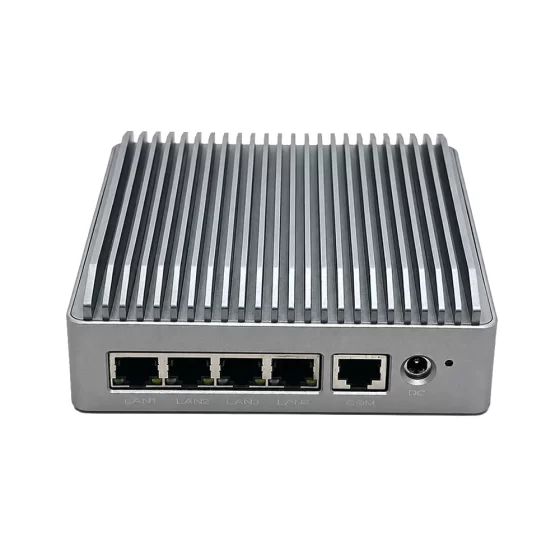
Multiple LAN ports are valuable for warehouse robotics deployment.
They allow different networks to remain separated and controlled.
قد تشمل التكوينات المفيدة:
- Robot LAN
- WMS or WCS LAN
- Camera LAN
- Scanner LAN
- Equipment LAN
- Management LAN
- Remote service LAN
- شبكة WAN أو الوصلة الصاعدة السحابية
This improves network organization and helps prevent high-volume traffic from affecting critical robot communication.
Edge Processing Performance
The platform may need to collect, عملية, محل, and forward data continuously.
ينبغي النظر في اختيار الأجهزة:
- أداء وحدة المعالجة المركزية
- سعة الذاكرة
- Robot count
- Data point count
- Scanner event rate
- عبء عمل الكاميرا
- عبء عمل قاعدة البيانات المحلية
- Network throughput
- سرعة التخزين
- دعم نظام التشغيل
For larger warehouses, the platform should be tested with real robot traffic and warehouse software.
تخزين محلي موثوق
التخزين المحلي يدعم ملفات النظام, سجلات, robot status records, task events, diagnostic data, upload buffers, وقواعد البيانات المحلية.
يُفضل عادةً تخزين SSD أو NVMe لأنه يوفر وصولاً سريعًا ومقاومة أفضل للصدمات مقارنة بمحركات الأقراص الميكانيكية.
وينبغي النظر في تخطيط التخزين:
- الاحتفاظ بالسجل
- Robot event records
- تاريخ المهمة
- Fault data
- التخزين المؤقت للبيانات المحلية
- النسخ الاحتياطي التكوين
- اكتب التحمل
- سير عمل الاسترداد
Reliable storage improves traceability and maintenance efficiency.
الإدخال/الإخراج الصناعي المرن
Warehouse robotics systems may require different I/O configurations.
قد تشمل الخيارات المفيدة:
- لان
- USB
- RS232
- RS485
- جيبيو
- الإدخال الرقمي
- الإخراج الرقمي
- اتش دي ام اي
- منفذ العرض
- م.2
- بكيي
- ساتا أو NVMe
يمكن للمنافذ التسلسلية دعم الأجهزة القديمة. USB can connect service tools or scanners. GPIO and digital I/O can support alarms, المشغلات, and device status signals. M.2 and PCIe can support expansion.
تصميم متين وبدون مروحة
Warehouse robotics platforms may be installed in dusty, عرضة للاهتزاز, or enclosed areas.
تعمل أجهزة الكمبيوتر الصناعية بدون مروحة على تقليل دخول الغبار وإزالة نقطة عطل ميكانيكية شائعة.
تساعد العبوات القوية على الحماية من الاهتزاز, إجهاد الكابل, تأثير التثبيت, والتشغيل المستمر.
Thermal design should still be reviewed carefully when the system handles continuous communication, local storage writes, and edge processing.
الوصول الآمن عن بعد
Warehouse automation providers often need remote diagnostics.
A warehouse robotics computer can support controlled remote access for engineers, integrators, and maintenance teams.
Remote access should include:
- مصادقة المستخدم
- VPN أو دعم النفق الآمن
- أذونات الوصول
- تسجيل الجلسة
- نوافذ الصيانة
- تجزئة الشبكة
- النسخ الاحتياطي التكوين
- Emergency access procedures
This supports faster troubleshooting while limiting unnecessary exposure.
توافر دورة حياة طويلة
Warehouse robotics systems may be deployed across many sites and remain in operation for years.
تساعد الأجهزة المتسقة في الحفاظ على صور البرامج, robot communication drivers, fleet system integration, قطع غيار, وإجراءات التحقق من الصحة.
Long lifecycle availability is important for warehouse automation providers, تكامل النظام, and logistics operators.
سيناريوهات النشر
AGV Fleet Integration
AGV fleets need communication with task systems, traffic rules, محطات الشحن, and warehouse software.
A warehouse robotics computer can collect AGV status, buffer task records, connect infrastructure devices, and forward information to fleet management or WMS systems.
This improves AGV visibility and operational coordination.
AMR Operation Support
AMRs may operate more flexibly than fixed-route AGVs.
They may report maps, المواقف, tasks, battery levels, and obstacle events.
An embedded computer can support local data exchange between AMRs, أجهزة الاستشعار, warehouse platforms, ولوحات المراقبة.
This supports safer and more reliable AMR deployment.
Robotic Picking Workstations
Robotic picking systems may use cameras, القابضون, الناقلات, قارئات الباركود, and local control systems.
An industrial computer can process equipment data, connect inspection devices, تخزين السجلات, and communicate with WMS or WCS platforms.
This improves picking automation and traceability.
Conveyor and Robot Handoff
Robots often interact with conveyors, نوع من, loading points, and storage areas.
The warehouse robotics computer can support data exchange between robots and fixed automation systems.
This helps coordinate handoff points and reduces timing conflicts.
Robot Charging Station Monitoring
Robot charging areas are critical to continuous operation.
The platform can monitor charging station status, robot battery events, charger alarms, and usage records.
This helps operators understand fleet readiness and maintenance needs.
Warehouse Safety and Zone Monitoring
Robotic warehouses may require controlled zones for people, الروبوتات, الرافعات الشوكية, والمعدات.
A computer platform can collect signals from sensors, access controls, أجهزة السلامة, and robot systems.
This helps improve visibility into zone status and operational events.
Multi-Site Robot Operations
Large logistics operators may deploy robots across many warehouses.
A standardized warehouse robotics platform can collect local site data and send selected information to centralized dashboards.
This supports consistent monitoring, صيانة, and performance analysis.
OEM Warehouse Robotics Appliance
Warehouse automation providers can build custom robotics appliances using industrial computers or embedded boards.
The platform can support robot connectivity, device integration, التخزين المحلي, الوصول عن بعد, والانتشار الوعرة.
This helps create repeatable solutions for different customer environments.
فوائد الأعمال
Better Robot Visibility
A warehouse robotics computer helps collect robot status, task progress, مستوى البطارية, fault records, and operational events.
This gives operators better visibility into robotic warehouse activity.
Improved visibility supports faster decisions and better resource planning.
Improved Automation Coordination
Robots must work with conveyors, الماسحات الضوئية, WMS, WCS, محطات الشحن, and warehouse infrastructure.
A local computing platform helps connect these systems and coordinate data exchange.
This improves automation flow and reduces integration gaps.
Faster Local Response
Edge computing allows important events to be processed near the warehouse floor.
Robot alerts, scanner events, charging issues, and equipment status changes can be handled locally.
This reduces response delay and improves operational stability.
تقليل مخاطر التوقف عن العمل
Industrial computers provide rugged hardware for long-running warehouse robotics systems.
خيارات التصميم بدون مروحة, تخزين موثوق, مدخلات الطاقة مستقرة, and secure mounting help reduce maintenance risk.
This supports continuous logistics operations.
Stronger Network Organization
Multi-LAN warehouse robotics platforms help separate robot networks, scanner networks, شبكات الكاميرا, WMS or WCS systems, والوصول إلى الصيانة عن بعد.
This improves security and reduces unnecessary traffic interference.
A structured network supports scalable automation.
Scalable Robotics Deployment
A standardized warehouse robotics computer platform makes it easier to deploy similar systems across many zones, المستودعات, ومواقع العملاء.
تعمل الأجهزة المتسقة على تبسيط صور البرامج, قوالب التكوين, تخطيط قطع الغيار, التدريب على الصيانة, وإدارة دورة الحياة.
This supports long-term warehouse robotics expansion.
لماذا كورIPC
توفر CoreIPC منصات الحوسبة الصناعية للروبوتات, إنترنت الأشياء الصناعية, رؤية الآلة, حافة الذكاء الاصطناعي, الأتمتة الصناعية, وتكامل النظام المدمج. For warehouse robotics computer applications, يركز CoreIPC على أجهزة الكمبيوتر الصناعية الموثوقة, حلول الكمبيوتر المدمجة, تكوينات متعددة LAN, الاتصال التسلسلي, الإدخال/الإخراج المرن, تصميم نظام مدمج, خيارات النشر بدون مروحة, القدرة على التخزين المحلي, ودعم التخصيص OEM/ODM. CoreIPC helps warehouse automation providers, robot system integrators, and logistics operators select computing platforms that match real deployment requirements, including robot count, واجهات الجهاز, data workload, عدد منافذ LAN, احتياجات التخزين, طرق التركيب, مدخلات الطاقة, الظروف الحرارية, وتخطيط دورة الحياة.
الأسئلة المتداولة
1. What is a warehouse robotics computer?
A warehouse robotics computer is an industrial computing platform used to connect, monitor, and support robotic warehouse systems.
It may communicate with AGVs, مضادات مضادات الميكروبات, الناقلات, الماسحات الضوئية, محطات الشحن, أجهزة الاستشعار, منصات WMS, أنظمة WCS, and local dashboards. It helps collect data, process events, سجلات المتجر, and support automation coordination.
2. Why use an industrial computer for warehouse robotics?
An industrial computer provides rugged hardware and flexible connectivity for warehouse deployment.
يمكنه دعم منافذ LAN المتعددة, الاتصال التسلسلي, USB, جيبيو, التخزين المحلي, عملية بدون مروحة, التركيب الصناعي, مدخلات الطاقة مستقرة, وتوافر دورة حياة طويلة. These features make it suitable for robot zones, مناطق الناقل, خزائن, and warehouse edge systems.
3. How is an embedded computer used in warehouse robotics?
An embedded computer can act as a compact local edge platform near robots or automation equipment.
It can collect robot data, معالجة الأحداث المحلية, connect scanners and sensors, تخزين السجلات, communicate with WMS or WCS systems, and support remote diagnostics.
4. What robots can be supported by a warehouse robotics platform?
A warehouse robotics platform may support AGVs, مضادات مضادات الميكروبات, robotic picking systems, الأسلحة الروبوتية, conveyor robots, sorting robots, mobile inspection robots, and automated transport systems.
The exact support depends on robot communication interfaces, software integration, تصميم الشبكة, and application requirements.
5. Why are multiple LAN ports important for warehouse robotics?
Multiple LAN ports help separate robot networks, warehouse equipment, الماسحات الضوئية, الكاميرات, WMS or WCS systems, management traffic, والوصول إلى الصيانة عن بعد.
This improves network clarity and reduces the chance that high-volume or non-critical traffic affects robot communication.
6. Can warehouse robotics computers support AGV and AMR systems?
نعم. Warehouse robotics computers can support AGV and AMR systems by collecting status data, connecting fleet systems, monitoring charging stations, exchanging task records, and forwarding operational data to warehouse platforms.
They can also support local buffering and remote maintenance.
7. What hardware features matter for warehouse robotics computers?
تتضمن الميزات الهامة منافذ LAN متعددة, RS232, RS485, USB, جيبيو, الإدخال/الإخراج الرقمي, ذاكرة موثوقة, تخزين SSD أو NVMe, الضميمة وعرة, تصميم بدون مروحة, مدخلات الطاقة الصناعية, عرض الإخراج, م.2, بكيي, وخيارات التوسع.
The final configuration should match robot count, واجهات الجهاز, data workload, وبيئة التثبيت.
8. Can warehouse robotics computers connect with WMS and WCS platforms?
نعم. A warehouse robotics computer can exchange structured data with WMS and WCS platforms.
It may send robot status, task results, scanner records, أحداث الناقل, charging data, fault logs, and equipment status records to warehouse software systems.
9. Can fanless computers support warehouse robotics workloads?
نعم. Fanless industrial computers can support many warehouse robotics workloads because they reduce dust intake and remove one common mechanical failure point.
لكن, thermal design should be reviewed when the system handles continuous robot communication, قواعد البيانات المحلية, camera data, or edge processing.
10. ما الذي يجب اختباره قبل النشر?
قبل النشر, the platform should be tested with real robots, الماسحات الضوئية, الناقلات, محطات الشحن, طوبولوجيا الشبكة, برامج المستودعات, data rates, سلوك التخزين, وتشغيل طويل الأمد.
الاستقرار الحراري, التشخيص عن بعد, تجزئة الشبكة, إجراءات الاسترداد, and integration with WMS or WCS should also be validated.
خاتمة
A warehouse robotics computer is a practical foundation for AGV and AMR coordination, robot fleet visibility, smart warehouse automation, conveyor integration, scanner data collection, charging station monitoring, and warehouse software connectivity.
By placing an industrial computer or embedded computer near warehouse robotics systems, automation providers and logistics operators can connect robots, الماسحات الضوئية, الناقلات, أجهزة الاستشعار, محطات الشحن, منصات WMS, أنظمة WCS, لوحات المعلومات السحابية, and maintenance tools through reliable and controlled communication paths.
The right warehouse robotics platform should be selected according to real deployment requirements, including robot count, واجهات الجهاز, تصميم منفذ LAN, data workload, تكوين التخزين, سياسة الوصول عن بعد, طريقة التركيب, مدخلات الطاقة, الظروف الحرارية, دعم نظام التشغيل, وتخطيط دورة الحياة.
CoreIPC supports warehouse robotics computer projects with industrial computing platforms designed for practical logistics, robot, edge, مجلس الوزراء, ونشر OEM. مع أساس الأجهزة الصحيح, warehouse operators and automation providers can build reliable, قابلة للتطوير, and data-driven robotic logistics systems.
اتصل بنا
أبحث عن جهاز كمبيوتر صناعي, الكمبيوتر المدمج, or edge platform for warehouse robotics deployment?
تواصل مع CoreIPC لمناقشة متطلبات مشروعك, including robot count, واجهات الجهاز, تكوين منفذ LAN, WMS or WCS integration, data workload, تصميم التخزين, طريقة التركيب, مدخلات الطاقة, بيئة التشغيل, احتياجات دورة الحياة, وخيارات التخصيص OEM/ODM.