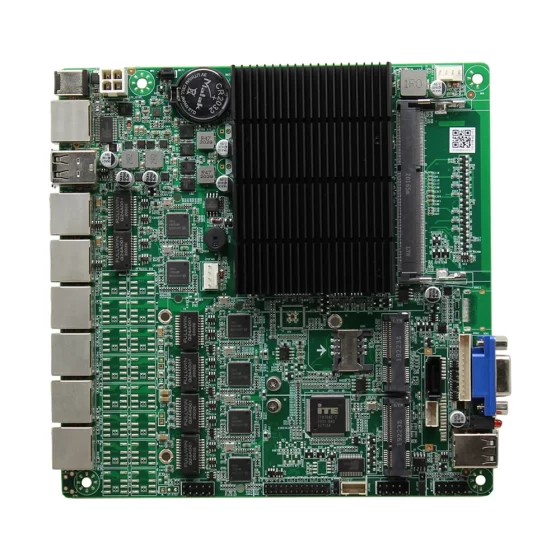
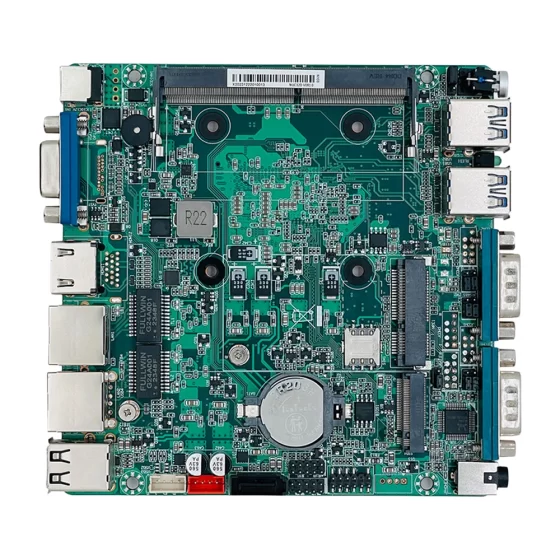
CoreIPC Industrial Computing-Lösungen

Sicherheitsrouter für Zweigstellen: Zweigstellen-Router für sichere verteilte Netzwerkkonnektivität
Zusammenfassung
A branch office router provides the secure networking foundation for distributed offices, abgelegene Einrichtungen, Lagerhäuser, Einzelhandelsstandorte, service centers, industrial branches, and edge locations that need reliable access to enterprise systems, Cloud-Plattformen, und lokale Geräte.
Modern organizations are no longer limited to one headquarters network. Many companies operate across multiple branches, Fabriken, logistics centers, Energiestandorte, Transportmöglichkeiten, and remote service locations. Each site may need secure internet access, VPN-Konnektivität, firewall protection, local routing, Fernverwaltung, und Netzwerksegmentierung.
A branch office security router built on an industrial computer or embedded computer can provide flexible multi-LAN connectivity, Sicherer Fernzugriff, VPN-Tunnel, Firewall-Richtlinien, SD-WAN functions, lokale Protokollierung, und zuverlässige Edge-Bereitstellung.
Compared with standard consumer routers, industrial computers provide stronger reliability for business and industrial branch environments. Sie unterstützen eine robuste Installation, lüfterlose Designoptionen, stabile strom eingang, zuverlässige Lagerung, flexible I/O, mehrere LAN-Ports, und lange Verfügbarkeit über den gesamten Lebenszyklus.
For branch offices connected to industrial environments, a security router may also need to protect PLC networks, warehouse automation systems, IIoT-Gateways, Kameras, Sensoren, lokale Server, und Fernwartungstools.
This article explains how a branch office router supports secure distributed connectivity, what deployment challenges appear in real environments, wie die Lösungsarchitektur funktioniert, and which hardware features matter when selecting an industrial computer or embedded computer for branch office security router deployment.
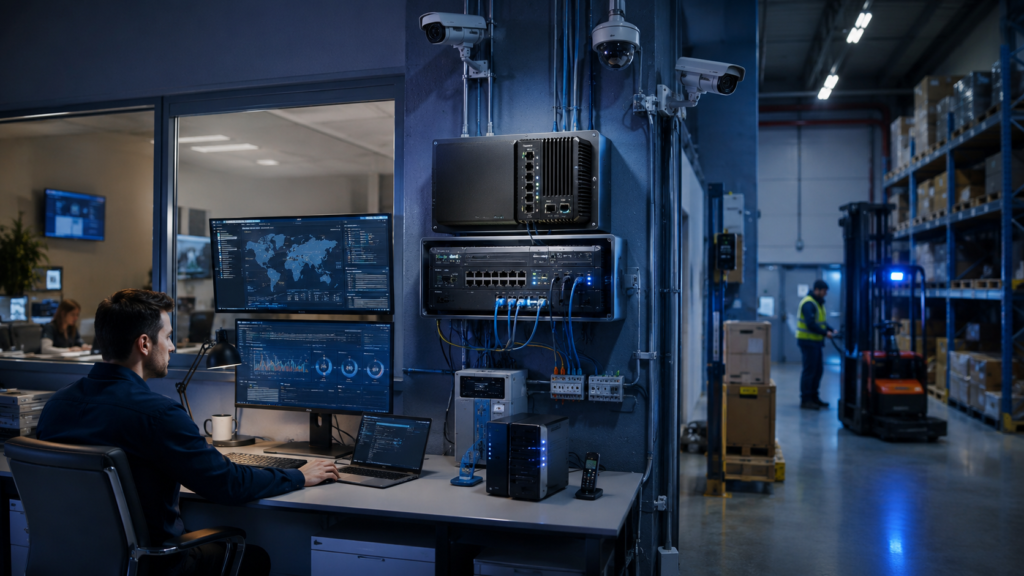
Branch office routers connect remote sites, headquarters, Cloud-Plattformen, and local devices through controlled network paths.
Branchenüberblick
Distributed Sites Need Secure Network Access
Branch offices and remote facilities need more than basic internet access.
They often connect users, local devices, cloud applications, Unternehmensplattformen, remote support systems, and site equipment. In industrial or operational environments, they may also connect machines, Sensoren, Gateways, Kameras, und Automatisierungssysteme.
Common branch connectivity needs include:
- Secure internet gateway
- Site-to-Site-VPN
- Remote user VPN
- Cloud platform access
- Local firewall protection
- Netzwerksegmentierung
- SD-WAN connectivity
- Fernüberwachung
- Local device management
- Industrial IoT access
- Camera and security system connectivity
A branch office router helps create a controlled and manageable network boundary for each distributed site.
Branch Routers Are Becoming Security Appliances
Traditional branch routers mainly focused on routing traffic between local networks and wide area connections.
Modern branch environments require more security functions.
A practical branch office security router may support:
- Firewall-Regeln
- VPN-Tunnel
- WAN-Failover
- Fernverwaltung
- Verkehrsüberwachung
- Netzwerksegmentierung
- Zugangskontrolle
- Lokale Protokollierung
- SD-WAN routing
- Secure cloud connectivity
- User and device policy control
This is especially important when branch offices connect to headquarters, Cloud-Plattformen, and operational networks.
Industrial Computing Expands Branch Router Deployment
Many branch sites are not clean office environments.
Some routers are installed in warehouses, equipment rooms, factory cabinets, roadside facilities, Energiestandorte, retail back rooms, logistics hubs, or remote monitoring stations.
Diese Umgebungen können Staub enthalten, Vibration, Hitze, instabile Macht, begrenzter Luftstrom, und eingeschränkter Wartungszugang.
Industrial computers and embedded computers provide a stronger hardware foundation for these deployments.
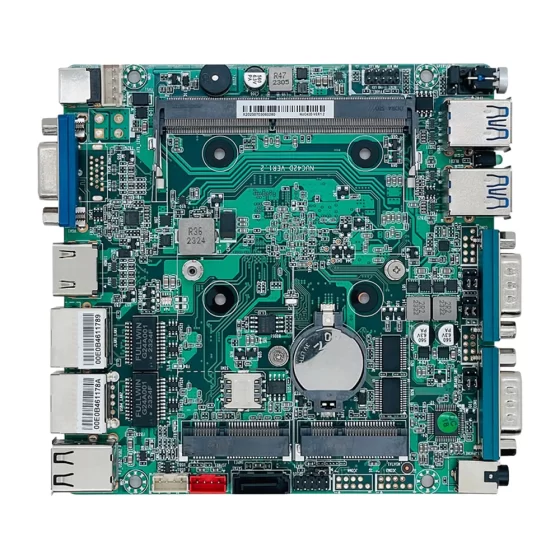
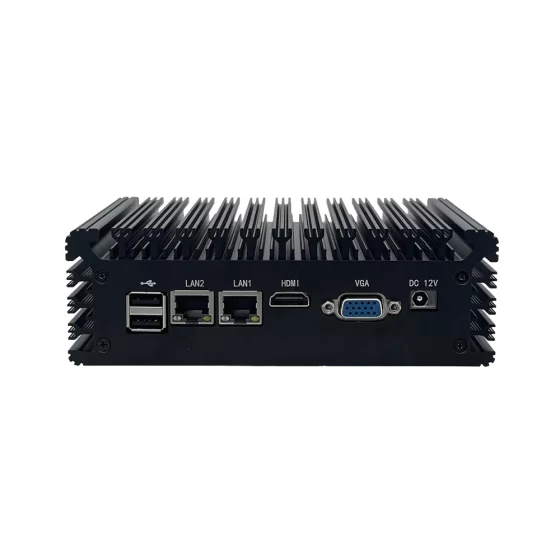
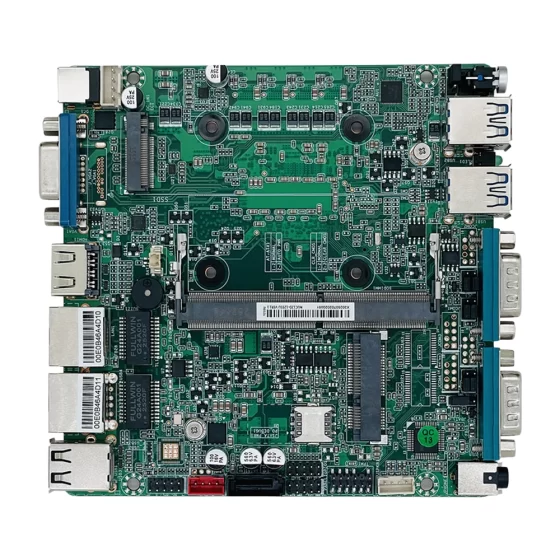
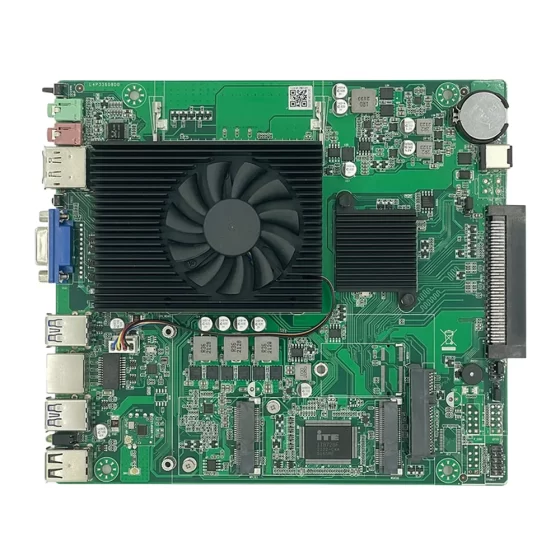
They can support rugged enclosures, mehrere LAN-Ports, compact mounting, lokaler Speicher, lüfterloser Betrieb, und Bereitstellung über einen langen Lebenszyklus.

LAN zones, VPN workloads, WAN-Failover, Kameras, IIoT devices, Protokollierung, and field conditions affect router deployment.
Wichtigste Herausforderungen
Connecting Branches Without Increasing Risk
Branch sites need access to enterprise and cloud systems, but they should not become weak points in the network.
A poorly secured branch router can expose internal systems, local devices, or remote access paths.
Zu den wichtigen Sicherheitsfragen gehören::
- Which users need access?
- Which applications are required?
- Which local systems should remain isolated?
- Which traffic should use VPN?
- Which traffic can go directly to the internet?
- Which devices should be blocked?
- Welche Ereignisse sollen protokolliert werden?
- Which remote access paths are allowed?
The branch office router must support secure connectivity without creating unnecessary exposure.
Verwalten mehrerer Netzwerkzonen
A branch office may contain different networks.
A typical site may include office user devices, Gäste-WLAN, lokale Server, security cameras, point-of-sale systems, warehouse devices, Industrie-Gateways, oder Automatisierungsgeräte.
These systems should not always share one flat network.
A branch office router may need to separate:
- WAN-Uplink
- Office LAN
- Guest network
- Kameranetzwerk
- Local server network
- Industrielles IoT-Netzwerk
- Fernwartungsnetzwerk
- Managementnetzwerk
Multiple LAN ports and clear policies help improve segmentation.
Supporting VPN and Site-to-Site Connectivity
Many branch offices need secure communication with headquarters, Rechenzentren, Cloud-Plattformen, or other sites.
VPN performance depends on encryption workload, Tunnelanzahl, Verkehrsaufkommen, and hardware capability.
The branch router may need to support:
- Site-to-Site-VPN
- Remote user VPN
- Branch-to-cloud tunnels
- Headquarters connectivity
- Fernwartungszugriff
- Secure backup links
- Zentralisierter Verwaltungsverkehr
- Industrial monitoring data
The hardware should be selected according to real traffic requirements, not only basic routing needs.
WAN Reliability and Failover
Branch offices often depend on wide area network links.
If the internet connection fails, business applications, Fernüberwachung, Cloud-Zugriff, and support workflows may be interrupted.
A branch office security router may need to support primary and backup links.
Beispiele hierfür sind:
- Fiber uplink
- Broadband uplink
- Cellular backup router
- Secondary WAN connection
- SD-WAN policy routing
- Automatic failover
- Link-Gesundheitsüberwachung
- Lokale Datenpufferung
Reliable WAN design improves business continuity.
Field Deployment and Maintenance
Branch routers may be deployed in locations with limited IT staff.
A device may need to run for long periods with minimal maintenance.
Deployment challenges may include:
- Small cabinet space
- Kabelspannung
- Staub
- Hitze
- Vibration
- Instabile Stromversorgung
- Remote troubleshooting
- Limited on-site technical support
- Long hardware lifecycle requirements
Industrial hardware helps reduce maintenance risk and improves long-term stability.

Branch routers connect local networks, VPN-Tunnel, Cloud-Plattformen, logging systems, headquarters, and remote management tools.
Branch Office Router Solution Architecture
Local Branch Network Layer
The local branch network layer includes users, Geräte, and systems at the branch site.
Diese Schicht kann umfassen:
- Office PCs
- Drucker
- Lokale Server
- Wi-Fi access points
- Security cameras
- Zugangskontrollgeräte
- Industrielle IoT-Gateways
- Warehouse equipment
- Point-of-sale devices
- Sensoren
- Eingebettete Controller
- Local monitoring systems
The branch office router provides routing, Segmentierung, and security control between these devices and external networks.
Branch Security Router Layer
The branch security router layer is the core platform.
Auf dieser Ebene, B. der Industriecomputer oder der eingebettete Computer:
- Route branch traffic
- Wenden Sie Firewall-Regeln an
- Richten Sie VPN-Tunnel ein
- Segmentieren Sie lokale Netzwerke
- Unterstützt WAN-Failover
- Überwachen Sie den Linkzustand
- Protokolle speichern
- Steuern Sie den Fernzugriff
- Support SD-WAN policies
- Provide local management access
This layer connects the branch site securely with enterprise and cloud resources.
Sicherheitsrichtlinienschicht
Die Sicherheitsrichtlinienebene definiert, welcher Datenverkehr zulässig ist, blockiert, geroutet, inspiziert, oder protokolliert.
Richtlinien können auf basieren:
- User group
- Gerätetyp
- Netzwerkzone
- Anwendungstyp
- Destination system
- Branch location
- Remote access need
- Zeitfenster
- Security risk
- Business priority
Clear policies help prevent broad network exposure and support safer branch operations.
WAN and VPN Connectivity Layer
The WAN and VPN connectivity layer connects the branch office to external systems.
Es kann Folgendes umfassen::
- Internet uplink
- Backup WAN link
- Site-to-Site-VPN
- Remote user VPN
- Headquarters connection
- Cloud platform tunnel
- SD-WAN control path
- Remote management link
This layer allows the branch to communicate securely with enterprise applications, Cloud-Systeme, and remote teams.
Überwachungs- und Verwaltungsebene
Branch router deployments need visibility.
The router may provide local and remote status information, einschließlich:
- WAN-Verbindungsstatus
- VPN-Tunnelstatus
- Firewall-Ereignisse
- Blockierte Verkehrsprotokolle
- Device health
- CPU- und Speicherauslastung
- Speicherstatus
- Verlauf des Fernzugriffs
- Netzwerkverkehrsvolumen
- Configuration change records
This helps IT teams manage distributed sites more efficiently.
Hauptmerkmale
Multi-LAN-Netzwerksegmentierung
Multiple LAN ports are important for branch office router hardware.
They allow the router to separate local networks and apply different policies.
Nützliche Konfigurationen können sein::
- WAN-Uplink
- Backup-WAN-Uplink
- Office LAN
- Guest network
- Kameranetzwerk
- Industrielles IoT-Netzwerk
- Local server network
- Managementnetzwerk
Das Multi-LAN-Design verbessert die Sicherheit, Verkehrskontrolle, and network organization.
Firewall- und VPN-Leistung
A branch office router must process routing, Firewall-Regeln, VPN-Tunnel, and traffic monitoring reliably.
Die Auswahl der Hardware sollte berücksichtigt werden:
- CPU-Leistung
- Speicherkapazität
- Anzahl der LAN-Ports
- Portgeschwindigkeit
- Anzahl der VPN-Tunnel
- Verschlüsselter Durchsatz
- Komplexität der Firewall-Regeln
- WAN speed
- Arbeitslast protokollieren
- Betriebssystemunterstützung
For larger branch sites, performance should be validated with realistic traffic patterns.
WAN Failover and Link Management
WAN failover is important for distributed sites.
A practical router platform should support primary and backup connectivity planning.
The system may support:
- Primärer WAN-Uplink
- Backup broadband link
- Cellular router connection
- Link-Gesundheitsüberwachung
- Automatic failover
- Policy-based routing
- Traffic prioritization
- Remote alerting
This helps keep branch systems connected during uplink problems.
Zuverlässiger lokaler Speicher
Local storage supports router software, Protokolle, Konfigurationssicherungen, Zertifikate, Diagnosedateien, and security event records.
SSD- oder NVMe-Speicher werden häufig bevorzugt, da sie einen schnellen Zugriff und eine bessere Stoßfestigkeit als mechanische Laufwerke bieten.
Die Lagerungsplanung sollte berücksichtigt werden:
- Protokollaufbewahrung
- VPN-Zertifikate
- Konfigurationssicherung
- Local diagnostics
- Sicherheitsaufzeichnungen
- Schreiben Sie Ausdauer
- Wiederherstellungsworkflow
Reliable storage helps support troubleshooting and audit review.
Robustes und lüfterloses Design
Fanless industrial computers are useful for branch router deployment in dusty, Fernbedienung, or low-maintenance environments.
Sie reduzieren die Staubaufnahme und beseitigen eine häufige mechanische Fehlerquelle.
Robuste Gehäuse schützen vor Vibrationen, Kabelbelastung, Belastung bei der Schrankinstallation, und Dauerbetrieb.
Thermal design should still be reviewed because VPN encryption, Firewall-Verarbeitung, und die Protokollierung kann zu einer dauerhaften Arbeitsbelastung führen.
Flexible industrielle I/O
Branch office security routers may need more than Ethernet.
Zu den nützlichen E/A-Optionen können gehören:
- LAN
- USB
- RS232
- RS485
- GPIO
- Digitaler Eingang
- Digitaler Ausgang
- HDMI
- DisplayPort
- M.2
- PCIe
- SATA oder NVMe
Serielle Ports unterstützen möglicherweise den Zugriff auf ältere Dienste. GPIO kann die Alarmausgabe unterstützen. M.2 or PCIe expansion can support wireless modules, additional LAN, oder Lagerung.
Lange Lebensdauer und Wartbarkeit
Branch router hardware may be deployed across many locations.
Consistent hardware simplifies configuration templates, Software-Bilder, Ersatzteilplanung, Fernwartung, und Lebenszyklusmanagement.
Industrial computing platforms with lifecycle planning help system integrators and operators maintain stable deployments across distributed branch networks.
Bereitstellungsszenarien
Branch Office Network Gateway
A branch office router can act as the main security gateway for a remote office.
It can provide local routing, Firewall-Richtlinien, VPN-Zugang, internet gateway functions, und Netzwerksegmentierung.
This supports secure connectivity between the branch site and enterprise systems.
Warehouse Branch Router
Warehouses may include office networks, WMS-Plattformen, Barcode-Systeme, Kameras, Förderer, und Industriecomputer.
A branch office security router can separate these networks and connect the warehouse securely to headquarters or cloud systems.
This supports logistics operations and remote management.
Retail and Service Site Router
Retail branches and service locations need secure connectivity for POS systems, local devices, Kameras, staff networks, and cloud applications.
An embedded computer-based router can provide compact, reliable deployment for distributed locations.
It can also support VPN access and local segmentation.
Industrial Branch Connectivity
Some branch offices are connected to production or operational systems.
The router may need to protect industrial IoT gateways, local PLC networks, Sensoren, Meter, oder Überwachungssysteme.
An industrial computer platform provides the rugged hardware and I/O flexibility required for these environments.
Remote Facility Router
Zu den abgelegenen Einrichtungen können Hauswirtschaftsräume gehören, Energiestandorte, Transportschränke, monitoring stations, or small field offices.
A branch office router can provide secure uplink connectivity, Fernüberwachung, local firewall functions, and data transfer.
Reliable hardware is important when on-site maintenance is limited.
Site-to-Site VPN Gateway
Branch offices often need secure tunnels to headquarters or data centers.
A security router can manage site-to-site VPN connections and route traffic according to policy.
This supports enterprise application access, file services, monitoring platforms, und Fernverwaltung.
SD-WAN Branch Appliance
A branch office security router can also act as an SD-WAN edge appliance.
It can manage multiple uplinks, support failover, prioritize traffic, and connect the branch to centralized platforms.
This is useful for larger distributed organizations.
OEM Branch Security Appliance
System integrators and network security providers can build custom branch routers using industrial computers or embedded boards.
Die Plattform kann Firewall-Software unterstützen, VPN, SD-WAN, Protokollierung, Routenführung, und robuste Bereitstellung im Appliance-Stil.
Geschäftsvorteile
Secure Distributed Connectivity
A branch office router helps connect remote locations to enterprise systems through controlled network paths.
It can apply firewall rules, VPN policies, and segmentation between local devices and external networks.
This improves security for distributed operations.
Bessere Netzwerksegmentierung
Multi-LAN branch routers help separate office devices, Gastnetzwerke, Kameras, Industriegeräte, lokale Server, und Verwaltungsverkehr.
Dies reduziert unnötige Belastungen und verbessert die Netzwerkorganisation.
Segmentation is especially important when branch sites include operational or industrial equipment.
Improved Business Continuity
WAN failover and link monitoring help keep branch sites connected.
If the primary uplink fails, the router can switch to a backup path when configured properly.
This reduces downtime risk for cloud applications, Überwachungssysteme, und Fernverwaltung.
Easier Remote Management
Branch sites may not have full-time IT staff.
A security router with remote monitoring, Protokolle, and stable hardware helps central teams manage distributed locations.
This reduces field maintenance workload and improves troubleshooting efficiency.
Zuverlässiger Feldeinsatz
Industrial computers provide stronger hardware for branch router deployment in warehouses, Fabriken, equipment rooms, Transportstandorte, und abgelegene Einrichtungen.
Lüfterloses Design, robuste Montage, zuverlässige Lagerung, und der lange Lebenszyklus-Support tragen dazu bei, das Wartungsrisiko zu reduzieren.
Scalable Branch Network Rollout
A standardized branch office router platform makes it easier to deploy across many sites.
Consistent hardware simplifies configuration, Software-Bilder, VPN templates, Ersatzteilplanung, und Lebenszyklusmanagement.
This supports scalable branch expansion and distributed network security.
Warum CoreIPC
CoreIPC bietet industrielle Computerplattformen für Netzwerksicherheit, Industrielles IoT, Fernüberwachung, Fabrikautomation, und eingebettete Systemintegration. For branch office router applications, CoreIPC konzentriert sich auf zuverlässige industrielle Computerhardware, Embedded-Computer-Lösungen, Multi-LAN-Konfigurationen, flexible I/O, kompaktes Systemdesign, lüfterlose Bereitstellungsoptionen, lokale Speicherfähigkeit, und OEM/ODM-Anpassungsunterstützung. CoreIPC hilft Systemintegratoren, Anbieter von Sicherheitslösungen, und Industriebetreiber wählen Computerplattformen aus, die den tatsächlichen Einsatzanforderungen entsprechen, einschließlich Anzahl der LAN-Ports, VPN-Arbeitslast, WAN-Failover, Speicherbedarf, Montagemethoden, Leistungsaufnahme, thermische Bedingungen, und Lebenszyklusplanung.
Häufig gestellte Fragen
1. What is a branch office router?
A branch office router is a network gateway used to connect a remote office or branch site to the internet, headquarters, Cloud-Plattformen, or other enterprise networks.
It may support routing, Firewall-Regeln, VPN-Tunnel, WAN-Failover, Verkehrsüberwachung, local segmentation, und Fernverwaltung. In industrial branches, it may also protect IoT gateways, Kameras, Sensoren, or automation devices.
2. Why use an industrial computer for a branch office router?
An industrial computer provides rugged hardware and flexible connectivity for branch locations that may not have clean office conditions.
Es kann mehrere LAN-Ports unterstützen, zuverlässige Lagerung, lüfterloser Betrieb, Industriemontage, stabile strom eingang, und lange Verfügbarkeit über den gesamten Lebenszyklus. These features are useful for warehouses, abgelegene Einrichtungen, Fabriken, und Infrastrukturstandorte.
3. How is an embedded computer used as a branch router?
An embedded computer can act as a compact branch router or security gateway.
It can be installed in a cabinet, equipment room, retail site, warehouse, oder eine abgelegene Einrichtung. It can run routing, Firewall, VPN, Protokollierung, and segmentation functions while using less space than larger network appliances.
4. Why are multiple LAN ports important for branch routers?
Multiple LAN ports allow the router to separate different networks.
Ein Port kann eine Verbindung zum WAN herstellen, another to office LAN, ein anderer zu Kameras, another to industrial IoT devices, and another to management or remote maintenance systems. This supports segmentation and better traffic control.
5. Can a branch office router support VPN?
Ja. A branch office router can support site-to-site VPN, remote user VPN, branch-to-cloud tunnels, and secure access to headquarters systems.
The required hardware depends on VPN tunnel count, verschlüsselter Durchsatz, number of users, and traffic volume.
6. Can a fanless industrial computer support branch router workloads?
Ja. Fanless industrial computers can support many branch router deployments because they reduce dust intake and remove one mechanical failure point.
Jedoch, VPN-Verschlüsselung, Firewall-Regeln, WAN traffic, and logging can create sustained heat. Gehäusedesign, Umgebungstemperatur, und der Luftstrom im Schrank sollten vor dem Einsatz überprüft werden.
7. What hardware features matter for branch office security routers?
Zu den wichtigen Features gehören mehrere LAN-Ports, ausreichende CPU-Leistung, zuverlässiges Gedächtnis, SSD- oder NVMe-Speicher, robustes Gehäuse, lüfterloses Design, industrieller Stromeingang, USB, serielle Schnittstellen, GPIO, Ausgabe anzeigen, und Erweiterungsmöglichkeiten.
The final configuration should match branch size, Verkehrsaufkommen, VPN-Arbeitslast, WAN failover design, und Installationsumgebung.
8. Can branch office routers support SD-WAN?
Ja. A branch office security router can serve as an SD-WAN edge platform if the software stack supports SD-WAN functions.
It may manage multiple uplinks, route traffic according to policy, support failover, and connect distributed branches with centralized platforms.
9. Can branch routers protect industrial IoT devices?
Ja. Branch routers can help protect industrial IoT devices by separating them from office networks, controlling external communication, and securing cloud or platform access.
This is useful when branch sites include sensors, Meter, Gateways, Kameras, or automation systems.
10. Was sollte vor der Bereitstellung getestet werden??
Vor der Bereitstellung, Das System sollte mit einer realen Netzwerktopologie getestet werden, WAN links, VPN-Tunnel, Firewall-Regeln, segmentation design, Verkehrsaufkommen, Protokollierungsverhalten, und langlebigen Betrieb.
Thermische Stabilität, WAN-Failover, Fernverwaltung, Konfigurationssicherung, und Wiederherstellungsverfahren sollten ebenfalls validiert werden.
Abschluss
A branch office router is a practical foundation for secure distributed connectivity, local firewall protection, VPN-Zugang, WAN-Failover, Netzwerksegmentierung, and remote branch management.
By placing an industrial computer or embedded computer at the branch network edge, organizations can connect remote offices, Lagerhäuser, Einzelhandelsstandorte, industrial branches, Verkehrsknotenpunkte, and remote facilities through controlled and reliable communication paths.
The right branch office router platform should be selected according to real deployment requirements, einschließlich Anzahl der LAN-Ports, WAN design, VPN-Arbeitslast, Firewall-Regeln, branch size, Netzwerksegmentierung, Speicherbedarf, Montagemethode, Leistungsaufnahme, thermische Bedingungen, Betriebssystemunterstützung, und Lebenszyklusplanung.
CoreIPC supports branch office router projects with industrial computing platforms designed for practical business, industriell, und Feldeinsatz. Mit der richtigen Hardware-Grundlage, system integrators and security solution providers can build reliable, skalierbar, and secure branch network appliances.
Kontaktieren Sie uns
Auf der Suche nach einem Industriecomputer, eingebetteter Computer, or multi-LAN platform for branch office router deployment?
Kontaktieren Sie CoreIPC, um Ihre Projektanforderungen zu besprechen, einschließlich Anzahl der LAN-Ports, WAN-Failover, VPN-Arbeitslast, Firewall-Funktionen, Netzwerksegmentierung, Speicherkonfiguration, Montagemethode, Leistungsaufnahme, Betriebsumgebung, Lebenszyklusanforderungen, und OEM/ODM-Anpassungsoptionen.