CoreIPC Industrial Computing-Lösungen

Industrieller IPC für die digitale Fertigung: Zuverlässiger digitaler Fertigungs-IPC für den vernetzten Fabrikbetrieb
Zusammenfassung
Ein digitaler Fertigungs-IPC bietet die industrielle Computergrundlage, die für die Verbindung von Maschinen erforderlich ist, Betreiber, Produktionsdaten, Qualitätssysteme, und Fabriknetzwerke in einem zuverlässigen digitalen Workflow.
Während Hersteller vom manuellen Produktionsmanagement zu vernetzten Fabrikabläufen übergehen, Industrielle Computerhardware wird zu einem entscheidenden Bestandteil der digitalen Fertigungsarchitektur. Softwareplattformen wie MES, SCADA, IIoT-Dashboards, Qualitätssysteme, und Analysetools sind alle auf stabile Daten aus der Fabrikhalle angewiesen.
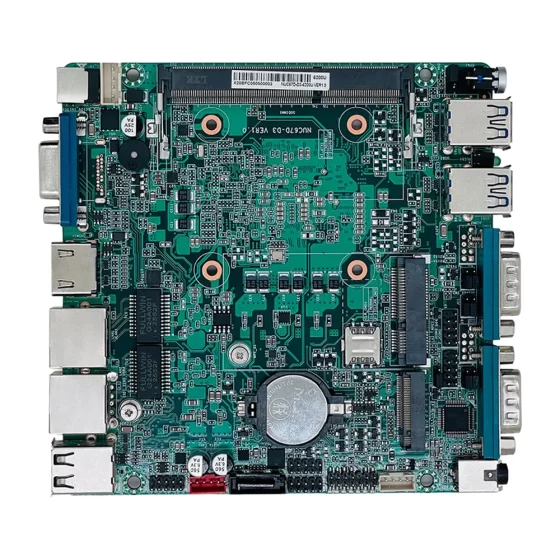
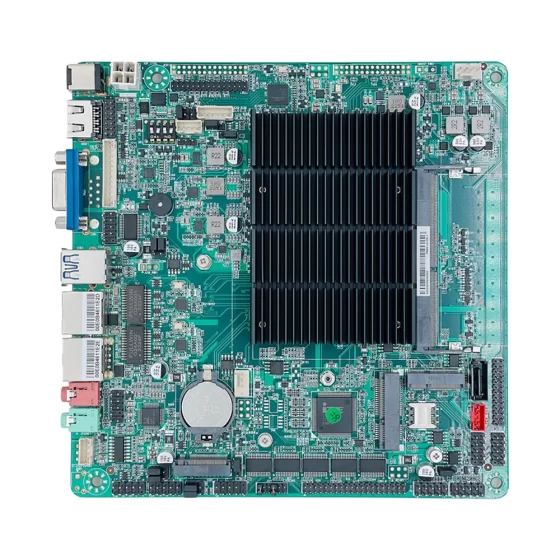
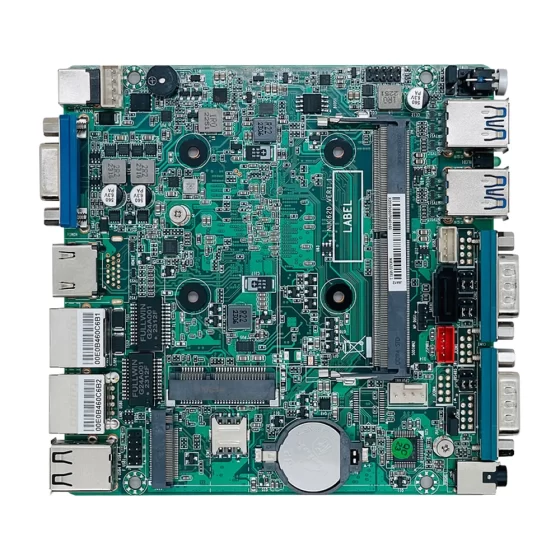
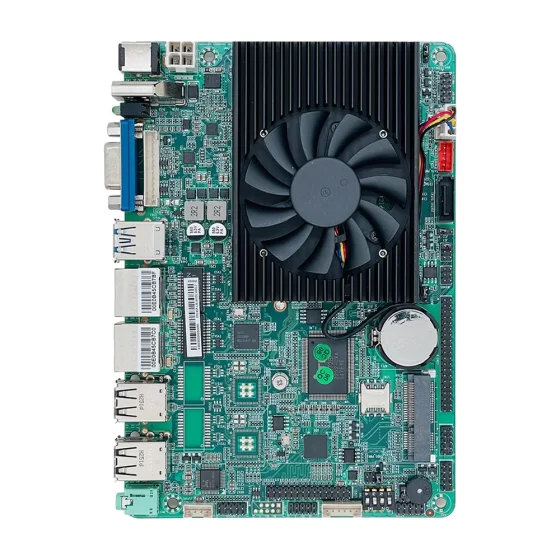
Ein Industrie-IPC ist für den Betrieb in der Nähe von Maschinen konzipiert, Produktionslinien, Schaltschränke, Inspektionsstationen, und Bedienerarbeitsplätze. Es kann Maschinendaten sammeln, lokale Anwendungen ausführen, Verbinden Sie industrielle Peripheriegeräte, Unterstützung der Kantenverarbeitung, und Produktionsinformationen an übergeordnete Systeme übertragen.
Im Vergleich zu handelsüblichen Standardcomputern, Industriecomputer und eingebettete Computer bieten eine höhere Zuverlässigkeit, flexiblere I/O, bessere Montagemöglichkeiten, lüfterlose Designs, Unterstützung für einen langen Lebenszyklus, und praktische Integration in reale Fabrikumgebungen.
In diesem Artikel wird erläutert, wie industrielle IPC-Plattformen die digitale Fertigung unterstützen, welchen Herausforderungen Hersteller bei der Bereitstellung gegenüberstehen, wie eine praxistaugliche Lösungsarchitektur aufgebaut ist, und welche Hardwarefunktionen für den Aufbau skalierbarer vernetzter Fabriksysteme wichtig sind.

Industriecomputer sammeln Maschinen- und Bedienerdaten für den vernetzten Fabrikbetrieb.
Branchenüberblick
Die digitale Fertigung ist auf reale Fabrikdaten angewiesen
Bei der digitalen Fertigung geht es nicht nur um Software. Es kommt auf die Genauigkeit an, stabil, und zeitnahe Daten aus realen Produktionsumgebungen.
Fabriken müssen verstehen, was zwischen den Maschinen passiert, Linien, Arbeitsplätze, Inspektionsbereiche, Lagerhäuser, und Steuerungssysteme. Ohne verlässliche Shopfloor-Daten, digitale Dashboards, MES-Plattformen, Qualitätssysteme, und Analysetools können keine aussagekräftigen Ergebnisse liefern.
Ein praktisches digitales Fertigungssystem benötigt normalerweise Daten von:
- SPS und Maschinensteuerungen
- CNC-Maschinen und Produktionsanlagen
- Barcode- und RFID-Systeme
- Sensoren und Messgeräte
- Vision-Inspektionssysteme
- Bedienterminals
- Testinstrumente
- Produktionsdatenbanken
- Fabriknetzwerke
Industrielle IPC-Hardware stellt die Rechenschicht bereit, die diese physischen Systeme mit digitaler Fertigungssoftware verbindet.
Von isolierten Maschinen zu vernetzten Abläufen
Viele Fabriken arbeiten immer noch mit isolierter Ausrüstung und getrennten Arbeitsabläufen.
Eine Maschine kann normal laufen, Der Status ist für den Produktionsleiter jedoch möglicherweise nicht sichtbar. Ein Qualitätsprüfergebnis kann lokal gespeichert werden, aber nicht mit dem Produktdatensatz verknüpft. Ein Bediener kann Ausfallzeiten manuell melden, nachdem das Ereignis bereits vorüber ist.
Ziel der digitalen Fertigung ist es, diese Lücken zu schließen.
Industriecomputer, die an wichtigen Produktionsstandorten aufgestellt sind, helfen beim Sammeln, Verfahren, und Daten in Echtzeit übertragen. Dies macht den Produktionsstatus, Qualitätsaufzeichnungen, Prozessleistung, und Gerätezustände im gesamten Unternehmen sichtbarer machen.
Warum industrielle IPC-Hardware wichtig ist
Kommerzielle PCs funktionieren möglicherweise in Büroumgebungen, Die digitale Fertigung erfordert jedoch Hardware, die unter industriellen Bedingungen betrieben werden kann.
Ein Industrie-IPC muss möglicherweise kontinuierlich in der Nähe von Maschinen laufen, in Schränken, oder an Produktionslinien. Es kann eine Verbindung zu Scannern herstellen, Sensoren, SPS, Kameras, zeigt an, serielle Geräte, und Netzwerk-Switches.
Dies erfordert mehr als nur CPU-Leistung. Es erfordert Industriedesign.
Zuverlässige IPC-Plattformen für die digitale Fertigung helfen Herstellern beim Aufbau stabiler Edge-Computing-Knoten, Maschinendaten-Gateways, Bedienterminals, und eingebettete Steuerungssysteme, die eine langfristige Fabrikdigitalisierung unterstützen können.

Industrielle IPC-Plattformen helfen dabei, gemischte Fabrikanlagen mit digitalen Fertigungssystemen zu verbinden.
Wichtigste Herausforderungen
Verbindung gemischter Fabrikausrüstung
Fabriken enthalten häufig Geräte verschiedener Hersteller, verschiedene Generationen, und unterschiedliche Kommunikationsstandards.
Einige Maschinen verwenden Ethernet. Andere verwenden RS232, RS485, USB, Trockenkontaktsignale, oder externe Gateway-Module. Ältere Geräte unterstützen die moderne Softwareintegration möglicherweise nicht direkt.
Dies stellt eine große Herausforderung für die digitale Fertigung dar.
Der Industriecomputer muss über genügend Schnittstellenflexibilität verfügen, um sowohl ältere als auch moderne Geräte anzuschließen, ohne dass ein kompletter Maschinenaustausch erforderlich ist.
Aufrechterhaltung der Zuverlässigkeit in rauen Umgebungen
Industrielle IPC-Systeme werden häufig in Bereichen installiert, in denen Standardcomputer nicht ideal sind.
Zu den häufigsten Erkrankungen gehören::
- Staub und Partikel
- Wärme von Maschinen in der Nähe
- Vibrationen von Produktionsanlagen
- Elektrisches Rauschen
- Instabile Stromversorgung
- Begrenzter Installationsraum
- Lange Betriebsstunden
Wenn die Computerhardware ausfällt, Die Datenerfassung wird möglicherweise eingestellt. Bediener verlieren möglicherweise den Zugriff auf Anweisungen. Qualitätsaufzeichnungen können unvollständig sein. Die Produktionssichtbarkeit kann unterbrochen sein.
Aus diesem Grund, Digitale Fertigungshardware muss im Hinblick auf Zuverlässigkeit ausgewählt werden, nicht nur für den Preis oder die Prozessorgeschwindigkeit.
Gewährleistung der Datengenauigkeit
Die digitale Fertigung hängt von der Datengenauigkeit ab.
Wenn Barcode-Scans verpasst werden, Der Maschinenstatus ist verzögert, oder die Prüfergebnisse werden nicht korrekt hochgeladen, Das System zeigt möglicherweise ein unvollständiges oder irreführendes Bild der Produktion.
Dies kann Auswirkungen haben:
- Verfolgung von Arbeitsaufträgen
- Produktrückverfolgbarkeit
- Qualitätsanalyse
- Ausfallzeitberichte
- Gerätenutzung
- Prozessverbesserung
- Vorbereitung des Kundenaudits
Industriecomputer tragen dazu bei, diese Risiken zu reduzieren, indem sie für eine stabile lokale Datenerfassung und einen kontinuierlichen Betrieb nahe am Produktionsprozess sorgen.
Verwalten der Netzwerksegmentierung
Ein digitales Fertigungssystem kann Maschinennetzwerke verbinden, Produktionsnetzwerke, IT-Netzwerke, lokale Server, und Cloud-Plattformen.
Dies erfordert ein sorgfältiges Netzwerkdesign.
In vielen Fällen, Ein Industrie-IPC benötigt mehrere LAN-Ports. Ein Port kann mit SPSen oder Maschinen verbunden werden, während ein anderer eine Verbindung zu MES-Servern herstellt, Datenbanken, oder Fabrik-IT-Systeme.
Diese Trennung trägt zur Verbesserung der Netzwerkorganisation bei, Reduzieren Sie unnötige Verkehrsstörungen, und unterstützen eine bessere Sicherheitskontrolle.
Skalierung über Pilotprojekte hinaus
Viele digitale Fertigungsprojekte beginnen mit einer Linie oder einer Werkstatt.
Nachdem der Pilot erfolgreich war, Das System muss auf mehr Maschinen erweitert werden, Produktionslinien, Gebäude, oder Fabriken. In diesem Stadium, Inkonsistente Hardware wird zum Problem.
Verschiedene PC-Modelle, verschiedene Treiber, verschiedene Netzteile, und unterschiedliche Montagekonstruktionen können den Wartungsaufwand erhöhen.
Standardisierte industrielle IPC-Plattformen helfen, die Skalierung zu vereinfachen, Ersatzteilplanung, Software-Image-Management, und langfristigen technischen Support.

Industrielle IPCs fungieren als Edge-Computing-Knoten zwischen Maschinen und Fabriksoftware.
IPC-Lösungsarchitektur für die digitale Fertigung
Maschinen- und Geräteschicht
Die Maschinenschicht umfasst die physischen Produktionsanlagen, die Betriebsdaten generieren.
Dazu können SPS gehören, CNC-Maschinen, Förderer, Roboter, Sensoren, Industriezähler, Barcode-Scanner, RFID-Lesegeräte, Prüfgeräte, und Bildverarbeitungssysteme.
Diese Geräte generieren unterschiedliche Arten von Produktionsinformationen:
- Maschinenbetriebsstatus
- Produktionszahl
- Zykluszeit
- Alarmereignisse
- Prozessparameter
- Produkt-ID
- Materialchargennummer
- Inspektionsergebnisse
- Bestätigung des Betreibers
- Daten zur Gerätenutzung
Die Herausforderung besteht darin, diese Informationen aus mehreren Quellen zu sammeln und für digitale Fertigungsplattformen nutzbar zu machen.
Industrielle Edge-Computing-Schicht
Auf der industriellen Edge-Computing-Schicht spielt der industrielle IPC die zentrale Rolle.
Industriecomputer und eingebettete Computer werden in der Nähe von Maschinen eingesetzt, Schränke, Bedienstationen, oder Inspektionssysteme. Sie sammeln Daten von lokalen Geräten, Prozessinformationen, und mit Fabriksoftwareplattformen kommunizieren.
Auf dieser Ebene, Der IPC kann mehrere Aufgaben übernehmen:
- Maschinendatenerfassung
- Protokollkonvertierung
- Lokale Datenpufferung
- MES-Client-Betrieb
- HMI-Anzeige
- Unterstützung bei der Qualitätskontrolle
- Barcode- und RFID-Verarbeitung
- Edge-Analyse
- Datenbanksynchronisierung
- Unterstützung der Fernüberwachung
Diese Schicht verbessert die Ausfallsicherheit des Systems, da Produktionsdaten nahe am Ort ihrer Entstehung verarbeitet werden können.
Fabriksoftwareschicht
Die Fabriksoftwareschicht umfasst MES, SCADA, Qualitätsmanagementsysteme, Produktions-Dashboards, Geräteüberwachungsplattformen, und Industriedatenbanken.
Der Industrie-IPC sendet Daten an diese Systeme und kann von ihnen auch Anweisungen empfangen.
Zum Beispiel, Ein MES-System kann einen Arbeitsauftrag an eine Produktionsstation senden. Der Industrie-IPC zeigt die Arbeitsanweisung an, zeichnet Scanergebnisse auf, Erfasst den Maschinenstatus, und lädt Abschlussdaten hoch.
Dadurch entsteht ein geschlossener digitaler Workflow zwischen Produktionsausführung und Datenmanagement.
Unternehmens- und Cloud-Schicht
Digitale Fertigungssysteme sind häufig mit ERP verbunden, PLM, WMS, Business-Intelligence-Tools, oder Cloud-Analytics-Plattformen.
Diese Systeme nutzen Fabrikdaten für die Planung, Inventar, Qualitätsverbesserung, Wartung, Berichterstattung, und unternehmerische Entscheidungsfindung.
Industrielle IPC-Hardware ersetzt keine Unternehmenssoftware. Stattdessen, Es bietet die zuverlässige Datengrundlage, die es diesen Systemen ermöglicht, mit genauen Produktionsinformationen zu arbeiten.
Lokale Resilienz
Fabriken können sich nicht immer auf perfekte Netzwerkbedingungen verlassen.
Eine starke IPC-Architektur für die digitale Fertigung sollte die lokale Widerstandsfähigkeit unterstützen. Der Industriecomputer kann weiterhin Daten sammeln, Datensätze vorübergehend speichern, und mit dem Server synchronisieren, nachdem das Netzwerk wiederhergestellt ist.
Dies trägt dazu bei, Datenverluste zu reduzieren und unterstützt die kontinuierliche Produktion, selbst wenn die Kommunikation vorübergehend instabil ist.
Hauptmerkmale
Zuverlässigkeit auf Industrieniveau
Zuverlässigkeit ist das wichtigste Merkmal eines industriellen IPCs, der in der digitalen Fertigung eingesetzt wird.
Das System muss möglicherweise kontinuierlich über mehrere Schichten hinweg arbeiten. Es kann in der Nähe von Produktionsanlagen installiert werden, wo Ausfallzeiten sich direkt auf die Berichterstattung auswirken, Rückverfolgbarkeit, und Prozesstransparenz.
Wichtige Zuverlässigkeitsfaktoren sind::
- Industrielles Motherboard-Design
- Optionen für lüfterlose Systeme
- Robuste Gehäusestruktur
- Unterstützung für SSD-Speicher
- Stabiles thermisches Design
- Weitspannungseingangsoptionen
- Sichere Montagemethoden
- Lange Lebenszyklusplanung
Ziel ist ein stabiler Betrieb in realen Fabrikumgebungen.
Flexible I/O-Konfiguration
Digitale Fertigungsprojekte erfordern oft viele Geräteverbindungen.
Ein einzelner Industrie-IPC muss möglicherweise Barcode-Scanner anschließen, RFID-Lesegeräte, Kameras, Drucker, zeigt an, SPS, Sensoren, und Netzwerkgeräte.
Nützliche Schnittstellen können sein:
- Mehrere LAN-Ports
- USB 2.0 und USB 3.0
- RS232
- RS485
- HDMI
- DisplayPort
- GPIO
- M.2-Erweiterung
- Mini-PCIe-Erweiterung
- Unterstützung für drahtlose Module
Das richtige I/O-Design reduziert den Bedarf an externen Adaptern und verbessert die Systemstabilität.
Lüfterloses und wartungsarmes Design
Lüfterlose Industriecomputer werden häufig in digitalen Fertigungsumgebungen eingesetzt.
Durch Entfernen mechanischer Lüfter, Das System reduziert die Staubaufnahme und beseitigt eine häufige Fehlerquelle. Dies ist in Fabriken nützlich, in denen der Wartungszugang eingeschränkt ist oder in der Luft befindliche Partikel Standardcomputer beeinträchtigen können.
Das lüfterlose Design sollte dennoch auf den richtigen Prozessor abgestimmt sein, Gehäuse, Umgebungstemperatur, und Installationsmethode.
Kompakte mechanische Integration
Industrielle IPC-Systeme werden häufig an Orten mit begrenztem Platzangebot installiert.
Sie können in Schaltschränken montiert werden, hinter Displays, unter Arbeitsplätzen, auf Maschinengestellen, oder in OEM-Geräten.
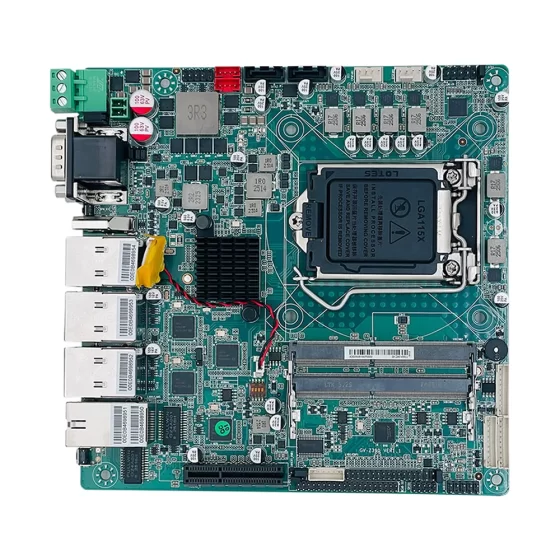
Kompakte Embedded-Computer und Industrie-Box-PCs bieten flexible Installationsmöglichkeiten. Für Maschinenbauer, Eingebettete Platinen können direkt in kundenspezifische Gerätedesigns integriert werden.
Speicherung und Datenschutz
Digitale Fertigungscomputer können Betriebssystemdateien speichern, lokale Anwendungen, Produktionsprotokolle, temporäre Aufzeichnungen, Inspektionsbilder, und Datenbankdateien.
SSD-Speicher werden häufig bevorzugt, da sie eine bessere Stoßfestigkeit und eine schnellere Systemreaktion bieten als mechanische Speicher.
Für Anwendungen, die Inspektionsbilder oder häufige Protokolle speichern, Speicherkapazität und Schreibausdauer sollten bei der Systemplanung überprüft werden.
Betriebssystem- und Softwarekompatibilität
Auf industriellen IPC-Plattformen kann Windows ausgeführt werden, Linux, browserbasierte Anwendungen, oder kundenspezifische Industriesoftware.
Vor dem Masseneinsatz, Die Hardware sollte mit dem Zielbetriebssystem getestet werden, Gerätetreiber, Scanner, Drucker, Kameras, SPS-Kommunikationstools, Fernzugriffssoftware, und Cybersicherheitseinstellungen.
Diese Validierung verringert das Risiko unerwarteter Fehler während der Werkseinführung.
Bereitstellungsszenarien
Maschinendatenerfassung
Die Erfassung von Maschinendaten ist eine der häufigsten Anwendungen der digitalen Fertigung.
Ein Industrie-IPC kann an SPSen angeschlossen werden, CNC-Maschinen, Sensoren, Meter, oder Controller. Es erfasst den Maschinenstatus, Ausgabeanzahl, Alarminformationen, Zykluszeit, und Prozessdaten.
Dies ermöglicht es Herstellern, die Geräteleistung genauer zu verstehen und manuelle Berichte zu reduzieren.
Bedienerarbeitsplätze
Industriecomputer können als Bedienterminals in Produktionslinien eingesetzt werden.
Sie können eine Verbindung zu Touchscreens herstellen, Barcode-Scanner, RFID-Lesegeräte, Tastaturen, Etikettendrucker, und MES-Software.
Bediener können Arbeitsanweisungen einsehen, Produkte scannen, Materialien bestätigen, Mängel aufzeichnen, und Produktionsergebnisse einreichen.
Dies verbessert die Prozesskontrolle und reduziert papierbasierte Arbeitsabläufe.
Qualitätsprüfstationen
Die digitale Fertigung hängt stark von Qualitätsdaten ab.
Ein Industrie-IPC kann mit Inspektionskameras verbunden werden, Messwerkzeuge, Testinstrumente, Barcode-Scanner, und Drucker. Es kann Inspektionsergebnisse mit Produkt-IDs verknüpfen und Datensätze in Qualitätssysteme oder MES-Plattformen hochladen.
Dies verbessert die Rückverfolgbarkeit und unterstützt die Ursachenanalyse.
Überwachung der Produktionslinie
Industriecomputer können Produktionsüberwachungssysteme unterstützen, die den Maschinenstatus anzeigen, Line-Ausgabe, Ausfallgründe, und Prozessalarme.
Diese Systeme können in Kontrollräumen installiert werden, Werkstattbüros, oder direkt in der Fabrikhalle.
Durch das Sammeln von Daten von mehreren Geräten, Industrielle IPC-Plattformen helfen Produktionsteams, schneller auf ungewöhnliche Bedingungen zu reagieren.
Industrielle IoT-Gateways
In industriellen IoT-Anwendungen, Ein eingebetteter Computer kann als Gateway zwischen Maschinen und Cloud- oder lokalen Analyseplattformen fungieren.
Es kann Daten von Feldgeräten sammeln, Informationen vorverarbeiten, Filtern Sie unnötige Daten, und ausgewählte Datensätze an übergeordnete Systeme senden.
Dies reduziert die Netzwerklast und unterstützt eine effizientere Datenverwaltung.
OEM-Maschinenintegration
Maschinenbauer können Embedded-Computer oder Industrie-Motherboards direkt in ihre Produkte integrieren.
Dadurch können Maschinen digitale Fertigungsfunktionen wie Datenberichte unterstützen, Ferndiagnose, Bedienerschnittstelle, Produktionsverfolgung, und Kunden-MES-Konnektivität.
Für OEMs, Integriertes Industrial Computing kann den Maschinenwert steigern und die Integration für Endbenutzer vereinfachen.
Lager und Materialfluss
Die digitale Fertigung umfasst auch Materialbewegungen und Lagerabläufe.
An Empfangsstationen können Industriecomputer eingesetzt werden, Materialvorbereitungsbereiche, linienseitige Lagerung, und Fertigwarenzonen.
Durch den Anschluss von Barcodescannern, RFID-Lesegeräte, Wiegeausrüstung, und Etikettendrucker, Diese Systeme tragen dazu bei, die Rückverfolgbarkeit von Materialien zu verbessern und manuelle Eingabefehler zu reduzieren.

Industriecomputer unterstützen die Produktionstransparenz, Rückverfolgbarkeit, und Qualitätsüberwachung.
Geschäftsvorteile
Bessere Produktionstransparenz
Industrielle IPC-Systeme helfen Herstellern dabei, zu sehen, was in der Fabrikhalle passiert.
Durch das Sammeln von Echtzeitdaten von Maschinen, Betreiber, und Prüfstationen, Digitale Fertigungsplattformen können den Fortschritt von Arbeitsaufträgen anzeigen, Gerätestatus, Ausgabemenge, Ausfallzeiten verursachen, und qualitativ hochwertige Ergebnisse.
Dies verbessert die Entscheidungsfindung und reduziert Reaktionsverzögerungen.
Verbesserte Rückverfolgbarkeit
Die Rückverfolgbarkeit hängt von vollständigen und genauen Aufzeichnungen ab.
Industriecomputer helfen bei der Erfassung von Produkt-IDs, Materialchargen, Maschinenparameter, Bedieneraktionen, Inspektionsergebnisse, und Prozesshistorie.
Dies unterstützt die Qualitätskontrolle, Kundenaudits, Garantieuntersuchung, und kontinuierliche Verbesserung.
Reduzierte manuelle Arbeit
Die manuelle Dateneingabe ist langsam und fehleranfällig.
Digitale Fertigungssysteme auf Basis industrieller IPC-Plattformen können Daten direkt von Geräten erfassen, Scanner, Sensoren, und Betreiber.
Dies reduziert den Papieraufwand, verbessert die Konsistenz, und ermöglicht es Produktionsteams, sich auf Prozessverbesserungen zu konzentrieren, anstatt sich auf wiederholte Berichte zu konzentrieren.
Bessere Nutzung vorhandener Geräte
Fabriken müssen nicht immer vorhandene Maschinen ersetzen, um digitaler zu werden.
Industriecomputer können ältere Geräte über serielle Schnittstellen anschließen, Ethernet, USB, Sensoren, oder Gateway-Module.
Dies ermöglicht es Herstellern, bestehende Produktionsanlagen Schritt für Schritt zu digitalisieren und gleichzeitig bisherige Ausrüstungsinvestitionen zu schützen.
Skalierbare Fabrikdigitalisierung
Eine standardisierte industrielle IPC-Plattform unterstützt den skalierbaren Einsatz.
Wenn dieselbe Hardwarefamilie in mehreren Linien oder Fabriken verwendet wird, Software-Bilder, Ersatzteile, Zubehör, Fahrer, und Wartungsabläufe werden einfacher zu verwalten.
Dies ist besonders wichtig, wenn sich die digitale Fertigung von Pilotprojekten bis zur vollständigen Fabrikimplementierung ausweitet.
Stiftung für fortschrittliche Fertigungssysteme
Zuverlässige industrielle Computerhardware bildet die Grundlage für fortschrittliche Systeme wie das industrielle IoT, maschinelles Sehen, Kanten-KI, vorausschauende Wartung, und intelligente Produktionsanalysen.
Sobald genaue Werksdaten verfügbar sind, Hersteller können auf der Grundlage der digitalen Fertigungsinfrastruktur fortschrittlichere Anwendungen entwickeln.
Warum CoreIPC
CoreIPC bietet industrielle Computerplattformen für die Fertigungsautomatisierung, eingebettete Systeme, Maschinenanbindung, und Fabrikdigitalisierung. Für digitale Fertigungsanwendungen, CoreIPC konzentriert sich auf zuverlässige industrielle IPC-Hardware, Embedded-Computer-Lösungen, flexible I/O-Konfigurationen, kompaktes mechanisches Design, und OEM/ODM-Anpassungsunterstützung. CoreIPC hilft Systemintegratoren, Gerätebauer, und Fertigungsteams wählen Computerplattformen aus, die zu realen Produktionsumgebungen passen, inklusive Maschinenschnittstellen, Montagemethoden, Leistungsaufnahme, thermische Bedingungen, Lebenszyklusplanung, und skalierbare Bereitstellungsanforderungen.
Häufig gestellte Fragen
1. Was ist ein IPC für die digitale Fertigung??
Ein Digital Manufacturing IPC ist ein Industriecomputer, der zur Vernetzung von Maschinen dient, Betreiber, Produktionssysteme, und Fabriksoftwareplattformen.
Es kann Daten von SPSen sammeln, Sensoren, Scanner, Kameras, und Produktionsanlagen. Es kann auch MES-Client-Software ausführen, HMI-Anwendungen, Überwachungstools, oder Edge-Datendienste. Im Vergleich zu Bürocomputern, Es ist für industrielle Umgebungen und den Dauerbetrieb konzipiert.
2. Warum ist ein Industrie-IPC wichtig für die digitale Fertigung??
Ein industrieller IPC stellt die lokale Rechenschicht bereit, die physische Produktionsanlagen mit digitalen Systemen verbindet.
Ohne zuverlässige Hardware in der Nähe der Maschinen, Digitale Fertigungssoftware empfängt möglicherweise keine genauen oder zeitnahen Daten. Industriecomputer helfen bei der Erfassung von Produktionsinformationen, Verarbeiten Sie es lokal, und an MES senden, SCADA, IIoT, oder Analyseplattformen.
3. Wie wird ein eingebetteter Computer in der digitalen Fertigung eingesetzt??
Ein eingebetteter Computer kann in der Nähe von Maschinen installiert werden, in Schränken, hinter Displays, oder direkt in OEM-Geräten.
Es kann Maschinendaten sammeln, Scanner anschließen, mit SPS kommunizieren, lokale Anwendungen ausführen, oder Pufferdaten bei Netzwerkunterbrechungen. Durch sein kompaktes Design eignet es sich für platzbeschränkte Fabrikumgebungen und maschinenseitige Integration.
4. Welche Schnittstellen werden üblicherweise für IPC-Systeme für die digitale Fertigung benötigt??
Zu den gängigen Schnittstellen gehört LAN, USB, RS232, RS485, HDMI, DisplayPort, GPIO, M.2, und Mini PCIe.
LAN-Ports unterstützen die Fabriknetzwerk- und Maschinenkommunikation. USB verbindet Scanner, Kameras, Drucker, und Peripheriegeräte. Serielle Anschlüsse sind für ältere Maschinen nützlich, Meter, oder Controller. Erweiterungsschnittstellen ermöglichen Systemintegratoren, den IPC an spezifische Projektanforderungen anzupassen.
5. Können Industriecomputer ältere Maschinen mit digitalen Fertigungssystemen verbinden??
Ja. Industriecomputer werden häufig zur Anbindung älterer Maschinen eingesetzt, die moderne digitale Kommunikation nicht direkt unterstützen.
Mit seriellen Schnittstellen, Ethernet, USB, Sensoren, oder Gateway-Module, Der Industrie-IPC kann den Maschinenstatus erfassen, Produktionszahl, Alarmdaten, und Prozessinformationen. Dies ermöglicht es Fabriken, bestehende Anlagen zu digitalisieren, ohne jede Maschine austauschen zu müssen.
6. Warum werden lüfterlose Industriecomputer in Fabriken eingesetzt??
Lüfterlose Industriecomputer reduzieren die Staubaufnahme und beseitigen eine häufige mechanische Fehlerquelle.
Dies ist in Produktionsumgebungen nützlich, in denen Staub herrscht, Partikel, Vibration, oder lange Betriebsstunden können sich auf Standardcomputer auswirken. Ein lüfterloses Design kann den Wartungsaufwand reduzieren, Das System benötigt jedoch immer noch eine korrekte thermische Planung basierend auf der Arbeitsbelastung und den Installationsbedingungen.
7. Benötigen IPC-Systeme für die digitale Fertigung mehrere LAN-Ports??
In vielen digitalen Fertigungssystemen sind mehrere LAN-Ports nützlich.
Ein LAN-Port kann mit Maschinen verbunden werden, SPS, oder Feldgeräte, während ein anderer eine Verbindung zu MES-Servern herstellt, SCADA-Systeme, oder Fabrik-IT-Netzwerke. Diese Trennung kann die Netzwerkorganisation verbessern, Unterstützung des Sicherheitsdesigns, und Kommunikationskonflikte reduzieren.
8. Wie verbessert industrielle IPC-Hardware die Rückverfolgbarkeit??
Industrielle IPC-Hardware verbessert die Rückverfolgbarkeit durch die Erfassung genauer Daten an jedem Produktionspunkt.
Es kann Produktseriennummern erfassen, Informationen zur Materialcharge, Maschinenparameter, Inspektionsergebnisse, Bedieneraktionen, und Prozessaufzeichnungen. Wenn diese Informationen an MES oder Qualitätssysteme gesendet werden, Hersteller können für jedes Produkt eine vollständige Produktionshistorie erstellen.
9. Was sollte vor der Auswahl eines IPC für die digitale Fertigung beachtet werden??
Hersteller sollten Maschinenschnittstellen überprüfen, Peripheriegeräte, CPU-Leistung, Erinnerung, Lagerung, Betriebssystemunterstützung, Leistungsaufnahme, Montagemethode, Umgebungstemperatur, Netzwerkdesign, und Lebenszyklusanforderungen.
Wichtig ist auch, den IPC mit echter Software zu testen, Scanner, Drucker, SPS-Kommunikation, und Fernwartungstools vor dem groß angelegten Einsatz.
10. Können OEM-Gerätehersteller industrielle IPC-Plattformen nutzen??
Ja. OEM-Gerätebauer können Industrie-IPCs nutzen, eingebettete Computer, oder Industrie-Motherboards, um ihren Maschinen digitale Fertigungsfunktionen hinzuzufügen.
Dies kann die Datenberichterstattung umfassen, Bedienerschnittstelle, Ferndiagnose, Produktionsverfolgung, und MES-Konnektivität. Integrierte Computerhardware trägt dazu bei, Geräte besser für Smart-Factory-Umgebungen geeignet zu machen.
Abschluss
Ein digitaler Fertigungs-IPC ist eine praktische Grundlage für vernetzte Fabrikabläufe.
Es bringt Rechenleistung auf Industrieniveau nahe an Maschinen, Betreiber, Sensoren, Scanner, Inspektionssysteme, und Produktionsnetzwerke. Dies hilft Herstellern, genaue Daten zu sammeln, die Sichtbarkeit verbessern, Stärkung der Rückverfolgbarkeit, und unterstützen eine skalierbare Fabrikdigitalisierung.
Der richtige Industriecomputer oder Embedded-Computer sollte auf der Grundlage der tatsächlichen Einsatzanforderungen ausgewählt werden, inklusive I/O-Konfiguration, Netzwerkarchitektur, Montagemethode, Leistungsaufnahme, thermisches Design, Speicherbedarf, Betriebssystemkompatibilität, und langfristige Lebenszyklusplanung.
CoreIPC unterstützt digitale Fertigungsprojekte mit industriellen IPC-Plattformen, die für praktische Fabrikumgebungen konzipiert sind. Durch die Wahl zuverlässiger industrieller Computerhardware, Hersteller können eine stärkere Grundlage für MES schaffen, Industrielles IoT, maschinelles Sehen, Edge-Analyse, und langfristige intelligente Fertigungsentwicklung.
Kontaktieren Sie uns
Auf der Suche nach einem Industrie-IPC, Industriecomputer, oder eingebetteter Computer für die digitale Fertigung?
Kontaktieren Sie CoreIPC, um Ihre Projektanforderungen zu besprechen, inklusive Maschinenschnittstellen, I/O-Konfiguration, Prozessorplattform, Montagemethode, Leistungsaufnahme, Betriebsumgebung, Lebenszyklusanforderungen, und OEM/ODM-Anpassungsoptionen.