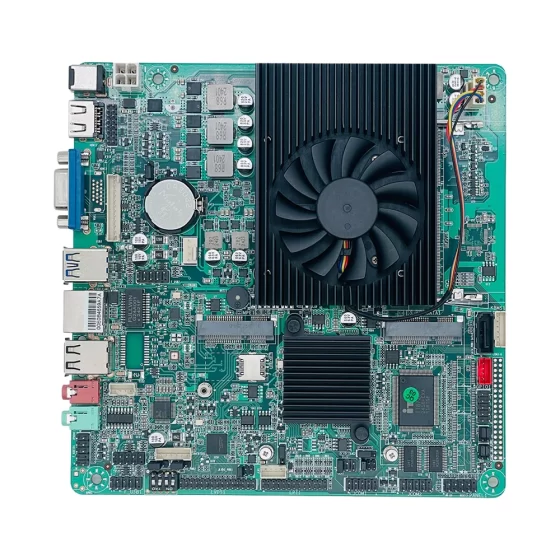
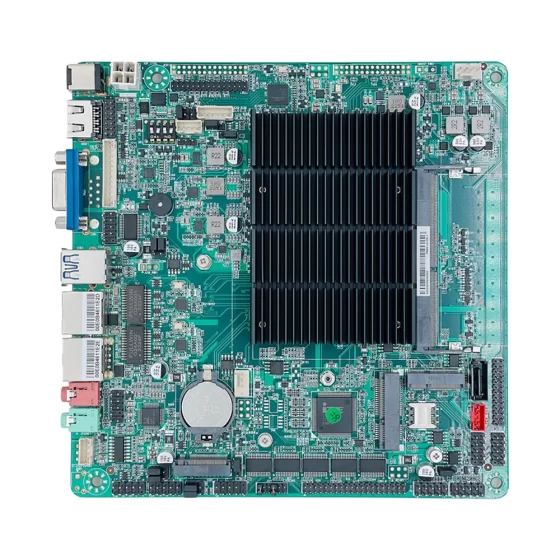
CoreIPC Industrial Computing-Lösungen

Embedded Controller für Servosysteme: Servomotor-Controller IPC für Präzisionsbewegungsautomatisierung
Zusammenfassung
A servo motor controller IPC provides the industrial computing foundation for precise servo control, mehrachsige Koordination, motion feedback processing, real-time automation, Maschinensteuerung, Robotik-Integration, und intelligente Fabrikkonnektivität.
Servo systems are widely used in machines that require accurate position, Geschwindigkeit, Drehmoment, and motion synchronization. These systems appear in CNC machines, Roboter-Arbeitszellen, Verpackungsausrüstung, Halbleiterwerkzeuge, Elektronikbaugruppe, automated test equipment, Inspektionsmaschinen, Drucksysteme, textile machinery, laser processing equipment, and material handling systems.
A servo motor controller IPC built on an industrial computer or embedded computer can connect servo drives, Encoder, SPS, I/O-Module, Bewegungskarten, Sensoren, HMIs, Industriekameras, und Fabriksoftwaresysteme. Es kann Bewegungssteuerungssoftware ausführen, process feedback data, manage machine logic, store operation records, und Informationen mit MES austauschen, SCADA, industrielle IoT-Plattformen, oder lokale Dashboards.
Im Vergleich zu Standard-Büro-PCs oder Consumer-Embedded-Boards, industrial computers provide a more reliable hardware foundation for servo system deployment. Sie unterstützen robuste Gehäuse, stabile strom eingang, flexible I/O, Erweiterungsschnittstellen, lokaler Speicher, lüfterlose Betriebsmöglichkeiten, Industriemontage, und lange Verfügbarkeit über den gesamten Lebenszyklus.
This article explains how embedded controllers support servo systems, what deployment challenges appear in precision motion applications, wie die Lösungsarchitektur funktioniert, and which hardware features matter when selecting an industrial computer or embedded computer for servo motor controller IPC deployment.

Servo controller IPC platforms coordinate motors, Encoder, SPS-Signale, Förderer, Kameras, and precision machine movement.
Branchenüberblick
Servo Systems Are Essential for Precision Machines
Servo systems are used when machines need accurate and repeatable motion.
Unlike simple motor control, servo control uses feedback from encoders or sensors to adjust movement continuously. This allows machines to control position, Geschwindigkeit, acceleration, Drehmoment, and synchronization more accurately.
Servo systems are common in:
- CNC-Maschinen
- Bestückungsautomaten
- Roboterarme
- Verpackungslinien
- Halbleiterausrüstung
- Electronics assembly machines
- Printing equipment
- Laser cutting and welding systems
- Automated inspection machines
- Medical device manufacturing equipment
- Materialtransportsysteme
- Test and measurement machines
These applications depend on stable computing and reliable communication between controllers, Laufwerke, Motoren, Sensoren, und Maschinensoftware.
Servo Control Is Becoming More Integrated
Traditional servo systems often used dedicated motion controllers and PLCs.
Modern machine platforms increasingly combine servo control with HMI software, maschinelles Sehen, Datenprotokollierung, Ferndiagnose, Rezeptverwaltung, und Fabrikkonnektivität.
A single machine may need to support:
- Multi-axis motion
- Kommunikation des Servoantriebs
- Encoder-Feedback
- SPS-Integration
- Vision-triggered motion
- Real-time I/O
- Alarm monitoring
- Production data collection
- Fernwartung
- MES- oder SCADA-Anbindung
- Industrielle IoT-Datenübertragung
An embedded controller provides a compact computing layer that brings these functions together.
Industrial Computing Supports Machine-Side Deployment
Servo control hardware is often deployed inside machine cabinets or near production equipment.
In diesen Umgebungen kann es zu Vibrationen kommen, Hitze, Staub, elektrisches Rauschen, Kabelspannung, begrenzter Luftstrom, und Dauerbetrieb.
Industrial computers and embedded computers provide the hardware reliability required for these conditions.
They help machine builders create repeatable platforms for servo control, Maschinenautomatisierung, data integration, and long-term product support.

Servo wiring, encoder signals, Achskoordination, elektrisches Rauschen, thermal load, and vision triggers affect servo controller deployment.
Wichtigste Herausforderungen
Maintaining Motion Accuracy
Servo systems require accurate control.
Position error, timing instability, communication delay, or feedback signal problems can affect machine quality and repeatability.
A servo motor controller IPC must support stable processing and reliable communication.
Important accuracy-related factors include:
- Zykluszeit steuern
- Anzahl der Achsen
- Servoaktualisierungsrate
- Encoder-Feedback
- Anforderungen an die Bewegungssoftware
- Industrielle Ethernet-Leistung
- I/O-Reaktionszeit
- CPU-Auslastung
- System latency
- Isolierung des Netzwerkverkehrs
The platform should be selected and validated according to real machine motion requirements.
Coordinating Multiple Servo Axes
Many machines use more than one servo axis.
A gantry system may require synchronized X, Y, and Z axes. A packaging machine may coordinate conveyors, Feeder, Dichtungswerkzeuge, and cutting mechanisms. A robot workcell may coordinate robot movement with external servo stages.
The embedded controller may need to coordinate:
- Linear servo axes
- Rotary servo axes
- Spindeln
- Förderer
- Pick-and-place heads
- Portalsysteme
- Werkzeugaktuatoren
- Robotersteuerungen
- Kamera löst aus
- Sicherheitsvorrichtungen
As axis count increases, Rechenleistung, Kommunikationsstabilität, und Erweiterungsfähigkeit werden immer wichtiger.
Antriebe integrieren, SPS, and Feedback Devices
A servo system is not only a motor and controller.
It may include servo drives, Encoder, SPS, I/O-Module, Bewegungskarten, Sensoren, HMIs, Industrieschalter, Sicherheitsvorrichtungen, und Fabriksysteme.
The embedded controller must support the required interfaces and software stack.
Common integration needs include:
- Kommunikation des Servoantriebs
- Encoder feedback handling
- PLC signal exchange
- Digital I/O control
- Analog signal processing
- Feldbus-Kommunikation
- HMI display output
- Synchronisierung maschineller Bildverarbeitung
- Alarmprotokollierung
- Ferndiagnose
Flexible hardware reduces integration complexity.
Managing Electrical Noise
Servo systems often operate near drives, Motoren, Relais, Netzteile, and high-current equipment.
These components can generate electrical noise.
A standard PC may become unstable in this environment.
Industrial-grade hardware helps improve reliability through rugged design, proper grounding, stabile strom eingang, zuverlässige Lagerung, and secure mechanical installation.
Cable routing and cabinet design are also important.
The IPC should be installed with attention to separation between power wiring, signal wiring, und Netzwerkkommunikation.
Combining Servo Control with Machine Vision
Many precision machines now use machine vision.
Vision may support alignment, Inspektion, Etikettenlesung, part positioning, Roboterführung, und Fehlererkennung.
The embedded controller may need to synchronize motion and image capture.
This creates additional requirements for:
- Kameraschnittstellen
- Trigger signals
- Lichtsteuerung
- Image storage
- Vision software support
- Data processing performance
- Result communication
- Factory data integration
Servo control and vision processing should be designed together, not as separate systems.
Supporting Long Machine Lifecycle
Servo control machines may remain in operation for many years.
Frequent hardware changes can create problems with motion drivers, Betriebssysteme, Feldbuskarten, vision SDKs, I/O-Module, und Maschinensoftwarevalidierung.
Industrial computers with lifecycle planning help machine builders maintain consistent platforms across multiple equipment generations.
This reduces redesign work and improves maintainability.

Servo controller IPC systems connect motion devices, SPS, Kameras, HMIs, Roboter, Fabriksoftware, and quality platforms.
Servo Motor Controller IPC Solution Architecture
Servo Device Layer
The servo device layer includes the motion components that perform machine movement.
Diese Schicht kann umfassen:
- Servomotoren
- Servoantriebe
- Encoder
- Lineartische
- Drehbühnen
- Portalsysteme
- Spindeln
- Förderer
- Aktuatoren
- Bewegungssensoren
- Endschalter
- Sicherheitssensoren
These devices generate movement and feedback for precision automation.
The embedded controller coordinates their operation through motion software and communication interfaces.
Embedded Controller Layer
The embedded controller layer is the core computing platform.
Auf dieser Ebene, B. der Industriecomputer oder der eingebettete Computer:
- Führen Sie eine Bewegungssteuerungssoftware aus
- Coordinate servo axes
- Kommunizieren Sie mit Servoantrieben
- Feedback-Daten verarbeiten
- Handle I/O signals
- Kameras auslösen
- Display HMI screens
- Store machine logs
- Rezepte verwalten
- Senden Sie Daten an Fabriksysteme
This layer provides the computing foundation for servo system control and machine integration.
Motion Communication Layer
The communication layer connects the controller with drives, SPS, I/O devices, und Maschinennetzwerke.
Es kann Folgendes umfassen::
- EtherCAT
- PROFINET
- Ethernet/IP
- CANopen
- Modbus
- RS232
- RS485
- Digitale I/O
- Analoge E/A
- PCIe-Motion-Karten
- Industrielle Ethernet-Switches
The exact communication design depends on the machine architecture, servo drive system, and motion software.
Vision and Sensor Integration Layer
Servo systems often use external sensors and vision systems.
Diese Schicht kann umfassen:
- Industriekameras
- 3D-Kameras
- Beleuchtungssteuerungen
- Barcode-Lesegeräte
- Triggersensoren
- Proximity sensors
- Kraftsensoren
- Temperatursensoren
- Vibrationssensoren
The embedded controller can process sensor data locally and coordinate results with motion control.
This improves machine accuracy and process visibility.
Factory-Software-Integrationsschicht
Servo systems may need to connect with higher-level factory platforms.
Dazu können gehören:
- MES
- SCADA
- ERP
- Qualitätsdatenbanken
- Industrielle IoT-Plattformen
- Lokale Dashboards
- Wartungssysteme
- Cloud-Überwachungssysteme
- Rückverfolgbarkeitsplattformen
This integration allows machine data, motion status, Alarm, Rezepte, and inspection results to become part of the factory data infrastructure.
Sicherheits- und Verwaltungsschicht
Servo controller platforms must be maintainable and protected.
Diese Schicht kann umfassen:
- Benutzerberechtigungen
- Netzwerksegmentierung
- Sicherer Fernzugriff
- Lokale Protokollierung
- Konfigurationssicherung
- Speicherüberwachung
- Überwachung des Systemzustands
- Ferndiagnose
- Software-Update-Management
These functions help support long-term machine operation and serviceability.
Hauptmerkmale
Real-Time Servo Control Support
A servo motor controller IPC should support stable control performance.
Die Auswahl der Hardware sollte berücksichtigt werden:
- CPU-Leistung
- Speicherkapazität
- Unterstützung für Bewegungssoftware
- Unterstützung für industrielles Ethernet
- Feldbuskompatibilität
- I/O-Reaktionszeit
- PCIe-Erweiterung
- Betriebssystemunterstützung
- Thermische Stabilität
- Lang andauernder Betrieb
Precision machines should always be tested with real servo drives, tatsächliche Achsenanzahl, and real cycle time requirements.
Multi-Axis Motion Coordination
Many servo systems require synchronized motion.
The controller may coordinate multiple axes, Förderer, Spindeln, robot interfaces, and external actuators.
The platform must provide enough processing performance and communication stability for the required motion workload.
For complex machines, expansion interfaces may also be needed for motion cards, Feldbusmodule, or additional network ports.
Flexible industrielle I/O
Servo systems need practical I/O.
Nützliche Schnittstellen können sein:
- LAN
- USB
- RS232
- RS485
- GPIO
- Digitaler Eingang
- Digitaler Ausgang
- HDMI
- DisplayPort
- M.2
- PCIe
- SATA- oder NVMe-Speicher
GPIO und digitale I/O können Trigger unterstützen, Alarm, Endschalter, und Maschinenstatussignale. Serielle Anschlüsse können ältere Geräte unterstützen. PCIe and M.2 can support additional functions.
Multi-LAN-Netzwerkdesign
Multiple LAN ports help separate different traffic types.
A servo controller IPC may use separate networks for:
- Bewegungsnetzwerk
- Servoantriebsnetzwerk
- SPS-Netzwerk
- Kameranetzwerk
- Fabrik-IT-Netzwerk
- Industrielles IoT-Netzwerk
- Fernwartungsnetzwerk
- Lokales Managementnetzwerk
Network separation improves stability and prevents non-critical traffic from affecting motion communication.
Vision Synchronization Capability
Servo systems often need synchronized motion and image capture.
The embedded controller may receive trigger signals, Beleuchtung steuern, collect images, Prozessergebnisse, and send feedback to the control system.
This is important for:
- Ausrichtung
- Messung
- Inspektion
- Etikettenlesung
- Fehlererkennung
- Teilepositionierung
- Roboterführung
- Process verification
Kameraschnittstelle, Speichergeschwindigkeit, and trigger timing should be reviewed carefully.
Zuverlässiger lokaler Speicher
Servo machines may store software, machine recipes, motion parameters, Protokolle, Alarm, Inspektionsbilder, und Diagnosedateien.
SSD- oder NVMe-Speicher werden häufig bevorzugt, da sie einen schnellen Zugriff und eine bessere Stoßfestigkeit als mechanische Laufwerke bieten.
Die Lagerungsplanung sollte berücksichtigt werden:
- Rezeptdaten
- Motion logs
- Alarmverlauf
- Inspection records
- Konfigurationssicherung
- Schreiben Sie Ausdauer
- Wiederherstellungsworkflow
- Software update process
Reliable storage improves serviceability and production traceability.
Robustes und lüfterloses Design
Servo control environments can be dusty, vibrationsanfällig, und elektrisch laut.
Lüfterlose Industriecomputer reduzieren die Staubaufnahme und beseitigen eine mechanische Fehlerquelle.
Robuste Gehäuse schützen vor Vibrationen, Kabelspannung, Auswirkungen auf die Schrankinstallation, und Dauerbetrieb.
Thermal design should still be validated, especially when the controller handles motion software, Sehverarbeitung, HMI-Funktionen, and data logging at the same time.
Lange Verfügbarkeit über den gesamten Lebenszyklus
Machine builders often need stable hardware for many years.
Long lifecycle availability helps maintain motion drivers, Software-Bilder, Feldbuskompatibilität, Ersatzteile, und Validierungsverfahren.
This is important for OEM equipment, precision machines, and production systems deployed across multiple factories.
Bereitstellungsszenarien
Servo-Based Packaging Machine
Packaging machines often use servo motors for feeding, Schneiden, Versiegelung, Beschriftung, and positioning.
A servo motor controller IPC can coordinate axes, handle sensor inputs, HMI-Daten anzeigen, Rezepte speichern, and report machine status to factory systems.
This supports flexible packaging formats and reliable production.
CNC and Precision Machine Control
CNC equipment requires precise movement, feedback handling, spindle coordination, and program execution.
An embedded controller can support motion software, Antriebskommunikation, lokaler Speicher, HMI-Funktionen, and machine data logging.
This improves machine connectivity and maintainability.
Pick-and-Place Automation
Pick-and-place systems use servo axes for fast and accurate movement.
The embedded controller can coordinate axes, receive sensor signals, process camera results, and communicate with PLCs or MES systems.
This supports high-speed assembly and material handling.
Electronics Assembly Equipment
Electronics production equipment often requires precise positioning, Inspektion, Abgabe, Testen, and component handling.
A servo controller IPC can support multi-axis motion, Vision-Synchronisation, Rezeptverwaltung, and quality data logging.
This improves production repeatability.
Robotic Workcell Integration
Servo systems may be used around robots for conveyors, external axes, Vorrichtungen, or positioning tables.
The embedded controller can coordinate motion devices with robot controllers, SPS, Kameras, und Sicherheitssysteme.
This improves workcell flexibility.
Laser Processing System
Laserschneiden, Markierung, engraving, and welding systems require precise motion and process coordination.
A servo controller IPC can coordinate axes, process sensor data, support vision alignment, Rezepte speichern, und mit Fabriksystemen verbinden.
This supports stable process quality.
Automatisierte Testgeräte
Test systems may include servo stages, Vorrichtungen, Kameras, Sensoren, and instruments.
An embedded computer can coordinate movement, Testdaten sammeln, Aufzeichnungen speichern, and send results to quality platforms.
Dies unterstützt die automatisierte Inspektion und Verifizierung.
OEM Servo Control Platform
Machine builders can integrate industrial computers or embedded boards into custom servo control equipment.
Die Plattform kann Bewegungssoftware unterstützen, Antriebskommunikation, HMI, Datenprotokollierung, Ferndiagnose, und kundenspezifische I/O.
Dies trägt dazu bei, wiederholbare Maschinenplattformen zu schaffen.
Geschäftsvorteile
Higher Motion Precision
A servo motor controller IPC provides stable computing and communication for precision motion.
It helps coordinate drives, feedback devices, Sensoren, und Maschinensoftware.
This supports better positioning accuracy, Wiederholbarkeit, and product quality.
Better Machine Integration
Modern servo machines include many systems.
An embedded controller helps connect servo drives, SPS, HMIs, Sensoren, Kameras, Fabriksoftware, and remote service tools.
This reduces integration gaps and improves machine functionality.
Verbesserte Produktionstransparenz
The controller can collect motion status, Alarm, Zyklusaufzeichnungen, Rezepte, Inspektionsergebnisse, und Wartungsdaten.
Diese Informationen können mit MES geteilt werden, SCADA, industrielle IoT-Plattformen, oder lokale Dashboards.
Better visibility supports troubleshooting and continuous improvement.
Reduziertes Ausfallrisiko
Industriecomputer bieten robuste Hardware für anspruchsvolle Maschinenumgebungen.
Lüfterlose Designoptionen, zuverlässige Lagerung, sichere Montage, stabile strom eingang, und die lange Verfügbarkeit über den gesamten Lebenszyklus tragen dazu bei, das Wartungsrisiko zu reduzieren.
This supports continuous production.
Schnellere Maschinenentwicklung
A standardized embedded controller platform helps machine builders develop repeatable servo systems.
Konsistente Hardware vereinfacht Software-Images, Fahrervalidierung, Feldbuskonfiguration, HMI-Bereitstellung, Ersatzteilplanung, und Lebenszyklusmanagement.
This reduces engineering workload.
Scalable OEM Deployment
A servo motor controller IPC platform can be deployed across multiple machine models, customer projects, and production sites.
Consistent hardware and flexible I/O support scalable machine development and long-term equipment support.
Warum CoreIPC
CoreIPC bietet industrielle Computerplattformen für die industrielle Automatisierung, Bewegungssteuerung, Robotik, maschinelles Sehen, Industrielles IoT, und eingebettete Systemintegration. For servo motor controller IPC applications, CoreIPC konzentriert sich auf zuverlässige industrielle Computerhardware, Embedded-Computer-Lösungen, flexible I/O, Multi-LAN-Konfigurationen, Erweiterungsfähigkeit, kompaktes Systemdesign, lüfterlose Bereitstellungsoptionen, lokale Speicherfähigkeit, und OEM/ODM-Anpassungsunterstützung. CoreIPC hilft Maschinenbauern, Systemintegratoren, und Hersteller wählen Computerplattformen aus, die den tatsächlichen Bereitstellungsanforderungen entsprechen, inklusive Achsanzahl, Servokommunikation, Feldbusunterstützung, Geräteschnittstellen, Speicherbedarf, Montagemethoden, Leistungsaufnahme, thermische Bedingungen, und Lebenszyklusplanung.
Häufig gestellte Fragen
1. What is a servo motor controller IPC?
A servo motor controller IPC is an industrial computing platform used to support servo motion control, Antriebskommunikation, Feedbackverarbeitung, I/O-Handhabung, HMI-Funktionen, Datenprotokollierung, und Fabrikkonnektivität.
Es kann Bewegungssteuerungssoftware ausführen, Kommunikation mit Servoantrieben, process encoder feedback, connect PLCs, und Maschinendaten mit übergeordneten Systemen austauschen.
2. Why use an industrial computer for servo control?
Ein Industriecomputer bietet robuste Hardware und flexible Konnektivität für Maschinenumgebungen.
Es kann mehrere LAN-Ports unterstützen, USB, serielle Kommunikation, GPIO, PCIe-Erweiterung, zuverlässige Lagerung, lüfterloser Betrieb, Industriemontage, stabile strom eingang, und lange Verfügbarkeit über den gesamten Lebenszyklus.
These features make it suitable for servo-based automation equipment.
3. How is an embedded computer used in servo systems?
Ein eingebetteter Computer kann in einem Maschinenschrank oder einem kompakten Gerätegehäuse installiert werden.
Es kann Steuerungssoftware ausführen, mit Antrieben kommunizieren, I/O-Module anschließen, Sensorsignale verarbeiten, HMI-Daten anzeigen, Rezepte speichern, and send machine status to MES, SCADA, oder industrielle IoT-Systeme.
4. What applications use servo motor controller IPC platforms?
Applications include packaging machines, CNC-Ausrüstung, Pick-and-Place-Systeme, Elektronikmontagemaschinen, Roboter-Arbeitszellen, laser processing equipment, automated inspection machines, Drucksysteme, textile machines, und automatisierte Testgeräte.
Die endgültige Plattform hängt von der Anzahl der Achsen ab, zeitliche Anforderungen, communication method, und Software-Stack.
5. What communication interfaces are used in servo systems?
Servo systems may use industrial Ethernet, Feldbuskommunikation, PCIe-Motion-Karten, digitale I/O, analoge E/A, RS232, RS485, und Standard-Ethernet.
The exact interface depends on servo drives, Bewegungssoftware, machine architecture, and control requirements.
6. Why are multiple LAN ports important for servo controller IPCs?
Mehrere LAN-Ports helfen bei der getrennten Bewegungskommunikation, Servoantriebsnetzwerke, SPS-Netzwerke, Kameraverkehr, Fabrik-IT, Industrielles IoT, und Fernwartungszugriff.
This improves traffic organization and reduces the risk that non-motion traffic affects control communication.
7. Can servo motor controller IPC systems support machine vision?
Ja. Servo motor controller IPC systems can connect cameras, Beleuchtungssteuerungen, Triggersignale, Sensoren, und Inspektionssoftware.
Sie können Bewegung und Bildaufnahme synchronisieren, Prozessergebnisse vor Ort, and send inspection data to PLCs, Robotersteuerungen, MES, oder Qualitätssysteme.
8. What hardware features matter for servo motor controller IPC platforms?
Wichtige Features sind eine ausreichende CPU-Leistung, zuverlässiges Gedächtnis, mehrere LAN-Ports, USB, RS232, RS485, GPIO, digitale I/O, PCIe-Erweiterung, SSD- oder NVMe-Speicher, robustes Gehäuse, lüfterlose Designoptionen, industrieller Stromeingang, und Anzeigeausgänge.
The final configuration should match the servo workload and machine architecture.
9. Can fanless embedded computers support servo control workloads?
Ja. Fanless embedded computers can support many servo control workloads because they reduce dust intake and remove one mechanical failure point.
Jedoch, Das thermische Design sollte validiert werden, wenn das System eine hohe Achsenanzahl verarbeiten kann, Sehverarbeitung, HMI-Funktionen, Datenprotokollierung, oder Dauerbetrieb.
10. Was sollte vor der Bereitstellung getestet werden??
Vor der Bereitstellung, the platform should be tested with real servo drives, Motoren, Encoder, SPS, Bewegungssoftware, I/O-Module, Kameras, Sensoren, Netzwerktopologie, Maschinenzykluszeit, Speicherverhalten, und langlebigen Betrieb.
Thermische Stabilität, Kommunikationslatenz, Erholungsverhalten, Konfigurationssicherung, und die Integration mit MES oder SCADA sollte ebenfalls validiert werden.
Abschluss
A servo motor controller ipc is a practical foundation for precision motion automation, servo drive communication, mehrachsige Koordination, Bildverarbeitungssynchronisation, robot workcell integration, HMI-Bedienung, Datenprotokollierung, und Fabriksystemkonnektivität.
Durch die Platzierung eines Industriecomputers oder eingebetteten Computers innerhalb der Maschinenplattform, Maschinenbauer und Systemintegratoren können Servoantriebe anbinden, Encoder, SPS, I/O-Module, Kameras, Sensoren, HMIs, MES-Plattformen, SCADA-Systeme, und industrielle IoT-Dashboards über zuverlässige und kontrollierte Kommunikationspfade.
The right servo motor controller IPC should be selected according to real deployment requirements, inklusive Achsanzahl, Regelzykluszeit, servo drive communication, Feldbusunterstützung, E/A-Anforderungen, Kameraintegration, LAN-Port-Design, Speicherkonfiguration, Montagemethode, Leistungsaufnahme, thermische Bedingungen, Betriebssystemunterstützung, und Lebenszyklusplanung.
CoreIPC supports servo motor controller IPC projects with industrial computing platforms designed for practical machine-side, Kabinett, Fabrik, und OEM-Bereitstellung. Mit der richtigen Hardware-Grundlage, Maschinenbauer und Hersteller können zuverlässig bauen, skalierbar, and precise servo control systems.
Kontaktieren Sie uns
Auf der Suche nach einem Industriecomputer, eingebetteter Computer, or compact IPC platform for servo motor controller deployment?
Kontaktieren Sie CoreIPC, um Ihre Projektanforderungen zu besprechen, inklusive Achsanzahl, Servokommunikation, Bewegungssoftware, Feldbusunterstützung, I/O-Schnittstellen, Kamera-Konnektivität, LAN-Port-Konfiguration, Speicherdesign, Montagemethode, Leistungsaufnahme, Betriebsumgebung, Lebenszyklusanforderungen, und OEM/ODM-Anpassungsoptionen.