CoreIPC Industrial Computing-Lösungen

Industriecomputer für vorausschauende Wartung: Vorausschauender Wartungscomputer für die Überwachung intelligenter Geräte
Zusammenfassung
Ein Computer zur vorausschauenden Wartung bildet die industrielle Computergrundlage für die Überwachung des Maschinenzustands, Erfassung von Sensordaten, Schwingungsanalyse, Temperaturüberwachung, Edge-Analyse, Anomalieerkennung, Gerätediagnose, und Unterstützung bei Wartungsentscheidungen.
Moderne Fabriken, Lagerhäuser, Energiesysteme, Transportmöglichkeiten, und industrielle Infrastruktur sind auf Maschinen angewiesen, die kontinuierlich arbeiten müssen. Motoren, Pumps, Kompressoren, Förderer, CNC-Maschinen, Roboter, Fans, Turbinen, Getriebe, Produktionslinien, und Versorgungseinrichtungen erzeugen alle Signale, die frühe Anzeichen eines Ausfalls aufdecken können.
Die vorausschauende Wartung nutzt diese Signale, um abnormales Verhalten zu erkennen, bevor es zu einem Geräteausfall kommt.
Ein Industriecomputer oder eingebetteter Computer kann in der Nähe von Maschinen eingesetzt werden, um Sensordaten zu sammeln, Signale der Prozessausrüstung vor Ort, historische Aufzeichnungen speichern, Führen Sie Edge-Analysen durch, und strukturierte Informationen an SCADA senden, MES, industrielle IoT-Plattformen, Cloud-Dashboards, oder Wartungssysteme.
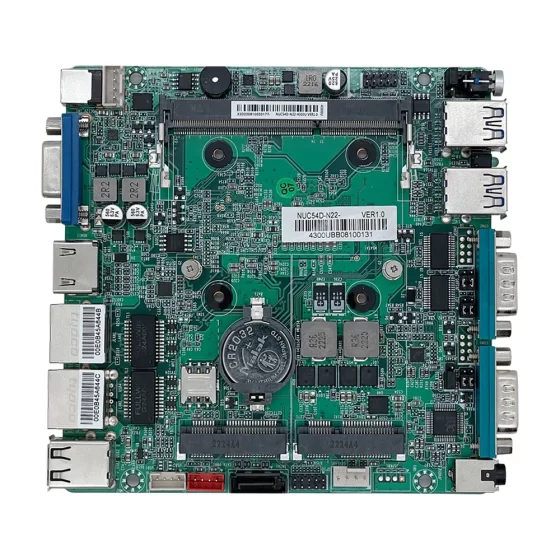
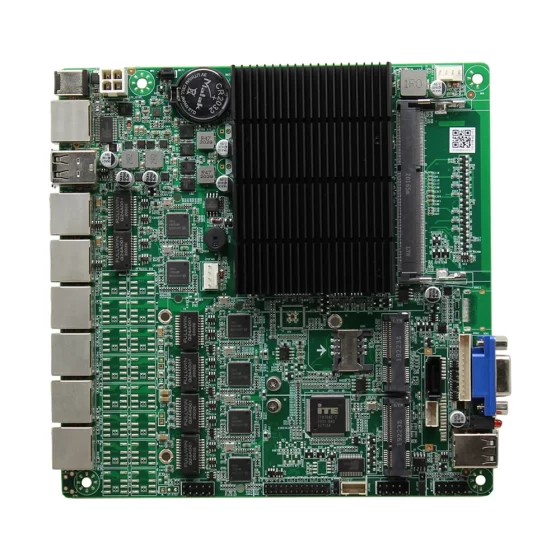
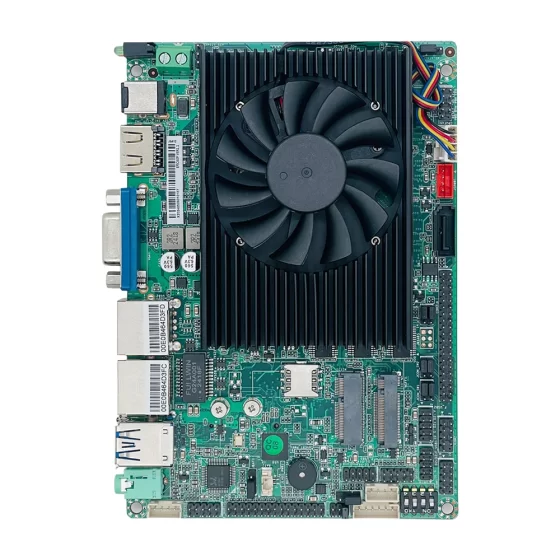
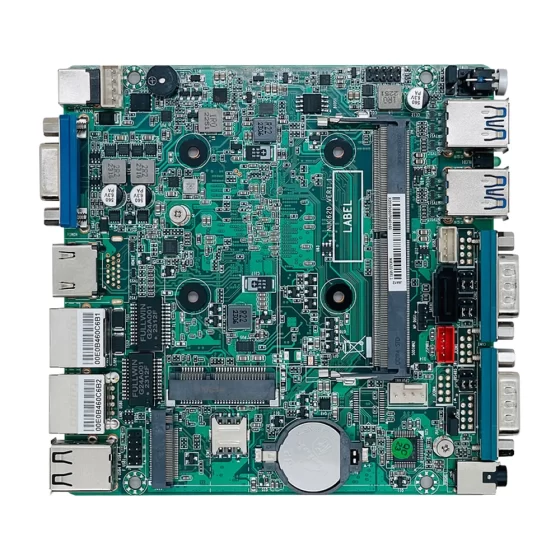
Im Vergleich zu Standard-Büro-PCs oder Consumer-Gateways, Industriecomputer eignen sich besser für den Einsatz vorbeugender Wartung, da sie robuste Gehäuse unterstützen, mehrere LAN-Ports, serielle Kommunikation, GPIO, lokaler Speicher, lüfterlose Designoptionen, stabile strom eingang, und lange Verfügbarkeit über den gesamten Lebenszyklus.
In diesem Artikel wird erläutert, wie Predictive-Maintenance-Computer die intelligente Geräteüberwachung unterstützen, welche Herausforderungen bei der Bereitstellung in realen industriellen Umgebungen auftreten, wie die Lösungsarchitektur funktioniert, und welche Hardwaremerkmale bei der Auswahl eines Industriecomputers oder Embedded-Computers für vorausschauende Wartungsanwendungen wichtig sind.
 Branchenüberblick
Die Wartung geht von reaktiv zu vorausschauend über
Die traditionelle Wartung folgt häufig zwei Modellen.
Reaktive Wartung repariert Geräte nach einem Ausfall. Vorbeugende Wartung der Ausrüstung nach einem festen Zeitplan.
Beide Ansätze haben Grenzen.
Reaktive Wartung kann zu unerwarteten Ausfallzeiten führen. Bei der vorbeugenden Wartung können Teile zu früh ausgetauscht oder Probleme übersehen werden, die zwischen den geplanten Inspektionen auftreten.
Die vorausschauende Wartung nutzt Daten, um den Wartungszeitpunkt zu verbessern.
Es überwacht den realen Gerätezustand und hilft Wartungsteams, Frühwarnzeichen zu erkennen.
Zu den gängigen überwachten Signalen gehören::
- Vibration
- Temperatur
- Motorstrom
- Druck
- Fließen
- Geschwindigkeit
- Akustische Signale
- Stromverbrauch
- Laufzeit
- Alarmverlauf
- Zyklus zählt
- Umgebungsbedingungen
Ein Predictive-Maintenance-Computer sammelt und verarbeitet diese Daten in der Nähe der Anlage.
Edge Computing verbessert die Geräteüberwachung
Die Daten zur vorausschauenden Wartung können umfangreich und zeitkritisch sein.
Vibrationssensoren, Hochfrequenz-Datenerfassungsmodule, Kameras, und aktuelle Sensoren können kontinuierliche Informationsströme erzeugen. Das Senden aller Rohdaten an die Cloud kann die Bandbreitenkosten und die Latenz erhöhen.
Edge Computing ermöglicht die lokale Durchführung wichtiger Verarbeitungsvorgänge.
Der Industriecomputer kann Signale filtern, Merkmale berechnen, Anomalien erkennen, Speichern ausgewählter Datensätze, und nur sinnvolle Ergebnisse weiterleiten.
Dies trägt dazu bei, die Netzwerklast zu reduzieren und gleichzeitig die Reaktionsgeschwindigkeit zu verbessern.
Industriecomputer stellen die zuverlässige Hardwareschicht bereit
Prädiktive Wartungssysteme werden häufig in der Nähe von Maschinen installiert.
Sie können in Schaltschränken montiert werden, Maschinengehäuse, Pumpenräume, Kompressorräume, Produktionslinien, Versorgungsflächen, oder abgelegene Feldstandorte.
In diesen Umgebungen kann es zu Vibrationen kommen, Staub, Hitze, elektrisches Rauschen, instabile Macht, begrenzter Luftstrom, und Dauerbetrieb.
Industriecomputer und eingebettete Computer bieten die für diese Bedingungen erforderliche Hardware-Grundlage.
Sie unterstützen den robusten Einsatz, flexible I/O, zuverlässige Lagerung, Multi-Netzwerk-Kommunikation, lüfterloser Betrieb, und Langzeitverfügbarkeit.

Herausforderungen bei der Bereitstellung vorausschauender Wartung
Wichtigste Herausforderungen
Sammeln von Daten von vielen Gerätetypen
Vorausschauende Wartungssysteme müssen viele Arten von Geräten überwachen.
Eine einzelne Fabrik kann Pumpen umfassen, Motoren, Kompressoren, Förderer, Roboter, CNC-Maschinen, Fans, Getriebe, HVAC-Systeme, und Versorgungsgeräte.
Für jeden Gerätetyp sind möglicherweise unterschiedliche Sensoren und Datenquellen erforderlich.
Zu den allgemeinen Eingaben können gehören::
- Vibrationssensoren
- Temperatursensoren
- Stromsensoren
- Drucksensoren
- Durchflussmesser
- Akustische Sensoren
- SPS-Daten
- Motorantriebsdaten
- Energiezähler
- Maschinenalarme
- Laufzeitzähler
- Wartungsprotokolle
Die Computerplattform muss flexible Konnektivität für verschiedene Geräte- und Sensorkonfigurationen unterstützen.
Umgang mit hochfrequenten Sensordaten
Einige vorausschauende Wartungsanwendungen erfordern Hochfrequenzdaten.
Ein häufiges Beispiel ist die Vibrationsüberwachung. Möglicherweise ist eine schnelle Probenahme erforderlich, lokale Verarbeitung, und Merkmalsextraktion.
Der Computer muss möglicherweise Werte wie RMS berechnen, Spitzenniveau, Frequenzspektrum, Trendänderungen, und Anomalieindikatoren.
Die Auswahl der Hardware sollte berücksichtigt werden:
- Sensoranzahl
- Abtastfrequenz
- Datenerfassungsmethode
- Lokaler Verarbeitungsaufwand
- Speicher-Schreibgeschwindigkeit
- Aufbewahrungsfrist
- Upload-Häufigkeit
- Analytics-Anforderungen
- Netzwerkbandbreite
Die Plattform muss entsprechend der tatsächlichen Datenarbeitslast dimensioniert sein.
Lokale Erkennung abnormaler Bedingungen
Vorausschauende Wartung ist wertvoller, wenn abnormales Verhalten frühzeitig erkannt werden kann.
Der Edge-Computer kann lokale Analysen durchführen, um Vibrationsänderungen zu erkennen, Temperatur, aktuell, Druck, bzw. Betriebszyklen.
Die lokale Erkennung kann dazu beitragen, schnellere Warnungen zu generieren.
Es kann unterstützen:
- Schwellenwertüberwachung
- Trendanalyse
- Extraktion von Signalmerkmalen
- Anomalieerkennung
- Bewertung des Gerätezustands
- Mustervergleich
- Protokollierung von Wartungsereignissen
- Edge-KI-Inferenz
Die lokale Verarbeitung verbessert die Reaktionszeit und verringert die Abhängigkeit von Remote-Plattformen.
Integration in bestehende Fabriksysteme
Wartungsdaten sollten nicht isoliert bleiben.
Möglicherweise muss ein Computer für die vorausschauende Wartung mit SCADA verbunden werden, MES, ERP, CMMS, Industrielle IoT-Dashboards, Cloud-Plattformen, und lokale Datenbanken.
Dies erfordert eine strukturierte Datenausgabe und eine stabile Kommunikation.
Integration kann umfassen:
- Gesundheitszustand der Ausrüstung
- Sensortrends
- Alarmaufzeichnungen
- Wartungsempfehlungen
- Laufzeitverlauf
- Fehlerwarnereignisse
- Diagnoseprotokolle
- Asset-IDs
- Auslöser für Arbeitsaufträge
- Export historischer Daten
Der Computer sollte sowohl maschinenseitige Konnektivität als auch eine Plattformintegration auf höherer Ebene unterstützen.
Aufrechterhaltung der Datenkontinuität
In industriellen Umgebungen kann es zu Netzwerkunterbrechungen kommen.
Wenn ein vorausschauendes Wartungssystem während eines Netzwerkausfalls Daten verliert, Eine langfristige Trendanalyse kann unvollständig sein.
Lokale Speicherung und Pufferung sind wichtig.
Das System sollte weiterhin lokal Gerätedaten sammeln und Datensätze hochladen, wenn das Netzwerk wiederhergestellt ist.
Dies ist besonders wichtig für entfernte Standorte, Versorgungsausrüstung, Lagerautomatisierung, und kritische Produktionsmaschinen.
Zuverlässiger Betrieb in der Nähe von Maschinen
Predictive-Maintenance-Computer werden oft in der Nähe rotierender Anlagen installiert, Motoren, Laufwerke, und Energiesysteme.
In diesen Umgebungen kann es zu Vibrationen kommen, elektrisches Rauschen, Hitze, Staub, und Kabelbeanspruchung.
Hardware in Industriequalität trägt zur Reduzierung der Instabilität bei.
Wichtige Zuverlässigkeitsfaktoren sind::
- Robustes Gehäuse
- Lüfterlose Designoptionen
- Zuverlässiger SSD- oder NVMe-Speicher
- Stabile Leistungsaufnahme
- Sichere Montage
- Kabelzugentlastung
- Thermische Stabilität
- Langer Lebenszyklus-Support
Die Hardware muss stabil bleiben, während die Ausrüstung kontinuierlich überwacht wird.

Computerlösungsarchitektur für vorausschauende Wartung
Computerlösungsarchitektur für vorausschauende Wartung
Geräte- und Sensorschicht
Die Geräte- und Sensorschicht umfasst die überwachten Maschinen und die Geräte, die Zustandsdaten sammeln.
Diese Schicht kann umfassen:
- Motoren
- Pumps
- Kompressoren
- Förderer
- Getriebe
- Fans
- CNC-Maschinen
- Roboter
- HVAC-Systeme
- Produktionsausrüstung
- Vibrationssensoren
- Temperatursensoren
- Stromsensoren
- Drucksensoren
- Durchflussmesser
- SPS und Antriebe
Diese Geräte generieren Zustandsdaten, die Aufschluss über den Gerätezustand geben können.
Edge-Datenerfassungsschicht
Auf der Edge-Datenerfassungsschicht sammelt der Industriecomputer oder eingebettete Computer Maschineninformationen.
Auf dieser Ebene, Die Plattform kann:
- Sammeln Sie Sensorsignale
- SPS-Daten lesen
- Zähler und Antriebe anschließen
- Empfangen Sie Alarmaufzeichnungen
- Maschinendaten speichern
- Lokale Datensätze puffern
- Verarbeiten Sie hochfrequente Signale
- Gerätedaten normalisieren
- Leiten Sie strukturierte Informationen weiter
- Unterstützen Sie die Ferndiagnose
Diese Schicht stellt die lokale Rechengrundlage für die vorausschauende Wartung bereit.
Edge Analytics-Ebene
Die Edge-Analytics-Schicht verarbeitet Rohdaten in nützliche Wartungsindikatoren.
Die Plattform kann berechnen:
- Vibrationsfunktionen
- Temperaturtrends
- Motorstrommuster
- Laufzeitänderungen
- Druckschwankungen
- Strömungsanomalien
- Gerätezustandsbewertungen
- Alarmfrequenz
- Änderungen der Zyklusanzahl
- Frühwarnereignisse
Dies hilft Wartungsteams, sich auf sinnvolle Änderungen statt auf Rohdatenströme zu konzentrieren.
Plattformintegrationsschicht
Der Predictive-Maintenance-Computer kann mit übergeordneten Systemen wie z:
- SCADA
- MES
- ERP
- CMMS
- Industrielle IoT-Plattformen
- Cloud-Dashboards
- Lokalhistorische Datenbanken
- Wartungssysteme
- Energiemanagementsysteme
- Qualitätsüberwachungssysteme
Durch diese Integration können Gerätezustandsdaten Teil der umfassenderen Fabrikdateninfrastruktur werden.
Sicherheits- und Verwaltungsschicht
Prädiktive Wartungssysteme benötigen einen kontrollierten Zugriff und eine zuverlässige Verwaltung.
Diese Schicht kann umfassen:
- Netzwerksegmentierung
- Sicherer Fernzugriff
- Benutzerberechtigungen
- Lokale Protokollierung
- Konfigurationssicherung
- Speicherüberwachung
- Überwachung des Gerätezustands
- Ferndiagnose
- Software-Update-Management
- Datenzugriffskontrolle
Diese Funktionen tragen dazu bei, das System stabil und wartbar zu halten.
Hauptmerkmale
Multi-Sensor-Konnektivität
Ein Computer für vorausschauende Wartung muss viele Arten von Sensor- und Geräteverbindungen unterstützen.
Zu den nützlichen E/A-Optionen können gehören:
- LAN
- USB
- RS232
- RS485
- GPIO
- Digitaler Eingang
- Digitaler Ausgang
- HDMI
- DisplayPort
- M.2
- PCIe
- SATA- oder NVMe-Speicher
Native Industrieschnittstellen reduzieren den Bedarf an externen Konvertern und vereinfachen die Schaltschrankverkabelung.
Dies verbessert die Zuverlässigkeit bei der maschinenseitigen Bereitstellung.
Datenerfassung und Signalverarbeitung
Eine vorausschauende Wartung kann eine kontinuierliche Datenerfassung erfordern.
Die Plattform sollte die erforderliche Datenrate unterstützen, Sensoranzahl, und Bearbeitungsaufwand.
Zur Schwingungsüberwachung, Das System muss möglicherweise Hochfrequenzdaten verarbeiten. Für Temperatur, Druck, oder Energieüberwachung, Die Datenrate ist möglicherweise geringer, die Speicherung langfristiger Trends ist jedoch möglicherweise wichtiger.
Die Hardware sollte zur tatsächlichen Überwachungsstrategie passen.
Lokale Speicherung und Datenpufferung
Lokale Speicherung ist für die vorausschauende Wartung von entscheidender Bedeutung.
Die Plattform kann speichern:
- Sensoraufzeichnungen
- Vibrationsdaten
- Temperaturtrends
- Alarmprotokolle
- Gesundheitshistorie der Ausrüstung
- Lokale Analyseergebnisse
- Diagnosedateien
- Puffer hochladen
- Konfigurationsdateien
- Fernzugriffsprotokolle
SSD- oder NVMe-Speicher werden häufig bevorzugt, da sie einen schnellen Zugriff und eine bessere Stoßfestigkeit als mechanische Laufwerke bieten.
Beim Speicherdesign sollte die Aufbewahrungsfrist berücksichtigt werden, schreibe Ausdauer, Backup-Workflow, und Wiederherstellungsverfahren.
Edge-KI und Anomalieerkennung
Einige vorausschauende Wartungssysteme nutzen Edge-KI oder maschinelles Lernen.
Der Computer kann Modelle zur Anomalieerkennung ausführen, Klassifizierung des Gerätezustands, Fehlermustererkennung, oder Restnutzungsdauerschätzung.
Die Auswahl der Hardware sollte berücksichtigt werden:
- CPU-Leistung
- Optionaler GPU- oder KI-Beschleuniger
- Speicherkapazität
- Modellgröße
- Inferenzfrequenz
- Sensordatenvolumen
- Betriebssystemunterstützung
- Framework-Kompatibilität
- Thermisches Design
Edge AI kann die Frühwarnfähigkeit verbessern, wenn es richtig trainiert und validiert wird.
Multi-LAN-Netzwerkdesign
Mehrere LAN-Ports helfen dabei, verschiedene Verkehrspfade zu trennen.
Eine Predictive-Maintenance-Plattform kann dafür separate Netzwerke nutzen:
- Sensornetzwerk
- SPS-Netzwerk
- Maschinennetzwerk
- Fabrik-IT-Netzwerk
- Industrielles IoT-Netzwerk
- Fernwartungsnetzwerk
- Managementnetzwerk
- Cloud-Uplink
Die Netzwerktrennung verbessert die Stabilität, Sicherheit, und Verkehrsorganisation.
Es trägt auch dazu bei, zu verhindern, dass große Mengen an Sensordaten die Steuerung oder die Fabrikkommunikation beeinträchtigen.
Robustes und lüfterloses Design
Systeme zur vorausschauenden Wartung werden häufig in der Nähe von Geräten platziert.
Lüfterlose Industriecomputer reduzieren die Staubaufnahme und beseitigen eine häufige mechanische Fehlerquelle.
Robuste Gehäuse schützen vor Vibrationen, Kabelspannung, Auswirkungen auf die Schrankinstallation, und Dauerbetrieb.
Das thermische Design sollte dennoch sorgfältig überprüft werden, insbesondere wenn das System eine kontinuierliche Datenerfassung übernimmt, Analytik, lokaler Speicher schreibt, und Fernkommunikation.
Sichere Ferndiagnose
Wartungsteams benötigen häufig Fernzugriff, um Daten zu überprüfen, Analyseeinstellungen aktualisieren, Protokolle prüfen, und Behebung von Geräteproblemen.
Sicherer Fernzugriff sollte umfassen:
- Benutzerauthentifizierung
- VPN- oder sichere Tunnelunterstützung
- Zugriffsberechtigungen
- Sitzungsprotokollierung
- Netzwerksegmentierung
- Konfigurationssicherung
- Kontrollierter Update-Workflow
- Verfahren für den Notfallzugang
Dies unterstützt eine effiziente Wartung und schützt gleichzeitig industrielle Netzwerke.
Lange Verfügbarkeit über den gesamten Lebenszyklus
Vorausschauende Wartungssysteme können viele Jahre lang im Einsatz bleiben.
Konsistente Hardware hilft bei der Pflege von Software-Images, Datenerfassungstreiber, Sensorschnittstellen, Analysemodelle, Ersatzteile, und Validierungsverfahren.
Für Hersteller ist eine lange Verfügbarkeit über den gesamten Lebenszyklus wichtig, Systemintegratoren, und Anbieter von OEM-Überwachungslösungen.

Computerlösungsarchitektur für vorausschauende Wartung
Bereitstellungsszenarien
Überwachung der Motorgesundheit
Motoren werden häufig in Fabriken eingesetzt, Dienstprogramme, HVAC-Systeme, Förderer, und Produktionsanlagen.
Ein Computer zur vorausschauenden Wartung kann Vibrationen erfassen, aktuell, Temperatur, und Laufzeitdaten.
Es kann abnormale Trends erkennen und Wartungswarnungen an lokale Dashboards oder zentrale Systeme senden.
Überwachung von Pumpen und Kompressoren
Pumpen und Kompressoren sind wichtige Anlagen in der Fertigung, Wassersysteme, Energieanlagen, und Prozessindustrien.
Ein eingebetteter Computer kann den Druck überwachen, fließen, Temperatur, Vibration, und Betriebszyklen.
Dies hilft Wartungsteams, frühzeitig Anzeichen von Verschleiß zu erkennen, Ungleichgewicht, Leckage, oder ungewöhnliche Belastung.
Überwachung von Fördersystemen
Förderer sind in Fabriken und Lagern kontinuierlich im Einsatz.
Eine vorausschauende Wartungsplattform kann den Motorstatus erfassen, Bandgeschwindigkeit, Vibration, aktuell, laden, und Fehlermeldungen.
Dies unterstützt die frühzeitige Erkennung mechanischer Probleme und reduziert unerwartete Ausfälle.
CNC- und Werkzeugmaschinenüberwachung
Werkzeugmaschinen erfordern eine hohe Verfügbarkeit und Präzision.
Ein vorausschauender Wartungscomputer kann Spindelvibrationen überwachen, Motorstrom, Temperatur, Achsenverhalten, Alarm, und Zyklusdaten.
Dies hilft bei der Erkennung von Verschleißmustern und unterstützt die geplante Wartung.
Überwachung von Robotern und Automatisierungsgeräten
Roboter und automatisierte Systeme generieren nützliche Gesundheitsdaten.
Die Plattform kann Motordaten sammeln, Gemeinschaftsstatus, Fehlerprotokolle, Zyklus zählt, Werkzeugstatus, und Umweltinformationen.
Dies trägt dazu bei, die Zuverlässigkeit der Roboterarbeitszelle zu verbessern.
Überwachung von Energie- und Versorgungsanlagen
Versorgungssysteme umfassen häufig Pumpen, Motoren, Wechselrichter, Fans, Batterien, und verteilte Feldausrüstung.
Ein Industriecomputer kann lokal Daten zum Gerätezustand sammeln und strukturierte Informationen an Überwachungsplattformen senden.
Dies unterstützt die vorausschauende Fernwartung.
Überwachung von HVAC- und Anlagengeräten
In großen Anlagen werden Kältemaschinen eingesetzt, Fans, Pumps, Kompressoren, und HVAC-Ausrüstung.
Ein eingebetteter Computer kann Betriebsbedingungen überwachen und abnormale Trends erkennen.
Dies unterstützt die Instandhaltung und Energieeffizienz der Anlage.
OEM-Appliance für vorausschauende Wartung
Maschinenbauer und Systemintegratoren können mithilfe von Industriecomputern oder eingebetteten Platinen maßgeschneiderte Geräte für die vorausschauende Wartung bauen.
Die Plattform kann Sensorkonnektivität unterstützen, lokale Analysen, Datenspeicherung, Fernzugriff, und Integration mit Kundensystemen.
Geschäftsvorteile
Reduzierte ungeplante Ausfallzeiten
Durch vorausschauende Wartung können frühzeitig Anzeichen von Geräteproblemen erkannt werden.
Durch die Überwachung von Vibrationen, Temperatur, aktuell, Druck, und Laufzeitdaten, Wartungsteams können reagieren, bevor Ausfälle zu Produktionsausfällen führen.
Dies trägt zur Verbesserung der Geräteverfügbarkeit bei.
Bessere Wartungsplanung
Zustandsbasierte Daten helfen Wartungsteams, Serviceaktivitäten effektiver zu planen.
Anstatt sich nur auf feste Zeitpläne zu verlassen, Teams können Geräte basierend auf dem tatsächlichen Betriebszustand priorisieren.
Dies verbessert die Ressourcenzuteilung und reduziert unnötige Wartung.
Verbesserte Sicht auf die Ausrüstung
Ein Computer zur vorausschauenden Wartung sammelt Maschinenzustandsdaten und wandelt sie in verwertbare Informationen um.
Betreiber können Trends überprüfen, Alarm, Diagnostik, und Gerätestatus über lokale Dashboards, SCADA-Systeme, oder Cloud-Plattformen.
Eine bessere Sichtbarkeit unterstützt eine schnellere Entscheidungsfindung.
Geringere Datenübertragungslast
Edge-Processing reduziert die Notwendigkeit, jedes Rohsignal hochzuladen.
Der Computer kann nützliche Funktionen vor Ort berechnen und ausgewählte Ereignisse senden, Zusammenfassungen, und Warnungen.
Dies reduziert die Bandbreitennutzung und verbessert die Reaktionszeit.
Höhere Produktionszuverlässigkeit
Industriecomputer bieten robuste Hardware für die kontinuierliche Geräteüberwachung.
Lüfterlose Designoptionen, zuverlässige Lagerung, stabile strom eingang, sichere Montage, und die lange Verfügbarkeit über den gesamten Lebenszyklus tragen dazu bei, Ausfälle von Wartungssystemen zu reduzieren.
Dies unterstützt die langfristige Überwachungssicherheit.
Skalierbare vorausschauende Wartungsbereitstellung
Eine standardisierte Computerplattform für die vorausschauende Wartung erleichtert die Bereitstellung der Überwachung für viele Maschinen, Linien, und Websites.
Konsistente Hardware vereinfacht Software-Images, Sensorintegration, Konfigurationsvorlagen, Ersatzteilplanung, und Lebenszyklusmanagement.
Dies unterstützt skalierbare intelligente Wartungsprogramme.
Warum CoreIPC
CoreIPC bietet industrielle Computerplattformen für das industrielle IoT, Kanten-KI, Industrielle Automatisierung, maschinelles Sehen, Energiemanagement, und eingebettete Systemintegration. Für Computeranwendungen zur vorausschauenden Wartung, CoreIPC konzentriert sich auf zuverlässige industrielle Computerhardware, Embedded-Computer-Lösungen, flexible I/O, Multi-LAN-Konfigurationen, kompaktes Systemdesign, lüfterlose Bereitstellungsoptionen, lokale Speicherfähigkeit, und OEM/ODM-Anpassungsunterstützung. CoreIPC hilft Systemintegratoren, Maschinenbauer, und Hersteller wählen Computerplattformen aus, die den tatsächlichen Bereitstellungsanforderungen entsprechen, einschließlich Sensoranzahl, Datenarbeitslast, Analytics-Anforderungen, Speicherdesign, Montagemethoden, Leistungsaufnahme, thermische Bedingungen, und Lebenszyklusplanung.
Häufig gestellte Fragen
1. Was ist ein Predictive-Maintenance-Computer??
Ein Predictive-Maintenance-Computer ist eine industrielle Computerplattform zur Erfassung und Verarbeitung von Gerätezustandsdaten.
Es kann Vibrationen überwachen, Temperatur, aktuell, Druck, fließen, Laufzeit, Alarm, und Maschinenstatus. Es kann Daten lokal verarbeiten, Erkennen Sie abnormale Trends, Aufzeichnungen speichern, und Wartungsinformationen an SCADA senden, MES, CMMS, Cloud-Plattformen, oder lokale Dashboards.
2. Warum einen Industriecomputer für die vorausschauende Wartung nutzen??
Ein Industriecomputer bietet robuste Hardware und flexible Konnektivität für den maschinenseitigen Einsatz.
Es kann mehrere LAN-Ports unterstützen, serielle Kommunikation, USB, GPIO, zuverlässige Lagerung, lüfterloser Betrieb, Industriemontage, stabile strom eingang, und lange Verfügbarkeit über den gesamten Lebenszyklus. Aufgrund dieser Eigenschaften eignet es sich für die kontinuierliche Geräteüberwachung in der Nähe von Produktionsmaschinen.
3. Wie wird ein eingebetteter Computer in der vorausschauenden Wartung eingesetzt??
Ein Embedded-Computer kann in einen Schaltschrank eingebaut werden, Maschinengehäuse, Hauswirtschaftsraum, oder Fernüberwachungsstation.
Es kann Sensordaten sammeln, Signale der Prozessausrüstung, Aufzeichnungen speichern, Pufferdaten, Führen Sie Analysen durch, und strukturierte Informationen an Wartungs- oder industrielle IoT-Plattformen weiterleiten.
4. Welche Geräte können überwacht werden??
Vorausschauende Wartungssysteme können Motoren überwachen, Pumps, Kompressoren, Förderer, Fans, Getriebe, CNC-Maschinen, Roboter, HVAC-Systeme, Produktionsmaschinen, Versorgungsausrüstung, und Automatisierungssysteme.
Die genaue Geräteunterstützung hängt von der Sensorik ab, Datenerfassungsmethoden, Software, und Integrationsanforderungen.
5. Welche Sensordaten werden üblicherweise verwendet??
Zu den allgemeinen Daten gehören Vibrationen, Temperatur, Motorstrom, Druck, fließen, akustische Signale, Geschwindigkeit, Laufzeit, Zyklus zählt, Alarm, SPS-Werte, und Energieverbrauch.
Unterschiedliche Gerätetypen erfordern unterschiedliche Sensorstrategien.
6. Warum ist lokaler Speicher für die vorausschauende Wartung wichtig??
Lokaler Speicher trägt dazu bei, Daten bei Netzwerkunterbrechungen zu bewahren.
Der Computer kann weiterhin Sensordaten sammeln, Alarm, Trends, und Diagnosedaten lokal. Wenn sich die Kommunikation erholt, Gepufferte Datensätze können in zentrale Systeme hochgeladen werden.
Die Speicherung ist auch für langfristige Trendanalysen und Fehlerbehebung nützlich.
7. Können vorausschauende Wartungscomputer Edge-KI unterstützen??
Ja. Einige Computer zur vorausschauenden Wartung können modernste KI- oder maschinelle Lernmodelle zur Anomalieerkennung ausführen, Fehlerklassifizierung, oder Bewertung des Gerätezustands.
Die Hardware sollte entsprechend der Modellgröße ausgewählt werden, Inferenzfrequenz, Datenvolumen, und thermische Bedingungen.
8. Warum sind mehrere LAN-Ports sinnvoll??
Mehrere LAN-Ports helfen bei der Trennung von Sensornetzwerken, Maschinennetzwerke, SPS-Netzwerke, Fabrik-IT, Industrielles IoT, Fernwartung, und Verwaltungsverkehr.
Dies erhöht die Sicherheit, Verkehrsorganisation, und Systemstabilität.
9. Welche Hardwarefunktionen sind für Predictive-Maintenance-Plattformen wichtig??
Wichtige Features sind eine ausreichende CPU-Leistung, zuverlässiges Gedächtnis, mehrere LAN-Ports, USB, RS232, RS485, GPIO, digitale I/O, SSD- oder NVMe-Speicher, robustes Gehäuse, lüfterloses Design, industrieller Stromeingang, M.2, PCIe, und Erweiterungsmöglichkeiten.
Die endgültige Konfiguration sollte mit der Sensoranzahl übereinstimmen, Datenarbeitslast, Analytics-Anforderungen, und Installationsumgebung.
10. Was sollte vor der Bereitstellung getestet werden??
Vor der Bereitstellung, Die Plattform soll mit realen Sensoren getestet werden, SPS, Datenerfassungsgeräte, Netzwerktopologie, Datenraten, Analyse-Arbeitsaufwand, Speicherverhalten, und langlebigen Betrieb.
Thermische Stabilität, Vibrationsbedingungen, Wiederherstellung der Kommunikation, Remote-Zugriffs-Workflow, und Integration mit SCADA, MES, CMMS, oder Cloud-Plattformen sollten ebenfalls validiert werden.
Abschluss
Ein Predictive-Maintenance-Computer ist eine praktische Grundlage für die intelligente Geräteüberwachung, zustandsorientierte Wartung, Schwingungsanalyse, Edge-Analyse, Anomalieerkennung, Ferndiagnose, lokale Datenspeicherung, und industrielle IoT-Integration.
Durch die Platzierung eines Industriecomputers oder Embedded-Computers in der Nähe von Maschinen, Hersteller und Systemintegratoren können Daten von Motoren sammeln, Pumps, Kompressoren, Förderer, Roboter, CNC-Maschinen, Sensoren, SPS, Laufwerke, Meter, und Versorgungseinrichtungen über zuverlässige und kontrollierte Kommunikationswege.
Der richtige Predictive-Maintenance-Computer sollte entsprechend den tatsächlichen Einsatzanforderungen ausgewählt werden, einschließlich Sensoranzahl, Datenrate, Analyse-Arbeitsaufwand, Speicheraufbewahrung, LAN-Port-Design, serielle Kommunikation, Edge-KI-Bedürfnisse, Montagemethode, Leistungsaufnahme, Vibrationsumgebung, thermische Bedingungen, Betriebssystemunterstützung, und Lebenszyklusplanung.
CoreIPC unterstützt Computerprojekte zur vorausschauenden Wartung mit industriellen Computerplattformen, die für die praktische Maschinenseite konzipiert sind, Kabinett, Dienstprogramm, Fabrik, und OEM-Bereitstellung. Mit der richtigen Hardware-Grundlage, Industriebetreiber und Anlagenbauer können zuverlässig bauen, skalierbar, und datengesteuerte Wartungssysteme.
Kontaktieren Sie uns
Auf der Suche nach einem Industriecomputer, eingebetteter Computer, oder Edge-Plattform für den Einsatz vorausschauender Wartung?
Kontaktieren Sie CoreIPC, um Ihre Projektanforderungen zu besprechen, inklusive Sensorschnittstellen, Datenarbeitslast, Vibrationsüberwachung, Analytics-Anforderungen, LAN-Port-Konfiguration, Speicherdesign, Montagemethode, Leistungsaufnahme, Betriebsumgebung, Lebenszyklusanforderungen, und OEM/ODM-Anpassungsoptionen.