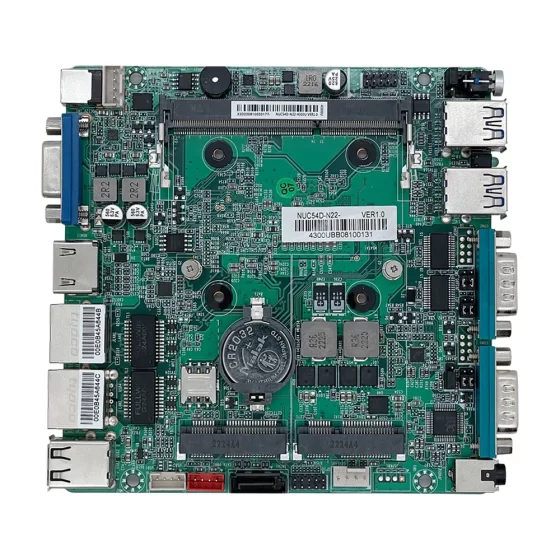
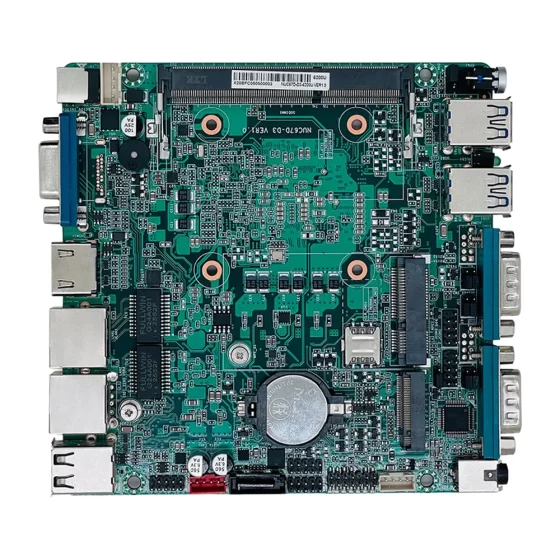
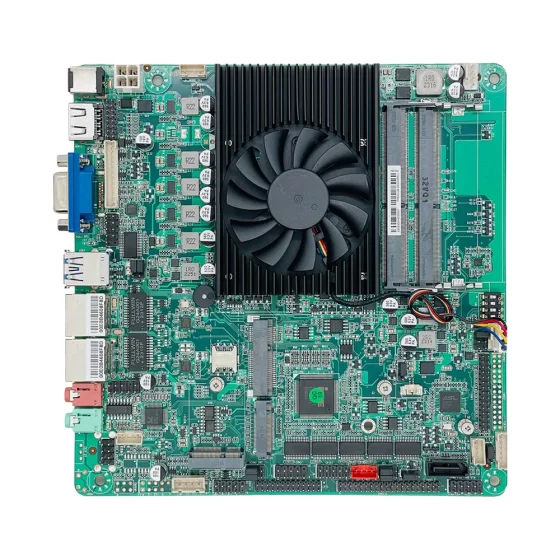
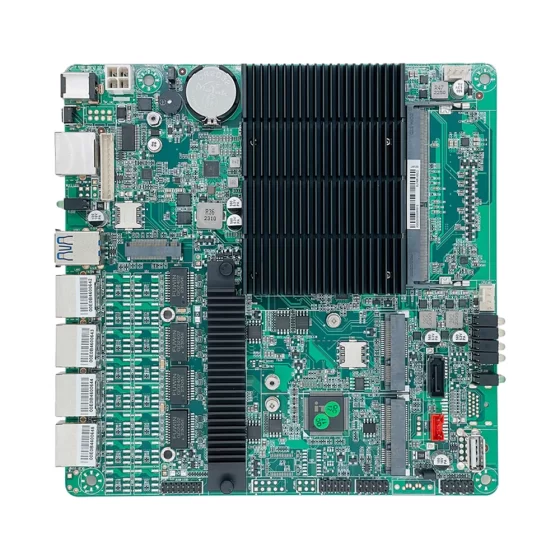
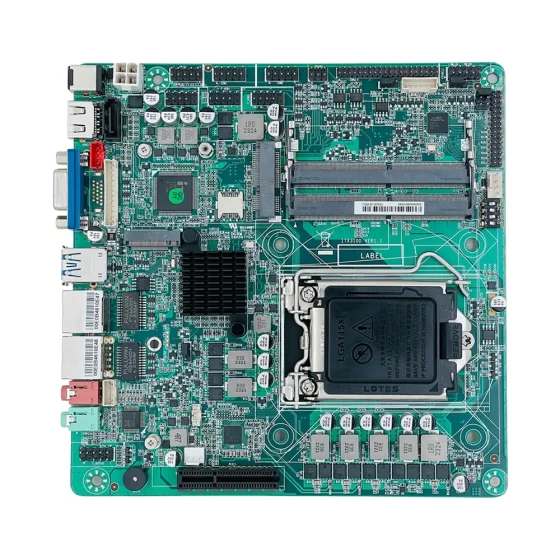
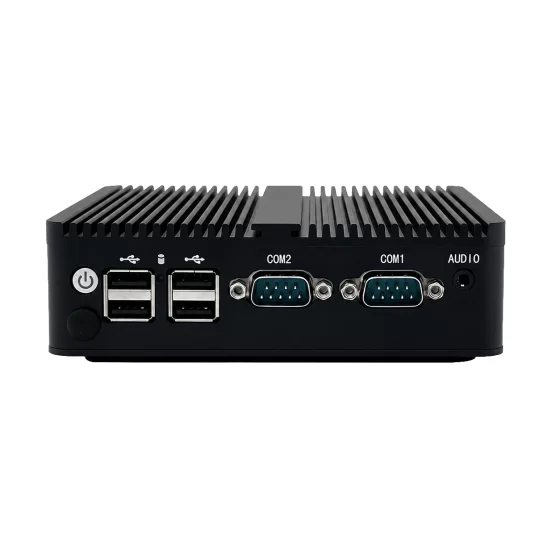
CoreIPC Industrial Computing-Lösungen

Industrielles Datenerfassungssystem: Industrielle Datenerfassungsplattform für die Überwachung vernetzter Geräte
Zusammenfassung
An industrial data acquisition system provides the computing foundation for collecting, Verarbeitung, storing, and transmitting machine data from sensors, SPS, Meter, Controller, Produktionsausrüstung, Versorgungssysteme, und Industriegeräte.
Modern factories and industrial facilities generate large amounts of operational data. Motoren, Pumps, Kompressoren, Förderer, Roboter, CNC-Maschinen, Verpackungsmaschinen, Energiezähler, Umweltsensoren, Inspektionssysteme, and production lines all produce signals that can help operators understand machine status, Prozessleistung, Qualitätsbedingungen, Energieverbrauch, and equipment health.
Industrial data acquisition requires reliable hardware close to the equipment.
An industrial computer or embedded computer can collect analog signals, digital signals, serial data, Ethernet data, SPS-Werte, sensor readings, machine alarms, Produktionsaufzeichnungen, und Gerätestatus. It can process this information locally, Aufzeichnungen speichern, Pufferdaten bei Netzwerkunterbrechungen, und strukturierte Daten an SCADA senden, MES, industrielle IoT-Plattformen, Cloud-Dashboards, lokale Datenbanken, oder Wartungssysteme.
Im Vergleich zu Standard-Büro-PCs oder Consumer-Gateways, industrial computers are better suited for industrial data acquisition because they support rugged deployment, mehrere LAN-Ports, serielle Kommunikation, GPIO, Erweiterungsmöglichkeiten, zuverlässige Lagerung, lüfterlose Betriebsmöglichkeiten, stabile strom eingang, und lange Verfügbarkeit über den gesamten Lebenszyklus.
This article explains how industrial data acquisition systems work, welche Herausforderungen in realen industriellen Umgebungen auftreten, wie die Lösungsarchitektur aufgebaut ist, and which hardware features matter when selecting an industrial computer or embedded computer for data acquisition applications.

Industrial data acquisition systems collect sensor readings, SPS-Werte, meter data, Alarm, Produktion zählt, and drive information.
Branchenüberblick
Industrial Data Is Becoming a Core Production Asset
Manufacturing and industrial operations increasingly depend on accurate data.
Production teams need to know what machines are doing. Maintenance teams need equipment health information. Quality teams need inspection and traceability records. Energy managers need power and utility data. Management teams need production performance indicators.
Industrial data acquisition helps collect this information from the field.
Zu den gängigen Datenquellen gehören::
- Sensoren
- SPS
- Motorantriebe
- Energiezähler
- Durchflussmesser
- Pressure transmitters
- Temperatursensoren
- Vibrationssensoren
- Barcode-Lesegeräte
- Industriekameras
- Produktionsmaschinen
- Testausrüstung
- Environmental monitoring devices
A reliable data acquisition platform turns these signals into usable information.
Edge Computing Improves Data Collection
Sending all raw data directly to a remote server or cloud platform is not always practical.
Some signals are high-frequency. Some machines generate data continuously. Some factory networks have limited bandwidth. Some sites experience unstable connectivity.
Edge computing allows industrial data acquisition to happen close to the equipment.
The industrial computer can filter data, Werte normalisieren, calculate local features, Aufzeichnungen speichern, and forward selected information.
Dies reduziert die Netzwerklast und verbessert die Reaktionszeit.
Industrial Computers Provide the Hardware Foundation
Industrial data acquisition systems are often installed inside control cabinets, Maschinengehäuse, Produktionslinien, Hauswirtschaftsräume, Lagersysteme, Energieanlagen, oder entfernte Infrastrukturstandorte.
In diesen Umgebungen kann es zu Vibrationen kommen, Hitze, Staub, elektrisches Rauschen, begrenzter Luftstrom, und Dauerbetrieb.
Industrial computers and embedded computers provide the rugged hardware platform needed for these conditions.
They support flexible connectivity, lokaler Speicher, lüfterlose Designoptionen, sichere Montage, und Langzeitverfügbarkeit.

Mixed sensors, ältere serielle Geräte, SPS-Schränke, Meter, vibration cables, elektrisches Rauschen, and rugged hardware affect DAQ deployment.
Wichtigste Herausforderungen
Connecting Different Data Sources
Industrial sites rarely use one device type.
A single data acquisition system may need to collect data from modern Ethernet devices, ältere Seriengeräte, Sensoren, SPS, Meter, Laufwerke, und lokale Datenbanken.
This creates integration complexity.
Common communication and signal types may include:
- Ethernet
- RS232
- RS485
- Modbus
- Digitaler Eingang
- Digitaler Ausgang
- GPIO
- Analog input through DAQ modules
- USB-Geräte
- SPS-Kommunikation
- Industrielle Ethernet-Geräte
- Meter data
- Sensor gateways
The hardware platform must support the actual device mix used in the project.
Maintaining Data Accuracy and Continuity
Data acquisition is only useful when records are reliable.
Missing data, unstable communication, incorrect timestamps, or inconsistent device readings can reduce trust in the system.
A data acquisition computer should support stable operation, lokaler Speicher, Pufferung, time synchronization, and controlled data transmission.
Wichtige Aufzeichnungen können Folgendes umfassen::
- Sensorwerte
- Maschinenstatus
- Alarmereignisse
- Die Produktion zählt
- Energieverbrauch
- Runtime data
- Qualitätsergebnisse
- Chargenprotokolle
- Daten zum Gerätezustand
- Wartungsereignisse
Reliable data continuity supports better analytics and decision-making.
Handling High-Frequency Data
Some industrial applications require fast data collection.
Vibration monitoring, machine testing, process measurement, power monitoring, and motion-related data may produce high-frequency signals.
The platform may need enough computing performance, Erinnerung, Speichergeschwindigkeit, and expansion capability to handle the workload.
Die Auswahl der Hardware sollte berücksichtigt werden:
- Sensoranzahl
- Abtastrate
- Data format
- Local processing needs
- Speicher-Schreibgeschwindigkeit
- Netzwerkbandbreite
- Aufbewahrungsfrist
- Upload-Häufigkeit
- Anforderungen an die Softwarelaufzeit
The system should be validated with real data loads before deployment.
Integrating Legacy Equipment
Many factories still use older machines and controllers.
These systems may only provide serial communication, relay signals, digital outputs, or basic meter data.
Replacing the equipment may not be practical.
An industrial data acquisition system can help connect legacy machines to modern dashboards, SCADA-Systeme, MES-Plattformen, und industrielle IoT-Anwendungen.
Serielle Schnittstellen, GPIO, digitale I/O, and expansion modules are important for these projects.
Supporting Local Processing
Raw data often needs processing before it becomes useful.
The industrial computer may need to perform:
- Datenfilterung
- Einheitenumrechnung
- Zeitstempelausrichtung
- Extraktion von Signalmerkmalen
- Schwellenwertüberwachung
- Alarmklassifizierung
- Data compression
- Lokale Analysen
- Bewertung des Gerätezustands
- Protokollkonvertierung
Local processing improves efficiency and reduces the amount of unnecessary data sent to central systems.
Operating Reliably in Industrial Conditions
Data acquisition platforms often run continuously.
They may be placed near machines, Motoren, Laufwerke, Energiesysteme, Förderer, Pumps, und Versorgungsgeräte.
These environments can include dust, Vibration, Temperaturschwankungen, elektrisches Rauschen, and power instability.
Industrial-grade hardware helps reduce downtime risk through rugged construction, lüfterlose Betriebsmöglichkeiten, zuverlässige Lagerung, stabile strom eingang, sichere Montage, und langen Lebenszyklus-Support.

Industrial data acquisition computers connect sensors, SPS, Laufwerke, Meter, SCADA, MES, Datenbanken, Cloud-Systeme, und Ferndiagnose.
Industrial Data Acquisition Solution Architecture
Field Device and Sensor Layer
The field device layer includes the machines and sensors that generate data.
Diese Schicht kann umfassen:
- Temperatursensoren
- Drucksensoren
- Durchflussmesser
- Vibrationssensoren
- Stromsensoren
- Digital switches
- Relais
- SPS
- Motorantriebe
- Energiezähler
- Barcode-Lesegeräte
- Industriekameras
- Produktionsmaschinen
- Versorgungsausrüstung
These devices provide the raw information needed for monitoring and analysis.
Edge Data Acquisition Layer
The edge data acquisition layer is where the industrial computer or embedded computer operates.
Auf dieser Ebene, Die Plattform kann:
- Collect sensor values
- SPS-Daten lesen
- Communicate with meters
- Erhalten Sie Maschinenalarme
- Capture production records
- Store local data
- Buffer records during network issues
- Normalize data formats
- Verarbeiten Sie lokale Ereignisse
- Leiten Sie strukturierte Informationen weiter
This layer provides the local computing foundation for industrial data acquisition.
Lokale Verarbeitungsschicht
The local processing layer converts raw data into structured information.
Die Plattform kann verarbeiten:
- Sensortrends
- Alarm states
- Maschinenstatus
- Laufzeitaufzeichnungen
- Energy values
- Die Produktion zählt
- Chargeninformationen
- Qualitätsaufzeichnungen
- Equipment health indicators
- Process deviations
Local processing reduces unnecessary data transfer and improves response time.
Systemintegrationsschicht
Industrial data acquisition systems often connect to higher-level platforms.
Dazu können gehören:
- SCADA
- MES
- ERP
- CMMS
- Industrielle IoT-Plattformen
- Cloud-Dashboards
- Lokalhistorische Datenbanken
- Qualitätssysteme
- Energiemanagementplattformen
- Wartungssysteme
This integration allows machine data to support production visibility, Wartungsplanung, Qualitätsrückverfolgbarkeit, and business reporting.
Sicherheits- und Verwaltungsschicht
The security and management layer supports controlled access and long-term serviceability.
Es kann Folgendes umfassen::
- Netzwerksegmentierung
- Sicherer Fernzugriff
- Benutzerberechtigungen
- Lokale Protokollierung
- Konfigurationssicherung
- Speicherüberwachung
- Überwachung des Systemzustands
- Ferndiagnose
- Software-Update-Management
- Datenzugriffskontrolle
This helps protect industrial data and maintain system stability.
Hauptmerkmale
Flexible Industrial Connectivity
An industrial data acquisition computer must support practical field connectivity.
Nützliche Schnittstellen können sein:
- LAN
- USB
- RS232
- RS485
- GPIO
- Digitaler Eingang
- Digitaler Ausgang
- HDMI
- DisplayPort
- M.2
- PCIe
- SATA- oder NVMe-Speicher
These interfaces allow the platform to connect sensors, Meter, SPS, Controller, Service-Tools, zeigt an, und Fabriknetzwerke.
Flexible connectivity reduces the need for external adapters and simplifies cabinet design.
Unterstützung für serielle Kommunikation
Serial communication remains important in industrial environments.
Many meters, Controller, Sensoren, and legacy devices still use RS232 or RS485.
An embedded computer with serial ports can collect data from these devices and forward it to modern systems.
This is useful for retrofit projects and industrial IoT upgrades.
Multi-LAN-Netzwerkdesign
Multiple LAN ports help separate data acquisition traffic from other networks.
A system may use separate ports for:
- SPS-Kommunikation
- Sensornetzwerk
- Maschinennetzwerk
- Fabrik-IT-Netzwerk
- SCADA-Verbindung
- MES-Anbindung
- Fernwartung
- Industrielle IoT-Plattform
Network separation improves communication stability and helps reduce unnecessary exposure between systems.
Lokale Speicherung und Datenpufferung
Local storage is critical for industrial data acquisition.
Die Plattform kann speichern:
- Sensoraufzeichnungen
- Maschinenprotokolle
- Alarmverlauf
- Produktionsaufzeichnungen
- Energiedaten
- Quality data
- Puffer hochladen
- Konfigurationsdateien
- Diagnostic records
- Local database files
SSD- oder NVMe-Speicher werden häufig bevorzugt, da sie einen schnellen Zugriff und eine bessere Stoßfestigkeit als mechanische Laufwerke bieten.
Storage planning should consider retention time, schreibe Ausdauer, Backup-Workflow, and recovery process.
Kantenverarbeitungsleistung
The computer should provide enough performance for the actual data workload.
Simple monitoring may only require moderate processing.
High-frequency data acquisition, large sensor networks, lokale Datenbanken, Analytik, image data, or edge AI applications may require stronger CPU, mehr Speicher, faster storage, or acceleration options.
The final configuration should be matched to the real application.
Robustes und lüfterloses Design
Industrial data acquisition systems often run near equipment.
Lüfterlose Industriecomputer reduzieren die Staubaufnahme und beseitigen eine häufige mechanische Fehlerquelle.
Robuste Gehäuse schützen vor Vibrationen, Kabelspannung, Auswirkungen auf die Schrankinstallation, und Dauerbetrieb.
Das thermische Design sollte sorgfältig geprüft werden, insbesondere wenn das System eine kontinuierliche Datenerfassung übernimmt, lokale Verarbeitung, Speicher schreibt, und Netzwerkkommunikation.
Time Synchronization and Data Integrity
Accurate timestamps are important for industrial data analysis.
When data comes from multiple devices, time alignment helps operators understand event sequences and process relationships.
The system should support stable time configuration, consistent logging, and reliable data handling.
This improves traceability and troubleshooting.
Remote Diagnostics and Maintenance
Data acquisition systems are often deployed across multiple machines or sites.
Remote diagnostics can help engineering and maintenance teams review logs, check communication, Konfigurationen aktualisieren, and troubleshoot issues.
Secure remote access should include authentication, Berechtigungen, session control, Netzwerksegmentierung, und Protokollierung.
This improves service efficiency while protecting industrial systems.
Lange Verfügbarkeit über den gesamten Lebenszyklus
Industrial data acquisition systems may remain in service for many years.
Konsistente Hardware hilft bei der Pflege von Software-Images, communication drivers, field wiring design, Ersatzteile, und Validierungsverfahren.
Für Hersteller ist eine lange Verfügbarkeit über den gesamten Lebenszyklus wichtig, Systemintegratoren, and OEM data acquisition solution providers.
Bereitstellungsszenarien
Production Line Data Collection
Eine Produktionslinie kann SPS umfassen, Sensoren, Förderer, Barcode-Lesegeräte, Inspektionssysteme, and multiple machines.
An industrial data acquisition computer can collect machine status, Produktion zählt, Alarm, Qualitätsergebnisse, und Zyklusaufzeichnungen.
This supports production visibility and traceability.
Equipment Monitoring
Machines such as motors, Pumps, Kompressoren, Förderer, CNC-Maschinen, and robots generate useful operating data.
An embedded computer can collect sensor readings, runtime data, Alarm, und Gerätestatus.
This supports maintenance planning and equipment health monitoring.
Energy and Utility Data Acquisition
Energy systems may include power meters, Wechselrichter, Batteriesysteme, HVAC-Ausrüstung, Pumps, and utility devices.
An industrial computer can collect current, Stromspannung, Leistung, Temperatur, fließen, and operating status data.
This supports energy management and facility monitoring.
Process Data Acquisition
Process industries may require monitoring of temperature, Druck, fließen, level, Vibration, and other variables.
A data acquisition platform can collect these readings and forward them to SCADA, local historians, oder industrielle IoT-Dashboards.
This supports process visibility and operational control.
Legacy Machine Connectivity
Older machines may not support modern industrial networking.
An embedded computer with serial communication, GPIO, or digital I/O can collect available machine signals and convert them into structured data.
This supports smart factory upgrades without replacing all equipment.
Test and Measurement Systems
Industrial test equipment may generate measurement data from instruments, Sensoren, Vorrichtungen, und Controller.
A data acquisition computer can collect test values, Aufzeichnungen speichern, manage files, and connect results with quality systems.
This supports automated inspection and validation.
Remote Site Monitoring
Remote infrastructure sites may include pumps, Meter, generators, Umweltsensoren, Versorgungsausrüstung, or field machines.
Ein eingebetteter Computer kann Daten lokal sammeln, Pufferdatensätze, and transmit selected information to central platforms.
This supports distributed monitoring.
OEM Data Acquisition Appliance
System integrators and machine builders can create custom data acquisition appliances using industrial computers or embedded boards.
Die Plattform kann Sensorkonnektivität unterstützen, Protokollkonvertierung, lokaler Speicher, Edge-Analyse, Fernzugriff, and customer-specific interfaces.
Geschäftsvorteile
Verbesserte operative Transparenz
Industrial data acquisition gives operators better access to machine and process information.
Data from sensors, SPS, Meter, and production equipment can be displayed on dashboards or integrated into factory systems.
Better visibility supports faster decisions and more efficient operation.
Bessere Rückverfolgbarkeit
Data acquisition systems can collect production records, Prozesswerte, Gerätestatus, Alarm, operator events, Qualitätsergebnisse, und Chargeninformationen.
These records help support quality analysis, Berichterstattung, and compliance workflows.
Traceability is especially important in manufacturing, Verpackung, Elektronik, Energie, and process applications.
Schnellere Fehlerbehebung
When machine data is collected and stored properly, engineers can review event sequences, Alarm, Sensortrends, and communication records.
This helps identify problems faster.
Local logs and remote diagnostics also reduce the time needed for on-site service.
Reduced Data Loss
Local storage and buffering help preserve data during network interruptions.
The system can continue collecting records and upload them when communication recovers.
This improves data continuity and long-term analysis.
Easier Smart Factory Integration
An industrial data acquisition system helps connect field devices with MES, SCADA, industrielle IoT-Plattformen, Energiesysteme, und Cloud-Dashboards.
This reduces data silos and supports digital transformation.
A reliable embedded computer makes integration more practical at the machine level.
Skalierbare Bereitstellung
A standardized industrial data acquisition platform can be deployed across many machines, Linien, Fabriken, oder entfernte Standorte.
Konsistente Hardware vereinfacht Software-Images, Verkabelungsdesign, Fahrervalidierung, Ersatzteilplanung, und Lebenszyklusmanagement.
This supports scalable industrial data programs.
Warum CoreIPC
CoreIPC provides industrial computing platforms for industrial data acquisition, Industrielles IoT, Industrielle Automatisierung, maschinelles Sehen, Kanten-KI, Energiemanagement, und eingebettete Systemintegration. For industrial data acquisition applications, CoreIPC konzentriert sich auf zuverlässige industrielle Computerhardware, Embedded-Computer-Lösungen, flexible I/O, Multi-LAN-Konfigurationen, serial communication support, kompaktes Systemdesign, lüfterlose Bereitstellungsoptionen, lokale Speicherfähigkeit, und OEM/ODM-Anpassungsunterstützung. CoreIPC hilft Systemintegratoren, Maschinenbauer, und Hersteller wählen Computerplattformen aus, die den tatsächlichen Bereitstellungsanforderungen entsprechen, einschließlich Geräteschnittstellen, Datenarbeitslast, Speicherdesign, Montagemethoden, Leistungsaufnahme, thermische Bedingungen, und Lebenszyklusplanung.
Häufig gestellte Fragen
1. What is an industrial data acquisition system?
An industrial data acquisition system collects machine, Sensor, meter, SPS, and equipment data from industrial environments.
It may collect temperature, Druck, fließen, Vibration, aktuell, Alarm, Produktion zählt, runtime records, und Gerätestatus. The system can process, speichern, and forward this data to SCADA, MES, industrielle IoT-Plattformen, oder lokale Datenbanken.
2. Why use an industrial computer for data acquisition?
An industrial computer provides rugged hardware and flexible connectivity for field deployment.
Es kann mehrere LAN-Ports unterstützen, serielle Kommunikation, USB, GPIO, zuverlässige Lagerung, lüfterloser Betrieb, Industriemontage, stabile strom eingang, und lange Verfügbarkeit über den gesamten Lebenszyklus.
These features make it suitable for continuous data acquisition near machines.
3. How is an embedded computer used in data acquisition?
Ein Embedded-Computer kann in einen Schaltschrank eingebaut werden, Maschinengehäuse, Hauswirtschaftsraum, oder Fernüberwachungsstation.
Es kann Sensordaten sammeln, SPS-Werte lesen, communicate with meters, Aufzeichnungen speichern, Pufferdaten, lokale Ereignisse verarbeiten, and send structured information to factory systems.
4. What devices can connect to an industrial data acquisition platform?
The platform may connect sensors, SPS, motor drives, Energiezähler, flow meters, pressure transmitters, Temperatursensoren, Vibrationssensoren, Barcode-Lesegeräte, Industriekameras, Produktionsmaschinen, Prüfgeräte, and environmental monitoring devices.
Die genaue Unterstützung hängt von den Schnittstellen ab, Protokolle, and software.
5. Why are RS232 and RS485 useful for data acquisition?
RS232 and RS485 are still widely used by industrial meters, Sensoren, Controller, and legacy equipment.
An embedded computer with serial ports can collect data from these devices and connect them to modern monitoring systems.
This is useful for retrofit and industrial IoT upgrade projects.
6. Why is local storage important?
Lokaler Speicher trägt dazu bei, Daten bei Netzwerkunterbrechungen zu bewahren.
The computer can continue collecting records, Alarm, sensor readings, und Diagnosedaten lokal. Wenn sich die Kommunikation erholt, Gepufferte Datensätze können in zentrale Systeme hochgeladen werden.
Reliable SSD or NVMe storage improves data continuity.
7. Can industrial data acquisition systems support edge analytics?
Ja. An industrial data acquisition computer can process data locally.
It may perform filtering, unit conversion, threshold monitoring, Trendanalyse, feature extraction, alarm classification, and anomaly detection.
Advanced applications may require higher-performance computing or AI acceleration.
8. Warum sind mehrere LAN-Ports sinnvoll??
Multiple LAN ports help separate PLC networks, Sensornetzwerke, Maschinennetzwerke, Fabrik-IT, SCADA, MES, Industrielles IoT, and remote maintenance traffic.
This improves communication stability, Verkehrsorganisation, and security.
9. What hardware features matter for data acquisition?
Zu den wichtigen Merkmalen gehört die zuverlässige CPU-Leistung, ausreichend Speicher, mehrere LAN-Ports, USB, RS232, RS485, GPIO, digitale I/O, SSD- oder NVMe-Speicher, robustes Gehäuse, lüfterloses Design, industrieller Stromeingang, M.2, PCIe, und Erweiterungsmöglichkeiten.
Die endgültige Konfiguration sollte mit der Geräteanzahl übereinstimmen, Datenrate, und Installationsumgebung.
10. Was sollte vor der Bereitstellung getestet werden??
Vor der Bereitstellung, Die Plattform soll mit realen Sensoren getestet werden, SPS, Meter, data acquisition modules, Netzwerktopologie, Datenraten, Speicherverhalten, Wiederherstellung der Kommunikation, und langlebigen Betrieb.
Thermische Stabilität, Vibrationsbedingungen, Remote-Zugriffs-Workflow, Sicherungsverfahren, und Integration mit SCADA, MES, oder Cloud-Systeme sollten ebenfalls validiert werden.
Abschluss
An industrial data acquisition system is a practical foundation for connected equipment monitoring, Erfassung von Sensordaten, SPS-Kommunikation, Maschinendatenerfassung, lokale Verarbeitung, Ferndiagnose, und Smart-Factory-Integration.
By placing an industrial computer or embedded computer near machines and field devices, manufacturers and system integrators can collect data from sensors, Meter, SPS, Laufwerke, Produktionsausrüstung, Versorgungssysteme, Testinstrumente, and legacy machines through reliable communication paths.
The right industrial data acquisition platform should be selected according to real deployment requirements, einschließlich Geräteanzahl, Datenrate, serielle Kommunikation, LAN-Port-Design, GPIO or digital I/O needs, lokaler Speicher, edge processing workload, Montagemethode, Leistungsaufnahme, Vibrationsumgebung, thermische Bedingungen, Betriebssystemunterstützung, und Lebenszyklusplanung.
CoreIPC supports industrial data acquisition projects with industrial computing platforms designed for practical machine-side, Kabinett, Dienstprogramm, Fabrik, remote site, und OEM-Bereitstellung. Mit der richtigen Hardware-Grundlage, industrial operators can build reliable, skalierbar, and data-driven monitoring systems.
Kontaktieren Sie uns
Auf der Suche nach einem Industriecomputer, eingebetteter Computer, or compact IPC platform for industrial data acquisition?
Kontaktieren Sie CoreIPC, um Ihre Projektanforderungen zu besprechen, inklusive Sensorschnittstellen, SPS-Kommunikation, serielle Schnittstellen, LAN-Port-Konfiguration, Datenarbeitslast, Speicherdesign, Montagemethode, Leistungsaufnahme, Betriebsumgebung, Lebenszyklusanforderungen, und OEM/ODM-Anpassungsoptionen.