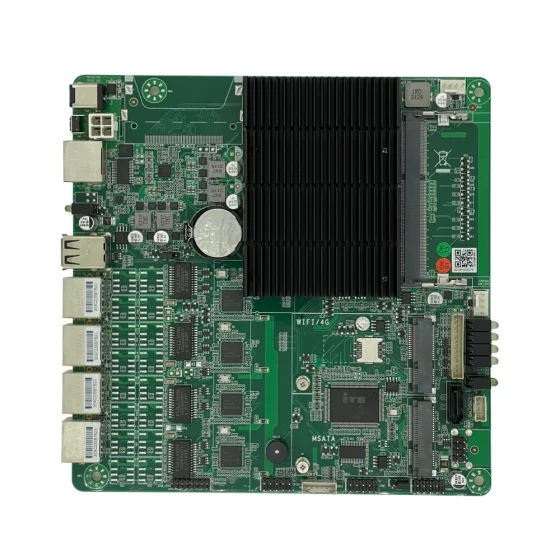
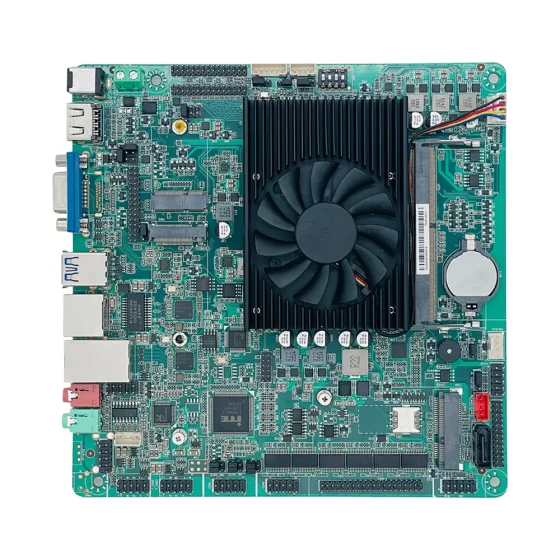
CoreIPC Industrial Computing-Lösungen

Industrielle Computerlösung für Verpackungsmaschinen: Verpackungsmaschinencomputer für intelligente Verpackungsautomatisierung
Zusammenfassung
Ein Verpackungsmaschinencomputer bildet die industrielle Computergrundlage für die Steuerung der Verpackungslinie, Maschinendatenerfassung, HMI-Bedienung, Barcode-Überprüfung, Bildverarbeitungsinspektion, Servokoordination, Rezeptverwaltung, und intelligente Fabrikkonnektivität.
Moderne Verpackungsmaschinen sind keine einfachen mechanischen Systeme mehr. Sie integrieren häufig SPS, Servoantriebe, Sensoren, Förderer, Etikettierer, Kontrollwaagen, Barcode-Lesegeräte, Industriekameras, HMIs, Sicherheitsvorrichtungen, und Fabriksoftwareplattformen. Diese Systeme müssen zuverlässig zusammenarbeiten, um eine stabile Produktionsgeschwindigkeit zu unterstützen, genaue Verpackung, Qualitätsprüfung, und rückverfolgbare Herstellungsaufzeichnungen.
Zur Unterstützung der lokalen Datenverarbeitung kann ein Industriecomputer oder ein eingebetteter Computer in einem Verpackungsmaschinenschrank oder einer linienseitigen Kontrollstation installiert werden, Gerätekommunikation, HMI-Visualisierung, Bildverarbeitung, Alarmprotokollierung, Ferndiagnose, und Integration mit MES, SCADA, ERP, oder industrielle IoT-Plattformen.
Im Vergleich zu Standard-Büro-PCs, Industriecomputer eignen sich besser für den Einsatz in Verpackungsmaschinen, da sie ein robustes Design unterstützen, mehrere LAN-Ports, serielle Kommunikation, GPIO, zuverlässige Lagerung, lüfterlose Betriebsmöglichkeiten, Industriemontage, stabile strom eingang, und lange Verfügbarkeit über den gesamten Lebenszyklus.
In diesem Artikel wird erläutert, wie Computerplattformen für Verpackungsmaschinen die intelligente Verpackungsautomatisierung unterstützen, welche Herausforderungen bei der Bereitstellung in realen Verpackungsumgebungen auftreten, wie die Lösungsarchitektur funktioniert, und welche Hardwaremerkmale bei der Auswahl eines Industriecomputers oder Embedded-Computers für Verpackungsmaschinenanwendungen wichtig sind.

Computerdatenerfassung für Verpackungsmaschinen
Branchenüberblick
Verpackungsmaschinen werden intelligenter
Verpackungsmaschinen werden in der Lebensmittel- und Getränkeindustrie eingesetzt, Arzneimittel, Kosmetika, Elektronik, Logistik, Konsumgüter, medizinische Produkte, Industriekomponenten, und Einzelhandelsproduktion.
Sie übernehmen möglicherweise das Befüllen, Versiegelung, Beschriftung, Verpackung, Codierung, Wiegen, zählen, Sortierung, Kartonbildung, Kartonverpackung, Palettieren, und Endkontrolle.
Da die Produktion schneller und flexibler wird, Verpackungsmaschinen erfordern mehr Rechen- und Datenkapazitäten.
Moderne Verpackungssysteme müssen möglicherweise unterstützt werden:
- Koordination der Servobewegung
- Etikettenüberprüfung
- Lesen von Barcodes und QR-Codes
- Produktzählung
- Integration von Kontrollwaagen
- Sichtprüfung
- HMI-Bedienung
- Rezeptverwaltung
- Batch-Datenprotokollierung
- Alarmverlauf
- Fernwartung
- MES- und SCADA-Konnektivität
Ein Verpackungsmaschinencomputer hilft dabei, diese Funktionen in einer zuverlässigen Industrieplattform zusammenzuführen.
Verpackungslinien erfordern Geschwindigkeit und Genauigkeit
Verpackungsanwendungen laufen oft mit hoher Geschwindigkeit.
Eine Verzögerung beim Lesen des Etiketts, Gewichtsüberprüfung, Kamerainspektion, Förderbandsynchronisation, oder Ausschusskontrolle kann zu Qualitätsproblemen oder Produktionsausfällen führen.
Die Computerplattform muss eine stabile lokale Verarbeitung und eine schnelle Kommunikation mit Maschinengeräten unterstützen.
Dies ist besonders wichtig für Verpackungssysteme, die Bewegungssteuerung kombinieren, Sichtprüfung, Barcode-Verfolgung, und Produktionsdatenerfassung.
Industrial Computing unterstützt Maschinenbauer
Hersteller von Verpackungsmaschinen benötigen zuverlässige und wiederholbare Rechenplattformen.
Eine Maschine kann an viele Kunden in verschiedenen Ländern und Branchen verkauft werden. Die Hardwareplattform muss eine langfristige Verfügbarkeit unterstützen, stabile Software-Images, konsistente Schnittstellen, und praktische Wartung.
Industriecomputer und eingebettete Computer helfen OEMs beim Bau von Verpackungsmaschinen, die einfacher bereitzustellen sind, Unterstützung, und Maßstab.
Sie unterstützen auch die Anpassung, wenn eine Maschine spezielle E/A benötigt, mehrere LAN-Ports, zusätzliche serielle Ports, lokaler Speicher, drahtlose Erweiterung, oder spezifische Gehäuseintegration.

Herausforderungen bei der Bereitstellung von Computern für Verpackungsmaschinen
Wichtigste Herausforderungen
Anschließen mehrerer Verpackungsgeräte
Eine Verpackungsmaschine kann viele verschiedene Geräte umfassen.
Dazu können gehören:
- SPS-Steuerungen
- Servoantriebe
- Schrittantriebe
- Sensoren
- Encoder
- Barcode-Lesegeräte
- Etikettendrucker
- Kontrollwaagen
- Industriekameras
- Beleuchtungssteuerungen
- HMI-Panels
- Sicherheitsvorrichtungen
- Ablehnungsmechanismen
- Förderbandsteuerungen
- Industrielle Schalter
Der Computer der Verpackungsmaschine muss diese Geräte zuverlässig verbinden.
Verschiedene Maschinen können Ethernet verwenden, USB, RS232, RS485, GPIO, digitale I/O, oder Feldbuskommunikation.
Flexible E/A sind wichtig, da Verpackungsmaschinen je nach Produkttyp unterschiedlich sind, Liniengeschwindigkeit, Inspektionsmethode, und Kundenanforderungen.
Unterstützung von HMI und Rezeptverwaltung
Verpackungsmaschinen erfordern häufig die Interaktion des Bedieners.
Bediener müssen möglicherweise Produktrezepte auswählen, Maschinenparameter anpassen, Überprüfen Sie die Alarme, Überwachen Sie die Liniengeschwindigkeit, Überprüfen Sie die Inspektionsergebnisse, und bestätigen Sie die Chargeninformationen.
Auf dem Industriecomputer kann eine HMI-Software ausgeführt oder eine Verbindung zu einem separaten Bedienfeld hergestellt werden.
Die Rezepturverwaltung ist besonders wichtig für Maschinen, die mehrere Produktgrößen verarbeiten, Etikettentypen, Paketformate, oder Batch-Konfigurationen.
Der Computer sollte eine stabile Anzeigeausgabe unterstützen, zuverlässiger lokaler Speicher, und reaktionsschnelle HMI-Bedienung.
Integration von maschinellem Sehen und Barcode-Verifizierung
Die Verpackungsqualität hängt oft von der visuellen Überprüfung ab.
Maschinelles Sehen kann bei der Inspektion von Etiketten helfen, Verpackungsposition, Dichtungsqualität, Füllstand, gedruckte Codes, Paketausrichtung, und Produktpräsenz.
Barcode- und QR-Code-Lesegeräte können die Rückverfolgbarkeit und Chargenbestätigung unterstützen.
Der Computer der Verpackungsmaschine muss möglicherweise Kameras anschließen, Barcode-Lesegeräte, Beleuchtungssteuerungen, Auslöser, und Ablehnungssysteme.
Für KI-basierte Inspektion, Möglicherweise ist eine leistungsfähigere Edge-KI-Fähigkeit erforderlich.
Koordination von Bewegungs- und Verpackungsfluss
Viele Verpackungsmaschinen sind auf synchronisierte Bewegungen angewiesen.
Servoantriebe, Förderer, Feeder, Schneidwerkzeuge, Dichtungswerkzeuge, Etikettenapplikatoren, und Ablehnungsmechanismen müssen genau zusammenarbeiten.
Der Computer unterstützt möglicherweise die Verarbeitung von Bewegungsdaten, Gerätekommunikation, lokale Überwachung, und Integration mit SPS- oder Bewegungssteuerungssystemen.
Für Hochgeschwindigkeitsverpackungen, Kommunikationsstabilität und Timingverhalten sind entscheidend.
Aufrechterhaltung der Kontinuität der Produktionsdaten
Verpackungsmaschinen generieren wertvolle Produktionsaufzeichnungen.
Dazu können gehören:
- Chargeninformationen
- Produkt zählt
- Beschriften Sie Datensätze
- Barcode-Datensätze
- Gewichtsergebnisse
- Inspektionsergebnisse
- Alarmprotokolle
- Bedieneraktionen
- Rezeptänderungen
- Maschinenlaufzeit
- Ablehnungsunterlagen
- Wartungsereignisse
Wenn die Netzwerkverbindung zum MES, SCADA, oder Cloud-Systeme wird unterbrochen, Die Verpackungsmaschine sollte keine wichtigen Aufzeichnungen verlieren.
Lokale Speicherung und Pufferung tragen zur Erhaltung der Produktionsdaten bei.
Einsatz in industriellen Verpackungsumgebungen
Verpackungsmaschinen können in staubiger Umgebung betrieben werden, feucht, vibrationsanfällig, oder temperaturvariable Umgebungen.
Sie dürfen in der Nähe von Motoren installiert werden, Heizungen, Förderer, Kompressoren, und andere Ausrüstung.
Die Computerplattform muss den kontinuierlichen Betrieb unterstützen.
Das industrietaugliche Design verbessert die Zuverlässigkeit durch robuste Gehäuse, lüfterlose Betriebsmöglichkeiten, SSD- oder NVMe-Speicher, sichere Montage, stabile strom eingang, und langen Lebenszyklus-Support.

Architektur der Computerlösung für Verpackungsmaschinen
Architektur der Computerlösung für Verpackungsmaschinen
Maschinengeräteebene
Die Maschinengeräteschicht umfasst die Verpackungsausrüstung und angeschlossene Geräte.
Diese Schicht kann umfassen:
- Abfüllmaschinen
- Dichtungssysteme
- Etikettiermaschinen
- Verpackungsmaschinen
- Kartonmaschinen
- Förderer
- Servoantriebe
- SPS
- Sensoren
- Encoder
- Barcode-Lesegeräte
- Kameras
- Kontrollwaagen
- Ablehnende
- Sicherheitsvorrichtungen
Diese Geräte erzeugen Maschinensignale, Qualitätsdaten, Bewegungsereignisse, und Produktionsaufzeichnungen.
Edge-Computing-Schicht
Auf der Edge-Computing-Schicht arbeitet der Industriecomputer oder eingebettete Computer.
Auf dieser Ebene, Die Plattform kann:
- Führen Sie die lokale Computersoftware aus
- Unterstützt den HMI-Betrieb
- Sammeln Sie Produktionsunterlagen
- Chargendaten speichern
- Ergebnisse der Prozessinspektion
- Kommunizieren Sie mit SPSen
- Schließen Sie Barcode-Lesegeräte an
- Pufferdaten
- Unterstützen Sie die Ferndiagnose
- Leiten Sie Daten an Fabriksysteme weiter
Diese Schicht stellt lokales Computing in der Nähe der Verpackungsmaschine bereit.
Kontroll- und Kommunikationsschicht
Die Steuerungs- und Kommunikationsschicht verbindet den Computer mit Automatisierungsgeräten.
Es kann Folgendes umfassen::
- Ethernet
- USB
- RS232
- RS485
- GPIO
- Digitale I/O
- Industrielles Ethernet
- SPS-Kommunikation
- Kameranetzwerke
- Industrielle Schalter
Die genaue Ausführung hängt von der Maschinenarchitektur und den Kundenanforderungen ab.
Ein kompakter Embedded-Computer mit flexiblen Schnittstellen kann die Installation vereinfachen und externe Konverter reduzieren.
Sicht- und Inspektionsebene
Die Vision- und Inspektionsebene unterstützt die Qualitätsüberprüfung.
Es kann Folgendes umfassen::
- Industriekameras
- 3D-Kameras
- Barcode-Lesegeräte
- QR-Code-Leser
- Beleuchtungssteuerungen
- Triggersensoren
- Kontrollwaagen
- Systeme zur Etikettenüberprüfung
- Druckinspektionssysteme
Der Computer der Verpackungsmaschine kann Inspektionsdaten lokal verarbeiten und Pass/Fail-Ergebnisse an SPS senden, Ablehnungen, MES, oder Qualitätsdatenbanken.
Factory-Integrationsschicht
Verpackungsmaschinen müssen häufig mit Fabriksystemen verbunden werden.
Dazu können gehören:
- MES
- SCADA
- ERP
- Qualitätsdatenbanken
- Industrielle IoT-Plattformen
- Lokale Dashboards
- Wartungssysteme
- Cloud-Überwachungsplattformen
- Rückverfolgbarkeitssysteme
Diese Integration trägt dazu bei, dass Verpackungsdaten Teil des umfassenderen intelligenten Fertigungssystems werden.
Sicherheits- und Verwaltungsschicht
Die Computer von Verpackungsmaschinen sollten wartbar und geschützt sein.
Die Sicherheits- und Verwaltungsschicht kann Folgendes umfassen::
- Benutzerberechtigungen
- Netzwerksegmentierung
- Sicherer Fernzugriff
- Lokale Protokollierung
- Konfigurationssicherung
- Speicherüberwachung
- Überwachung des Gerätezustands
- Ferndiagnose
- Software-Update-Management
Dies hilft Maschinenbauern und -betreibern, über einen längeren Zeitraum stabile Verpackungssysteme aufrechtzuerhalten.
Hauptmerkmale
Konnektivität für mehrere Geräte
Ein Verpackungsmaschinenrechner muss viele industrielle Schnittstellen unterstützen.
Nützliche Optionen können sein::
- LAN
- USB
- RS232
- RS485
- GPIO
- Digitaler Eingang
- Digitaler Ausgang
- HDMI
- DisplayPort
- M.2
- PCIe
- SATA- oder NVMe-Speicher
Diese Schnittstellen können SPS unterstützen, Barcode-Lesegeräte, Kameras, Kontrollwaagen, Sensoren, Etikettendrucker, HMIs, und Servicegeräte.
Die Unterstützung nativer Schnittstellen reduziert die Komplexität der Verkabelung und verbessert die Systemzuverlässigkeit.
HMI- und Display-Unterstützung
Betreiber von Verpackungsmaschinen benötigen klare Informationen vor Ort.
Der Computer unterstützt möglicherweise HMI-Bildschirme, Alarmtafeln, Rezeptseiten, Chargeninformationen, Produktionstheken, und Inspektionsstatus.
Anzeigeausgänge wie HDMI oder DisplayPort können lokale Bedienerbildschirme unterstützen.
Eine stabile HMI-Leistung trägt dazu bei, Bedienerfehler zu reduzieren und die Benutzerfreundlichkeit der Maschine zu verbessern.
Lokale Speicherung und Datenpufferung
Für Verpackungsmaschinen ist die lokale Lagerung wichtig.
Die Plattform kann speichern:
- Rezeptdateien
- Chargenprotokolle
- Barcode-Protokolle
- Inspektionsergebnisse
- Gewichtsaufzeichnungen
- Alarmverlauf
- Betreiberveranstaltungen
- Maschineneinstellungen
- Puffer hochladen
- Diagnosedateien
SSD- oder NVMe-Speicher werden häufig bevorzugt, da sie einen schnellen Zugriff und eine bessere Stoßfestigkeit als mechanische Laufwerke bieten.
Beim Speicherdesign sollte die Aufbewahrungszeit berücksichtigt werden, schreibe Ausdauer, Backup-Workflow, und Wiederherstellungsverfahren.
Fähigkeit zur maschinellen Bildverarbeitung
Die Verpackungsinspektion erfordert möglicherweise eine Kameraverarbeitung.
Der Computer kann Kameras anschließen, Beleuchtungssteuerungen, Barcode-Lesegeräte, und Auslöser.
Es unterstützt möglicherweise die Bilderfassung, Inspektionssoftware, Codelesen, Druckbestätigung, Etikettenprüfung, und Ablehnungskontrolle.
Die Auswahl der Hardware sollte berücksichtigt werden:
- Anzahl der Kameras
- Bildauflösung
- Bildrate
- Inspektionszykluszeit
- Speicheranforderungen
- Anforderungen an das KI-Modell
- Netzwerkbandbreite
- Anforderungen an die Beleuchtungssteuerung
Für komplexe KI-Inspektion, Möglicherweise ist Edge-KI-Rechenleistung erforderlich.
Multi-LAN-Netzwerkdesign
Mehrere LAN-Ports helfen dabei, verschiedene Kommunikationspfade zu trennen.
Ein Verpackungsmaschinencomputer kann dafür separate Netzwerke verwenden:
- SPS-Kommunikation
- Kameranetzwerk
- Barcode-Lesenetzwerk
- Fabrik-IT-Netzwerk
- MES- oder SCADA-Anbindung
- Fernwartung
- Lokales Management
- Industrielle IoT-Plattform
Die Netzwerktrennung verbessert die Zuverlässigkeit und trägt dazu bei, zu verhindern, dass Kameraverkehr mit hoher Bandbreite die Steuerungskommunikation beeinträchtigt.
Robustes und lüfterloses Design
Verpackungsumgebungen können Staub enthalten, Vibration, Feuchtigkeit, Hitze, und je nach Branche häufige Reinigungsanforderungen.
Lüfterlose Industriecomputer reduzieren die Staubaufnahme und beseitigen eine häufige mechanische Fehlerquelle.
Robuste Gehäuse schützen vor Vibrationen, Schrankstress, Kabelbelastung, und Dauerbetrieb.
Bei der endgültigen Installation sollte die Temperatur des Maschinenschranks berücksichtigt werden, Luftstrom, Montageort, und Umweltexposition.
Ferndiagnose und Wartungsfreundlichkeit
Verpackungsmaschinen werden häufig an vielen Kundenstandorten verkauft und installiert.
Ferndiagnosen können Maschinenbauern dabei helfen, die Servicekosten zu senken.
Der Computer unterstützt möglicherweise:
- Remote-Protokollüberprüfung
- HMI-Zugriff
- Konfigurationssicherung
- Alarmanalyse
- Software-Updates
- Leistungsüberwachung
- Fehlerbehebung bei Kameras oder Barcodes
- Netzwerkdiagnose
Für die Fernwartung sind eine sichere Zugangskontrolle und Protokollierung wichtig.
Lange Verfügbarkeit über den gesamten Lebenszyklus
OEMs von Verpackungsmaschinen benötigen eine stabile Hardwareversorgung.
Eine konsistente industrielle Computerplattform hilft bei der Pflege von Software-Images, HMI-Anwendungen, Kamera-SDKs, Fahrer, Ersatzteile, und Validierungsverfahren.
Die lange Verfügbarkeit über den gesamten Lebenszyklus trägt dazu bei, den Neukonstruktionsaufwand zu reduzieren und eine wiederholbare Maschinenproduktion zu unterstützen.

Intelligente Überwachungsvorgänge für Verpackungslinien
Bereitstellungsszenarien
Füll- und Verschließmaschinen
Füll- und Verschließmaschinen erfordern eine stabile Steuerung, Rezeptverwaltung, Sensorüberwachung, und Produktionsdatenprotokollierung.
Ein Verpackungsmaschinencomputer kann Chargendaten sammeln, unterstützen HMI-Funktionen, Sensoren anschließen, und Informationen an Fabriksysteme weiterleiten.
Dies unterstützt wiederholbare Produktions- und Qualitätsaufzeichnungen.
Etikettier- und Codiermaschinen
Etikettierungs- und Codierungssysteme erfordern ein genaues Timing, Barcode-Überprüfung, Druckkontrolle, und Produktverfolgung.
Ein eingebetteter Computer kann Etikettendrucker anschließen, Barcode-Lesegeräte, Kameras, Beleuchtungssteuerungen, und SPS.
Es kann Inspektionsaufzeichnungen speichern und die Rückverfolgbarkeit unterstützen.
Kontrollwaagen und Inspektionssysteme
Verpackungslinien verwenden häufig Kontrollwaagen und Inspektionsgeräte, um die Verpackungsqualität zu überprüfen.
Der Industriecomputer kann Gewichtsdaten erfassen, Ergebnisse der Prozessinspektion, Aufzeichnungen speichern, und Senden von Pass/Fail-Informationen an das Steuerungssystem.
Dies unterstützt eine automatisierte Qualitätskontrolle.
Kartonierung und Kartonverpackung
Kartonier- und Kartonverpackungsmaschinen können Förderbänder umfassen, Servoachsen, Sensoren, Barcode-Lesegeräte, und Ablehnungssysteme.
Eine Computerplattform kann Daten von diesen Geräten sammeln, unterstützen den HMI-Betrieb, und mit MES- oder SCADA-Systemen kommunizieren.
Dies verbessert die Produktionstransparenz.
Lebensmittel- und Getränkeverpackungen
Lebensmittel- und Getränkeverpackungen erfordern einen stabilen Betrieb, Qualitätsüberprüfung, Lesen des Datumscodes, Etiketteninspektion, und Chargenrückverfolgbarkeit.
Ein Industriecomputer kann die lokale Datenerfassung unterstützen, HMI-Software, Inspektionssysteme, und Fabrikintegration.
Die endgültige Hardware sollte entsprechend den Gehäuse- und Umgebungsanforderungen ausgewählt werden.
Pharmazeutische Verpackung
Pharmazeutische Verpackungen erfordern möglicherweise eine Barcode-Überprüfung, Serialisierungsunterstützung, Inspektionsprotokolle, Chargenrückverfolgbarkeit, und strikter Umgang mit Prozessdaten.
Ein Verpackungsmaschinencomputer kann strukturierte Daten sammeln und speichern und die Maschine mit Qualitäts- und Produktionssystemen verbinden.
Anwendungsspezifische Validierungs- und Compliance-Anforderungen sollten vom Maschinenbauer und Endbenutzer überprüft werden.
E-Commerce und Logistikverpackungen
Logistikverpackungssysteme können Barcode-Lesegeräte enthalten, Waagen, Bemaßungssysteme, Förderer, Etikettierer, und Sortiergeräte.
Ein eingebetteter Computer kann Paketdaten sammeln, Support-Line-Integration, und mit Lager- oder Logistikplattformen kommunizieren.
Dies unterstützt automatisierte Fulfillment-Vorgänge.
OEM-Verpackungsmaschinenplattform
Maschinenbauer können Industriecomputer oder eingebettete Platinen in kundenspezifische Verpackungsmaschinen integrieren.
Die Plattform kann Steuerungssoftware unterstützen, HMI, maschinelles Sehen, Barcode-Integration, Datenprotokollierung, Ferndiagnose, und kundenspezifische I/O.
Dies trägt dazu bei, wiederholbare und skalierbare Verpackungsmaschinenprodukte zu erstellen.
Geschäftsvorteile
Bessere Verpackungsqualität
Ein Verpackungsmaschinencomputer hilft bei der Integration der Inspektion, Barcode-Überprüfung, Gewichtskontrolle, und Maschinendatenerfassung.
Dies verbessert die Fähigkeit, Etikettierungsfehler zu erkennen, fehlende Produkte, falsche Codes, Gewichtsprobleme, und Verpackungsmängel.
Eine bessere Qualitätskontrolle reduziert Nacharbeiten und Kundenbeschwerden.
Verbesserte Rückverfolgbarkeit der Produktion
Verpackungsaufzeichnungen sind wichtig für die Chargenverfolgung und das Qualitätsmanagement.
Der Computer kann Barcode-Daten erfassen, Inspektionsergebnisse, Rezeptänderungen, Bedieneraktionen, Alarmaufzeichnungen, und Produktion zählt.
Dies unterstützt die Rückverfolgbarkeit und Berichterstattung über Produktionssysteme hinweg.
Schnellere Sichtbarkeit des Maschinenbetriebs
Bediener und Wartungsteams können den Maschinenstatus überprüfen, Alarm, Produktionsgeschwindigkeit, Ablehnung zählt, und Inspektionsergebnisse von lokalen HMI-Bildschirmen oder Remote-Dashboards.
Eine bessere Sichtbarkeit hilft Teams, schneller auf Maschinenprobleme zu reagieren.
Reduziertes Ausfallrisiko
Industriecomputer bieten robuste Hardware für den kontinuierlichen Betrieb von Verpackungsmaschinen.
Lüfterlose Designoptionen, zuverlässige Lagerung, sichere Montage, stabile strom eingang, und die lange Verfügbarkeit über den gesamten Lebenszyklus tragen dazu bei, das Risiko von Systemausfällen zu reduzieren.
Dies unterstützt die Produktionsverfügbarkeit.
Einfachere OEM-Maschinenintegration
Hersteller von Verpackungsmaschinen können eine standardisierte Industriecomputerplattform über mehrere Maschinenmodelle hinweg nutzen.
Dies vereinfacht die Softwarebereitstellung, Verkabelungsdesign, Ersatzteilplanung, Fahrervalidierung, und Fernwartungsunterstützung.
Eine konsistente Plattform trägt dazu bei, den Engineering-Aufwand zu reduzieren.
Skalierbare Smart-Packaging-Bereitstellung
Ein Verpackungsmaschinenrechner kann Maschinendaten mit MES verbinden, SCADA, ERP, Qualitätssysteme, und industrielle IoT-Plattformen.
Dadurch werden Verpackungslinien Teil einer vernetzten Smart Factory.
Standardisierte Hardware unterstützt eine skalierbare Bereitstellung auf vielen Maschinen und Standorten.
Warum CoreIPC
CoreIPC bietet industrielle Computerplattformen für die industrielle Automatisierung, maschinelles Sehen, Industrielles IoT, Kanten-KI, Robotik, und eingebettete Systemintegration. Für Verpackungsmaschinen-Computeranwendungen, CoreIPC konzentriert sich auf zuverlässige industrielle Computerhardware, Embedded-Computer-Lösungen, flexible I/O, Multi-LAN-Konfigurationen, kompaktes Systemdesign, lüfterlose Bereitstellungsoptionen, lokale Speicherfähigkeit, und OEM/ODM-Anpassungsunterstützung. CoreIPC hilft Verpackungsmaschinenbauern, Systemintegratoren, und Hersteller wählen Computerplattformen aus, die den tatsächlichen Bereitstellungsanforderungen entsprechen, einschließlich Geräteschnittstellen, Inspektionsaufwand, Anzahl der LAN-Ports, Speicherbedarf, Montagemethoden, Leistungsaufnahme, thermische Bedingungen, und Lebenszyklusplanung.
Häufig gestellte Fragen
1. Was ist ein Verpackungsmaschinencomputer??
Ein Verpackungsmaschinencomputer ist eine industrielle Computerplattform, die innerhalb oder in der Nähe von Verpackungsanlagen verwendet wird.
Es unterstützt möglicherweise den HMI-Betrieb, Maschinendatenerfassung, Barcode-Lesung, Sichtprüfung, Rezeptverwaltung, Alarmprotokollierung, Ferndiagnose, und Kommunikation mit SPSen, MES, SCADA, oder industrielle IoT-Plattformen.
2. Warum einen Industriecomputer für Verpackungsmaschinen verwenden??
Ein Industriecomputer bietet robuste Hardware und flexible Konnektivität für Maschinenumgebungen.
Es kann mehrere LAN-Ports unterstützen, serielle Kommunikation, USB, GPIO, zuverlässige Lagerung, lüfterloser Betrieb, Industriemontage, stabile strom eingang, und lange Verfügbarkeit über den gesamten Lebenszyklus.
Diese Eigenschaften machen es für den kontinuierlichen Einsatz in Verpackungsmaschinen geeignet.
3. Wie wird ein eingebetteter Computer in der Verpackungsautomatisierung eingesetzt??
Ein eingebetteter Computer kann in einem Maschinenschrank installiert werden, leitungsseitige Einhausung, oder Kontrollstation.
Es kann Daten von SPSen sammeln, Sensoren, Barcode-Lesegeräte, Kameras, Kontrollwaagen, und HMIs. Es kann auch Datensätze speichern und strukturierte Daten an Fabriksysteme senden.
4. Welche Verpackungsgeräte können angeschlossen werden??
An einen Verpackungsmaschinenrechner können SPS angeschlossen werden, Servoantriebe, Sensoren, Barcode-Lesegeräte, Etikettendrucker, Kontrollwaagen, Industriekameras, Beleuchtungssteuerungen, Ablehnungssysteme, HMIs, und Industrieschalter.
Die genaue Unterstützung hängt von den Schnittstellen ab, Software, Protokolle, und Maschinendesign.
5. Können Verpackungsmaschinencomputer die maschinelle Bildverarbeitung unterstützen??
Ja. Verpackungsmaschinencomputer können Kameras anschließen, Barcode-Lesegeräte, Beleuchtungssteuerungen, und Triggersensoren.
Sie können Bilder verarbeiten, Etiketten überprüfen, Überprüfen Sie gedruckte Codes, Überprüfen Sie die Position des Pakets, Mängel erkennen, und Ergebnisse an SPS senden, MES, oder Qualitätsdatenbanken.
6. Warum ist die lokale Lagerung für Verpackungsmaschinen wichtig??
Die lokale Speicherung trägt dazu bei, Produktions- und Qualitätsdaten zu bewahren.
Es können Rezeptdateien gespeichert werden, Barcode-Protokolle, Chargenprotokolle, Inspektionsergebnisse, Alarmverlauf, Gewichtsaufzeichnungen, und Upload-Puffer.
Dies ist nützlich, wenn die Netzwerkverbindung zu Fabriksystemen vorübergehend nicht verfügbar ist.
7. Warum sind mehrere LAN-Ports sinnvoll??
Mehrere LAN-Ports helfen bei der Trennung der SPS-Kommunikation, Kameraverkehr, Barcode-Lesenetzwerke, Fabrik-IT, MES- oder SCADA-Systeme, Fernwartung, und lokales Management.
Dies verbessert die Verkehrsorganisation und die Systemzuverlässigkeit.
8. Welche Hardware-Features für Verpackungsmaschinen-Computer wichtig sind?
Zu den wichtigen Features gehören mehrere LAN-Ports, USB, RS232, RS485, GPIO, digitale I/O, zuverlässiges Gedächtnis, SSD- oder NVMe-Speicher, robustes Gehäuse, lüfterloses Design, industrieller Stromeingang, Ausgabe anzeigen, M.2, PCIe, und Erweiterungsmöglichkeiten.
Die endgültige Konfiguration sollte mit der Geräteanzahl übereinstimmen, Inspektionsaufwand, und Installationsumgebung.
9. Können lüfterlose Industriecomputer Verpackungsmaschinen unterstützen??
Ja. Lüfterlose Industriecomputer können viele Arbeitslasten von Verpackungsmaschinen unterstützen, da sie die Staubaufnahme reduzieren und eine mechanische Fehlerquelle beseitigen.
Jedoch, Das thermische Design sollte validiert werden, wenn das System einen kontinuierlichen HMI-Betrieb übernimmt, Datenprotokollierung, Sehverarbeitung, oder Hochgeschwindigkeitsinspektion.
10. Was sollte vor der Bereitstellung getestet werden??
Vor der Bereitstellung, Die Plattform sollte mit echten SPSen getestet werden, Sensoren, Kameras, Barcode-Lesegeräte, Kontrollwaagen, HMI-Software, Netzwerktopologie, Verpackungszykluszeit, Speicherverhalten, und langlebigen Betrieb.
Thermische Stabilität, Wiederherstellung der Kommunikation, Ferndiagnose, Sicherungsverfahren, und die Integration mit MES oder SCADA sollte ebenfalls validiert werden.
Abschluss
Ein Verpackungsmaschinencomputer ist eine praktische Grundlage für eine intelligente Verpackungsautomatisierung, Maschinendatenerfassung, HMI-Bedienung, Barcode-Überprüfung, Bildverarbeitungsinspektion, Rezeptverwaltung, Ferndiagnose, und Fabriksystemkonnektivität.
Durch die Platzierung eines Industriecomputers oder eingebetteten Computers in der Verpackungsmaschine oder im Schrank an der Produktionslinie, Maschinenbauer und Hersteller können SPSen anbinden, Servoantriebe, Sensoren, Förderer, Kameras, Barcode-Lesegeräte, Etikettierer, Kontrollwaagen, HMIs, MES-Plattformen, SCADA-Systeme, und industrielle IoT-Dashboards über zuverlässige und kontrollierte Kommunikationspfade.
Der richtige Verpackungsmaschinencomputer sollte entsprechend den tatsächlichen Einsatzanforderungen ausgewählt werden, einschließlich Geräteanzahl, LAN-Port-Design, serielle Kommunikation, E/A-Anforderungen, HMI-Arbeitsbelastung, Kameraintegration, Inspektionsgeschwindigkeit, Datenspeicherung, Montagemethode, Leistungsaufnahme, thermische Bedingungen, Betriebssystemunterstützung, und Lebenszyklusplanung.
CoreIPC unterstützt Computerprojekte für Verpackungsmaschinen mit industriellen Computerplattformen, die für die praktische Maschinenseite konzipiert sind, Kabinett, Fabrik, und OEM-Bereitstellung. Mit der richtigen Hardware-Grundlage, Verpackungsmaschinenbauer und Hersteller können zuverlässig bauen, skalierbar, und vernetzte intelligente Verpackungssysteme.
Kontaktieren Sie uns
Auf der Suche nach einem Industriecomputer, eingebetteter Computer, oder kompakte IPC-Plattform für den Einsatz in Verpackungsmaschinen?
Kontaktieren Sie CoreIPC, um Ihre Projektanforderungen zu besprechen, einschließlich Geräteschnittstellen, LAN-Port-Konfiguration, SPS-Kommunikation, HMI-Arbeitsbelastung, Barcode-Integration, Kamera-Konnektivität, Datenspeicherung, Montagemethode, Leistungsaufnahme, Betriebsumgebung, Lebenszyklusanforderungen, und OEM/ODM-Anpassungsoptionen.