CoreIPC Industrial Computing-Lösungen

Embedded Controller für Mitsubishi PLC Systems
Zusammenfassung
Eine zuverlässige embedded controller for Mitsubishi PLC systems plays a critical role in modern industrial automation environments. As manufacturing facilities continue to pursue higher productivity, real-time monitoring, vorausschauende Wartung, and intelligent process control, traditional programmable logic controllers (SPS) are increasingly being integrated with industrial computing platforms that provide advanced data processing, Konnektivität, und Edge-Computing-Funktionen.
Mitsubishi PLCs are widely deployed across industries including manufacturing, Verpackung, Logistik, Energiemanagement, Wasseraufbereitung, and machine automation. While PLCs excel at deterministic control tasks, many modern applications require additional computing resources for data visualization, Industrielle Vernetzung, maschinelles Sehen, KI-Analyse, MES-Integration, und Cloud-Konnektivität.
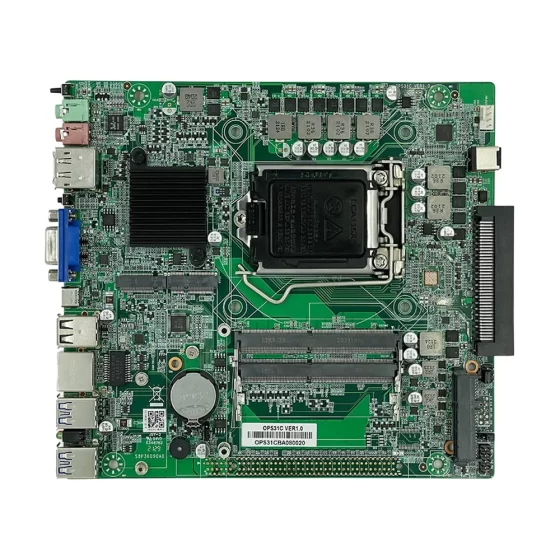
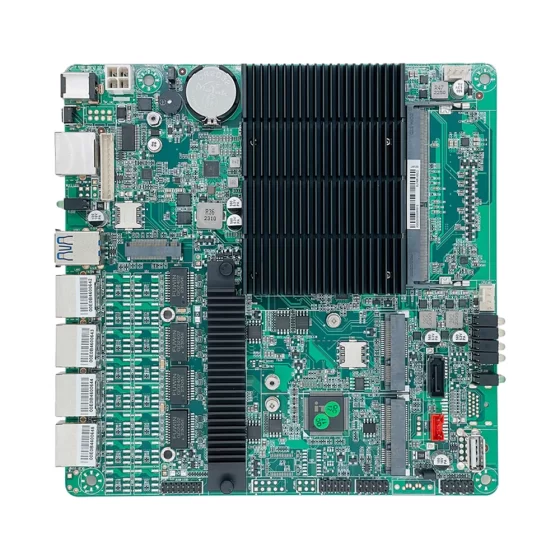
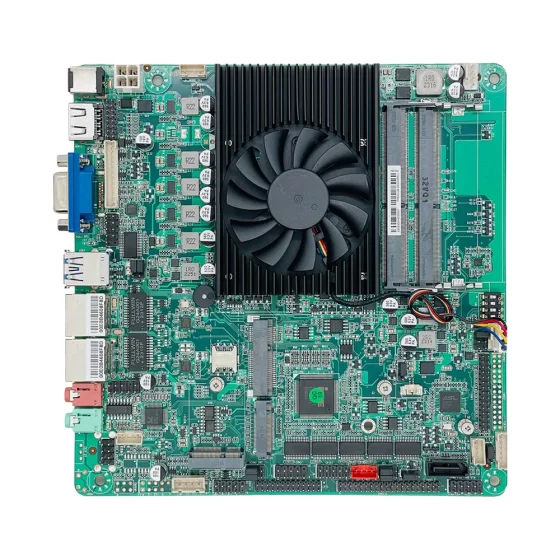
Ein Industriecomputer oder eingebetteter Computer dient als intelligenter eingebetteter Controller, der Mitsubishi-SPS-Systeme durch eine Brücke zwischen Betriebstechnologie ergänzt (OT) und Informationstechnologie (ES). Diese Plattformen bieten eine verbesserte Rechenleistung, flexible Kommunikationsschnittstellen, Zuverlässigkeit auf Industrieniveau, und langfristige Einsatzstabilität, die in anspruchsvollen Industrieumgebungen erforderlich ist.
In diesem Artikel wird die Rolle eingebetteter Controller in SPS-basierten Automatisierungssystemen von Mitsubishi untersucht, Hauptherausforderungen bei der Bereitstellung, Überlegungen zur Systemarchitektur, wesentliche Merkmale, und praktische Umsetzungsszenarien.

Industrielle Automatisierungsumgebungen kombinieren zunehmend SPS-Systeme von Mitsubishi mit Industriecomputern, um eine intelligente Fertigung und betriebliche Transparenz in Echtzeit zu ermöglichen.
Branchenüberblick
Industrial automation is undergoing a significant transformation driven by Industry 4.0 Initiativen, Industrielles Internet der Dinge (IIoT) Annahme, Edge-Computing, and data-driven manufacturing strategies. Manufacturers are no longer focused solely on machine control; they are increasingly leveraging operational data to optimize production efficiency, improve product quality, Ausfallzeiten reduzieren, and support predictive maintenance programs.
Mitsubishi Electric has established itself as a leading supplier of industrial automation technologies. Its PLC families, including MELSEC iQ-R, iQ-F, Q Series, and FX Series, are widely deployed in industrial control systems worldwide.
Traditionell, PLCs were responsible for machine control, I/O management, Sequenzierung, and process automation. Jedoch, modern manufacturing systems require significantly more functionality than conventional control logic can provide.
Industrial facilities now demand:
- Produktionsüberwachung in Echtzeit
- SCADA-Integration
- MES-Konnektivität
- Industrial database management
- Verarbeitung maschineller Bildverarbeitung
- KI-gestützte Analyse
- Industrielle Cybersicherheit
- Multi-site data synchronization
- Edge-Computing-Funktionen
- Cloud platform integration
Infolge, industrial computers and embedded computers have become essential components in Mitsubishi PLC architectures. These systems function as embedded controllers that provide advanced computing functions while maintaining seamless communication with PLC networks.

Modern industrial automation systems require seamless integration between PLC controllers, Industriecomputer, Industrielle Netzwerke, and production equipment to achieve reliable connectivity and real-time operational visibility.
Wichtigste Herausforderungen
Steigende Anforderungen an die Datenverarbeitung
Modern production lines generate large volumes of operational data from sensors, Aktoren, Vision-Systeme, Roboter, und SPS. Traditional controllers may struggle to handle high-volume data aggregation, Analytik, and visualization tasks.
Manufacturers require embedded controllers capable of processing large datasets locally while maintaining real-time communication with Mitsubishi PLC systems.
Integration of Multiple Industrial Protocols
Industrial environments often contain equipment from multiple vendors.
A typical automation system may involve:
- Mitsubishi-SPS
- Frequenzumrichter
- HMI-Systeme
- Industrieroboter
- Vision inspection equipment
- SCADA-Plattformen
- MES-Software
- ERP-Systeme
Each device may utilize different communication protocols, creating interoperability challenges.
Raue Industrieumgebungen
Factory deployments frequently expose equipment to:
- Hohe Temperaturen
- Staubverschmutzung
- Vibration
- Elektromagnetische Störungen
- Luftfeuchtigkeit
- Kontinuierlich 24/7 Betrieb
Commercial computing hardware is generally not designed to withstand such conditions.
Real-Time Operational Visibility
Manufacturers require instant visibility into production status, Maschinenleistung, quality metrics, and equipment utilization.
Obtaining actionable insights from Mitsubishi PLC data often requires dedicated industrial computing platforms capable of collecting, Verarbeitung, and visualizing information in real time.
Cybersicherheitsrisiken
Industrial networks are increasingly connected to enterprise systems and cloud platforms.
Without proper architecture and security controls, PLC systems may become vulnerable to:
- Unbefugter Zugriff
- Malware
- Network intrusion
- Datenschutzverletzungen
- Production disruption
Secure industrial computing infrastructure is therefore essential.

A modern industrial automation architecture integrates Mitsubishi PLC systems with embedded controllers, SCADA-Plattformen, Industrielle Netzwerke, and edge computing infrastructure to enable intelligent manufacturing operations.
Lösungsarchitektur
A modern Mitsubishi PLC automation architecture combines deterministic control with advanced edge computing capabilities.
Schicht 1: Feldgeräte
Die Feldschicht umfasst:
- Sensoren
- Encoder
- Temperatursender
- Drucksensoren
- Sicherheitsvorrichtungen
- Aktuatoren
- Servosysteme
These devices collect operational data and execute physical processes.
Schicht 2: Mitsubishi PLC Controller Layer
Mitsubishi PLCs perform:
- Logic control
- Bewegungssteuerung
- Process control
- Reihenfolge der Ausrüstung
- Alarmmanagement
- Sicherheitsüberwachung
The PLC serves as the primary real-time control platform.
Schicht 3: Embedded Controller Layer
An industrial computer or embedded computer functions as the embedded controller.
Zu seinen Aufgaben gehört::
- Datenerfassung
- Protokollkonvertierung
- Edge-Computing
- Datenbankverwaltung
- HMI-Hosting
- SCADA-Integration
- Verarbeitung maschineller Bildverarbeitung
- KI-Analyse
- Reporting functions
The embedded controller communicates with Mitsubishi PLCs using industrial protocols such as:
- Ethernet/IP
- Modbus TCP
- CC-Link IE
- OPC UA
- MQTT
- TCP/IP
Schicht 4: Fertigungsbetriebsschicht
The operations layer includes:
- SCADA-Systeme
- MES-Plattformen
- Qualitätsmanagement-Software
- Asset management systems
- Wartungsplattformen
This layer transforms production data into actionable operational intelligence.
Schicht 5: Unternehmens- und Cloud-Schicht
Unternehmensintegration ermöglicht:
- ERP-Konnektivität
- Cloud-Analyse
- Fernüberwachung
- Vorausschauende Wartung
- Zentralisierte Berichterstattung
- Multi-site management
The embedded controller acts as a secure gateway between plant-floor automation and enterprise-level applications.
Hauptmerkmale
Zuverlässigkeit auf Industrieniveau
Im Gegensatz zu Consumer-PCs, industrial computers designed for Mitsubishi PLC deployments offer:
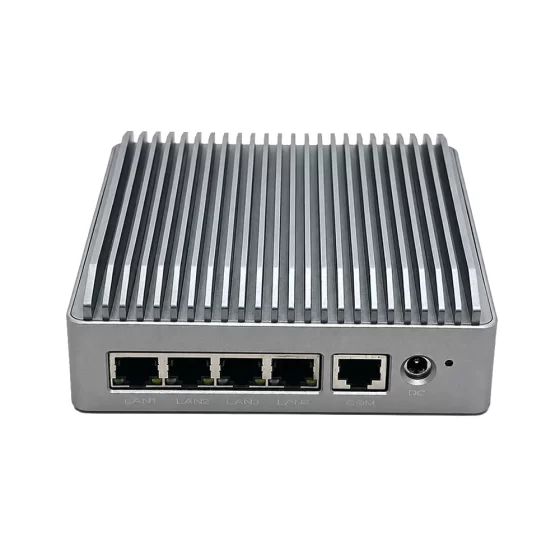
- Lüfterloser Betrieb
- Solid-State-Speicher
- Wide-temperature support
- Robuste Konstruktion
- Langer Produktlebenszyklus
These characteristics improve system stability and reduce maintenance requirements.
Flexible Kommunikationsschnittstellen
Industrial automation environments require extensive connectivity.
Zu den typischen Schnittstellen gehören::
- Gigabit-Ethernet
- Serial COM ports
- RS232
- RS422
- RS485
- USB
- CAN-Bus
- Digitale I/O
This flexibility simplifies integration with Mitsubishi PLCs and surrounding automation equipment.
Edge-Computing-Fähigkeit
Edge computing enables data processing close to the production source.
Zu den Vorteilen gehören::
- Geringere Latenz
- Reduzierter Netzwerkverkehr
- Faster decision-making
- Verbesserte Zuverlässigkeit
- Erhöhte Datensicherheit
Embedded controllers can execute analytics and monitoring applications without relying solely on cloud infrastructure.
HMI- und Visualisierungsunterstützung
Industrial computers can host:
- Web-based dashboards
- SCADA-Anwendungen
- Production monitoring systems
- Maintenance interfaces
- Quality management displays
Operators gain real-time visibility into manufacturing operations.
Industrial Networking Support
Embedded controllers support modern industrial communication standards including:
- OPC UA
- MQTT
- Modbus TCP
- EtherNet/IP
- CC-Link
- PROFINET gateways
- REST-APIs
These capabilities simplify interoperability across heterogeneous automation environments.
AI and Machine Vision Expansion
Many advanced manufacturing applications now require:
- Fehlererkennung
- Optical inspection
- Prädiktive Analysen
- Produktionsoptimierung
- Intelligente Qualitätskontrolle
High-performance embedded computers can support machine vision cameras and AI workloads while maintaining communication with Mitsubishi PLC systems.
Long-Term Deployment Stability
Industrial automation projects often remain operational for 7–15 years.
Industrial embedded controllers typically offer:
- Langfristige Verfügbarkeit
- Extended lifecycle support
- Stabile Hardwareplattformen
- Consistent software compatibility
This reduces redesign costs and supports long-term maintenance strategies.
Bereitstellungsszenarien
Smart Manufacturing Systems
In smarten Fabriken, embedded controllers collect production data from Mitsubishi PLCs and provide real-time analytics for manufacturing optimization.
Zu den Anwendungen gehören:
- OEE-Überwachung
- Production tracking
- Qualitätsmanagement
- Analyse der Gerätenutzung
Packaging Automation
Packaging machines often utilize Mitsubishi PLCs for motion control and sequencing.
Embedded controllers provide:
- Rezeptverwaltung
- Produktionsberichterstattung
- Sichtprüfung
- Datenprotokollierung
- Ferndiagnose
Bildverarbeitungsinspektion
Manufacturers increasingly deploy camera-based quality inspection systems.
The embedded controller performs:
- Bildaufnahme
- KI-Schlussfolgerung
- Fehlerklassifizierung
- Traceability data storage
Results are communicated back to Mitsubishi PLC systems for process control.
Logistik und Lagerautomatisierung
Automated warehouses utilize PLCs for:
- Förderbandsteuerung
- Sortiersysteme
- Automatisierte Lagersysteme
Unterstützung für eingebettete Computer:
- Warehouse management integration
- Flottenüberwachung
- Datenanalyse
- Operative Dashboards
Wasser- und Abwasserbehandlung
Aufbereitungsanlagen verlassen sich bei der Prozessautomatisierung auf SPS von Mitsubishi.
Embedded controllers provide:
- SCADA-Funktionalität
- Historische Datenerfassung
- Fernüberwachung
- Alarmbenachrichtigung
- Regulatorische Berichterstattung
Energiemanagementsysteme
Industrieanlagen setzen eingebettete Controller ein:
- Erfassen Sie Stromverbrauchsdaten
- Überwachen Sie die Nutzung von Dienstprogrammen
- Analysieren Sie die Energieeffizienz
- Unterstützen Sie Nachhaltigkeitsinitiativen
SPS-generierte Betriebsdaten werden zu verwertbaren Business Intelligence.
Geschäftsvorteile
Verbesserte operative Transparenz
Hersteller erhalten Echtzeiteinblicke in die Produktionsleistung, Maschinengesundheit, und Prozesseffizienz.
Diese Transparenz unterstützt eine schnellere Entscheidungsfindung und eine verbesserte Betriebskontrolle.
Reduzierte Ausfallzeiten
Durch die kontinuierliche Überwachung können Geräteanomalien und potenzielle Ausfälle frühzeitig erkannt werden.
Wartungsteams können Probleme beheben, bevor sie zu Produktionsunterbrechungen führen.
Verbesserte Datennutzung
Embedded controllers transform raw PLC data into valuable operational intelligence.
Organizations can leverage analytics to improve productivity and optimize manufacturing performance.
Greater System Scalability
Industrial computers provide the flexibility required to expand automation systems as operational requirements evolve.
Additional software functions and connectivity options can often be added without modifying existing PLC programs.
Niedrigere Gesamtbetriebskosten
Industrial-grade hardware reduces maintenance requirements, minimizes downtime, and extends service life.
Long-term platform stability contributes to lower lifecycle costs.
Zukunftsfähige Infrastruktur
Embedded computing platforms support emerging technologies including:
- Industrielles IoT
- Artificial Intelligence
- Digital Twins
- Vorausschauende Wartung
- Cloud Manufacturing
This ensures automation investments remain relevant as industrial technologies continue to evolve.
Warum CoreIPC
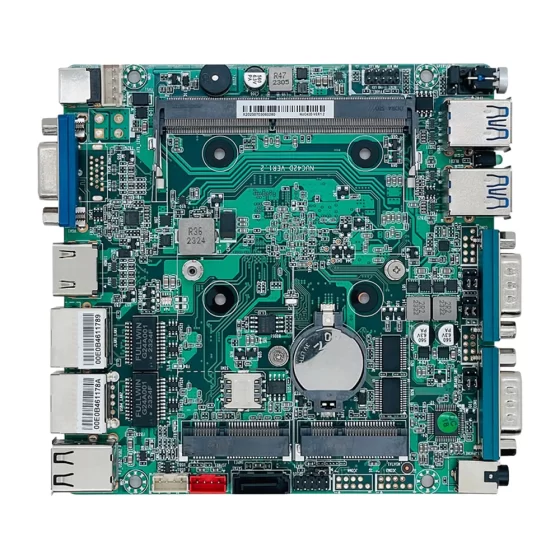
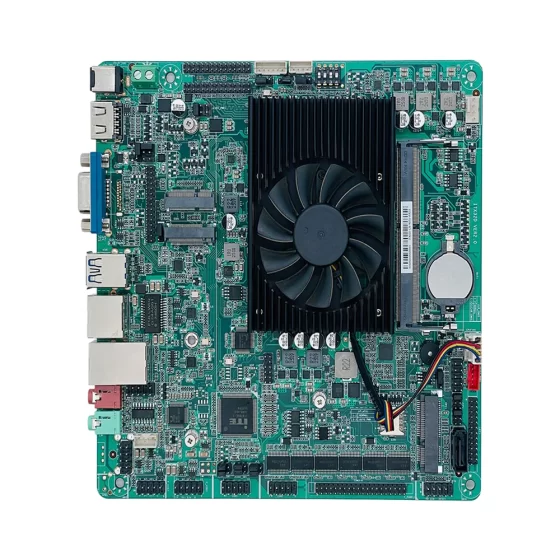
CoreIPC delivers industrial computing platforms designed for demanding automation environments. Unsere Industriecomputer, eingebettete Computer, and embedded boards support reliable integration with Mitsubishi PLC systems while providing the performance required for edge computing, Industrielle Vernetzung, Visualisierung, und intelligente Fertigungsanwendungen. With industrial-grade design, flexible I/O-Konfigurationen, lange Produktlebenszyklen, und OEM/ODM-Anpassungsfunktionen, CoreIPC hilft Systemintegratoren, Maschinenbauer, and industrial automation providers deploy scalable and reliable control architectures for modern manufacturing operations.
Häufig gestellte Fragen
What is the role of an embedded controller in a Mitsubishi PLC system?
An embedded controller complements the Mitsubishi PLC by handling advanced computing functions such as data processing, SCADA-Integration, HMI-Hosting, Datenbankverwaltung, Analytik, und Cloud-Konnektivität. The PLC continues performing deterministic control while the embedded controller manages higher-level applications.
Can an industrial computer replace a Mitsubishi PLC?
In most industrial environments, SPS bleiben die bevorzugte Plattform für die deterministische Maschinensteuerung. Industrial computers are typically used alongside PLCs to provide additional computing capabilities rather than replacing the PLC entirely.
Which communication protocols are commonly used with Mitsubishi PLCs?
Common protocols include CC-Link IE, Modbus TCP, OPC UA, MQTT, TCP/IP, and Ethernet-based industrial communication standards. Protocol selection depends on system architecture and integration requirements.
Why are fanless industrial computers preferred in factories?
Fanless designs eliminate moving parts that can fail over time. They also prevent dust accumulation inside the system, improving reliability and reducing maintenance requirements in industrial environments.
How does edge computing improve PLC-based automation?
Edge computing enables data processing close to the production source, Reduzierung der Latenz, minimizing bandwidth usage, and improving response times. It also allows critical operations to continue even if cloud connectivity is unavailable.
What industries commonly use Mitsubishi PLC systems?
Mitsubishi PLCs are widely deployed in manufacturing, Verpackung, Automobilproduktion, Logistik, Lebensmittelverarbeitung, Wasseraufbereitung, Energiemanagement, and machine automation applications.
Can embedded controllers support machine vision applications?
Ja. High-performance embedded computers can support industrial cameras, image processing software, and AI inference engines used for quality inspection, Fehlererkennung, und Prozessüberwachung.
What environmental conditions can industrial computers withstand?
Industrial-grade systems are typically designed for wide operating temperatures, Vibrationsfestigkeit, electromagnetic compatibility, and continuous operation in harsh industrial environments.
How do embedded controllers support predictive maintenance?
They collect and analyze operational data from PLCs, Sensoren, und Ausrüstung. Analytics software can identify patterns that indicate potential failures, allowing maintenance teams to intervene proactively.
What should be considered when selecting an embedded controller for Mitsubishi PLC integration?
Key considerations include computing performance, Kommunikationsschnittstellen, protocol support, Umweltspezifikationen, Lebenszyklusverfügbarkeit, Erweiterungsmöglichkeiten, cybersecurity features, und Softwarekompatibilität.
Abschluss
As industrial automation continues to advance, the combination of a Mitsubishi PLC controller and a high-performance embedded controller creates a powerful foundation for intelligent manufacturing. While Mitsubishi PLCs provide reliable real-time control, industrial computers and embedded computers deliver the computing resources necessary for data analytics, Visualisierung, Konnektivität, maschinelles Sehen, und Edge-Computing.
Organizations seeking to modernize their automation infrastructure can benefit significantly from deploying industrial-grade embedded computing platforms that integrate seamlessly with Mitsubishi PLC systems. By bridging operational control and information management, these solutions enable smarter, effizienter, and more scalable industrial operations.
Kontaktieren Sie uns
Looking for an embedded controller solution for Mitsubishi PLC systems?
CoreIPC bietet Industriecomputer an, eingebettete Computer, Industrie-Motherboards, and customized embedded computing platforms designed for industrial automation, Edge-Computing, maschinelles Sehen, und intelligente Fertigungsanwendungen.
Contact our engineering team to discuss your automation requirements and discover the right industrial computing solution for your project.