CoreIPC Industrial Computing-Lösungen

Zusammenfassung
Industrielles Internet der Dinge (IIoT) Technologien verändern die Art und Weise, wie Hersteller Daten sammeln, Verfahren, und Betriebsdaten nutzen. Da Industrieanlagen zunehmend vernetzt werden, Unternehmen stehen vor wachsenden Herausforderungen im Zusammenhang mit der Latenz, Bandbreitenverbrauch, Cybersicherheit, und Entscheidungsfindung in Echtzeit. Herkömmliche Cloud-zentrierte Architekturen haben oft Schwierigkeiten, die Leistungsanforderungen moderner Industrieumgebungen zu erfüllen, in denen Millisekunden die Produktivität erheblich beeinträchtigen können, Qualität, und betriebliche Effizienz.
Eine IIoT-Edge-Computing-Plattform begegnet diesen Herausforderungen, indem sie die Datenverarbeitung ermöglicht, Analytik, und intelligente Entscheidungsfindung näher an Industrieanlagen und Datenquellen. Anstatt alle Daten an entfernte Cloud-Server zu übertragen, Edge-Computing-Plattformen führen lokale Verarbeitung durch, Filterung, und Analyse, Ermöglicht Echtzeit-Reaktionen und reduziert gleichzeitig den Netzwerkverkehr und die Cloud-Abhängigkeit.
Moderne IIoT-Edge-Computing-Plattformen kombinieren Industriecomputer, eingebettete Computersysteme, Industrielle Netzwerktechnologien, und intelligente Analysefunktionen in einer einheitlichen Infrastruktur. Diese Plattformen dienen als Grundlage für eine intelligente Fertigung, vorausschauende Wartung, Industrielle Automatisierung, maschinelles Sehen, Energiemanagement, und industrielle IoT-Bereitstellungen.
Dieser Artikel untersucht die Architektur, Vorteile, Einsatzszenarien, und wichtige Überlegungen zu IIoT-Edge-Computing-Plattformen in der Industrie 4.0 Umgebungen.
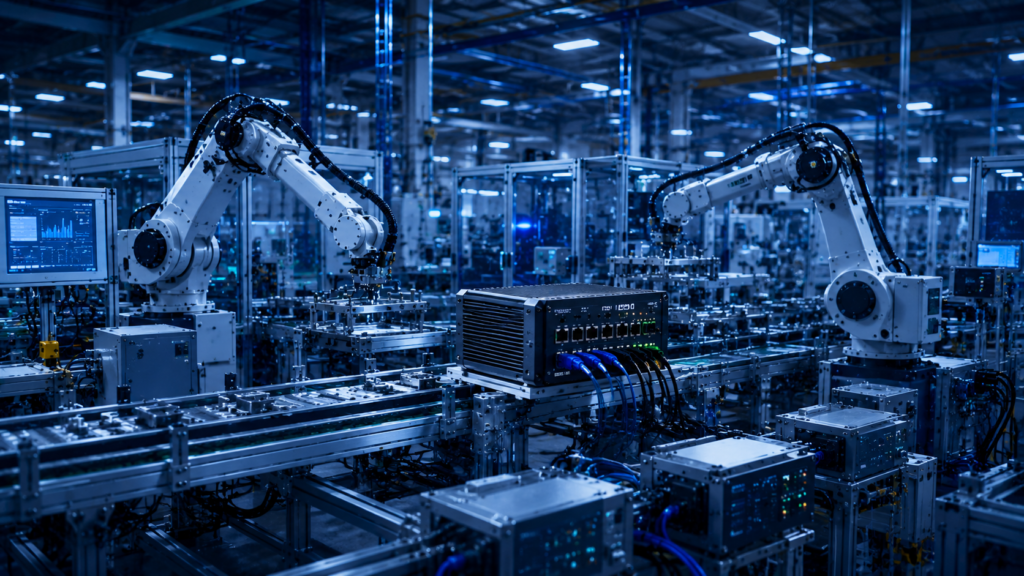
Industrielle IIoT-Edge-Computing-Plattform, die Echtzeit-Konnektivität ermöglicht, Edge-Analyse, Industrielle Automatisierung, und intelligente Fertigungsabläufe.
Branchenüberblick
Die Entwicklung des industriellen IoT
Industriebetriebe verlassen sich traditionell auf isolierte Automatisierungssysteme, die für die lokale Steuerung und Überwachung konzipiert sind. Dabei sorgten diese Systeme für Zuverlässigkeit und Stabilität, Ihnen mangelte es oft an Konnektivität und Transparenz auf Unternehmensebene.
Heutige Industrieunternehmen streben danach, etwas zu erreichen:
- Echtzeit-Sichtbarkeit der Ausrüstung
- Intelligente Automatisierung
- Vorausschauende Wartung
- Produktionsoptimierung
- Energieeffizienz
- Vermögensüberwachung
- Digitale Transformation
Diese Ziele erfordern einen kontinuierlichen Zugriff auf Betriebsdaten und intelligente Verarbeitungsmöglichkeiten.
Die Herausforderung der Datenexplosion
Moderne Industrieumgebungen erzeugen riesige Datenmengen:
- SPS
- Industrielle Sensoren
- Bildverarbeitungssysteme
- Robotik
- SCADA-Systeme
- Energiezähler
- Produktionsausrüstung
Eine einzige Produktionsanlage kann täglich Millionen von Datenpunkten generieren.
Ohne effiziente Verarbeitungsarchitekturen, Organisationen stehen vor der Herausforderung:
- Hohe Bandbreitenkosten
- Datenüberlastung
- Verzögerte Analyse
- Erhöhte Cloud-Kosten
Dies hat die Einführung von Edge-Computing-Architekturen beschleunigt.
Warum Edge Computing wichtig ist
Edge Computing verarbeitet Daten näher an der Quelle, anstatt sich ausschließlich auf zentralisierte Cloud-Plattformen zu verlassen.
Zu den wichtigsten Vorteilen gehören::
- Geringere Latenz
- Schnellere Reaktionszeiten
- Verbesserte Zuverlässigkeit
- Reduzierter Netzwerkverkehr
- Erhöhte Sicherheit
- Bessere Skalierbarkeit
Diese Vorteile machen Edge Computing zu einer entscheidenden Komponente moderner IIoT-Infrastrukturen.
Wichtigste Herausforderungen
Echtzeit-Entscheidungsanforderungen
Industrielle Prozesse erfordern oft sofortige Reaktionen.
Beispiele hierfür sind:
- Steuerung der Produktionslinie
- Fehlererkennung
- Sicherheitsüberwachung
- Geräteschutz
- Robotik-Navigation
Allein die cloudbasierte Verarbeitung kann zu inakzeptablen Verzögerungen führen.
Komplexität industrieller Netzwerke
Moderne Einrichtungen enthalten häufig:
- Ältere SPS
- Mehrere Kommunikationsprotokolle
- Verteilte Ausrüstung
- Diverse Automatisierungsanbieter
Die Verbindung dieser Systeme erfordert flexible Edge-Computing-Plattformen.
Bedenken hinsichtlich der Cybersicherheit
Da industrielle Systeme immer vernetzter werden, Cybersicherheitsrisiken nehmen zu.
Organisationen müssen schützen:
- Betriebsdaten
- Gerätekonfigurationen
- Produktionssysteme
- Unternehmensnetzwerke
Sichere Edge-Computing-Architekturen tragen dazu bei, die Gefährdung zu reduzieren.
Bandbreitenbeschränkungen
Die kontinuierliche Übertragung industrieller Rohdaten an Cloud-Plattformen kann kostspielig und ineffizient sein.
Zu den gängigen Datenquellen gehören::
- Hochauflösende Kameras
- Vibrationssensoren
- Umweltsensoren
- Produktionsausrüstung
Die lokale Verarbeitung reduziert unnötige Datenübertragungen.
Zuverlässigkeitsanforderungen
Anforderungen in industriellen Umgebungen:
- Dauerbetrieb
- Hohe Systemverfügbarkeit
- Stabile Leistung
- Langfristige Unterstützung
Edge-Computing-Plattformen in Industriequalität sind darauf ausgelegt, diese Anforderungen zu erfüllen.
Lösungsarchitektur
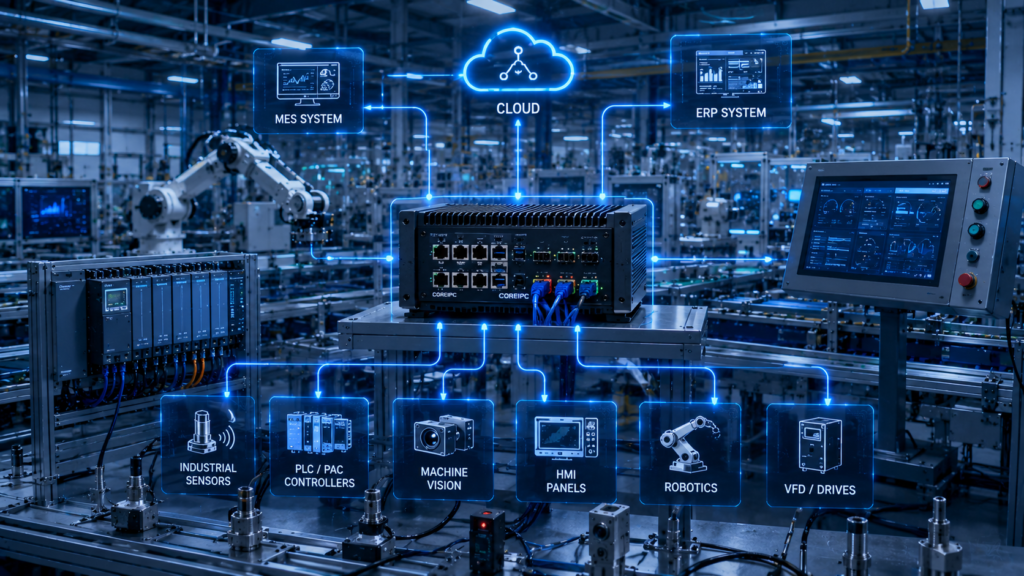
IIoT-Edge-Computing-Architektur ermöglicht Datenerfassung in Echtzeit, Industrielle Konnektivität, Edge-Analyse, und Integration zwischen Fabrikausrüstung und Unternehmenssystemen.
Typische IIoT-Edge-Computing-Architektur
Eine IIoT-Edge-Computing-Plattform besteht typischerweise aus mehreren Schichten.
Geräteschicht
Angeschlossene Geräte umfassen:
- Industrielle Sensoren
- SPS-Steuerungen
- Industriekameras
- RFID-Systeme
- Intelligente Zähler
- Robotiksysteme
Diese Geräte erzeugen Betriebsdaten.
Konnektivitätsschicht
Industrielle Netzwerke können umfassen:
- Modbus TCP
- PROFINET
- EtherNet/IP
- OPC UA
- MQTT
- CAN-Bus
Die Edge-Plattform dient als Kommunikationsdrehscheibe.
Edge-Computing-Schicht
Die Edge-Computing-Plattform leistet Leistung:
- Datenerfassung
- Datenfilterung
- Protokollkonvertierung
- Ereignisverarbeitung
- Lokale Analysen
- KI-Schlussfolgerung
Dies reduziert die Cloud-Abhängigkeit und verbessert gleichzeitig die Reaktionsfähigkeit.
Unternehmensschicht
Verarbeitete Daten werden integriert:
- MES-Systeme
- ERP-Plattformen
- SCADA-Systeme
- Digitale Zwillingsplattformen
- Analytics-Anwendungen
Dies sorgt für unternehmensweite Transparenz.
Wolkenschicht
Unterstützung für Cloud-Plattformen:
- Langzeitlagerung
- Historische Analysen
- Erweiterte Berichterstattung
- Flottenmanagement
- Zentralisierte Überwachung
Die Edge-Plattform bestimmt, welche Daten übertragen werden sollen.
Hauptmerkmale
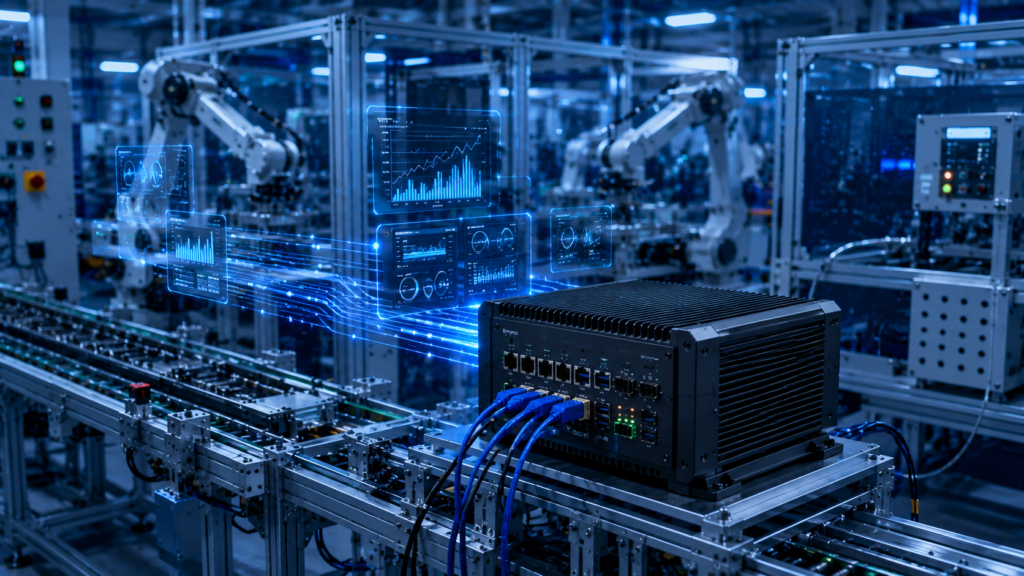
Industrielle IIoT-Edge-Computing-Plattform, die Echtzeitanalysen ermöglicht, lokale Verarbeitung, vorausschauende Wartung, und intelligente Fertigungsabläufe.
1. Datenverarbeitung in Echtzeit
IIoT-Edge-Computing-Plattformen analysieren Betriebsdaten lokal, um eine sofortige Entscheidungsfindung zu unterstützen.
2. Protokollintegration
In industriellen Umgebungen gibt es häufig Geräte, die mehrere Kommunikationsstandards verwenden.
Edge-Plattformen vereinfachen die Interoperabilität durch Protokollkonvertierung und -integration.
3. Industrielle Konnektivität
Unterstützung für:
- Ethernet
- Serielle Kommunikation
- Drahtlose Vernetzung
- Industrielle Feldbussysteme
ermöglicht einen flexiblen Einsatz.
4. Edge Analytics
Lokale Analysefunktionen bieten:
- Geräteüberwachung
- Produktionsoptimierung
- Prozesstransparenz
- Operative Intelligenz
ohne Cloud-Latenz.
5. Vorausschauende Wartungsunterstützung
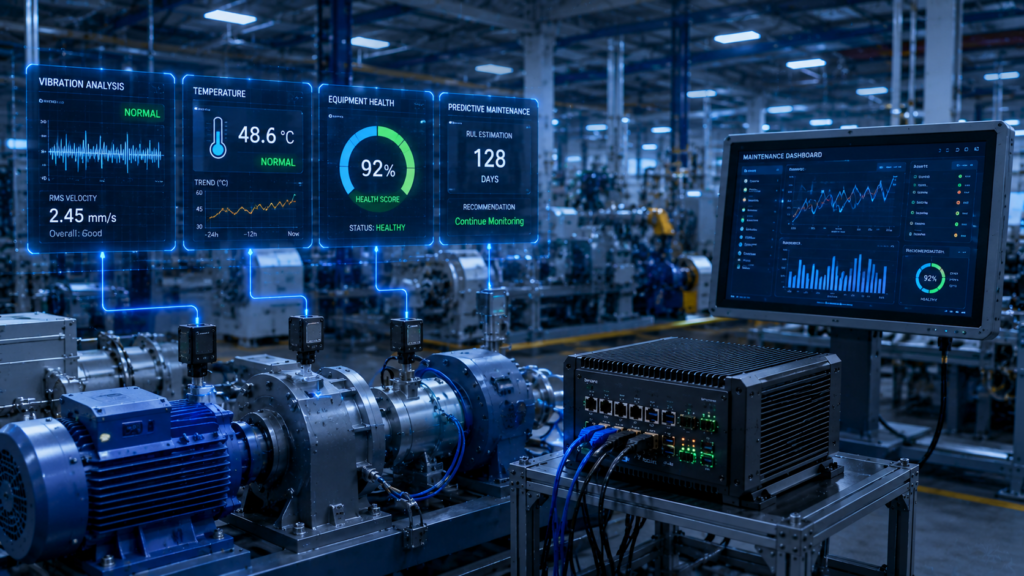
IIoT-Edge-Computing-Plattform, die vorausschauende Wartung durch Geräteüberwachung in Echtzeit ermöglicht, Edge-Analyse, und intelligente Gesundheitsbewertung.
Edge-Plattformen sammeln und analysieren Gerätezustandsdaten, um potenzielle Ausfälle zu erkennen, bevor sie auftreten.
6. Integration von KI und maschinellem Sehen
Unterstützung moderner IIoT-Plattformen:
- KI-Schlussfolgerung
- OCR-Inspektion
- Fehlererkennung
- Bildverarbeitungsanwendungen
für intelligente Automatisierung.
7. Fernüberwachung
Bediener können aus der Ferne überwachen:
- Ausrüstungsstatus
- Produktionskennzahlen
- Energieverbrauch
- Systemleistung
von zentralen Standorten aus.
8. Industrielle Sicherheit
Zu den erweiterten Sicherheitsfunktionen können gehören:
- Sichere Kommunikation
- Benutzerauthentifizierung
- Datenverschlüsselung
- Netzwerksegmentierung
zum Schutz kritischer Infrastruktur.
9. Skalierbare Architektur
Unternehmen können ihre Bereitstellungen erweitern, wenn sich die Geschäftsanforderungen ändern.
Empfohlene CoreIPC-Produkte
Eingebettete Computer
Ideal für:
- IIoT-Gateways
- Kantenbearbeitung
- Fernüberwachung
Vorteile:
- Kompaktes Design
- Geringer Stromverbrauch
- Flexible Installation
Lüfterlose Industrie-PCs
Ideal für:
- Raue Umgebungen
- Dauerbetrieb
- Wartungsempfindliche Installationen
Vorteile:
- Lüfterlose Kühlung
- Erhöhte Zuverlässigkeit
- Leiser Betrieb
Industrie-PCs
Ideal für:
- Zentralisierte Kantenverarbeitung
- Umfangreiche IIoT-Implementierungen
- Integration mehrerer Geräte
Vorteile:
- Hohe Leistung
- Erweiterungsfähigkeit
- Umfangreiche Konnektivität
Edge-KI-Computer
Ideal für:
- Intelligente Analytik
- Maschinelles Sehen
- Vorausschauende Wartung
Vorteile:
- KI-Beschleunigung
- Echtzeit-Inferenz
- Lokale Entscheidungsfindung
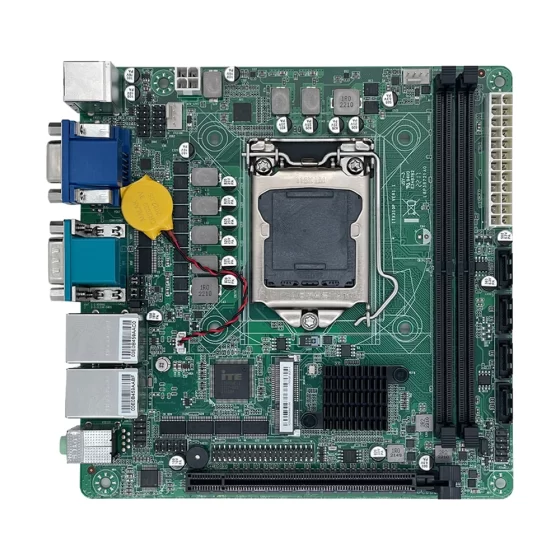
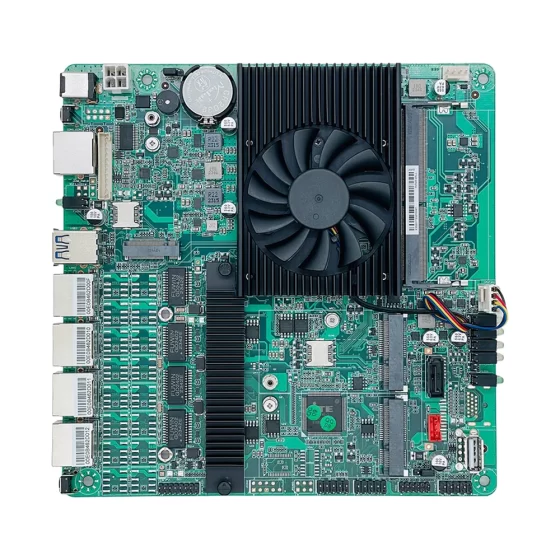
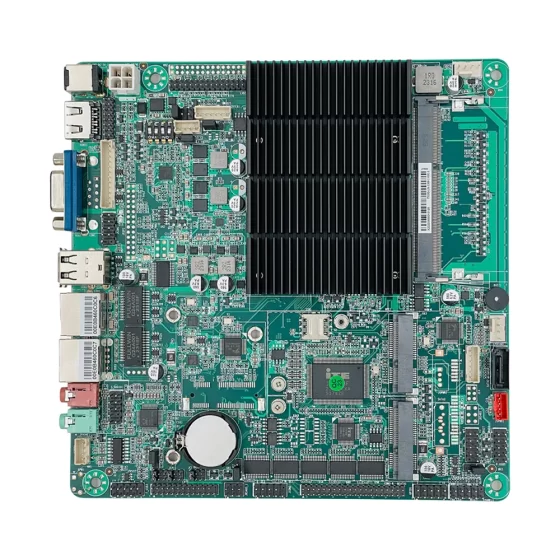
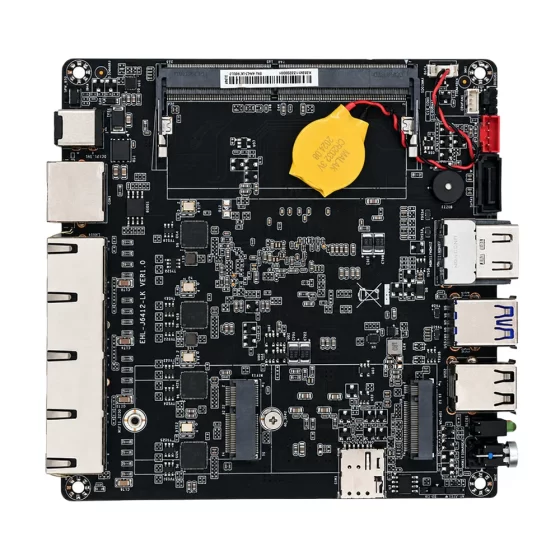
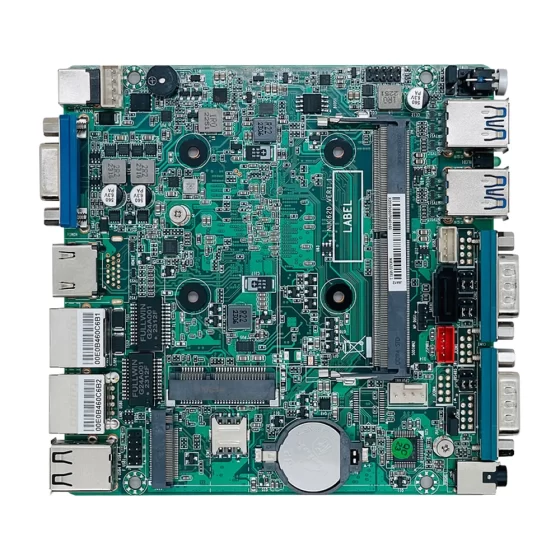
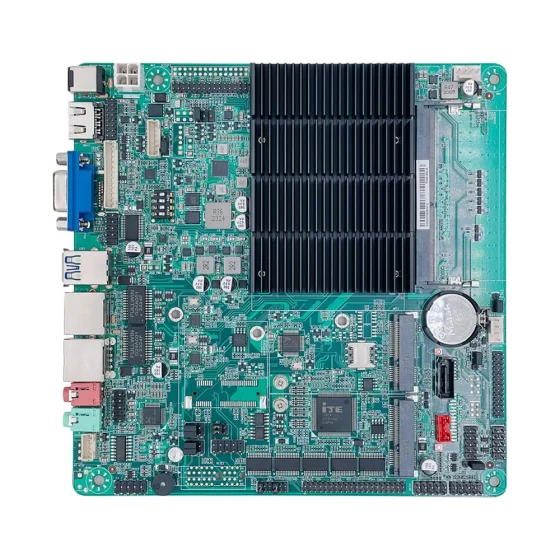
Mini-ITX-Motherboards
Ideal für:
- Maßgeschneiderte Edge-Appliances
- OEM-Projekte
- Eingebettete Industriesysteme
Vorteile:
- Flexible Integration
- Langer Lebenszyklus-Support
- Umfangreiche I/O-Schnittstellen
Bereitstellungsszenarien
Intelligente Fertigung
IIoT-Edge-Computing-Plattformen verbinden Produktionsanlagen, Sensoren, und Unternehmenssysteme zur Verbesserung der betrieblichen Transparenz und Effizienz.
Vorausschauende Wartung
Edge Analytics überwacht kontinuierlich Gerätezustandsindikatoren wie z:
- Vibration
- Temperatur
- Aktueller Verbrauch
- Druck
Anomalien frühzeitig zu erkennen.
Bildverarbeitungsinspektion
Industriekameras und KI-Algorithmen leisten Leistung:
- Fehlererkennung
- OCR-Erkennung
- Barcode-Überprüfung
- Qualitätsprüfung
direkt am Rand.
Energiemanagement
Organisationen überwachen und optimieren:
- Energieverbrauch
- Effizienz der Ausrüstung
- Versorgungsnutzung
durch Echtzeitanalysen.
Industrielle Automatisierung
Edge-Plattformen unterstützen die Kommunikation zwischen:
- SPS
- SCADA-Systeme
- HMI-Geräte
- Unternehmensanwendungen
für intelligente Automatisierung.
Fernüberwachung von Vermögenswerten
Verteilte Industrieanlagen können von zentralen Standorten aus überwacht und verwaltet werden.
Intelligenter Transport
Zu den Anwendungen gehören:
- Flottenüberwachung
- Verkehrsmanagement
- Fahrzeugdiagnose
- Überwachung der Infrastruktur
Geschäftsvorteile
Schnellere Reaktionszeiten
Die lokale Verarbeitung ermöglicht eine sofortige Reaktion auf betriebliche Ereignisse.
Reduzierte Bandbreitenkosten
Es werden nur relevante Informationen an Cloud-Plattformen übermittelt.
Verbesserte Gerätezuverlässigkeit
Eine kontinuierliche Überwachung hilft, unerwartete Ausfälle zu verhindern.
Bessere operative Transparenz
Unternehmen erhalten Zugriff auf Echtzeit-Einblicke in alle Betriebsabläufe.
Erhöhte Sicherheit
Durch die lokale Verarbeitung wird die Gefährdung sensibler Betriebsdaten verringert.
Beschleunigte digitale Transformation
Edge Computing ermöglicht es Unternehmen, Industry zu implementieren 4.0 Initiativen effektiver zu gestalten.
Warum CoreIPC
CoreIPC bietet industrielle Computerplattformen für IIoT, Edge-Computing, Industrielle Automatisierung, und intelligente Konnektivitätsanwendungen.
Zu den CoreIPC-Funktionen gehören::
- Industrielles Computerdesign
- Fachwissen im Bereich Embedded Computing
- OEM-Fertigung
- ODM-Entwicklung
- Produktanpassung
- Langer Lebenszyklus-Support
- Qualität in Industriequalität
- Globale Bereitstellungserfahrung
Ob der Aufbau eines IIoT-Gateways, Bereitstellung von Edge-Analysen, Integration von Bildverarbeitungssystemen, oder umsetzende Industrie 4.0 Infrastruktur, CoreIPC liefert zuverlässige Computerplattformen für anspruchsvolle Industrieumgebungen.
Häufig gestellte Fragen
1. Was ist IIoT-Edge-Computing??
IIoT-Edge-Computing verarbeitet Industriedaten lokal in der Nähe von Anlagen und Geräten, anstatt sich ausschließlich auf die Cloud-Infrastruktur zu verlassen.
2. Warum ist Edge Computing in der Industrie wichtig? 4.0?
Es reduziert die Latenz, verbessert die Zuverlässigkeit, senkt die Bandbreitenkosten, und ermöglicht eine Entscheidungsfindung in Echtzeit.
3. Was ist eine IIoT-Edge-Computing-Plattform??
Es handelt sich um ein Computersystem, das die Datenerfassung kombiniert, lokale Verarbeitung, Industrielle Vernetzung, Analytik, und Unternehmensintegration.
4. Welche Branchen nutzen IIoT-Edge-Computing??
Herstellung, Energie, Transport, Gesundheitspflege, Logistik, und Versorgungsunternehmen setzen häufig Edge-Computing-Lösungen ein.
5. Kann Edge Computing die Cloud-Kosten senken??
Ja. Durch die lokale Verarbeitung wird die Menge der in Cloud-Umgebungen übertragenen und gespeicherten Daten reduziert.
6. Welche Kommunikationsprotokolle werden allgemein unterstützt??
Modbus, OPC UA, MQTT, PROFINET, EtherNet/IP, und CAN-Bus sind weit verbreitet.
7. Können IIoT-Edge-Plattformen KI-Anwendungen unterstützen??
Ja. Viele Plattformen unterstützen KI-Inferenz, maschinelles Sehen, OCR-Inspektion, und prädiktive Analysen.
8. Wie verbessert Edge Computing die Sicherheit??
Sensible Betriebsdaten können lokal verarbeitet werden, Reduzierung der Gefährdung durch externe Netzwerke.
9. Was ist der Unterschied zwischen einem IIoT-Gateway und einer Edge-Computing-Plattform??
Ein IIoT-Gateway konzentriert sich hauptsächlich auf Konnektivität und Protokollkonvertierung, während eine Edge-Plattform lokale Analysen hinzufügt, Verarbeitung, und intelligente Entscheidungsfindung.
10. Kann Edge-Plattformen in MES- und ERP-Systeme integrieren?
Ja. Die Unternehmensintegration ist ein Schlüsselmerkmal moderner IIoT-Architekturen.
11. Sind Industriecomputer für Edge Computing geeignet??
Ja. Industriecomputer sorgen für die Zuverlässigkeit, Konnektivität, und Lebenszyklusunterstützung, die für Edge-Bereitstellungen erforderlich ist.
12. Wie unterstützt Edge Computing die vorausschauende Wartung??
Durch die kontinuierliche Analyse der Gerätezustandsdaten vor Ort und die Identifizierung potenzieller Ausfälle, bevor es zu Ausfallzeiten kommt.
Abschluss
IIoT-Edge-Computing-Plattformen sind zu einem Eckpfeiler der Industrie geworden 4.0 digitale Transformation. Indem wir Intelligenz näher an Industrieanlagen bringen, Diese Plattformen ermöglichen Echtzeitanalysen, verbesserte betriebliche Sichtbarkeit, vorausschauende Wartung, und intelligente Automatisierung. Von intelligenter Fertigung und maschineller Bildverarbeitung bis hin zu Energiemanagement und Fernüberwachung, Edge Computing liefert die Leistung, Zuverlässigkeit, und Skalierbarkeit, die moderne Industrieumgebungen erfordern. Die Auswahl der richtigen industriellen Computerplattform ist für ein sicheres Gebäude von entscheidender Bedeutung, effizient, und zukunftsfähige IIoT-Infrastrukturen.
Kontaktieren Sie uns
Auf der Suche nach einer IIoT-Edge-Computing-Plattform?
CoreIPC bietet industrielle Computerlösungen für:
- IIoT-Anwendungen
- Edge-Computing
- Intelligente Fertigung
- Industrielle Automatisierung
- Maschinelles Sehen
- Vorausschauende Wartung
- OEM-Projekte
- ODM-Projekte
- Kundenspezifische Entwicklung eingebetteter Hardware
Kontaktieren Sie CoreIPC noch heute, um Ihre Edge-Computing-Anforderungen zu besprechen und die ideale Plattform für Ihre industrielle IoT-Bereitstellung zu ermitteln.