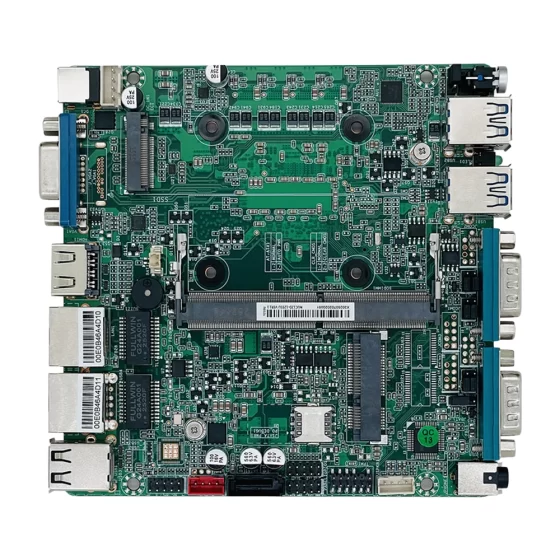
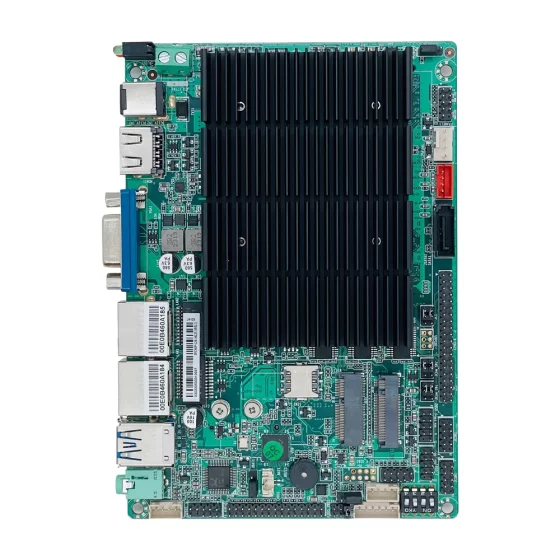
CoreIPC Industrial Computing-Lösungen

Industrielles IoT für intelligente Lager: Industrielle IoT-Lagerplattform für vernetzte Logistikabläufe
Zusammenfassung
Industrielle IoT-Lagersysteme bilden die Rechengrundlage für vernetzte Speicherung, automatisierte Materialhandhabung, Bestandstransparenz, Geräteüberwachung, Barcode-Scannen, RFID-Tracking, Umweltsensorik, AGV- und AMR-Koordination, und Lagerbetriebsverwaltung in Echtzeit.
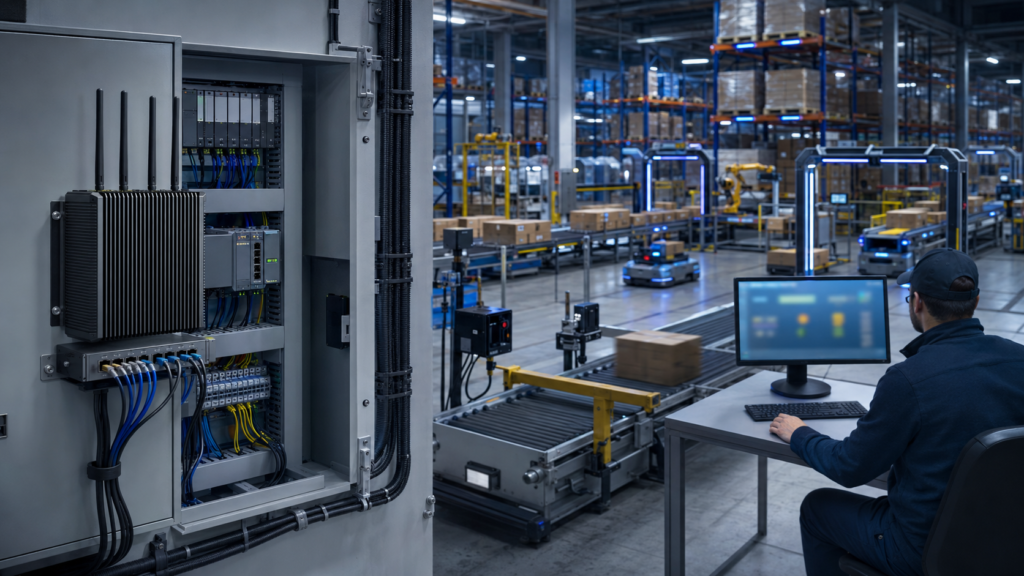
Moderne Lagerhallen sind keine einfachen Lagerräume mehr. Sie umfassen häufig Fördersysteme, Sortierlinien, Barcode-Lesegeräte, RFID-Geräte, Sichtprüfpunkte, Wiegestationen, AGVs, AMRs, Gabelstapler, Sensoren, Zugangskontrollgeräte, Industrieschalter, WMS-Plattformen, WCS-Software, Cloud-Dashboards, und lokale Überwachungssysteme.
Damit diese Systeme zusammenarbeiten, Lagerhäuser benötigen zuverlässiges Edge-Computing und Datenkonnektivität.
Ein Industriecomputer oder eingebetteter Computer kann als lokales industrielles IoT-Gateway oder Lager-Edge-Plattform fungieren. Es kann Daten von Lagergeräten sammeln, verschiedene Geräte anschließen, Datensätze lokal verarbeiten, Pufferdaten bei Netzwerkunterbrechungen, unterstützen sicheren Fernzugriff, und strukturierte Informationen an WMS senden, WCS, ERP, Cloud-Plattformen, oder lokale Dashboards.
Im Vergleich zu Büro-PCs oder Consumer-Gateways, Industriecomputer eignen sich besser für Lagerumgebungen, da sie eine robuste Installation unterstützen, mehrere LAN-Ports, serielle Kommunikation, GPIO, lokaler Speicher, lüfterlose Designoptionen, stabile strom eingang, und lange Verfügbarkeit über den gesamten Lebenszyklus.
In diesem Artikel wird erläutert, wie das industrielle IoT den intelligenten Lagerbetrieb unterstützt, welche Herausforderungen bei der Bereitstellung in realen Logistikumgebungen auftreten, wie die Lösungsarchitektur funktioniert, und welche Hardwarefunktionen bei der Auswahl eines Industriecomputers oder Embedded-Computers für IoT-Anwendungen im Smart Warehouse wichtig sind.
Intelligente Lagerdatenerfassung
Branchenüberblick
Lager werden zunehmend automatisiert
Lagerhäuser stehen unter dem Druck, Waren schneller zu transportieren, Kommissionierungsfehler reduzieren, Verbesserung der Bestandsgenauigkeit, und unterstützen die Auftragsabwicklung in Echtzeit.
Um dies zu erreichen, Viele Einrichtungen führen vernetzte Automatisierungssysteme ein.
Zu den gängigen Smart-Warehouse-Technologien gehören::
- Barcode-Scannen
- RFID-Tracking
- Förderbandsteuerung
- Sortiersysteme
- AGV- und AMR-Roboter
- Automatisierte Lagersysteme
- Sichtprüfung
- Wiegen und Dimensionieren
- Umweltüberwachung
- Lagerverwaltungssysteme
- Lagerkontrollsysteme
- Dashboards für den Cloud-Betrieb
Diese Systeme erzeugen große Mengen an Betriebsdaten.
Ohne eine zuverlässige industrielle IoT-Schicht, Diese Daten bleiben möglicherweise geräteübergreifend fragmentiert, Maschinen, und Softwareplattformen.
Industrielles IoT verbindet Lagergeräte
Industrielles IoT hilft dabei, physische Lagerausrüstung mit Softwaresystemen zu verbinden.
Es ermöglicht Lagerbetreibern, Daten von Förderbändern zu sammeln und zu nutzen, Scanner, Roboter, Sensoren, Meter, Kameras, Tore, Wägesysteme, und lokale Controller.
Ziel ist es, die Sichtbarkeit zu verbessern:
- Lagerbewegung
- Ausrüstungsstatus
- Sortierleistung
- Kommissioniergenauigkeit
- Roboterbetrieb
- Förderbedingungen
- Energieverbrauch
- Umgebungsbedingungen
- Alarmereignisse
- Wartungsbedarf
- Ablauf der Auftragsabwicklung
Eine industrielle IoT-Lagerplattform verwandelt getrennte Geräte in einen besser koordinierten Logistikbetrieb.
Industrial Computing ist die Edge Foundation
Intelligente Lagersysteme benötigen zuverlässige Rechenleistung in der Nähe der Geräte.
Industriecomputer und Embedded Computer können in Schaltschränken eingebaut werden, Sortiersysteme, Förderzonen, Lagerregale, Ladebereiche, Laderampen, Kühlketteneinrichtungen, und entfernte Logistikknoten.
Diese Umgebungen können Staub enthalten, Vibration, Temperaturschwankungen, Kabelspannung, instabile Macht, und lange Betriebsstunden.
Industrielle Computerplattformen bilden die Hardware-Grundlage für eine stabile IoT-Bereitstellung im Lager.
Sie unterstützen flexible I/O, Netzwerksegmentierung, lokaler Speicher, Kantenbearbeitung, und Langzeitbetrieb.

Herausforderungen bei der IoT-Bereitstellung im Smart Warehouse
Wichtigste Herausforderungen
Anschließen vieler Lagergeräte
Ein intelligentes Lager kann viele verschiedene Geräte von verschiedenen Anbietern umfassen.
Eine einzelne Einrichtung kann Barcode-Lesegeräte verwenden, RFID-Lesegeräte, Sensoren, Förderer, Robotersteuerungen, Wiegestationen, Kameras, Zugangskontrollgeräte, und Industrieschalter.
Diese Systeme können unterschiedliche Schnittstellen und Protokolle verwenden.
Eine Lager-IoT-Plattform muss praktische Konnektivität unterstützen, einschließlich:
- Ethernet
- USB
- RS232
- RS485
- GPIO
- Digitaler Eingang
- Digitaler Ausgang
- Drahtlose Module
- Kameraschnittstellen
- Lokale Anzeigeausgabe
- Speichererweiterung
Die flexible Gerätekonnektivität trägt dazu bei, die Integrationskomplexität zu reduzieren.
Integration von WMS- und WCS-Systemen
Lagerverwaltungssysteme und Lagersteuerungssysteme benötigen häufig Gerätedaten in Echtzeit.
Ein WMS benötigt möglicherweise den Inventarstatus, Ergebnisse auswählen, Empfangen von Aufzeichnungen, und Sendungsdaten. Ein WCS benötigt möglicherweise den Förderstatus, Sortieraktivität, Roboteraufgaben, Scannerereignisse, und Gerätealarme.
Die industrielle IoT-Plattform muss Daten von physischen Geräten sammeln und strukturierte Informationen an Softwaresysteme weiterleiten.
Dies kann erforderlich sein:
- Datennormalisierung
- Zeitstempelausrichtung
- Ereignisfilterung
- Zuordnung des Gerätestatus
- Handhabung von Barcode- und RFID-Datensätzen
- Lokale Pufferung
- API- oder Datenbankintegration
- Plattform-Kommunikationsmanagement
Ein zuverlässiger eingebetteter Computer kann als lokale Brücke zwischen Lagerausrüstung und Softwareplattformen dienen.
Umgang mit hohem Datenvolumen
Intelligente Lager können ein hohes Datenvolumen erzeugen.
Barcodescanner können Tausende von Artikeln pro Stunde verarbeiten. Kameras können kontinuierlich Bilder aufnehmen. Sensoren können den Gerätestatus in Echtzeit melden. AMRs können Positions- und Aufgabendaten senden. Förderer können häufige Statusereignisse generieren.
Die Rechenplattform muss entsprechend dimensioniert sein:
- Geräteanzahl
- Anzahl der Datenpunkte
- Scanfrequenz
- Arbeitsbelastung der Kamera
- Datenrate des Roboters
- Größe der lokalen Datenbank
- Netzwerkbandbreite
- Upload-Häufigkeit
- Arbeitslast der Edge-Verarbeitung
- Anforderungen an die Speicheraufbewahrung
Unterversorgte Systeme können zu Verzögerungen führen, Datenverlust, oder instabile Integration.
Aufrechterhaltung des Betriebs bei Netzwerkunterbrechungen
Der Lagerbetrieb kann nicht gestoppt werden, weil eine Cloud-Verbindung oder eine Unternehmensverbindung instabil wird.
Eine intelligente Lager-IoT-Plattform sollte lokale Pufferung und Store-and-Forward-Verhalten unterstützen.
Das trägt zur Erhaltung bei:
- Datensätze scannen
- Ereignisse sortieren
- Protokolle zur Bestandsbewegung
- Roboteraufgabenaufzeichnungen
- Gerätealarme
- Umweltdaten
- Zugriffsdatensätze
- Wartungsprotokolle
Wenn die Netzwerkverbindung wiederhergestellt wird, Gepufferte Daten können in WMS hochgeladen werden, WCS, ERP, Cloud-Plattformen, oder lokale Datenbanken.
Unterstützung von Echtzeitreaktionen
Einige Lagervorgänge erfordern eine schnelle Reaktion vor Ort.
Beispiele hierfür sind die Scannervalidierung, Förderband-Stoppsignale, Statuswarnungen des Sortierers, Überwachung der Roboterzone, Warnungen zur Kühlkettentemperatur, und Gerätefehlererkennung.
Wenn alle Daten vor der Aktion in die Cloud verschoben werden müssen, Die Antwort kann sich verzögern.
Edge Computing ermöglicht die lokale Ausführung wichtiger Logik.
Ein Industrierechner kann Lagerereignisse in der Nähe der Anlagen verarbeiten und nur ausgewählte Ergebnisse an übergeordnete Systeme senden.
Schutz von Lagernetzwerken
Intelligente Lagersysteme verbinden häufig Betriebsgeräte mit Unternehmenssoftware und Cloud-Plattformen.
Dadurch entstehen Sicherheitsanforderungen.
Möglicherweise muss die IoT-Plattform getrennt werden:
- Netzwerk für Lagerausrüstung
- Büro-IT-Netzwerk
- Kameranetzwerk
- Roboternetzwerk
- Scannernetzwerk
- WMS- oder WCS-Netzwerk
- Fernwartungsnetzwerk
- Cloud-Uplink
- Managementnetzwerk
Mehrere LAN-Ports und kontrollierte Kommunikationsrichtlinien tragen dazu bei, unnötige Gefährdungen zu reduzieren.

Industrielle IoT-Lagerarchitektur
Architektur der industriellen IoT-Lagerlösung
Lagergeräteschicht
Die Lagergeräteschicht umfasst die physische Ausrüstung, die Daten generiert oder eine Steuerung erfordert.
Diese Schicht kann umfassen:
- Barcode-Lesegeräte
- RFID-Lesegeräte
- Förderer
- Sortiert
- Wiegesysteme
- Bemaßungssysteme
- AGVs
- AMRs
- Gabelstaplerterminals
- Industriekameras
- Umweltsensoren
- Zugangskontrollgeräte
- SPS-Steuerungen
- Lokale HMIs
Diese Geräte liefern Echtzeit-Betriebsdaten für die Lagertransparenz und -automatisierung.
Industrielle IoT-Edge-Schicht
Die industrielle IoT-Edge-Schicht ist die lokale Computerschicht.
Auf dieser Ebene, B. der Industriecomputer oder der eingebettete Computer:
- Sammeln Sie Scanneraufzeichnungen
- Sensordaten empfangen
- Robotersysteme vernetzen
- Überwachen Sie den Förderstatus
- Verarbeiten Sie lokale Ereignisse
- Pufferdaten
- Konvertieren Sie Protokolle
- Protokolle speichern
- Wenden Sie Sicherheitsregeln an
- Leiten Sie ausgewählte Informationen an Softwaresysteme weiter
Diese Ebene verbindet den physischen Lagerbetrieb mit digitalen Plattformen.
Datenverarbeitungsschicht
Die Datenverarbeitungsschicht verbessert Rohdaten, bevor sie übergeordnete Systeme erreichen.
Die Plattform kann verarbeiten:
- Barcode-Ereignisse
- RFID liest
- Aufzeichnungen über Bestandsbewegungen
- Förderbandalarme
- Sortierereignisse
- Status der Roboteraufgabe
- Umweltaufzeichnungen
- Energieverbrauch
- Daten zum Gerätezustand
- Dock-Ereignisse werden geladen
Durch lokale Verarbeitung der Daten, Die Plattform reduziert die Bandbreitennutzung und verbessert die Reaktionszeit.
Lagersoftware-Integrationsschicht
Die industrielle IoT-Plattform verbindet Lagergeräte mit Softwaresystemen.
Es kann strukturierte Daten an senden:
- WMS
- WCS
- ERP
- MES
- Cloud-Dashboards
- Lokale Datenbanken
- Wartungsplattformen
- Flottenmanagementsysteme
- Energiemanagementplattformen
- Sicherheitsüberwachungssysteme
Diese Integration hilft Lagerleitern, in Echtzeit zu sehen, was passiert, und Abläufe effektiver zu koordinieren.
Sicherheits- und Verwaltungsschicht
Die Sicherheits- und Verwaltungsebene trägt dazu bei, die Lagerkonnektivität zuverlässig und kontrolliert zu halten.
Es kann Folgendes umfassen::
- Netzwerksegmentierung
- Firewall-Richtlinien
- Sicherer Fernzugriff
- Benutzerberechtigungen
- Lokale Protokollierung
- Konfigurationssicherung
- Überwachung des Gerätezustands
- Überwachung des Speicherstatus
- Ferndiagnose
- Update-Management
Diese Schicht trägt dazu bei, Risiken zu reduzieren und die langfristige Wartung zu vereinfachen.
Hauptmerkmale
Konnektivität für mehrere Geräte
Industrielle IoT-Lagerplattformen müssen viele Arten von Geräten verbinden.
Zu den wichtigen E/A-Optionen können gehören:
- LAN
- USB
- RS232
- RS485
- GPIO
- Digitaler Eingang
- Digitaler Ausgang
- HDMI
- DisplayPort
- M.2
- PCIe
- SATA- oder NVMe-Speicher
Native Industrieschnittstellen reduzieren den Bedarf an externen Konvertern.
Dies erhöht die Zuverlässigkeit und macht die Installation in Lagerschaltschränken sauberer.
Multi-LAN-Netzwerkdesign
Mehrere LAN-Ports sind für die IoT-Bereitstellung im Lager wertvoll.
Sie ermöglichen die Trennung unterschiedlicher Netzwerke.
Nützliche Konfigurationen können sein::
- Gerätenetzwerk
- Scannernetzwerk
- Kameranetzwerk
- Roboternetzwerk
- WMS- oder WCS-Netzwerk
- IT-Netzwerk für Fabrik oder Lager
- Fernwartungsnetzwerk
- Managementnetzwerk
Das Multi-LAN-Design verbessert die Verkehrsorganisation und unterstützt strengere Sicherheitsgrenzen.
Lokale Speicherung und Datenpufferung
Die lokale Speicherung ist wichtig für die Datenkontinuität im Smart Warehouse.
Die Plattform kann speichern:
- Datensätze scannen
- RFID-Ereignisse
- Protokolle sortieren
- Roboteraufgabendaten
- Förderbandalarme
- Umweltaufzeichnungen
- Lokale Datenbanken
- Puffer hochladen
- Fernzugriffsprotokolle
- Diagnosedateien
SSD- oder NVMe-Speicher werden häufig bevorzugt, da sie einen schnellen Zugriff und eine bessere Stoßfestigkeit als mechanische Laufwerke bieten.
Beim Speicherdesign sollte die Aufbewahrungsfrist berücksichtigt werden, schreibe Ausdauer, Backup-Workflow, und Netzwerkunterbrechungsverhalten.
Kantenverarbeitungsleistung
Die Plattform darf sammeln, Verfahren, speichern, und Daten gleichzeitig weiterleiten.
Die Auswahl der Hardware sollte berücksichtigt werden:
- CPU-Leistung
- Speicherkapazität
- Geräteanzahl
- Anzahl der Datenpunkte
- Scanner-Ereignisrate
- Arbeitsbelastung der Kamera
- Datenvolumen des Roboters
- Arbeitslast der lokalen Datenbank
- Speichergeschwindigkeit
- Betriebssystemunterstützung
Für größere Lager, Das System sollte mit realen Geräteverbindungen und Verkehrsaufkommen getestet werden.
Robustes und lüfterloses Design
Lagerumgebungen können staubig und vibrationsanfällig sein.
Lüfterlose Industriecomputer reduzieren die Staubaufnahme und beseitigen eine häufige mechanische Fehlerquelle.
Robuste Gehäuse schützen das System vor Vibrationen, Kabelspannung, Auswirkungen auf die Installation, und Dauerbetrieb.
Das thermische Design sollte dennoch sorgfältig überprüft werden, insbesondere wenn das System eine kontinuierliche Datenerfassung übernimmt, lokale Verarbeitung, und Speicher schreibt.
Sicherer Fernzugriff
Intelligente Lagersysteme benötigen häufig Fernunterstützung.
Systemintegratoren, Ausrüstungslieferanten, und Lager-IT-Teams benötigen möglicherweise Zugriff auf Gateways, Scanner, Förderer, Roboter, oder lokale Dashboards.
Der Fernzugriff sollte über gesteuert werden:
- Benutzerauthentifizierung
- VPN- oder sichere Tunnelunterstützung
- Zugriffsberechtigungen
- Sitzungsprotokollierung
- Wartungsfenster
- Netzwerksegmentierung
- Konfigurationssicherung
- Regeln für den Notfallzugang
Dies unterstützt die Wartungseffizienz, ohne das gesamte Lagernetzwerk offenzulegen.
Wireless- und Erweiterungsoptionen
Einige Lagersysteme erfordern eine drahtlose Konnektivität oder Erweiterung.
M.2- und PCIe-Schnittstellen können drahtlose Module unterstützen, zusätzliche Netzwerkkarten, Speichererweiterung, oder benutzerdefinierte Module.
Dies ist für verteilte Lagerbereiche nützlich, Integration mobiler Geräte, und OEM-Gateway-Produkte.
Durch die Erweiterungsfähigkeit kann dieselbe Plattform verschiedene Lageranwendungen bedienen.
Lange Lebensdauer und Wartbarkeit
Lager-IoT-Systeme können jahrelang im Einsatz bleiben.
Konsistente Hardware hilft bei der Pflege von Software-Images, Fahrer, Ersatzteile, Konfigurationsvorlagen, und Validierungsverfahren.
Industrielle Computerplattformen mit Lebenszyklusplanung helfen Systemintegratoren und Lagerbetreibern, stabile Lösungen in vielen Einrichtungen bereitzustellen.

Smart Warehouse IoT-Operationen
Bereitstellungsszenarien
Barcode- und RFID-Datenerfassung
Ein intelligentes Lager kann im gesamten Wareneingang Barcode- und RFID-Geräte verwenden, Lagerung, pflücken, Verpackung, und Versandgebiete.
Eine industrielle IoT-Plattform kann diese Aufzeichnungen sammeln, Zeitstempelereignisse, Daten lokal zwischenspeichern, und strukturierte Informationen an WMS- oder ERP-Systeme weiterleiten.
Dies verbessert die Bestandsgenauigkeit und Rückverfolgbarkeit.
Überwachung von Förder- und Sortiersystemen
Förder- und Sortieranlagen erzeugen kontinuierlich Status- und Alarmdaten.
Ein eingebetteter Computer kann Signale von Controllern sammeln, Sensoren, Scanner, und lokale Geräte.
Es kann eine lokale Überwachung bereitstellen und ausgewählte Ereignisse an WCS oder Wartungsplattformen senden.
Dies trägt dazu bei, die Sichtbarkeit der Ausrüstung zu verbessern.
Unterstützung des AGV- und AMR-Betriebs
AGVs und AMRs benötigen eine zuverlässige Kommunikation mit Aufgabensystemen, Flottenplattformen, Ladestationen, und Lagerinfrastruktur.
Ein Industriecomputer kann lokale IoT-Konnektivität unterstützen, Netzwerksegmentierung, und Datenaustausch zwischen Robotersystemen und Lagerplattformen.
Dies unterstützt eine sicherere und zuverlässigere robotergestützte Logistik.
Überwachung von Kühlkettenlagern
Kühlkettenlager benötigen eine kontinuierliche Temperatur- und Feuchtigkeitsüberwachung.
Ein eingebetteter Computer kann Umgebungssensordaten sammeln, Speichern Sie lokale Datensätze, Generieren Sie lokale Warnungen, und Daten an Cloud- oder Facility-Management-Systeme senden.
Durch die lokale Pufferung bleiben Datensätze bei Netzwerkunterbrechungen erhalten.
Intelligente Laderampenüberwachung
Beim Laderampenbetrieb können Kameras zum Einsatz kommen, Sensoren, Zugangskontrolle, Barcode-Scanner, und LKW-Planungssysteme.
Ein Lager-IoT-Gateway kann Daten von Dockgeräten sammeln und ausgewählte Ereignisse an Betriebs-Dashboards weiterleiten.
Dies verbessert die Transparenz der Eingangs- und Ausgangslogistik.
Überwachung der Lagerenergie
Lagerhäuser nutzen Beleuchtung, HVAC, Förderer, Ladegeräte, Kompressoren, und Automatisierungssysteme.
Eine industrielle IoT-Plattform kann Energiedaten von Zählern und Geräten sammeln.
Dies unterstützt die Energieanalyse, Erkennung eines abnormalen Verbrauchs, und betriebliche Verbesserung.
Visionbasierte Sortierung und Inspektion
Einige Lagerhäuser nutzen Kameras zur Paketinspektion, Etikettenlesung, Bemaßung, oder Sortierprüfung.
Ein Industriecomputer kann die lokale Verarbeitung von Kameradaten unterstützen, Ereignisverarbeitung, und Integration mit WMS- oder WCS-Systemen.
Für KI-basierte Workloads, Möglicherweise sind leistungsstärkere Edge-Plattformen erforderlich.
Lagerüberwachung an mehreren Standorten
Große Logistikunternehmen verwalten möglicherweise viele Lagerstandorte.
Eine standardisierte industrielle IoT-Lagerplattform kann lokale Daten an jedem Standort sammeln und ausgewählte Informationen an zentrale Dashboards senden.
Dies unterstützt die Sichtbarkeit mehrerer Standorte und ein konsistentes Betriebsmanagement.
Geschäftsvorteile
Verbesserte Bestandstransparenz
Industrielles IoT hilft Lagern, Warenbewegungen genauer zu verfolgen.
Barcode, RFID, Scanner, und Gerätedaten können automatisch erfasst und mit WMS- oder ERP-Systemen geteilt werden.
Dies reduziert tote Winkel und verbessert die Bestandskontrolle.
Bessere Geräteüberwachung
Angeschlossene Förderer, Irgendwie, Roboter, Sensoren, und Scanner liefern nützliche Wartungsdaten.
Industrielle IoT-Plattformen können den Gerätestatus und Alarmaufzeichnungen in Echtzeit erfassen.
Dadurch können Wartungsteams schneller reagieren und unerwartete Ausfallzeiten reduzieren.
Reduzierte manuelle Dateneingabe
Die automatisierte Datenerfassung verringert die Abhängigkeit von manuellen Aufzeichnungen.
Dies verbessert die Genauigkeit beim Empfang, pflücken, Sortierung, Verpackung, Versand, und Bestandsaktualisierungen.
Es reduziert auch menschliche Fehler bei schnelllebigen Lagerabläufen.
Schnellere lokale Reaktion
Edge Computing ermöglicht es Lagersystemen, lokal zu reagieren.
Warnungen, Änderungen des Gerätestatus, Umweltwarnungen, und Scannerereignisse können in der Nähe der Quelle verarbeitet werden.
Dies reduziert Verzögerungen und verbessert die betriebliche Reaktionsfähigkeit.
Stärkere Netzwerkorganisation
Industrielle Multi-LAN-IoT-Plattformen helfen bei der Trennung von Roboternetzwerken, Scanner-Netzwerke, Kameranetzwerke, Büro-IT, Lagerausrüstung, und Fernwartungszugriff.
Dies erhöht die Sicherheit und verringert die Belastung durch unnötigen Datenverkehr.
Eine bessere Netzwerkstruktur unterstützt eine skalierbare Lagerautomatisierung.
Skalierbare Smart Warehouse-Bereitstellung
Eine standardisierte industrielle IoT-Lagerplattform erleichtert die Bereitstellung über mehrere Zonen hinweg, Lagerhäuser, und Logistikstandorte.
Konsistente Hardware vereinfacht Software-Images, Konfigurationsvorlagen, Wartungsschulung, Ersatzteilplanung, und Lebenszyklusmanagement.
Dies unterstützt eine langfristige, intelligente Lagererweiterung.
Warum CoreIPC
CoreIPC bietet industrielle Computerplattformen für das industrielle IoT, Fabrikautomation, Robotik, maschinelles Sehen, Netzwerksicherheit, und eingebettete Systemintegration. Für intelligente Lageranwendungen, CoreIPC konzentriert sich auf zuverlässige industrielle Computerhardware, Embedded-Computer-Lösungen, Multi-LAN-Konfigurationen, serielle Kommunikation, flexible I/O, kompaktes Systemdesign, lüfterlose Bereitstellungsoptionen, lokale Speicherfähigkeit, und OEM/ODM-Anpassungsunterstützung. CoreIPC hilft Systemintegratoren, Anbieter von Lagerautomatisierung, und Logistikbetreiber wählen Computerplattformen aus, die den tatsächlichen Einsatzanforderungen entsprechen, einschließlich Geräteschnittstellen, Datenarbeitslast, Anzahl der LAN-Ports, Speicherbedarf, Montagemethoden, Leistungsaufnahme, thermische Bedingungen, und Lebenszyklusplanung.
Häufig gestellte Fragen
1. Was ist industrielles IoT für intelligente Lager??
Industrielles IoT für intelligente Lager vernetzt Lagergeräte, Sensoren, Scanner, Roboter, Kameras, und Softwaresysteme durch Edge Computing und Datennetzwerke.
Es hilft bei der Erfassung von Betriebsdaten, Geräte überwachen, Verfolgen Sie die Lagerbewegung, Unterstützung der Automatisierung, und strukturierte Informationen an WMS senden, WCS, ERP, Cloud-Plattformen, oder lokale Dashboards.
2. Warum einen Industriecomputer in einem intelligenten Lager verwenden??
Ein Industriecomputer bietet robuste Hardware und flexible Konnektivität für Lagerumgebungen.
Es kann mehrere LAN-Ports unterstützen, serielle Kommunikation, USB, GPIO, lokaler Speicher, lüfterloser Betrieb, Industriemontage, stabile strom eingang, und lange Verfügbarkeit über den gesamten Lebenszyklus. Aufgrund dieser Eigenschaften eignet es sich für den Einsatz in Schaltschränken, Sortierlinien, Laderampen, und Lagerkantensysteme.
3. Wie wird ein eingebetteter Computer im Lager-IoT eingesetzt??
Ein eingebetteter Computer kann als kompaktes Lager-IoT-Gateway fungieren.
Es kann Scannerereignisse sammeln, Sensordaten, Fördererstatus, Roboterinformationen, Umweltaufzeichnungen, und Gerätealarme. Es kann Daten lokal verarbeiten und ausgewählte Datensätze an WMS weiterleiten, WCS, ERP, oder Cloud-Systeme.
4. Welche Lagergeräte können angeschlossen werden??
Eine Lager-IoT-Plattform kann Barcode-Lesegeräte verbinden, RFID-Lesegeräte, Sensoren, Meter, Förderer, Irgendwie, AGVs, AMRs, Industriekameras, Wägesysteme, Bemaßungssysteme, SPS, HMIs, und Zugangskontrollgeräte.
Die genaue Geräteunterstützung hängt von den Schnittstellen ab, Softwaretreiber, Kommunikationsprotokolle, und Integrationsanforderungen.
5. Warum ist lokaler Speicher im Lager-IoT wichtig??
Die lokale Speicherung trägt dazu bei, Datenverluste bei Netzwerkunterbrechungen zu verhindern.
Die Plattform kann weiterhin Scandatensätze speichern, Ereignisse sortieren, Roboter-Aufgabenprotokolle, Umweltaufzeichnungen, und Gerätealarme vor Ort. Wenn die Verbindung wiederhergestellt ist, Gepufferte Daten können in Lagersoftwaresysteme hochgeladen werden.
6. Warum sind mehrere LAN-Ports für intelligente Lagersysteme wichtig??
Mehrere LAN-Ports helfen dabei, verschiedene Netzwerke zu trennen.
Ein Port kann mit Scannern verbunden werden, ein anderer zu Kameras, ein anderer zu Robotern, ein anderer zu WMS oder WCS, und ein weiteres zu Fernwartungs- oder Verwaltungsnetzwerken. Dies verbessert die Netzwerkorganisation und -sicherheit.
7. Kann industrielles IoT AGV- und AMR-Lagersysteme unterstützen??
Ja. Industrielle IoT-Plattformen können den Datenaustausch zwischen AGVs unterstützen, AMRs, Flottenmanagementsysteme, Ladestationen, Lagersoftware, und lokale Sensoren.
Sie können auch die Netzwerksegmentierung unterstützen, lokale Datenverarbeitung, und Geräteüberwachung für robotergestützte Lagerabläufe.
8. Können Lager-IoT-Plattformen die Überwachung der Kühlkette unterstützen??
Ja. Eingebettete Computer können die Temperatur erfassen, Luftfeuchtigkeit, und Umgebungssensordaten aus Kühlkettenlagerbereichen.
Sie können lokale Datensätze speichern, Benachrichtigungen generieren, und Daten an das Facility Management hochladen, Cloud-Dashboards, oder Compliance-Systeme.
9. Welche Hardwarefunktionen sind für industrielle IoT-Lagerplattformen wichtig??
Zu den wichtigen Features gehören mehrere LAN-Ports, RS232, RS485, USB, GPIO, digitale I/O, zuverlässiges Gedächtnis, SSD- oder NVMe-Speicher, robustes Gehäuse, lüfterloses Design, industrieller Stromeingang, Ausgabe anzeigen, M.2, PCIe, und Erweiterungsmöglichkeiten.
Die endgültige Konfiguration sollte mit der Geräteanzahl übereinstimmen, Datenarbeitslast, Netzwerkdesign, und Installationsumgebung.
10. Was sollte vor der Bereitstellung getestet werden??
Vor der Bereitstellung, Die Plattform sollte mit echten Scannern getestet werden, Sensoren, Roboter, Förderer, Kameras, Netzwerktopologie, Lagersoftware, Datenraten, Speicherverhalten, und langlebigen Betrieb.
Thermische Stabilität, Datenpufferung, Upload-Verhalten, Remote-Zugriffs-Workflow, und Wiederherstellungsverfahren sollten ebenfalls validiert werden.
Abschluss
Industrielle IoT-Lagersysteme bieten eine praktische Grundlage für vernetzte Logistikabläufe, Bestandstransparenz, Geräteüberwachung, AGV- und AMR-Koordination, Barcode- und RFID-Datenerfassung, Umweltsensorik, und intelligente Lagerautomatisierung.
Durch die Platzierung eines Industriecomputers oder eingebetteten Computers in der Nähe von Lagereinrichtungen, Systemintegratoren und Logistikbetreiber können Scanner anschließen, Sensoren, Förderer, Roboter, Kameras, SPS, WMS-Plattformen, WCS-Systeme, Cloud-Dashboards, und Wartungstools über zuverlässige und kontrollierte Kommunikationswege.
Die richtige industrielle IoT-Lagerplattform sollte entsprechend den tatsächlichen Einsatzanforderungen ausgewählt werden, einschließlich Geräteschnittstellen, Datenvolumen, Anzahl der LAN-Ports, serielle Kommunikation, Speicherdesign, Pufferanforderungen, Montagemethode, Leistungsaufnahme, thermische Bedingungen, Betriebssystemunterstützung, und Lebenszyklusplanung.
CoreIPC unterstützt Smart-Lager-IoT-Projekte mit industriellen Computerplattformen, die für praktische Lager konzipiert sind, Logistik, Rand, und OEM-Bereitstellung. Mit der richtigen Hardware-Grundlage, Lagerbetreiber und Automatisierungsanbieter können zuverlässig bauen, skalierbar, und datengesteuerte Logistiksysteme.
Kontaktieren Sie uns
Auf der Suche nach einem Industriecomputer, eingebetteter Computer, oder Multi-LAN-Plattform für den industriellen IoT-Lagereinsatz?
Kontaktieren Sie CoreIPC, um Ihre Projektanforderungen zu besprechen, einschließlich Geräteschnittstellen, Anzahl der LAN-Ports, Scanner- und Sensorintegration, Roboterkonnektivität, Datenarbeitslast, Speicherkonfiguration, Montagemethode, Leistungsaufnahme, Betriebsumgebung, Lebenszyklusanforderungen, und OEM/ODM-Anpassungsoptionen.