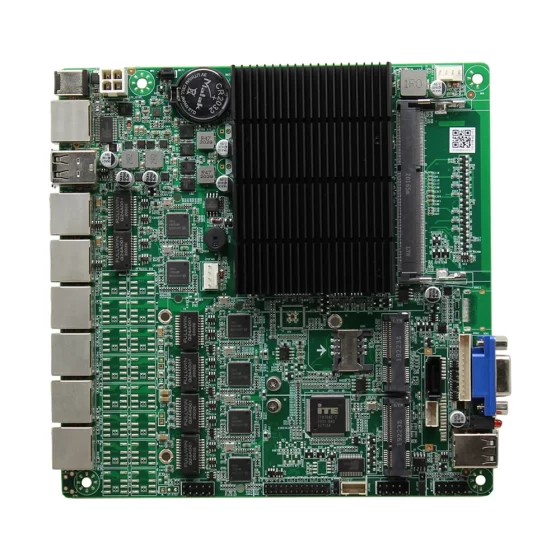
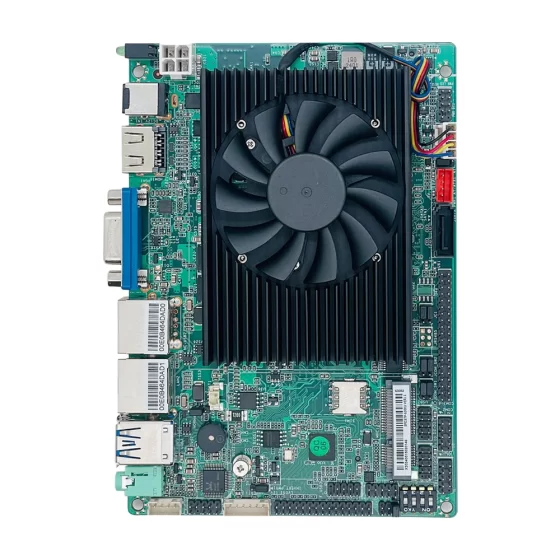
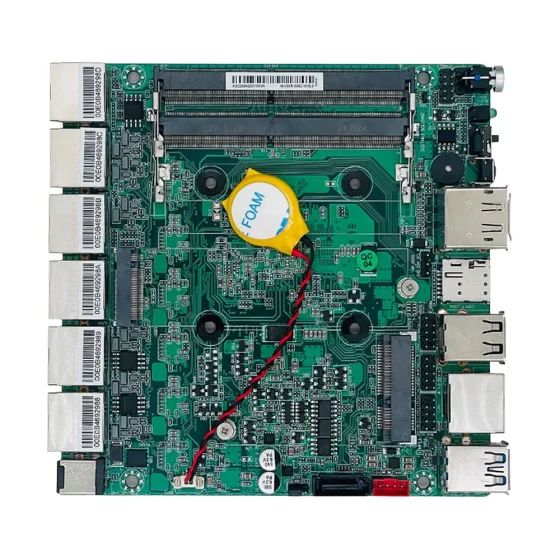
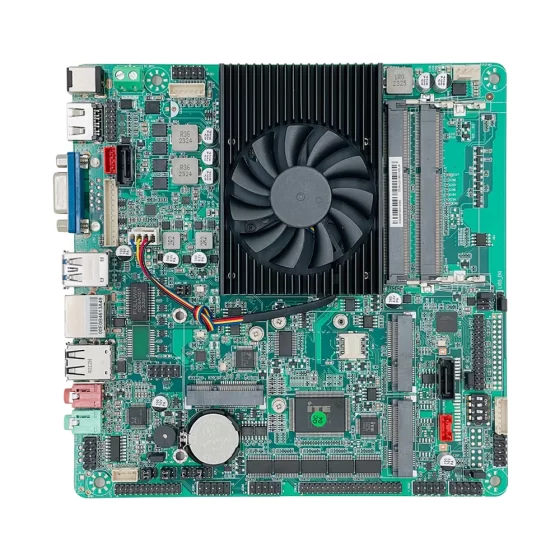
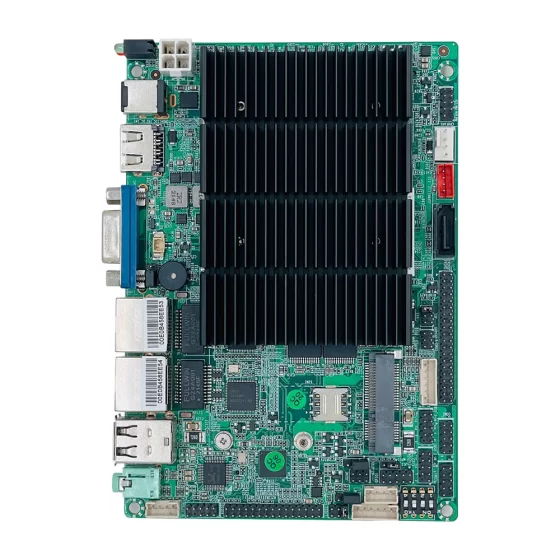
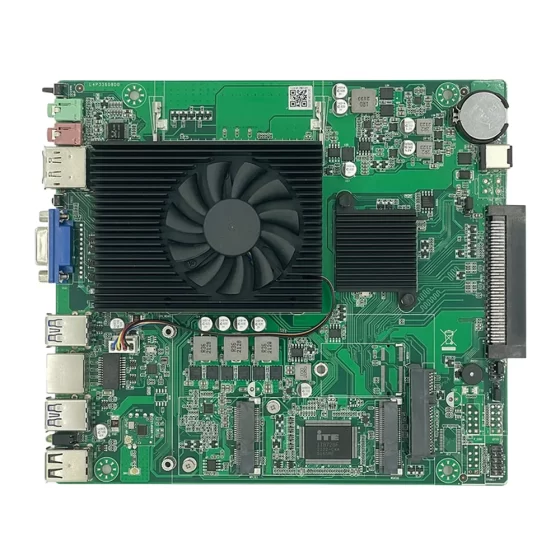
CoreIPC Industrial Computing-Lösungen

Überwachung der Versorgungsinfrastruktur: Versorgungsüberwachungsplattform für den Betrieb kritischer Infrastrukturen
Zusammenfassung
A utility monitoring platform provides the industrial computing foundation for monitoring power, Wasser, gas, wastewater, erneuerbare Energie, pumping stations, Umspannwerke, distributed field equipment, and remote infrastructure assets.
Utility infrastructure is becoming more connected and data-driven. Operators need real-time visibility into equipment status, energy flow, water pressure, pump operation, meter readings, Umgebungsbedingungen, Alarm, security events, and remote site availability.
Jedoch, utility environments are often distributed across many locations. Some sites are located in substations, pumping stations, Straßenschränke, Hauswirtschaftsräume, Solarparks, water treatment facilities, or remote field enclosures. These sites may operate continuously with limited on-site staff and challenging environmental conditions.
A utility monitoring platform built on an industrial computer or embedded computer can collect data from sensors, Meter, SPS, RTUs, SCADA-Systeme, Kameras, Gateways, and communication devices. Es kann Daten lokal verarbeiten, Pufferaufzeichnungen bei Netzwerkunterbrechungen, unterstützen sicheren Fernzugriff, und strukturierte Informationen an SCADA senden, Cloud-Dashboards, maintenance systems, or utility operation centers.
Im Vergleich zu Büro-PCs oder Consumer-Gateways, industrial computers provide better reliability for utility deployment. Sie unterstützen robuste Gehäuse, mehrere LAN-Ports, serielle Kommunikation, GPIO, lokaler Speicher, lüfterlose Designoptionen, stabile strom eingang, und lange Verfügbarkeit über den gesamten Lebenszyklus.
This article explains how utility infrastructure monitoring works, what challenges appear in distributed utility environments, wie die Lösungsarchitektur aufgebaut ist, and which hardware features matter when selecting an industrial computer or embedded computer for utility monitoring platform deployment.
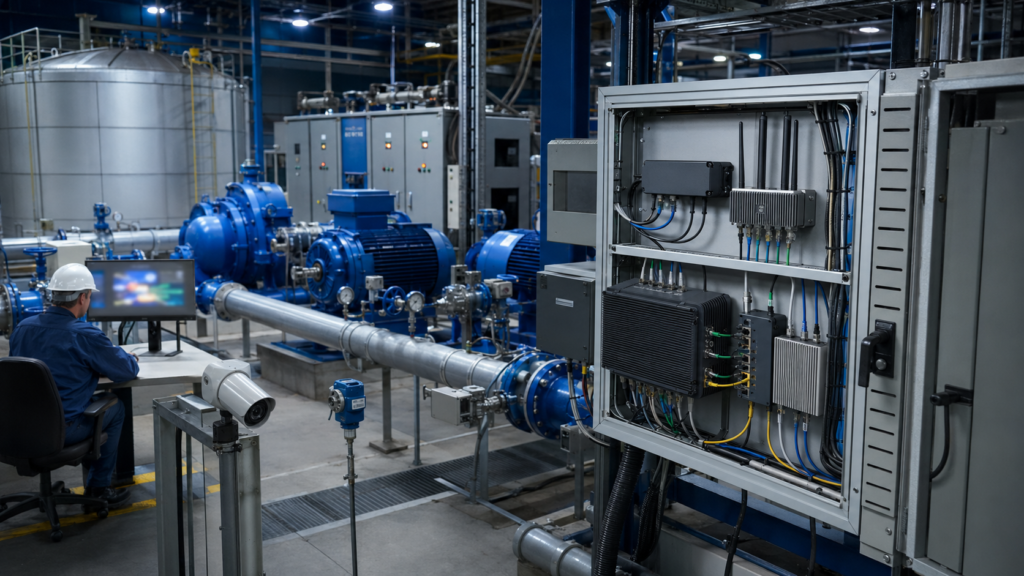
Utility Field Data Monitoring
Branchenüberblick
Utility Systems Need Continuous Visibility
Utility infrastructure must operate reliably.
Power distribution, water supply, wastewater treatment, gas networks, erneuerbare Energiesysteme, and pumping stations all require continuous monitoring.
Operators need to know:
- Is the site online?
- Are meters reporting normally?
- Are pumps running correctly?
- Are power systems stable?
- Are alarms active?
- Are temperatures within limits?
- Are doors or cabinets secure?
- Are communication links healthy?
- Are remote assets performing as expected?
Without reliable monitoring, problems may remain hidden until service quality is affected.
A utility monitoring platform helps operators detect issues earlier and manage distributed infrastructure more efficiently.
Field Assets Are Becoming More Connected
Traditional utility infrastructure often used local control systems and periodic manual inspection.
Heute, more assets are connected to SCADA systems, industrielle IoT-Plattformen, Cloud-Dashboards, and centralized operation centers.
Connected assets may include:
- Intelligente Zähler
- Pump controllers
- RTUs
- SPS
- Power meters
- Wasserzähler
- Flow sensors
- Drucksensoren
- Temperatursensoren
- Umweltsensoren
- Security cameras
- Battery systems
- Solarwechselrichter
- Communication gateways
This connectivity improves visibility, but it also creates requirements for reliable edge computing and secure communication.
Industrial Computing Supports Remote Utility Deployment
Utility monitoring equipment is often installed outside clean office environments.
It may be deployed in control cabinets, Umspannwerke, pumping stations, equipment shelters, Straßenrandeinfriedungen, remote utility rooms, Standorte für erneuerbare Energien, and water treatment facilities.
Diese Umgebungen können Staub enthalten, Vibration, Temperaturschwankungen, Luftfeuchtigkeit, instabile Macht, electromagnetic interference, begrenzter Luftstrom, und eingeschränkter Wartungszugang.
Industriecomputer und eingebettete Computer bilden die Hardware-Grundlage für diese Bedingungen.
Sie unterstützen den robusten Einsatz, flexible I/O, lokaler Speicher, Multi-Netzwerk-Kommunikation, lüfterloser Betrieb, und langfristige Plattformverfügbarkeit.

Remote Utility Monitoring Challenges
Wichtigste Herausforderungen
Monitoring Distributed Remote Sites
Utility systems are often spread across wide geographic areas.
A single operator may manage many substations, Pumpstationen, tanks, Pipelines, solar sites, Speichersysteme, or field cabinets.
Each site may have different equipment, network quality, power conditions, and maintenance schedules.
A utility monitoring platform must support distributed operation.
It should collect local data, report status to central systems, and continue operating even when network conditions are unstable.
Connecting Mixed Utility Devices
Utility sites often contain equipment from different vendors and generations.
A monitoring platform may need to connect:
- SPS
- RTUs
- Intelligente Zähler
- Power meters
- Durchflussmesser
- Pump controllers
- Wechselrichter
- Battery systems
- Umweltsensoren
- Security devices
- Kameras
- Legacy serial equipment
These devices may use different interfaces and communication methods.
Flexible hardware is important for practical integration.
Supporting Serial and Ethernet Communication
Many utility systems still use serial communication.
RS232 and RS485 may be used for meters, RTUs, Sensoren, Controller, and legacy field devices.
Modern systems may use Ethernet, Industrieschalter, cellular routers, or fiber uplinks.
A utility monitoring platform should support both serial and Ethernet communication to reduce the need for external converters.
Native interface support improves reliability and simplifies field wiring.
Aufrechterhaltung des Betriebs bei Netzwerkunterbrechungen
Remote utility sites may experience unstable communication links.
Cellular connections, long-distance Ethernet, wireless links, or field networks may fail temporarily.
The monitoring platform should continue collecting data locally during these interruptions.
Local buffering helps preserve:
- Meter readings
- Alarmaufzeichnungen
- Pump status
- Umweltdaten
- Security events
- Power quality records
- Flow and pressure trends
- Wartungsprotokolle
Wenn die Verbindung wiederhergestellt ist, buffered records can be forwarded to SCADA, Cloud-Dashboards, or central databases.
Securing Remote Access and Data Transfer
Utility monitoring platforms often connect critical infrastructure with remote systems.
Dadurch entstehen Sicherheitsanforderungen.
The platform may need to support:
- Netzwerksegmentierung
- Firewall-Richtlinien
- Sicherer Fernzugriff
- VPN oder verschlüsselte Tunnel
- Benutzerberechtigungen
- Lokale Protokollierung
- Konfigurationssicherung
- Controlled cloud communication
Security must be designed carefully because utility systems are operationally important.
Remote access should help maintenance teams without exposing critical field assets unnecessarily.
Operating Reliably for Many Years
Utility infrastructure systems may remain in service for years.
Häufige Hardwareänderungen können zu Problemen bei der Softwarevalidierung führen, spare parts issues, Probleme mit der Treiberkompatibilität, und Wartungskomplexität.
Industrial computing platforms with long lifecycle availability help operators and system integrators maintain consistent monitoring systems across many sites.

Utility Monitoring Architecture
Utility Monitoring Platform Solution Architecture
Feldgeräteschicht
The field device layer includes the equipment being monitored.
Diese Schicht kann umfassen:
- Intelligente Zähler
- Power meters
- Wasserzähler
- Flow sensors
- Drucksensoren
- Temperatursensoren
- Pump controllers
- SPS
- RTUs
- Solarwechselrichter
- Battery systems
- Security cameras
- Umweltsensoren
- Zugangskontrollgeräte
These devices generate operational data that helps utility operators understand site conditions.
Edge Monitoring Layer
The edge monitoring layer is the local computing layer.
Auf dieser Ebene, B. der Industriecomputer oder der eingebettete Computer:
- Collect meter data
- Monitor pump status
- Receive sensor readings
- Connect PLCs and RTUs
- Speichern Sie lokale Datensätze
- Pufferdaten bei Netzwerkproblemen
- Apply alarm logic
- Verarbeiten Sie lokale Ereignisse
- Control data forwarding
- Unterstützen Sie die Ferndiagnose
This layer provides local intelligence at the utility site.
Kommunikationsschicht
The communication layer connects the remote site with central systems.
Es kann Folgendes umfassen::
- Ethernet uplink
- Cellular router
- Fiber network
- Industrial switch
- VPN tunnel
- Sicherer Fernzugriff
- SCADA-Kommunikation
- Verbindung zur Cloud-Plattform
- Site-to-site network link
The utility monitoring platform should support stable communication and clear network separation.
Datenverarbeitungsschicht
The data processing layer improves data usability before upload.
Die Plattform kann verarbeiten:
- Meter readings
- Alarmereignisse
- Pump runtime
- Flow trends
- Druckwerte
- Energieverbrauch
- Batteriestatus
- Umgebungsbedingungen
- Gerätegesundheit
- Communication status
Local processing reduces unnecessary bandwidth and helps operators focus on meaningful events.
Plattformintegrationsschicht
The monitoring platform connects field data with higher-level systems.
It may send structured information to:
- SCADA
- Utility operation centers
- Cloud-Dashboards
- Wartungsplattformen
- Energiemanagementsysteme
- Water management systems
- Alarmmanagementsysteme
- Lokalhistorische Datenbanken
- Fernüberwachungsplattformen
- Asset management systems
This integration helps utility operators manage distributed infrastructure more efficiently.
Sicherheits- und Verwaltungsschicht
The security and management layer helps protect utility communication and simplify operation.
Es kann Folgendes umfassen::
- Netzwerksegmentierung
- Firewall-Richtlinien
- Sicherer Fernzugriff
- Benutzerauthentifizierung
- Lokale Protokollierung
- Konfigurationssicherung
- Überwachung des Gerätezustands
- Speicherüberwachung
- Remote update management
- Access record management
This layer helps maintain long-term system reliability and controlled access.
Hauptmerkmale
Konnektivität für mehrere Geräte
A utility monitoring platform must connect with many types of field equipment.
Nützliche Schnittstellen können sein:
- LAN
- USB
- RS232
- RS485
- GPIO
- Digitaler Eingang
- Digitaler Ausgang
- HDMI
- DisplayPort
- M.2
- PCIe
- SATA- oder NVMe-Speicher
Native industrial interfaces reduce the need for external converters and improve field installation reliability.
Unterstützung für serielle Kommunikation
Serial communication remains important in utility infrastructure.
Many meters, RTUs, Controller, and sensors use RS232 or RS485.
An embedded computer with native serial ports can connect directly to these devices.
This simplifies cabinet wiring and improves system maintainability.
Multi-LAN-Netzwerkdesign
Multiple LAN ports are useful for separating different networks.
A utility monitoring platform may use separate connections for:
- Field device network
- SCADA-Netzwerk
- Kameranetzwerk
- Fernwartungsnetzwerk
- Lokales Managementnetzwerk
- WAN- oder Cloud-Uplink
- Industrielles IoT-Netzwerk
- Security network
Multi-LAN design improves network clarity and supports stronger security boundaries.
Lokale Speicherung und Datenpufferung
Local storage is critical for utility monitoring.
Die Plattform kann speichern:
- Meter readings
- Alarmprotokolle
- Ereignisaufzeichnungen
- Pump status history
- Sensortrends
- Lokale Datenbanken
- Puffer hochladen
- Konfigurationsdateien
- Fernzugriffsprotokolle
- Diagnostic records
SSD- oder NVMe-Speicher werden häufig bevorzugt, da sie einen schnellen Zugriff und eine bessere Stoßfestigkeit als mechanische Laufwerke bieten.
Beim Speicherdesign sollte die Aufbewahrungszeit berücksichtigt werden, schreibe Ausdauer, Backup-Workflow, und Netzwerkunterbrechungsverhalten.
Kantenverarbeitungsleistung
A utility monitoring platform may collect, Verfahren, speichern, und Daten kontinuierlich weiterleiten.
Die Auswahl der Hardware sollte berücksichtigt werden:
- CPU-Leistung
- Speicherkapazität
- Geräteanzahl
- Aktualisierungsrate des Sensors
- Protokollarbeitslast
- Größe der lokalen Datenbank
- Speichergeschwindigkeit
- Netzwerkbandbreite
- Security workload
- Betriebssystemunterstützung
Für größere Websites, the platform should be tested with real data rates and field devices.
Robustes und lüfterloses Design
Utility monitoring systems may be installed in harsh environments.
Lüfterlose Industriecomputer reduzieren die Staubaufnahme und beseitigen eine häufige mechanische Fehlerquelle.
Robuste Gehäuse schützen vor Vibrationen, Belastung bei der Schrankinstallation, Kabelbelastung, und Dauerbetrieb.
Das thermische Design sollte dennoch sorgfältig überprüft werden, especially in outdoor cabinets or poorly ventilated utility rooms.
Sicherer Fernzugriff
Remote access is important for utility maintenance.
Engineers may need to review logs, adjust configurations, diagnose communication issues, oder überprüfen Sie den Systemstatus.
Der Fernzugriff sollte über gesteuert werden:
- Benutzerauthentifizierung
- VPN- oder sichere Tunnelunterstützung
- Zugriffsberechtigungen
- Sitzungsprotokollierung
- Wartungsfenster
- Netzwerksegmentierung
- Konfigurationssicherung
- Verfahren für den Notfallzugang
This supports efficient maintenance without broad network exposure.
Lange Verfügbarkeit über den gesamten Lebenszyklus
Utility monitoring platforms often become part of long-term infrastructure.
Konsistente Hardware hilft bei der Pflege von Software-Images, field wiring designs, Fahrer, Ersatzteile, Konfigurationsvorlagen, und Validierungsverfahren.
Long lifecycle availability is especially important for utilities, Systemintegratoren, and OEM monitoring appliance providers.

Utility Infrastructure Operations
Bereitstellungsszenarien
Power Distribution Monitoring
Power distribution sites may include meters, transformers, switchgear, Schutzvorrichtungen, and communication equipment.
A utility monitoring platform can collect electrical data, monitor site status, Pufferdatensätze, and forward events to operation centers or SCADA systems.
This supports better visibility across distributed electrical infrastructure.
Water Pump Station Monitoring
Pump stations need continuous monitoring of pump status, Druck, fließen, tank level, power usage, und Alarme.
An embedded computer can collect data from PLCs, Meter, Sensoren, und Controller.
It can store local records and report structured information to central water management systems.
Wastewater Facility Monitoring
Wastewater facilities may require monitoring of pumps, Motoren, flow meters, chemical systems, tanks, und Umweltbedingungen.
A monitoring platform can collect and process data locally, Alarme erzeugen, and support remote maintenance.
This improves operational visibility and maintenance planning.
Renewable Energy Site Monitoring
Solar farms, wind sites, and battery storage systems require monitoring of inverters, Meter, Umweltsensoren, und Kraftgeräte.
An industrial computer can collect data locally, connect to cloud dashboards, und unterstützen die Ferndiagnose.
This helps operators manage distributed renewable energy assets.
Utility Meter Data Collection
Smart meters and industrial meters may report power, Wasser, gas, or energy usage.
A utility monitoring platform can aggregate meter data, Zeitstempel ausrichten, Pufferdatensätze, and forward information to energy or utility management systems.
This supports accurate reporting and analysis.
Remote Cabinet and Field Equipment Monitoring
Remote cabinets may contain communication equipment, Netzteile, Sensoren, Zugangskontrollgeräte, and field controllers.
An embedded computer can monitor cabinet temperature, door status, power status, communication health, and security events.
This helps reduce blind spots in distributed infrastructure.
SCADA Edge Monitoring
SCADA systems often rely on remote data from utility assets.
A monitoring platform can collect local data, Kommunikation verwalten, Aufzeichnungen speichern, and forward selected information to SCADA platforms.
This improves site visibility and supports more reliable remote operations.
OEM Utility Monitoring Appliance
System integrators and equipment builders can build custom utility monitoring appliances using industrial computers or embedded boards.
The platform can support field data collection, lokaler Speicher, sichere Kommunikation, Fernzugriff, und robusten Einsatz.
Geschäftsvorteile
Better Infrastructure Visibility
A utility monitoring platform helps operators see what is happening across distributed sites.
It can collect data from meters, Sensoren, SPS, RTUs, Pumps, Wechselrichter, und Feldgeräte.
This improves visibility into asset status and operating conditions.
Faster Fault Detection
Local monitoring helps detect abnormal conditions earlier.
Examples include pump faults, pressure changes, temperature alarms, power issues, communication failures, cabinet access events, and equipment status changes.
Early detection helps reduce downtime and service disruption.
Reduced Manual Inspection
Remote monitoring can reduce dependence on manual site visits.
Operators can review status, Protokolle, Alarm, and trends from central systems.
This improves maintenance efficiency and lowers field service workload.
Improved Data Continuity
Local storage and buffering help prevent data loss during network interruptions.
The platform can continue collecting records and upload them when communication recovers.
This improves reporting accuracy and long-term traceability.
Stronger Remote Maintenance
Secure remote access helps engineers troubleshoot field systems more efficiently.
With proper access control and logging, remote maintenance can reduce travel and improve response time while protecting critical infrastructure networks.
Scalable Utility Monitoring Deployment
A standardized utility monitoring platform makes it easier to deploy across many sites.
Konsistente Hardware vereinfacht Software-Images, field wiring, Konfigurationsvorlagen, Ersatzteilplanung, Wartungsschulung, und Lebenszyklusmanagement.
This supports scalable infrastructure monitoring programs.
Warum CoreIPC
CoreIPC provides industrial computing platforms for energy management, Industrielles IoT, Fernüberwachung, Netzwerksicherheit, intelligenter Transport, und eingebettete Systemintegration. For utility monitoring platform applications, CoreIPC konzentriert sich auf zuverlässige industrielle Computerhardware, Embedded-Computer-Lösungen, Multi-LAN-Konfigurationen, serielle Kommunikation, flexible I/O, kompaktes Systemdesign, lüfterlose Bereitstellungsoptionen, lokale Speicherfähigkeit, und OEM/ODM-Anpassungsunterstützung. CoreIPC hilft Systemintegratoren, utility operators, and equipment builders select computing platforms that match real deployment requirements, einschließlich Geräteschnittstellen, Datenarbeitslast, Anzahl der LAN-Ports, Speicherbedarf, Montagemethoden, Leistungsaufnahme, thermische Bedingungen, und Lebenszyklusplanung.
Häufig gestellte Fragen
1. What is a utility monitoring platform?
A utility monitoring platform is an industrial computing system used to collect, Verfahren, speichern, and forward data from utility infrastructure.
It may monitor power, Wasser, gas, wastewater, erneuerbare Energie, pumping stations, Umspannwerke, field cabinets, Meter, Sensoren, SPS, RTUs, and remote equipment.
2. Why use an industrial computer for utility monitoring?
An industrial computer provides rugged hardware and flexible connectivity for field deployment.
Es kann mehrere LAN-Ports unterstützen, serielle Kommunikation, USB, GPIO, zuverlässige Lagerung, lüfterloser Betrieb, Industriemontage, stabile strom eingang, und lange Verfügbarkeit über den gesamten Lebenszyklus. These features make it suitable for substations, Pumpstationen, Hauswirtschaftsräume, Schränke, und abgelegene Standorte.
3. How is an embedded computer used in utility infrastructure monitoring?
An embedded computer can be installed inside a control cabinet or field enclosure.
It can collect data from meters, Sensoren, SPS, RTUs, Kameras, and communication devices. It can process records locally, Pufferdaten, unterstützung remote zugriff, and forward information to SCADA, Cloud-Dashboards, or operation centers.
4. What utility systems can be monitored?
A utility monitoring platform can monitor power distribution systems, water pump stations, wastewater systems, gas infrastructure, Standorte für erneuerbare Energien, field cabinets, meter networks, Batteriesysteme, Umweltsensoren, and communication equipment.
Die genaue Unterstützung hängt von den Schnittstellen ab, Software, Protokolle, und Integrationsanforderungen.
5. Why is local storage important for utility monitoring?
Die lokale Speicherung trägt dazu bei, Datenverluste bei Netzwerkunterbrechungen zu verhindern.
The platform can continue recording meter readings, Alarm, pump status, Umweltdaten, and event logs locally. Wenn sich die Kommunikation erholt, buffered data can be uploaded to SCADA, Cloud-Plattformen, or central databases.
6. Why are multiple LAN ports important for utility platforms?
Multiple LAN ports help separate field devices, SCADA-Systeme, Kameras, Fernwartung, cloud uplinks, und Managementnetzwerke.
Dies verbessert die Netzwerkorganisation, Sicherheit, and communication reliability.
7. Can utility monitoring platforms support legacy equipment?
Ja. Many utility sites use legacy meters, RTUs, Controller, und Sensoren.
Industrial computers with RS232, RS485, USB, GPIO, and digital I/O can connect these systems and bring their data into modern monitoring platforms.
8. Can utility monitoring platforms support remote maintenance?
Ja. A utility monitoring platform can support remote maintenance through VPN or secure tunnels, Zugangskontrolle, Protokollierung, und Netzwerksegmentierung.
This allows authorized engineers to review system status, Konfigurationen aktualisieren, and troubleshoot field equipment remotely.
9. What hardware features matter for utility monitoring?
Zu den wichtigen Features gehören mehrere LAN-Ports, RS232, RS485, USB, GPIO, digitale I/O, zuverlässiges Gedächtnis, SSD- oder NVMe-Speicher, robustes Gehäuse, lüfterloses Design, industrieller Stromeingang, Ausgabe anzeigen, M.2, PCIe, und Erweiterungsmöglichkeiten.
Die endgültige Konfiguration sollte mit der Geräteanzahl übereinstimmen, Kommunikationsschnittstellen, Datenarbeitslast, und Umweltbedingungen.
10. Was sollte vor der Bereitstellung getestet werden??
Vor der Bereitstellung, the system should be tested with real meters, Sensoren, SPS, RTUs, Netzwerktopologie, Datenraten, Speicherverhalten, Pufferlogik, Remote-Zugriffs-Workflow, und langlebigen Betrieb.
Thermische Stabilität, power conditions, Wiederherstellung der Kommunikation, Protokollierung, Konfigurationssicherung, and integration with SCADA or cloud platforms should also be validated.
Abschluss
A utility monitoring platform is a practical foundation for critical infrastructure visibility, remote site monitoring, meter data collection, Überwachung von Pumpstationen, power distribution supervision, renewable energy monitoring, SCADA-Integration, and secure field communication.
By placing an industrial computer or embedded computer near utility equipment, operators and system integrators can collect data from meters, Sensoren, SPS, RTUs, Pumps, Wechselrichter, field cabinets, Kameras, and communication systems through reliable and controlled communication paths.
The right utility monitoring platform should be selected according to real deployment requirements, einschließlich Geräteschnittstellen, Datenarbeitslast, Anzahl der LAN-Ports, serielle Kommunikation, Speicherdesign, Pufferanforderungen, Montagemethode, Leistungsaufnahme, thermische Bedingungen, Betriebssystemunterstützung, Sicherheitspolitik, und Lebenszyklusplanung.
CoreIPC supports utility monitoring platform projects with industrial computing platforms designed for practical field, Kabinett, remote site, und OEM-Bereitstellung. Mit der richtigen Hardware-Grundlage, utility operators and equipment builders can build reliable, skalierbar, and data-driven infrastructure monitoring systems.
Kontaktieren Sie uns
Auf der Suche nach einem Industriecomputer, eingebetteter Computer, or multi-LAN platform for utility monitoring platform deployment?
Kontaktieren Sie CoreIPC, um Ihre Projektanforderungen zu besprechen, einschließlich Geräteschnittstellen, Anzahl der LAN-Ports, serielle Kommunikation, meter integration, Datenarbeitslast, Speicherkonfiguration, Montagemethode, Leistungsaufnahme, Betriebsumgebung, Lebenszyklusanforderungen, und OEM/ODM-Anpassungsoptionen.