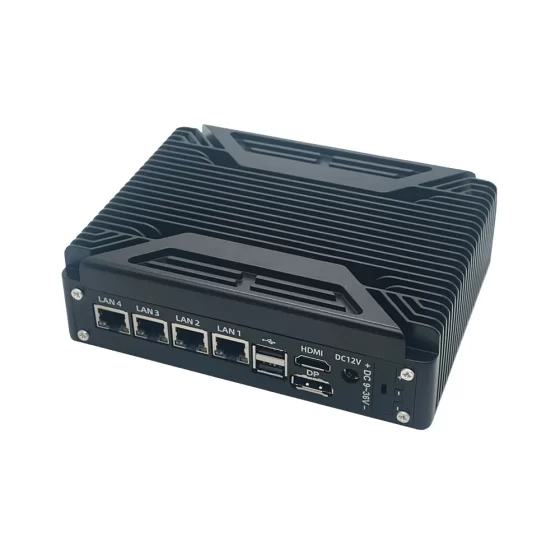
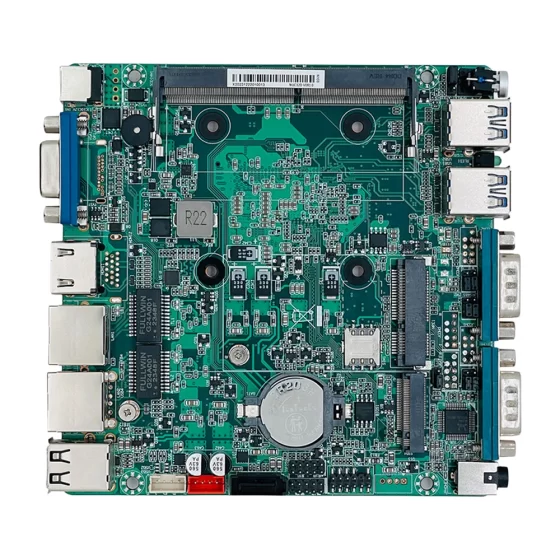
CoreIPC Industrial Computing-Lösungen

Lösung zur Fernüberwachung von Geräten basierend auf Industriecomputern und eingebetteten Systemen
Zusammenfassung
A Lösung zur Fernüberwachung von Geräten ist ein entscheidender Bestandteil der modernen industriellen Digitalisierung, Dadurch können Hersteller den Maschinenstatus überwachen, Betriebsleistung, und Fehlerzustände über zentralisierte oder cloudbasierte Plattformen.
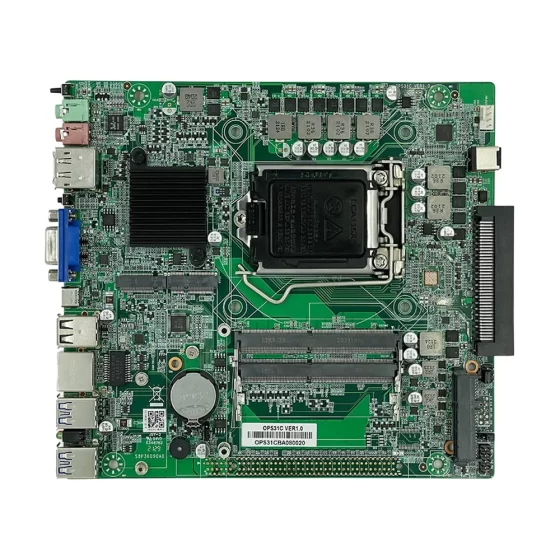
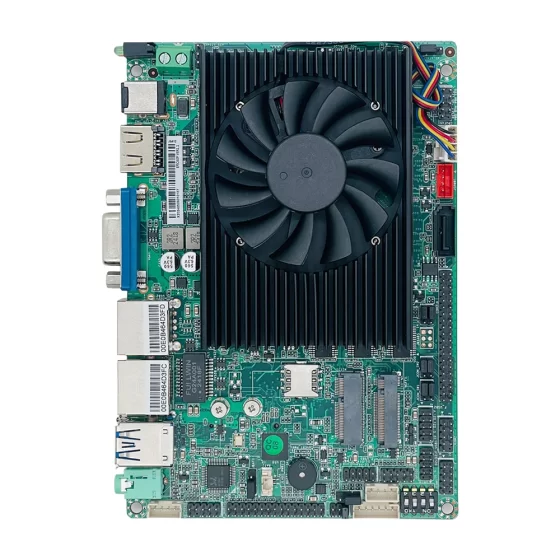
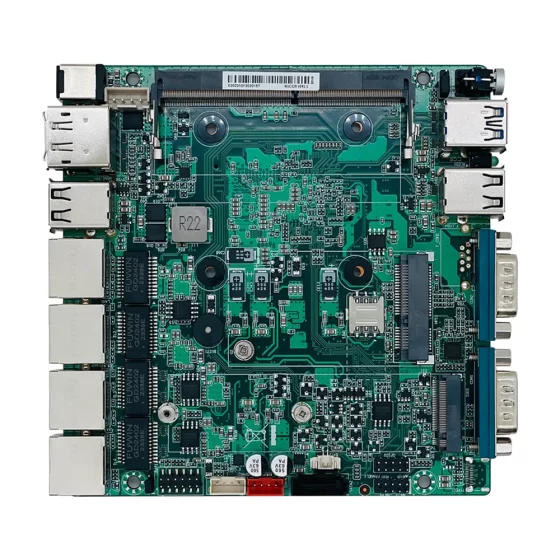
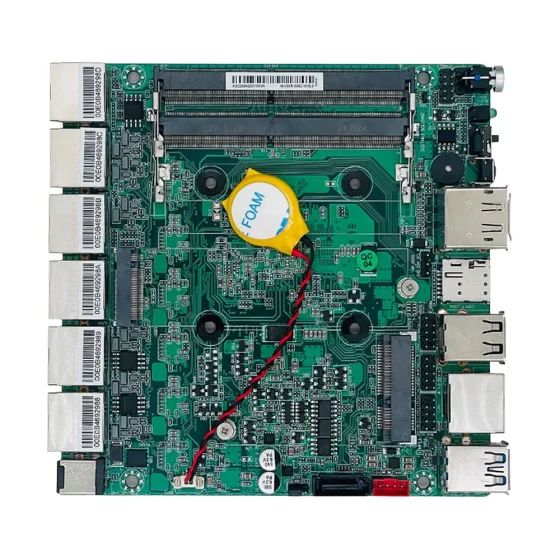
Das Herzstück dieses Systems ist ein Industriecomputer oder eingebetteter Computer am Rand eingesetzt, Verantwortlich für die Echtzeit-Datenerfassung, Protokollkonvertierung, lokale Verarbeitung, und sichere Kommunikation mit Fernüberwachungsplattformen.
Im Vergleich zu herkömmlichen Vor-Ort-Inspektionsmethoden, Fernüberwachungssysteme verbessern die betriebliche Effizienz erheblich, Ausfallzeiten reduzieren, und ermöglichen vorausschauende Wartungsstrategien für verteilte Industrieanlagen.
Die industriellen Computing-Plattformen von CoreIPC bieten zuverlässige Edge-Computing-Funktionen für Anwendungen zur Fernüberwachung von Geräten in rauen und geschäftskritischen Umgebungen.
Branchenüberblick
Industriebetriebe sind zunehmend auf mehrere Produktionsstandorte verteilt, Energieanlagen, Transportnetze, und Infrastruktursysteme. Dies führt zu einer starken Nachfrage nach zentralisierten Überwachungs- und Kontrollfunktionen.
Ein moderner Fernüberwachungssystem für Geräte typischerweise integriert:
- Industrielle Sensoren und SPS-Steuerungen
- Edge-Computing-Industriecomputer
- SCADA- und HMI-Systeme
- Cloudbasierte Analyseplattformen
- Industrielle Kommunikationsnetze (Modbus, OPC UA, MQTT)
In dieser Architektur, Die Industriecomputer fungiert als lokaler Geheimdienstknoten, Überbrückung physischer Geräte mit digitalen Überwachungssystemen.
Zu den Branchen, die Fernüberwachung einsetzen, gehören::
- Energie und Versorgung
- Fertigung und Fabrikautomation
- Öl- und Gasbetriebe
- Transportsysteme
- Intelligentes Infrastrukturmanagement
Der Wandel hin zu vorausschauender Wartung und datengesteuerten Abläufen beschleunigt die weltweite Einführung eingebetteter Überwachungssysteme.
Wichtigste Herausforderungen
1. Verteilte Asset-Komplexität
Industrieanlagen sind häufig geografisch verteilt, Dies macht die zentralisierte Überwachung in Echtzeit technisch zu einer Herausforderung.
2. Kommunikationszuverlässigkeit
Remote-Umgebungen können unter instabilen Netzwerkbedingungen leiden, erfordert robuste Datenpufferungs- und Wiederholungsmechanismen.
3. Multiprotokoll-Integration
Geräte verschiedener Hersteller verwenden unterschiedliche Protokolle wie Modbus, DÜRFEN, OPC UA, und proprietäre Schnittstellen.
4. Echtzeit-Datengenauigkeit
Überwachungssysteme müssen eine genaue und synchronisierte Datenerfassung über mehrere Geräte hinweg gewährleisten.
5. Harte Umweltbedingungen
Edge-Geräte müssen in Umgebungen mit funktionieren:
- Temperaturextreme
- Vibration
- Elektrische Störungen
- Staub und Feuchtigkeit
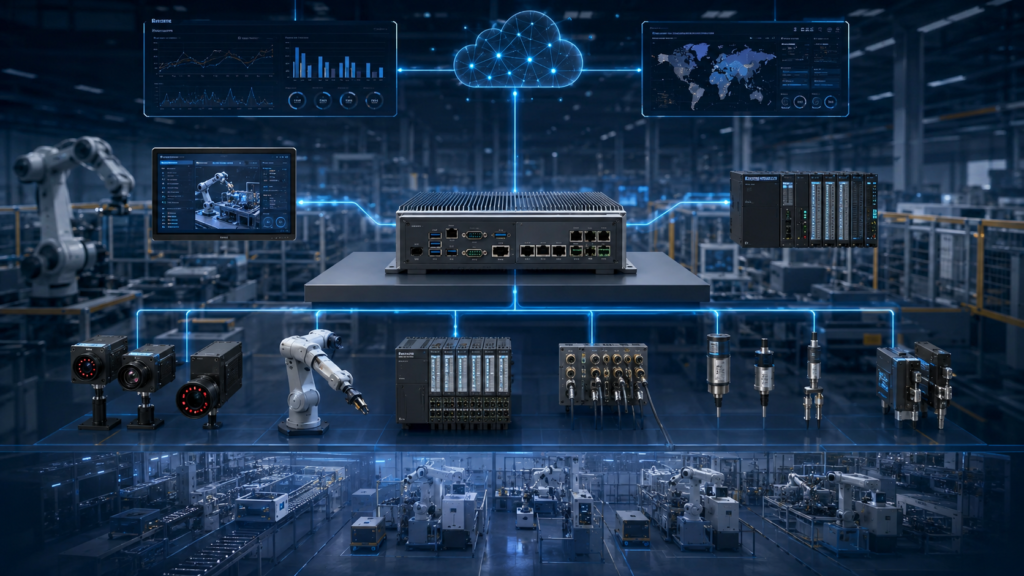
Visualisierung der industriellen Systemarchitektur mit Schwerpunkt auf Edge-Computing-IPC mit integrierter SPS, Robotik und Cloud-Analyse
Lösungsarchitektur
Eine auf Industrial Computing basierende Lösung zur Fernüberwachung von Geräten folgt typischerweise einer mehrschichtigen Architektur:
1. Ausrüstungsschicht
Physische Maschinen und Industrieanlagen, die mit Sensoren und SPS-Steuerungen ausgestattet sind, erzeugen Betriebsdaten.
2. Edge-Computing-Schicht (Industriecomputer / Eingebetteter Computer)
Der Industriecomputer führt:
- Datenerfassung von Sensoren und SPSen
- Protokollkonvertierung und Normalisierung
- Lokale Vorverarbeitung und Filterung
- Ereigniserkennung und Anomalieidentifizierung
3. Kommunikationsschicht
Die Daten werden über sichere Industrienetzwerke übertragen:
- Ethernet / Industrielles Ethernet
- 4Drahtlose G/5G-Konnektivität
- MQTT / OPC UA / HTTPS-Protokolle
4. Cloud-Überwachungsschicht
Remote-Plattformen bieten:
- Geräte-Dashboards
- Historische Datenanalyse
- Vorausschauende Wartungsanalysen
- Alarmmanagementsysteme
5. Anwendungsschicht
Endbenutzer greifen über Web-Dashboards oder mobile Schnittstellen auf Überwachungssysteme zu.

Industrieller eingebetteter Computer, der unter rauen Fabrikbedingungen mit Roboterautomatisierung und CNC-Maschinen betrieben wird
Hauptmerkmale
Echtzeit-Fernüberwachung
Ermöglicht kontinuierliche Sichtbarkeit des Gerätestatus und der Leistung von jedem Standort aus.
Edge-Datenverarbeitung
Industriecomputer verarbeiten Daten lokal, um Latenz und Bandbreitennutzung zu reduzieren.
Multiprotokoll-Unterstützung
Unterstützt industrielle Kommunikationsstandards einschließlich Modbus, OPC UA, und MQTT.
Hochzuverlässiger Betrieb
Entwickelt für 24/7 Dauerbetrieb in Industrieumgebungen.
Sichere Datenübertragung
Gewährleistet eine verschlüsselte Kommunikation zwischen Edge-Geräten und Cloud-Systemen.
Skalierbare Architektur
Unterstützt den Einsatz von der Überwachung einzelner Maschinen bis hin zu großen Industrienetzwerken.
Bereitstellungsszenarien
Überwachung von Fertigungsanlagen
Überwachung von CNC-Maschinen, Produktionslinien, und Robotersysteme in Echtzeit.
Überwachung der Energieinfrastruktur
Wird in Windkraftanlagen verwendet, Solarparks, und Energieverteilungssysteme.
Überwachung von Öl- und Gasanlagen
Fernverfolgung von Pumpen, Pipelines, und Bohrausrüstung.
Transportsysteme
Überwachung von Eisenbahnsystemen, Verkehrsinfrastruktur, und Flottenbetrieb.
Intelligente Gebäudeinfrastruktur
Verwaltung von HVAC-Systemen, Aufzüge, und Energieverbrauchssysteme.
Geschäftsvorteile
Reduzierte Ausfallzeiten
Eine frühzeitige Fehlererkennung trägt dazu bei, unerwartete Geräteausfälle zu verhindern.
Niedrigere Wartungskosten
Durch vorausschauende Wartung werden unnötige Serviceeinsätze reduziert.
Verbesserte betriebliche Effizienz
Eine zentralisierte Überwachung verbessert die Entscheidungsfindung und Ressourcenzuweisung.
Verbesserte Asset-Sichtbarkeit
Der Echtzeitzugriff auf verteilte Gerätedaten verbessert die Kontrolle.
Skalierbare digitale Transformation
Unterstützt die schrittweise Erweiterung von Einzelstandort- zu globalen Asset-Überwachungssystemen.
Warum CoreIPC
CoreIPC bietet Computerplattformen in Industriequalität, die speziell für Anwendungen zur Fernüberwachung von Geräten entwickelt wurden.
Zu den wichtigsten Vorteilen gehören::
- Stabile Edge-Computing-Leistung für die kontinuierliche Überwachung von Workloads
- Robustes Embedded-Design für raue Industrieumgebungen
- Lange Verfügbarkeit über den gesamten Lebenszyklus für Stabilität im industriellen Einsatz
- Flexible I/O- und Kommunikationsschnittstellen für die Systemintegration
- OEM/ODM-Anpassung für spezielle Überwachungslösungen
- Bewährte Zuverlässigkeit in verteilten Industrieanwendungen
CoreIPC ermöglicht eine nahtlose Integration zwischen Industrieanlagen und Fernüberwachungsplattformen, Unterstützung skalierbarer industrieller IoT-Implementierungen.
Häufig gestellte Fragen
1. Was ist eine Lösung zur Fernüberwachung von Geräten??
Es handelt sich um ein System, das die Echtzeitüberwachung von Industrieanlagen von entfernten Standorten aus mithilfe von Edge-Computing- und Kommunikationsnetzwerken ermöglicht.
2. Warum ist ein Industriecomputer erforderlich??
Industriecomputer sorgen für eine zuverlässige Datenerfassung, Protokollkonvertierung, und Dauerbetrieb in rauen Umgebungen.
3. Welche Rolle spielen eingebettete Computer in Überwachungssystemen??
Eingebettete Computer fungieren als Edge-Geräte für die lokale Verarbeitung und Kommunikation mit Cloud-Plattformen.
4. Welche Protokolle werden häufig verwendet??
Modbus, OPC UA, MQTT, CAN-Bus, und Ethernet-basierte Protokolle werden häufig verwendet.
5. Kann die Fernüberwachung ohne Cloud-Konnektivität funktionieren??
Ja, Edge-Systeme können lokal arbeiten und Daten synchronisieren, wenn Konnektivität verfügbar ist.
6. Welche Branchen nutzen die Fernüberwachung von Geräten??
Herstellung, Energie, Transport, Öl und Gas, In der Infrastrukturindustrie werden solche Systeme häufig eingesetzt.
7. Wie funktioniert Predictive Maintenance??
Es nutzt Echtzeit- und historische Daten, um Anomalien zu erkennen und Geräteausfälle vorherzusagen.
8. Ist das System skalierbar??
Ja, Es kann von einzelnen Maschinen bis hin zu großen verteilten Industrienetzwerken skaliert werden.
Abschluss
Die Fernüberwachung von Geräten ist eine grundlegende Technologie im modernen industriellen IoT und in intelligenten Fertigungssystemen. Durch die Nutzung von Industriecomputern und eingebetteten Computerplattformen, Unternehmen können Echtzeittransparenz erreichen, vorausschauende Wartung, und effizientes Asset-Management in verteilten Umgebungen.
Die industriellen Computerlösungen von CoreIPC bieten eine zuverlässige und skalierbare Grundlage für den Aufbau von Fernüberwachungssystemen der nächsten Generation.
Kontaktieren Sie uns
CoreIPC bietet industrielle Computerplattformen für die Fernüberwachung von Geräten, Industrielles IoT, und Edge-Computing-Anwendungen. Kontaktieren Sie unser Engineering-Team für maßgeschneiderte Lösungen und Integrationsunterstützung.