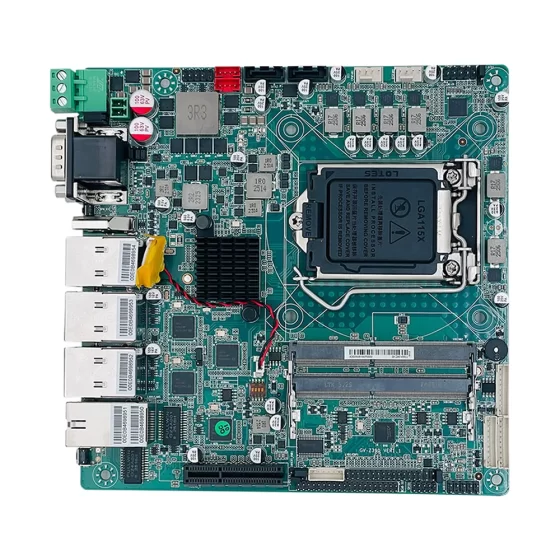
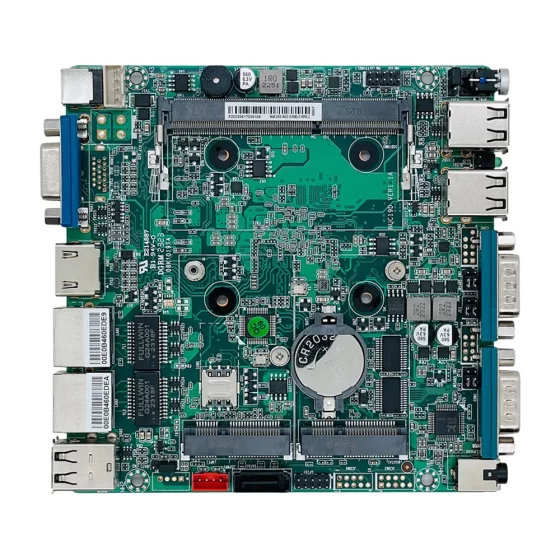
CoreIPC Industrial Computing-Lösungen

MES-Integrationsplattform für Smart Manufacturing: Industrielles Computing für den vernetzten Fabrikbetrieb
Zusammenfassung
Eine MES-Integrationsplattform ist die digitale Brücke zwischen Produktionsanlagen, Werkstattbetreiber, Software zur Fertigungsausführung, und Unternehmensgeschäftssysteme.
In intelligenten Fertigungsumgebungen, Fabriken brauchen mehr als isolierte Maschinen und manuelle Berichte. Sie benötigen einen zuverlässigen Datenfluss von SPSen, Sensoren, Barcode-Scanner, RFID-Lesegeräte, Inspektionssysteme, Produktionsterminals, und Industrienetzwerke in das MES-System.
Hier werden Industriecomputer und eingebettete Computerplattformen unverzichtbar. Sie stellen die lokale Rechenschicht bereit, die für die Verbindung von Maschinen erforderlich ist, Produktionsdaten sammeln, Prozessinformationen in der Nähe des Geräts, und Fertigungsaufzeichnungen mit MES-Software synchronisieren.
Eine gut konzipierte MES-Integrationsplattform hilft Herstellern, die Produktionstransparenz zu verbessern, Reduzieren Sie die manuelle Berichterstattung, Stärkung der Rückverfolgbarkeit, und verbinden Sie Altgeräte mit modernen digitalen Systemen.
Jedoch, Die MES-Integration ist nicht nur eine Software-Herausforderung. Es kommt auch auf stabile Industrie-Hardware an, flexible I/O, lange Verfügbarkeit über den gesamten Lebenszyklus, zuverlässige Vernetzung, und praktische Bereitstellung in realen Fabrikumgebungen.
In diesem Artikel wird erläutert, wie Industriecomputer MES-Integrationsplattformen unterstützen, vor welchen Herausforderungen Hersteller stehen, wie die Systemarchitektur funktioniert, und welche Hardwarefunktionen für den Einsatz in der intelligenten Fertigung am wichtigsten sind.
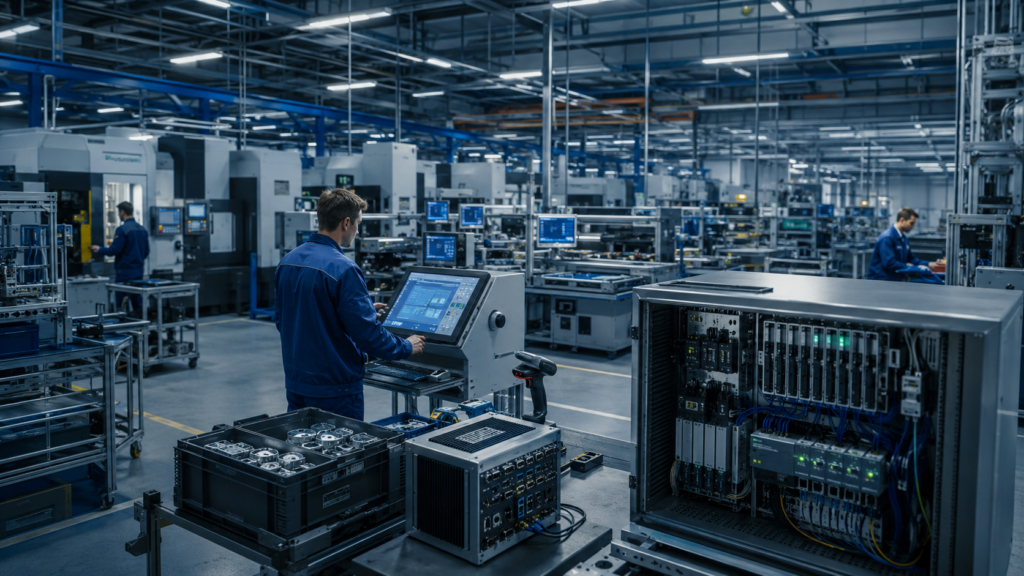
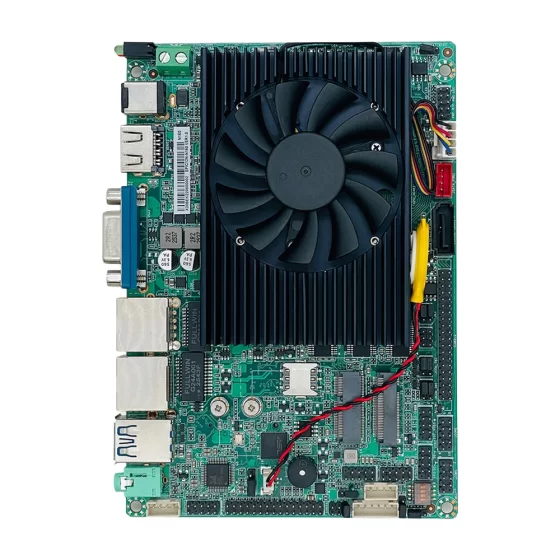
Industriecomputer sammeln Fertigungsdaten von Maschinen, Scanner, SPS, und Bedienstationen.
Branchenüberblick
Intelligente Fertigung erfordert vernetzte Produktionsdaten
Intelligente Fertigung hängt von genauen und zeitnahen Produktionsdaten ab.
Fabriken müssen wissen, was auf jeder Linie passiert, Maschine, Arbeitsplatz, Inspektionsbereich, und Materialflussprozess. Ohne zuverlässige Datenerfassung, MES-Software kann keine genaue Arbeitsauftragsverfolgung ermöglichen, Produktionsstatus, Qualitätsaufzeichnungen, oder Rückverfolgbarkeit.
Eine MES-Integrationsplattform verbindet diese Produktionsaktivitäten in einem digitalen Workflow.
Es sammelt Daten von Geräten und Bedienern, Anschließend werden die Daten an die MES-Software übertragen, Datenbanken, Dashboards, und Unternehmenssysteme. Dadurch können Hersteller von der manuellen Berichterstattung zur Echtzeit-Produktionstransparenz übergehen.
MES wird zum Shop-Floor-Integrationssystem
Herkömmliche MES-Systeme wurden oft als Produktionsmanagementsoftware behandelt.
Heute, MES wird zunehmend mit Fabrikanlagen verbunden, Automatisierungssysteme, Qualitätsprüfung, Lagerbetrieb, und Bedienterminals. Dadurch wird die Hardware-Integrationsschicht wichtiger als zuvor.
Typische mit MES verbundene Geräte können Folgendes umfassen::
- SPS-Steuerungen
- CNC-Maschinen
- Montagestationen
- Barcode-Scanner
- RFID-Lesegeräte
- Etikettendrucker
- Bildverarbeitungskameras
- Testinstrumente
- Industrielle Displays
- Produktions-Dashboards
- Lokale Server und Datenbanken
Um diese Geräte zuverlässig zu verbinden, Fabriken benötigen industrietaugliche Computerplattformen, die nahe am Produktionsprozess eingesetzt werden.
Warum Industriecomputer wichtig sind
Kommerzielle PCs funktionieren möglicherweise in Büroumgebungen, Die MES-Integration erfolgt jedoch normalerweise in der Nähe von Maschinen und Produktionslinien.
Industriecomputer sind für den Dauerbetrieb ausgelegt, industrielle I/O, Schrankeinbau, lüfterlose Kühlung, stabile Vernetzung, und langfristigen Einsatz.
Ein Industriecomputer kann als MES-Terminal fungieren, Maschinendaten-Gateway, Edge-Computing-Knoten, Arbeitsplatz zur Qualitätskontrolle, oder Protokollintegrationsplattform.
In Schränken kann ein Embedded-Computer installiert werden, Maschinen, Produktionsarbeitsplätze, oder OEM-Ausrüstung. Dadurch eignet es sich für kompakte MES-Integrationsaufgaben mit Platzbedarf, Zuverlässigkeit, und Schnittstellenflexibilität sind wichtig.

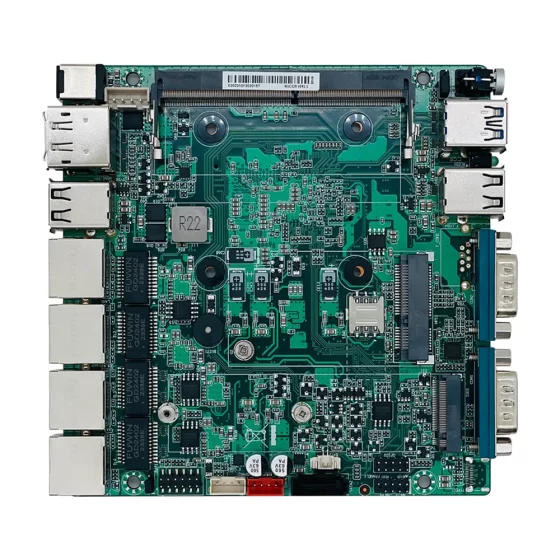
Industrie-PCs helfen dabei, gemischte Fabrikanlagen mit MES-Plattformen zu verbinden.
Wichtigste Herausforderungen
Gemischte Ausrüstung und Legacy-Maschinen
Viele Fabriken verwenden Geräte verschiedener Hersteller und verschiedener Generationen.
Einige Maschinen unterstützen moderne Ethernet-basierte Kommunikation. Andere bieten möglicherweise nur RS232, RS485, USB, Trockenkontaktsignale, oder gar keine direkte digitale Schnittstelle.
Dies stellt eine häufige Herausforderung bei der MES-Integration dar: Das System muss sowohl neue als auch alte Geräte verbinden, ohne die Produktion zu unterbrechen.
Eine praxistaugliche MES-Integrationsplattform muss unterschiedliche Kommunikationsmethoden unterstützen und eine schrittweise Digitalisierung bestehender Produktionsanlagen ermöglichen.
Instabile Produktionsumgebungen
MES-Integrationshardware wird häufig in anspruchsvollen Umgebungen installiert.
Ein Computer kann in einem Schaltschrank montiert werden, in der Nähe eines Förderbandes, neben einer CNC-Maschine, oder an einem Bedienerarbeitsplatz. An diesen Orten kann das Gerät Staub ausgesetzt sein, Vibration, Hitze, elektrisches Rauschen, Kabelbewegung, und instabile Macht.
Wenn der Integrationsrechner ausfällt, Die Datenerfassung wird möglicherweise eingestellt. Bediener verlieren möglicherweise den Zugriff auf Arbeitsanweisungen. Qualitätsaufzeichnungen können unvollständig sein.
Aus diesem Grund ist Zuverlässigkeit auf Industrieniveau für den MES-Einsatz wichtig.
Datengenauigkeit und Echtzeit-Sichtbarkeit
MES-Systeme sind auf vollständige und genaue Produktionsdaten angewiesen.
Wenn Barcode-Scans verpasst werden, Aktualisierungen des Maschinenstatus verzögern sich, oder Testergebnisse werden nicht korrekt hochgeladen, Das MES-System kann keine zuverlässige Transparenz bieten.
Hersteller können mit Problemen konfrontiert sein wie z:
- Unvollständige Aufzeichnungen zur Rückverfolgbarkeit
- Verzögerte Produktionsberichterstattung
- Falscher Arbeitsauftragsstatus
- Fehlende Daten zur Qualitätsprüfung
- Manueller Korrekturaufwand
- Es ist schwierig, die Grundursachen zu finden
Ein zuverlässiger Industriecomputer trägt dazu bei, diese Risiken zu reduzieren, indem er die Datenerfassung am Produktionspunkt stabil hält.
Netzwerksegmentierung und Sicherheit
MES-Integrationsplattformen verbinden häufig Maschinennetzwerke mit Fabrik-IT-Netzwerken.
Dadurch entstehen Anforderungen an Sicherheit und Netzwerkdesign. Ein Maschinennetzwerk muss möglicherweise von Bürosystemen isoliert bleiben, während MES-Daten weiterhin Server und Unternehmensplattformen erreichen müssen.
In dieser Situation können mehrere LAN-Ports nützlich sein.
Ein LAN-Port kann mit SPSen oder Maschinen verbunden werden, während ein anderer eine Verbindung zum MES-Server oder Fabriknetzwerk herstellt. Diese Trennung verbessert die Netzwerkorganisation und kann einen kontrollierteren Datenfluss unterstützen.
Skalierung von der Pilotlinie zur kompletten Fabrik
Viele MES-Projekte beginnen mit einer kleinen Pilotlinie.
Nach erfolgreichem Test, Das gleiche System muss möglicherweise auf mehrere Produktionslinien erweitert werden, Werkstätten, Pflanzen, oder Kundenseiten.
Wenn die Hardwareplattform nicht stabil oder langfristig verfügbar ist, Die Skalierung wird schwierig. Software-Bilder, Fahrer, Montagezubehör, Ersatzteile, und Supportverfahren müssen möglicherweise wiederholt neu erstellt werden.
Eine standardisierte Industrial-Computing-Plattform trägt dazu bei, diese Erweiterung zu vereinfachen.
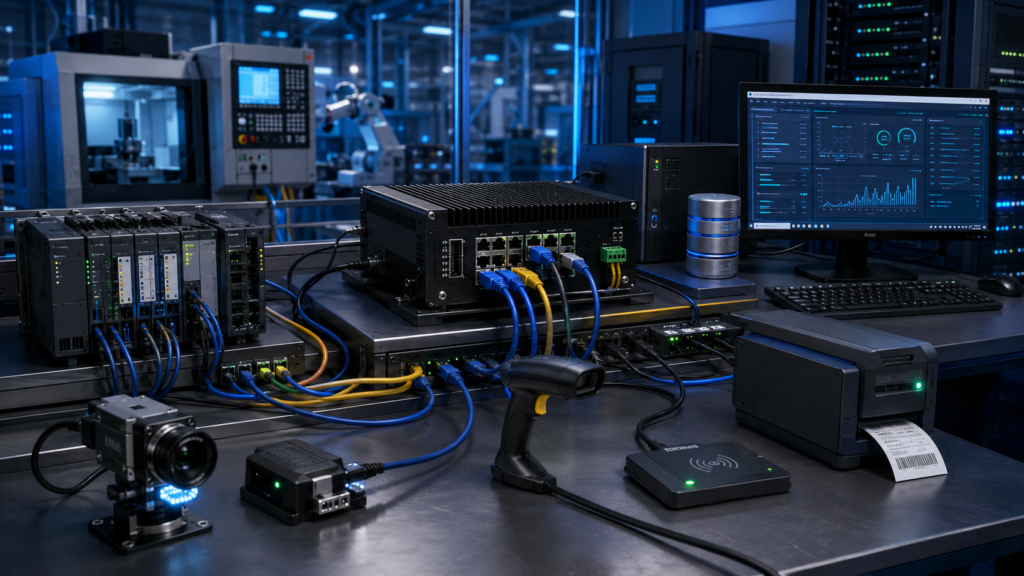
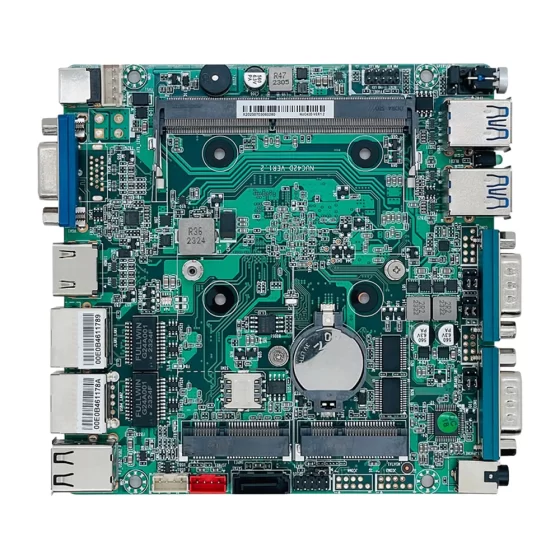
Industriecomputer fungieren als Edge-Knoten zwischen Fabrikgeräten und MES-Software.
Lösungsarchitektur der MES-Integrationsplattform
Maschinen- und Geräteschicht
Die Maschinen- und Geräteschicht umfasst die physische Ausrüstung, die Produktionsdaten generiert.
Dazu können SPS gehören, Controller, CNC-Systeme, Sensoren, Barcode-Scanner, RFID-Lesegeräte, Waagen, Testinstrumente, Kameras, Meter, und Produktionswerkzeuge.
Diese Geräte erzeugen viele Arten von Daten, einschließlich:
- Maschinenstatus
- Zykluszeit
- Produktionsmenge
- Alarminformationen
- Bestätigung des Betreibers
- Produkt-ID
- Materialchargennummer
- Testergebnis
- Inspektionsbild
- Prozessparameter
Die MES-Integrationsplattform muss diese Informationen über verschiedene Schnittstellen sammeln und in nutzbare Produktionsdaten umwandeln.
Industrielle Edge-Computing-Schicht
In der industriellen Edge-Computing-Schicht werden Industriecomputer und eingebettete Computer eingesetzt.
Diese Schicht befindet sich normalerweise in der Nähe von Maschinen, Produktionslinien, Schränke, Inspektionsstationen, oder Bedienterminals.
Auf dieser Ebene, Der Industriecomputer kann Aufgaben ausführen wie z:
- Ausführen von MES-Clientanwendungen
- Sammeln von Daten von Maschinen
- Anbindung von Barcode- und RFID-Geräten
- Kommunikation mit SPSen
- Verwaltung lokaler Peripheriegeräte
- Pufferung von Daten während einer Netzwerkunterbrechung
- Konvertieren von Protokollen
- Hochladen von Datensätzen in die MES-Software
- Arbeitsanweisungen anzeigen
- Unterstützung der Bedienerinteraktion
Diese Schicht verbessert die Zuverlässigkeit, da Produktionsdaten nicht vollständig von Remote-Servern abhängen.
MES-Anwendungsschicht
Die MES-Anwendungsschicht verwaltet Produktionsabläufe.
Dies kann die Ausführung von Arbeitsaufträgen umfassen, Routing-Steuerung, Produktionsverfolgung, Qualitätsmanagement, Rückverfolgbarkeit, Betreibermanagement, Gerätestatus, Berichterstattung, und Dashboard-Visualisierung.
Industriecomputer senden Fertigungsdaten an diese Ebene und erhalten Anweisungen von der MES-Software.
Zum Beispiel, Das MES-System kann Arbeitsanweisungen an ein Bedienterminal senden. Der Industriecomputer zeigt die Anweisungen an, zeichnet Scanergebnisse auf, und sendet Abschlussdaten zurück an den MES-Server.
Unternehmenssystemschicht
MES-Plattformen sind häufig mit ERP verbunden, WMS, PLM, SCADA, oder Business-Intelligence-Systeme.
Durch diese Verbindung können Produktionsdaten die Geschäftsplanung unterstützen, Bestandskontrolle, Qualitätsanalyse, Wartungsplanung, und Liefermanagement.
Die MES-Integrationsplattform ersetzt keine Unternehmenssoftware. Stattdessen, Es bietet die genaue Datengrundlage für die Werkstatt, die für den effektiven Betrieb dieser Systeme erforderlich ist.
Lokale Ausfallsicherheit und Datenpufferung
In echten Fabriken, Es kann zu Netzwerkunterbrechungen kommen.
Eine starke MES-Integrationsplattform sollte die lokale Widerstandsfähigkeit unterstützen. Der Industriecomputer kann Daten zwischenspeichern, Sammeln Sie weiterhin Produktionsaufzeichnungen, und nach Wiederherstellung der Verbindung mit dem MES-Server synchronisieren.
Dies ist besonders nützlich für Fabriken, in denen die Produktion aufgrund einer vorübergehenden Netzwerkinstabilität nicht gestoppt werden kann.
Hauptmerkmale
Zuverlässigkeit auf Industrieniveau
Die wichtigste Voraussetzung für die MES-Integrationshardware ist ein stabiler Betrieb.
Ein MES-Integrationsrechner kann über mehrere Schichten im Dauerbetrieb laufen. Es kann in der Nähe von Produktionsanlagen installiert werden, wo Ausfallzeiten die Berichterstellung beeinträchtigen können, Rückverfolgbarkeit, und Prozesskontrolle.
Zu den wichtigen Zuverlässigkeitsmerkmalen gehören::
- Optionen für lüfterlose Systeme
- Industrielles Motherboard-Design
- Unterstützung für SSD-Speicher
- Robuste Gehäusestruktur
- Stabiles thermisches Design
- Weitspannungseingangsoptionen
- Sichere Montagemethoden
- Lange Lebenszyklusplanung
Das Ziel ist nicht nur die Rechenleistung. Das Ziel ist ein zuverlässiger Betrieb unter realen Fabrikbedingungen.
Flexible I/O für Fabrikgeräte
Die MES-Integration erfordert oft viele Arten von I/O.
Eine einzelne Workstation muss möglicherweise einen Touchscreen anschließen, Scanner, RFID-Leser, Etikettendrucker, serielles Gerät, Ethernet-Kabel, USB-Gerät, und manchmal digitale I/O.
Nützliche Schnittstellen können sein:
- Mehrere LAN-Ports
- USB 2.0 und USB 3.0
- RS232
- RS485
- HDMI
- DisplayPort
- GPIO
- M.2-Erweiterung
- Mini-PCIe-Erweiterung
- Unterstützung für drahtlose Module
Die richtige E/A-Konfiguration reduziert den Bedarf an externen Adaptern und verbessert die Systemzuverlässigkeit.
Mehrere Netzwerkports
Mehrere LAN-Ports sind in vielen MES-Integrationsplattformen wertvoll.
Sie ermöglichen es einem Computer, verschiedene Netzwerkzonen zu verbinden. Zum Beispiel, Ein Port kann mit Maschinensteuerungen verbunden werden, während ein anderer eine Verbindung zum MES-Servernetzwerk herstellt.
Das hilft bei der Unterstützung:
- Maschinennetzwerktrennung
- Anbindung an das IT-Netzwerk der Fabrik
- Gateway-Anwendungen
- Datenerfassung von isolierten Geräten
- Kontrolliertere Kommunikationswege
Für intelligente Fertigungssysteme, Netzwerkdesign ist ebenso wichtig wie Softwarekonfiguration.
Lüfterloses und kompaktes Systemdesign
Ein lüfterloser Industriecomputer eignet sich häufig für die MES-Integration, da er die Staubaufnahme reduziert und eine mechanische Fehlerquelle beseitigt.
Kompakte Embedded-Computer sind nützlich, wenn der Installationsraum begrenzt ist.
Sie können in Schaltschränken montiert werden, hinter Displays, unter Arbeitsplätzen, oder direkt im Gerät.
Dadurch eignen sie sich sowohl für Werksnachrüstungen als auch für die OEM-Maschinenintegration.
Speicherung und Datenschutz
MES-Integrationsplattformen können Betriebssystemdateien speichern, MES-Client-Software, Protokolle, temporäre Produktionsaufzeichnungen, Inspektionsbilder, und lokale Datenbanken.
SSD-Speicher werden häufig verwendet, da sie eine bessere Stoßfestigkeit und eine schnellere Reaktion bieten als herkömmliche mechanische Laufwerke.
Für Anwendungen mit häufiger Protokollierung oder Bildspeicherung, Speicherdauer und -kapazität sollten sorgfältig geprüft werden.
Betriebssystem- und Peripheriekompatibilität
MES-Software kann unter Windows ausgeführt werden, Linux, browserbasierte Systeme, oder kundenspezifische industrielle Softwareumgebungen.
Vor einem großen Einsatz, Die Hardware sollte mit dem Zielbetriebssystem getestet werden, Gerätetreiber, Scanner, Drucker, Kameras, Sicherheitssoftware, Tools für den Fernzugriff, und MES-Anwendungen.
Dies hilft, Kompatibilitätsprobleme beim Rollout zu vermeiden.
Bereitstellungsszenarien
MES-Bedienterminals
Bedienterminals gehören zu den häufigsten MES-Integrationsszenarien.
Ein Industriecomputer kann an einen Touchscreen angeschlossen werden, Barcode-Scanner, Tastatur, RFID-Leser, und Etikettendrucker.
Am Bahnhof, Bediener können Arbeitsanweisungen einsehen, Materialien scannen, Produktionsschritte bestätigen, Mängel aufzeichnen, und Produktionsergebnisse einreichen.
Dies reduziert papierbasierte Arbeitsabläufe und verbessert die Datengenauigkeit.
Gateways zur Maschinendatenerfassung
Ein Industriecomputer kann als Gateway zur Maschinendatenerfassung fungieren.
Es kann eine Verbindung zu SPSen herstellen, CNC-Maschinen, Sensoren, Meter, oder Controller. Das System kann den Maschinenstatus erfassen, Ausgabemenge, Alarmdaten, Zykluszeit, und Prozesswerte.
Dies ist besonders nützlich, wenn Maschinen nicht direkt mit der MES-Software kommunizieren können.
Qualitätsprüfstationen
Die Qualitätsprüfung ist ein zentraler Bestandteil der MES-Integration.
Ein Embedded-Computer oder Industrie-PC kann an Kameras angeschlossen werden, Messwerkzeuge, Testinstrumente, Barcode-Scanner, und Drucker.
Es kann Prüfergebnisse mit Produkt-IDs verknüpfen, temporäre Aufzeichnungen speichern, und Qualitätsdaten in das MES-System hochladen.
Dies hilft Herstellern, die Rückverfolgbarkeit und Qualitätsanalyse zu verbessern.
SMT- und Elektronikfertigung
Bei der Elektronikfertigung ist häufig eine detaillierte Rückverfolgbarkeit erforderlich.
Die MES-Integration kann die Seriennummern von Leiterplatten verfolgen, Komponentenchargen, Inspektionsergebnisse, Prüfprotokolle, Nacharbeitsstatus, und Verpackungsinformationen.
Industriecomputer können in der Nähe von SMT-Linien eingesetzt werden, AOI-Ausrüstung, IKT-Tester, Funktionsteststationen, Reparaturbänke, und Verpackungsbereiche.
Eine stabile Computerhardware ist wichtig, da jeder Prozessschritt möglicherweise wichtige Rückverfolgbarkeitsdaten generiert.
CNC- und Maschinenwerkstätten
In CNC-Werkstätten sind häufig Maschinen verschiedener Generationen im Einsatz.
Einige Maschinen unterstützen möglicherweise die Ethernet-Kommunikation, während andere serielle Kommunikation oder externe Überwachungsgeräte erfordern.
Ein Industriecomputer mit flexiblen E/A kann bei der Erfassung des Maschinenstatus helfen, Produktion zählt, Bedienereingabe, und Alarmaufzeichnungen.
Damit können mechanische Bearbeitungsbetriebe bestehende Maschinen in den MES-Workflow einbinden.
Lager- und Materialverwaltung
Die MES-Integration erstreckt sich auch auf den Materialfluss.
Im Empfangsbereich können Industriecomputer eingesetzt werden, linienseitige Lager, Materialvorbereitungszonen, und Fertigwarenstationen.
Durch den Anschluss von Scannern, RFID-Lesegeräte, Wiegeausrüstung, und Etikettendrucker, Das System kann die Rückverfolgbarkeit von Materialien verbessern und manuelle Eingabefehler reduzieren.
Integration von OEM-Geräten
Maschinenbauer können Embedded-Computer oder Industrie-Motherboards direkt in ihre Geräte integrieren.
Dadurch können Maschinen die MES-Konnektivität unterstützen, Datenberichterstattung, Bedienerschnittstelle, Ferndiagnose, und Produktionsverfolgungsfunktionen.
Für OEMs, Dies schafft mehr Wert für Kunden, die Geräte benötigen, die für intelligente Fertigungsumgebungen geeignet sind.
Geschäftsvorteile
Verbesserte Produktionstransparenz
Eine MES-Integrationsplattform hilft Herstellern zu verstehen, was in der Fabrikhalle passiert.
Industriecomputer sammeln Daten von Maschinen und Bedienern, Senden Sie diese Informationen dann an MES-Dashboards und Datenbanken.
Produktionsteams können den Arbeitsauftragsfortschritt sehen, Maschinenstatus, Ausgabemenge, Ausfallgründe, und schneller qualitativ hochwertige Ergebnisse erzielen.
Dies verbessert die Entscheidungsfindung und verkürzt die Reaktionszeit.
Stärkere Produktrückverfolgbarkeit
Die Rückverfolgbarkeit hängt von der genauen Datenerfassung an jedem Prozesspunkt ab.
Industriecomputer helfen bei der Erfassung von Produkt-IDs, Materialchargen, Bedieneraktionen, Prozessparameter, Testergebnisse, und Inspektionsprotokolle.
Dies unterstützt die Qualitätskontrolle, Kundenaudits, Garantieanalyse, und Ursachenforschung.
Für Branchen mit hohen Qualitätsanforderungen, Die Rückverfolgbarkeit ist einer der wichtigsten Vorteile der MES-Integration.
Reduzierte manuelle Berichterstattung
Manuelle Berichte sind langsam und fehleranfällig.
Eine MES-Integrationsplattform ermöglicht die Erfassung von Produktionsdaten direkt von Maschinen, Scanner, Betreiber, und Inspektionsausrüstung.
Dies reduziert den Papieraufwand, verbessert die Datenkonsistenz, und verkürzt die Zeit, die erforderlich ist, um den Produktionsstatus zu verstehen.
Bessere Nutzung vorhandener Geräte
Fabriken müssen nicht immer vorhandene Maschinen ersetzen, um intelligente Fertigungssysteme aufzubauen.
Industriecomputer können ältere Geräte über serielle Schnittstellen anschließen, Ethernet, USB, oder externe Gateways.
Dies ermöglicht es Herstellern, bestehende Produktionsanlagen Schritt für Schritt zu digitalisieren.
Skalierbare Smart Factory-Bereitstellung
Eine standardisierte industrielle Computerplattform unterstützt den skalierbaren MES-Einsatz.
Wenn dieselbe Hardwareplattform in mehreren Linien oder Fabriken verwendet wird, Es wird einfacher, Software-Images zu verwalten, Ersatzteile, Wartungsverfahren, Ausbildung, und technischer Support.
Dies ist wichtig für Hersteller, die von Pilotprojekten zur vollständigen Produktionseinführung übergehen.
Stiftung für industrielles IoT und Analytics
Die MES-Integration schafft die Datengrundlage für fortschrittlichere Smart-Manufacturing-Anwendungen.
Sobald Maschinen und Produktionsprozesse vernetzt sind, Hersteller können eine Geräteüberwachung aufbauen, Qualitätsanalytik, vorausschauende Wartung, Industrielle IoT-Dashboards, und Prozessoptimierungssysteme.
Industriecomputer stellen die für diese langfristige Entwicklung erforderliche Edge-Computing-Schicht bereit.
Warum CoreIPC
CoreIPC bietet industrielle Computerplattformen für die Fertigung, Automatisierung, Maschinenanbindung, und eingebettete Systemintegration. Für MES-Integrationsplattformen, CoreIPC konzentriert sich auf zuverlässige industrielle Computerhardware, Embedded-Computer-Lösungen, flexible I/O-Konfigurationen, kompaktes Systemdesign, und OEM/ODM-Anpassungsunterstützung. CoreIPC hilft Systemintegratoren, Gerätebauer, und Fertigungsteams wählen Computerplattformen aus, die den tatsächlichen Anforderungen in der Werkstatt entsprechen, inklusive Maschinenschnittstellen, Montagemethoden, Leistungsaufnahme, thermische Bedingungen, Lebenszyklusplanung, und Skalierbarkeit der Bereitstellung.
Häufig gestellte Fragen
1. Was ist eine MES-Integrationsplattform??
Eine MES-Integrationsplattform vernetzt Produktionsanlagen, Betreiber, Industriecomputer, und MES-Software in einem Fertigungsdaten-Workflow.
Es sammelt Daten von Maschinen, Scanner, Sensoren, SPS, Inspektionsstationen, und Bedienterminals. Anschließend überträgt es diese Daten an MES-Datenbanken, Dashboards, und Unternehmenssysteme. Ziel ist es, die Sichtbarkeit der Produktion zu verbessern, Rückverfolgbarkeit, Qualitätskontrolle, und Fertigungsausführung.
2. Warum braucht eine MES-Integrationsplattform Industriecomputer??
Industriecomputer stellen die zuverlässige Hardwareschicht in der Werkstatt bereit, die für die MES-Integration erforderlich ist.
Sie können Werksgeräte anschließen, Führen Sie die MES-Client-Software aus, Produktionsdaten sammeln, Arbeitsanweisungen anzeigen, und mit MES-Servern kommunizieren. Im Vergleich zu Büro-PCs, Industriecomputer eignen sich besser für Fabrikumgebungen, in denen Staub herrscht, Vibration, Hitze, lange Betriebsstunden, und industrielle Schnittstellen sind üblich.
3. Wie wird ein eingebetteter Computer bei der MES-Integration verwendet??
Ein eingebetteter Computer kann in der Nähe von Maschinen installiert werden, in Schränken, hinter Displays, oder in OEM-Geräten.
Es kann SPS-Daten sammeln, Barcodescanner anschließen, mit Sensoren kommunizieren, Produktionsaufzeichnungen puffern, oder lokale MES-Anwendungen ausführen. Denn eingebettete Computer sind kompakt und zuverlässig, Sie eignen sich für die maschinenseitige Integration und intelligente Fertigungssysteme mit begrenztem Platzangebot.
4. Welche Schnittstellen werden üblicherweise für die MES-Integration benötigt??
Zu den gängigen MES-Integrationsschnittstellen gehört LAN, USB, RS232, RS485, HDMI, DisplayPort, GPIO, M.2, und Mini PCIe.
USB wird häufig für Barcodescanner verwendet, RFID-Lesegeräte, Kameras, Drucker, und Tastaturen. Serielle Ports können ältere Maschinen verbinden, Meter, oder SPS. Mehrere LAN-Ports können die Maschinenkommunikation von der MES-Serverkommunikation trennen.
5. Kann die MES-Integration ältere Fabrikanlagen verbinden??
Ja. Viele MES-Integrationsprojekte konzentrieren sich auf die Anbindung älterer Maschinen.
Industriecomputer können Daten über RS232 sammeln, RS485, Ethernet, USB, Sensoren, oder externe Gateway-Module. Dadurch können Fabriken ältere Anlagen digitalisieren, ohne alle Maschinen austauschen zu müssen. Es hilft Herstellern auch dabei, schrittweise intelligente Fertigungskapazitäten aufzubauen.
6. Warum sind mehrere LAN-Ports bei der MES-Integration sinnvoll??
Mehrere LAN-Ports ermöglichen die Verbindung verschiedener Netzwerkzonen mit einem Industriecomputer.
Zum Beispiel, Ein LAN-Port kann mit SPSen oder Maschinensteuerungen verbunden werden, während ein anderer eine Verbindung zum MES-Server oder Fabriknetzwerk herstellt. Diese Trennung kann die Netzwerkorganisation verbessern, Unterstützung des Sicherheitsdesigns, und reduzieren Sie unnötige Interferenzen zwischen Maschinenverkehr und Geschäftssystemverkehr.
7. Ist ein lüfterloser Industriecomputer, der für MES-Anwendungen geeignet ist?
Ja. Ein lüfterloser Industriecomputer eignet sich häufig für MES-Anwendungen, da er die Staubaufnahme reduziert und eine häufige mechanische Fehlerquelle beseitigt.
Dies ist in Produktionsbereichen nützlich, in denen der Wartungszugang eingeschränkt ist oder Staub die Standardcomputer beeinträchtigen kann. Bei der endgültigen Auswahl sollte immer noch die Prozessorauslastung berücksichtigt werden, Umgebungstemperatur, Gehäuseluftstrom, und Montageort.
8. Wie verbessert die MES-Integration die Rückverfolgbarkeit??
Die MES-Integration verbessert die Rückverfolgbarkeit durch die Erfassung von Produktionsdaten bei jedem Prozessschritt.
Industriecomputer können Produktseriennummern erfassen, Materialchargendaten, Bedieneraktionen, Maschinenparameter, Inspektionsergebnisse, und Prüfprotokolle. Wenn diese Informationen mit dem MES-System verknüpft werden, Hersteller können die Produkthistorie genauer verfolgen und die Qualitätsanalyse unterstützen.
9. Was sollte vor dem Einsatz von MES-Integrationshardware beachtet werden??
Vor der Bereitstellung, Hersteller sollten Maschinenschnittstellen überprüfen, Peripheriegeräte, Netzwerkdesign, Betriebssystemkompatibilität, Montageraum, Leistungsaufnahme, Umgebungsbedingungen, Speicherbedarf, und Lebenszyklusanforderungen.
Wichtig ist auch, die Hardware mit echter MES-Software zu testen, Scanner, Drucker, SPS-Kommunikation, und Fernwartungstools vor dem groß angelegten Rollout.
10. Können OEM-Maschinenbauer Industriecomputer für MES-fähige Geräte verwenden??
Ja. OEM-Maschinenbauer können eingebettete Computer verwenden, Industrie-PCs, oder Industrie-Motherboards, um Geräte für die MES-Integration vorzubereiten.
Dadurch können Maschinen die Datenberichterstattung unterstützen, Bedienerschnittstelle, Ferndiagnose, Produktionsverfolgung, und Kunden-MES-Konnektivität. Für OEMs, Integrierte Computerhardware kann den Produktwert steigern und die Bereitstellung für Endbenutzer vereinfachen.
Abschluss
Eine MES-Integrationsplattform ist eine entscheidende Grundlage für die intelligente Fertigung.
Es verbindet Maschinen, Betreiber, Scanner, Inspektionsausrüstung, Produktionsterminals, und Unternehmenssysteme in einen zuverlässigen Fertigungsdaten-Workflow. Ohne stabile Shopfloor-Computing-Hardware, MES-Software kann keine genauen Daten erfassen oder die Produktionstransparenz in Echtzeit unterstützen.
Industrielle Computer- und eingebettete Computerplattformen stellen die für diese Integration erforderliche Edge-Computing-Schicht bereit. Sie unterstützen die Maschinenkommunikation, Bedienerinteraktion, lokale Datenverarbeitung, Netzwerktrennung, und langfristiger Einsatz in realen Fabrikumgebungen.
Für Hersteller, Systemintegratoren, und OEM-Gerätebauer, Die Auswahl der richtigen Hardwareplattform ist von entscheidender Bedeutung. Bei der Entscheidung sollte die I/O-Konfiguration berücksichtigt werden, Vernetzung, Montage, Power-Design, thermische Leistung, Lagerung, Betriebssystemkompatibilität, und Lebenszyklusplanung.
CoreIPC unterstützt MES-Integrationsplattformprojekte mit industriellen Computerlösungen, die für den praktischen Einsatz einer intelligenten Fertigung konzipiert sind. Mit der richtigen Hardware-Grundlage, Fabriken können die Sichtbarkeit verbessern, Rückverfolgbarkeit, Gerätekonnektivität, und langfristige Skalierbarkeit der digitalen Fertigung.
Kontaktieren Sie uns
Auf der Suche nach einem Industriecomputer, eingebetteter Computer, oder Industrie-Motherboard für eine MES-Integrationsplattform?
Kontaktieren Sie CoreIPC, um Ihre Projektanforderungen zu besprechen, inklusive Maschinenschnittstellen, I/O-Konfiguration, Montagemethode, Prozessorplattform, Leistungsaufnahme, Betriebsumgebung, Lebenszyklusanforderungen, und OEM/ODM-Anpassungsoptionen.