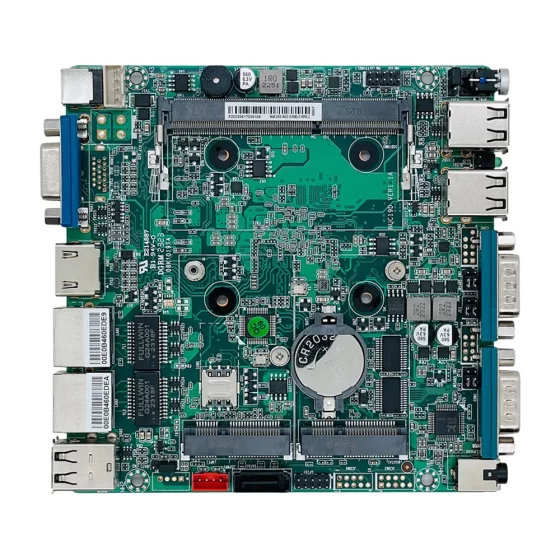
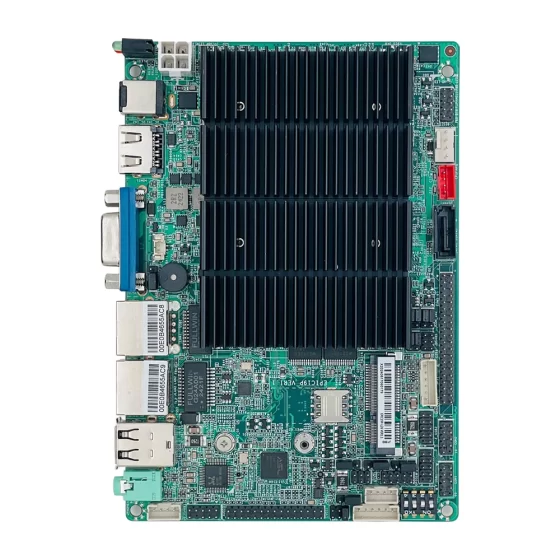
CoreIPC Industrial Computing-Lösungen

Shopfloor-Management-Computing-Lösung: Zuverlässiger Shopfloor-Management-Computer für die vernetzte Produktion
Zusammenfassung
Ein Shop-Floor-Management-Computer bietet die industrielle Computergrundlage, die für die Verbindung von Bedienern erforderlich ist, Maschinen, Arbeitsplätze, Produktionsdaten, und Fabrikmanagementsysteme in der Fertigungshalle.
In modernen Fabriken, Das Shopfloor-Management ist nicht mehr auf Papierformulare beschränkt, manuelle Berichterstattung, oder Vorgesetztenbegehungen. Produktionsteams benötigen Echtzeiteinblick in den Maschinenstatus, Arbeitsauftragsfortschritt, Betreibertätigkeit, Materialverbrauch, Qualitätsaufzeichnungen, Ausfallereignisse, und Produktionsleistung.
Dies erfordert zuverlässige Rechenhardware, die direkt an den Produktionsstandorten eingesetzt wird. Als Bedienterminal kann ein Industriecomputer oder ein Embedded-Computer dienen, Produktionsdatenerfassungsknoten, Maschinenkommunikations-Gateway, Arbeitsplatz zur Qualitätskontrolle, oder Fertigungs-Dashboard-Computer.
Im Vergleich zu Standard-Büro-PCs, Industriecomputer eignen sich besser für Fabrikumgebungen. Sie unterstützen den Dauerbetrieb, flexible I/O, lüfterloses Design, stabile Montage, Maschinenanbindung, und langfristigen Einsatz.
Eine gut konzipierte Computerlösung für das Shopfloor-Management hilft Herstellern, die Produktionstransparenz zu verbessern, Reduzieren Sie die manuelle Dateneingabe, Stärkung der Rückverfolgbarkeit, unterstützen eine schnellere Entscheidungsfindung, und eine praktische Grundlage für die digitale Fertigung schaffen.
In diesem Artikel wird erläutert, wie Industriecomputer das Shopfloor-Management unterstützen, vor welchen Bereitstellungsherausforderungen Hersteller stehen, wie die Lösungsarchitektur aufgebaut ist, und welche Hardwarefunktionen für zuverlässiges Computing in der Produktion wichtig sind.
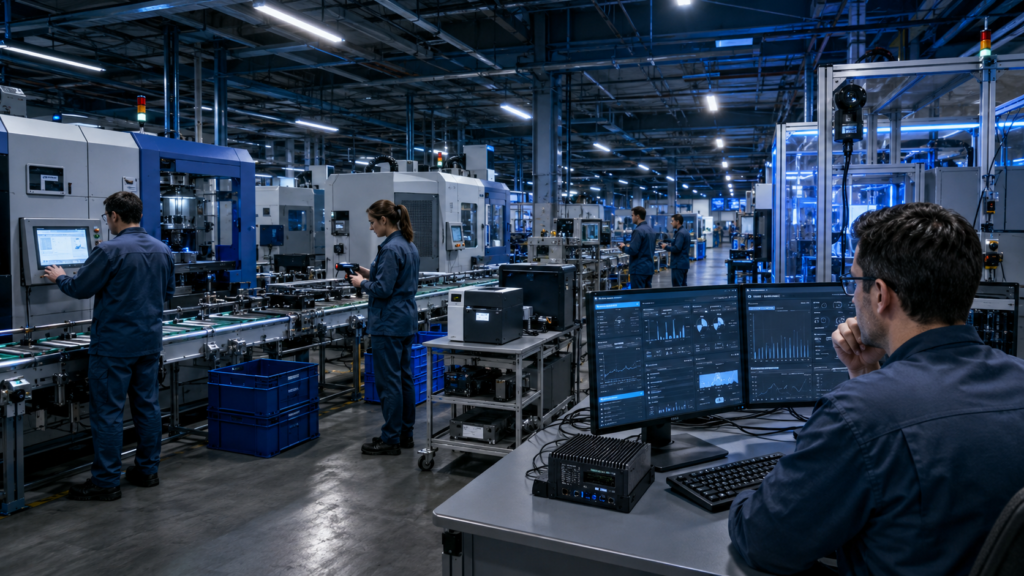
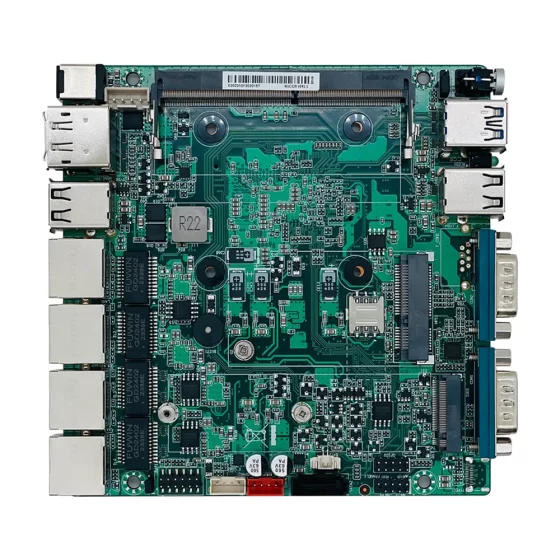
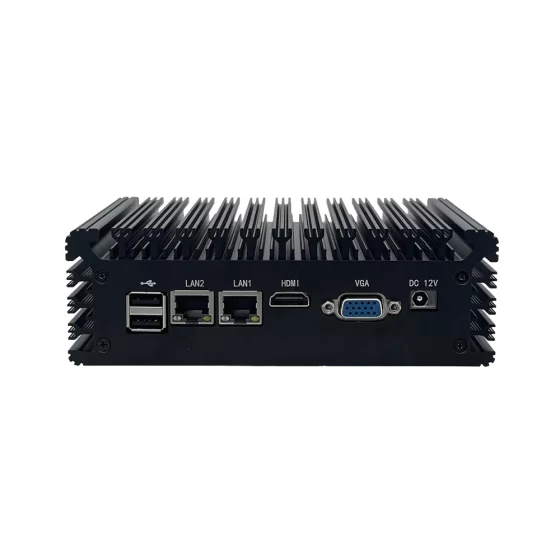
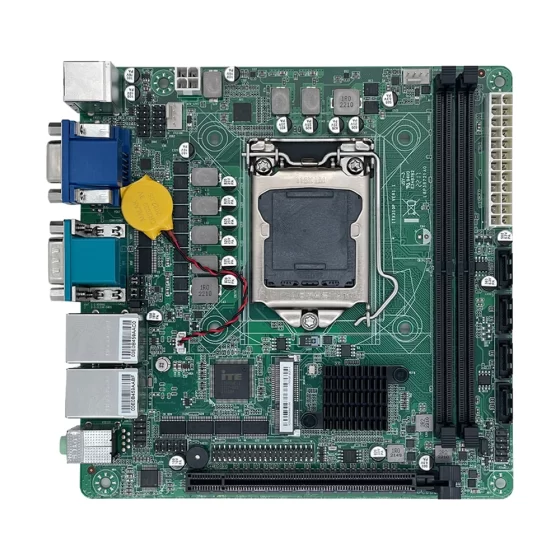
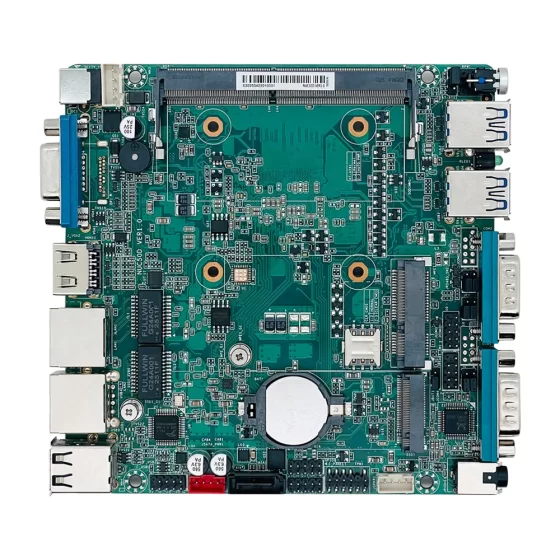
Industriecomputer sammeln Betreiber, Maschine, Scanner, RFID, und Produktionsdaten für Shopfloor-Management-Systeme.
Branchenüberblick
Das Shopfloor-Management wird datengesteuert
Im Mittelpunkt des Shopfloor Managements steht das Controlling, Überwachung, und Verbesserung der täglichen Produktionsaktivitäten.
In traditionellen Fabriken, Vorgesetzte greifen häufig auf Whiteboards zurück, Papierberichte, manuelle Eingabe, und verzögerte Kommunikation. Dieser Ansatz kann für kleine Betriebe funktionieren, Aber bei Produktionslinien wird es schwierig, Maschinen, Betreiber, Materialien, und die Qualitätsanforderungen steigen.
Modernes Shopfloor-Management erfordert schnellere und genauere Daten.
Fabriken müssen verstehen:
- Welche Arbeitsaufträge laufen?
- Welche Maschinen sind aktiv oder inaktiv?
- Welche Sender haben Qualitätsprobleme?
- Welche Materialien werden verwendet
- Welche Operatoren jedem Prozess zugeordnet sind
- Welche Produktionsziele sich verzögern
- Welche ungewöhnlichen Ereignisse erfordern eine sofortige Reaktion?
Ein Shopfloor-Management-Computer hilft dabei, diese Informationen nah am eigentlichen Produktionsprozess zu sammeln und anzuzeigen.
Industrial Computing verbindet Menschen, Maschinen, und Daten
Shopfloor Management ist nicht nur eine Softwarefunktion. Es kommt auch auf zuverlässige Hardware an.
Zur Anbindung von Bedienern werden Industriecomputer eingesetzt, Maschinen, Barcode-Scanner, RFID-Lesegeräte, Drucker, SPS, Sensoren, Testgeräte, und Fabriknetzwerke. Sie bringen Rechenleistung direkt an Produktionslinien und Arbeitsplätze.
Diese lokale Computerschicht ermöglicht es Produktionsteams, in Echtzeit mit digitalen Systemen zu interagieren.
Zum Beispiel, Ein Bediener kann eine Produkt-ID scannen, Arbeitsanweisungen ansehen, Bestätigen Sie den Abschluss des Prozesses, Mängel melden, und drucken Sie Etiketten über ein einziges Industrieterminal.
Gleichzeitig, Der Computer kann den Maschinenstatus erfassen, Hochladen von Datensätzen in MES, und Produktions-Dashboards anzeigen.
Warum Standard-PCs oft nicht ausreichen
Als Büroschreibtisch eignet sich unter Umständen ein handelsüblicher PC, Aber die Produktionsumgebungen sind unterschiedlich.
In Produktionsbereichen kann Staub vorhanden sein, Vibration, elektrisches Rauschen, Hitze, instabile Macht, und begrenzter Installationsraum. Geräte können über lange Schichten ununterbrochen laufen und an industrielle Peripheriegeräte angeschlossen werden.
Für diese Bedingungen sollte ein Shopfloor-Management-Computer konzipiert sein.
Industriecomputer und eingebettete Computer bieten geeignetere Optionen für den Werkseinsatz, vor allem wenn es um Zuverlässigkeit geht, I/O-Flexibilität, Montagedesign, und Lebenszykluskonsistenz sind wichtig.

Industrie-PCs helfen bei der Verbindung gemischter Fabrikanlagen, ältere Maschinen, SPS, serielle Geräte, und Barcode-Stationen bis hin zu Shop-Floor-Systemen.
Wichtigste Herausforderungen
Produktionstransparenz in Echtzeit
In vielen Fabriken kommt es immer noch zu Verzögerungen zwischen Produktionsereignissen und der Transparenz des Managements.
Eine Maschine kann stehen bleiben, aber der Vorgesetzte weiß es vielleicht erst später. An einer Station kann ein Qualitätsproblem auftreten, Der Bericht erreicht den Produktionsleiter jedoch möglicherweise nicht sofort. Ein Materialmangel kann eine Linie verlangsamen, bevor das Planungssystem aktualisiert wird.
Diese Verzögerung beeinträchtigt die Produktionseffizienz.
Ein Shopfloor-Management-Computer trägt dazu bei, diese Lücke zu schließen, indem er Informationen am Einsatzort sammelt und anzeigt.
Gemischte Geräte und Schnittstellen
In den Werkshallen befinden sich häufig unterschiedliche Arten von Produktionsanlagen.
Einige Maschinen unterstützen die Ethernet-Kommunikation. Andere verwenden serielle Schnittstellen, USB-Geräte, trockene Kontakte, Sensoren, oder manuelle Eingabe. Einige Produktionsschritte sind auf Barcodescanner angewiesen, RFID-Lesegeräte, Wägesysteme, Etikettendrucker, oder Prüfgeräte.
Ein praxistauglicher Industrierechner muss verschiedene Schnittstellen unterstützen, wie zum Beispiel:
- LAN
- USB
- RS232
- RS485
- HDMI oder DisplayPort
- GPIO oder digitaler I/O
- Erweiterungsmodule
- Drahtlose Konnektivität bei Bedarf
Ohne passende I/O, Für die Computerplattform sind möglicherweise viele Adapter erforderlich, was die Zuverlässigkeit verringern kann.
Harte Fabrikbedingungen
Werkstattcomputer können in der Nähe von Maschinen installiert werden, Förderer, Schränke, Bedienstationen, oder Prüfbänke.
An diesen Orten kann das System Staub ausgesetzt sein, Vibration, Hitze, Kabelbewegung, und Leistungsschwankungen. Wenn der Computer ausfällt, Die Produktionsstation verliert möglicherweise den Zugriff auf Arbeitsanweisungen, Scanfunktionen, Reporting-Tools, oder Qualitätsaufzeichnungen.
Industriecomputer reduzieren dieses Risiko durch ein robustes mechanisches Design, lüfterlose Optionen, stabile Montage, und industrielle Energieunterstützung.
Datengenauigkeit und Rückverfolgbarkeit
Das Shopfloor-Management ist auf genaue Produktionsdaten angewiesen.
Wenn Bediener nach der Produktion Daten manuell eingeben, Fehler können passieren. Wenn Barcode-Scans verpasst werden, Die Rückverfolgbarkeit wird unvollständig. Wenn Qualitätsdaten lokal gespeichert, aber nicht korrekt hochgeladen werden, Die Analyse wird schwierig.
Ein Shopfloor-Management-Computer kann dabei helfen, Daten während des eigentlichen Produktionsschritts zu erfassen.
Dies verbessert die Rückverfolgbarkeit durch die Verknüpfung von Produkt-IDs, Materialchargen, Bedieneraktionen, Prozessergebnisse, und Qualitätsaufzeichnungen zum richtigen Produktionsereignis.
Skalierung über mehrere Zeilen hinweg
Viele Fabriken beginnen mit einem kleinen digitalen Managementprojekt an einer Produktionslinie.
Nachdem der Pilot erfolgreich war, Das gleiche System muss möglicherweise auf viele Leitungen erweitert werden, Werkstätten, oder Fabriken. Wenn jede Station unterschiedliche Hardware verwendet, Die Wartung wird schwierig.
Zu den häufigsten Problemen gehören::
- Verschiedene Treiber
- Verschiedene Netzteile
- Verschiedene Montagemethoden
- Verschiedene Software-Images
- Verschiedene Ersatzteile
- Unterschiedliche Lebenszykluspläne
Standardisierte industrielle Computerplattformen erleichtern die Verwaltung groß angelegter Bereitstellungen.

Industriecomputer verbinden Maschinen, Betreiber, Peripheriegeräte, MES, Datenbanken, und Produktions-Dashboards in Shopfloor-Management-Systemen.
Shopfloor-Management-Computerlösungsarchitektur
Ebene der Produktionsausrüstung
Die Produktionsausrüstungsschicht umfasst die Maschinen und Geräte, die Fertigungsdaten generieren.
Dazu können SPS gehören, CNC-Maschinen, Montagewerkzeuge, Sensoren, Meter, Förderer, Barcode-Scanner, RFID-Lesegeräte, Etikettendrucker, Waagen, Prüfinstrumente, und Inspektionssysteme.
Diese Geräte generieren Informationen wie z:
- Maschinenstatus
- Ausgabemenge
- Alarmereignisse
- Zykluszeit
- Produkt-ID
- Materialcharge
- Bestätigung des Betreibers
- Mängelaufzeichnungen
- Testergebnisse
- Prozessparameter
Das Shopfloor-Management-System benötigt zuverlässige Computerhardware, um diese Daten zu erfassen.
Industrielle Edge-Computing-Schicht
Auf der Industrial-Edge-Computing-Schicht wird der Shopfloor-Management-Computer eingesetzt.
An einer Bedienstation kann ein Industriecomputer oder ein eingebetteter Computer installiert sein, Produktionslinie, Maschinenschrank, Inspektionsbank, oder Materialhandhabungsbereich.
Auf dieser Ebene, Der Computer kann mehrere Aufgaben ausführen:
- Arbeitsanweisungen anzeigen
- Sammeln Sie Bedienereingaben
- Verbinden Sie Scanner und RFID-Geräte
- Kommunizieren Sie mit Maschinen oder SPSen
- Prozessdaten aufzeichnen
- Etiketten drucken
- Führen Sie MES- oder Shopfloor-Software aus
- Pufferdaten während einer Netzwerkunterbrechung
- Laden Sie Datensätze auf Server hoch
- Zeigen Sie lokale Dashboards an
Diese Schicht verbessert die Systemzuverlässigkeit, da die Daten nahe am Ort der tatsächlichen Produktion verarbeitet werden.
Shopfloor-Softwareschicht
Die Shopfloor-Softwareschicht kann MES umfassen, Produktions-Dashboards, Arbeitsauftragssysteme, Qualitätsmanagement-Software, Geräteüberwachungsplattformen, oder kundenspezifische Fabrikanwendungen.
Industriecomputer kommunizieren mit dieser Schicht über Fabriknetzwerke.
Zum Beispiel, Das Softwaresystem kann einen Arbeitsauftrag an eine Station senden. Der Werkstattcomputer zeigt die Anweisungen an, sammelt Scanergebnisse, zeichnet den Abschlussstatus auf, und sendet die Daten zurück an das System.
Dadurch entsteht ein geschlossener Arbeitsablauf zwischen Produktionsausführung und Managementtransparenz.
Fabriknetzwerkschicht
Das Fabriknetzwerk verbindet Fertigungscomputer mit Servern, Datenbanken, Überwachung von Arbeitsplätzen, und Unternehmenssysteme.
In vielen Fällen, Netzwerksegmentierung ist wichtig.
Für die maschinenseitige Kommunikation kann ein LAN-Anschluss genutzt werden, während ein anderer eine Verbindung zum Produktionsmanagementnetzwerk herstellt. Dies kann die Organisation verbessern, Störungen reduzieren, und unterstützen ein besseres Sicherheitsdesign.
Unternehmensintegrationsschicht
Daten des Shopfloor-Managements können auch mit ERP geteilt werden, WMS, PLM, SCADA, oder Business-Intelligence-Systeme.
Dadurch können Produktionsinformationen die Planung unterstützen, Bestandskontrolle, Qualitätsanalyse, Wartungsentscheidungen, und Liefermanagement.
Der Industriecomputer ersetzt diese Systeme nicht. Es bietet die zuverlässige Datengrundlage für die Werkstatt, die sie benötigen.
Hauptmerkmale
Zuverlässigkeit auf Industrieniveau
Zuverlässigkeit ist die erste Voraussetzung für Shopfloor Computing.
Das System muss möglicherweise über mehrere Schichten kontinuierlich laufen und in anspruchsvollen Produktionsumgebungen stabil bleiben.
Zu den wichtigen Zuverlässigkeitsmerkmalen gehören::
- Industrielles Motherboard-Design
- Optionen für lüfterlose Systeme
- Robuste Gehäusestruktur
- Unterstützung für SSD-Speicher
- Stabile thermische Leistung
- Weitspannungseingangsoptionen
- Sichere Montagemethoden
- Lange Lebenszyklusplanung
Das Ziel ist ein stabiler Betrieb unter realen Fabrikbedingungen, nicht nur grundlegende Rechenleistung.
Flexible I/O-Konfiguration
Shopfloor-Management-Computer verbinden oft viele Peripheriegeräte.
Eine einzelne Station benötigt möglicherweise eine Anzeige, Touch-Screen, Scanner, RFID-Leser, Drucker, Tastatur, SPS-Anbindung, und LAN-Anschluss.
Zu den nützlichen E/A-Optionen können gehören:
- Mehrere LAN-Ports
- USB 2.0 und USB 3.0
- RS232
- RS485
- HDMI
- DisplayPort
- GPIO
- M.2-Erweiterung
- Mini-PCIe-Erweiterung
Die richtige E/A-Konfiguration reduziert die Adapternutzung und verbessert die Bereitstellungszuverlässigkeit.
Lüfterloses und wartungsarmes Design
Lüfterlose Industriecomputer sind in Werkstattumgebungen nützlich.
Sie reduzieren die Staubaufnahme und beseitigen eine häufige mechanische Fehlerquelle. Dies ist in Fabriken wichtig, in denen erwartet wird, dass die Geräte viele Stunden lang laufen und nur begrenzt gewartet werden müssen.
Das lüfterlose Design sollte dennoch auf die Arbeitslast abgestimmt sein, Umgebungstemperatur, Einbaulage, und Gehäuseluftstrom.
Kompaktes Installationsdesign
Werkstattcomputer werden oft an Orten mit begrenztem Platzangebot installiert.
Sie können hinter Monitoren platziert werden, in Schränken, unter Bänken, auf Maschinengestellen, oder neben Produktionslinien.
Kompakte Embedded-Computer und Industrie-Box-PCs bieten flexible Installationsmöglichkeiten. Für OEM-Geräte, Embedded Boards können direkt in kundenspezifische Maschinen oder Terminals integriert werden.
Speicherung und Datenschutz
Fertigungssysteme können Betriebssystemdateien speichern, lokale Anwendungen, Protokolle, temporäre Aufzeichnungen, Etikettendateien, Qualitätsdaten, oder Inspektionsbilder.
SSD-Speicher werden in der Regel bevorzugt, da sie eine schnellere Reaktion und eine bessere Stoßfestigkeit als mechanische Speicher bieten.
Für Anwendungen mit häufiger Protokollierung oder lokaler Bildspeicherung, Speicherkapazität und Schreibausdauer sollten vor der Bereitstellung überprüft werden.
Software- und Peripheriekompatibilität
Shopfloor-Management-Software kann unter Windows ausgeführt werden, Linux, browserbasierte Anwendungen, oder kundenspezifische Fabriksysteme.
Vor dem Masseneinsatz, Die Hardware sollte mit dem Betriebssystem validiert werden, Fahrer, Scanner, Drucker, RFID-Geräte, SPS-Kommunikationstools, Fernzugriffssoftware, und Cybersicherheitseinstellungen.
Dies reduziert das Integrationsrisiko während des Werksrollouts.
Bereitstellungsszenarien
Bedienerarbeitsplätze
Bedienerarbeitsplätze sind eine der häufigsten Anwendungen für das Shopfloor-Management.
Ein Industriecomputer kann an einen Touchscreen angeschlossen werden, Scanner, RFID-Leser, Tastatur, und Etikettendrucker. Bediener können Arbeitsanweisungen einsehen, Produkte scannen, Prozessschritte bestätigen, Mängel melden, und Produktionsergebnisse einreichen.
Dies trägt dazu bei, papierbasierte Arbeitsabläufe zu reduzieren und die Prozesskonsistenz zu verbessern.
Überwachung der Produktionslinie
Industriecomputer können zur Überwachung des Produktionslinienstatus eingesetzt werden.
Sie können die Ausbringungsmenge anzeigen, Maschinenstatus, Arbeitsauftragsfortschritt, Ausfallereignisse, und Qualitätswarnungen.
Dadurch können Vorgesetzte und Bediener schneller reagieren, wenn sich die Produktionsbedingungen ändern.
Maschinendatenerfassung
Ein Shopfloor-Management-Computer kann Daten direkt von Maschinen sammeln.
Es kann eine Verbindung zu SPSen herstellen, CNC-Maschinen, Sensoren, Meter, oder Controller. Die gesammelten Daten können den Betriebsstatus umfassen, Zykluszeit, Alarmereignisse, Ausgabeanzahl, oder Prozesswerte.
Dies hilft Fabriken beim Übergang von der manuellen Berichterstattung zum datengesteuerten Produktionsmanagement.
Qualitätsprüfstationen
Qualitätsprüfstationen benötigen häufig zuverlässige Computerhardware.
An einen Industriecomputer können Kameras angeschlossen werden, Messwerkzeuge, Testinstrumente, Barcode-Scanner, und Drucker. Es kann Inspektionsdaten aufzeichnen, Verknüpfen Sie Ergebnisse mit Produkt-IDs, und Hochladen von Datensätzen in Qualitäts- oder MES-Systeme.
Dies unterstützt die Rückverfolgbarkeit und Ursachenanalyse.
Materialtransport- und Lagerbereiche
Zum Shopfloor Management gehört auch die Materialbewegung.
Im Empfangsbereich können Industriecomputer eingesetzt werden, linienseitige Lagerung, Materialvorbereitungszonen, und Fertigwarenstationen.
Durch den Anschluss von Barcodescannern, RFID-Lesegeräte, Wiegeausrüstung, und Etikettendrucker, Das System kann die Materialverfolgung verbessern und manuelle Eingabefehler reduzieren.
Andon und visuelle Managementsysteme
Fabriken können Fertigungscomputer zur Unterstützung visueller Managementsysteme einsetzen.
Diese Systeme zeigen den Leitungsstatus an, Produktionsziele, Alarm, Ausfallgründe, und Supportanfragen. Sie helfen Vorgesetzten, Probleme schnell zu verstehen und Reaktionsmaßnahmen zu koordinieren.
Industriecomputer stellen stabile Hardware für diese Echtzeitanzeige- und Datenerfassungsaufgaben bereit.
Integration von OEM-Geräten
Maschinenbauer können eingebettete Computer oder Industrie-Motherboards in Geräte integrieren, die Datenkonnektivität in der Werkstatt benötigen.
Dadurch können Maschinen die Bedienerschnittstelle unterstützen, Produktionsberichterstattung, Ferndiagnose, und Anbindung an Fabrikmanagementsysteme.
Für OEMs, Integriertes Computing kann den Maschinenwert steigern und die Kundenintegration vereinfachen.
Geschäftsvorteile
Verbesserte Produktionstransparenz
Ein Shopfloor-Management-Computer hilft Herstellern, die Produktionsaktivitäten klarer zu sehen.
Durch das Sammeln von Echtzeitdaten von Betreibern, Maschinen, Scanner, und Prüfstationen, Werksteams können den Arbeitsauftragsfortschritt überwachen, Maschinenstatus, Ausgabemenge, Qualitätsprobleme, und Ausfallereignisse.
Dies verbessert die Entscheidungsfindung und reduziert Reaktionsverzögerungen.
Reduzierte manuelle Berichterstattung
Manuelle Berichte nehmen Zeit in Anspruch und führen häufig zu Fehlern.
Industriecomputer ermöglichen die Erfassung von Produktionsdaten an der Quelle. Bediener können scannen, bestätigen, Bericht, und Daten während des eigentlichen Prozesses übermitteln.
Dies reduziert den Papieraufwand und verbessert die Berichtsgenauigkeit.
Stärkere Rückverfolgbarkeit
Für die Rückverfolgbarkeit sind vollständige Aufzeichnungen über alle Produktionsschritte hinweg erforderlich.
Fertigungscomputer helfen bei der Erfassung von Produkt-IDs, Materialchargen, Bedieneraktionen, Maschinenparameter, Inspektionsergebnisse, und Prozessabschlussdaten.
Dies unterstützt die Qualitätskontrolle, Prüfungen, Garantieanalyse, und kontinuierliche Verbesserung.
Schnellere Reaktion auf Probleme
Wenn Produktionsdaten in Echtzeit verfügbar sind, Teams können schneller reagieren.
Vorgesetzte können Ausfallzeiten erkennen, materielle Engpässe, anormale Qualitätsergebnisse, oder Leitungsverzögerungen früher. Dies verkürzt die Zeit zwischen dem Auftreten des Problems und der Korrekturmaßnahme.
Bessere Nutzung vorhandener Geräte
Fabriken müssen nicht immer vorhandene Ausrüstung ersetzen, um das Fertigungsmanagement zu verbessern.
Industriecomputer können ältere Maschinen über serielle Schnittstellen verbinden, Ethernet, USB, Sensoren, oder externe Gateways. Dies ermöglicht es Herstellern, bestehende Anlagen schrittweise zu digitalisieren.
Skalierbares Fabrikmanagement
Eine standardisierte industrielle Computerplattform hilft Fabriken dabei, Shopfloor-Management-Systeme über mehrere Produktionslinien und Standorte hinweg zu skalieren.
Die Verwendung konsistenter Hardware vereinfacht die Softwarebereitstellung, Wartung, Ersatzteilplanung, Ausbildung, und technischer Support.
Dies unterstützt die langfristige Entwicklung der digitalen Fertigung.
Warum CoreIPC
CoreIPC bietet industrielle Computerplattformen für die Fertigung, Automatisierung, Maschinenanbindung, und eingebettete Systemintegration. Für Shopfloor-Management-Anwendungen, CoreIPC konzentriert sich auf zuverlässige industrielle Computerhardware, Embedded-Computer-Lösungen, flexible I/O-Konfigurationen, kompaktes Systemdesign, und OEM/ODM-Anpassungsunterstützung. CoreIPC hilft Systemintegratoren, Gerätebauer, und Fertigungsteams wählen Computerplattformen aus, die zu realen Produktionsumgebungen passen, inklusive Maschinenschnittstellen, Bedienterminals, Montagemethoden, Leistungsaufnahme, thermisches Design, und langfristige Bereitstellungsanforderungen.
Häufig gestellte Fragen
1. Was ist ein Shopfloor-Management-Computer??
Ein Shopfloor-Management-Computer ist ein Industriecomputer, der zur Unterstützung von Managementaufgaben in der Produktion eingesetzt wird.
Es kann als Bedienterminal fungieren, Produktionsüberwachungsstation, Maschinendatenerfassungsknoten, Arbeitsplatz zur Qualitätskontrolle, oder Dashboard-Computer. Es verbindet Betreiber, Maschinen, Scanner, Drucker, und Softwaresysteme zur Verbesserung der Produktionstransparenz und Datengenauigkeit.
2. Warum einen Industriecomputer für das Shopfloor-Management verwenden??
Industriecomputer sind für Fabrikumgebungen konzipiert, in denen Standard-Büro-PCs möglicherweise nicht zuverlässig genug sind.
Sie können den Dauerbetrieb unterstützen, robuste Installation, lüfterloses Design, flexible I/O, und Anschluss an Industriegeräte. Dadurch sind sie für den Einsatz in Produktionslinien geeignet, Maschinenschränke, Inspektionsstationen, und Bedienerarbeitsplätze.
3. Wie wird ein eingebetteter Computer in der Werkstatt eingesetzt??
Ein eingebetteter Computer kann in der Nähe von Maschinen installiert werden, in Schränken, hinter Displays, oder in kundenspezifischen Geräten.
Es kann Daten von SPSen sammeln, Sensoren, Scanner, RFID-Lesegeräte, oder Prüfgeräte. Es können auch lokale Anwendungen ausgeführt werden, Arbeitsanweisungen anzeigen, Pufferdaten, oder Produktionsaufzeichnungen in Fabriksoftwaresysteme hochladen.
4. Welche Schnittstellen sind für Werkstattrechner wichtig??
Zu den gängigen Schnittstellen gehört LAN, USB, RS232, RS485, HDMI, DisplayPort, GPIO, M.2, und Mini PCIe.
USB wird häufig für Scanner verwendet, RFID-Lesegeräte, Drucker, Tastaturen, und Kameras. Serielle Anschlüsse sind für ältere Maschinen nützlich, Meter, oder Controller. Mehrere LAN-Ports können dabei helfen, die Maschinenkommunikation von der Fabriknetzwerkkommunikation zu trennen.
5. Können Werkstattcomputer ältere Maschinen verbinden?
Ja. Industriecomputer werden häufig zur Anbindung älterer Maschinen eingesetzt, die moderne digitale Systeme nicht direkt unterstützen.
Sie können Daten über RS232 sammeln, RS485, Ethernet, USB, Sensoren, oder Gateway-Module. Dies ermöglicht es Fabriken, das Werkstattmanagement zu verbessern, ohne die gesamte vorhandene Ausrüstung ersetzen zu müssen.
6. Ist ein lüfterloser Computer, der für den Einsatz in der Werkstatt geeignet ist?
Ein lüfterloser Industriecomputer eignet sich oft für den Einsatz in der Werkstatt, da er die Staubansaugung reduziert und eine häufige mechanische Fehlerquelle beseitigt.
Dies ist in Produktionsumgebungen mit Staub nützlich, Partikel, Vibration, oder lange Betriebsstunden. Jedoch, thermische Bedingungen, CPU-Auslastung, Montageposition, und Gehäuseluftstrom sollten vor der Auswahl überprüft werden.
7. Wie verbessert ein Shopfloor-Management-Computer die Rückverfolgbarkeit??
Es verbessert die Rückverfolgbarkeit durch die Erfassung von Daten bei jedem Produktionsschritt.
Der Computer kann Produkt-IDs erfassen, Materialchargen, Bedieneraktionen, Maschinenstatus, Inspektionsergebnisse, und Prozessabschlussaufzeichnungen. Wenn diese Daten in MES oder Qualitätssysteme hochgeladen werden, Hersteller können eine vollständigere Produktionshistorie aufbauen.
8. Benötigen Werkstattcomputer mehrere LAN-Anschlüsse??
Mehrere LAN-Anschlüsse sind nützlich, wenn der Computer sowohl eine Verbindung zu Maschinennetzwerken als auch zu Fabrikverwaltungsnetzwerken herstellen muss.
Ein LAN-Port kann mit SPSen oder Geräten verbunden werden, während ein anderer eine Verbindung zum MES herstellt, Datenbanken, oder Produktions-Dashboards. Diese Trennung kann die Netzwerkorganisation verbessern und ein besseres Sicherheitsdesign unterstützen.
9. Was sollte vor der Auswahl von Werkstatthardware beachtet werden??
Wichtige Faktoren sind die CPU-Leistung, Erinnerung, Lagerung, I/O-Schnittstellen, Betriebssystemunterstützung, Montagemethode, Leistungsaufnahme, Umgebungstemperatur, Peripheriekompatibilität, und Lebenszyklusanforderungen.
Es ist auch wichtig, die Hardware mit tatsächlicher Software zu testen, Scanner, Drucker, SPS-Kommunikation, und Netzwerkeinstellungen vor der groß angelegten Bereitstellung.
10. Können OEM-Gerätehersteller Shopfloor-Computing-Funktionen integrieren??
Ja. OEM-Gerätehersteller können eingebettete Computer integrieren, Industrie-PCs, oder Industrie-Motherboards in Maschinen oder kundenspezifische Terminals.
Dadurch können Geräte die Bedienerschnittstelle unterstützen, Produktionsberichterstattung, Ferndiagnose, Datenprotokollierung, und Fabrikmanagementsystem-Konnektivität. Es trägt auch dazu bei, die Ausrüstung besser für digitale Fertigungsumgebungen geeignet zu machen.
Abschluss
Ein Shopfloor-Management-Computer ist eine praktische Grundlage für das vernetzte Produktionsmanagement.
Es bringt zuverlässiges industrielles Computing in die Nähe der Bediener, Maschinen, Scanner, Inspektionssysteme, Materialstationen, und Produktionsnetzwerke. Dies hilft Herstellern, die Sichtbarkeit zu verbessern, Reduzieren Sie die manuelle Berichterstattung, Stärkung der Rückverfolgbarkeit, und schneller auf Probleme in der Werkstatt reagieren.
Der richtige Industriecomputer oder Embedded-Computer sollte entsprechend den tatsächlichen Einsatzanforderungen ausgewählt werden, inklusive I/O-Konfiguration, Montagemethode, Leistungsaufnahme, thermische Bedingungen, Speicherbedarf, Betriebssystemkompatibilität, Netzwerkdesign, und langfristige Lebenszyklusplanung.
CoreIPC unterstützt Computerprojekte für das Shopfloor-Management mit industriellen Computerplattformen, die für praktische Fabrikumgebungen entwickelt wurden. Mit der richtigen Hardware-Grundlage, Hersteller können stabiler bauen, skalierbar, und datengesteuerte Produktionsmanagementsysteme.
Kontaktieren Sie uns
Auf der Suche nach einem Industriecomputer, eingebetteter Computer, oder Industrie-Motherboard für das Shopfloor-Management?
Kontaktieren Sie CoreIPC, um Ihre Projektanforderungen zu besprechen, einschließlich Bedienterminals, Maschinenschnittstellen, I/O-Konfiguration, Montagemethode, Leistungsaufnahme, Betriebsumgebung, Lebenszyklusanforderungen, und OEM/ODM-Anpassungsoptionen.