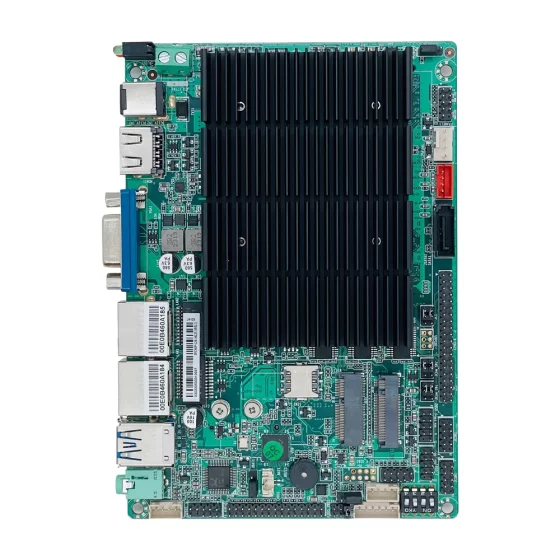
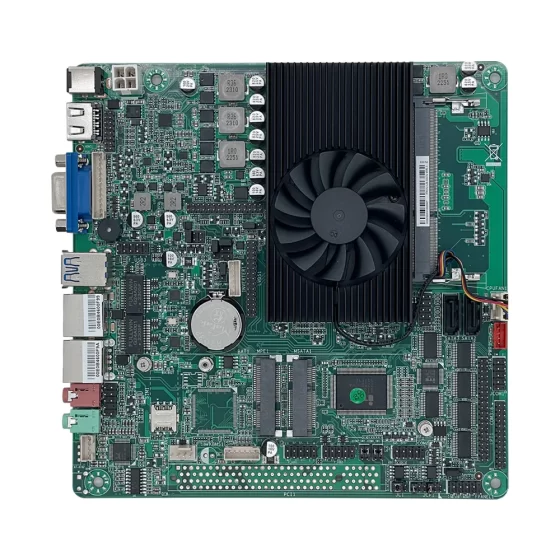
CoreIPC Industrial Computing-Lösungen

Edge-Plattform für die Verkehrsüberwachung
Zusammenfassung
Modern transportation systems generate enormous volumes of data from roadside cameras, traffic sensors, radar systems, automatic number plate recognition (ANPR) Geräte, intelligent traffic signals, and connected infrastructure. As cities continue to expand and vehicle volumes increase, transportation authorities require intelligent systems capable of collecting, Verarbeitung, and analyzing traffic data in real time. Traditional centralized processing architectures often struggle with latency, bandwidth limitations, and scalability challenges, making edge computing increasingly important for intelligent transportation deployments.
A Edge-Plattform für die Verkehrsüberwachung provides the computing infrastructure necessary to support real-time traffic monitoring, Videoanalyse, incident detection, vehicle classification, traffic flow analysis, and intelligent transportation management. By processing data closer to the source, edge platforms reduce latency, improve response times, minimize bandwidth consumption, and enhance overall system reliability.
Industrial computers and embedded computers are commonly deployed as traffic monitoring edge platforms because they provide the ruggedness, Zuverlässigkeit, Konnektivität, and long-term availability required for transportation environments. These systems operate continuously in roadside cabinets, transportation control centers, tolling systems, intersections, highways, tunnels, and smart city infrastructure while supporting mission-critical transportation applications.
As Intelligent Transportation Systems (ES IST), Intelligente Städte, autonomous mobility initiatives, and AI-powered traffic management continue to evolve, traffic monitoring edge platforms are becoming foundational technologies that enable safer, effizienter, and more intelligent transportation networks.
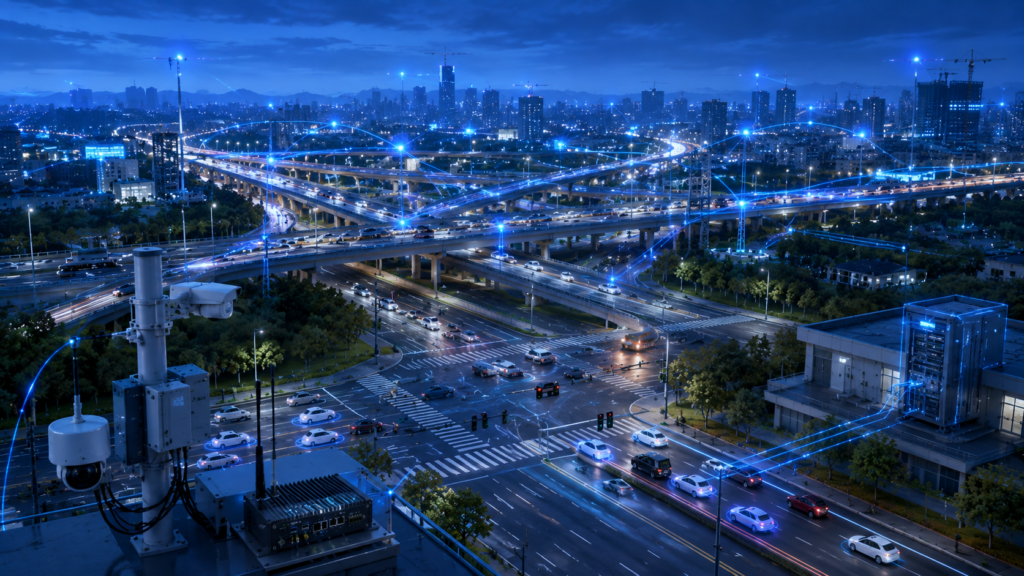
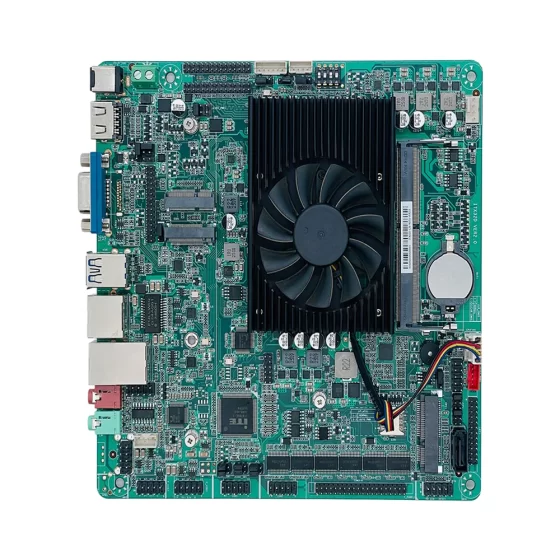
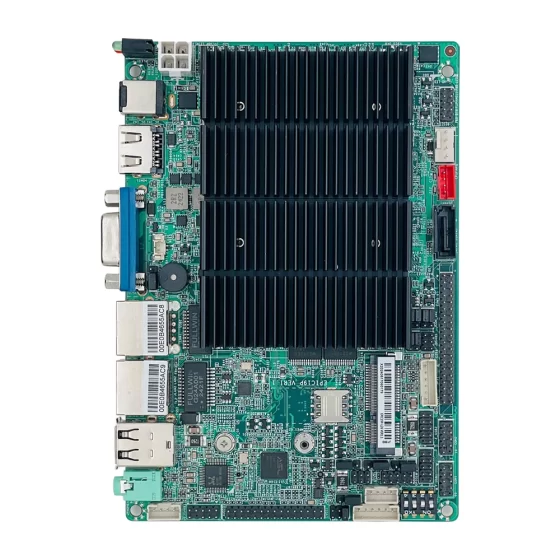
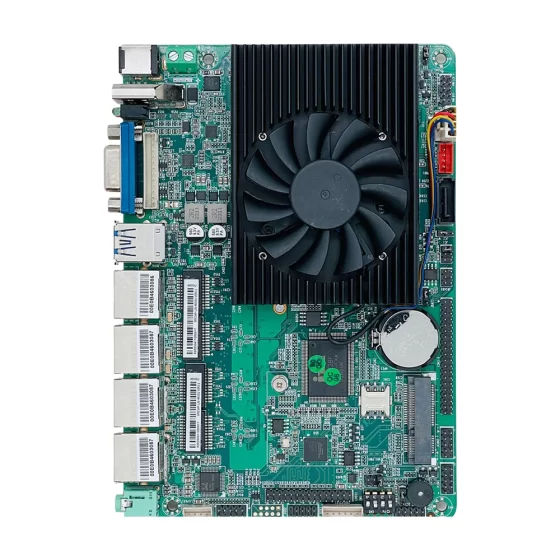
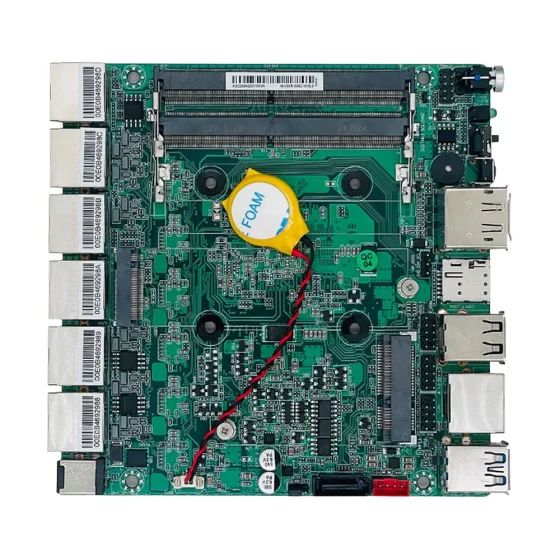
Edge computing platform enabling real-time traffic monitoring, Fahrzeugerkennung, and intelligent transportation management.
Branchenüberblick
Verkehrsstau, road safety concerns, environmental sustainability initiatives, and increasing urbanization are driving the adoption of intelligent transportation technologies worldwide.
Transportation authorities and municipalities increasingly rely on advanced monitoring systems to improve visibility across transportation networks and optimize traffic operations.
Modern traffic monitoring environments typically include:
- Roadside cameras
- ANPR systems
- Traffic sensors
- Radar detection systems
- Variable message signs
- Traffic signal controllers
- Highway monitoring systems
- Toll collection systems
- Smart intersections
- Connected vehicle infrastructure
These systems continuously generate large volumes of data that must be processed in real time to support transportation operations.
Traditional cloud-only architectures present several challenges:
- High network latency
- Increased bandwidth costs
- Konnektivitätsabhängigkeiten
- Limited scalability
- Delayed incident response
Infolge, edge computing has become a critical component of modern traffic management systems.
Traffic Monitoring Edge Platforms enable local processing of transportation data, allowing agencies to perform:
- Real-time video analytics
- Vehicle detection
- Traffic counting
- Incident identification
- Verkehrsflussanalyse
- Speed monitoring
- Lane occupancy measurement
- AI-powered transportation analytics
Industrial computers deployed at the edge provide the processing power required to execute these workloads while maintaining reliable operation in harsh roadside environments.
The growth of smart cities, connected infrastructure, and intelligent transportation systems is expected to further increase demand for traffic monitoring edge platforms across global transportation networks.
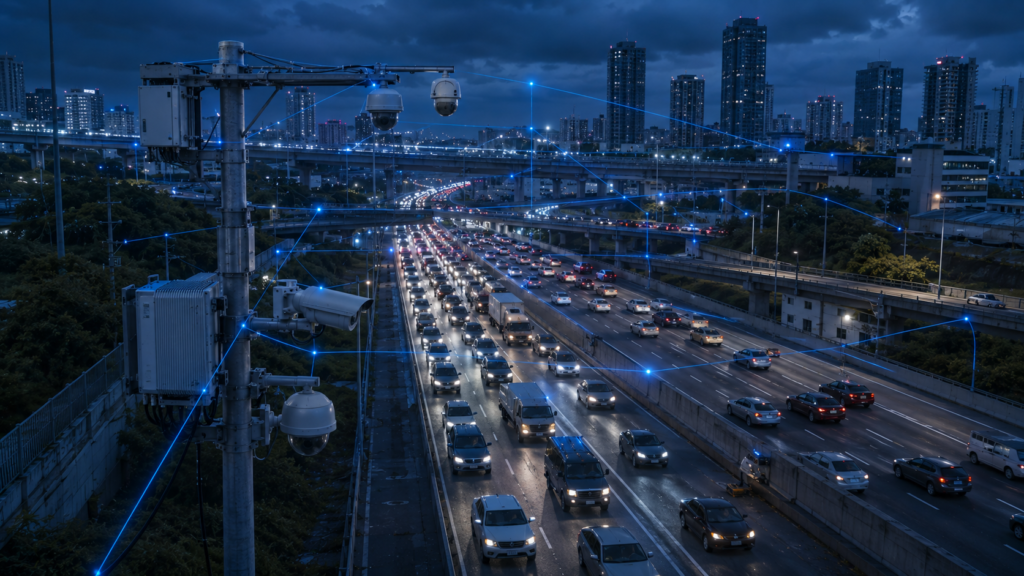
Modern traffic monitoring systems must manage high traffic volumes, multiple camera feeds, and real-time transportation analytics.
Wichtigste Herausforderungen
Real-Time Traffic Analysis
Traffic management systems must process information immediately to support operational decision-making.
Applications requiring low-latency processing include:
- Erkennung von Vorfällen
- Congestion monitoring
- Traffic signal optimization
- Emergency response coordination
- Wrong-way vehicle detection
Cloud-only architectures may introduce delays that impact operational effectiveness.
Edge platforms help reduce latency by processing data locally.
Large Volumes of Video Data
Modern transportation systems utilize large numbers of high-resolution cameras.
Video streams generate substantial bandwidth requirements.
Zu den Herausforderungen gehören:
- Continuous recording
- Echtzeitanalysen
- Multikamera-Verarbeitung
- Langzeitlagerung
- Network utilization
Traffic monitoring edge platforms reduce bandwidth consumption by processing data before transmission.
Harsh Transportation Environments
Roadside deployments are exposed to:
- Extreme Temperaturen
- Staub
- Luftfeuchtigkeit
- Vibration
- Elektrisches Rauschen
- Weather conditions
Computing platforms must withstand these environmental challenges while maintaining continuous operation.
Distributed Infrastructure Management
Transportation systems often span:
- Cities
- Highways
- Tunnels
- Bridges
- Transit corridors
Managing distributed infrastructure requires reliable remote monitoring and centralized visibility.
Anforderungen an die Cybersicherheit
Transportation infrastructure is increasingly connected.
Systems must protect:
- Traffic data
- Operational systems
- Video feeds
- Kommunikationsnetzwerke
- Public infrastructure
Cybersecurity has become an essential component of transportation deployments.
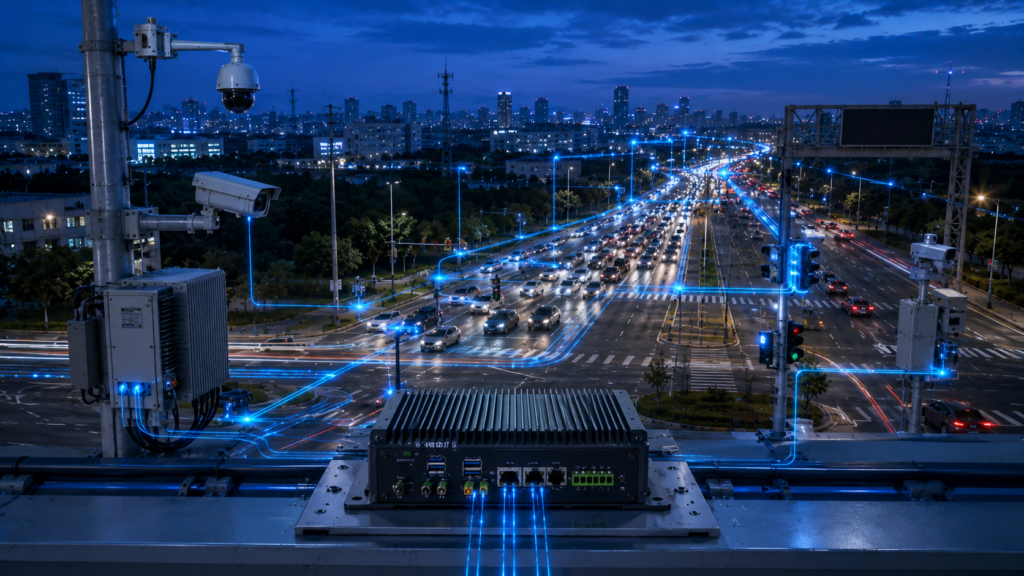
Industrial computers enable real-time traffic monitoring, Edge-Analyse, and intelligent transportation system connectivity.
Lösungsarchitektur
A modern Traffic Monitoring Edge Platform typically consists of multiple interconnected layers.
Schicht 1: Datenerfassungsschicht
Die Feldschicht umfasst:
- Traffic cameras
- ANPR cameras
- Radar sensors
- Traffic detectors
- Umweltsensoren
- Signal controllers
These devices collect operational traffic information.
Schicht 2: Konnektivitätsschicht
Die Kommunikationsinfrastruktur kann Folgendes umfassen::
- Industrielles Ethernet
- Glasfasernetze
- Drahtlose Kommunikation
- Mobilfunknetze
- Dedicated transportation networks
This layer enables secure and reliable data transmission.
Schicht 3: Edge-Computing-Schicht
The traffic monitoring edge platform serves as the local processing engine.
Zu den Funktionen gehören:
- Videoanalyse
- KI-Schlussfolgerung
- Vehicle detection
- Ereignisverarbeitung
- Datenaggregation
- Lokaler Speicher
- Protokollkonvertierung
This layer enables real-time decision-making at the network edge.
Schicht 4: Anwendungsschicht
Transportation applications include:
- Verkehrsmanagementsysteme
- Videomanagementsysteme
- Incident detection platforms
- ANPR software
- Traffic analytics engines
- Smart intersection systems
The edge platform hosts and supports these applications.
Schicht 5: Zentrale Verwaltungsebene
Unterstützung für Unternehmensintegration:
- Traffic control centers
- Smart city platforms
- Cloud-Analyse
- Meldesysteme
- Transportation dashboards
This layer provides centralized visibility and operational oversight.
Hauptmerkmale
Zuverlässigkeit auf Industrieniveau
Traffic monitoring systems operate continuously.
Industriecomputer bieten:
- Robuste Konstruktion
- Komponenten in Industriequalität
- Langfristige Zuverlässigkeit
- Kontinuierliche Betriebsunterstützung
- Transportation-grade durability
These features help ensure system availability.
Lüfterloses Design
Many transportation deployments utilize fanless systems.
Zu den Vorteilen gehören::
- Reduzierter Wartungsaufwand
- Verbesserte Zuverlässigkeit
- Bessere Staubbeständigkeit
- Leiser Betrieb
Fanless designs are particularly valuable for roadside cabinets.
Edge-KI-Verarbeitung
Modern traffic systems increasingly utilize artificial intelligence.
Zu den Anwendungen gehören:
- Fahrzeugklassifizierung
- Erkennung von Vorfällen
- Verkehrsflussanalyse
- Pedestrian detection
- License plate recognition
Edge platforms support AI workloads locally.
High-Speed Networking
Transportation systems require extensive connectivity.
Zu den gängigen Schnittstellen gehören:
- Gigabit-Ethernet
- Fiber connectivity
- Cellular communications
- Drahtlose Vernetzung
- Serielle Kommunikation
These capabilities simplify integration with transportation infrastructure.
Wide Temperature Support
Transportation deployments often operate in outdoor environments.
Industrial computers support operation across wide temperature ranges to ensure reliable performance.
Flexible Expansion Options
Edge platforms may support:
- Additional networking
- Speichererweiterung
- KI-Beschleuniger
- Kommunikationsmodule
This flexibility supports evolving transportation requirements.
Langer Produktlebenszyklus
Transportation infrastructure often remains operational for many years.
Industrielle Plattformen bieten:
- Langfristige Verfügbarkeit
- Stabile Hardwareplattformen
- Erweiterte Supportprogramme
These characteristics reduce lifecycle management complexity.
Bereitstellungsszenarien
Highway Traffic Monitoring
Traffic monitoring edge platforms support:
- Vehicle counting
- Verkehrsflussanalyse
- Congestion monitoring
- Speed enforcement
- Erkennung von Vorfällen
These capabilities improve highway management.
Smart Intersections
Edge computing enables:
- Adaptive traffic signals
- Vehicle detection
- Pedestrian monitoring
- Intersection analytics
- Traffic optimization
Smart intersections improve urban mobility.
Toll Collection Systems
Traffic monitoring platforms support:
- Fahrzeugidentifikation
- ANPR processing
- Transaction management
- Verkehrsanalyse
These functions improve tolling efficiency.
Tunnel Monitoring
Transportation authorities utilize edge platforms for:
- Erkennung von Vorfällen
- Umweltüberwachung
- Verkehrsmanagement
- Safety analytics
Reliable monitoring improves tunnel safety.
Smart City Transport
Edge platforms integrate with:
- Smart city systems
- Urban mobility platforms
- Public transportation infrastructure
- Connected vehicle environments
These deployments support intelligent transportation ecosystems.
Transportation Operations Centers
Industrial computers support centralized transportation management by providing local processing, Analytik, and data aggregation capabilities.
Geschäftsvorteile
Faster Incident Response
Real-time analytics help transportation authorities identify incidents more quickly and coordinate response activities.
Improved Traffic Flow
Traffic monitoring data enables optimization of signal timing, routing strategies, and congestion management programs.
Reduced Network Bandwidth
Local processing minimizes the amount of data transmitted to centralized systems.
Enhanced Public Safety
Traffic monitoring platforms support accident detection, emergency response coordination, and roadway safety initiatives.
Lower Operational Costs
Automation and edge analytics reduce manual monitoring requirements and improve operational efficiency.
Scalable Transportation Infrastructure
Edge platforms provide a flexible foundation for future ITS and smart city initiatives.
Warum CoreIPC
CoreIPC provides industrial computing platforms designed for intelligent transportation systems, Verkehrsüberwachung, roadside deployments, und Smart-City-Infrastruktur. Our industrial computers and embedded computers deliver reliable performance, lüfterloser Betrieb, Haltbarkeit in Industriequalität, reichhaltige Konnektivität, and long lifecycle support for transportation applications. Whether deployed in traffic monitoring systems, smart intersections, transportation control cabinets, or intelligent roadway infrastructure, CoreIPC solutions provide the computing foundation required for modern traffic management and edge analytics environments.
Häufig gestellte Fragen
1. What is a Traffic Monitoring Edge Platform?
A Traffic Monitoring Edge Platform is a computing system deployed near transportation infrastructure that processes traffic data locally. It supports video analytics, Fahrzeugerkennung, Verkehrsüberwachung, and intelligent transportation applications while reducing latency and bandwidth requirements.
2. Why is edge computing important for traffic monitoring?
Edge computing enables real-time processing of transportation data close to the source. This reduces network latency, improves incident response times, minimizes bandwidth usage, and enhances overall transportation system reliability.
3. What devices connect to a traffic monitoring edge platform?
Typical devices include traffic cameras, ANPR cameras, radar sensors, traffic detectors, Umweltsensoren, traffic signal controllers, and roadside communication equipment.
4. Can traffic monitoring edge platforms support AI applications?
Ja. Modern platforms support AI-powered vehicle classification, incident detection, pedestrian monitoring, Verkehrsanalyse, and license plate recognition applications.
5. Why are industrial computers used in transportation environments?
Industrial computers provide rugged construction, breite Temperaturunterstützung, lange Verfügbarkeit über den gesamten Lebenszyklus, and reliable operation in harsh roadside and transportation environments.
6. Are fanless systems suitable for roadside deployments?
Ja. Lüfterlose Systeme reduzieren den Wartungsaufwand, Zuverlässigkeit verbessern, and provide better resistance to dust and environmental contaminants.
7. How do edge platforms reduce bandwidth requirements?
By processing data locally and transmitting only relevant information, edge platforms reduce the amount of raw video and sensor data sent to centralized systems.
8. Can these platforms integrate with traffic management systems?
Ja. Traffic monitoring edge platforms commonly integrate with traffic management systems, video management software, smart city platforms, and transportation control centers.
9. What transportation applications use edge computing?
Applications include highway monitoring, smart intersections, tolling systems, Tunnelüberwachung, Verkehrsanalyse, incident detection, and connected transportation infrastructure.
10. What should be considered when selecting a traffic monitoring edge platform?
Wichtige Überlegungen umfassen die Verarbeitungsleistung, Umweltspezifikationen, networking capabilities, AI support, Erweiterungsmöglichkeiten, Lebenszyklusverfügbarkeit, und Softwarekompatibilität.
Abschluss
A Edge-Plattform für die Verkehrsüberwachung provides the intelligence, processing power, and reliability required for modern transportation infrastructure. Durch die Aktivierung von Echtzeitanalysen, AI-powered traffic monitoring, lokale Datenverarbeitung, and intelligent transportation management, edge platforms help transportation authorities improve safety, Effizienz, und betriebliche Sichtbarkeit. As smart cities and intelligent transportation systems continue to expand, industrial computers and embedded computers will remain essential technologies supporting the future of connected mobility.
Kontaktieren Sie uns
Looking for a reliable Traffic Monitoring Edge Platform for intelligent transportation applications?
CoreIPC bietet Industriecomputer an, eingebettete Computer, Industrie-Motherboards, and customized computing solutions designed for traffic monitoring, Intelligente Transportsysteme, Smart-City-Infrastruktur, and edge AI deployments.
Contact our engineering team to discuss your project requirements and discover the ideal computing platform for your transportation application.