CoreIPC Industrial Computing-Lösungen

Fahrzeugmontierter Industriecomputer für intelligente Transportsysteme
Zusammenfassung
Die rasante Entwicklung der intelligenten Verkehrsinfrastruktur verändert die Art und Weise, wie Fahrzeuge fahren, Straßennetze, Transitsysteme, und Logistikflotten operieren. Moderne Transportumgebungen sind zunehmend auf die Datenerfassung in Echtzeit angewiesen, Edge-Computing, KI-Analyse, Fahrzeugkonnektivität, und intelligente Entscheidungsfindung zur Verbesserung der Sicherheit, Effizienz, und betriebliche Sichtbarkeit.
Ein fahrzeugmontierter Industriecomputer dient als Rechenkern in Bussen, Züge, LKWs, Einsatzfahrzeuge, Bergbaufahrzeuge, autonome mobile Plattformen, und intelligente Transportsysteme. Diese robusten Computerplattformen sind speziell dafür konzipiert, Vibrationen standzuhalten, Schock, Temperaturschwankungen, instabile Stromverhältnisse, und anspruchsvolle Outdoor-Umgebungen und liefert gleichzeitig zuverlässige Rechenleistung.
Durch die Integration der GPS-Ortung, drahtlose Kommunikation, KI-gestützte Videoanalyse, Flottenmanagement-Software, Fahrzeugdiagnose, und Transportkontrollsysteme, Fahrzeugmontierte Industriecomputer ermöglichen intelligente Transportabläufe und unterstützen die wachsenden Anforderungen von Smart Transportation-Initiativen.
In diesem Artikel wird die Rolle fahrzeugmontierter Industriecomputer in modernen Transportsystemen untersucht, Bereitstellungsarchitekturen, wichtige technische Anforderungen, Herausforderungen der Branche, und die geschäftlichen Vorteile, die sie für ein breites Spektrum von Transportanwendungen bieten.
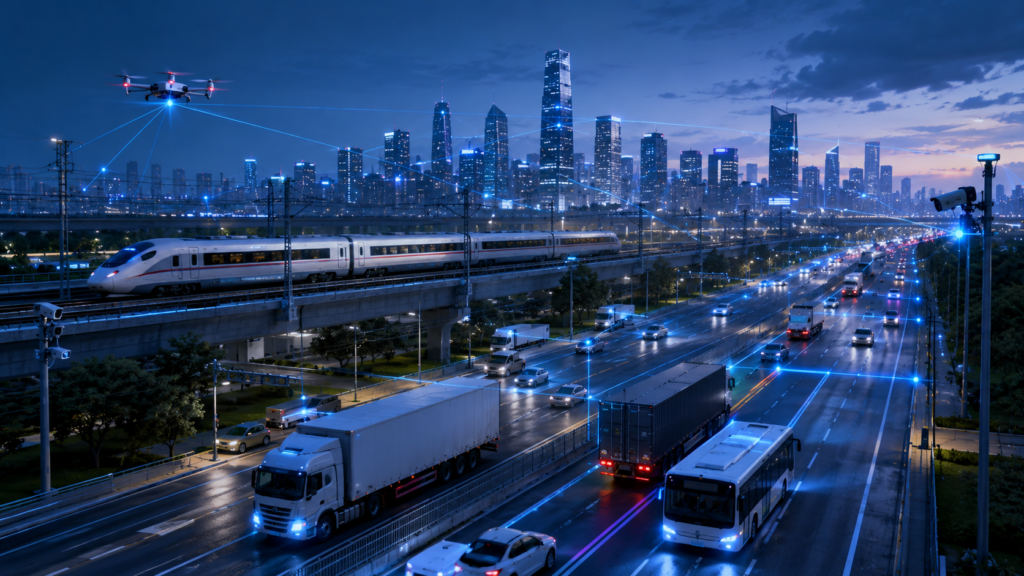
Vernetzte Verkehrsinfrastruktur, die den öffentlichen Nahverkehr integriert, Logistikflotten, Eisenbahnnetze, und intelligente Verkehrsmanagementsysteme.
Branchenüberblick
Weltweit unterliegen die Transportsysteme einem erheblichen digitalen Wandel, der durch die Urbanisierung vorangetrieben wird, Smart-City-Initiativen, autonome Technologien, und steigende Anforderungen an die betriebliche Effizienz.
Moderne Transportumgebungen generieren heutzutage riesige Mengen an Betriebsdaten:
- Fahrzeugsensoren
- GPS-Systeme
- Onboard-Diagnose
- Überwachungskameras
- Fahrgastinformationssysteme
- Flottenmanagementplattformen
- Infrastruktur zur Verkehrsüberwachung
- Straßenausrüstung
- Drahtlose Kommunikationsnetzwerke
Um diese Informationen effektiv zu verarbeiten, Verkehrsbetreiber benötigen Rechenplattformen, die direkt in Fahrzeugen und der Verkehrsinfrastruktur betrieben werden können.
In Fahrzeugen montierte Industriecomputer sind zu einem wichtigen Bestandteil von geworden:
- Öffentliche Verkehrssysteme
- Lösungen für das Flottenmanagement
- Intelligente Transportsysteme (ES IST)
- Eisenbahnbetrieb
- Logistik und Gütertransport
- Einsatzfahrzeuge
- Bergbautransportflotten
- Bodenunterstützungsfahrzeuge des Flughafens
- Autonome Transportplattformen
Im Gegensatz zu herkömmlichen kommerziellen Computern, Diese industrietauglichen Plattformen wurden speziell für mobile Einsatzumgebungen entwickelt, in denen Zuverlässigkeit gefragt ist, Haltbarkeit, und Dauerbetrieb sind unerlässlich.
Da Transportsysteme zunehmend vernetzt und datengesteuert werden, Fahrzeugmontierte Industriecomputer dienen als Grundlage für Edge Computing und intelligente Transportanwendungen.

Fahrzeugmontierte Computersysteme müssen unter Vibrationen zuverlässig funktionieren, raues Wetter, instabile Stromverhältnisse, und anspruchsvolle Transportumgebungen.
Wichtigste Herausforderungen
Raue mobile Betriebsumgebungen
Transportfahrzeuge sind ständig anspruchsvollen Betriebsbedingungen ausgesetzt:
- Kontinuierliche Vibration
- Mechanischer Schock
- Auswirkungen auf die Straße
- Staubexposition
- Luftfeuchtigkeit
- Extreme Temperaturen
Herkömmliche Computerhardware weist in solchen Umgebungen häufig eine geringere Zuverlässigkeit auf.
In Fahrzeugen montierte Industriecomputer müssen so konstruiert sein, dass sie auch unter anspruchsvollen Bedingungen einen stabilen Betrieb gewährleisten.
Instabile Strombedingungen
Fahrzeugelektriken können Störungen erfahren:
- Spannungsschwankungen
- Stromstöße
- Unterbrechungen beim Motorstart
- Batterieinstabilität
- Elektromagnetische Störungen
Industrielle Transportcomputer erfordern intelligente Stromschutzmechanismen und eine breite Eingangsspannungsunterstützung, um einen unterbrechungsfreien Betrieb zu gewährleisten.
Anforderungen an die Echtzeit-Datenverarbeitung
Moderne Transportsysteme sind darauf angewiesen:
- Standortverfolgung in Echtzeit
- Fahrerüberwachung
- Videoüberwachung
- Fahrzeugdiagnose
- Routenoptimierung
- Analyse der Verkehrslage
Diese Anwendungen erfordern Edge-Computing-Funktionen mit geringer Latenz, die in der Lage sind, Daten direkt im Fahrzeug zu verarbeiten.
Konnektivitätsherausforderungen
Transportfahrzeuge verkehren häufig in verschiedenen geografischen Regionen, in denen die Netzbedingungen erheblich variieren.
Systeme müssen unterstützen:
- 4G LTE
- 5G
- W-lan
- GPS
- GNSS
- Private Transportnetze
Die Aufrechterhaltung einer zuverlässigen Kommunikation in mobilen Umgebungen bleibt eine entscheidende Herausforderung.
Bedenken hinsichtlich der Cybersicherheit
Vernetzte Transportsysteme sind wachsenden Cybersicherheitsbedrohungen ausgesetzt.
Zu den potenziellen Risiken gehören::
- Unbefugter Systemzugriff
- Datenschutzverletzungen
- Abfangen der Fahrzeugkommunikation
- Kompromiss beim Flottenmanagement
- Betriebsstörungen
Transport-Computing-Plattformen müssen sichere Kommunikationsarchitekturen und Best Practices für Cybersicherheit unterstützen.
Anforderungen an einen langen Lebenszyklus
Investitionen in die Verkehrsinfrastruktur dauern in der Regel viele Jahre.
Organisationen benötigen Computerplattformen, die Folgendes bieten:
- Langfristige Verfügbarkeit
- Stabile Hardwareplattformen
- Konsistenter Software-Support
- Verbessern Sie die Flexibilität
Industrietaugliche Systeme sind darauf ausgelegt, diese erweiterten Lebenszykluserwartungen zu erfüllen.
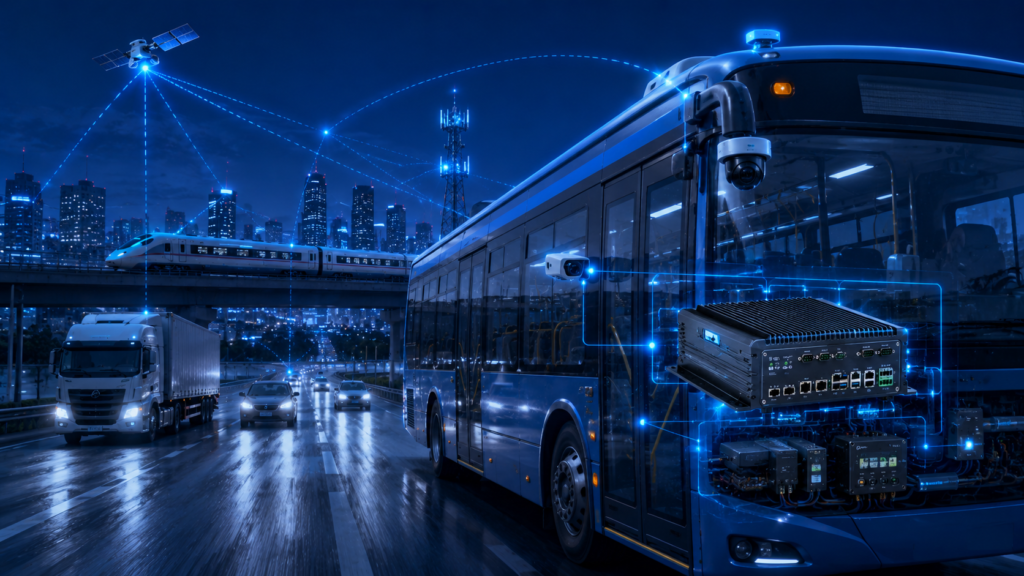
Am Fahrzeug montierter Industriecomputer, der Echtzeit-Konnektivität ermöglicht, Edge-Computing, und Flottenmanagement in intelligenten Transportsystemen.
Lösungsarchitektur
Die Bereitstellung moderner fahrzeugmontierter Industriecomputer besteht typischerweise aus mehreren integrierten Schichten.
Schicht zur Fahrzeugdatenerfassung
Diese Schicht sammelt Betriebsdaten von:
- Motorsteuerungssysteme
- CAN-Bus-Netzwerke
- OBD-Systeme
- GPS-Module
- Umweltsensoren
- Kraftstoffüberwachungssysteme
- Geräte zur Überwachung des Fahrerverhaltens
- Fahrzeugdiagnosesysteme
Diese Datenquellen bieten betriebliche Transparenz in Echtzeit.
Kommunikationsschicht
Fahrzeugmontierte Computer kommunizieren über:
- 4G LTE
- 5G
- W-lan
- Bluetooth
- Ethernet
- CAN-Bus
- RS232
- RS485
Mehrere Kommunikationsoptionen gewährleisten eine zuverlässige Konnektivität in allen Transportumgebungen.
Edge-Computing-Schicht
Als Edge-Computing-Plattform dient der fahrzeugmontierte Industriecomputer.
Zu den wichtigsten Funktionen gehören:
- Datenerfassung
- Lokale Analysen
- KI-Schlussfolgerung
- Videoverarbeitung
- Ereigniserkennung
- Routenoptimierung
- Fahrerüberwachung
- Datenpufferung
Edge-Processing reduziert die Latenz und minimiert die Netzwerkabhängigkeit.
Flottenmanagementschicht
Flottenmanagementplattformen bieten:
- Fahrzeugverfolgung
- Routenmanagement
- Überwachung der Fahrerleistung
- Wartungsplanung
- Analyse des Kraftstoffverbrauchs
- Operative Berichterstattung
Fahrzeugcomputer tauschen kontinuierlich Informationen mit zentralen Managementsystemen aus.
Transportbetriebsschicht
Transportunternehmen erhalten Zugang zu:
- Flotten-Dashboards
- Betriebsanalytik
- Überwachung des Fahrzeugstatus
- Fahrgastinformationssysteme
- Tools für das Vorfallmanagement
- Predictive-Maintenance-Plattformen
Diese Fähigkeiten verbessern die Transporteffizienz und die Servicequalität.
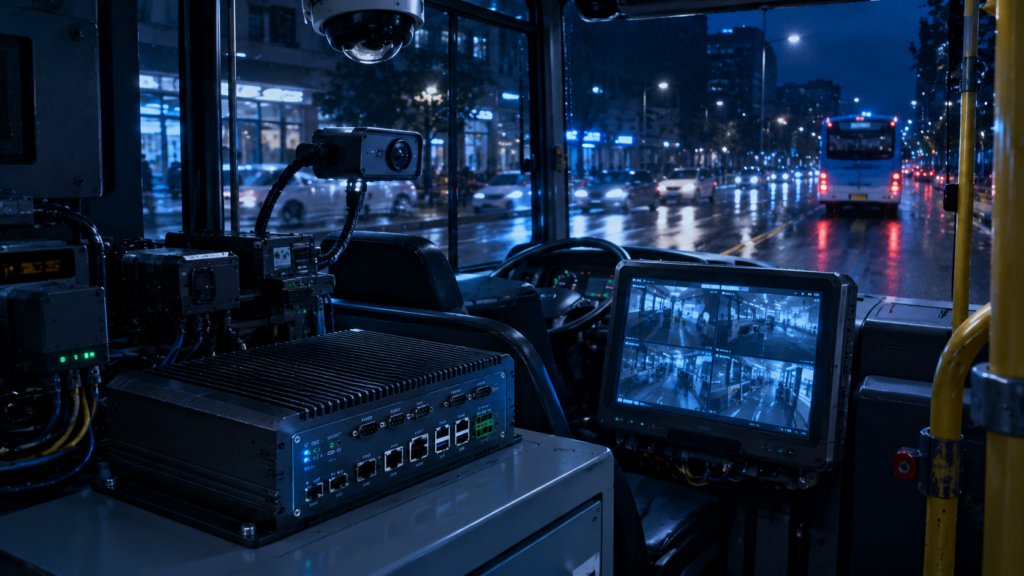
Am Fahrzeug montierter Industriecomputer, der eine Echtzeitüberwachung ermöglicht, KI-Analyse, und Edge Computing für intelligente Transportsysteme.
Hauptmerkmale
Robustes Industriedesign
In Fahrzeugen montierte Industriecomputer sind für Transportumgebungen mit hohen Anforderungen konzipiert:
- Stoßfestigkeit
- Vibrationsfestigkeit
- Lüfterloser Betrieb
- Konstruktion in Industriequalität
- Langfristige Zuverlässigkeit
Diese Eigenschaften gewährleisten eine zuverlässige Leistung in mobilen Anwendungen.
Breite Unterstützung der Betriebstemperatur
Transporteinsätze kommen häufig vor:
- Heiße Sommerumgebungen
- Kalte Winterbedingungen
- Betrieb im Freien
- Motorraumheizung
Industrieplattformen unterstützen üblicherweise erweiterte Temperaturbereiche, um einen stabilen Betrieb zu gewährleisten.
Weitspannungseingang
Fahrzeugstromversorgungssysteme arbeiten häufig unter unterschiedlichen elektrischen Bedingungen.
Industrielle Transportcomputer unterstützen normalerweise:
- 9V–36 V Gleichstrom
- 12V–24 V DC
- 24V–48 V Gleichstrom
Große Eingangsbereiche verbessern die Kompatibilität mit verschiedenen Fahrzeugplattformen.
Integrierte drahtlose Konnektivität
Moderne Transportanwendungen sind auf eine kontinuierliche Konnektivität angewiesen.
Zu den gängigen Optionen gehören::
- GPS
- GNSS
- 4G LTE
- 5G
- W-lan
- Bluetooth
Diese Technologien ermöglichen Echtzeitkommunikation und Ortungsdienste.
Umfangreiche Erweiterungsmöglichkeiten
Fahrzeugmontierte Systeme integrieren sich häufig:
- Kameras
- Sensoren
- Zeigt an
- Kommunikationsmodule
- Diagnosegeräte
Industriecomputer bieten flexible Erweiterungsschnittstellen, um diese Anforderungen zu unterstützen.
Edge-KI-Verarbeitung
Transportbetreiber setzen zunehmend KI-gestützte Anwendungen ein, darunter:
- Fahrerüberwachung
- Passagierzählung
- Verkehrsanalyse
- Fahrzeuginspektion
- Videoanalyse
In Fahrzeugen montierte Industriecomputer bieten die für diese Arbeitslasten erforderlichen Verarbeitungskapazitäten.
Bereitstellungsszenarien
Öffentliche Verkehrssysteme
Busse und Nahverkehrsfahrzeuge nutzen fahrzeugmontierte Industriecomputer für:
- Fahrgastinformationssysteme
- Automatische Fahrzeugortung
- Flottenverfolgung
- Sicherheitsüberwachung
- Fahrgeldeinzugssysteme
Diese Funktionen verbessern die betriebliche Effizienz und das Passagiererlebnis.
Logistik und Flottenmanagement
Transportflotten setzen zur Unterstützung Industriecomputer ein:
- Fahrzeugverfolgung
- Routenoptimierung
- Kraftstoffmanagement
- Überwachung des Fahrerverhaltens
- Ladungsüberwachung
Echtzeittransparenz verbessert die Flottenauslastung und die Betriebskontrolle.
Eisenbahntransport
Bahnbetreiber nutzen fahrzeugmontierte Computersysteme für:
- Zugdiagnose
- Videoüberwachung
- Passagierinformationen
- Kommunikationsmanagement
- Betriebsüberwachung
Industrielle Zuverlässigkeit ist für Eisenbahnumgebungen von entscheidender Bedeutung.
Einsatzfahrzeuge
Polizei, Krankenwagen, und Feuerwehrfahrzeuge benötigen Onboard-Computing-Plattformen, die dazu in der Lage sind:
- Versandintegration
- Meldung von Vorfällen
- GPS-Navigation
- Videoaufzeichnung
- Sichere Kommunikation
In Fahrzeugen montierte Industriecomputer bieten geschäftskritische Unterstützung.
Bergbau und Schwermaschinen
Bergbaufahrzeuge werden in äußerst anspruchsvollen Umgebungen eingesetzt.
Zu den Anwendungen gehören:
- Geräteüberwachung
- Autonomer Betrieb
- Flottenkoordination
- Sicherheitsüberwachung
- Wartungsdiagnose
Computerplattformen in Industriequalität bieten die für diese Einsätze erforderliche Haltbarkeit.
Smart City Transport
Smart-City-Initiativen stützen sich zunehmend auf die Integration intelligenter Verkehrssysteme:
- Vernetzte Fahrzeuge
- Verkehrsmanagementsysteme
- Straßeninfrastruktur
- Echtzeitanalysen
- Fahrzeug-zu-Infrastruktur-Kommunikation
Auf Fahrzeugen montierte Industriecomputer ermöglichen diese fortschrittlichen Transportmöglichkeiten.
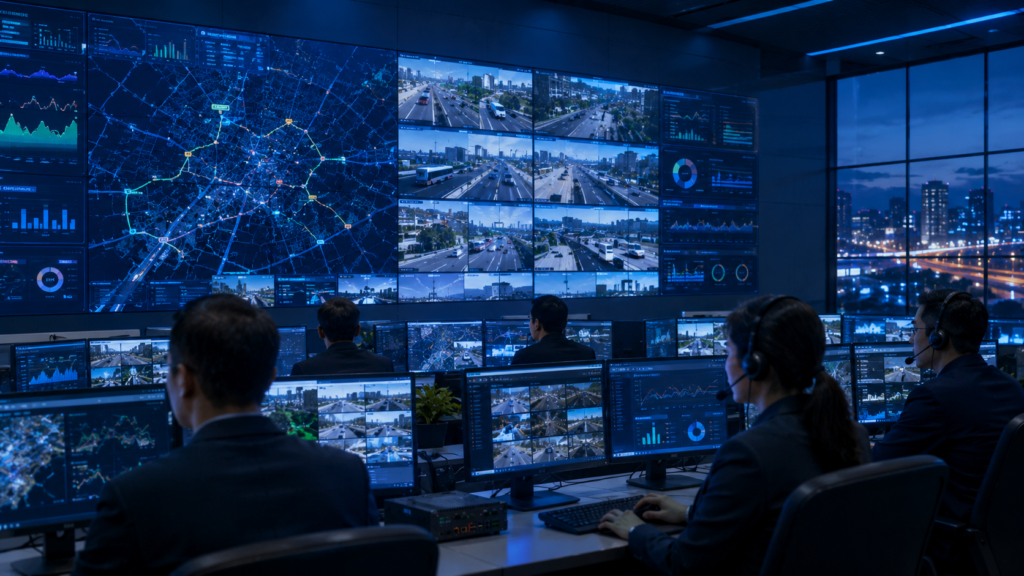
Das Transportbetriebszentrum verbessert die Sichtbarkeit der Flotte, Transportsicherheit, Routenoptimierung, und betriebliche Effizienz durch intelligente Transporttechnologien.
Geschäftsvorteile
Verbesserte betriebliche Effizienz
Datenerfassung und -analyse in Echtzeit helfen Transportunternehmen bei der Optimierung ihrer Routen, Fahrzeugauslastung verbessern, und betriebliche Ineffizienzen reduzieren.
Erhöhte Sicherheit
Unterstützung erweiterter Überwachungsfunktionen:
- Analyse des Fahrerverhaltens
- Fahrzeugdiagnose
- Erkennung von Vorfällen
- Videoüberwachung
Diese Funktionen tragen zu einem sichereren Transportbetrieb bei.
Reduzierte Ausfallzeiten
Kontinuierliche Überwachung ermöglicht vorausschauende Wartungsstrategien, die unerwartete Ausfälle reduzieren und die Flottenverfügbarkeit verbessern.
Bessere Sichtbarkeit der Flotte
Transportmanager erhalten Echtzeitzugriff auf:
- Fahrzeugstandorte
- Betriebsstatus
- Kraftstoffverbrauch
- Fahrerleistung
- Wartungsbedingungen
Diese Sichtbarkeit unterstützt eine bessere Entscheidungsfindung.
Niedrigere Betriebskosten
Fahrzeugmontierte Computerlösungen tragen dazu bei, die Kosten zu senken:
- Verbesserte Routenplanung
- Reduzierter Kraftstoffverbrauch
- Geringere Wartungskosten
- Erhöhte Flottenproduktivität
Zukunftsfähige Infrastruktur
Industrielle Computerplattformen unterstützen zukünftige Transporttechnologien, einschließlich:
- Autonome Fahrzeuge
- KI-Analyse
- Smart-City-Integration
- Vernetzte Transportökosysteme
Unternehmen können sich an die Weiterentwicklung der Transporttechnologien anpassen.
Warum CoreIPC
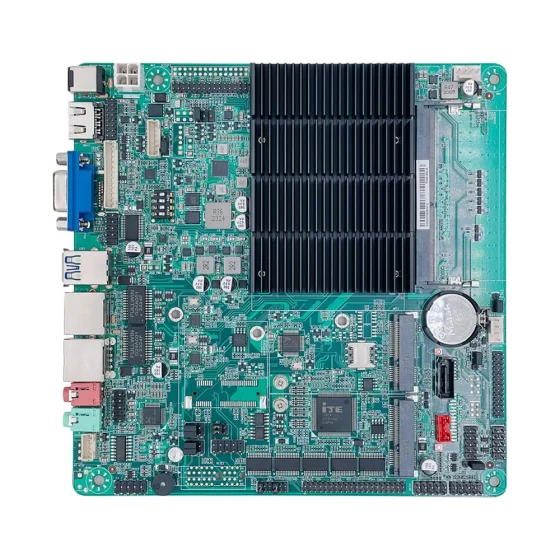
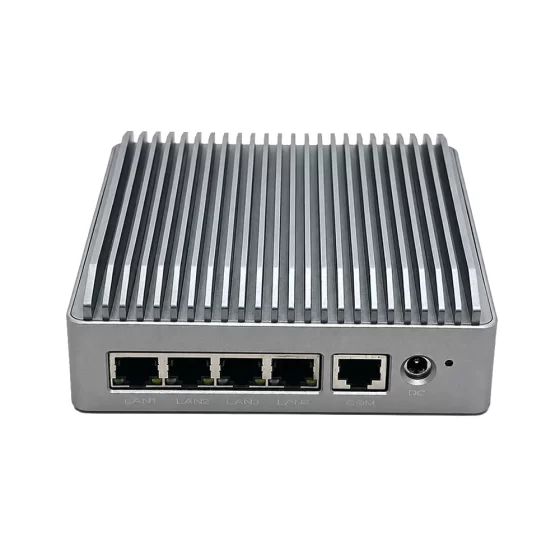
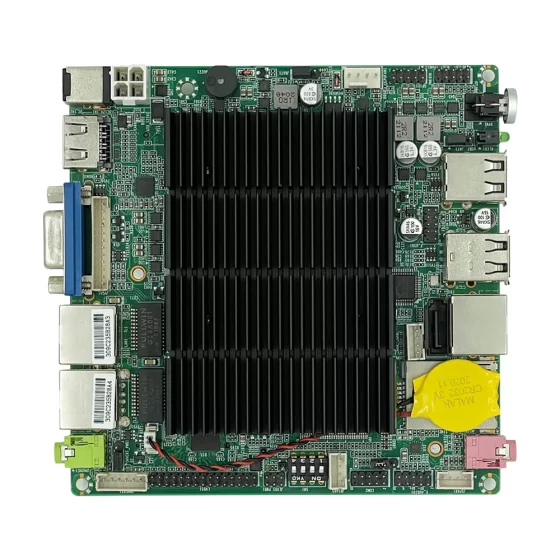
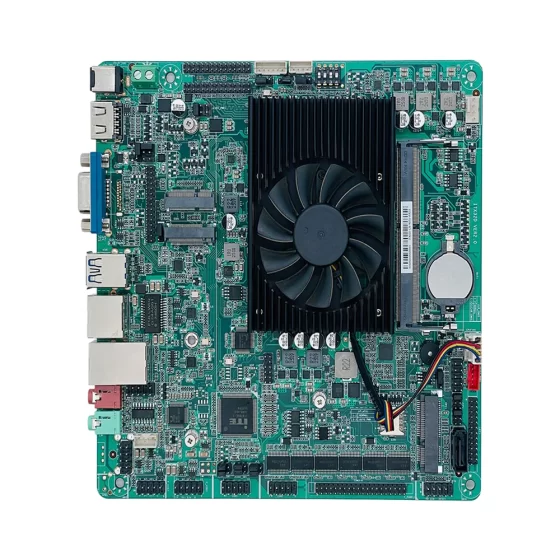
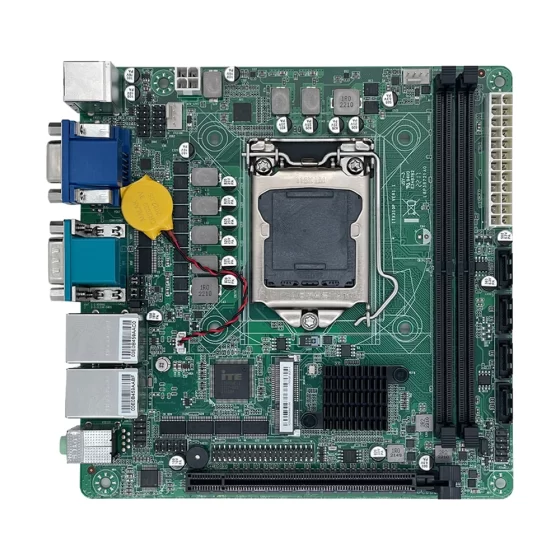
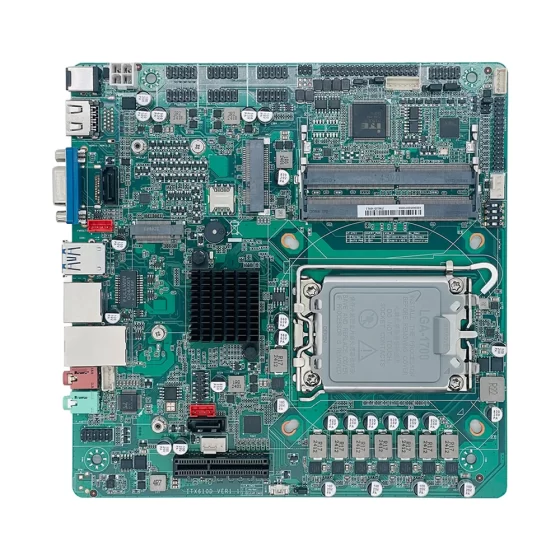
CoreIPC bietet industrielle Computerlösungen für anspruchsvolle Transportumgebungen. Zu unserem Portfolio gehören lüfterlose Industrie-PCs, eingebettete Computer, Mini-ITX-Motherboards, Edge-KI-Plattformen, und maßgeschneiderte fahrzeugmontierte Computerlösungen, die auf Vibrationsfestigkeit ausgelegt sind, Breiter Temperaturbetrieb, Intelligente Transportsysteme, und mobile Edge-Computing-Anwendungen. Mit flexiblen Anpassungsmöglichkeiten, lange Produktlebenszyklen, und Zuverlässigkeit auf Industrieniveau, CoreIPC hilft Transportunternehmen, Systemintegratoren, und Anbieter von Smart-City-Lösungen bauen zuverlässige und skalierbare Transport-Computing-Infrastrukturen auf.
Häufig gestellte Fragen
1. Was ist ein fahrzeugmontierter Industriecomputer??
Ein fahrzeugmontierter Industriecomputer ist eine robuste Computerplattform, die speziell für den Einbau in Transportfahrzeugen entwickelt wurde, wo Vibrationen auftreten, Temperaturschwankungen, Strominstabilität, und anspruchsvolle Betriebsbedingungen erfordern Zuverlässigkeit auf Industrieniveau.
2. In welchen Branchen werden fahrzeugmontierte Industriecomputer eingesetzt??
Zu den gängigen Branchen gehört der öffentliche Verkehr, Logistik, Eisenbahnen, Notdienste, Bergbau, Konstruktion, Smart-City-Infrastruktur, und intelligente Transportsysteme.
3. Warum sind lüfterlose Designs in Transportanwendungen wichtig??
Lüfterlose Systeme reduzieren den Wartungsaufwand, Zuverlässigkeit verbessern, Staubansaugung beseitigen, und verbessern die Langzeitstabilität in rauen Fahrzeugumgebungen.
4. Können fahrzeugmontierte Computer 5G-Konnektivität unterstützen??
Ja. Viele moderne fahrzeugmontierte Industriecomputer unterstützen 5G-Module für Hochgeschwindigkeitskommunikation, Echtzeit-Datenübertragung, und intelligente Transportanwendungen.
5. Welche Kommunikationsschnittstellen werden üblicherweise benötigt??
Zu den gängigen Schnittstellen gehört der CAN-Bus, Ethernet, RS232, RS485, USB, W-lan, Bluetooth, GPS, GNSS, und Mobilfunkkommunikation.
6. Sind diese Systeme für Transportumgebungen im Freien geeignet??
Ja. Fahrzeugcomputer in Industriequalität sind so konzipiert, dass sie Vibrationen standhalten, Temperaturextreme, Luftfeuchtigkeit, und anspruchsvolle Außenbedingungen.
7. Wie unterstützen fahrzeugmontierte Industriecomputer das Flottenmanagement??
Sie sammeln Fahrzeugdaten, Betriebsinformationen übermitteln, bieten GPS-Tracking, unterstützen die Diagnose, und ermöglichen Echtzeitkommunikation mit Flottenmanagementplattformen.
8. Können diese Systeme KI-Anwendungen unterstützen??
Ja. Viele in Fahrzeugen montierte Computer unterstützen Edge-KI-Workloads wie die Fahrerüberwachung, Videoanalyse, Passagierzählung, und intelligente Transportanalyse.
9. Welchen Nutzen bietet Edge Computing im Transportwesen??
Edge Computing reduziert die Latenz, verbessert die Reaktionszeiten, minimiert die Netzwerkabhängigkeit, und ermöglicht eine Echtzeitverarbeitung direkt im Fahrzeug.
10. Wie lange bleiben Industrietransportcomputer normalerweise verfügbar??
Industrielle Computerplattformen bieten oft deutlich längere Produktlebenszyklen als Verbraucherhardware, Unterstützung von Transportprojekten, die eine langfristige Einsatzstabilität erfordern.
Abschluss
Ein fahrzeugmontierter Industriecomputer ist eine entscheidende Basistechnologie für intelligente Transportsysteme. Durch die Bereitstellung von robustem Edge Computing, zuverlässige Kommunikation, Echtzeitanalysen, und intelligente Datenverarbeitungsfunktionen, Diese Plattformen helfen Transportunternehmen, die Sicherheit zu verbessern, Effizienz, Sichtweite, und betriebliche Leistung.
Da die Verkehrsnetze immer vernetzter und intelligenter werden, Fahrzeugmontierte Industriecomputer werden weiterhin wesentliche Komponenten der nächsten Generation intelligenter Verkehrsinfrastruktur bleiben.
Kontaktieren Sie uns
Auf der Suche nach zuverlässigen fahrzeugmontierten Computerlösungen für den Transport, Flottenmanagement, Eisenbahn, Logistik, oder intelligente Transportprojekte?
CoreIPC bietet Industriecomputer an, eingebettete Systeme, Edge-KI-Plattformen, und maßgeschneiderte Transport-Computing-Lösungen für anspruchsvolle mobile Umgebungen.
Kontaktieren Sie noch heute unser Engineering-Team, um die Anforderungen Ihres Smart Transportation-Projekts zu besprechen.