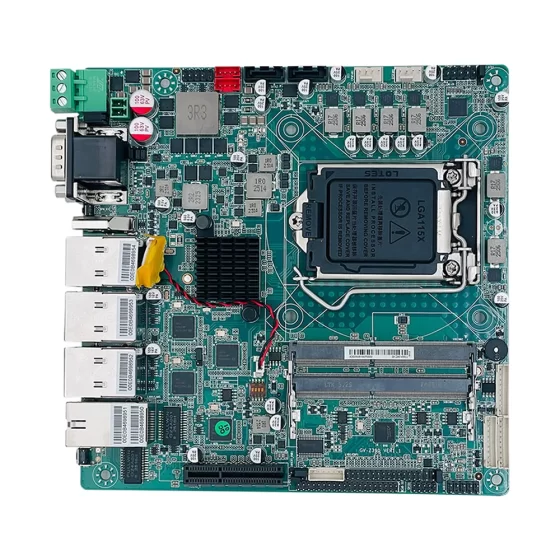
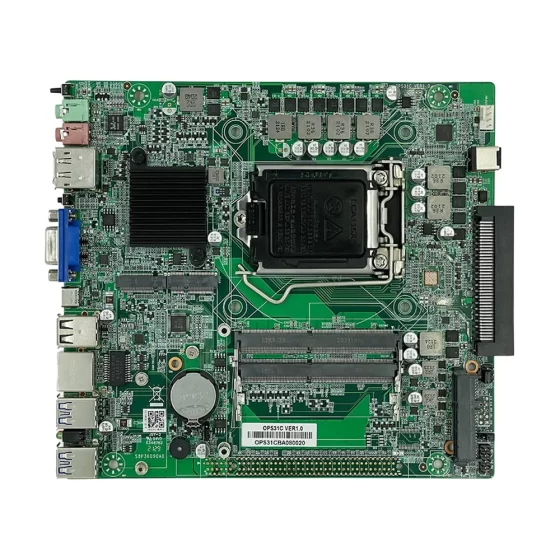
CoreIPC Industrial Computing-Lösungen

Fahrzeugmontierter Industriecomputer
Zusammenfassung
Moderner Transport, Logistik, öffentliche Sicherheit, Bergbau, Konstruktion, Eisenbahn, und Flottenmanagementvorgänge hängen zunehmend von der Echtzeit-Datenerfassung ab, Kommunikation, Navigation, und intelligente Entscheidungsfindung. Fahrzeuge sind keine eigenständigen Transportmittel mehr; Sie sind zu mobilen Rechenzentren geworden, die kontinuierlich Daten generieren, Verfahren, und Informationen mit zentralen Verwaltungsplattformen austauschen.
A Fahrzeugmontierter Industriecomputer dient als intelligente Rechenplattform im Inneren von Nutzfahrzeugen, Einsatzfahrzeuge, öffentliche Verkehrssysteme, Bergbau-Lkw, Baumaschinen, Schienenfahrzeuge, und spezielle mobile Ausrüstung. Diese robusten Computersysteme ermöglichen eine Fahrzeugüberwachung in Echtzeit, Flottenmanagement, GPS-Tracking, Videoüberwachung, KI-gestützte Analyse, Telematik, vorausschauende Wartung, und Edge-Computing-Anwendungen.
Im Gegensatz zu herkömmlichen kommerziellen Computern, In Fahrzeugen montierte Industriecomputer sind speziell dafür konstruiert, rauen Betriebsbedingungen einschließlich Vibrationen standzuhalten, Schock, Staub, Temperaturschwankungen, instabile Stromversorgungsumgebungen, und Dauerbetriebsanforderungen. Ihr robustes Design, Komponenten in Industriequalität, Unterstützung für breite Eingangsleistung, und umfangreiche Kommunikationsfunktionen machen sie ideal für geschäftskritische mobile Einsätze.
Als intelligente Transportsysteme, autonome Fahrzeugtechnologien, Initiativen zur Flottendigitalisierung, und die industrielle Automatisierung entwickeln sich weiter, In Fahrzeugen montierte Industriecomputer werden zu unverzichtbaren Technologien, die mehr Sicherheit ermöglichen, effizienter, und vernetztere mobile Abläufe in einer Vielzahl von Branchen.
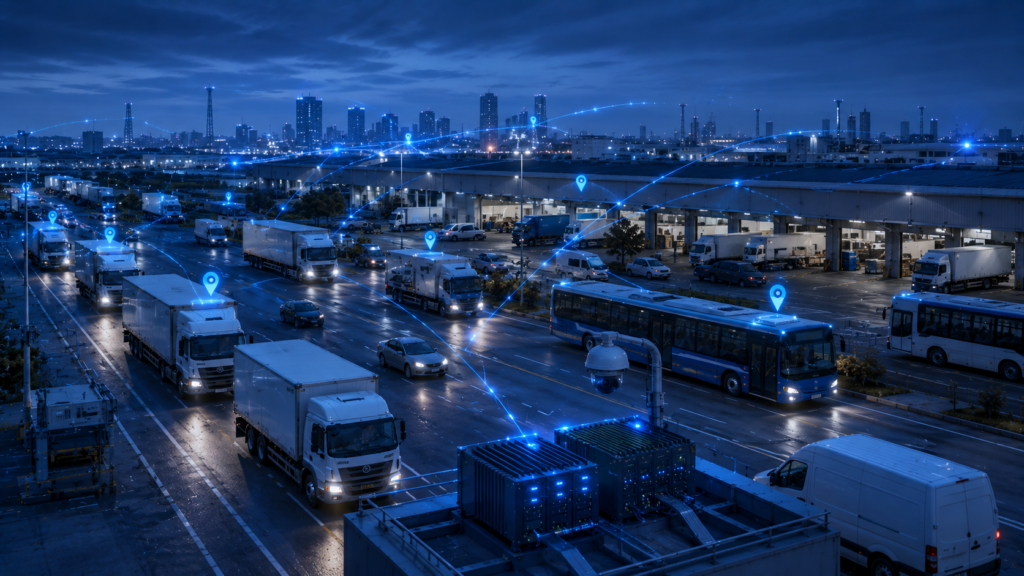
Robuste, im Fahrzeug montierte Computer ermöglichen eine Flottenüberwachung in Echtzeit, GPS-Tracking, und intelligenter mobiler Betrieb.
Branchenüberblick
Das rasante Wachstum vernetzter Fahrzeuge, Telematiksysteme, Intelligente Verkehrsinfrastruktur, und mobile Automatisierungstechnologien haben die Art und Weise verändert, wie Unternehmen den Fahrzeugbetrieb verwalten.
Von den heutigen Fahrzeugen wird erwartet, dass sie dies unterstützen:
- Kommunikation in Echtzeit
- GPS-Positionierung
- Flottenüberwachung
- Analyse des Fahrerverhaltens
- Videoüberwachung
- Frachtverfolgung
- Routenoptimierung
- Fahrzeugdiagnose
- KI-gestützte Analyse
- Edge-Computing-Workloads
Unternehmen verschiedener Branchen verlassen sich auf Fahrzeug-Computing-Plattformen, um die betriebliche Transparenz und Entscheidungsfindung zu verbessern.
Zu den gängigen Einsatzsektoren gehören::
- Öffentliche Verkehrsmittel
- Logistik und Transport
- Notfalldienste
- Bergbaubetriebe
- Baumaschinen
- Eisenbahnsysteme
- Nutzfahrzeuge
- Landmaschinen
- Hafenbetrieb
- Autonome mobile Systeme
Moderne Fahrzeugumgebungen generieren große Mengen an Betriebsdaten:
- GPS-Empfänger
- Kameras
- Sensoren
- CAN-Bus-Netzwerke
- Fahrzeugsteuerungssysteme
- Telematikgeräte
- Fahrerassistenzsysteme
Die ausschließliche Verarbeitung dieser Informationen in zentralisierten Cloud-Umgebungen kann zu Latenz führen, Bandbreite, und Konnektivitätsherausforderungen.
Fahrzeugmontierte Industriecomputer begegnen diesen Herausforderungen, indem sie lokale Verarbeitung und intelligente Entscheidungsfindung direkt im Fahrzeug ermöglichen.
Da die Initiativen zur Flottendigitalisierung weltweit weiter zunehmen, Die Nachfrage nach robusten mobilen Computerplattformen steigt weiter.

In Fahrzeugen montierte Industriecomputer sind so konzipiert, dass sie Vibrationen standhalten, Schock, Staub, Feuchtigkeit, und extreme Betriebsbedingungen.
Wichtigste Herausforderungen
Harte mobile Betriebsbedingungen
Fahrzeugumgebungen sind Computersystemen ausgesetzt:
- Ständige Vibration
- Mechanischer Schock
- Staub
- Feuchtigkeit
- Temperaturschwankungen
- Auswirkungen auf die Straße
Kommerzielle Computerplattformen haben unter diesen Bedingungen oft Probleme.
In Fahrzeugen montierte Industriecomputer müssen trotz ständiger Belastung durch raue Umgebungen zuverlässig funktionieren.
Instabile Strombedingungen
Fahrzeuge unterliegen häufigen Leistungsschwankungen, die durch verursacht werden:
- Motorstart
- Batteriewechsel
- Spannungsspitzen
- Spannung fällt ab
- Elektrisches Rauschen
Computersysteme müssen weitreichende Leistungseingangs- und Leistungsschutzfunktionen unterstützen.
Kontinuierliche Konnektivitätsanforderungen
Der moderne Flottenbetrieb ist auf kontinuierliche Kommunikation angewiesen.
Fahrzeuge erfordern häufig eine gleichzeitige Konnektivität:
- Mobilfunknetze
- W-lan
- GPS
- Bluetooth
- Fahrzeugkommunikationsnetzwerke
Die Verwaltung mehrerer Kommunikationskanäle erfordert eine robuste Computerplattform.
Datenverarbeitung in Echtzeit
Bei mobilen Einsätzen fallen erhebliche Datenmengen an.
Beispiele hierfür sind:
- Videostreams
- GPS-Daten
- Fahrzeugdiagnose
- Sensorinformationen
- Fahrerüberwachungssysteme
Die Verarbeitung dieser Informationen in Echtzeit ist für die betriebliche Effektivität von entscheidender Bedeutung.
Bedenken hinsichtlich der Cybersicherheit
Vernetzte Fahrzeuge interagieren zunehmend mit Unternehmenssystemen und öffentlichen Netzwerken.
Organisationen müssen schützen:
- Fahrzeugdaten
- Betriebsinformationen
- Kommunikationssysteme
- Flottenmanagementplattformen
Cybersicherheit ist zu einer entscheidenden Anforderung für Fahrzeugcomputersysteme geworden.
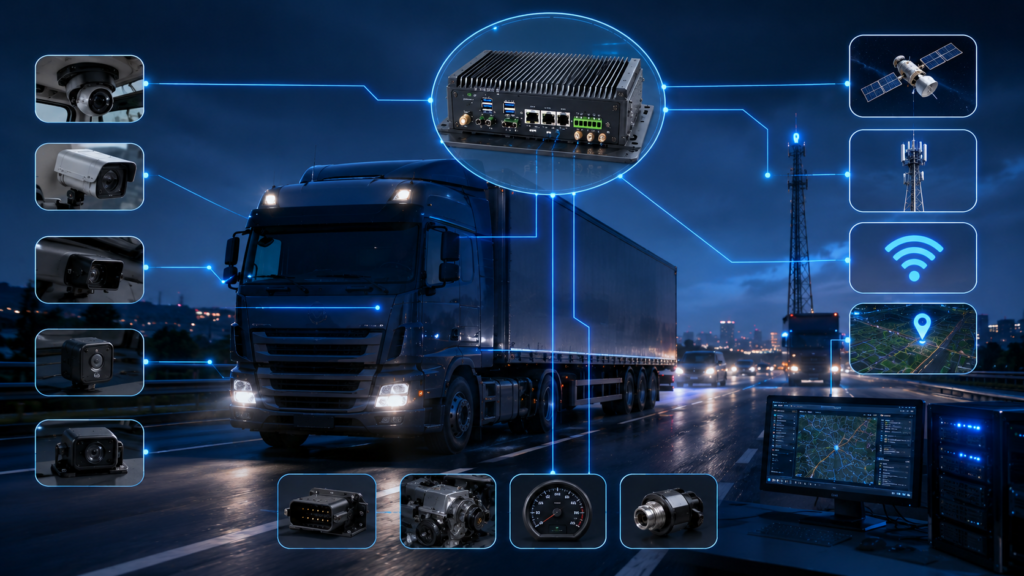
In Fahrzeugen montierte Industriecomputer integrieren Kameras, GPS, Sensoren, und drahtlose Kommunikation für intelligentes Flottenmanagement.
Lösungsarchitektur
Eine typische fahrzeugmontierte Computerbereitstellung besteht aus mehreren Schichten.
Schicht 1: Fahrzeuggeräteschicht
Diese Ebene umfasst:
- Kameras
- Sensoren
- GPS-Module
- CAN-Bus-Schnittstellen
- Fahrzeugsteuerungssysteme
- Fahrerassistenzsysteme
Diese Geräte erzeugen Betriebsdaten.
Schicht 2: Kommunikationsschicht
Die Fahrzeugkommunikationsinfrastruktur kann Folgendes umfassen::
- 4G LTE
- 5G
- W-lan
- Bluetooth
- GPS
- Fahrzeugkommunikationsprotokolle
Diese Schicht ermöglicht die Konnektivität zwischen dem Fahrzeug und externen Systemen.
Schicht 3: Fahrzeugmontierte industrielle Computerschicht
Der Industrierechner dient als lokale Edge-Computing-Plattform.
Zu den Funktionen gehören:
- Datenerfassung
- Edge-Analyse
- Videoverarbeitung
- KI-Schlussfolgerung
- Kommunikationsmanagement
- Lokaler Speicher
- Systemsteuerung
Diese Schicht stellt Echtzeitinformationen innerhalb des Fahrzeugs bereit.
Schicht 4: Anwendungsschicht
Bewerbungen können Folgendes umfassen::
- Flottenmanagementsysteme
- Telematikplattformen
- Videoverwaltungssoftware
- Fahrerüberwachungssysteme
- Anwendungen zur vorausschauenden Wartung
- Software zur Routenoptimierung
Der Fahrzeugcomputer unterstützt diese Anwendungen.
Schicht 5: Zentrale Verwaltungsebene
Unternehmensintegration ermöglicht:
- Flottenbetriebszentren
- Cloud-Analyseplattformen
- Meldesysteme
- Versandmanagement
- Asset-Tracking-Plattformen
Diese Ebene bietet zentralisierte Sichtbarkeit und Kontrolle.
Hauptmerkmale
Robustes Industriedesign
In Fahrzeugen montierte Industriecomputer sind für den Einsatz in anspruchsvollen mobilen Umgebungen ausgelegt.
Zu den wichtigsten Merkmalen gehören::
- Stoßfestigkeit
- Vibrationsfestigkeit
- Robuste Konstruktion
- Komponenten in Industriequalität
- Zuverlässiger Betrieb
Diese Funktionen verbessern die langfristige Bereitstellungszuverlässigkeit.
Lüfterlose Architektur
Lüfterlose Systeme bieten mehrere Vorteile:
- Reduzierter Wartungsaufwand
- Verbesserte Zuverlässigkeit
- Besserer Staubschutz
- Leiser Betrieb
Lüfterlose Designs sind in Fahrzeugumgebungen besonders wertvoll.
Unterstützung für breite Spannungseingänge
Die Stromversorgungssysteme von Fahrzeugen variieren erheblich.
Industriecomputer unterstützen üblicherweise:
- 9V–36 V Gleichstrom
- 12In DC
- 24In DC
- Zündsteuerung
Diese Flexibilität vereinfacht den Einsatz auf verschiedenen Fahrzeugplattformen.
Umfangreiche Kommunikationsschnittstellen
Fahrzeuganwendungen erfordern eine umfassende Konnektivität.
Zu den gängigen Schnittstellen gehören:
- Gigabit-Ethernet
- USB
- RS232
- RS485
- CAN-Bus
- Digitale I/O
- Drahtlose Kommunikation
Diese Schnittstellen unterstützen die Integration mit Fahrzeugsystemen.
Edge-KI-Funktionen
Viele moderne Implementierungen nutzen künstliche Intelligenz.
Zu den Anwendungen gehören:
- Fahrerüberwachung
- Videoanalyse
- Objekterkennung
- Routenoptimierung
- Flotteninformationen
Fahrzeugmontierte Computer bieten lokale KI-Verarbeitungsfunktionen.
GPS und drahtlose Konnektivität
Zu den integrierten Kommunikationsoptionen können gehören:
- GPS
- GNSS
- 4G LTE
- 5G
- W-lan
- Bluetooth
Diese Funktionen unterstützen den mobilen Betrieb und die Flottenkonnektivität.
Langer Produktlebenszyklus
Fahrzeugeinsätze bleiben oft über viele Jahre hinweg einsatzbereit.
Industrielle Plattformen bieten:
- Langfristige Verfügbarkeit
- Stabile Hardwareplattformen
- Erweiterte Supportprogramme
Dies reduziert die Kosten für das Lebenszyklusmanagement.
Bereitstellungsszenarien
Flottenmanagement
Unterstützung für fahrzeugmontierte Industriecomputer:
- Fahrzeugverfolgung
- Routenoptimierung
- Analyse des Fahrerverhaltens
- Flottenüberwachung
Diese Funktionen verbessern die betriebliche Effizienz.
Öffentliche Verkehrsmittel
Verkehrsbetriebe nutzen Industriecomputer für:
- Fahrgastinformationssysteme
- Flottenmanagement
- Videoüberwachung
- Fahrzeugdiagnose
Diese Systeme verbessern die betriebliche Sicht und die Sicherheit der Passagiere.
Einsatzfahrzeuge
Polizei, Feuer, und Rettungsdienste setzen Fahrzeugcomputer ein:
- Versenden Sie die Kommunikation
- Navigation
- Videoverwaltung
- Meldung von Vorfällen
Zuverlässiges mobiles Computing unterstützt Notfalleinsätze.
Bergbau- und Baumaschinen
Bediener von Schwermaschinen nutzen Industriecomputer für:
- Geräteüberwachung
- Telematik
- Vorausschauende Wartung
- Betriebsanalytik
Diese Funktionen verbessern die Produktivität und die Geräteauslastung.
Eisenbahnsysteme
Unterstützung für fahrzeugmontierte Computer:
- Zugüberwachung
- Kommunikation
- Fahrgastinformationssysteme
- Sicherheitsüberwachung
Diese Funktionen verbessern den Bahnbetrieb.
Autonome und intelligente Fahrzeuge
Fortschrittliche Fahrzeugsysteme nutzen Industriecomputer für:
- KI-Verarbeitung
- Sensorfusion
- Edge-Computing
- Entscheidungsfindung in Echtzeit
Diese Fähigkeiten unterstützen Mobilitätslösungen der nächsten Generation.
Geschäftsvorteile
Verbesserte operative Transparenz
Fahrzeugdaten in Echtzeit ermöglichen es Unternehmen, die Leistung ihrer Flotte effektiver zu überwachen.
Erhöhte Effizienz
Automatisierung und intelligente Analysen helfen bei der Optimierung von Routen, den Kraftstoffverbrauch reduzieren, und die Ressourcennutzung verbessern.
Erhöhte Sicherheit
Fahrzeugüberwachungssysteme unterstützen einen sichereren Betrieb durch Fahrerassistenz, Videoanalyse, und Echtzeitwarnungen.
Reduzierte Ausfallzeiten
Vorausschauende Wartungsfunktionen helfen dabei, Probleme zu erkennen, bevor es zu Ausfällen kommt.
Bessere Entscheidungsfindung
Der Echtzeitzugriff auf Betriebsinformationen verbessert die Reaktionsfähigkeit und die Managementeffektivität.
Skalierbare digitale Transformation
In Fahrzeugen montierte Industriecomputer bilden eine Grundlage für zukünftige Initiativen für vernetzte Fahrzeuge und intelligente Mobilität.
Warum CoreIPC
CoreIPC bietet robuste industrielle Computerplattformen, die für den Einsatz in Fahrzeugen konzipiert sind, Flottenmanagementsysteme, Transportanwendungen, Fahrzeuge der öffentlichen Sicherheit, Bergbauausrüstung, und intelligente mobile Infrastruktur. Unsere Industriecomputer bieten einen lüfterlosen Betrieb, Unterstützung für breite Spannungseingänge, Zuverlässigkeit auf Industrieniveau, reichhaltige Konnektivität, und lange Verfügbarkeit über den gesamten Lebenszyklus. Mit flexiblen OEM/ODM-Anpassungsfunktionen und umfassender Erfahrung im Embedded Computing, CoreIPC unterstützt Kunden bei der Bereitstellung zuverlässiger Fahrzeug-Computing-Lösungen, die moderne mobile Abläufe unterstützen, Edge-Computing, und intelligente Transportanwendungen.
Häufig gestellte Fragen
1. Was ist ein fahrzeugmontierter Industriecomputer??
Ein fahrzeugmontierter Industriecomputer ist eine robuste Computerplattform, die für den Einbau in Fahrzeugen konzipiert ist, mobile Geräte, und Transportsysteme. Es unterstützt die Datenverarbeitung, Kommunikation, Überwachung, und Edge-Computing-Anwendungen.
2. Warum werden Industriecomputer in Fahrzeugen eingesetzt??
Industriecomputer sorgen für Zuverlässigkeit, stoßfestigkeit, Vibrationstoleranz, Unterstützung für breite Spannungseingänge, und eine lange Verfügbarkeit über den gesamten Lebenszyklus, die für Fahrzeugumgebungen erforderlich ist.
3. In welchen Branchen werden Fahrzeugcomputer eingesetzt??
Zu den gängigen Branchen gehört der Transport, Logistik, Bergbau, Konstruktion, öffentliche Sicherheit, Eisenbahnen, Dienstprogramme, Landwirtschaft, und autonome Fahrzeugentwicklung.
4. Können fahrzeugmontierte Computer KI-Anwendungen unterstützen??
Ja. Viele Plattformen unterstützen KI-gestützte Videoanalysen, Fahrerüberwachung, Objekterkennung, vorausschauende Wartung, und intelligente Flottenmanagementanwendungen.
5. Welche Stromeingänge werden üblicherweise unterstützt??
In Fahrzeugen montierte Industriecomputer unterstützen in der Regel weitreichende DC-Eingangsoptionen wie 9V-36V- oder 12V/24V-Fahrzeugstromsysteme.
6. Sind lüfterlose Systeme für den Einsatz in Fahrzeugen geeignet??
Ja. Lüfterlose Systeme verbessern die Zuverlässigkeit und reduzieren den Wartungsaufwand in rauen Fahrzeugumgebungen.
7. Welche Kommunikationstechnologien werden üblicherweise integriert??
Zu den gängigen Technologien gehört GPS, GNSS, W-lan, Bluetooth, 4G LTE, 5G, Ethernet, CAN-Bus, und serielle Kommunikation.
8. Wie unterstützen Fahrzeugcomputer das Flottenmanagement??
Sie sammeln und verarbeiten Fahrzeugdaten, Tracking aktivieren, Überwachen Sie das Fahrerverhalten, unterstützen die Diagnose, und mit Flottenmanagementplattformen kommunizieren.
9. Können in Fahrzeugen montierte Industriecomputer bei extremen Temperaturen betrieben werden??
Ja. Plattformen in Industriequalität sind für den Betrieb in weiten Temperaturbereichen konzipiert, die üblicherweise in mobilen Umgebungen auftreten.
10. Was sollte bei der Auswahl eines fahrzeugmontierten Industriecomputers beachtet werden??
Zu den wichtigsten Überlegungen gehört die Umweltverträglichkeit, Anforderungen an die Leistungsaufnahme, Konnektivitätsoptionen, Verarbeitungsleistung, Erweiterungsmöglichkeiten, und Lebenszyklusunterstützung.
Abschluss
A Fahrzeugmontierter Industriecomputer bietet die robuste Computergrundlage, die für den modernen mobilen Betrieb erforderlich ist. Durch die Ermöglichung von Echtzeitkommunikation, Edge-Computing, Flottenmanagement, Fahrzeugüberwachung, KI-Analyse, und intelligente Transportanwendungen, Diese Plattformen helfen Organisationen, die Sicherheit zu verbessern, Effizienz, Zuverlässigkeit, und betriebliche Sichtbarkeit. Da sich die Technologien für vernetzte Fahrzeuge ständig weiterentwickeln, In Fahrzeugen montierte Industriecomputer werden weiterhin wesentliche Komponenten für die Zukunft der intelligenten Mobilität und mobilen Automatisierung bleiben.
Kontaktieren Sie uns
Suchen Sie einen zuverlässigen fahrzeugmontierten Industriecomputer für das Flottenmanagement?, Transport, öffentliche Sicherheit, Bergbau, oder intelligente Fahrzeuganwendungen?
CoreIPC bietet Industriecomputer an, eingebettete Computer, Industrie-Motherboards, und maßgeschneiderte Computerlösungen, die für raue mobile Umgebungen und Edge-Computing-Einsätze entwickelt wurden.
Kontaktieren Sie noch heute unser Engineering-Team, um Ihre Projektanforderungen zu besprechen und die ideale fahrzeugmontierte Computerplattform für Ihre Anwendung zu entdecken.