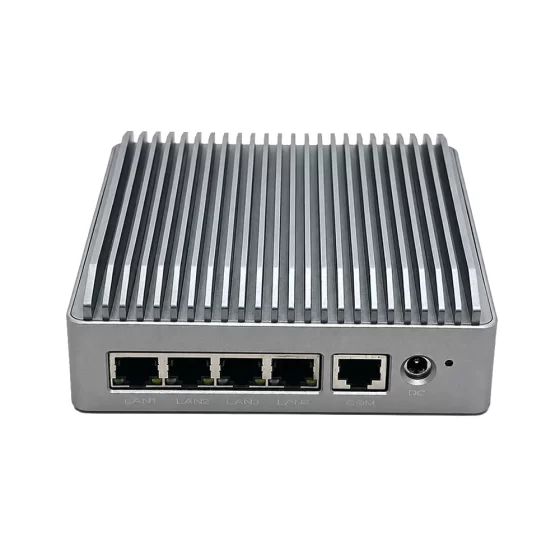
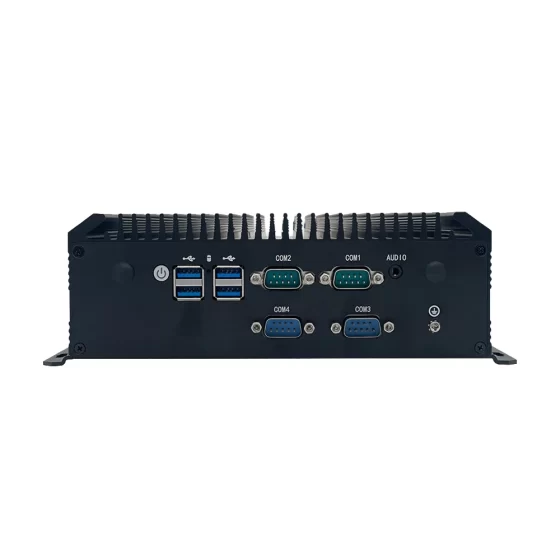
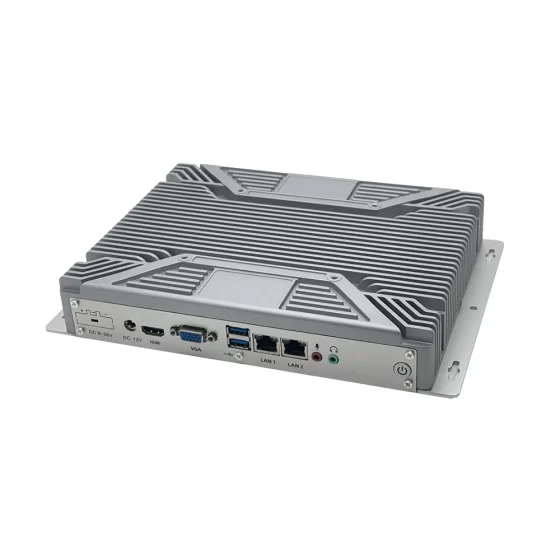
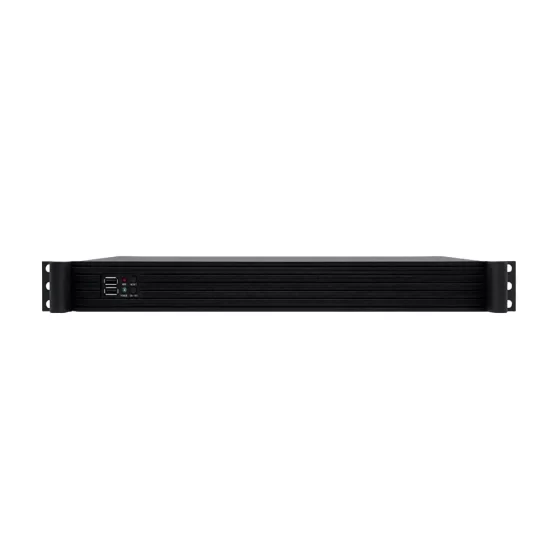
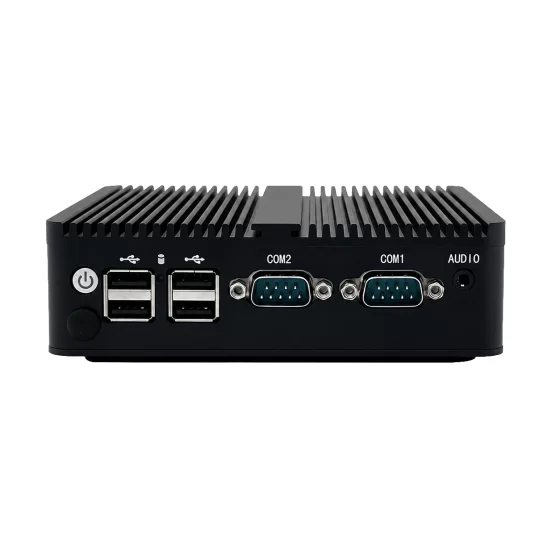
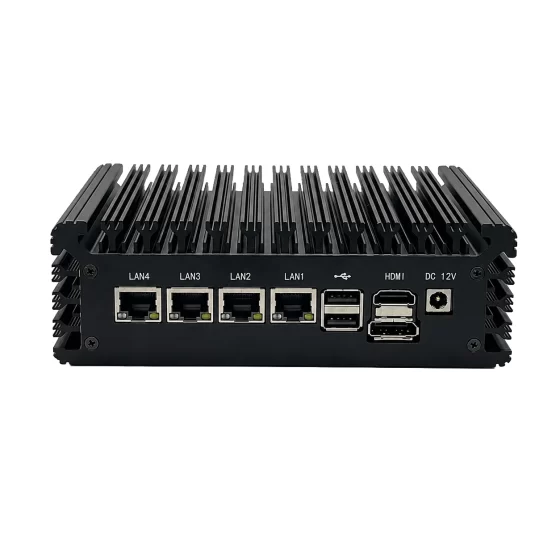
Soluciones de informática industrial CoreIPC

PC industrial del robot móvil: Robot móvil IPC para AGV y AMR Edge Computing
Resumen ejecutivo
Un robot móvil ipc proporciona la base informática industrial para la navegación AGV y AMR, fusión de sensores, soporte de control de robots, Percepción de IA de vanguardia, comunicación de flota, monitoreo de seguridad, registro de datos, y toma de decisiones en tiempo real en sistemas de automatización móviles.
Los robots móviles modernos se utilizan ampliamente en los almacenes., fábricas, centros logísticos, hospitales, laboratorios, instalaciones minoristas inteligentes, y entornos de servicios industriales. Los AGV y AMR ayudan a mover materiales, entregar bienes, apoyar líneas de producción, automatizar la logística interna, y reducir el trabajo de transporte manual.
Estos robots requieren una informática a bordo fiable.
Una PC industrial robótica móvil construida sobre una computadora industrial o una computadora integrada puede procesar datos de LiDAR, camaras, codificadores, IMU, sensores de profundidad, sensores ultrasónicos, controladores de motores, sistemas de baterías, y módulos de comunicación inalámbrica. Puede admitir software de navegación., Algoritmos SLAM, inferencia de IA de borde, ejecución de tareas robóticas, diagnóstico remoto, y comunicación de gestión de flotas.
En comparación con ordenadores de consumo estándar o PC de oficina, Las computadoras industriales son más adecuadas para la implementación de robots móviles porque admiten un diseño resistente., instalación compacta, operación de baja potencia, resistencia a las vibraciones, opciones sin ventilador, amplia entrada de energía, E/S flexibles, almacenamiento confiable, y disponibilidad de ciclo de vida prolongado.
Este artículo explica cómo las plataformas IPC de robots móviles admiten aplicaciones AGV y AMR., ¿Qué desafíos de implementación aparecen en los sistemas robóticos reales?, cómo funciona la arquitectura de la solución, y qué características de hardware son importantes al seleccionar una computadora industrial o una computadora integrada para aplicaciones de robots móviles.
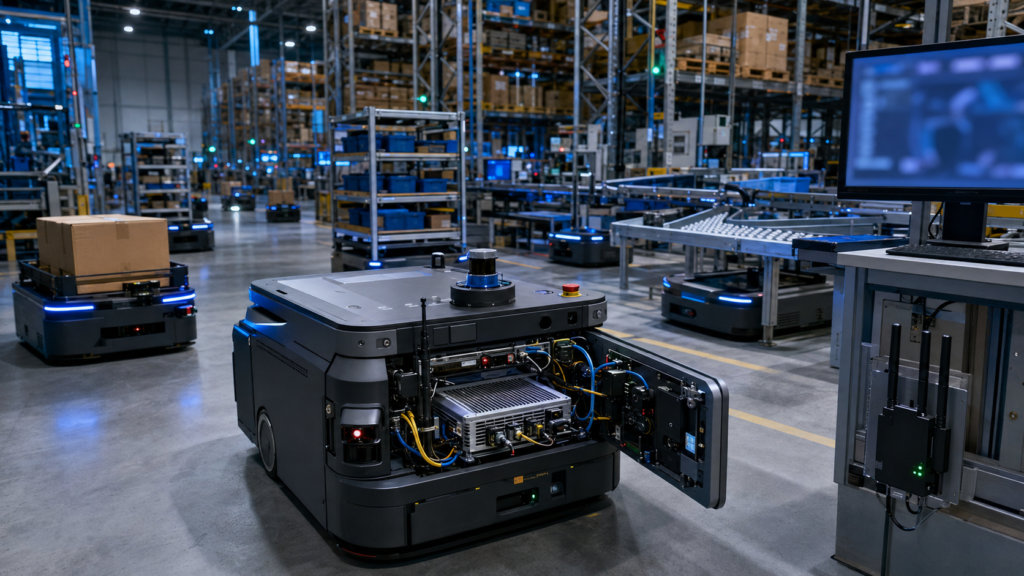
Computación de borde a bordo de robot móvil
Descripción general de la industria
Los robots móviles se están expandiendo en todas las industrias
Los robots móviles se están convirtiendo en una parte importante de la automatización.
en almacenes, Los AMR apoyan la selección, reposición, transporte, clasificación, y operaciones de inventario. en fábricas, Los AGV y AMR mueven materiales entre líneas de producción, almacenes, celdas de ensamblaje, y estaciones de inspección. En hospitales y laboratorios, Los robots móviles pueden transportar suministros., muestras, medicamento, y equipo.
Las aplicaciones comunes de robots móviles incluyen:
- Transporte de material AGV
- Logística de almacén AMR
- Sistemas de carro autónomos
- Robots de inspección móviles
- Robots de reparto hospitalario
- Robots de transporte de laboratorio
- Alimentación de línea de fábrica
- Robots inteligentes para servicios minoristas
- Robots de seguridad móviles
- Robots de limpieza autónomos
- Gestión de flotas de robots
- Sistemas inteligentes de apoyo al transporte
Estas aplicaciones requieren una informática a bordo estable y una comunicación fiable con los sensores del robot., controladores, y plataformas de flota.
Los robots móviles necesitan computación de borde local
Los robots móviles no pueden depender completamente de servidores remotos.
Necesitan tomar decisiones locales mientras se mueven en entornos dinámicos.. Es posible que un robot necesite evitar obstáculos, actualizar su ruta, detectar personas, identificar objetos, atracar en una estación de carga, o detenerse de forma segura cuando aparezca un riesgo.
Un robot móvil ipc puede realizar estas tareas a bordo.
puede apoyar:
- navegación SLAM
- Fusión de sensores
- Planificación de caminos
- Detección de obstáculos
- Procesamiento de cámara
- Manejo de datos LiDAR
- Comunicación de control de motores
- Monitoreo del estado de la batería
- Conectividad inalámbrica
- Comunicación de gestión de flotas
- Registro de eventos locales
- Diagnóstico remoto
Esta capacidad informática local mejora la autonomía del robot y la confiabilidad operativa..
Las computadoras industriales proporcionan la base del hardware del robot
Los robots móviles operan en entornos reales..
Pueden moverse a través del piso del almacén., pasillos de fábrica, áreas de carga, pasillos del hospital, zonas de sala limpia, centros logísticos, o espacios adyacentes al aire libre.
Estos entornos pueden incluir vibraciones., choque, polvo, variación de temperatura, poder inestable, espacio limitado, ruido electromagnético, y movimiento continuo.
Las computadoras industriales y las computadoras integradas proporcionan la base de hardware resistente necesaria para la implementación de robots móviles..
Admiten factores de forma compactos, almacenamiento confiable, opciones de diseño sin ventilador, E/S flexibles, comunicación multired, y disponibilidad a largo plazo.

Desafíos de implementación de IPC de robots móviles
Desafíos clave
Procesamiento de múltiples sensores a bordo
Los robots móviles dependen de muchos sensores.
Un robot típico puede incluir LiDAR, camaras, sensores de profundidad, módulos IMU, codificadores de rueda, sensores ultrasónicos, sensores de parachoques, escáneres de seguridad, controladores de batería, y conductores de motor.
El robot móvil IPC debe recoger y procesar estas señales de forma fiable.
La carga de trabajo del sensor puede incluir:
- Datos de nubes de puntos LiDAR
- Secuencias de imágenes de la cámara
- Información de profundidad
- Comentarios de posición
- Estado del motor
- Estado de la batería
- Señales de seguridad
- Datos de comunicación inalámbrica
- Registros de sensores ambientales
- Información de salud del robot
La plataforma debe proporcionar suficiente rendimiento y flexibilidad de E/S para todo el sistema de sensores..
Soporte de navegación y SLAM
Los robots móviles autónomos a menudo dependen de SLAM y algoritmos de localización.
Estas funciones ayudan al robot a comprender su posición., construir o actualizar mapas, evitar obstáculos, y seguir rutas.
Las cargas de trabajo de navegación pueden requerir:
- Fusión de sensores en tiempo real
- Procesamiento de mapas
- Detección de obstáculos
- Planificación de ruta
- Actualizaciones de localización
- Soporte de acoplamiento
- Ajuste de ruta dinámica
- Comunicación de tareas de flota
El hardware debe seleccionarse de acuerdo con el software de navegación real., velocidad del robot, tamaño del mapa, recuento de sensores, y requisitos de respuesta.
Gestión de restricciones térmicas y de energía
Los robots móviles tienen una potencia a bordo limitada.
El IPC debe proporcionar suficiente rendimiento informático manteniendo el consumo de energía bajo control..
Los sistemas alimentados por baterías necesitan un cuidadoso equilibrio entre rendimiento, calor, tiempo de ejecución, y confiabilidad.
Las preguntas de diseño importantes incluyen:
- ¿Cuánta energía puede consumir el IPC??
- ¿El robot tiene suficiente capacidad de batería??
- ¿El recinto está ventilado??
- ¿Se requiere funcionamiento sin ventilador??
- ¿El robot funcionará continuamente??
- ¿Se necesita aceleración de GPU o IA??
- ¿Cuál es el rango de temperatura ambiente??
- ¿Cómo se eliminará el calor del recinto??
La planificación energética y térmica son fundamentales para la implementación de IPC de robots móviles.
Manejo de vibraciones y movimientos
Los robots móviles se mueven constantemente.
Pueden viajar sobre suelos irregulares., rampas, articulaciones, umbrales, y superficies de almacén. La computadora de a bordo debe soportar vibraciones., choque, y movimiento de cables.
Se debe considerar el diseño de hardware confiable:
- Caja robusta
- Montaje seguro
- Conectores bloqueables
- Alivio de tensión del cable
- Almacenamiento SSD o NVMe
- Diseño sin ventilador
- Entrada de energía estable
- Protección contra ruido eléctrico
Un PC estándar normalmente no es adecuado para este entorno..
Integración de sistemas de control de robots y flotas
Un robot móvil no funciona solo.
Debe comunicarse con los controladores del robot., conductores de motor, sistemas de baterías, sensores, redes inalámbricas, plataformas de gestión de flotas, software de almacén, sistemas de fábrica, y herramientas de mantenimiento remoto.
El IPC a bordo puede intercambiar:
- Comandos de tarea
- Actualizaciones de ruta
- Ubicación del robot
- Datos de la batería
- Códigos de error
- Estado del sensor
- Eventos de seguridad
- Estado de carga
- Registros de mantenimiento
- Mensajes de coordinación de flotas
La comunicación estable es esencial para el funcionamiento confiable del robot.
Respaldar la implementación de productos robóticos a largo plazo
Los productos de robots móviles pueden fabricarse e implementarse durante muchos años..
Los cambios frecuentes en el hardware de la computadora pueden crear problemas con los sistemas operativos, conductores, software para robots, SDK de sensores, Tiempos de ejecución de IA, módulos inalámbricos, y flujos de trabajo de certificación.
Las plataformas informáticas industriales con planificación del ciclo de vida ayudan a los fabricantes de robots a mantener diseños de robots consistentes en todas las generaciones de productos y sitios de clientes..

Arquitectura IPC del robot móvil
Arquitectura de la solución IPC de robot móvil
Capa de sensor de robot
La capa de sensores del robot incluye todos los dispositivos que ayudan al robot a percibir y medir su entorno..
Esta capa puede incluir:
- Sensores LiDAR
- Cámaras industriales
- Cámaras de profundidad
- módulos IMU
- Codificadores de ruedas
- Sensores ultrasónicos
- Escáneres de seguridad
- Sensores de parachoques
- Sensores de temperatura
- Dispositivos de monitoreo de batería
- Sistemas de retroalimentación de motores
Estos sensores proporcionan datos sin procesar para la navegación., seguridad, percepción, y monitoreo de la salud del robot.
Capa de borde IPC de robot móvil
La capa de borde IPC del robot móvil es la capa informática a bordo.
en esta capa, el ordenador industrial o el ordenador integrado pueden:
- Recopilar datos de sensores
- Ejecute el software de navegación
- Procesar transmisiones de cámara
- Manejar datos LiDAR
- Realizar fusión de sensores
- Ejecute modelos de IA de vanguardia
- Almacenar registros
- Comunicarse con controladores de motor
- Enviar estado a los sistemas de flota
- Admite diagnóstico remoto
Esta capa proporciona al robot inteligencia local y un rendimiento informático estable..
Capa de integración de control de robots
La capa de integración de control de robots conecta el IPC con sistemas de movimiento y control..
Puede comunicarse con:
- Controladores de motores
- Sistemas de propulsión
- Sistemas de gestión de baterías.
- Controladores de robots
- Dispositivos de seguridad
- Interfaces de estaciones de carga
- PLC
- Sistemas transportadores o de muelle
- Paneles HMI locales
El IPC puede enviar comandos., recibir datos de estado, monitorear fallas, y coordinar el comportamiento del robot con equipos externos.
Capa de comunicación y flota
Los robots móviles suelen conectarse a una flota o plataforma operativa más grande..
La capa de comunicación puede incluir:
- módulos wifi
- 4Módulos G o 5G
- Puertos de servicio Ethernet
- Sistemas de gestión de flotas
- Sistemas de gestión de almacenes.
- Sistemas de control de almacén
- Paneles de fábrica
- Plataformas de monitoreo en la nube
- Herramientas de mantenimiento remoto
Esta capa permite a los operadores asignar tareas., monitorear la ubicación del robot, revisar alarmas, y gestionar múltiples robots.
Capa de datos y seguridad
Los sistemas de robots móviles necesitan registros locales y acceso controlado.
El IPC puede almacenar:
- Registros de robots
- Registros de sensores
- Eventos de navegación
- Mensajes de error
- Historial de batería
- Registros de carga
- Registros de tareas
- Registros de acceso remoto
- Archivos de configuración de software
- Datos de diagnóstico
Las características de seguridad pueden incluir segmentación de red., control de acceso, servicio remoto seguro, comunicación cifrada, y copia de seguridad de la configuración.
Características clave
Diseño compacto y resistente
Los sistemas IPC de robots móviles deben caber dentro de recintos de robots limitados.
Se puede instalar una computadora integrada compacta dentro del cuerpo del robot., compartimiento de control, área de la batería, o módulo de servicio.
El gabinete debe soportar un montaje confiable y protección contra vibraciones..
El hardware compacto ayuda a los fabricantes de robots a reducir la complejidad mecánica mientras mantiene suficiente rendimiento informático para la navegación y la comunicación..
Computación perimetral de bajo consumo
La eficiencia energética es importante para los robots móviles.
El IPC debe admitir la informática a bordo sin reducir demasiado el tiempo de ejecución del robot.
La selección de hardware debe considerar:
- Consumo de energía del procesador
- Requisitos del acelerador de IA
- Carga de trabajo del sensor
- Capacidad de la batería
- Disipación térmica
- Temperatura de funcionamiento
- Tiempo de ejecución continuo
- Comportamiento en espera
Una computadora integrada bien seleccionada ayuda a equilibrar la autonomía y el rendimiento informático.
Conectividad de sensores y dispositivos
Los robots móviles requieren muchas interfaces de dispositivos.
Las opciones de E/S útiles pueden incluir:
- LAN
- USB
- RS232
- RS485
- CAN o interfaz de expansión
- GPIO
- Entrada digital
- Salida digital
- hdmi
- DisplayPort
- M.2
- PCIe
- Almacenamiento SATA o NVMe
La configuración final debe coincidir con el conjunto de sensores del robot., sistema motor, sistema de batería, y módulos de comunicación.
Soporte de cámara y visión
Muchos robots móviles utilizan cámaras para percibir, navegación, unión cósmica, detección de objetos, lectura de código de barras, o monitoreo remoto.
El IPC puede conectar cámaras a través de USB., LAN GIGE, o interfaces de expansión.
La planificación de la cámara debe considerar:
- Recuento de cámaras
- Resolución
- Velocidad de fotogramas
- Campo de visión
- Condiciones de iluminación
- Necesidades de almacenamiento
- Requisitos del modelo de IA
- Ancho de banda de datos
- Latencia de procesamiento
Para la percepción basada en IA, la plataforma puede necesitar soporte para GPU o acelerador de IA.
Compatibilidad con LiDAR y fusión de sensores
LiDAR se utiliza comúnmente para la navegación AMR y el movimiento consciente de la seguridad..
El IPC puede procesar datos LiDAR junto con la cámara., IMU, codificador, e información del sensor de seguridad.
La fusión de sensores ayuda a mejorar la localización y la detección de obstáculos.
La plataforma informática debe validarse con la pila de navegación del robot real y la configuración del sensor..
Almacenamiento local confiable
El almacenamiento local admite software de robot, mapas, registros, diagnóstico, Modelos de IA, datos de ruta, y registros de eventos.
Generalmente se prefiere el almacenamiento SSD o NVMe porque proporciona un acceso rápido y una mejor resistencia a los golpes que las unidades mecánicas..
La planificación del almacenamiento debe considerar:
- Tamaño del archivo de mapa
- Retención de registros
- Registros de diagnóstico
- Almacenamiento de modelos de IA
- Historial de tareas
- Escribir resistencia
- Flujo de trabajo de recuperación
- Proceso de actualización de software
El almacenamiento confiable mejora la mantenibilidad y el soporte de campo.
Opciones inalámbricas y de expansión
Los robots móviles a menudo requieren comunicación inalámbrica.
La expansión M.2 y PCIe puede admitir Wi-Fi, bluetooth, 4GRAMO, 5GRAMO, LAN adicional, aceleración de la IA, o módulos personalizados.
El soporte de expansión ayuda a los fabricantes de robots a adaptar la misma plataforma informática a diferentes modelos de robots y entornos de clientes..
Esta flexibilidad es valiosa para el desarrollo de robots OEM y ODM..
Operación sin ventilador y estabilidad térmica
En muchos sistemas robóticos se prefieren las computadoras sin ventilador porque reducen la entrada de polvo y eliminan un punto de falla mecánica..
Sin embargo, El funcionamiento sin ventilador requiere una buena planificación térmica..
El diseño debe considerar:
- Salida de calor del procesador
- Carga de trabajo de IA
- Material de la carcasa del robot
- Camino de conducción de calor
- Temperatura ambiente
- Operación continua
- Temperatura del área de la batería
- Superficie de montaje
La validación térmica debe realizarse bajo cargas de trabajo de robots reales..
Disponibilidad de ciclo de vida prolongado
Los productos de robots móviles necesitan un suministro estable.
Las computadoras industriales con un ciclo de vida prolongado ayudan a los fabricantes de robots a mantener diseños de hardware consistentes, Imágenes de software, conductores, soporte de sensores, y repuestos.
Esto reduce el trabajo de rediseño y respalda la implementación de productos robóticos durante varios años..

Operaciones de flotas AGV y AMR
Escenarios de implementación
Computadora de navegación AMR
Una computadora integrada puede servir como computadora de navegación para robots móviles autónomos.
Puede procesar LiDAR, cámara, IMU, codificador, y datos del mapa.
Puede soportar la localización, detección de obstáculos, planificación de ruta, comunicación de flota, y diagnóstico remoto.
Plataforma de soporte de control de AGV
Los AGV pueden seguir caminos fijos, tiras magnéticas, códigos QR, marcadores, o rutas guiadas.
Un robot móvil IPC puede soportar la comunicación a bordo, registro de tareas, integración de sensores, monitoreo de batería, y conexión con sistemas de control.
Esto mejora la visibilidad y el mantenimiento del AGV..
Procesamiento de visión de robot móvil
Algunos robots utilizan la visión para detectar objetos., unión cósmica, lectura de código de barras, reconocimiento de estantería, o asistencia a la navegación.
Una computadora industrial puede procesar datos de la cámara localmente y enviar los resultados al sistema de control del robot..
Para la visión de la IA, Es posible que se requiera rendimiento informático de IA de vanguardia.
Sistema de flota AMR de almacén
Los almacenes pueden implementar muchos AMR para la recolección, transporte, reposición, y soporte de clasificación.
El IPC a bordo se comunica con los sistemas de gestión de flotas y el software de almacén..
Puede informar el estado del robot., finalización de la tarea, estado de la batería, eventos de ruta, e información de diagnóstico.
Robot de manipulación de materiales de fábrica
Las fábricas utilizan robots móviles para mover piezas, herramientas, carros, y materiales entre líneas de producción.
Una computadora integrada puede conectar el robot con PLC, transportadores, estaciones de acoplamiento, y sistemas de monitoreo de fábrica.
Esto apoya una logística de producción más integrada..
Robot hospitalario y de servicios
Los robots de servicio pueden operar en hospitales, oficinas, laboratorios, o instalaciones públicas.
El IPC puede soportar la navegación., detección de obstáculos, comunicación de tareas, procesamiento de cámara, y monitoreo remoto.
El sistema final debe seleccionarse de acuerdo con los requisitos de cumplimiento y seguridad específicos de la aplicación..
Robot de inspección adyacente al exterior
Algunos robots móviles inspeccionan instalaciones, salas de equipos, áreas de servicios públicos, o ambientes semi-exteriores.
Las computadoras industriales soportan un funcionamiento robusto, procesamiento de datos locales, integración de sensores, y comunicación remota.
El diseño ambiental y energético debe revisarse cuidadosamente para estas implementaciones..
Plataforma informática de robot móvil OEM
Los fabricantes de robots pueden integrar computadoras industriales o placas integradas personalizadas en productos de robots móviles.
La plataforma puede soportar la navegación., percepción, comunicación, almacenamiento de datos, diagnóstico remoto, módulos inalámbricos, y E/S específicas del cliente.
Esto ayuda a crear líneas de productos de robots móviles escalables..
Beneficios comerciales
Autonomía del robot mejorada
Un robot móvil IPC proporciona a los robots potencia informática local para la navegación, percepción, fusión de sensores, y toma de decisiones.
Esto reduce la dependencia de sistemas remotos y mejora la capacidad de respuesta del robot..
Una mejor informática a bordo admite sistemas AGV y AMR más capaces.
Mejor visibilidad operativa
El IPC puede recopilar y almacenar el estado del robot., registros de ubicación, datos de la tarea, información de la batería, registros de errores, y eventos de sensores.
Esta información se puede enviar a plataformas de flotas., sistemas de almacén, tableros de fábrica, o herramientas de mantenimiento.
Una mejor visibilidad ayuda a los operadores a gestionar flotas de robots de forma más eficaz.
Operación de campo más confiable
Las computadoras industriales proporcionan hardware resistente para sistemas móviles.
Opciones de diseño sin ventilador, almacenamiento confiable, montaje seguro, entrada de energía estable, y el diseño resistente a las vibraciones ayudan a reducir el riesgo de tiempo de inactividad.
Esto es importante para los robots móviles que operan durante muchas horas..
Integración más sencilla del sistema robótico
Un robot móvil IPC puede conectar sensores, sistemas motores, módulos de batería, camaras, módulos inalámbricos, y software para flotas.
Esto ayuda a los fabricantes de robots e integradores de sistemas a construir sistemas de robots móviles completos con menos brechas de integración..
Las E/S flexibles admiten diferentes diseños de robots.
Desarrollo de productos robóticos escalables
Una plataforma informática industrial estandarizada facilita el desarrollo de múltiples modelos de robots.
El hardware consistente simplifica las imágenes de software, conductores, validación de la pila de navegación, planificación de repuestos, y gestión del ciclo de vida.
Esto respalda el desarrollo de productos de robots móviles OEM..
Mantenimiento y diagnóstico más sólidos
Registros locales, acceso remoto, monitoreo de salud, y los registros de diagnóstico ayudan a los ingenieros a solucionar problemas más rápidamente.
Esto reduce el costo del servicio y mejora la atención al cliente..
El almacenamiento confiable y el diagnóstico remoto son especialmente valiosos para las flotas de robots implementadas..
Por qué CoreIPC
CoreIPC proporciona plataformas informáticas industriales para robótica, IA de vanguardia, visión artificial, IoT industrial, transporte inteligente, e integración de sistemas integrados. Para aplicaciones IPC de robots móviles, CoreIPC se centra en hardware informático industrial confiable, soluciones informáticas integradas, diseño integrado compacto, E/S flexibles, configuraciones de LAN múltiple, Conectividad de cámara y sensor., opciones de implementación sin ventilador, capacidad de almacenamiento local, y soporte de personalización OEM/ODM. CoreIPC ayuda a los fabricantes de robots, integradores de sistemas, y los proveedores de automatización seleccionan plataformas informáticas que coincidan con los requisitos de implementación reales, incluyendo el recuento de sensores, carga de trabajo de navegación, Necesidades de inferencia de IA, entrada de energía, método de montaje, condiciones termicas, expansión inalámbrica, y planificación del ciclo de vida.
Preguntas frecuentes
1. ¿Qué es un robot móvil IPC??
Un robot móvil IPC es una plataforma informática industrial instalada a bordo de un AGV, RAM, o robot de servicio.
Puede procesar datos de sensores., soporte de navegación, comunicarse con los controladores del motor, conectar cámaras y LiDAR, almacenar registros, gestionar la comunicación inalámbrica, e intercambiar datos con sistemas de software de gestión de flotas o de almacén.
2. ¿Por qué utilizar una computadora industrial para robots móviles??
Una computadora industrial proporciona hardware resistente para mover plataformas robóticas.
Puede soportar una instalación compacta, almacenamiento resistente a vibraciones, operación sin ventilador, E/S flexibles, múltiples puertos LAN y USB, entrada de energía estable, y disponibilidad de ciclo de vida prolongado. Estas características lo hacen adecuado para robots móviles que operan en almacenes., fábricas, hospitales, y entornos de servicio.
3. ¿Cómo se utiliza una computadora integrada en sistemas AGV y AMR??
Una computadora integrada puede actuar como nodo informático a bordo..
Puede ejecutar software de navegación., procesar datos LiDAR y de la cámara, comunicarse con los controladores del motor, monitorear el estado de la batería, conectar módulos inalámbricos, almacenar mapas, e informar el estado del robot a las plataformas de gestión de flotas.
4. ¿Qué sensores puede conectar un robot móvil IPC??
Un robot móvil IPC puede conectar LiDAR, camaras, sensores de profundidad, IMU, codificadores, sensores ultrasónicos, escáneres de seguridad, sensores de parachoques, sistemas de baterías, controladores de motores, módulos inalámbricos, e interfaces de servicio local.
El soporte exacto depende de las interfaces de hardware., controladores de software, y diseño de sistemas robóticos.
5. ¿El hardware IPC del robot móvil necesita aceleración de IA??
No siempre.
Es posible que el control básico de AGV y el registro de datos simple no necesiten aceleración de IA. Percepción avanzada de RAM, detección de objetos, navegación basada en la visión, unión cósmica, y la clasificación de obstáculos puede beneficiarse del soporte de GPU o acelerador de IA.
La elección final debe basarse en la carga de trabajo real de la IA..
6. ¿Por qué es importante el bajo consumo de energía para los sistemas IPC de robots móviles??
Los robots móviles funcionan con baterías.
Una computadora de alta potencia puede reducir el tiempo de ejecución, aumentar el calor, y requieren baterías más grandes o un diseño térmico más complejo.
El IPC debería proporcionar suficiente rendimiento informático sin exceder el presupuesto de energía del robot..
7. ¿Por qué las computadoras sin ventilador son útiles para los robots móviles??
Las computadoras sin ventilador reducen la entrada de polvo y eliminan un punto de falla mecánica.
Son útiles en almacenes., fábricas, y entornos de servicio donde los robots pueden operar durante largas horas. Sin embargo, El diseño térmico sin ventilador debe validarse en navegación real., sensor, y cargas de trabajo de IA.
8. ¿Qué características de hardware son importantes para las plataformas IPC de robots móviles??
Las características importantes incluyen tamaño compacto, bajo consumo de energía, suficiente rendimiento de la CPU, aceleración IA opcional, múltiples puertos LAN, USB, RS232, RS485, GPIO, interfaces de expansión, Almacenamiento SSD o NVMe, recinto resistente, diseño sin ventilador, entrada de energía estable, y soporte de módulo inalámbrico.
La configuración final debe coincidir con la carga de trabajo del robot y el diseño mecánico..
9. ¿Pueden las plataformas IPC de robots móviles respaldar la gestión de flotas??
Sí. Un robot móvil IPC puede intercambiar el estado del robot, información de la tarea, datos de ubicación, nivel de batería, alarmas, y registros de diagnóstico con sistemas de gestión de flotas.
También puede admitir monitoreo remoto y actualizaciones de software según el diseño del sistema..
10. Qué se debe probar antes de la implementación?
Antes del despliegue, La plataforma debe probarse con sensores de robots reales., controladores de motores, sistemas de baterías, software de navegación, redes inalámbricas, cargas de trabajo de robots, comportamiento de almacenamiento, y operación de larga duración.
Estabilidad térmica, rendimiento de vibración, comportamiento de poder, latencia de comunicación, diagnóstico remoto, y los procedimientos de recuperación también deben validarse.
Conclusión
Un robot móvil ipc es una base práctica para la navegación AGV y AMR, Computación de borde a bordo, fusión de sensores, percepción del robot, comunicación inalámbrica, integración de flota, almacenamiento de datos locales, y diagnóstico remoto.
Colocando una computadora industrial o una computadora integrada dentro de la plataforma del robot., Los fabricantes de robots e integradores de sistemas pueden conectar LiDAR, camaras, IMU, codificadores, controladores de motores, sistemas de baterías, sensores de seguridad, módulos inalámbricos, plataformas de flota, sistemas de almacén, y monitoreo de tableros a través de computación a bordo confiable.
La PC industrial robótica móvil adecuada debe seleccionarse de acuerdo con los requisitos de implementación reales, incluyendo el recuento de sensores, carga de trabajo de navegación, Necesidades de inferencia de IA, presupuesto de energía, tiempo de ejecución de la batería, Requisitos de E/S, expansión inalámbrica, configuración de almacenamiento, método de montaje, condiciones de vibración, diseño térmico, soporte del sistema operativo, y planificación del ciclo de vida.
CoreIPC admite proyectos IPC de robots móviles con plataformas informáticas industriales diseñadas para AGV prácticos, RAM, robot de servicio, robot de almacén, y despliegue OEM. Con la base de hardware adecuada, Los fabricantes de robots y los proveedores de automatización pueden construir sistemas confiables., escalable, y sistemas de robots móviles inteligentes.
Contáctenos
Busco ordenador industrial, computadora integrada, o plataforma IPC compacta para implementación de robots móviles?
Póngase en contacto con CoreIPC para analizar los requisitos de su proyecto., incluyendo interfaces de sensores, carga de trabajo de navegación, Rendimiento de la IA, entrada de energía, expansión inalámbrica, Necesidades de E/S, diseño de almacenamiento, método de montaje, ambiente de vibración, condiciones termicas, necesidades del ciclo de vida, y opciones de personalización OEM/ODM.