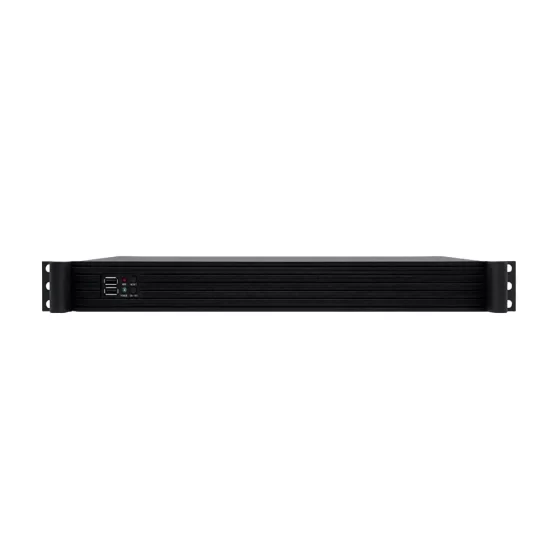
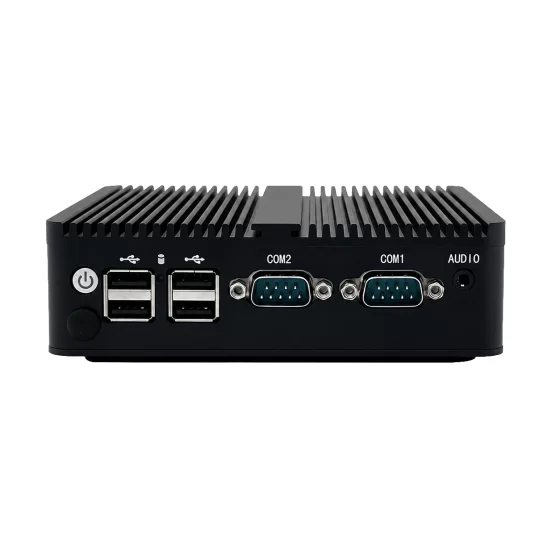
CoreIPC 산업용 컴퓨팅 솔루션

AGV 내비게이션용 산업용 PC
요약
Automated Guided Vehicles (AGV) 현대 스마트 팩토리의 필수 구성 요소가 되었습니다., 창고, 물류센터, 및 제조 시설. 산업으로서 4.0 전 세계적으로 이니셔티브 가속화, 자재 운송을 자동화하기 위해 AGV가 점점 더 많이 배치되고 있습니다., 운영 효율성 향상, 인건비를 절감하다, 작업장 안전을 강화하고.
모든 AGV 시스템의 핵심에는 내비게이션을 담당하는 안정적인 산업용 컴퓨팅 플랫폼이 있습니다., 센서 처리, 경로 계획, 장애물 회피, 함대 통신, 그리고 실시간 의사결정. 기존 소비자 컴퓨팅 시스템과 달리, AGV 애플리케이션에는 산업 등급의 신뢰성이 필요합니다, 긴 수명주기 지원, 견고한 구조, 지속적인 운영 능력.
AGV 산업용 PC는 LiDAR와 같은 자율 항법 기술을 지원하는 데 필요한 컴퓨팅 기반을 제공합니다., 머신 비전, 쾅 (동시 현지화 및 매핑), 센서 융합, 그리고 무선통신. 이러한 시스템은 까다로운 산업 환경에서도 안정적인 작동을 유지하면서 실시간으로 대량의 환경 데이터를 처리합니다..
이 기사에서는 AGV 내비게이션 기술을 살펴봅니다., deployment challenges, architecture design, key computing requirements, and how industrial PCs enable intelligent autonomous vehicle operation across modern industrial environments.
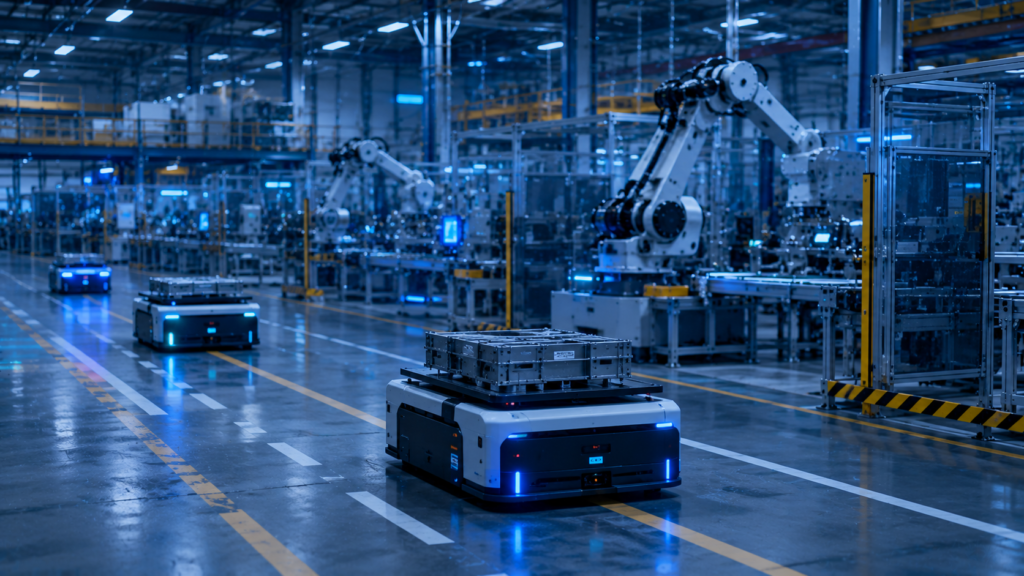
AGV industrial PCs support autonomous navigation, fleet coordination, and intelligent material handling in smart manufacturing and warehouse automation environments.
산업 개요
The Rise of AGV Automation
Manufacturers and logistics providers increasingly rely on AGVs to automate material movement and streamline operations.
일반적인 응용 프로그램은 다음과 같습니다:
- Warehouse logistics
- Manufacturing material transport
- Production line delivery
- Distribution centers
- Healthcare logistics
- Airport logistics
- E-commerce fulfillment centers
AGVs help organizations improve efficiency while reducing operational costs.
Evolution Toward Autonomous Systems
Traditional AGVs followed fixed routes using magnetic strips or predefined paths.
Modern AGV systems now incorporate:
- LiDAR navigation
- Machine vision
- AI algorithms
- Dynamic route planning
- Autonomous decision-making
- Fleet management
These technologies require significantly more computing power than previous generations.
Industry 4.0 and Smart Logistics
Industry 4.0 emphasizes:
- Connected systems
- Real-time visibility
- Intelligent automation
- Autonomous operation
- Data-driven decision-making
AGVs have become a critical component of smart factory ecosystems.
주요 과제
Real-Time Navigation Requirements
AGVs continuously process environmental information while moving.
Navigation systems must support:
- Millisecond-level response times
- Dynamic route updates
- Real-time localization
- Collision avoidance
Computing delays can directly impact safety and productivity.
Sensor Fusion Complexity
Modern AGVs typically utilize:
- LiDAR sensors
- 산업용 카메라
- Ultrasonic sensors
- IMU
- 인코더
- GPS systems
Integrating and processing data from multiple sources requires powerful industrial computing platforms.
Obstacle Avoidance
Industrial facilities are dynamic environments containing:
- Personnel
- Forklifts
- Equipment
- Pallets
- Temporary obstacles
AGVs must identify and react to changing conditions instantly.
Wireless Communication Requirements
AGVs require continuous communication with:
- Fleet management systems
- Warehouse management systems
- Manufacturing execution systems
- Cloud platforms
Reliable networking is essential.
Harsh Operating Environments
Industrial deployments may involve:
- Dust
- Vibration
- Temperature fluctuations
- Electromagnetic interference
Consumer-grade computers often cannot withstand these conditions.
Continuous Operation
AGVs frequently operate:
- 24/7
- Multi-shift environments
- Mission-critical logistics operations
Reliability is a primary requirement.
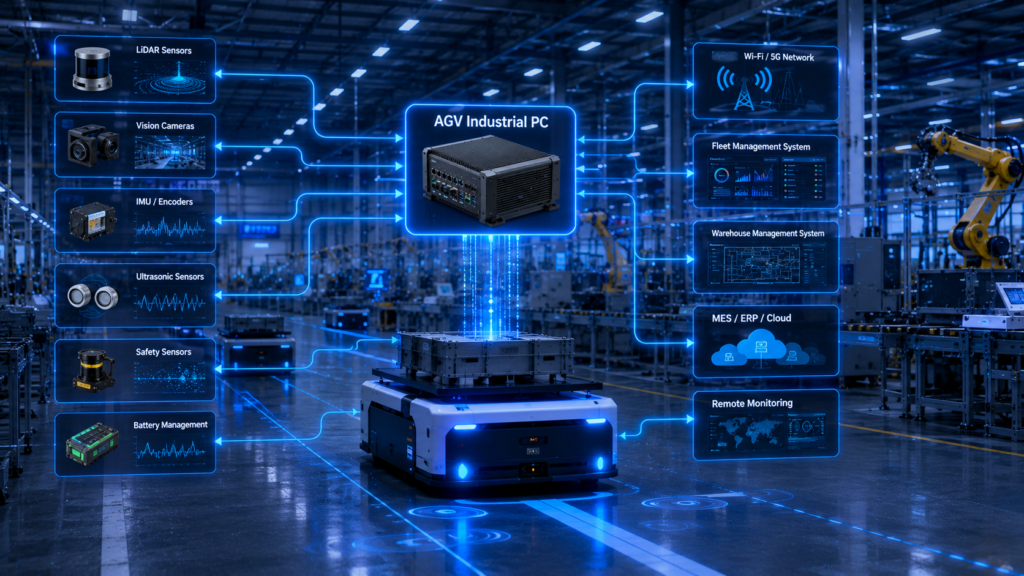
AGV industrial PC architecture integrating LiDAR, 머신 비전, 센서 융합, 차량 관리, and enterprise systems for autonomous vehicle navigation.
Solution Architecture
AGV Navigation System Architecture
Perception Layer
Environmental data is collected through:
- LiDAR sensors
- Stereo cameras
- Depth cameras
- Ultrasonic sensors
- IMU
These devices continuously monitor surroundings.
산업용 컴퓨팅 계층
The AGV Industrial PC performs:
- Sensor fusion
- Localization
- Path planning
- Navigation control
- Obstacle detection
- AI 추론
This layer serves as the brain of the AGV.
Motion Control Layer
Processed navigation decisions are transmitted to:
- Motor controllers
- Steering systems
- 안전 시스템
- Vehicle actuators
for vehicle movement.
Connectivity Layer
Communication protocols may include:
- 이더넷
- Wi-Fi
- 5G
- MQTT
- OPC UA
These networks connect AGVs to facility infrastructure.
Management Layer
Enterprise systems include:
- Fleet management software
- WMS 플랫폼
- MES 시스템
- ERP systems
providing centralized operational control.
주요 특징
1. High-Performance Processing
AGV Industrial PCs provide the computational resources required for:
- Navigation algorithms
- Sensor processing
- Real-time control
2. Sensor Fusion Support
Industrial computers integrate information from multiple sensors to improve navigation accuracy.
3. LiDAR Processing
LiDAR systems generate large amounts of environmental data that require real-time analysis.
4. Machine Vision Capability
AGVs increasingly utilize cameras for:
- Navigation
- 객체 인식
- Safety monitoring
- Barcode reading
5. Real-Time Decision Making
Industrial PCs enable immediate responses to changing environmental conditions.
6. Wireless Connectivity
Support for Wi-Fi and industrial networking enables seamless fleet communication.
7. Fanless Reliability
Fanless designs improve reliability by eliminating moving parts and reducing maintenance requirements.
8. 컴팩트한 임베디드 디자인
Compact form factors simplify installation inside AGV chassis.
9. Long Lifecycle Support
Industrial deployments require stable hardware availability and lifecycle management.
Recommended CoreIPC Products
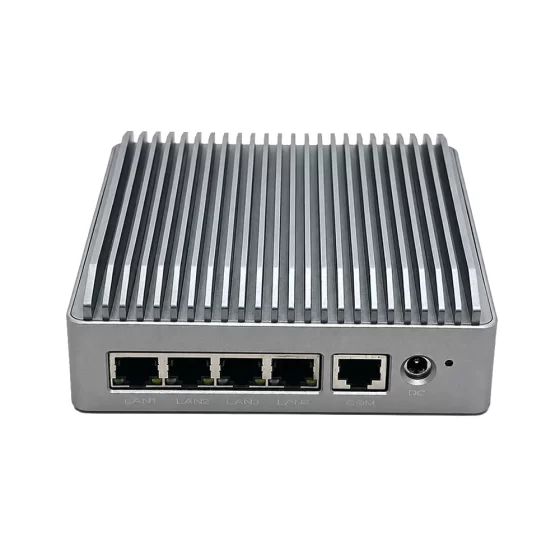
임베디드 컴퓨터
Ideal for:
- Compact AGV systems
- Mobile robotics
- Space-constrained installations
Benefits:
- Small footprint
- Low power consumption
- Flexible integration
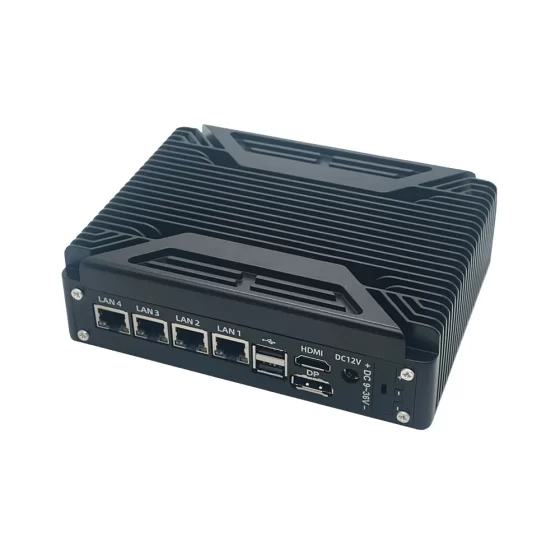
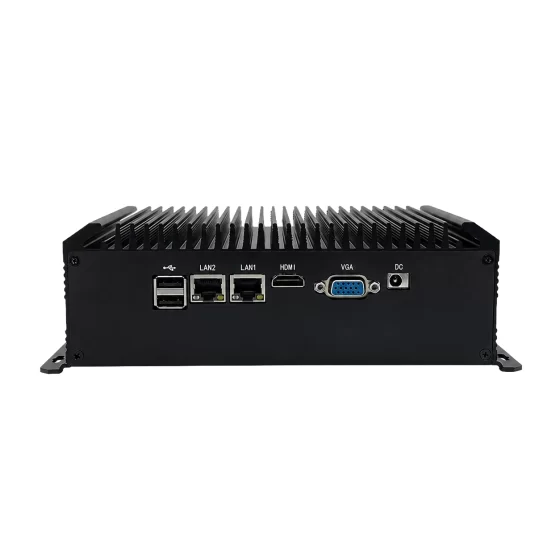
Fanless Industrial PCs
Ideal for:
- AGV navigation systems
- Autonomous vehicles
- Mobile automation
Benefits:
- Rugged construction
- High reliability
- Maintenance-free operation
엣지 AI 컴퓨터
Ideal for:
- Vision-guided navigation
- 객체 인식
- AI-powered robotics
Benefits:
- GPU acceleration
- AI inference capability
- Real-time analytics
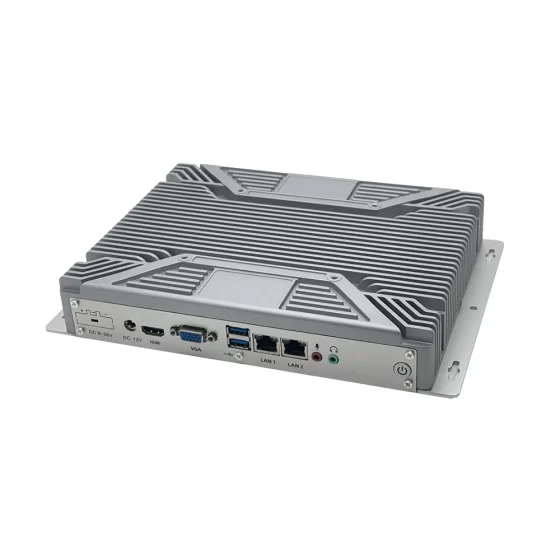
산업용 PC
Ideal for:
- High-performance AGV platforms
- Multi-sensor systems
- Complex navigation applications
Benefits:
- Expansion capability
- Processing performance
- Rich connectivity
Mini-ITX 마더보드
Ideal for:
- Custom AGV controller development
- Robotics OEM projects
Benefits:
- Flexible system design
- Long lifecycle support
배포 시나리오
스마트 제조
AGVs transport:
- Components
- Raw materials
- Finished products
between production areas.
Warehouse Automation
AGVs automate storage and retrieval processes to improve logistics efficiency.
E-Commerce Fulfillment
Distribution centers use AGVs for:
- Order picking
- Inventory movement
- Package transportation
Healthcare Logistics
Hospitals deploy AGVs to transport:
- Medical supplies
- Laboratory samples
- Pharmaceuticals
Airport Operations
AGVs support:
- Baggage handling
- Equipment transport
- Ground logistics
Smart Logistics Centers
AGVs improve material flow and operational visibility.
비즈니스 이점
Increased Productivity
Automated transportation reduces manual handling activities.
Reduced Labor Costs
AGVs help address labor shortages while lowering operational expenses.
Improved Safety
Autonomous navigation minimizes risks associated with manual transportation.
Better Operational Visibility
Fleet management systems provide real-time monitoring capabilities.
Higher Scalability
Organizations can expand AGV fleets as business requirements grow.
Enhanced Efficiency
Optimized routing improves material movement and facility throughput.
왜 CoreIPC인가?
CoreIPC provides industrial computing platforms designed for robotics, AGV navigation, autonomous systems, and intelligent automation applications.
CoreIPC capabilities include:
- Industrial computer development
- Embedded system design
- OEM manufacturing
- ODM 맞춤화
- Long lifecycle support
- Industrial-grade reliability
- Global deployment experience
Whether building AGV navigation systems, warehouse automation solutions, or autonomous mobile robots, CoreIPC delivers reliable computing platforms for demanding mobile robotics environments.
자주 묻는 질문
1. What is an AGV Industrial PC?
An AGV Industrial PC is an industrial-grade computing platform used for autonomous navigation, 센서 처리, 함대 통신, and real-time decision-making within AGV systems.
2. Why do AGVs require industrial computers?
Industrial computers provide the reliability, performance, and environmental durability required for continuous operation.
3. What sensors are commonly used in AGVs?
LiDAR, 카메라, 초음파 센서, IMU, 인코더, and GPS systems are commonly deployed.
4. What is sensor fusion?
Sensor fusion combines information from multiple sensors to improve navigation accuracy and environmental awareness.
5. Can AGV systems use machine vision?
예. Machine vision is widely used for navigation, 물체 감지, and safety applications.
6. What role does LiDAR play?
LiDAR provides precise environmental mapping and obstacle detection capabilities.
7. Are fanless industrial PCs suitable for AGVs?
예. Fanless systems improve reliability and reduce maintenance requirements.
8. Can AGV Industrial PCs support AI applications?
예. Many AGV systems use AI for navigation, 물체 인식, and route optimization.
9. How do AGVs communicate with management systems?
Through Wi-Fi, 이더넷, MQTT, OPC UA, and other industrial communication technologies.
10. What industries use AGVs?
Manufacturing, 기호 논리학, 건강 관리, airports, 창고, and e-commerce industries commonly deploy AGVs.
11. What is SLAM?
SLAM stands for Simultaneous Localization and Mapping, enabling AGVs to navigate and map environments simultaneously.
12. What should be considered when selecting an AGV Industrial PC?
Processing performance, 연결성, 신뢰할 수 있음, expansion capability, lifecycle support, and environmental durability are key considerations.
결론
AGV Industrial PCs serve as the intelligent control center of modern autonomous vehicle systems. By supporting sensor fusion, LiDAR processing, 머신 비전, wireless communication, and real-time navigation, these industrial computing platforms enable AGVs to operate safely and efficiently in dynamic industrial environments. As automation continues to expand across manufacturing, 기호 논리학, 건강 관리, and transportation sectors, selecting a reliable industrial computing platform becomes increasingly critical for successful AGV deployments.
문의하기
Looking for an AGV Industrial PC solution?
CoreIPC provides industrial computing platforms for:
- AGV Navigation
- AMR Systems
- 로봇공학
- Warehouse Automation
- 머신비전
- 엣지 AI
- 스마트 제조
- OEM Projects
- ODM Projects
Contact CoreIPC today to discuss your AGV navigation requirements and identify the ideal industrial computing platform for your autonomous vehicle project.