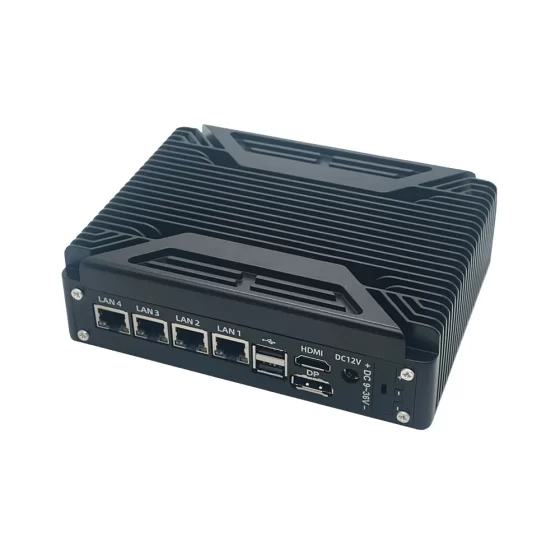
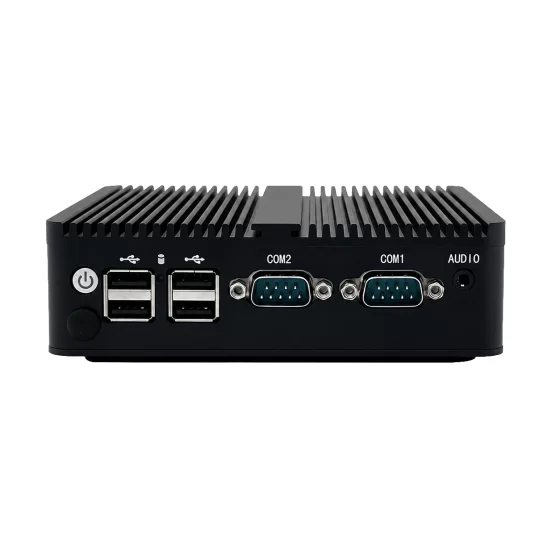
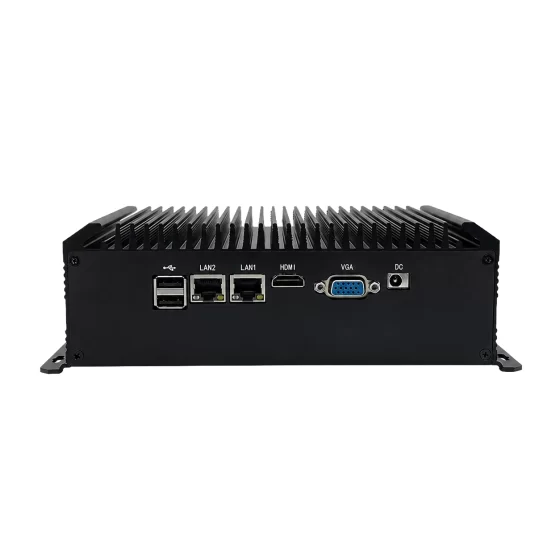
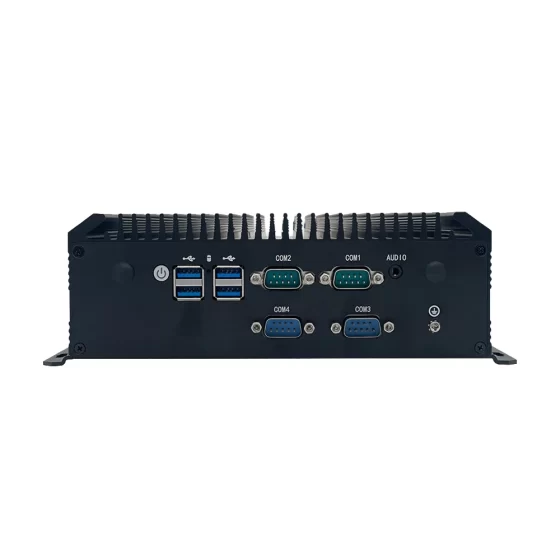
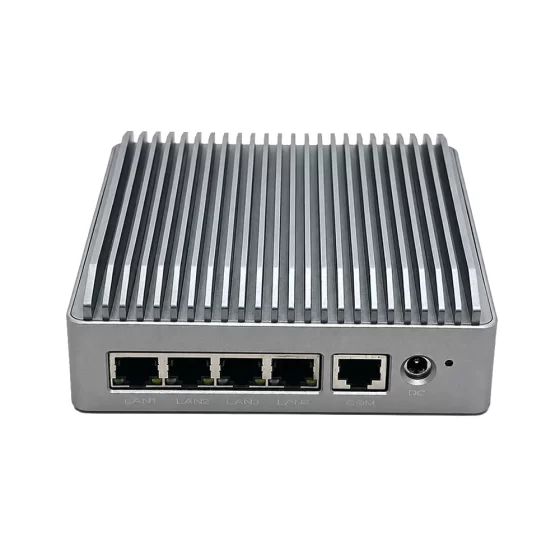
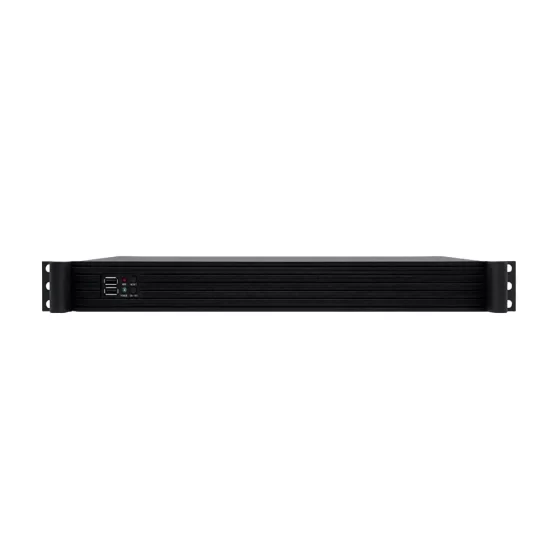
Решения CoreIPC для промышленных вычислений

Встроенный IPC Cobot: Встроенный IPC Cobot для автоматизации совместной работы роботов
Управляющее резюме
Встроенный кобот ipc обеспечивает основу промышленных вычислений для поддержки совместного управления роботами., машинное зрение, обработка данных датчиков, краевой вывод ИИ, мониторинг безопасности, человеко-машинное взаимодействие, и интеграция заводской системы.
Коллаборативные роботы широко используются в современном производстве., логистика, сборка электроники, упаковка, уход за машинами, инспекция, и автоматизация лабораторий. В отличие от традиционных промышленных роботов, которые часто работают за клетками безопасности., коботы предназначены для работы ближе к людям-операторам и адаптации к гибкой производственной среде..
Это создает новые требования к вычислительным ресурсам..
Встроенный кобот ipc, построенный на промышленном компьютере или встроенном компьютере, может подключать контроллеры роботов., камеры обзора, датчики силы, захваты, устройства безопасности, ПЛК, HMI, конвейеры, и заводские программные системы. Он может обрабатывать локальные данные, запустить краевую логику, поддержка визуального руководства, записи операций магазина, и обмениваться информацией с МЧС, СКАДА, промышленные IoT-платформы, или облачные панели мониторинга.
По сравнению со стандартными офисными ПК или потребительскими встроенными платами, промышленные вычислительные платформы лучше подходят для развертывания коботов, поскольку они поддерживают надежную установку., компактный дизайн, несколько интерфейсов LAN и USB, последовательная связь, GPIO, надежное хранение, варианты безвентиляторной работы, стабильная потребляемая мощность, и доступность в течение длительного жизненного цикла.
В этой статье объясняется, как встроенные системы IPC коботов поддерживают совместную автоматизацию роботов., какие проблемы с развертыванием возникают в реальных производственных средах, как работает архитектура решения, и какие аппаратные характеристики имеют значение при выборе промышленного компьютера или встроенного компьютера для приложений коботов.
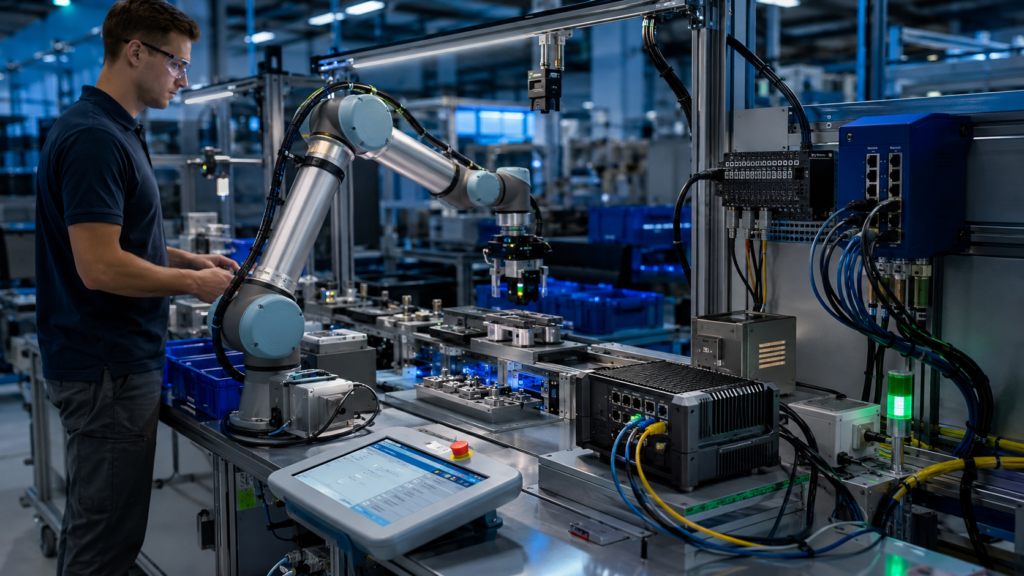
Встроенные платформы IPC Cobot обрабатывают статус робота, данные видения, сигналы датчиков, статус захвата, и события на рабочем месте.
Обзор отрасли
Коллаборативные роботы распространяются на заводы
Коллаборативные роботы становятся важной частью гибкой автоматизации.
Они используются, когда производителям нужна автоматизация, которую можно внедрить быстрее., занимают меньше места, и работайте рядом с операторами. Коботы могут выполнять повторяющиеся задачи, легкая сборка, завинчивание, выдача, инспекция, загрузка, разгрузка, сортировка, упаковка, и тестирование.
Общие приложения коботов включают в себя:
- Уход за машинами
- Выбор и размещение
- Помощь в сборке
- Завинчивание
- Наклеивание и дозирование
- Проверка продукта
- Упаковка и паллетирование
- Автоматизация лабораторий
- Работа с электронными компонентами
- Передача материала
- Управление под визуальным контролем
- Проверка качества
Эти приложения часто требуют большего, чем простое движение робота..
Им нужны локальные вычисления, возможность подключения устройства, обработка данных в реальном времени, обработка зрения, и заводская интеграция.
Коботам нужны компактные периферийные вычисления
Коботы часто устанавливаются в компактных рабочих цехах..
Вычислительную платформу, возможно, придется поместить в небольшой шкаф., база роботов, корпус машины, рабочая станция, или мобильная тележка автоматизации.
Встроенный IPC-кобот может служить локальным вычислительным узлом для рабочей ячейки..
Это может поддержать:
- Робот-коммуникация
- Обработка видеокамеры
- Управление захватом
- Данные датчика силы
- Мониторинг устройств безопасности
- Обмен сигналами ПЛК
- Локальная панель HMI
- Выводы Edge AI
- Регистрация данных
- Удаленная диагностика
- Интеграция MES или SCADA
Цель — сделать клетку кобота умнее., более связанный, и проще в обслуживании.
Промышленные компьютеры обеспечивают долгосрочную надежность
Рабочие места Cobot могут работать непрерывно в производственных средах.
Они могут подвергаться воздействию пыли, вибрация, изменение температуры, электрический шум, ограниченное пространство шкафа, и частое взаимодействие с оператором.
Промышленные компьютеры и встроенные компьютеры обеспечивают надежность оборудования, необходимую для этих условий..
Они поддерживают стабильную работу, гибкий ввод-вывод, прочный монтаж, надежное хранение, доступность в течение длительного жизненного цикла, и совместимость с промышленными средами управления.

Компактные рабочие места, камеры, датчики, захваты, сигналы ПЛК, устройства безопасности, требования реального времени влияют на развертывание коботов IPC.
Ключевые проблемы
Интеграция нескольких устройств в небольшой рабочей ячейке
Коллаборативная роботизированная система может включать в себя множество устройств вокруг одной компактной ячейки автоматизации..
Они могут включать в себя:
- Кобот-контроллер
- Промышленная камера
- 3Датчик D-видения
- Датчик силы крутящего момента
- Электрический захват
- Вакуумный захват
- ПЛК
- ЧМИ
- Контроллер конвейера
- Сканер безопасности
- Считыватель штрих-кодов
- Модуль цифрового ввода/вывода
- Локальный дисплей
- Промышленный переключатель
Встроенный IPC должен надежно соединять эти устройства, помещаясь в ограниченном пространстве..
Для этого требуется компактное оборудование, гибкий ввод-вывод, и хорошо организованная проводка.
Поддержка взаимодействия роботов в реальном времени
Коботам, возможно, придется быстро реагировать на сигналы датчиков., результаты видения, действия оператора, и обрабатывать события.
Задержка может повлиять на производительность и безопасность рабочего процесса..
События, зависящие от времени, могут включать в себя:
- Позиционирование под контролем зрения
- Обнаружение присутствия детали
- Принудительная обратная связь
- Статус захвата
- Передача конвейера
- Сигнал зоны безопасности
- Подтверждение штрих-кода
- Результат проверки продукта
- Команда оператора
- Тревожное событие
Вычислительная платформа должна быстро обрабатывать локальные данные и надежно взаимодействовать с роботами и системами автоматизации..
Обработка рабочих нагрузок машинного зрения и искусственного интеллекта
Многие приложения коботов используют камеры..
Зрение может помочь роботу идентифицировать детали, направляющее движение, проверять продукты, читать этикетки, проверить сборку, или обнаружить дефекты.
Некоторые приложения также используют Edge AI для обнаружения объектов., классификация, оценка позы, или обнаружение аномалий.
Требования к оборудованию зависят от:
- Количество камер
- Разрешение изображения
- Частота кадров
- Сложность модели ИИ
- Время цикла проверки
- Требования к хранению
- Задержка связи робота
- Совместимость с программными платформами
IPC следует выбирать с учетом реальной рабочей нагрузки на зрение..
Обеспечение безопасного и контролируемого взаимодействия человека и робота
Коботы созданы для совместной работы., но полный производственный комплекс по-прежнему требует тщательного проектирования системы.
Встроенный IPC не может заменить сертифицированные контроллеры безопасности., но он может поддерживать мониторинг, регистрация, визуализация, диагностика, и обмен данными вокруг устройств, связанных с безопасностью.
Он может подключаться к:
- Сканеры безопасности
- Легкие шторы
- Цепи аварийной остановки
- Дверные датчики
- Зональные датчики
- Сигналы состояния робота
- Панели оператора
- Выходы сигнализации
Платформа должна поддерживать стабильную обработку сигналов., регистрация событий, и четкая связь с системой управления.
Подключение коботов к заводским системам
Клетки кобота не должны оставаться изолированными.
Производителям часто необходимо соединить данные о работе коботов с MES., СКАДА, системы качества, системы технического обслуживания, или промышленные IoT-платформы.
Встроенный IPC может собирать:
- Количество циклов
- Статус робота
- Статус инструмента
- Результаты проверки
- Журналы ошибок
- Идентификаторы продуктов
- Записи штрих-кода
- Значения процесса
- События оператора
- Записи о техническом обслуживании
Структурированные данные помогают улучшить прозрачность и отслеживаемость производства..
Поддержание долгосрочной стабильности системы
Ячейки коботов могут быть развернуты на многих производственных линиях или объектах клиентов..
Частая смена оборудования может создать проблемы с драйверами, SDK камеры, программное обеспечение для связи роботов, среды выполнения ИИ, операционные системы, и процедуры валидации.
Промышленные встроенные IPC-платформы с планированием жизненного цикла помогают сократить объем работ по перепроектированию и упростить долгосрочное обслуживание..

Системы Cobot IPC соединяют контроллеры роботов, камеры, датчики, захваты, ПЛК, HMI, МЧС, СКАДА, и системы качества.
Архитектура встроенного IPC-решения Cobot
Уровень устройства Cobot Workcell
Уровень устройства включает в себя физические системы внутри и вокруг рабочего места коллективного робота..
Этот слой может включать в себя:
- Коллаборативный робот-манипулятор
- Кобот-контроллер
- Захваты
- Датчики силы крутящего момента
- Промышленные камеры
- 3Датчики D-видения
- Контроллеры освещения
- Сканеры безопасности
- Считыватели штрих-кодов
- ПЛК
- Конвейеры
- Панели оператора
- Локальные ИЧМ
Эти системы генерируют управляющие сигналы., данные датчика, визуальная информация, и производственные мероприятия.
Встроенный пограничный слой IPC
Встроенный пограничный уровень IPC является локальным вычислительным уровнем..
На этом слое, промышленный компьютер или встроенный компьютер может:
- Сбор данных датчиков
- Обработка изображений с камеры
- Используйте передовые модели искусственного интеллекта
- Обмен данными с контроллерами роботов
- Общайтесь с ПЛК
- Хранить локальные журналы
- Записи операций буфера
- Поддержка локальных функций HMI
- Управление связью устройства
- Пересылка структурированных данных в заводские системы
Этот уровень обеспечивает локальный интеллект для рабочей ячейки кобота..
Уровень интеграции роботов и движений
Уровень интеграции роботов связывает результаты вычислений с движениями коботов и логикой автоматизации..
МПК может обмениваться:
- Координаты объекта
- Выберите данные о позиции
- Статус инструмента
- Результаты проверки
- Триггерные сигналы
- Состояние робота
- Статус завершения цикла
- Записи неисправностей
- Команды оператора
- Параметры процесса
Стабильная связь с контроллером робота и ПЛК необходима для надежной автоматизации..
Уровень обработки изображений и искусственного интеллекта
Уровень видения и искусственного интеллекта превращает данные изображения в полезные результаты автоматизации..
Платформа может поддерживать:
- Распознавание объектов
- Локализация детали
- Оценка позы
- Обнаружение дефектов
- Чтение этикетки
- Проверка сборки
- Проверка поверхности
- Расчет точки выбора
- Классификация качества
- Хранение записи изображений
Локальная обработка помогает сократить задержку и улучшить скорость реагирования рабочих ячеек кобота..
Уровень интеграции заводского программного обеспечения
Встроенный IPC может соединять ячейку кобота с системами более высокого уровня..
Они могут включать в себя:
- МЧС
- СКАДА
- ERP-система
- Качественные базы данных
- Промышленные IoT-платформы
- Локальные информационные панели
- Системы технического обслуживания
- Системы облачного мониторинга
- Платформы отслеживания
Эта интеграция позволяет коботам стать частью более широкой инфраструктуры заводских данных..
Уровень безопасности и управления
Уровень безопасности и управления поддерживает стабильное долгосрочное развертывание..
Он может включать в себя:
- Сегментация сети
- Безопасный удаленный доступ
- Разрешения пользователя
- Локальное ведение журнала
- Резервное копирование конфигурации
- Мониторинг состояния устройства
- Мониторинг хранилища
- Удаленная диагностика
- Управление обновлениями программного обеспечения
Этот уровень помогает операторам и системным интеграторам эффективно поддерживать системы коботов..
Ключевые особенности
Компактный встроенный дизайн
Рабочие места коботов часто имеют ограниченное пространство для установки..
Компактный встроенный IPC может поместиться внутри шкафа управления., база роботов, рабочая станция, или корпус машины.
Компактный дизайн помогает уменьшить занимаемую площадь системы, сохраняя при этом достаточную вычислительную мощность для связи роботов., обработка данных, и заводская интеграция.
Для OEM-кобот-систем, компактное оборудование также улучшает интеграцию продукта и гибкость корпуса.
Возможность подключения нескольких устройств
Встроенный кобот-ПК должен поддерживать различные устройства и интерфейсы связи..
Полезные параметры ввода-вывода могут включать в себя:
- локальная сеть
- USB
- RS232
- RS485
- GPIO
- Цифровой вход
- Цифровой выход
- HDMI
- ДисплейПорт
- М.2
- PCIe
- SATA или NVMe хранилище
Эти интерфейсы поддерживают камеры, датчики, захваты, ПЛК, HMI, считыватели штрих-кодов, контроллеры освещения, и инструменты местного обслуживания.
Поддержка камеры и зрения
Многим системам коботов требуется вход с камеры..
IPC может подключаться к промышленным камерам через GigE LAN., USB, или модули расширения.
Поддержка камеры должна быть запланирована в соответствии с:
- Количество камер
- Тип интерфейса
- Разрешение
- Частота кадров
- Управление освещением
- Триггерные сигналы
- Требования к хранению
- Совместимость программного обеспечения Vision
Для видения на основе искусственного интеллекта, производительность обработки и тепловой расчет также важны.
Edge AI и локальная обработка
Некоторым приложениям коботов требуется локальный вывод искусственного интеллекта..
Встроенный IPC может запускать модели обнаружения объектов., классификация дефектов, оценка позы, оптическое распознавание текста, чтение штрих-кода, или обнаружение аномалий.
При выборе оборудования следует учитывать:
- Производительность процессора
- Поддержка графического процессора или ускорителя искусственного интеллекта
- Объем памяти
- Размер модели
- Скорость вывода
- Поддержка программной платформы
- Термические условия
- Длительная рабочая нагрузка
Edge AI снижает зависимость от удаленных серверов и улучшает время отклика.
Проектирование сети с несколькими локальными сетями
Несколько портов LAN помогают разделить различные пути связи..
Кобот-IPC может использовать отдельные сети для:
- Контроллер робота
- Сеть камер
- Сеть ПЛК
- Заводская ИТ-сеть
- Промышленная сеть Интернета вещей
- Удаленное обслуживание
- Местное управление
Это улучшает организацию дорожного движения и снижает вероятность того, что данные с высокоскоростной камеры повлияют на связь роботов..
Надежное локальное хранилище
Локальное хранилище поддерживает файлы операционной системы, журналы роботов, протоколы проверок, записи изображений, модели искусственного интеллекта, резервные копии конфигурации, и диагностические данные.
Обычно предпочтение отдается твердотельным накопителям или хранилищам NVMe, поскольку они обеспечивают быстрый доступ и лучшую ударопрочность, чем механические накопители..
При планировании хранения следует учитывать:
- Сохранение изображения
- Хранение журнала
- Хранение моделей ИИ
- Данные проверки
- Записи прослеживаемости
- Напишите выносливость
- Рабочий процесс резервного копирования
Надежное хранение повышает удобство обслуживания и отслеживаемость производства..
Надежная работа без вентилятора
Системы коботов можно устанавливать рядом с движущимся оборудованием., операторы, конвейеры, и производственные инструменты.
Безвентиляторные промышленные компьютеры уменьшают попадание пыли и устраняют одну точку механического отказа..
Прочные корпуса защищают от вибрации, напряжение кабеля, и непрерывная работа.
Тепловая конструкция должна быть тщательно проверена, когда IPC выполняет вывод AI., обработка зрения, или непрерывная регистрация данных.
Доступность в течение длительного жизненного цикла
Системы коботов часто требуют повторяемого развертывания..
Одну и ту же платформу IPC можно использовать на нескольких рабочих местах., сайты клиентов, или поколения продуктов.
Доступность в течение длительного жизненного цикла помогает поддерживать согласованность образов программного обеспечения., водители, SDK камеры, инструменты интеграции роботов, и запасные части.
Это сокращает работу по проверке и поддерживает масштабируемое развертывание коботов..
Сценарии развертывания
Кобот «Выбор и размещение»
Встроенный кобот IPC может обрабатывать данные обнаружения деталей., подтвердить положение объекта, и обменяться координатами выбора с контроллером кобота.
Это поддерживает гибкие приложения захвата и размещения, в которых положение детали может меняться..
Это полезно для сборки, упаковка, сортировка, и погрузочно-разгрузочные работы.
Обслуживание коботов
Коботы часто используются для загрузки и разгрузки станков с ЧПУ., испытательное оборудование, машины для литья под давлением, и инспекционные станции.
Встроенный IPC может подключать контроллер робота., машинный интерфейс, ПЛК, датчики, и локальная панель управления.
Он может хранить записи циклов и поддерживать удаленную диагностику..
Инспекция коботов под визуальным контролем
Кобот может перемещать камеру вокруг продукта или размещать детали для проверки..
Встроенный IPC может обрабатывать изображения, запускать модели ИИ, классифицировать дефекты, отчеты о проверках магазинов, и отправлять результаты в системы качества.
Это поддерживает автоматический визуальный контроль качества..
Рабочая станция для совместной сборки
Коботы могут помочь операторам выполнять задачи по сборке.
IPC может подключать панели оператора, считыватели штрих-кодов, отвертки, датчики, и контроллеры роботов.
Это может помочь управлять рабочими инструкциями., подтверждение процесса, данные прослеживаемости, и локальные информационные панели.
Кобот Упаковка и паллетирование
При упаковке и паллетировании может потребоваться проверка штрих-кода., подсчет продуктов, проверка этикетки, и координация движений робота.
Встроенный компьютер может обрабатывать локальные данные и подключать ячейку кобота к складскому или производственному программному обеспечению..
Это повышает точность упаковки и отслеживаемость..
Лабораторная и медицинская автоматизация
Коботы также используются в лабораториях и контролируемых технологических средах..
Встроенный IPC может поддерживать локальную обработку данных., связь с устройством, отслеживание штрих-кода, и системный мониторинг.
Конечную платформу следует выбирать в соответствии с безопасностью конкретного приложения., согласие, и экологические требования.
Мобильные рабочие станции коботов
Некоторые кобот-системы устанавливаются на мобильные рабочие станции..
Компактный встроенный IPC может обеспечить локальные вычисления, связь робота, интеграция датчиков, и беспроводное или проводное подключение.
Это поддерживает гибкое развертывание автоматизации в различных производственных областях..
OEM-устройство управления коботами
Интеграторы робототехнических систем и OEM-производители могут создавать индивидуальные устройства управления коботами с использованием промышленных компьютеров или встроенных плат..
Платформа может поддерживать общение роботов, обработка зрения, регистрация данных, удаленная диагностика, и индивидуальный ввод-вывод.
Это помогает создавать повторяемые решения для коботов..
Преимущества для бизнеса
Большая гибкость автоматизации
Встроенный IPC-кобот помогает коллаборативным роботам адаптироваться к различным задачам., продукты, и планировка рабочих мест.
С локальными вычислениями, поддержка зрения, и гибкий ввод-вывод, системы коботов могут поддерживать не только фиксированное движение.
Это повышает гибкость современного производства..
Более быстрое принятие решений на местном уровне
Локальная обработка краев позволяет получать визуальные результаты, сигналы датчиков, и события робота, которые будут обрабатываться рядом с коботом.
Это уменьшает задержку и позволяет избежать зависимости от удаленных серверов при выполнении срочных действий..
Быстрое местное реагирование обеспечивает более плавную автоматизацию.
Улучшение отслеживания производства
IPC может собирать статус робота, записи цикла, данные штрих-кода, результаты проверки, события инструмента, и журналы неисправностей.
Эти данные могут быть переданы в МЧС., СКАДА, качественные базы данных, или промышленные IoT-платформы.
Улучшенная отслеживаемость способствует повышению качества и планированию технического обслуживания..
Упрощенная системная интеграция
Рабочие ячейки Cobot часто включают в себя множество устройств..
Встроенный IPC помогает подключать камеры, захваты, датчики, ПЛК, HMI, и заводские программные системы.
Это уменьшает пробелы в интеграции и превращает ячейку кобота в подключенный узел автоматизации..
Более надежное развертывание на местах
Промышленные компьютеры обеспечивают надежное оборудование для производственных сред.
Варианты безвентиляторного дизайна, надежное хранение, надежный монтаж, и доступность в течение длительного жизненного цикла помогают снизить риск технического обслуживания.
Это поддерживает долгосрочную работу коботов..
Масштабируемое развертывание коботов
Стандартизированная встроенная платформа IPC упрощает развертывание аналогичных систем коботов на нескольких рабочих местах., линии, заводы, и сайты клиентов.
Согласованное оборудование упрощает образы программного обеспечения, шаблоны конфигурации, планирование запасных частей, проверка, и управление жизненным циклом.
Это поддерживает масштабируемую автоматизацию совместной работы роботов..
Почему CoreIPC
CoreIPC предоставляет промышленные вычислительные платформы для робототехники, машинное зрение, крайний ИИ, промышленная автоматизация, промышленный Интернет вещей, и встроенная системная интеграция. Для встроенных приложений IPC коботов, CoreIPC специализируется на надежном промышленном компьютерном оборудовании., встроенные компьютерные решения, компактный встроенный дизайн, конфигурации с несколькими локальными сетями, гибкий ввод-вывод, возможность подключения камеры, варианты безвентиляторного развертывания, возможность локального хранения, и поддержка настройки OEM/ODM. CoreIPC помогает системным интеграторам роботов, машиностроители, и производители выбирают вычислительные платформы, соответствующие реальным требованиям развертывания, включая роботизированную связь, рабочая нагрузка на видение, интерфейсы устройств, потребности в хранении, способы крепления, потребляемая мощность, термические условия, и планирование жизненного цикла.
Часто задаваемые вопросы
1. Что такое встроенный кобот IPC?
Встроенный кобот IPC — это промышленная вычислительная платформа, используемая внутри или рядом с рабочим местом робота для совместной работы..
Он может подключать контроллеры роботов, камеры, датчики, захваты, ПЛК, HMI, и заводские системы. Он может обрабатывать данные зрения, запустить краевую логику, хранить записи, поддержка удаленной диагностики, и обмениваться данными с МЧС, СКАДА, или промышленные IoT-платформы.
2. Зачем использовать промышленный компьютер для приложений коботов?
Промышленный компьютер обеспечивает надежное оборудование и гибкие возможности подключения для производственных сред..
Он может поддерживать несколько портов LAN., USB, последовательная связь, GPIO, надежное хранение, безвентиляторный режим, компактный монтаж, стабильная потребляемая мощность, и доступность в течение длительного жизненного цикла. Эти функции делают его подходящим для рабочих мест коботов и роботизированных систем OEM..
3. Как встроенный компьютер используется с коллаборативными роботами?
Встроенный компьютер может выступать в качестве локального вычислительного узла для системы коботов..
Он может обрабатывать данные камеры, собирать сигналы датчиков, общаться с контроллером робота, подключить ПЛК, хранить журналы, отображение данных ЧМИ, и пересылать структурированную информацию на заводские программные платформы.
4. Может ли встроенный в кобот IPC поддерживать машинное зрение??
Да. Встроенный IPC-кобот может подключать промышленные камеры и запускать программное обеспечение машинного зрения для распознавания объектов., позиционирование детали, чтение штрих-кода, проверка сборки, и проверка дефектов.
Для рабочих нагрузок искусственного интеллекта, платформу следует выбирать в зависимости от количества камер, разрешение, сложность модели, и время цикла.
5. Заменяет ли встроенный кобот IPC контроллер робота??
Обычно, нет.
Контроллер робота управляет движением робота и основными функциями робота.. Встроенный IPC обычно поддерживает внешние вычислительные задачи, такие как обработка изображений., регистрация данных, интеграция устройств, Функции ЧМИ, удаленная диагностика, и заводская системная связь.
6. Почему несколько портов LAN важны для систем IPC коботов?
Несколько портов LAN помогают разделить связь с контроллером робота, данные камеры, ПЛК-сети, заводские ИТ, промышленный Интернет вещей, и удаленный доступ для обслуживания.
Это улучшает организацию дорожного движения и снижает вероятность того, что данные с высокоскоростной камеры повлияют на связь роботов..
7. Какие аппаратные функции важны для встраиваемых коботов IPC-платформ?
Важными особенностями являются компактный дизайн., достаточная производительность процессора, несколько портов локальной сети, USB, RS232, RS485, GPIO, цифровой ввод/вывод, надежная память, SSD или NVMe-хранилище, прочный корпус, безвентиляторный дизайн, промышленная потребляемая мощность, М.2, PCIe, и отображать выходные данные.
Окончательная конфигурация должна соответствовать рабочей нагрузке кобота и среде установки..
8. Могут ли безвентиляторные встраиваемые компьютеры поддерживать рабочие нагрузки коботов??
Да. Безвентиляторные встраиваемые компьютеры могут поддерживать множество приложений коботов, поскольку они уменьшают попадание пыли и устраняют одну точку механического отказа..
Однако, обработка зрения, Вывод ИИ, непрерывная регистрация данных, и большое количество устройств могут создавать устойчивый нагрев. Тепловой расчет должен быть проверен перед развертыванием..
9. Могут ли встроенные системы IPC коботов подключаться к MES или SCADA??
Да. Встроенный в кобот IPC может отправлять статус робота, данные цикла, результаты проверки, записи штрих-кода, сигналы тревоги, события инструмента, и журналы технического обслуживания в MES, СКАДА, системы качества, или промышленные IoT-платформы.
Это поддерживает отслеживание производства и прозрачность производства..
10. Что следует протестировать перед развертыванием?
Перед развертыванием, платформу следует протестировать с реальным контроллером кобота, камеры, датчики, захваты, сигналы ПЛК, Программное обеспечение ЧМИ, нагрузка на данные, поведение хранилища, и длительная эксплуатация.
Термическая стабильность, задержка связи, рабочий процесс удаленного доступа, процедуры восстановления, и интеграция заводской системы также должна быть проверена.
Заключение
Встроенный кобот ipc — это практическая основа для совместной автоматизации роботов., локальные периферийные вычисления, машинное зрение, интеграция датчиков, человеко-машинное взаимодействие, регистрация данных, удаленная диагностика, и возможность подключения заводского программного обеспечения.
Разместив промышленный компьютер или встроенный компьютер внутри или рядом с рабочей ячейкой кобота., производители и системные интеграторы могут подключать контроллеры коботов, камеры, датчики силы, захваты, ПЛК, HMI, конвейеры, устройства безопасности, MES-платформы, СКАДА-системы, и панели мониторинга промышленного Интернета вещей через надежные и контролируемые каналы связи..
Правильную встроенную IPC-платформу коботов следует выбирать в соответствии с реальными требованиями к развертыванию., включая роботизированную связь, количество камер, рабочая нагрузка на видение, Необходимость вывода ИИ, интерфейсы устройств, Дизайн порта LAN, Требования к вводу/выводу, конфигурация хранилища, метод монтажа, потребляемая мощность, термические условия, поддержка операционной системы, и планирование жизненного цикла.
CoreIPC поддерживает проекты IPC со встроенными коботами с промышленными вычислительными платформами, предназначенными для практических рабочих мест роботов., машинная сторона, кабинет, и OEM-развертывание. С правильной аппаратной основой, интеграторы и производители роботизированных систем могут создавать надежные, масштабируемый, и интеллектуальные совместные роботизированные системы.
Связаться с нами
Ищу промышленный компьютер, встроенный компьютер, или компактная платформа IPC для совместного развертывания роботов?
Свяжитесь с CoreIPC, чтобы обсудить требования вашего проекта, включая роботизированную связь, возможность подключения камеры, Рабочая нагрузка ИИ, интерфейсы устройств, Конфигурация порта локальной сети, Потребности ввода-вывода, дизайн хранилища, метод монтажа, потребляемая мощность, операционная среда, потребности жизненного цикла, и варианты настройки OEM/ODM.