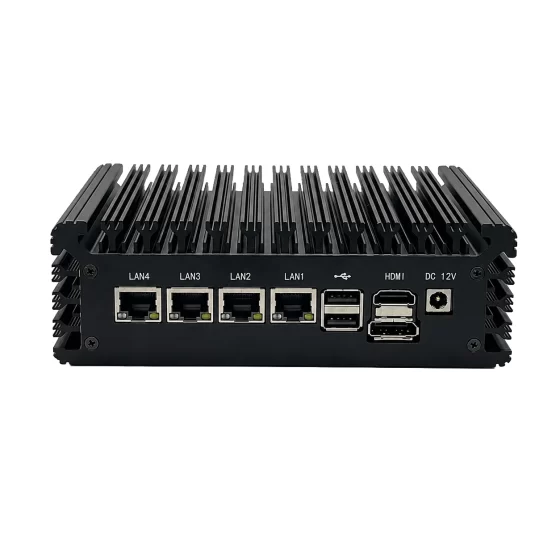
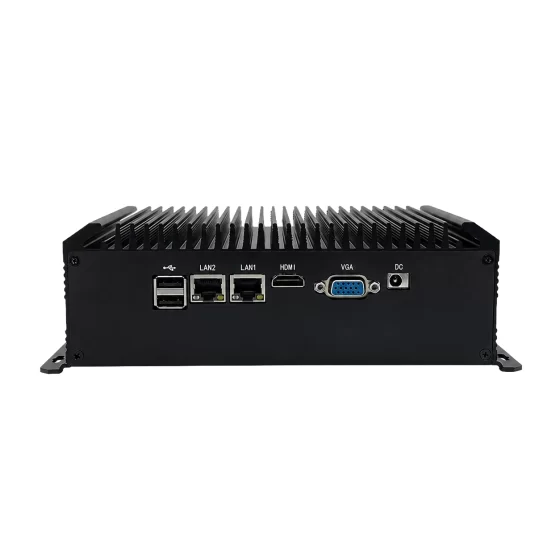
Решения CoreIPC для промышленных вычислений

Компьютер Robot Vision Edge AI: Компьютер Robot Vision для интеллектуальной автоматизации
Управляющее резюме
Компьютер машинного зрения обеспечивает основу промышленных вычислений для роботизированного восприятия., Обработка изображений ИИ, распознавание объектов, визуальное руководство, обнаружение дефектов, позиционирование, инспекция, и принятие решений в режиме реального времени в автоматизированных производственных средах.
Современные роботизированные системы больше не полагаются только на фиксированные траектории движения.. На умных заводах, роботам все чаще нужно видеть, анализировать, и реагировать на свое окружение. Они могут идентифицировать части, находить объекты, осматривать поверхности, руководство операциями по комплектованию, проверить качество сборки, поддержка выбора корзины, или координировать свои действия с системами машинного зрения на производственных линиях.
Компьютер с искусственным интеллектом robot Vision Edge, построенный на промышленном компьютере или встроенном компьютере, может обрабатывать данные камеры локально рядом с роботом.. Он может запускать модели вывода AI., подключить промышленные камеры, общаться с контроллерами роботов, обмениваться данными с ПЛК, и отправить результаты в МЧС, СКАДА, или заводские системы мониторинга.
По сравнению со стандартными ПК, промышленные компьютеры лучше подходят для развертывания роботизированного машинного зрения, поскольку они поддерживают надежную установку, стабильная тепловая конструкция, несколько интерфейсов LAN и USB, локальное хранилище, возможности расширения, варианты безвентиляторного дизайна, и доступность в течение длительного жизненного цикла.
В этой статье объясняется, как компьютеры с искусственным интеллектом robot Vision Edge поддерживают интеллектуальную автоматизацию., какие проблемы с внедрением возникают на реальных заводах, как работает архитектура решения, и какие аппаратные характеристики имеют значение при выборе промышленного компьютера или встроенного компьютера для приложений машинного зрения.
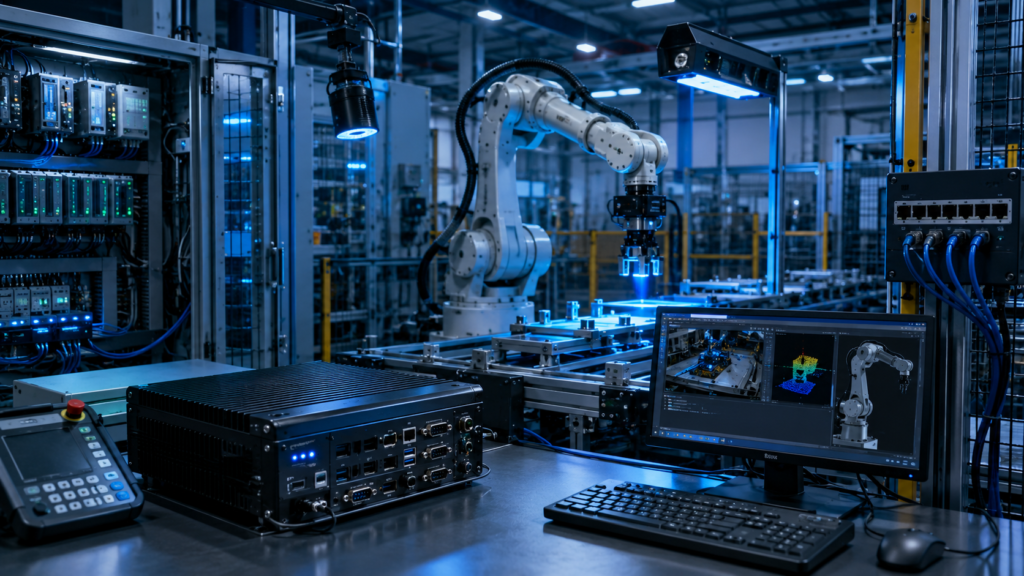
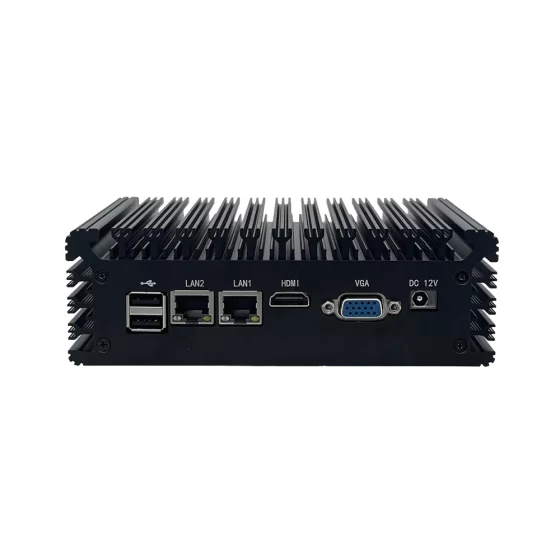
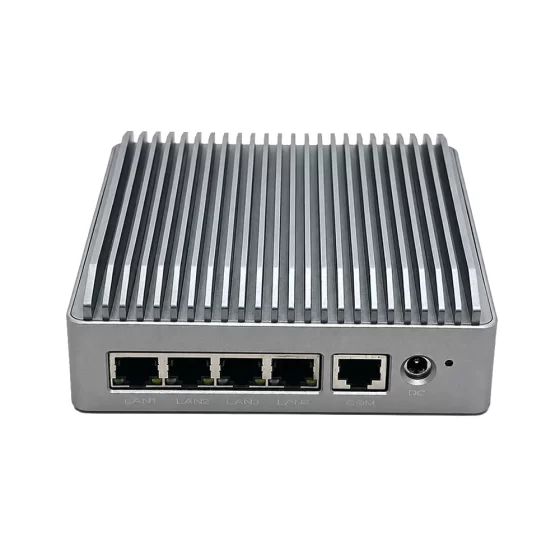
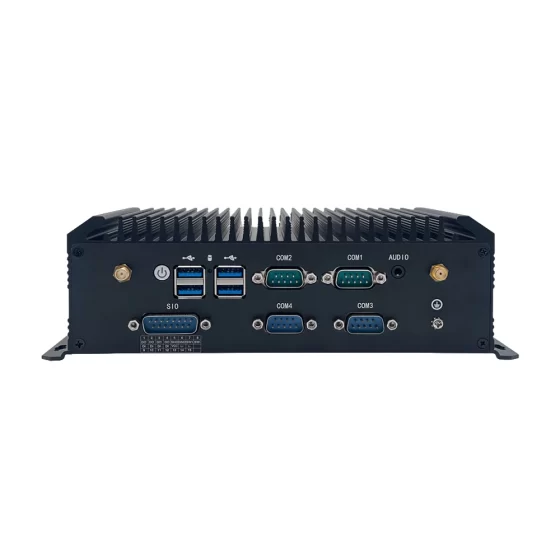
Компьютеры машинного зрения робота локально обрабатывают данные камеры для роботизированной комплектации., инспекция, признание, и руководство.
Обзор отрасли
Роботы становятся все более ориентированными на видение
Промышленные роботы традиционно были запрограммированы на повторение фиксированных движений..
Эта модель хорошо работает, когда детали всегда расположены в одном и том же месте и условия не меняются.. Однако, современные производственные среды более гибкие. Детали могут прибыть в разных положениях, продукция может отличаться в зависимости от партии, и требования к качеству могут стать более подробными.
Системы машинного зрения помогают роботам адаптироваться.
Зрение робота может поддержать:
- Распознавание объектов
- Позиционирование детали
- Сбор мусора
- Руководство по сборке
- Проверка поверхности
- Чтение штрих-кода и этикетки
- Проверка выбора и размещения
- Роботизированное управление сваркой
- Проверка упаковки
- Паллетирование и депаллетирование
- Обнаружение дефектов
- Осведомленность о зоне безопасности
Компьютер машинного зрения робота обрабатывает визуальную информацию и превращает ее в данные, полезные для роботизированного управления и заводских систем..
Edge AI улучшает процесс принятия локальных решений
Отправка каждого изображения на удаленный сервер может увеличить задержку и использование полосы пропускания..
Зрение робота часто требует быстрого реагирования. Роботу может потребоваться скорректировать свое положение., отказаться от бракованной детали, или остановить операцию в течение короткого промежутка времени.
Edge AI-вычисления позволяют обрабатывать визуальные данные рядом с роботом..
Периферийный компьютер может выполнять логические выводы ИИ локально., генерировать данные о местоположении, классифицировать дефекты, и отправлять компактные результаты на контроллеры роботов или ПЛК.
Это сокращает время отклика и снижает зависимость от доступности облака или центрального сервера..
Промышленные вычисления — это основа аппаратного обеспечения
Роботизированные компьютеры машинного зрения часто устанавливаются рядом с производственным оборудованием..
Их можно устанавливать в ячейки роботов., шкафы управления, инспекционные станции, сборочные линии, сварочные системы, логистические линии, или упаковочные машины.
Эти среды могут включать в себя вибрацию., пыль, электрический шум, нагревать, ограниченное пространство шкафа, и непрерывная работа.
Промышленные компьютеры и встраиваемые компьютеры обеспечивают аппаратную основу для надежного развертывания.. Они поддерживают прочную конструкцию, гибкий ввод-вывод, возможность подключения камеры, хранилище, расширение, и долгосрочная стабильность платформы.

Камеры, 3Д-сенсоры, освещение, Триггеры ПЛК, время цикла, контроллеры роботов, и рабочие нагрузки искусственного интеллекта влияют на развертывание системы машинного зрения роботов.
Ключевые проблемы
Обработка данных камеры высокого разрешения
Системы технического зрения роботов часто используют одну или несколько промышленных камер..
Данные камеры могут быть большими, особенно при использовании высокого разрешения, высокая частота кадров, или несколько точек зрения.
Компьютер должен надежно обрабатывать потоки изображений, а также обрабатывать выводы искусственного интеллекта., связь робота, регистрация данных, и интеграция заводской системы.
К важным факторам рабочей нагрузки относятся:
- Количество камер
- Разрешение изображения
- Частота кадров
- Сложность модели ИИ
- Время цикла проверки
- Время реакции робота
- Потребности в локальном хранилище
- Пропускная способность сети
- Требования к среде выполнения программного обеспечения
Платформу следует выбирать на основе реальной рабочей нагрузки камеры и искусственного интеллекта., не только модель процессора или количество портов.
Соответствие требованиям к реагированию в режиме реального времени
Приложения машинного зрения для роботов часто требуют малой задержки.
Задержка в позиционировании объекта или обнаружении дефектов может снизить скорость производства или привести к неправильному движению робота..
Компьютер машинного зрения робота должен обрабатывать изображения, запускать алгоритмы, и быстро отправляйте результаты.
Приложения, чувствительные к задержке, могут включать в себя:
- Сбор мусора
- Роботизированная сортировка
- Высокоскоростной сбор и размещение
- Сборка под визуальным контролем
- Отслеживание конвейера
- Роботизированная инспекция
- Проверка упаковки
- Отслеживание сварочного шва
Аппаратное обеспечение, программное обеспечение, интерфейс камеры, сетевой дизайн, и общение роботов необходимо оценивать вместе.
Интеграция с контроллерами роботов и ПЛК
Компьютер машинного зрения робота не работает в одиночку.
Он должен взаимодействовать с контроллерами роботов., ПЛК, системы движения, датчики, устройства безопасности, HMI-станции, и заводское ПО.
Общие требования к интеграции могут включать:
- Отправка координат объекта на контроллеры роботов
- Получение триггерных сигналов от ПЛК
- Отчет о результатах проверки в МЧС
- Локальное хранение записей изображений
- Отображение статуса на HMI
- Отправка тревог в SCADA
- Поддержка удаленной диагностики
- Синхронизация с конвейерными системами
Гибкий ввод-вывод и стабильная связь важны для практического развертывания..
Работа в промышленных условиях
Роботизированные ячейки могут быть требовательными средами.
Компьютер может подвергаться вибрации, пыль, масляный туман, изменения температуры, электрический шум, и непрерывная работа.
Стандартный офисный компьютер может не подойти..
Промышленный дизайн помогает повысить надежность благодаря вариантам прочного корпуса, безвентиляторный дизайн, надежное хранение, надежный монтаж, и стабильная потребляемая мощность.
Тепловой расчет особенно важен, когда система постоянно выполняет рабочие нагрузки искусственного интеллекта или ускорение графического процессора..
Поддержка развертывания с длительным жизненным циклом
Системы технического зрения роботов могут оставаться в производстве в течение многих лет.
Частые изменения оборудования могут вызвать проблемы с драйверами, проблемы с проверкой программного обеспечения, проблемы с запчастями, и сложность обслуживания.
Промышленные вычислительные платформы с планированием жизненного цикла помогают системным интеграторам и производителям поддерживать стабильные системы машинного зрения в нескольких роботизированных ячейках и на заводских площадках..

Роботизированные компьютеры машинного зрения соединяют камеры, обработка ИИ, контроллеры роботов, ПЛК, МЧС, СКАДА, и системы качества.
Архитектура компьютерного решения Robot Vision
Слой датчика изображения
Уровень видеодатчиков включает в себя устройства, которые собирают визуальные данные..
Этот слой может включать в себя:
- Промышленные камеры
- 3D-камеры
- Камеры линейного сканирования
- Камеры сканирования территории
- Датчики глубины
- Считыватели штрих-кодов
- Контроллеры освещения
- Триггерные датчики
- Кодеры
- Датчики присутствия
Эти устройства предоставляют необработанные визуальные данные и данные о местоположении для системы машинного зрения робота..
Компьютер машинного зрения робота собирает и обрабатывает эти данные локально..
Уровень периферийных вычислений ИИ
Уровень периферийных вычислений ИИ является ядром системы..
На этом слое, промышленный компьютер или встроенный компьютер может:
- Захват потоков изображений
- Выполнить вывод ИИ
- Обработка данных 2D или 3D машинного зрения
- Обнаружение объектов
- Найдите положение детали
- Классифицировать дефекты
- Рассчитать координаты робота
- Хранить записи изображений
- Генерация результатов «пройдено/не пройдено»
- Отправка результатов на контроллеры роботов
Этот уровень преобразует необработанные данные камеры в полезные решения по автоматизации..
Уровень интеграции управления роботом
Уровень управления роботом связывает результаты машинного зрения с движением робота..
Компьютер машинного зрения робота может взаимодействовать с:
- Контроллеры роботов
- ПЛК
- Контроллеры движения
- Сервосистемы
- Конвейерные контроллеры
- Системы безопасности
- Панели ЧМИ
- Промышленные выключатели
Система может отправлять данные о местоположении, результаты проверки, классы объектов, значения ориентации, или тревожные события.
Надежная связь необходима для стабильной роботизированной автоматизации.
Уровень интеграции заводской системы
Данные зрения робота также могут быть отправлены в заводские системы более высокого уровня..
Эти системы могут включать в себя:
- МЧС
- СКАДА
- ERP-система
- Качественные базы данных
- Промышленные IoT-платформы
- Локальные информационные панели
- Системы отслеживания
- Платформы обслуживания
- Системы облачного мониторинга
Это позволяет производителям связывать результаты роботизированного зрения с производственными записями., анализ качества, и оперативная прозрачность.
Уровень безопасности и управления
Системы технического зрения роботов нуждаются в безопасном и удобном в обслуживании развертывании.
Этот слой может включать в себя:
- Сегментация сети
- Удаленная диагностика
- Контроль доступа пользователей
- Локальное ведение журнала
- Управление записями изображений
- Резервное копирование конфигурации
- Мониторинг состояния системы
- Управление обновлениями программного обеспечения
- Безопасная удаленная поддержка
Это помогает поддерживать стабильность платформы машинного зрения при длительном производственном использовании..
Ключевые особенности
Производительность вывода ИИ
Зрение роботов часто зависит от моделей искусственного интеллекта.
Компьютеру может потребоваться запустить обнаружение объектов, сегментация, классификация дефектов, оценка позы, оптическое распознавание текста, распознавание штрих-кода, или обнаружение аномалий.
При выборе оборудования следует учитывать:
- Производительность процессора
- Поддержка графического процессора или ускорителя искусственного интеллекта
- Объем памяти
- Количество камер
- Разрешение изображения
- Размер модели
- Скорость вывода
- Поддержка операционной системы
- Совместимость с инфраструктурой искусственного интеллекта
- Тепловые характеристики
Для требовательных приложений, система должна быть протестирована с использованием реальной модели и времени производственного цикла..
Подключение камеры
Возможность подключения камеры является одним из наиболее важных требований..
В зависимости от приложения, платформе может понадобиться:
- ГИГЕ ЛАН
- USB 3.0
- Несколько портов для камеры
- Высокоскоростное хранилище
- Триггерный вход
- Подключение управления освещением
- Расширение для дополнительных интерфейсов
Интерфейс должен соответствовать системе камеры..
Для многокамерного зрения робота, планирование пропускной способности особенно важно.
Проектирование сети с несколькими локальными сетями
Несколько портов LAN помогают разделить трафик.
Компьютер машинного зрения робота может использовать разные сети для:
- Сеть камер
- Сеть контроллеров роботов
- Сеть ПЛК
- Заводская ИТ-сеть
- Промышленная сеть Интернета вещей
- Сеть удаленного обслуживания
- Сеть управления
Разделение сети повышает надежность, безопасность, и организация дорожного движения.
Это также помогает предотвратить вмешательство данных камеры в обмен данными по управлению роботом..
Надежное локальное хранилище
Системам машинного зрения роботов может потребоваться локальное хранилище для изображений, журналы, модели, файлы конфигурации, протоколы проверок, и данные по устранению неполадок.
Обычно предпочтение отдается твердотельным накопителям или хранилищам NVMe, поскольку они обеспечивают быстрый доступ и лучшую ударопрочность, чем механические накопители..
При проектировании хранилища следует учитывать:
- Срок хранения изображения
- Объем записи инспекции
- Хранение моделей ИИ
- Хранение журнала
- Напишите выносливость
- Рабочий процесс резервного копирования
- Восстановление после сбоя
Надежное хранение важно для отслеживания и технического обслуживания..
Гибкий промышленный ввод-вывод
Компьютерам машинного зрения роботов может потребоваться множество типов ввода-вывода.
Полезные опции могут включать в себя:
- локальная сеть
- USB
- RS232
- RS485
- GPIO
- Цифровой вход
- Цифровой выход
- HDMI
- ДисплейПорт
- М.2
- PCIe
- SATA или NVMe
GPIO и цифровой ввод-вывод могут поддерживать триггеры., сигналы тревоги, световые сигналы, и состояние машины. Последовательные порты могут поддерживать устаревшие устройства. Интерфейсы расширения могут поддерживать ускорители искусственного интеллекта, дополнительные LAN-карты, или модули хранения.
Прочная и безвентиляторная конструкция
Роботизированные клетки могут подвергать компьютеры воздействию пыли, вибрация, и тепло.
Безвентиляторные промышленные компьютеры могут уменьшить попадание пыли и устранить одну распространенную точку механического отказа..
Однако, Рабочие нагрузки искусственного интеллекта могут генерировать устойчивое нагревание.
Тепловой расчет должен быть тщательно рассмотрен., особенно при использовании высокопроизводительных процессоров, графические процессоры, или ускорители.
В окончательном проекте следует учитывать тип корпуса., место установки, расход воздуха, температура окружающей среды, и продолжительность нагрузки.
Длительный жизненный цикл и ремонтопригодность
Системы машинного зрения роботов часто требуют проверки программного обеспечения..
Слишком частая смена оборудования может потребовать повторного тестирования драйверов., SDK камеры, среды выполнения ИИ, и средства связи роботов.
Промышленные компьютеры с длительным жизненным циклом помогают сократить объем работ по перепроектированию и упростить планирование запасных частей..
Это важно для машиностроителей, системные интеграторы роботов, и производители, внедряющие несколько аналогичных систем.
Сценарии развертывания
Выбор и размещение под руководством видения
Роботизированные компьютеры машинного зрения могут определять положение и ориентацию объекта для выполнения операций по захвату и перемещению..
Система локально обрабатывает изображения и отправляет координаты контроллеру робота..
Это полезно, когда детали поступают в разных положениях или ориентациях..
Сбор мусора
Сбор мусора требует, чтобы роботы идентифицировали объекты в случайных положениях..
Компьютер машинного зрения робота может обрабатывать данные 3D-видения., оценить позу объекта, и помогите роботу забрать детали из корзины.
Выводы искусственного интеллекта и производительность 3D-обработки важны для стабильной работы..
Роботизированное руководство сборкой
Роботы-сборщики могут использовать зрение для выравнивания деталей, проверить позицию, или проверьте размещение компонентов.
Периферийный компьютер с искусственным интеллектом может сравнивать изображения с камеры с ожидаемыми условиями и давать указания контроллеру робота..
Это повышает точность сборки и сокращает необходимость ручной регулировки..
Роботизированный контроль качества
Роботы могут перемещать камеры вокруг продуктов для гибкого контроля.
Компьютер роботизированного зрения может обнаруживать дефекты, классифицировать результаты, хранить изображения, и отправлять записи о качестве в MES или базы данных качества..
Это поддерживает отслеживаемость и автоматизированный контроль качества..
Упаковка и паллетирование
Зрение робота может помочь в распознавании упаковки, проверка этикетки, позиционирование поддонов, и подсчет продуктов.
Встроенный компьютер может обрабатывать визуальные данные рядом с роботом и предоставлять обратную связь в режиме реального времени..
Это улучшает автоматизацию логистики и упаковки..
Руководство по сварке и обработке
В сварке, резка, выдача, или обработка поверхности, зрение может помочь найти края, швы, или целевые позиции.
Компьютер машинного зрения робота обрабатывает изображения и отправляет данные навигации роботу или контроллеру движений..
Это поддерживает более гибкую роботизированную обработку..
AMR и зрение мобильных роботов
Мобильные роботы могут использовать камеры и датчики для навигации, обнаружение препятствий, стыковка, и распознавание объектов.
Встроенный компьютер может обрабатывать данные местного обзора и взаимодействовать с системами управления или контроля автопарка..
Это поддерживает интеллектуальную складскую и заводскую логистику..
Интеграция системы машинного зрения OEM-робота
Интеграторы роботизированных систем могут создавать компьютеры машинного зрения по индивидуальному заказу, используя промышленные компьютеры или встроенные платы..
Платформа может поддерживать ввод камеры, Вывод ИИ, связь робота, локальное хранилище, удаленный доступ, и надежное развертывание.
Это помогает создавать повторяемые решения для машинного зрения для различных отраслей промышленности..
Преимущества для бизнеса
Улучшенная гибкость робота
Зрение робота позволяет роботам обрабатывать изменения в положении детали., ориентация, форма, и производственный поток.
Это снижает зависимость от фиксированных приспособлений и повышает гибкость современного производства..
Более быстрое принятие решений на местном уровне
Обработка Edge AI позволяет принимать визуальные решения рядом с роботом.
Это уменьшает задержку и позволяет избежать отправки каждого изображения на удаленный сервер..
Быстрая локальная обработка поддерживает проверку в реальном времени., позиционирование, сортировка, и руководство.
Лучший контроль качества
Системы технического зрения роботов могут проверять детали во время или после роботизированных операций..
Они могут обнаружить дефекты, проверить сборку, проверьте этикетки, и хранить записи проверок.
Это повышает стабильность качества и поддерживает отслеживаемость..
Снижение ручного вмешательства
Роботы со зрением могут более эффективно адаптироваться к меняющимся условиям.
Это уменьшает необходимость ручного перемещения, инспекция, и регулировочные работы.
Это также помогает повысить эффективность производства..
Более надежная системная интеграция
Роботизированный компьютер машинного зрения может подключать камеры, роботы, ПЛК, датчики, МЧС, СКАДА, и системы качества.
Это превращает роботизированное зрение из изолированного инструмента проверки в часть инфраструктуры заводских данных..
Масштабируемое развертывание автоматизации
Стандартизированная компьютерная платформа роботизированного зрения упрощает развертывание аналогичных систем на нескольких роботизированных ячейках и производственных линиях..
Согласованное оборудование упрощает образы программного обеспечения, Развертывание модели ИИ, проверка драйвера, планирование запасных частей, и управление жизненным циклом.
Почему CoreIPC
CoreIPC предоставляет промышленные вычислительные платформы для машинного зрения, робототехника, крайний ИИ, промышленная автоматизация, промышленный Интернет вещей, и встроенная системная интеграция. Для компьютерных приложений роботизированного зрения, CoreIPC специализируется на надежном промышленном компьютерном оборудовании., встроенные компьютерные решения, возможность подключения камеры, конфигурации с несколькими локальными сетями, гибкий ввод-вывод, компактная конструкция системы, варианты безвентиляторного развертывания, возможность локального хранения, и поддержка настройки OEM/ODM. CoreIPC помогает системным интеграторам роботов, машиностроители, и производители выбирают вычислительные платформы, соответствующие реальным требованиям развертывания, включая количество камер, Рабочая нагрузка ИИ, связь робота, потребности в хранении, способы крепления, потребляемая мощность, термические условия, и планирование жизненного цикла.
Часто задаваемые вопросы
1. Что такое компьютер машинного зрения робота?
Компьютер машинного зрения робота — это промышленная вычислительная платформа, используемая для обработки данных камер и датчиков для робототехнических приложений..
Он может запускать обработку изображений, Вывод ИИ, обнаружение объектов, проверка дефектов, оценка позы, и программное обеспечение визуального руководства. Результаты отправляются на контроллеры роботов., ПЛК, MES-системы, или заводские панели приборов.
2. Зачем использовать промышленный компьютер для зрения роботов?
Промышленный компьютер обеспечивает надежное оборудование и гибкие возможности подключения для развертывания на заводе..
Он может поддерживать несколько портов LAN., USB-камеры, локальное хранилище, возможности расширения, промышленный монтаж, стабильная потребляемая мощность, и доступность в течение длительного жизненного цикла. Эти особенности делают его подходящим для роботизированных ячеек., инспекционные станции, упаковочные линии, и системы машинного зрения.
3. Как встроенный компьютер используется в зрении роботов?
Встроенный компьютер можно установить рядом с ячейкой робота или внутри шкафа управления..
Он может собирать данные камеры, запускать модели ИИ, рассчитать положение объекта, отчеты о проверках магазинов, и общаться с контроллерами роботов или ПЛК. Компактный размер делает его полезным для оборудования автоматизации с ограниченным пространством..
4. Какие приложения используют компьютеры машинного зрения роботов?
Приложения включают в себя возможность выбора и размещения, сбор мусора, роботизированная сборка, проверка качества, руководство по сварке, проверка упаковки, паллетирование, чтение этикеток, АМР-навигация, и роботизированная сортировка.
Точное оборудование зависит от количества камер., разрешение изображения, Рабочая нагрузка ИИ, и требования к связи роботов.
5. Требуется ли для зрения роботов ускорение искусственного интеллекта??
Не всегда.
Некоторые простые задачи машинного зрения могут выполняться на промышленных компьютерах на базе ЦП.. Более сложные задачи, например, проверка глубокого обучения, 3D смета на установку, многокамерный анализ, или высокоскоростное обнаружение объектов, может потребоваться поддержка графического процессора или ускорителя искусственного интеллекта.
6. Почему несколько портов LAN важны для систем машинного зрения роботов?
Несколько портов LAN помогают разделить трафик камеры, связь с контроллером робота, ПЛК-сети, заводские ИТ, и удаленный доступ для обслуживания.
Это повышает надежность и предотвращает влияние потоков камер с высокой пропускной способностью на управляющую связь..
7. Какие аппаратные функции важны для компьютеров машинного зрения роботов?
Важные функции включают достаточную производительность процессора., Поддержка графического процессора или ускорителя искусственного интеллекта при необходимости, несколько портов локальной сети, USB 3.0, надежная память, SSD или NVMe-хранилище, прочный корпус, варианты безвентиляторного дизайна, промышленная потребляемая мощность, GPIO, цифровой ввод/вывод, М.2, PCIe, и отображать выходные данные.
Окончательная конфигурация должна соответствовать фактической рабочей нагрузке машинного зрения..
8. Могут ли безвентиляторные промышленные компьютеры поддерживать зрение роботов?
Да, безвентиляторные промышленные компьютеры могут поддерживать множество приложений машинного зрения.
Однако, Выводы искусственного интеллекта и обработка камер с высоким разрешением могут создавать устойчивый нагрев. Выбор процессора, конструкция корпуса, температура окружающей среды, метод монтажа, и воздушный поток должен быть проверен перед развертыванием.
9. Могут ли компьютеры машинного зрения роботов подключаться к MES или SCADA??
Да. Роботизированные компьютеры машинного зрения могут отправлять результаты проверок, записи пройдено/не пройдено, ссылки на изображения, тревожные события, и производственные данные в МЧС, СКАДА, качественные базы данных, или промышленные IoT-платформы.
Это поддерживает отслеживаемость и видимость в масштабах всего предприятия..
10. Что следует протестировать перед развертыванием?
Перед развертыванием, систему следует протестировать на реальных камерах, освещение, контроллеры роботов, сигналы ПЛК, модели искусственного интеллекта, разрешение изображения, время производственного цикла, рабочая нагрузка хранилища, и длительная эксплуатация.
Термическая стабильность, задержка связи, точность результата, рабочий процесс удаленного доступа, и процедуры восстановления также должны быть проверены.
Заключение
Компьютер машинного зрения робота — это практическая основа для интеллектуальной автоматизации., роботизированное восприятие, краевой вывод ИИ, визуальное руководство, проверка дефектов, распознавание объектов, и гибкое производство.
Размещая промышленный компьютер или встроенный компьютер рядом с роботизированными ячейками и системами машинного зрения., производители и системные интеграторы могут обрабатывать данные камеры локально, направлять движение робота, проверять продукты, хранить записи, и связывайте результаты с ПЛК, МЧС, СКАДА, и промышленные IoT-платформы.
Правильный компьютер технического зрения робота следует выбирать в соответствии с реальными требованиями к развертыванию., включая количество камер, разрешение изображения, частота кадров, Рабочая нагрузка ИИ, связь робота, Дизайн порта LAN, Потребности ввода-вывода, конфигурация хранилища, метод монтажа, потребляемая мощность, термические условия, поддержка операционной системы, и планирование жизненного цикла.
CoreIPC поддерживает компьютерные проекты Robot Vision Edge AI с помощью промышленных вычислительных платформ, предназначенных для практической роботизированной ячейки., машинная сторона, кабинет, и OEM-развертывание. С правильной аппаратной основой, интеграторы и производители роботизированных систем могут создавать надежные, масштабируемый, и интеллектуальные системы автоматизации с визуальным управлением.
Связаться с нами
Ищу промышленный компьютер, встроенный компьютер, или периферийная платформа искусственного интеллекта для развертывания системы машинного зрения роботов?
Свяжитесь с CoreIPC, чтобы обсудить требования вашего проекта, включая количество камер, Рабочая нагрузка ИИ, связь робота, Конфигурация порта локальной сети, Потребности ввода-вывода, дизайн хранилища, метод монтажа, потребляемая мощность, операционная среда, потребности жизненного цикла, и варианты настройки OEM/ODM.