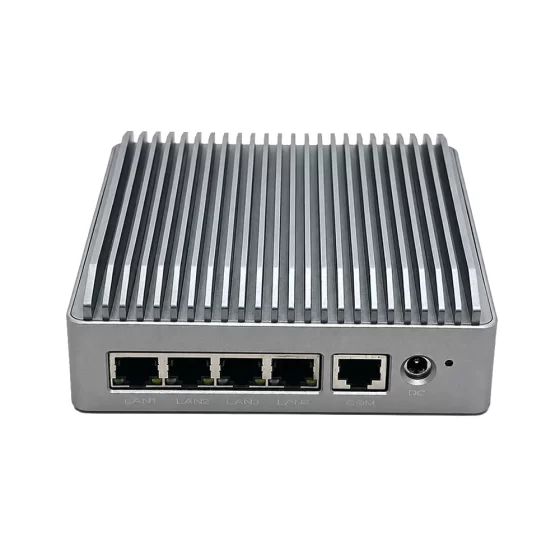
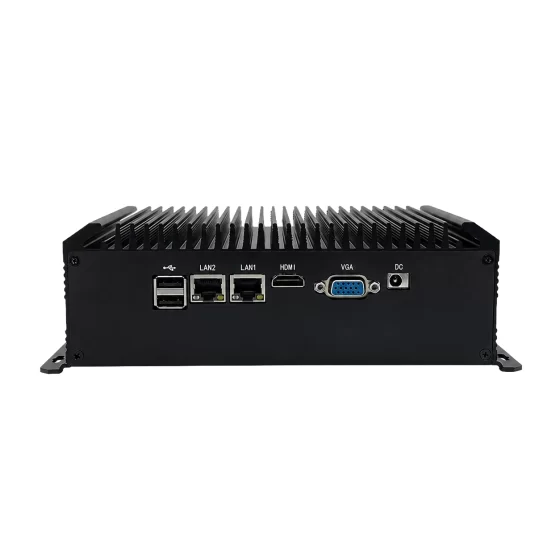
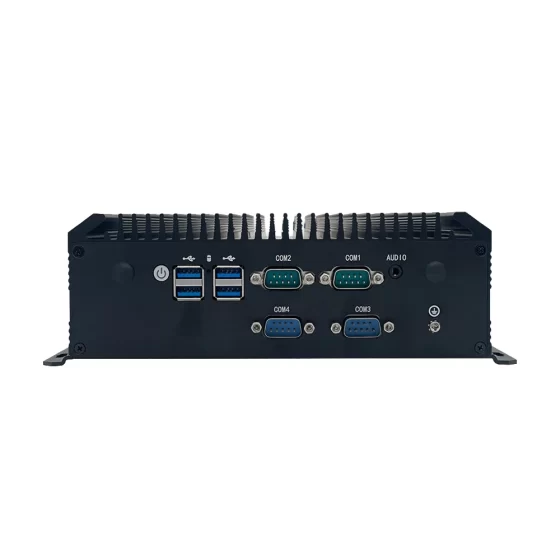
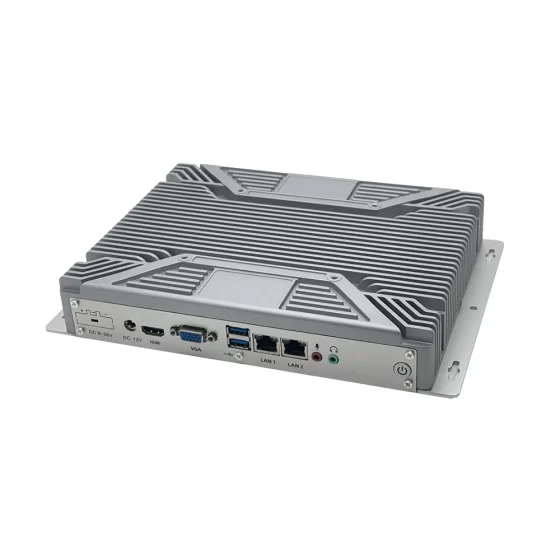
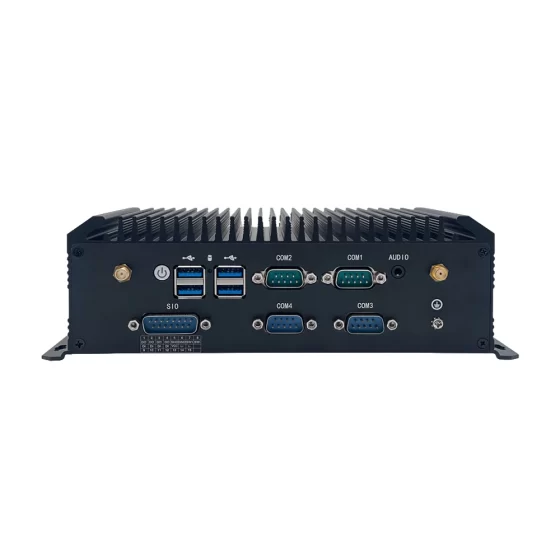
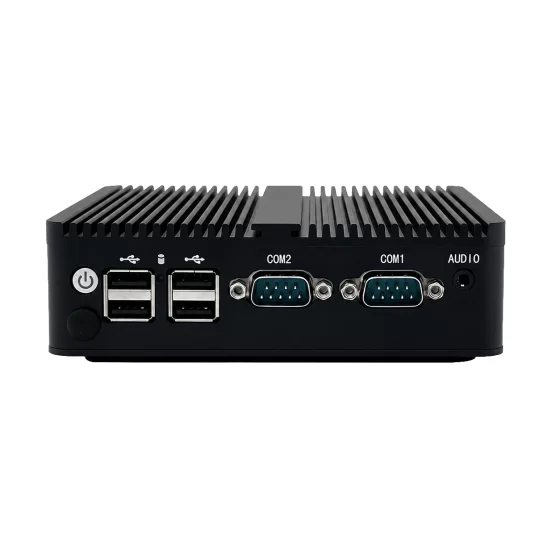
Решения CoreIPC для промышленных вычислений

Платформа складской робототехники: Складской робототехнический компьютер для автоматизированных логистических операций
Управляющее резюме
A warehouse robotics computer provides the industrial computing foundation for AGV and AMR coordination, robot fleet communication, local navigation support, обработка данных датчиков, warehouse automation integration, and real-time logistics visibility.
Modern warehouses increasingly rely on robotic systems to improve picking, сортировка, транспорт, пополнение, inventory handling, pallet movement, и выполнение заказа. AGV, AMR, роботизированное оружие, конвейеры, системы штрих-кодов, RFID-считыватели, промышленные камеры, датчики, WMS-платформы, WCS-системы, and cloud dashboards all need reliable computing and communication.
A warehouse robotics computer built on an industrial computer or embedded computer can connect robots with warehouse infrastructure, process local data, support fleet coordination, collect device status, сегментировать сети, буферные записи, and communicate with higher-level warehouse software.
По сравнению со стандартными офисными ПК или потребительскими шлюзами, industrial computers are better suited for warehouse robotics environments. They support rugged installation, несколько портов локальной сети, последовательная связь, USB, GPIO, локальное хранилище, варианты безвентиляторного дизайна, стабильная потребляемая мощность, и доступность в течение длительного жизненного цикла.
This article explains how warehouse robotics platforms work, what deployment challenges appear in automated logistics environments, как структурирована архитектура решения, and which hardware features matter when selecting an industrial computer or embedded computer for warehouse robotics applications.
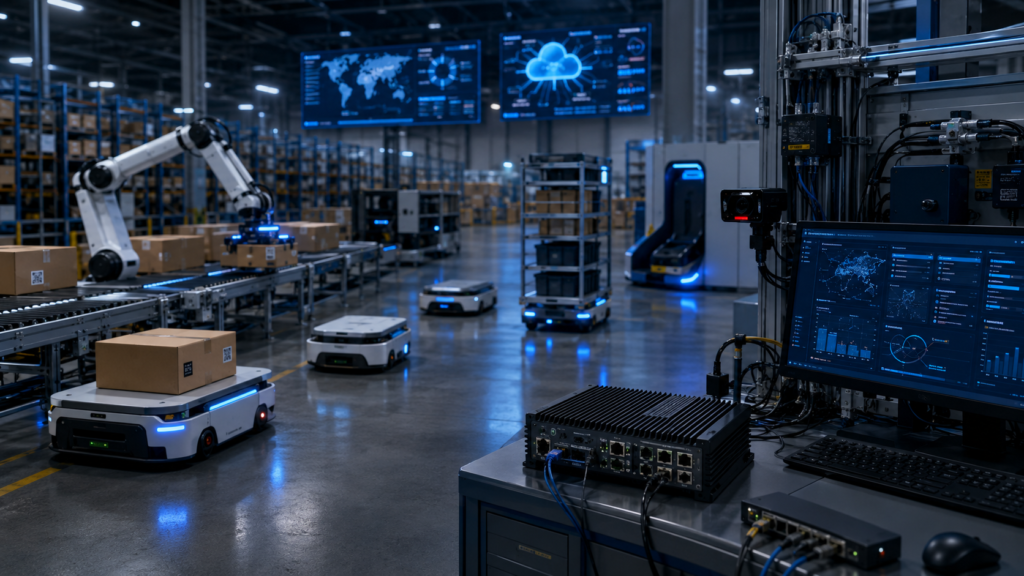
Warehouse robotics computers collect robot, конвейер, сканер, RFID, and equipment data for smart logistics platforms.
Обзор отрасли
Warehouses Are Moving Toward Robotic Automation
Warehouse operations are becoming faster, denser, and more data-driven.
Traditional manual handling is increasingly supported by robots, конвейеры, сканеры, and smart warehouse software. These systems help improve efficiency, reduce walking distance, support flexible picking, and increase order processing speed.
Common warehouse robotics systems include:
- AGV
- AMR
- Robotic picking systems
- Robotic palletizing systems
- Conveyor robots
- Sorting robots
- Мобильные инспекционные роботы
- Forklift assistance systems
- Автоматизированные системы хранения
- Robot charging stations
- Платформы управления автопарком
These systems need reliable edge computing and real-time data exchange.
Warehouse Robots Need Local Computing Infrastructure
Robots do not operate in isolation.
They need to communicate with warehouse control systems, task management platforms, зарядные станции, сканеры штрих-кода, датчики, камеры, traffic control zones, access gates, и системы безопасности.
A warehouse robotics computer can act as a local edge platform that connects these systems.
Он может поддерживать:
- Robot status monitoring
- Fleet data aggregation
- Task communication
- Sensor integration
- Local event processing
- Сегментация сети
- Удаленная диагностика
- Буферизация данных
- Warehouse software integration
- Журналирование безопасности
This makes the computing platform an important part of the robotics infrastructure.
Industrial Computers Support Real Warehouse Deployment
Warehouse environments are not always clean or stable.
Computers may be installed near conveyors, robot charging areas, погрузочные доки, сортировочные линии, шкафы для оборудования, or warehouse racks.
These areas may include dust, вибрация, изменение температуры, нестабильная мощность, напряжение кабеля, ограниченный поток воздуха, и непрерывная работа.
Промышленные компьютеры и встраиваемые компьютеры обеспечивают надежную аппаратную основу, необходимую для таких условий..
They help warehouse automation providers build reliable, ремонтопригодный, and scalable robot-connected systems.

Multiple robots, конвейеры, сканеры, RFID gates, зарядные станции, потоки с камеры, and LAN zones affect warehouse robotics deployment.
Ключевые проблемы
Coordinating Multiple Robots and Devices
A smart warehouse may include many robots operating at the same time.
Each robot may report position, task status, уровень заряда батареи, fault messages, данные датчика, and communication status.
The warehouse robotics platform may also need to connect conveyors, ворота, считыватели штрих-кодов, камеры, зарядные устройства, and WMS or WCS systems.
This creates a complex data environment.
The computing platform must support stable communication between robots, infrastructure, and warehouse software.
Supporting Real-Time Operational Response
Warehouse robotics often requires fast local response.
A delay in task assignment, zone control, obstacle event handling, or conveyor coordination may reduce efficiency or create operational risk.
Time-sensitive data may include:
- Местоположение робота
- Task status
- Состояние батареи
- Charging availability
- Conveyor state
- Safety zone events
- Dock activity
- Barcode scan records
- Пробки на дорогах
- Fault alarms
Edge computing allows important logic to run close to warehouse equipment.
This reduces dependence on remote systems and improves responsiveness.
Integrating with WMS and WCS Platforms
Warehouse robots must work with warehouse software.
A WMS may manage inventory, заказы, picking tasks, receiving, and shipment records. A WCS may coordinate conveyors, своего рода, роботы, сканеры, и средства автоматизации.
The warehouse robotics computer may need to exchange structured data with both systems.
Это может включать в себя:
- Robot task requests
- Pick and place results
- Записи о движении запасов
- Conveyor status
- Сортировка событий
- Barcode scan data
- Robot fault logs
- Charging station data
- Operation performance records
Reliable software integration depends on stable hardware, локальное хранилище, подключение к сети, and protocol support.
Handling Mixed Interfaces and Systems
Warehouse robotics environments often include equipment from multiple vendors.
Different systems may use Ethernet, USB, последовательная связь, GPIO, цифровой ввод/вывод, or wireless modules.
The platform may need to connect:
- Robot fleet controllers
- AGV charging stations
- AMR gateways
- Считыватели штрих-кодов
- RFID-считыватели
- Conveyor PLCs
- Промышленные камеры
- Safety sensors
- Устройства контроля доступа
- Локальные информационные панели
Flexible industrial I/O helps reduce the need for external converters and simplifies deployment.
Поддержание сегментации сети
Warehouse robotics networks should not always share one flat network.
Роботы, сканеры, камеры, WMS servers, office IT devices, системы дистанционного обслуживания, and management tools may require separate network zones.
A warehouse robotics computer with multiple LAN ports can help separate:
- Роботизированная сеть
- Сеть сканеров
- Сеть камер
- Сеть WMS или WCS
- Сеть складского оборудования
- Сеть удаленного обслуживания
- Сеть управления
- Облачный канал связи
Segmentation improves security, организация дорожного движения, и стабильность системы.
Ensuring Continuous Operation
Warehouse robotics systems often run for long hours.
If the computing platform fails, robots may stop receiving tasks, conveyors may lose coordination, dashboards may lose visibility, and maintenance teams may lose diagnostic data.
Reliable deployment requires:
- Прочный корпус
- Варианты безвентиляторного дизайна
- Стабильная потребляемая мощность
- Reliable storage
- Надежный монтаж
- Термическая стабильность
- Доступ к локальному восстановлению
- Резервное копирование конфигурации
- Удаленный мониторинг
- Поддержка длительного жизненного цикла
Industrial-grade hardware helps reduce downtime risk.

Warehouse robotics computers connect robot fleets, конвейеры, WMS, WCS, платформы флота, облачные системы, и локальные базы данных.
Warehouse Robotics Computer Solution Architecture
Robot and Equipment Layer
The robot and equipment layer includes all physical systems involved in warehouse automation.
Этот слой может включать в себя:
- AGV
- AMR
- Роботизированное оружие
- Конвейеры
- Sorting lines
- Считыватели штрих-кодов
- RFID-считыватели
- Промышленные камеры
- Charging stations
- Safety sensors
- Access gates
- ПЛК-контроллеры
- Локальные ИЧМ
These systems generate real-time operational data and require stable communication.
Уровень периферийных вычислений
The edge computing layer is where the industrial computer or embedded computer operates.
На этом слое, платформа может:
- Collect robot status
- Receive scanner data
- Monitor charging stations
- Обработка локальных событий
- Хранить журналы
- Buffer records
- Поддержка удаленной диагностики
- Segment networks
- Forward structured data
- Connect automation devices with warehouse software
This layer provides local computing close to warehouse operations.
Robot Coordination Layer
The robot coordination layer supports communication between robots and control systems.
The platform may exchange:
- Task assignments
- Robot location data
- Состояние батареи
- Route events
- Fault alarms
- Charging requests
- Zone access status
- Conveyor handoff signals
- Pick and delivery confirmations
The goal is to help robots work smoothly with warehouse infrastructure.
Уровень интеграции программного обеспечения склада
The warehouse robotics computer may connect with higher-level platforms, включая:
- WMS
- WCS
- ERP-система
- Системы управления автопарком
- Облачные панели мониторинга
- Локальные базы данных
- Системы технического обслуживания
- Системы мониторинга безопасности
- Промышленные IoT-платформы
This integration allows warehouse managers to track robot activity, inventory movement, состояние оборудования, и эксплуатационные показатели.
Уровень безопасности и управления
The security and management layer helps keep the robotics platform controlled and maintainable.
Он может включать в себя:
- Сегментация сети
- Безопасный удаленный доступ
- Политики брандмауэра
- Разрешения пользователя
- Локальное ведение журнала
- Резервное копирование конфигурации
- Мониторинг состояния устройства
- Мониторинг хранилища
- Удаленная диагностика
- Управление обновлениями
This layer supports long-term system reliability and safer remote maintenance.
Ключевые особенности
Multi-Robot Connectivity
A warehouse robotics platform must support communication with multiple robots and infrastructure systems.
Important connectivity requirements may include:
- Robot fleet network
- Charging station connection
- Conveyor controller connection
- Scanner and RFID integration
- Camera data connection
- WMS or WCS communication
- Удаленный доступ для обслуживания
- Cloud dashboard connection
The system should be sized according to the number of robots, устройства, and data flows.
Проектирование сети с несколькими локальными сетями
Multiple LAN ports are valuable for warehouse robotics deployment.
They allow different networks to remain separated and controlled.
Полезные конфигурации могут включать в себя:
- Robot LAN
- WMS or WCS LAN
- Camera LAN
- Scanner LAN
- Equipment LAN
- Management LAN
- Remote service LAN
- WAN or cloud uplink
This improves network organization and helps prevent high-volume traffic from affecting critical robot communication.
Производительность периферийной обработки
Возможно, платформе потребуется собрать, процесс, магазин, and forward data continuously.
При выборе оборудования следует учитывать:
- Производительность процессора
- Объем памяти
- Robot count
- Количество точек данных
- Частота событий сканера
- Рабочая нагрузка камеры
- Рабочая нагрузка локальной базы данных
- Пропускная способность сети
- Скорость хранения
- Поддержка операционной системы
Для больших складов, the platform should be tested with real robot traffic and warehouse software.
Надежное локальное хранилище
Локальное хранилище поддерживает системные файлы, журналы, robot status records, task events, diagnostic data, upload buffers, и локальные базы данных.
Обычно предпочтение отдается твердотельным накопителям или хранилищам NVMe, поскольку они обеспечивают быстрый доступ и лучшую ударопрочность, чем механические накопители..
При планировании хранения следует учитывать:
- Хранение журнала
- Robot event records
- История задач
- Fault data
- Локальная буферизация данных
- Резервное копирование конфигурации
- Напишите выносливость
- Рабочий процесс восстановления
Reliable storage improves traceability and maintenance efficiency.
Гибкий промышленный ввод-вывод
Warehouse robotics systems may require different I/O configurations.
Полезные опции могут включать в себя:
- локальная сеть
- USB
- RS232
- RS485
- GPIO
- Цифровой вход
- Цифровой выход
- HDMI
- ДисплейПорт
- М.2
- PCIe
- SATA или NVMe
Последовательные порты могут поддерживать устаревшие устройства. USB can connect service tools or scanners. GPIO and digital I/O can support alarms, триггеры, and device status signals. M.2 and PCIe can support expansion.
Прочная и безвентиляторная конструкция
Warehouse robotics platforms may be installed in dusty, склонный к вибрации, or enclosed areas.
Безвентиляторные промышленные компьютеры уменьшают попадание пыли и устраняют одну распространенную точку механического отказа..
Прочные корпуса защищают от вибрации, напряжение кабеля, воздействие установки, и непрерывная работа.
Thermal design should still be reviewed carefully when the system handles continuous communication, локальное хранилище пишет, and edge processing.
Безопасный удаленный доступ
Warehouse automation providers often need remote diagnostics.
A warehouse robotics computer can support controlled remote access for engineers, integrators, and maintenance teams.
Remote access should include:
- Аутентификация пользователя
- Поддержка VPN или безопасного туннеля
- Разрешения доступа
- Регистрация сеанса
- Окна обслуживания
- Сегментация сети
- Резервное копирование конфигурации
- Процедуры экстренного доступа
This supports faster troubleshooting while limiting unnecessary exposure.
Доступность в течение длительного жизненного цикла
Warehouse robotics systems may be deployed across many sites and remain in operation for years.
Согласованное оборудование помогает поддерживать образы программного обеспечения, robot communication drivers, fleet system integration, запчасти, и процедуры валидации.
Long lifecycle availability is important for warehouse automation providers, системные интеграторы, and logistics operators.
Сценарии развертывания
AGV Fleet Integration
AGV fleets need communication with task systems, traffic rules, зарядные станции, and warehouse software.
A warehouse robotics computer can collect AGV status, buffer task records, connect infrastructure devices, and forward information to fleet management or WMS systems.
This improves AGV visibility and operational coordination.
AMR Operation Support
AMRs may operate more flexibly than fixed-route AGVs.
They may report maps, позиции, tasks, battery levels, and obstacle events.
An embedded computer can support local data exchange between AMRs, датчики, warehouse platforms, и мониторинг дашбордов.
This supports safer and more reliable AMR deployment.
Robotic Picking Workstations
Robotic picking systems may use cameras, захваты, конвейеры, считыватели штрих-кодов, and local control systems.
An industrial computer can process equipment data, connect inspection devices, хранить записи, and communicate with WMS or WCS platforms.
This improves picking automation and traceability.
Conveyor and Robot Handoff
Robots often interact with conveyors, своего рода, loading points, and storage areas.
The warehouse robotics computer can support data exchange between robots and fixed automation systems.
This helps coordinate handoff points and reduces timing conflicts.
Robot Charging Station Monitoring
Robot charging areas are critical to continuous operation.
The platform can monitor charging station status, robot battery events, charger alarms, and usage records.
This helps operators understand fleet readiness and maintenance needs.
Warehouse Safety and Zone Monitoring
Robotic warehouses may require controlled zones for people, роботы, вилочные погрузчики, и оборудование.
A computer platform can collect signals from sensors, access controls, устройства безопасности, and robot systems.
This helps improve visibility into zone status and operational events.
Multi-Site Robot Operations
Large logistics operators may deploy robots across many warehouses.
A standardized warehouse robotics platform can collect local site data and send selected information to centralized dashboards.
This supports consistent monitoring, обслуживание, and performance analysis.
OEM Warehouse Robotics Appliance
Warehouse automation providers can build custom robotics appliances using industrial computers or embedded boards.
The platform can support robot connectivity, интеграция устройств, локальное хранилище, удаленный доступ, и надежное развертывание.
This helps create repeatable solutions for different customer environments.
Преимущества для бизнеса
Better Robot Visibility
A warehouse robotics computer helps collect robot status, task progress, уровень заряда батареи, fault records, and operational events.
This gives operators better visibility into robotic warehouse activity.
Improved visibility supports faster decisions and better resource planning.
Improved Automation Coordination
Robots must work with conveyors, сканеры, WMS, WCS, зарядные станции, и складская инфраструктура.
A local computing platform helps connect these systems and coordinate data exchange.
This improves automation flow and reduces integration gaps.
Более быстрый местный ответ
Edge computing allows important events to be processed near the warehouse floor.
Robot alerts, сканер событий, charging issues, and equipment status changes can be handled locally.
This reduces response delay and improves operational stability.
Снижение риска простоя
Industrial computers provide rugged hardware for long-running warehouse robotics systems.
Варианты безвентиляторного дизайна, надежное хранение, стабильная потребляемая мощность, and secure mounting help reduce maintenance risk.
This supports continuous logistics operations.
Более сильная сетевая организация
Multi-LAN warehouse robotics platforms help separate robot networks, сети сканеров, сети камер, WMS or WCS systems, и удаленный доступ для обслуживания.
This improves security and reduces unnecessary traffic interference.
A structured network supports scalable automation.
Scalable Robotics Deployment
A standardized warehouse robotics computer platform makes it easier to deploy similar systems across many zones, склады, и сайты клиентов.
Согласованное оборудование упрощает образы программного обеспечения, шаблоны конфигурации, планирование запасных частей, обучение техническому обслуживанию, и управление жизненным циклом.
This supports long-term warehouse robotics expansion.
Почему CoreIPC
CoreIPC предоставляет промышленные вычислительные платформы для робототехники, промышленный Интернет вещей, машинное зрение, крайний ИИ, промышленная автоматизация, и встроенная системная интеграция. For warehouse robotics computer applications, CoreIPC специализируется на надежном промышленном компьютерном оборудовании., встроенные компьютерные решения, конфигурации с несколькими локальными сетями, последовательная связь, гибкий ввод-вывод, компактная конструкция системы, варианты безвентиляторного развертывания, возможность локального хранения, и поддержка настройки OEM/ODM. CoreIPC helps warehouse automation providers, системные интеграторы роботов, и логистические операторы выбирают вычислительные платформы, соответствующие реальным требованиям развертывания, including robot count, интерфейсы устройств, нагрузка на данные, Количество портов локальной сети, потребности в хранении, способы крепления, потребляемая мощность, термические условия, и планирование жизненного цикла.
Часто задаваемые вопросы
1. What is a warehouse robotics computer?
A warehouse robotics computer is an industrial computing platform used to connect, монитор, and support robotic warehouse systems.
It may communicate with AGVs, AMR, конвейеры, сканеры, зарядные станции, датчики, WMS-платформы, WCS-системы, и локальные информационные панели. It helps collect data, process events, хранить журналы, and support automation coordination.
2. Why use an industrial computer for warehouse robotics?
An industrial computer provides rugged hardware and flexible connectivity for warehouse deployment.
Он может поддерживать несколько портов LAN., последовательная связь, USB, GPIO, локальное хранилище, безвентиляторный режим, промышленный монтаж, стабильная потребляемая мощность, и доступность в течение длительного жизненного цикла. These features make it suitable for robot zones, конвейерные площадки, шкафы, и складские периферийные системы.
3. How is an embedded computer used in warehouse robotics?
An embedded computer can act as a compact local edge platform near robots or automation equipment.
It can collect robot data, process local events, connect scanners and sensors, хранить записи, communicate with WMS or WCS systems, and support remote diagnostics.
4. What robots can be supported by a warehouse robotics platform?
A warehouse robotics platform may support AGVs, AMR, robotic picking systems, роботизированное оружие, conveyor robots, sorting robots, mobile inspection robots, and automated transport systems.
The exact support depends on robot communication interfaces, интеграция программного обеспечения, сетевой дизайн, и требования к приложению.
5. Why are multiple LAN ports important for warehouse robotics?
Multiple LAN ports help separate robot networks, складское оборудование, сканеры, камеры, WMS or WCS systems, management traffic, и удаленный доступ для обслуживания.
This improves network clarity and reduces the chance that high-volume or non-critical traffic affects robot communication.
6. Can warehouse robotics computers support AGV and AMR systems?
Да. Warehouse robotics computers can support AGV and AMR systems by collecting status data, connecting fleet systems, monitoring charging stations, exchanging task records, and forwarding operational data to warehouse platforms.
They can also support local buffering and remote maintenance.
7. What hardware features matter for warehouse robotics computers?
Важные функции включают несколько портов LAN., RS232, RS485, USB, GPIO, цифровой ввод/вывод, надежная память, SSD или NVMe-хранилище, прочный корпус, безвентиляторный дизайн, промышленная потребляемая мощность, вывод дисплея, М.2, PCIe, и возможности расширения.
The final configuration should match robot count, интерфейсы устройств, нагрузка на данные, и среда установки.
8. Can warehouse robotics computers connect with WMS and WCS platforms?
Да. A warehouse robotics computer can exchange structured data with WMS and WCS platforms.
It may send robot status, task results, scanner records, conveyor events, charging data, fault logs, and equipment status records to warehouse software systems.
9. Can fanless computers support warehouse robotics workloads?
Да. Fanless industrial computers can support many warehouse robotics workloads because they reduce dust intake and remove one common mechanical failure point.
Однако, thermal design should be reviewed when the system handles continuous robot communication, локальные базы данных, данные камеры, or edge processing.
10. Что следует протестировать перед развертыванием?
Перед развертыванием, the platform should be tested with real robots, сканеры, конвейеры, зарядные станции, топология сети, складское программное обеспечение, скорость передачи данных, поведение хранилища, и длительная эксплуатация.
Термическая стабильность, удаленная диагностика, сегментация сети, процедуры восстановления, and integration with WMS or WCS should also be validated.
Заключение
A warehouse robotics computer is a practical foundation for AGV and AMR coordination, robot fleet visibility, smart warehouse automation, conveyor integration, scanner data collection, charging station monitoring, and warehouse software connectivity.
By placing an industrial computer or embedded computer near warehouse robotics systems, automation providers and logistics operators can connect robots, сканеры, конвейеры, датчики, зарядные станции, WMS-платформы, WCS-системы, облачные информационные панели, и инструменты обслуживания через надежные и контролируемые каналы связи.
The right warehouse robotics platform should be selected according to real deployment requirements, including robot count, интерфейсы устройств, Дизайн порта LAN, нагрузка на данные, конфигурация хранилища, политика удаленного доступа, метод монтажа, потребляемая мощность, термические условия, поддержка операционной системы, и планирование жизненного цикла.
CoreIPC supports warehouse robotics computer projects with industrial computing platforms designed for practical logistics, робот, край, кабинет, и OEM-развертывание. С правильной аппаратной основой, операторы складов и поставщики средств автоматизации могут создать надежные, масштабируемый, and data-driven robotic logistics systems.
Связаться с нами
Ищу промышленный компьютер, встроенный компьютер, or edge platform for warehouse robotics deployment?
Свяжитесь с CoreIPC, чтобы обсудить требования вашего проекта, including robot count, интерфейсы устройств, Конфигурация порта локальной сети, WMS or WCS integration, нагрузка на данные, дизайн хранилища, метод монтажа, потребляемая мощность, операционная среда, потребности жизненного цикла, и варианты настройки OEM/ODM.